sandhyaflexbiz@gmail.com - GST NO. : 36ABTCS2276B1Z4
- Send Email

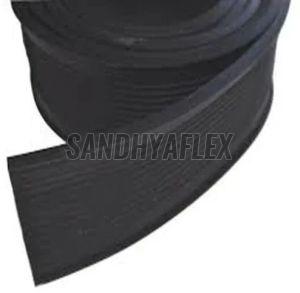


| Business Type | Manufacturer, Exporter, Supplier |
| Brand Name | SNDHYAFLEX |
| Material | Rubber |
| Color | Black |
| Click to view more | |
Product Details
Certification
ISO:9001:2015
Feature
Wear Resisting
Hardness
60 to 70 Shore A
Type
Rubber Beading
Country of Origin
India
Material Composition
Natural Rubber And Synthetic Rubber Compounds (Neoprene, EPDM, Silicone, Buna, Fluorine Rubber)
Cell Structure
Mixed Open-cell And Closed-cell Structure
Primary Function
Sealing, Cushioning, Vibration Damping, And Sound Insulation
Elasticity
High Compression Elasticity With Excellent Recovery Properties
Softness Range
Adjustable Softness Based On Formulation And Density
Density Control
Controlled By Material Mix And Weight-to-volume Ratio
Surface Requirement
Requires Outer Skin For Effective Sealing Applications
Manufacturing Methods
Available In Moulded And Extruded Sponge Rubber Profiles
Product Code
SRB
Payment Terms
L/C
Delivery Time
7 to 15 days
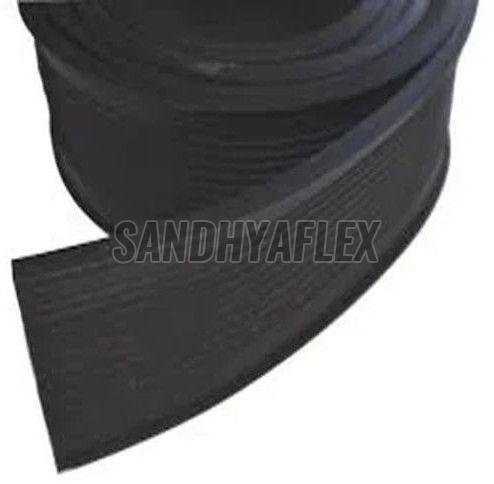
Sponge Rubber Beading: SANDHYAFLEX INDIA PVT LTD an ISO 9001:2015 Certified Company manufacturing and supplier an Exporter of Sponge Rubber Beading . SANDHYAFLEX INDIA PVT LTD manufacture Sponge Rubber Beading and profiles are suitable for a multitude of applications throughout industry. The softness, elasticity, surface finish, shape and durability of sponge rubber can be varied to match the requirements of virtually any application. Precision seals, soundproofing panels, flexible supports... the possibilities are endless. Take a look at our sponge rubber products and you will be amazed how versatile this material is. Our products are reliable and durable.
What is sponge rubber?
Sponge rubber differs from cellular rubber in that it is has a mixed open and closed cell structure. This rubber material has a high compression elasticity and good resilience.
It is available as natural or synthetic rubber in forms such as chloroprene, EPDM, silicone, Buna or fluorine rubber. The raw materials used bond particularly well with the special material structure of sponge rubber. At first glance, sponge rubber appears to have the same appearance as cellular rubber. Closer inspection will reveal the difference. Inside, sponge rubber has a mixed open and closed cell structure.
It differs from cellular rubber also in that it requires the addition of an outer skin if it is to be used for sealing applications. Sponge Rubber profiles and round cords have a high compression elasticity combined with particularly good resilience. Under light pressure the profile flexes out to the surrounding surfaces making a perfect seal. The softness of sponge rubber is varied by using special mixes and by varying its volume by weight, i.e. its density. There are two methods for manufacturing sponge rubber profiles: Moulded sponge rubber and extruded sponge rubber profiles.
Looking for "Sponge Rubber Beading" ?
Kilogram