sandhyaflexbiz@gmail.com - GST NO. : 36ABTCS2276B1Z4
- Send Email

Rubber Products
Leading Manufacturers, Exporters, Wholesaler, Retailer of 100 Id Fly Ash Rubber Hose, 100mm Cement Feeding Rubber Hose, 100mm Cementing Rubber Hose, 100mm I D Fly Ash Hose Pipe, 100NB Rubber Hose, 10Bar Sandhyaflex Slurry Rubber Hose, 11855 Hollow Bulb Dam Gate Seal, 125mm Cementing Rubber Hose, 125mm Id Fly Ash Rubber Hose, 210x210mm Deep Galvanized Drainage Spout, 22mm Bull Dia Hollow Bulb Dam Gate Seal, 25 Bar Slurry Rubber Hose, 262x262mm Drainage Spout, 4inch Cement Feeding Rubber Hose Pipe, 5Mtr Cement Feeding Rubber Hose with Swival Flange, 75mm Id Rubber Hose Both End MS Flange, 8mm Gap Vibrating Screen Rubber Beading, Acid Alkali Resistance Rubber Sheet, Air Braided Hose Pipe, Air Bulker Unloading Rubber Hose, Air Hose and Air Rubber Hose from Hyderabad.
| Business Type | Manufacturer, Exporter, Supplier |
| Brand Name | SANDHYAFLEX |
| Material | Rubber |
| Shape | Round |
| Color | Black |
| Pressure | Medium |
| Usage | RMC Industries |
| Certification | ISO:9001-2015 |
| Product Code | 100MMIDFARH |
| Port | mumbai |
| Delivery Time | 7 to 15 days |
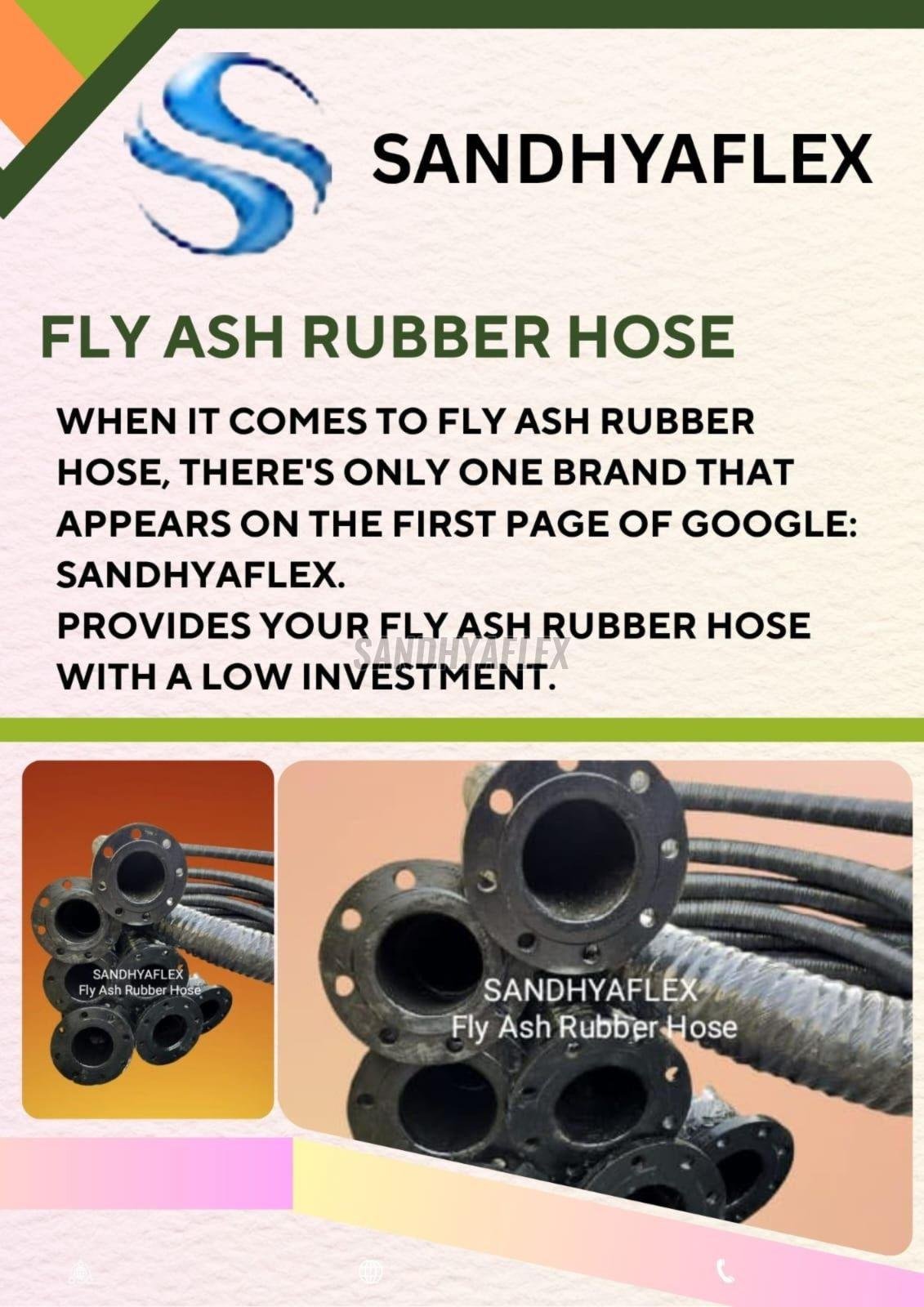
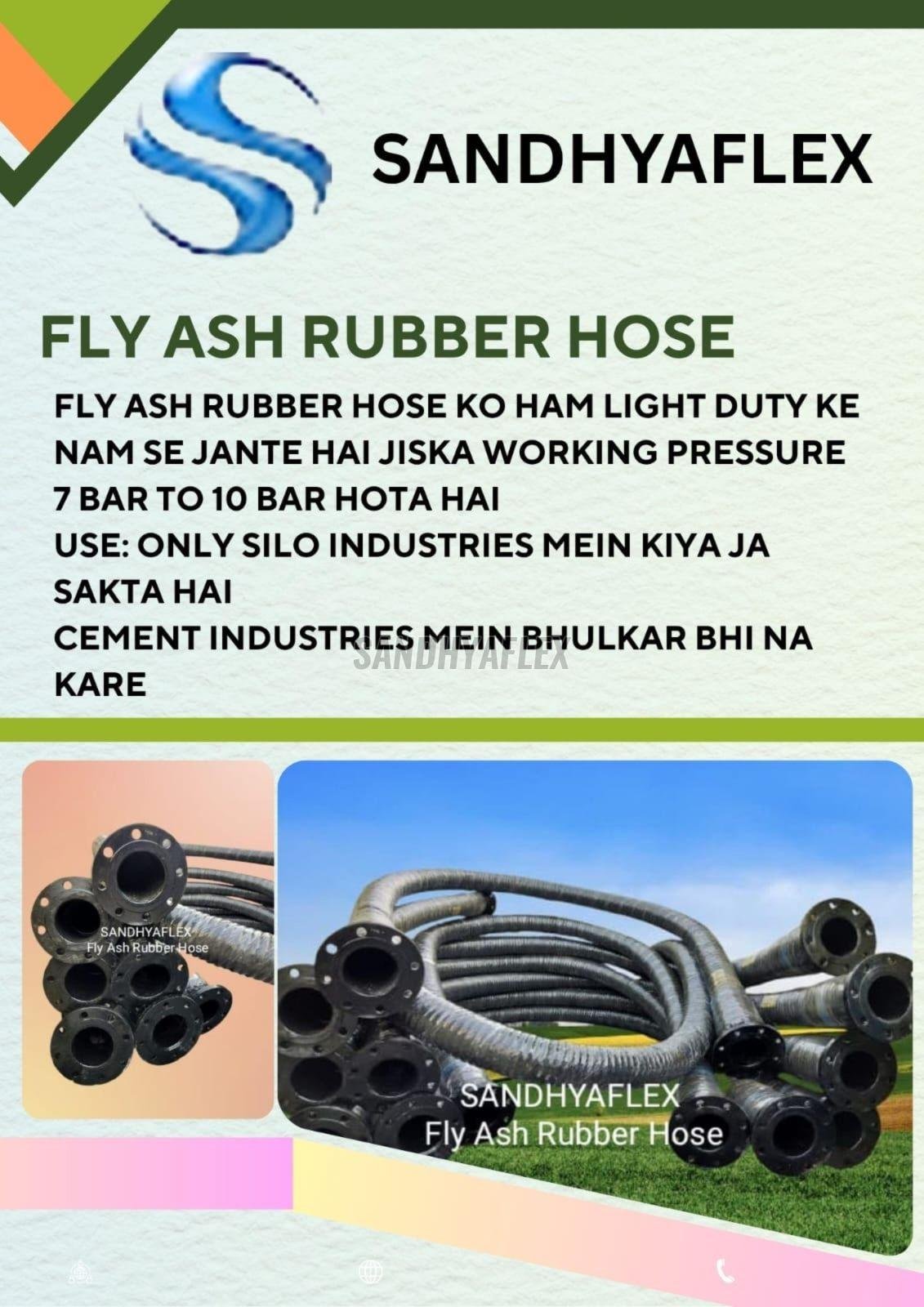
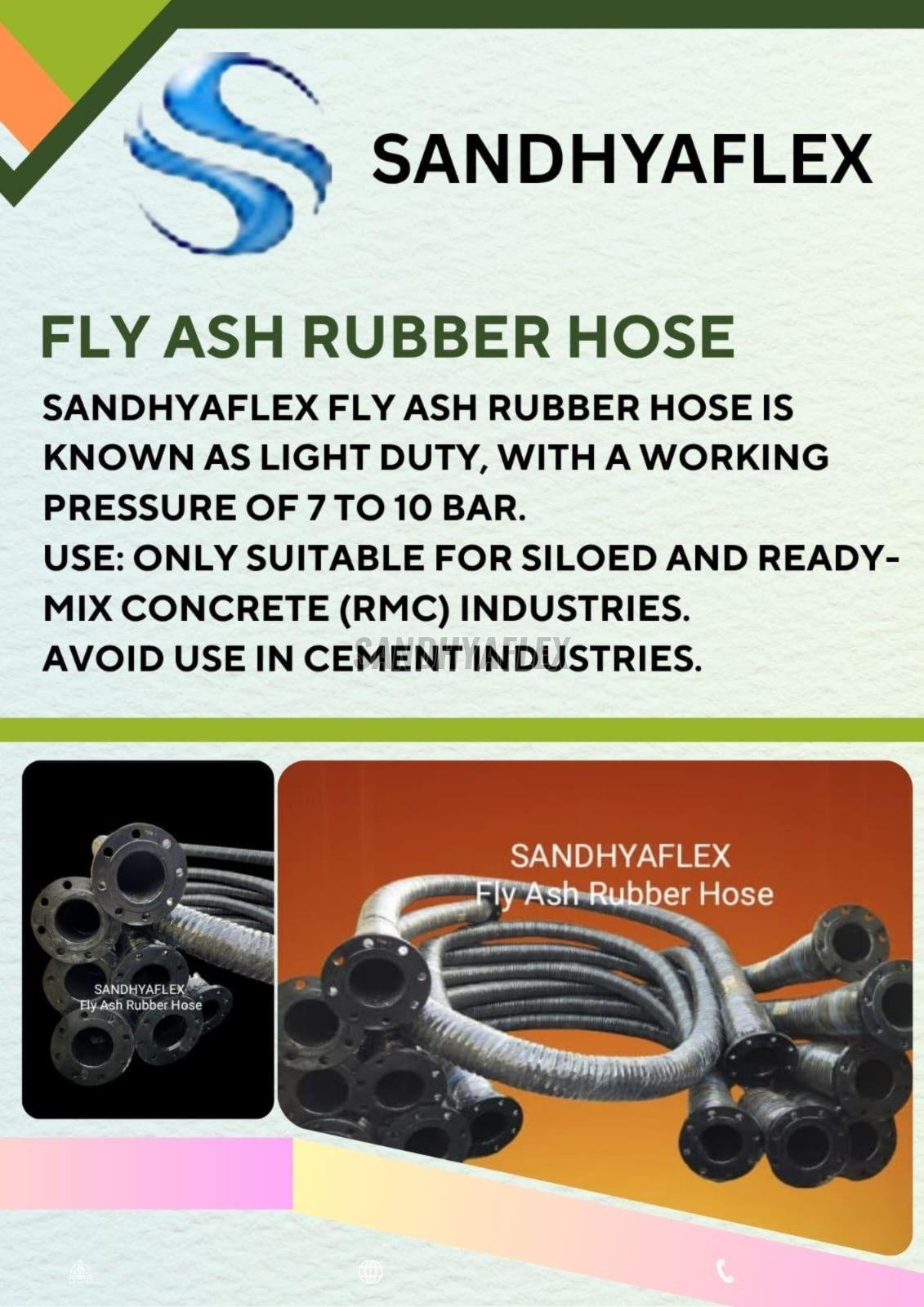
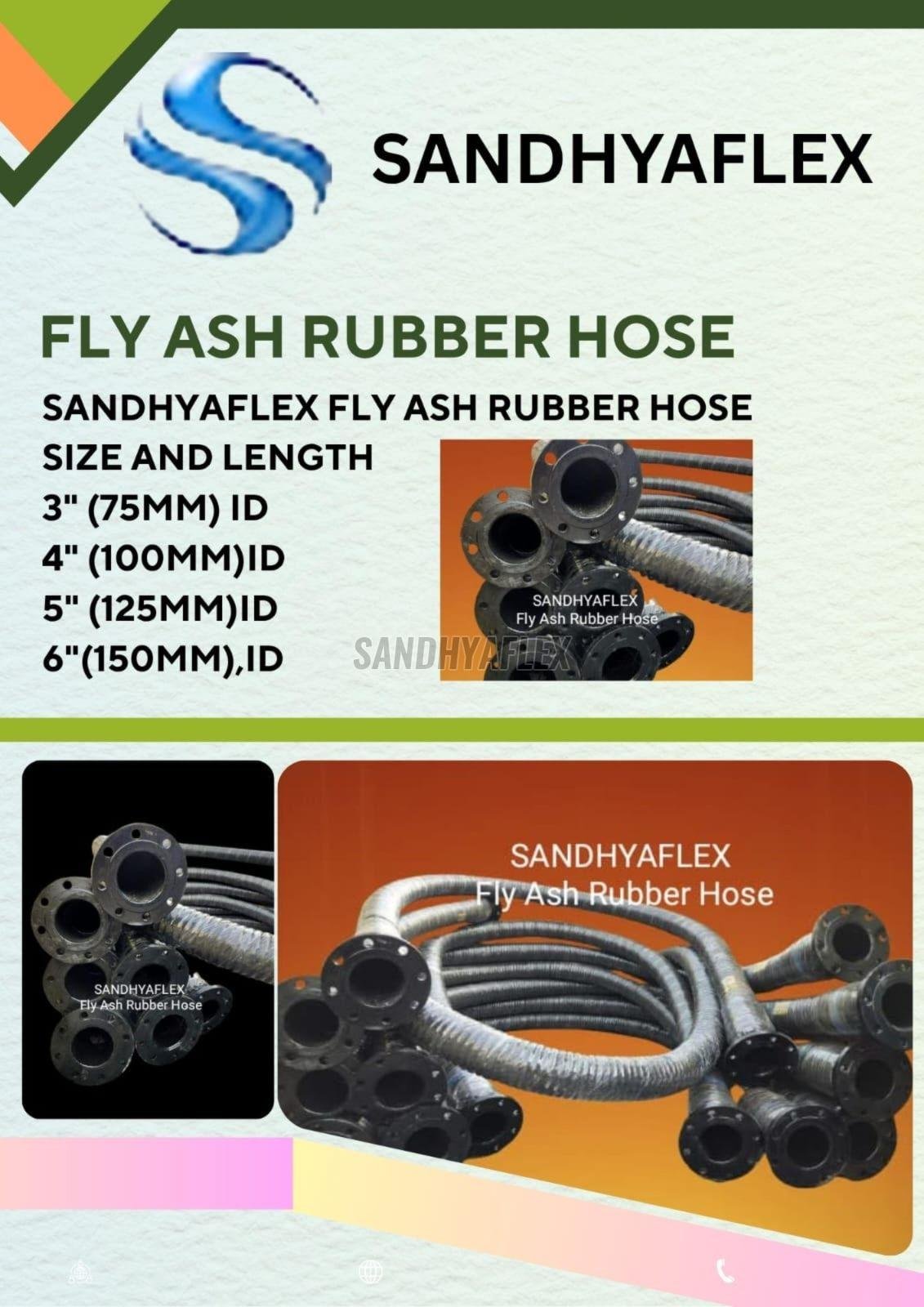
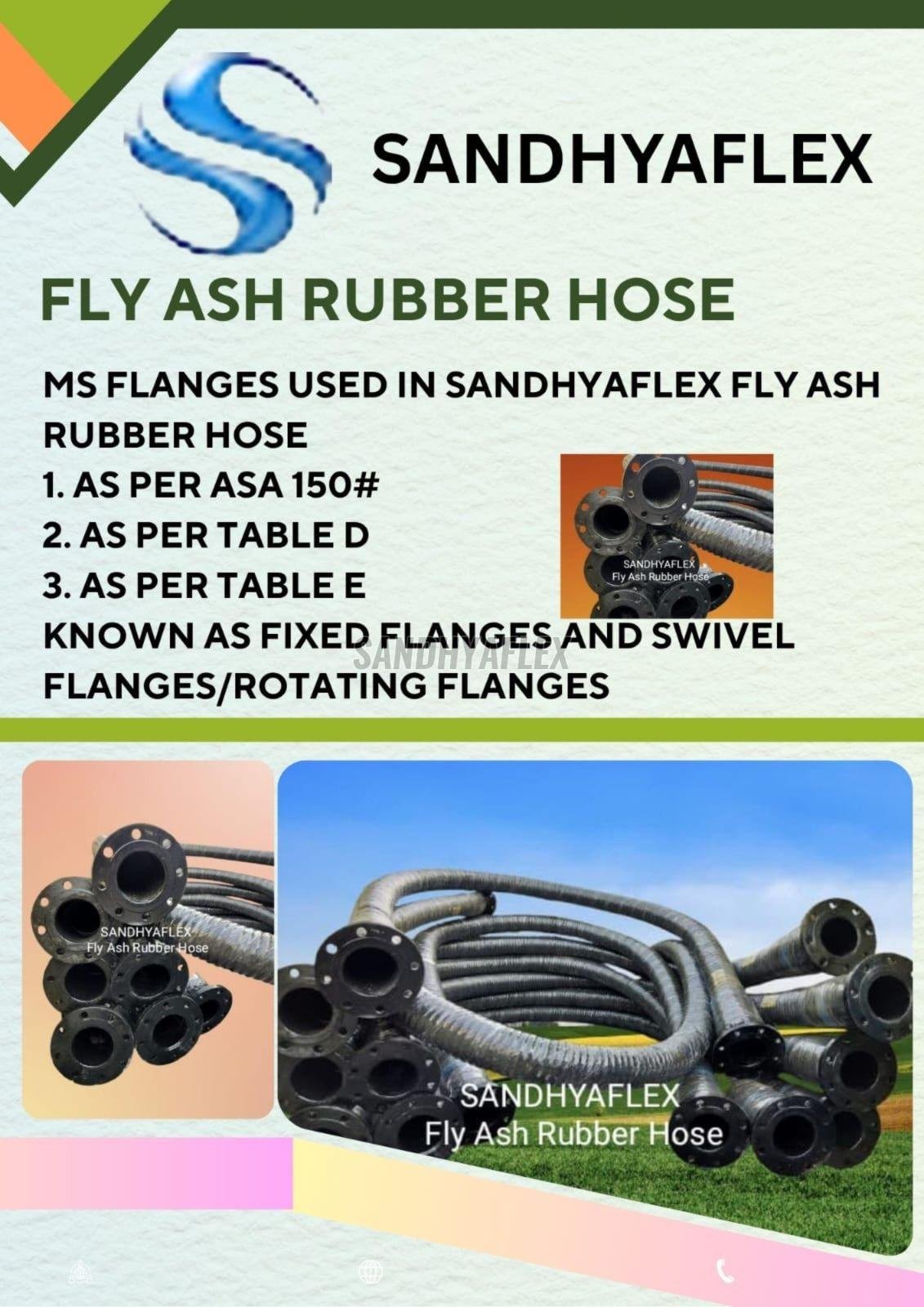
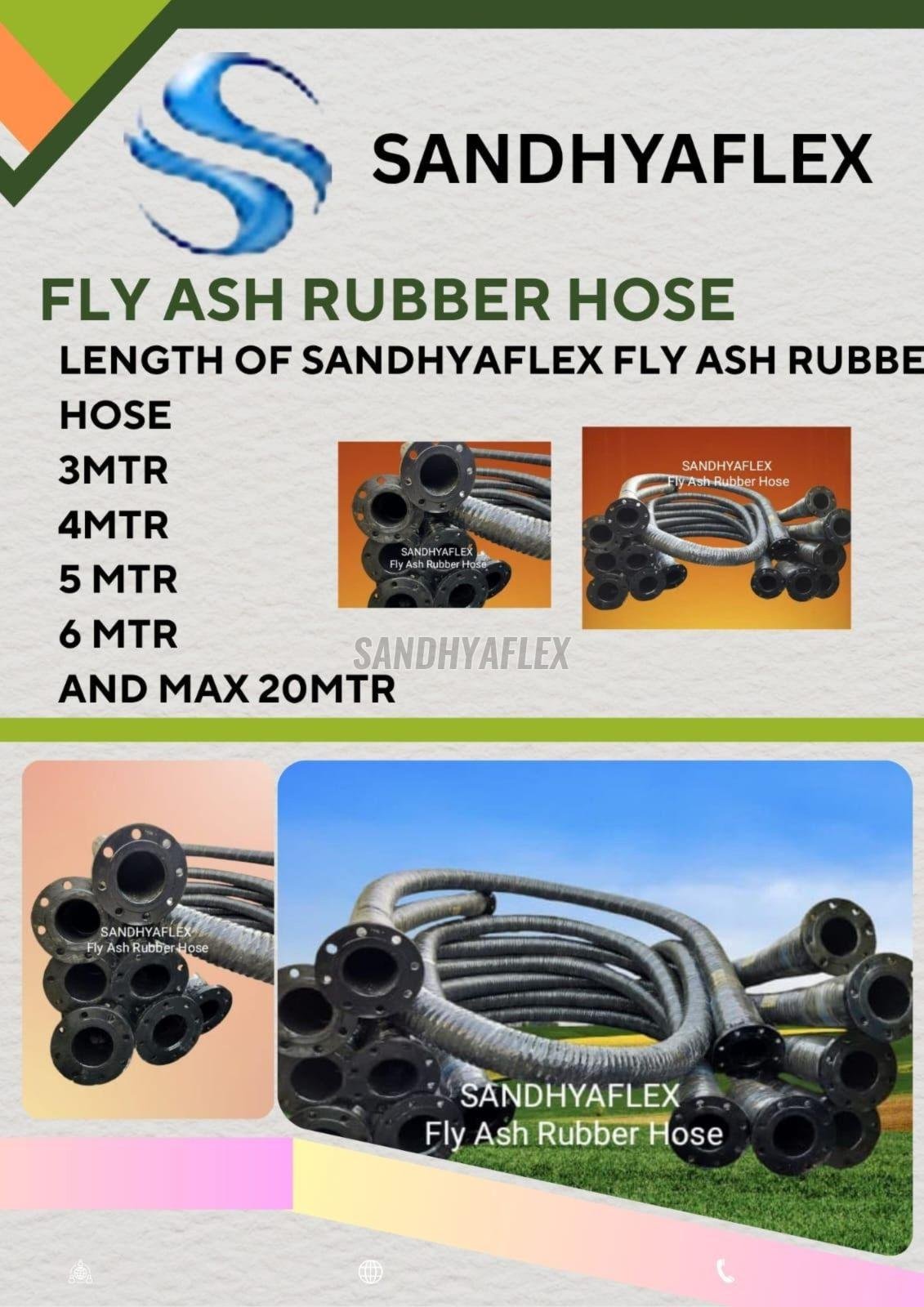
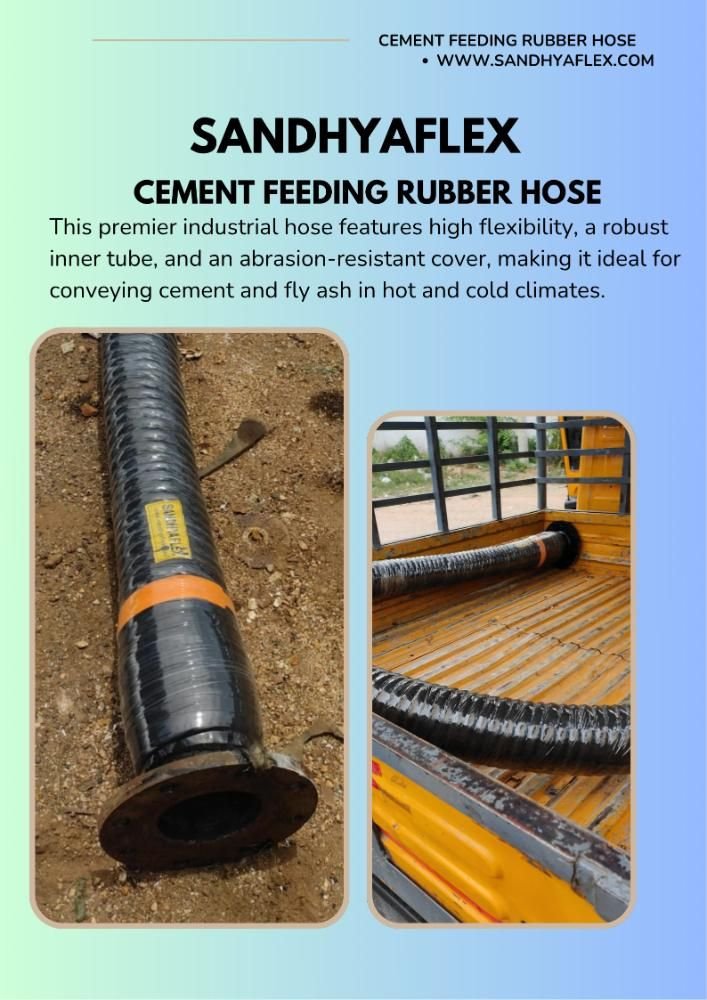
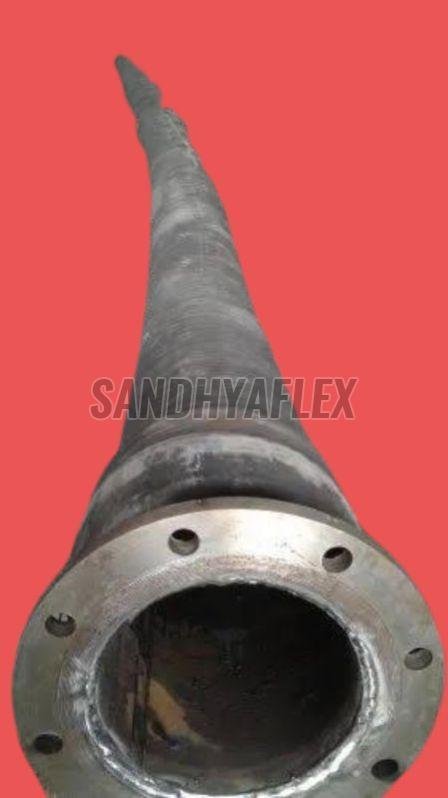
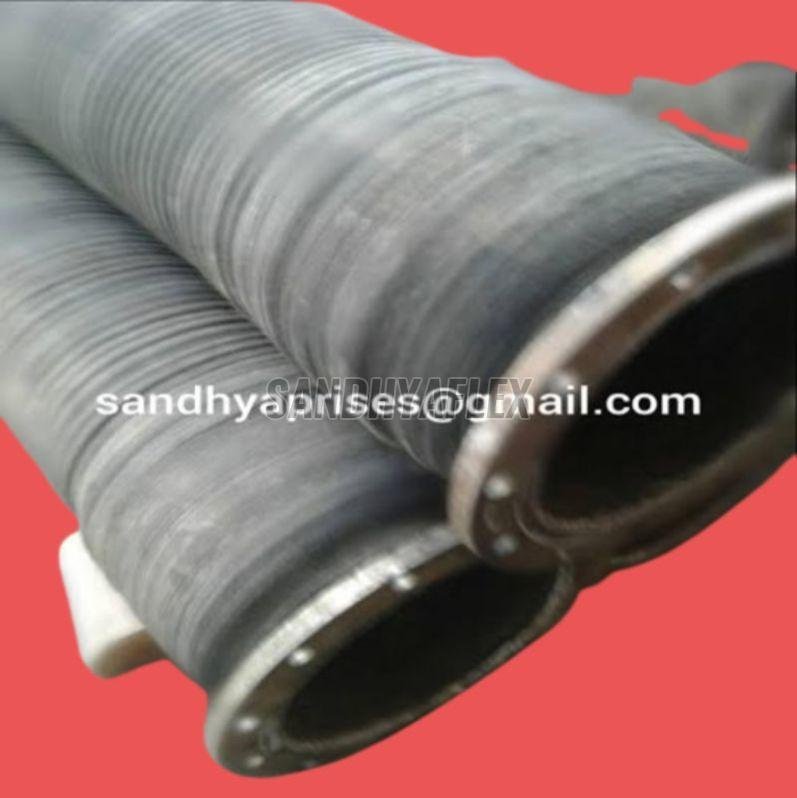
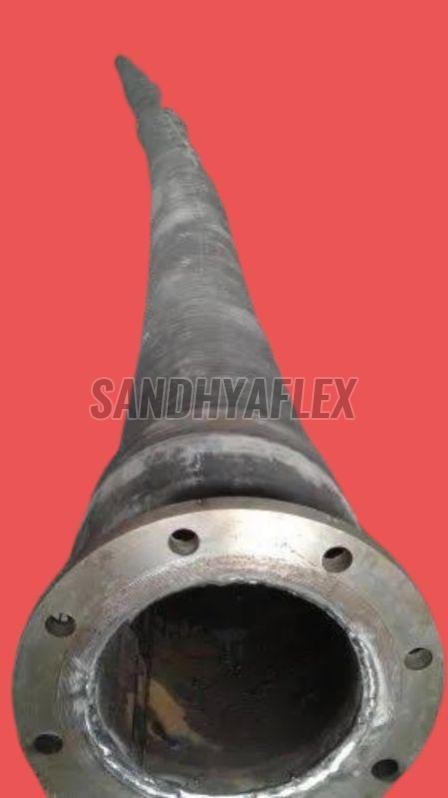
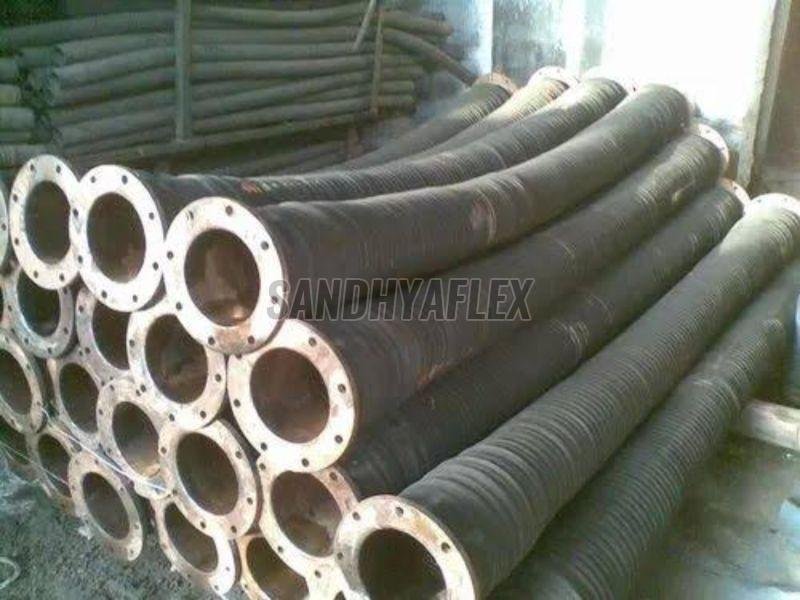
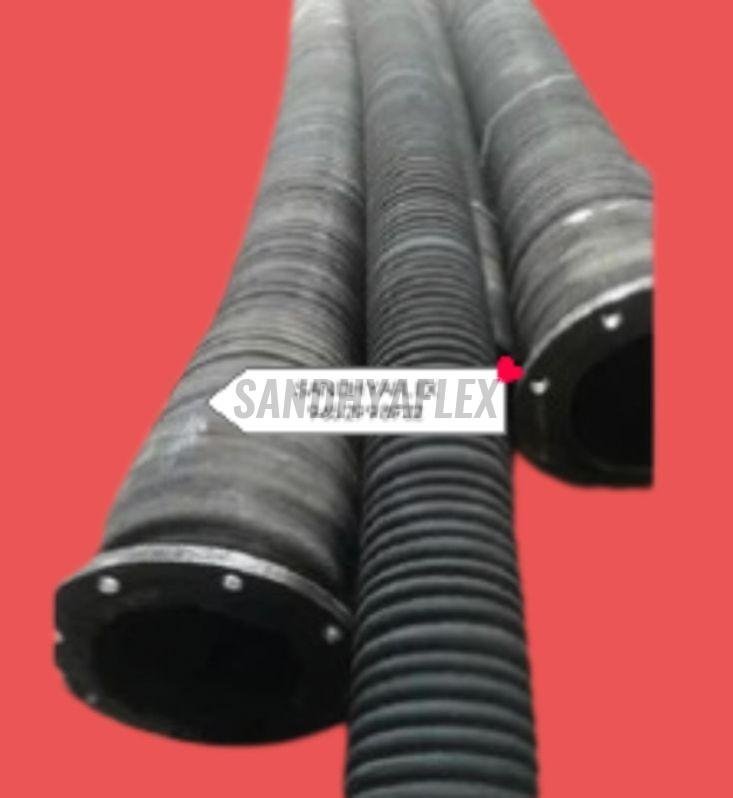
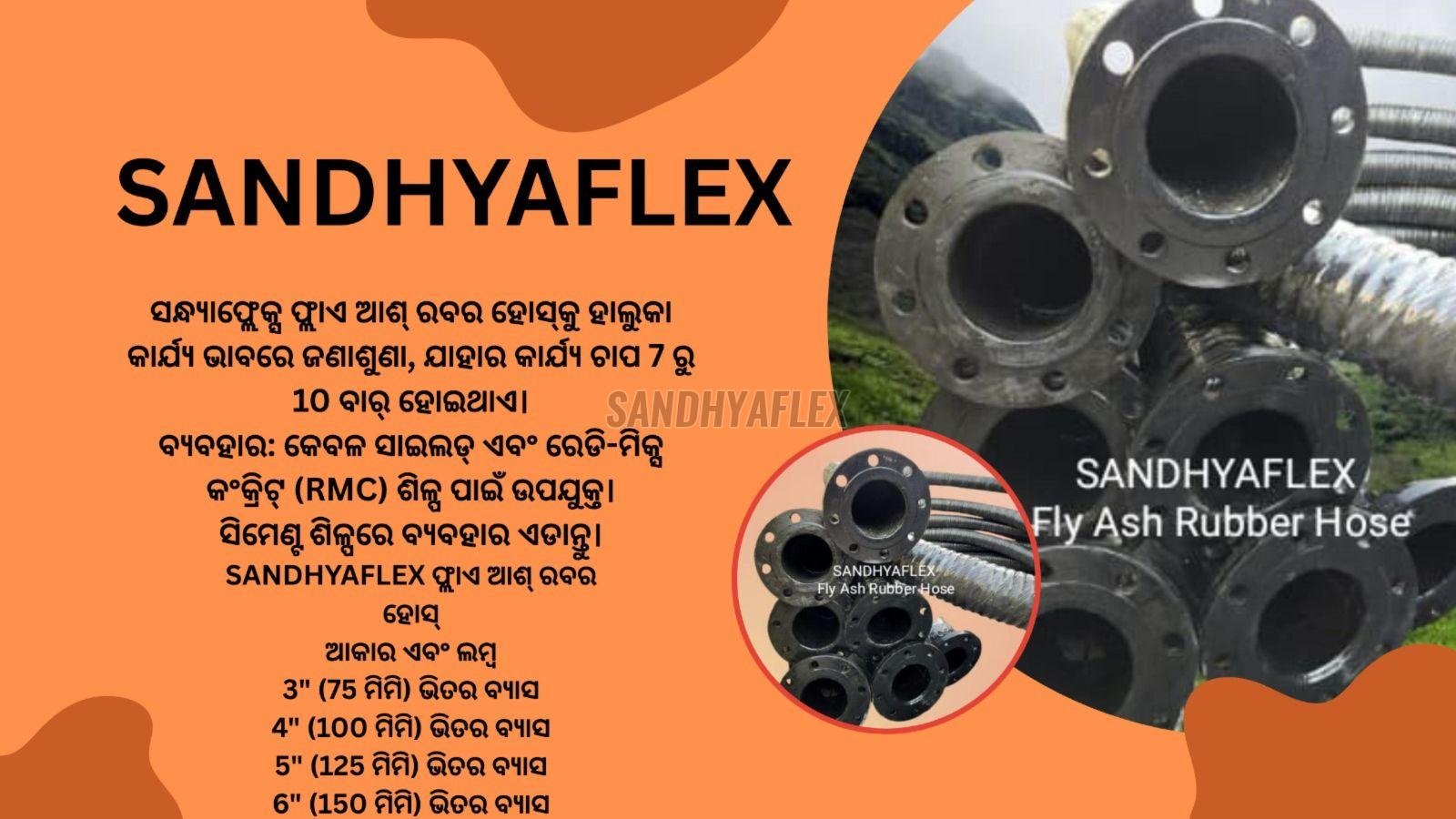
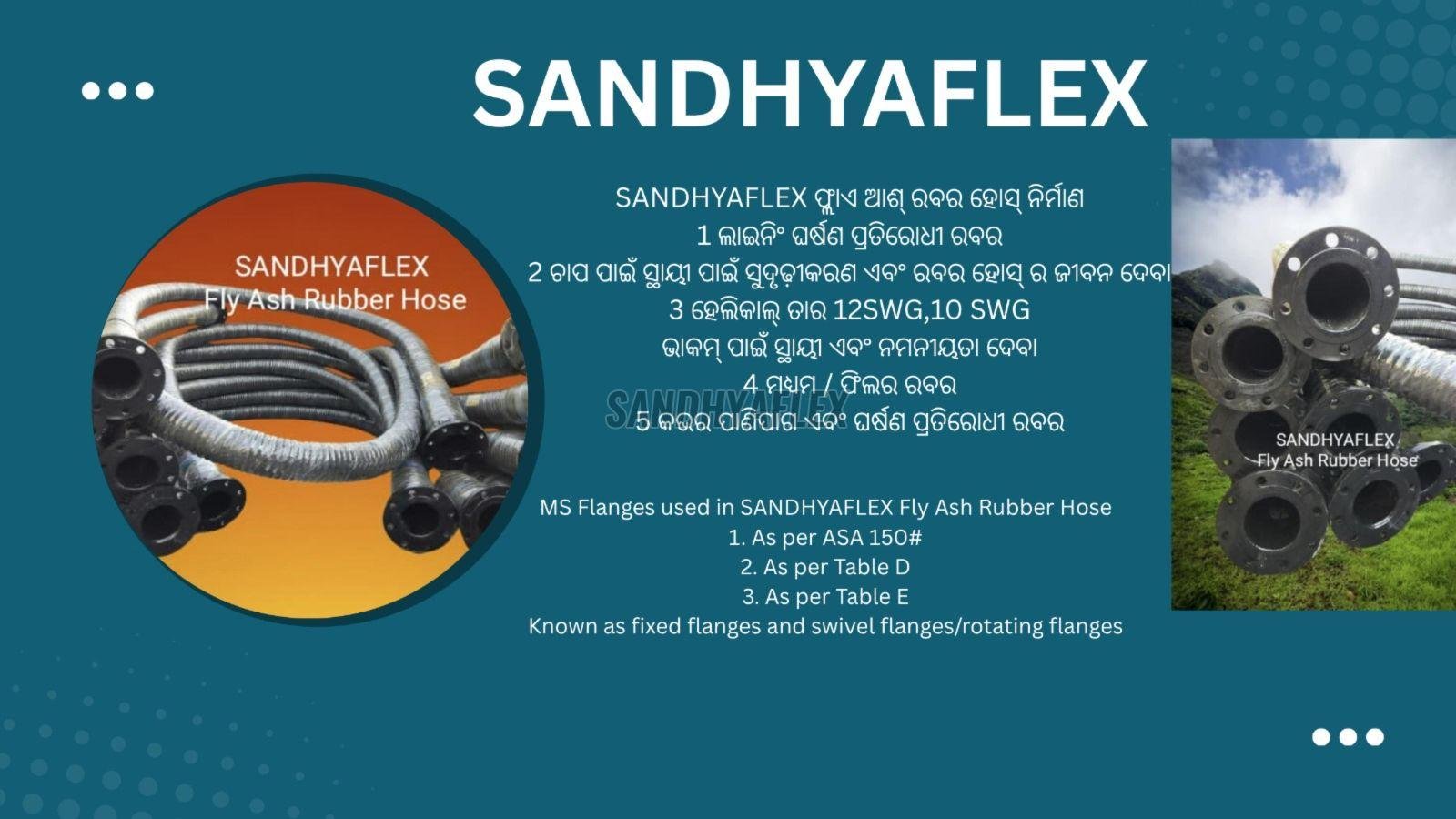
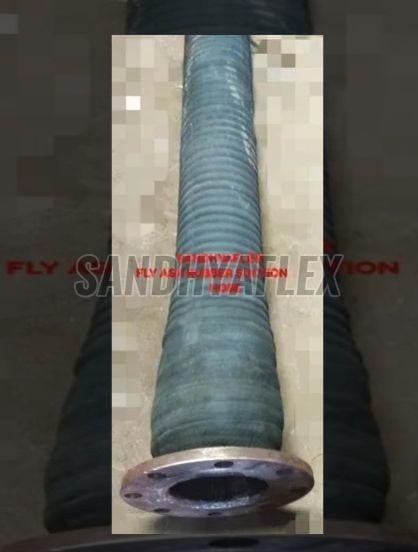
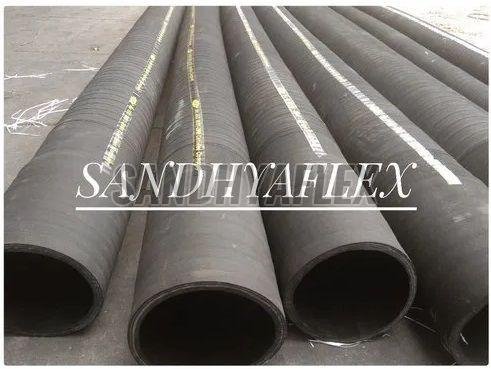
For 100mm ID SANDHYAFLEX Fly Ash Rubber Hose, the key buying factors are inner diameter (100mm / 4”), working pressure (~10 bar), abrasion resistance, and end fittings (flange or plain ends). This size is widely used for high-volume cement & fly ash transfer in industrial systems.
🏆 Best Overall (100mm Fly Ash Hose with Flange)✔ 100mm (4 inch) large diameter → high material flow
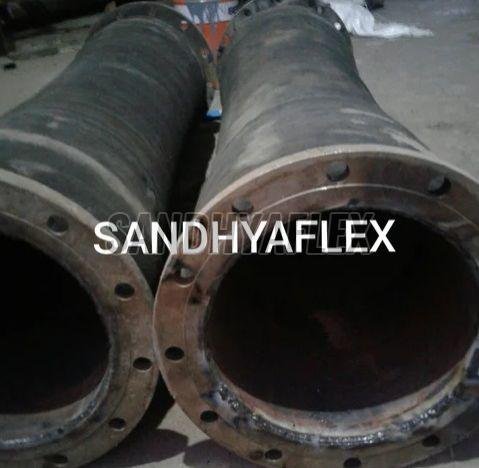
✔ MS flange ends → secure & leak-proof connection
✔ Designed for cement, fly ash & abrasive materials
-
Suitable for continuous plant operations
-
Strong textile + wire reinforcement
-
Good for general industrial use
-
Economical option
| Business Type | Manufacturer, Exporter, Supplier, Retailer |
| Brand Name | SNDHYAFLEX |
| Material | Rubber |
| Shape | Round |
| Pressure | Medium |
| Size (Inches) | 4 Inch |
| Working Pressure | 10Bar |
| Country of Origin | India |
| No. Of Layers | 4 Layer |
| Total Carbohydrate | 1 Year |
| Is It Flexible | Yes |
| Hose Lining | Yes |
| Shock Proof | Yes |
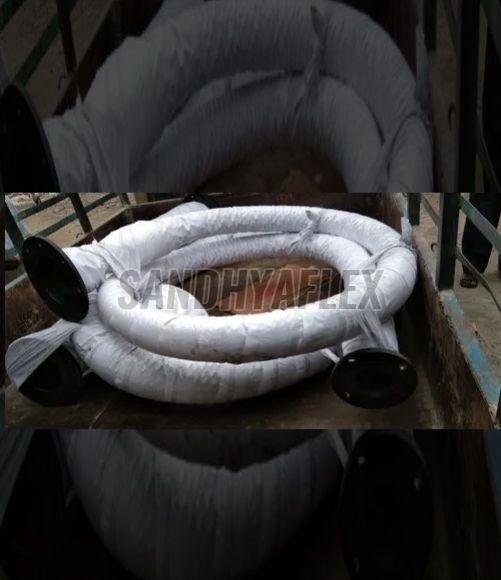
| Packaging Details | packing with HDPE Cover |
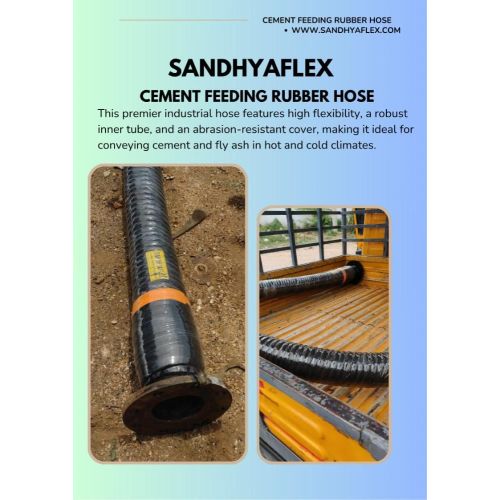
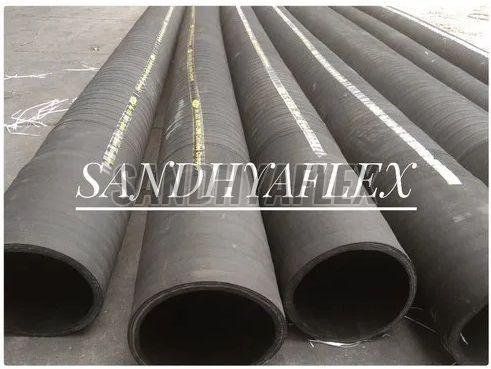
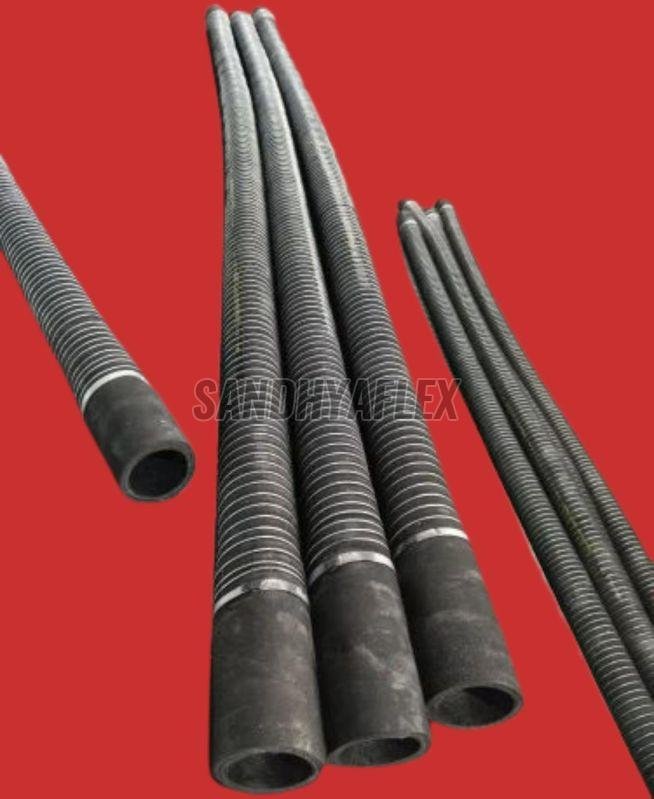
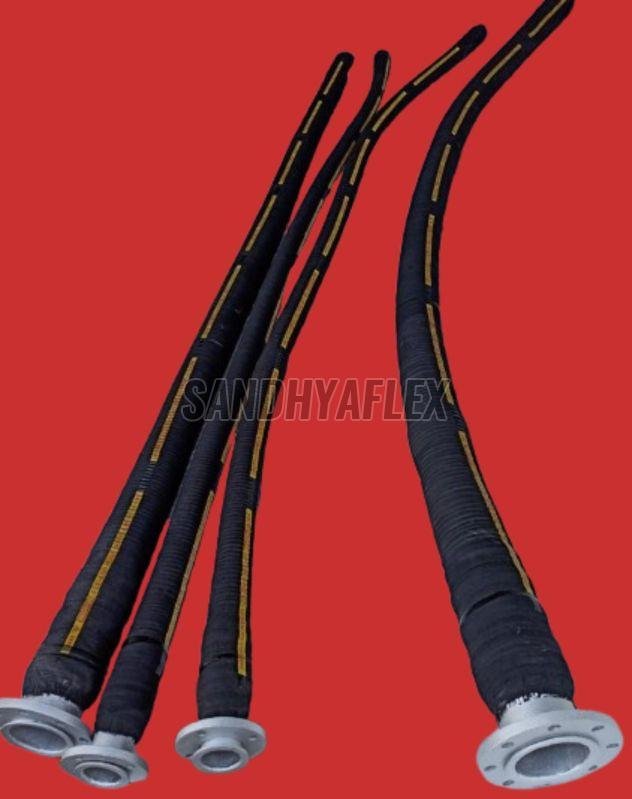
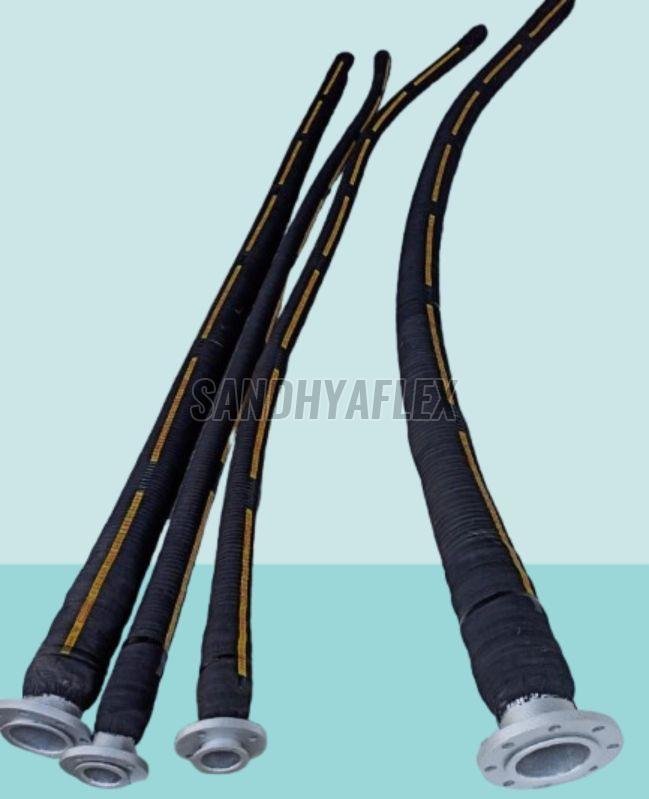
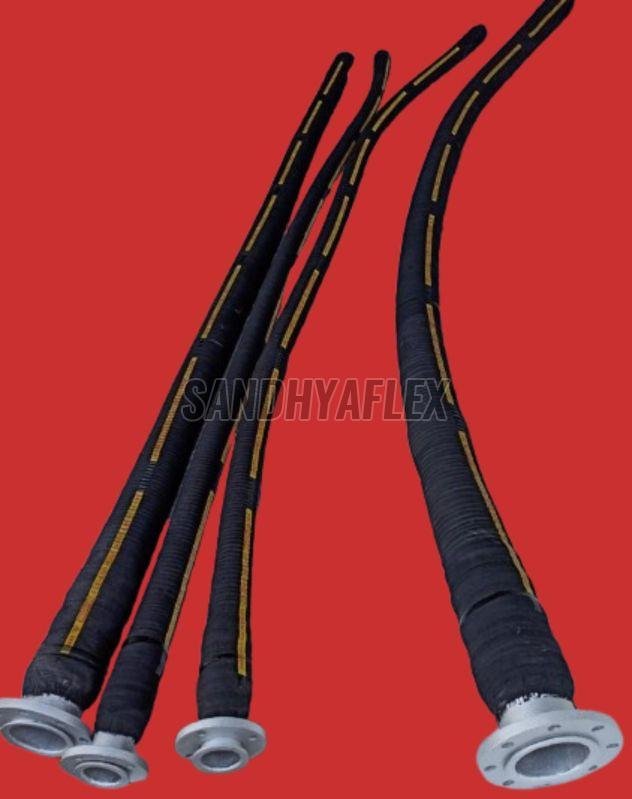
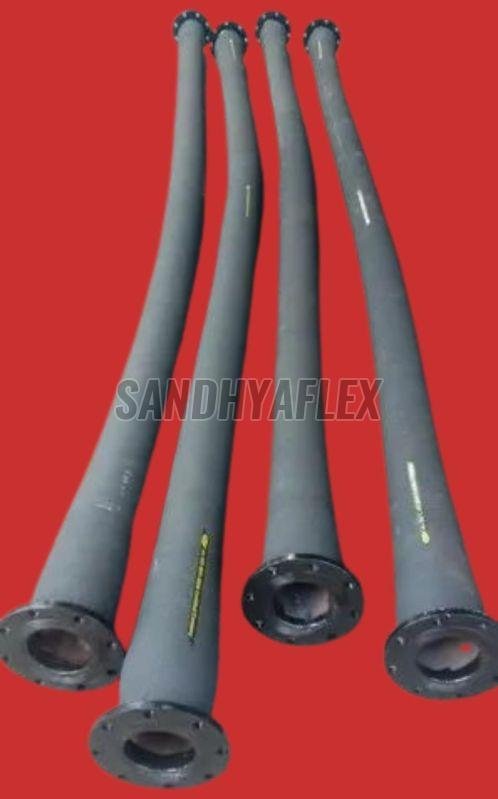
Cement feeding rubber hoses are specialized hoses designed for the safe and efficient transfer of cement or concrete from one point to another in construction and concrete-related applications. Here are some common uses and applications of cement feeding rubber hoses:
1. **Construction Site Concrete Placement:**
- **Application:** Cement feeding hoses are extensively used at construction sites for the placement of concrete in various structural elements like foundations, columns, beams, and slabs.
- **Use:** These hoses enable the controlled and precise delivery of cement or concrete from the mixing truck to the desired location, facilitating efficient construction processes.
2. **Ready-Mix Concrete Plants:**
- **Application:** Cement feeding hoses are employed in ready-mix concrete plants.
- **Use:** They facilitate the transfer of freshly mixed concrete from the plant to the delivery trucks, ensuring a seamless flow of concrete for timely transportation to construction sites.
3. **Concrete Pumping:**
- **Application:** Cement feeding rubber hoses are used in conjunction with concrete pumping equipment.
- **Use:** The hoses provide a flexible and durable conduit for transporting concrete from the pump to the designated area, such as building floors or construction forms.
4. **Bridge and Tunnel Construction:**
- **Application:** Cement feeding hoses are used in the construction of bridges and tunnels.
- **Use:** They play a crucial role in delivering concrete to hard-to-reach areas, providing a reliable means of transportation for construction projects that involve elevated or underground structures.
5. **Infrastructure Projects:**
- **Application:** Large-scale infrastructure projects, such as highways, dams, and airports, utilize cement feeding hoses.
- **Use:** These hoses contribute to the efficient and controlled distribution of concrete, ensuring the proper placement of the material in diverse project environments.
6. **Precast Concrete Manufacturing:**
- **Application:** In precast concrete manufacturing facilities, cement feeding hoses are used to transfer concrete from the mixer to the molds.
- **Use:** The hoses facilitate the production of precast elements such as beams, panels, and slabs by ensuring a consistent and precise flow of concrete.
7. **High-Rise Construction:**
- **Application:** Cement feeding hoses are commonly used in high-rise construction projects.
- **Use:** They enable the delivery of concrete to elevated floors and structures, supporting the construction of tall buildings where traditional methods may be impractical.
8. **Repair and Restoration Projects:**
- **Application:** Cement feeding hoses are utilized in repair and restoration projects.
- **Use:** They provide a means to transport concrete to areas requiring repairs or structural enhancements, ensuring targeted application and minimizing wastage.
9. **Tunneling and Mining:**
- **Application:** In tunneling and mining operations, cement feeding hoses are used for concrete placement.
- **Use:** They support the construction of tunnels, underground structures, and mining infrastructure, providing a flexible conduit for concrete delivery.
10. **Slope Stabilization:**
- **Application:** Cement feeding hoses are employed in projects involving slope stabilization.
- **Use:** They assist in delivering concrete to areas requiring stabilization, such as embankments or slopes, contributing to soil reinforcement and erosion control.
When using cement feeding rubber hoses, it's essential to consider factors such as hose diameter, length, pressure rating, and compatibility with concrete mixtures to ensure optimal performance and safety. Regular inspection and maintenance of hoses are critical to prevent wear and damage during the demanding conditions of construction applications.
| Business Type | Manufacturer, Exporter, Supplier |
| Material | Rubber,Rubber |
| Working Pressure | 10 Bar |
| Number Of Flower | Vacuum Hose Pipe |
| Layers | 8 Layers |
| Packaging Type | Open |
| Length | 6 Mtr max |
| Temperature | 1 to 100 Deg C Max |
| Thickness | As per customers requirement |
The Sandhyaflex Cement Feeding Rubber Hose is a specialized industrial hose designed for transferring cement and other abrasive materials in construction and industrial applications. Here\\\'s a detailed overview of its features and uses:
\\n✅ Features:\\n- \\n
- Material: Made from a high-quality, abrasion-resistant rubber lining to withstand the rough nature of cement and other bulk materials. \\n
- Reinforcement: Typically reinforced with multiple layers of synthetic fabric or steel wire to ensure durability and high-pressure resistance. \\n
- Outer Cover: Weather and wear-resistant outer layer to endure harsh working environments. \\n
- Flexibility: Designed for flexibility, making it easy to handle and install in complex systems. \\n
- \\n
- Used in cement plants for transferring dry cement. \\n
- Suitable for bulk cement tankers for loading and unloading cement. \\n
- Ideal for pneumatic conveying systems in construction sites. \\n
- Can be used in cement silos and concrete batching plants. \\n
- \\n
- Size: Typically available in sizes from 2 inches to 6 inches in diameter. \\n
- Length: Can be customized as per requirements. \\n
- Working Pressure: Usually ranges from 5 to 10 bar. \\n
- Temperature Range: Suitable for temperatures ranging from -20°C to +80°C. \\n
- Abrasion Resistance: High resistance to wear, ensuring a longer service life. \\n
- \\n
- Long-lasting performance in tough conditions. \\n
- Easy to install and maintain. \\n
- Excellent resistance to abrasion and weather. \\n
- Available in different sizes and specifications for various industrial needs. \\n
\\n
If you need further details on pricing, availability, or technical data, feel free to ask!
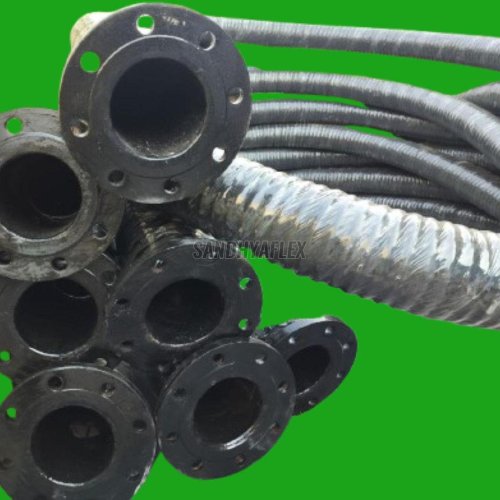
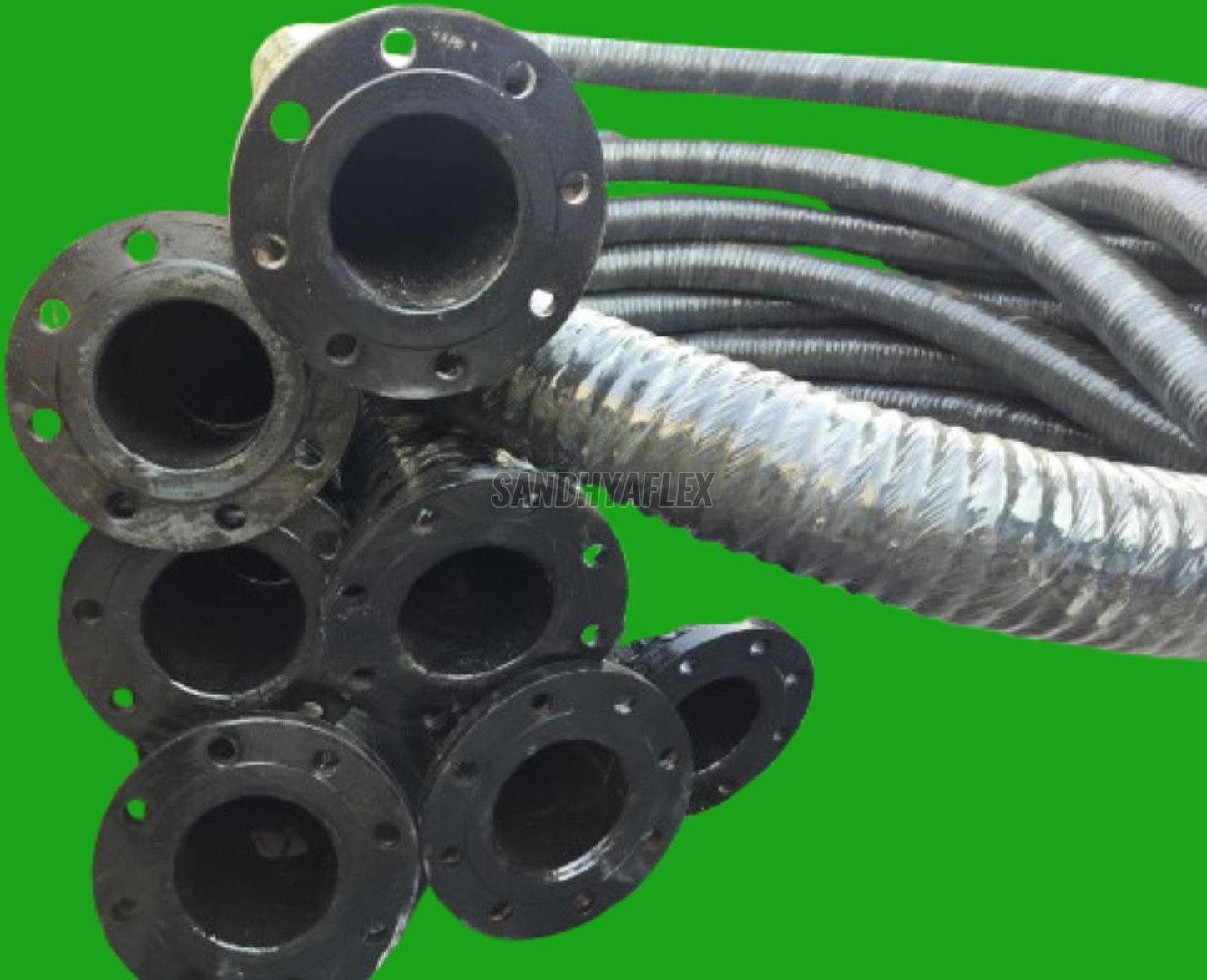
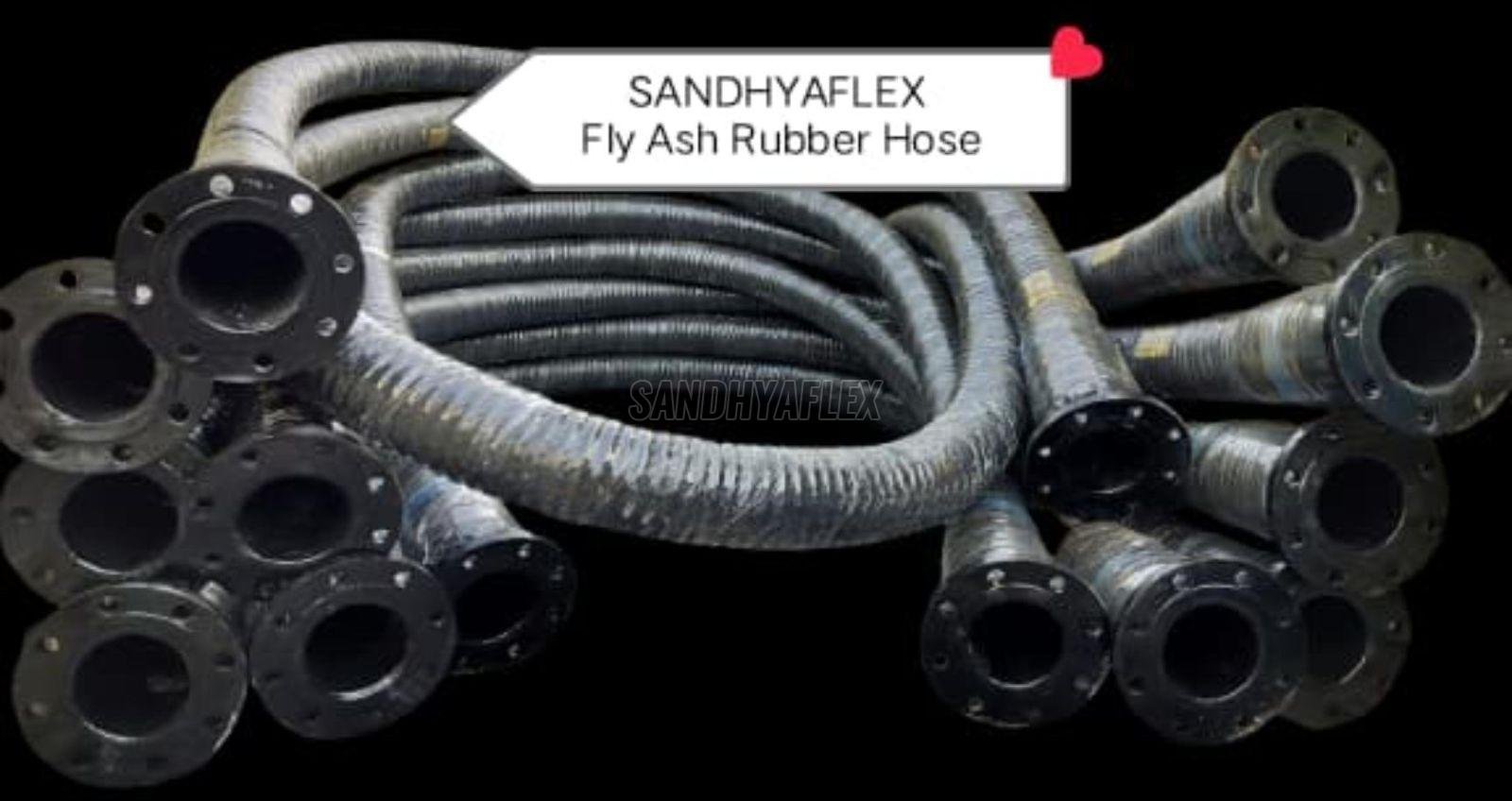
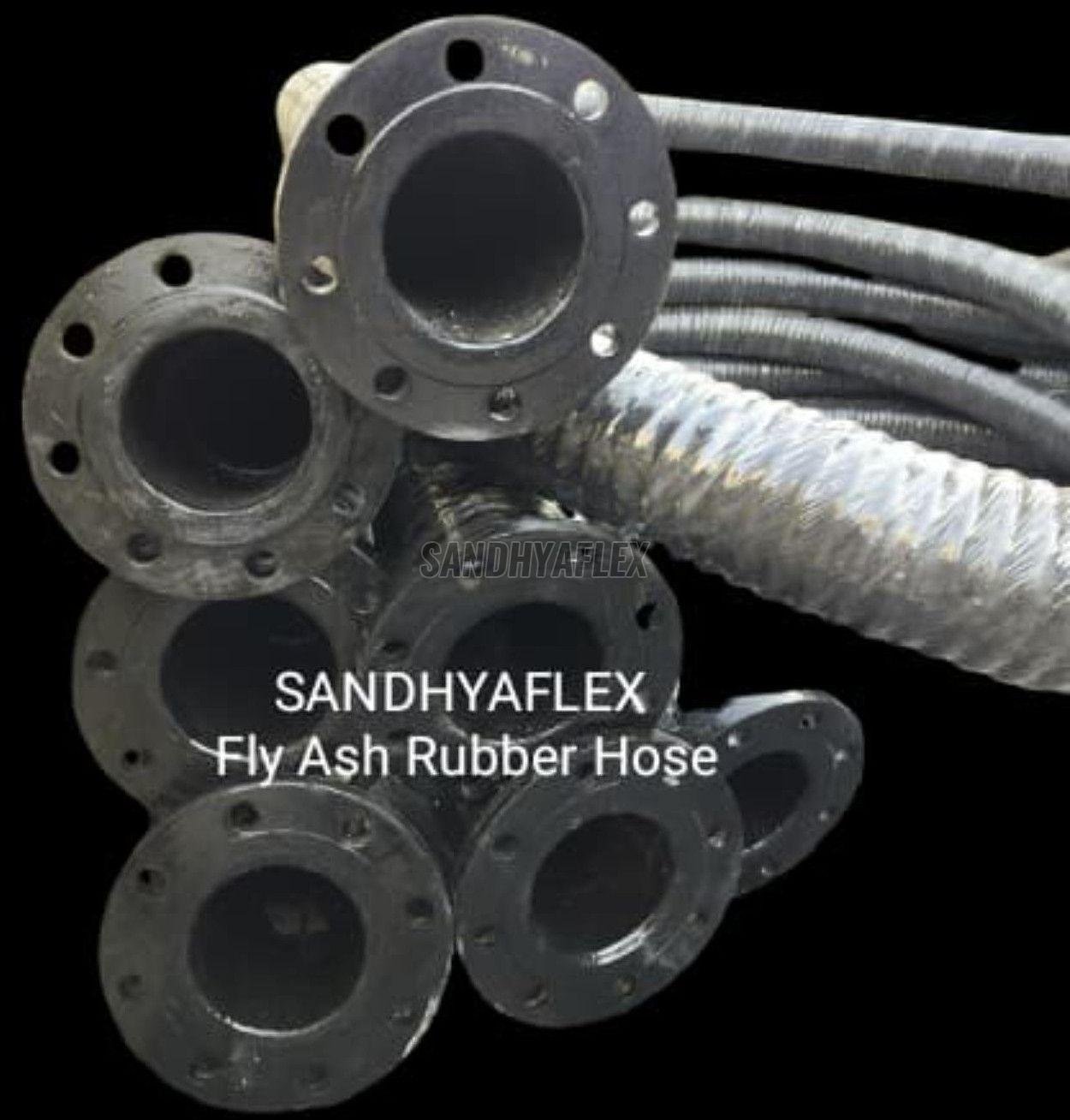
| Business Type | Manufacturer, Exporter, Supplier |
| Application | ### Uses of Cement Feeding Rubber Hose A **Cement Feeding Rubber Hose** is a heavy-duty flexible ho |
| Color | Black |
| Type | ### Types of Cement Feeding Rubber Hose Cement Feeding Rubber Hoses can be classified according to |
| Brand Name | SNDHYAFLEX |
| Material | Rubber |
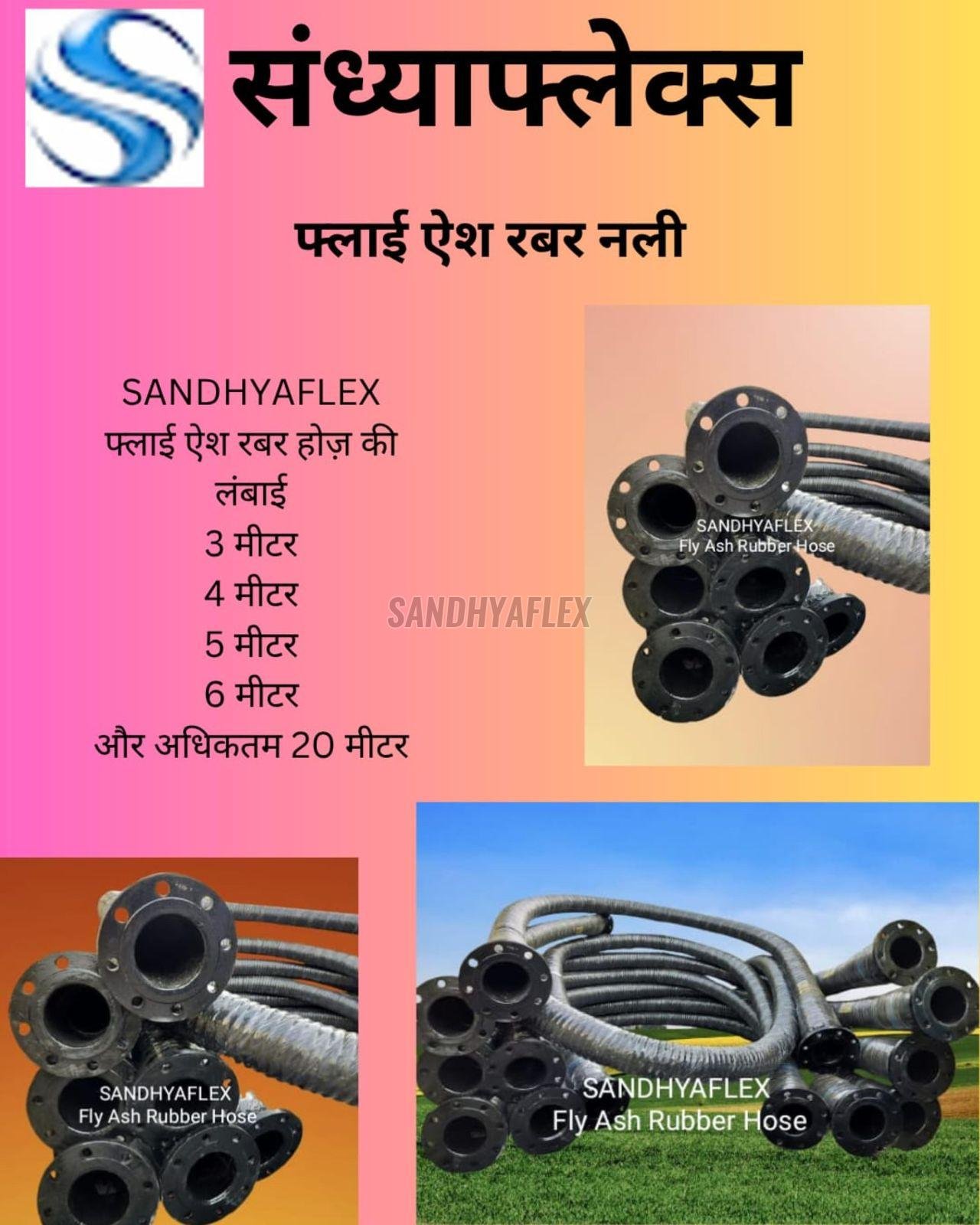
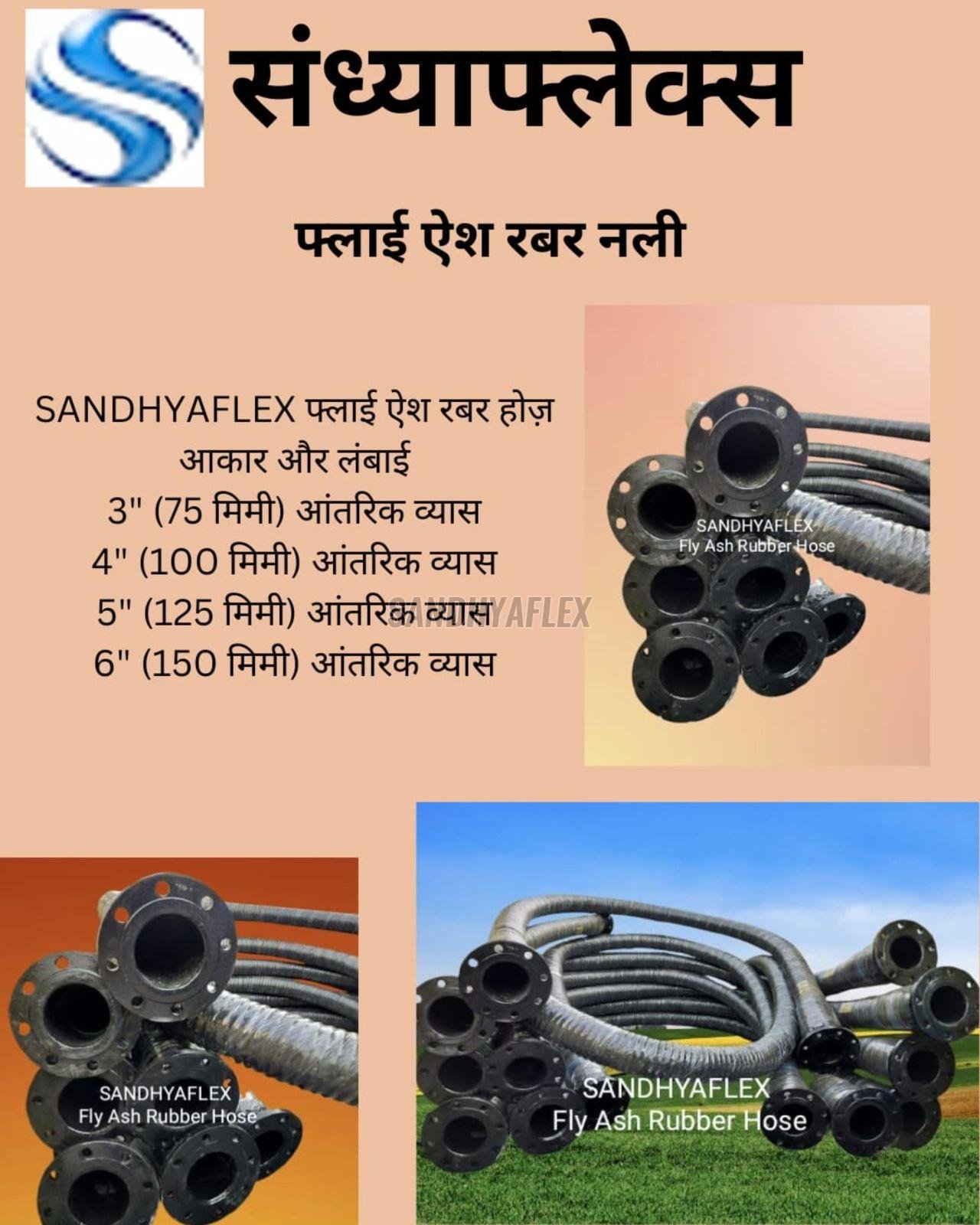
| Diameter | 3". 4",5" and 6" ID |
| Length | 5 to 20Mtr Max |
| Port | mumbai |
| Payment Terms | L/C |
| Delivery Time | 7days |
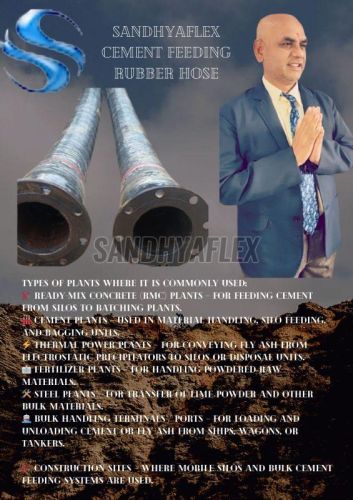
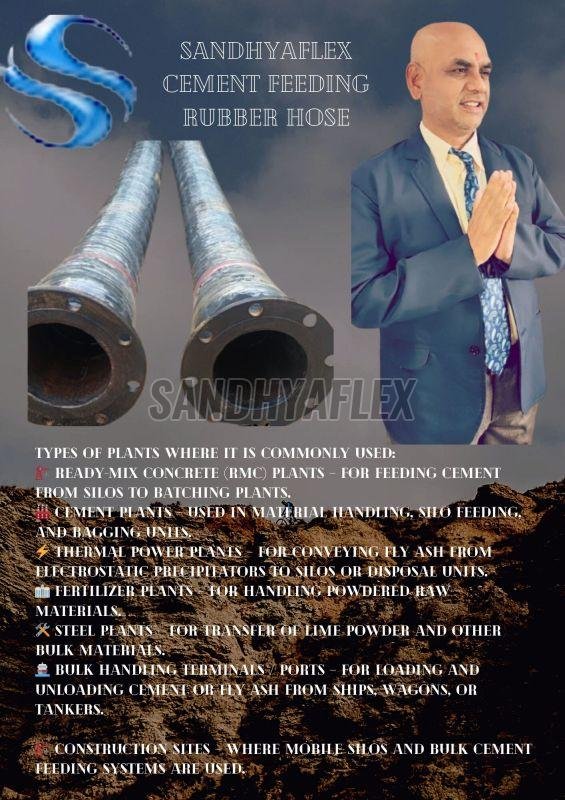
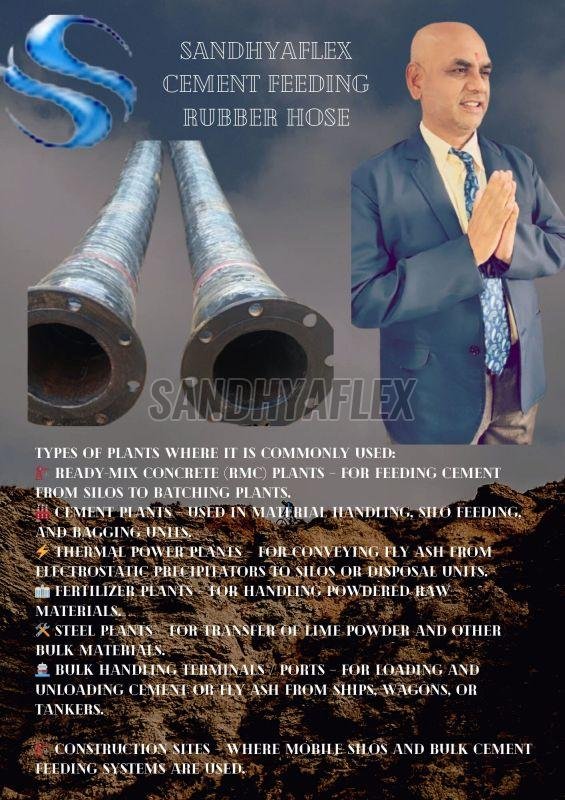
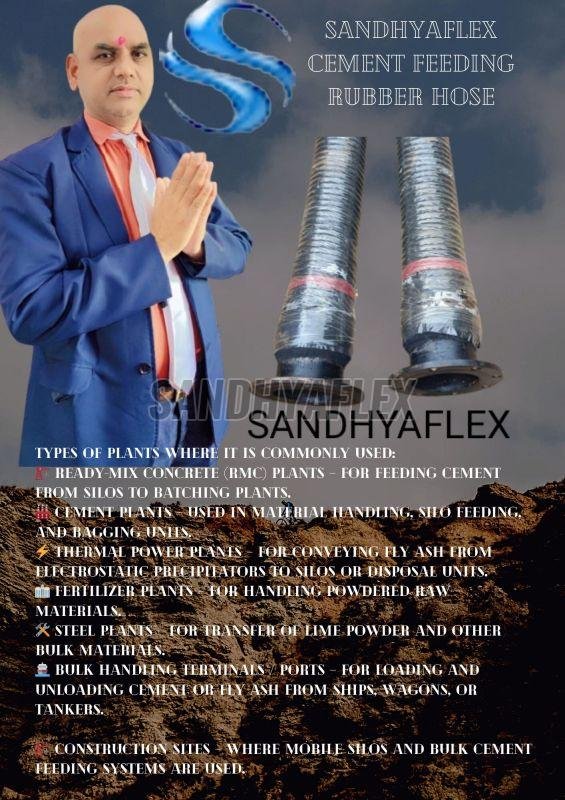
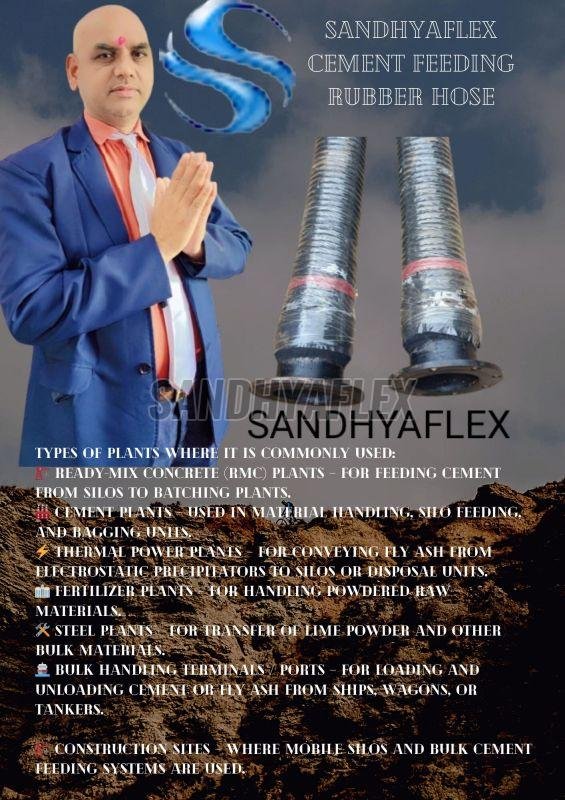
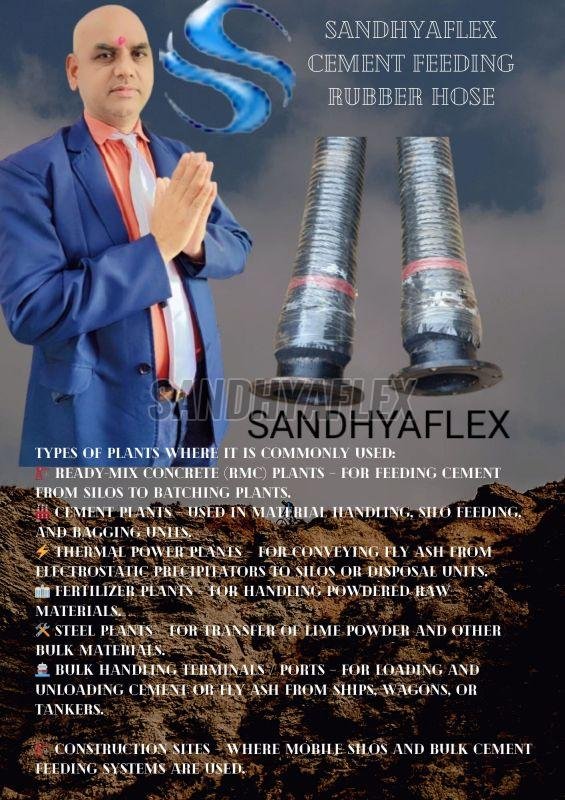
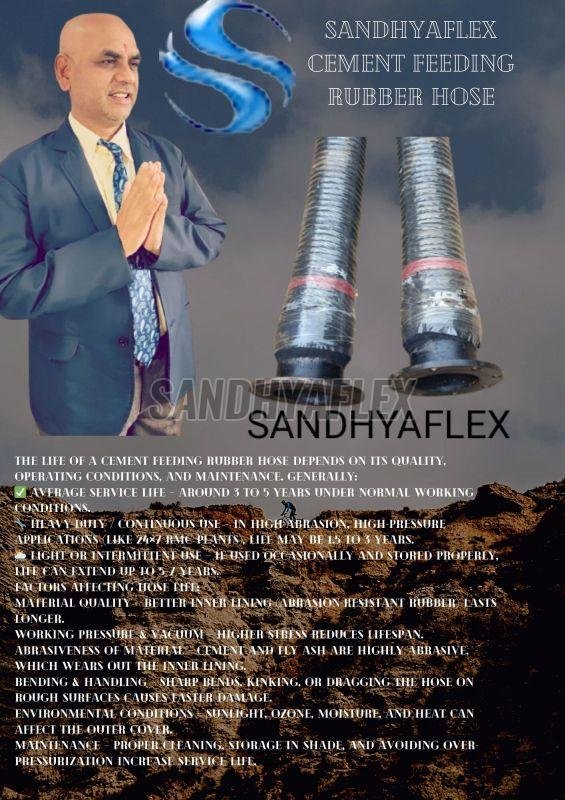
When selecting a SANDHYAFLEX Fly Ash Rubber Hose, the most important factors are abrasion resistance (for cement/fly ash), pressure capacity, reinforcement strength, and end fittings (flange or plain). These hoses are specially designed for pneumatic conveying of dry bulk materials like cement, fly ash, sand, and lime.
🏆 Best Overall (Fly Ash / Cement Transfer Hose)
✔ Ideal for bulker unloading & silo feeding
✔ Strong flange connection → leak-proof & secure
✔ Designed for abrasive materials like cement & fly ash
🔧 Other Good Options Heavy-Duty Bulker Unloading Hose
-
Best for cement tankers & plant operations
-
Handles high pressure + vacuum
EPDM Fly Ash Hose (Premium)
-
Long life in high temperature environments
-
Suitable for continuous industrial use
Budget Fly Ash Hose
-
Good for small projects
-
Cost-effective option
📊 PRODUCT COMPARISON TABLE
Attribute
| Business Type | Manufacturer, Exporter, Supplier |
| Brand Name | SANDHYAFLEX |
| Material | Rubber |
| Shape | Round |
| Color | Black |
| Pressure | Medium |
| Usage | Industrial Use |
| Certification | ISO 9001:2008 |
| Product Code | 100NBRH |
| Port | mumbai |
| Payment Terms | T/T |
| Delivery Time | 7 to 15 days |
| Packaging Details | Packing as per dimension |
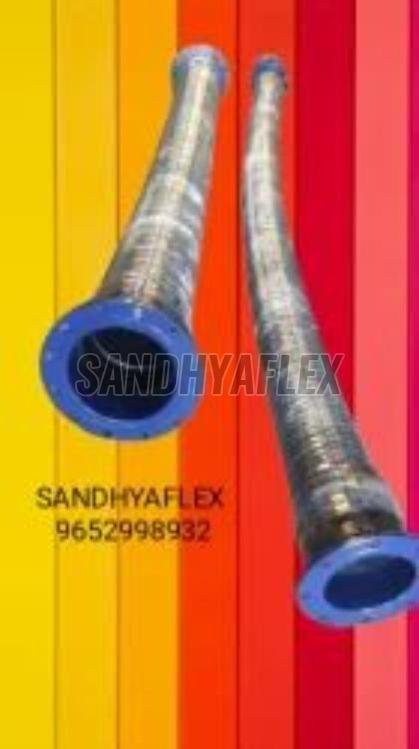
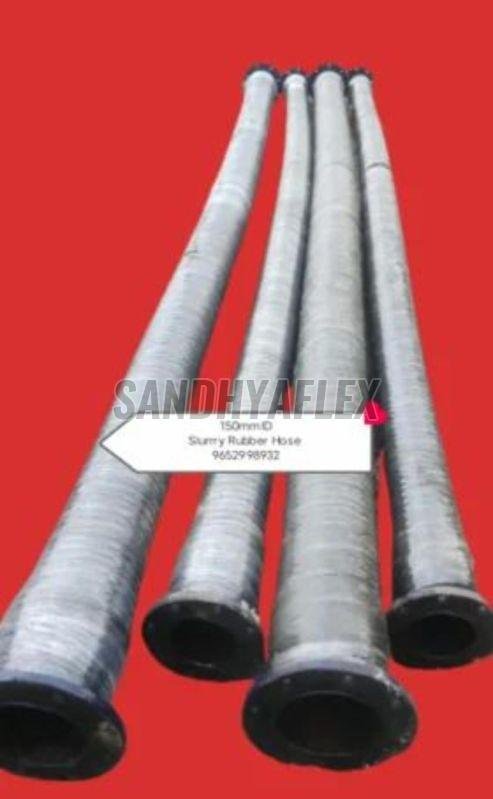
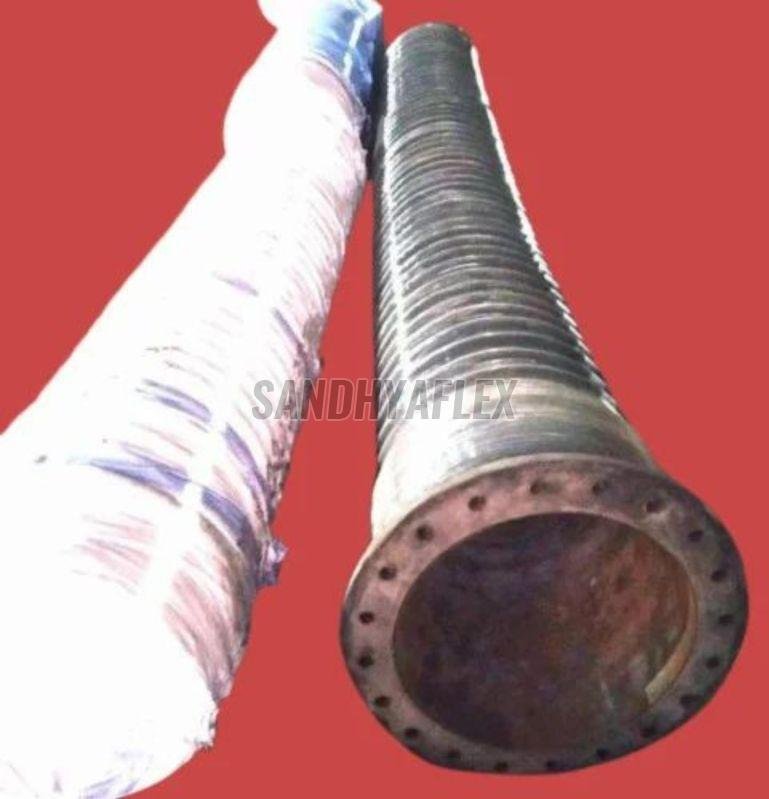
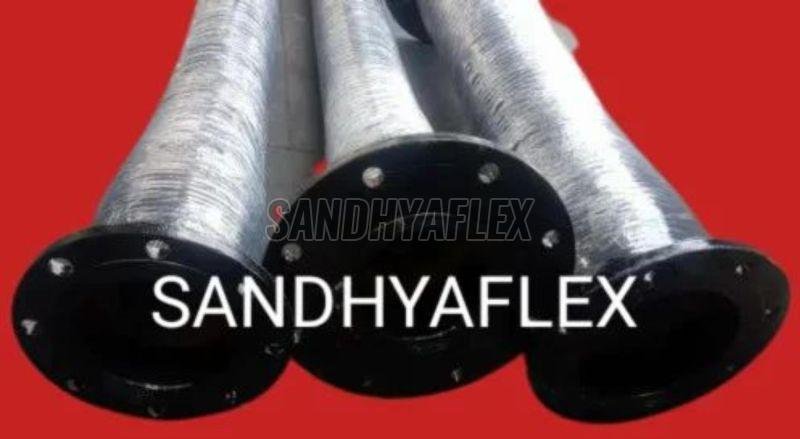
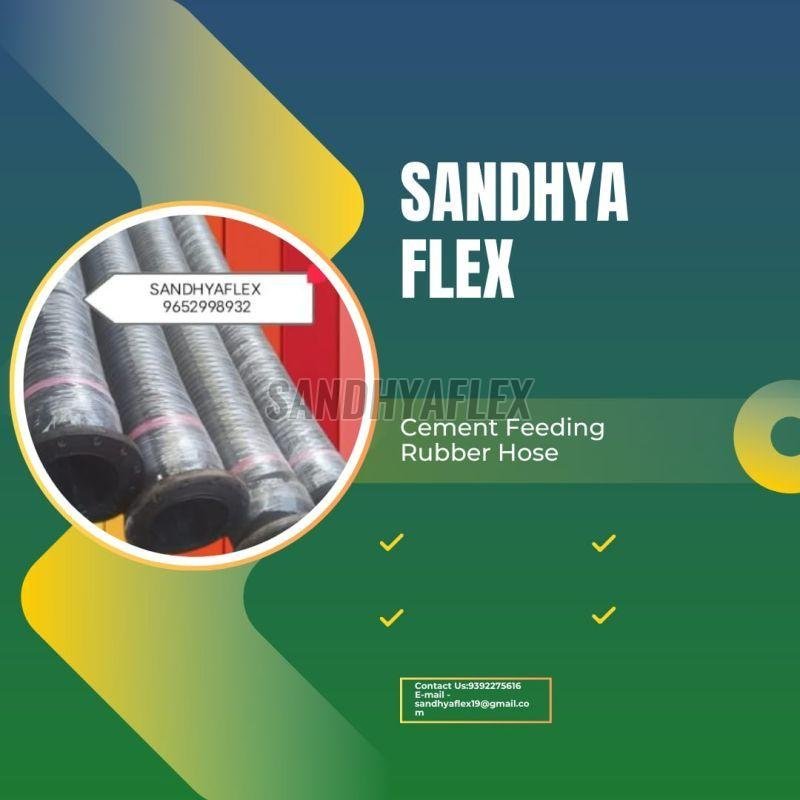
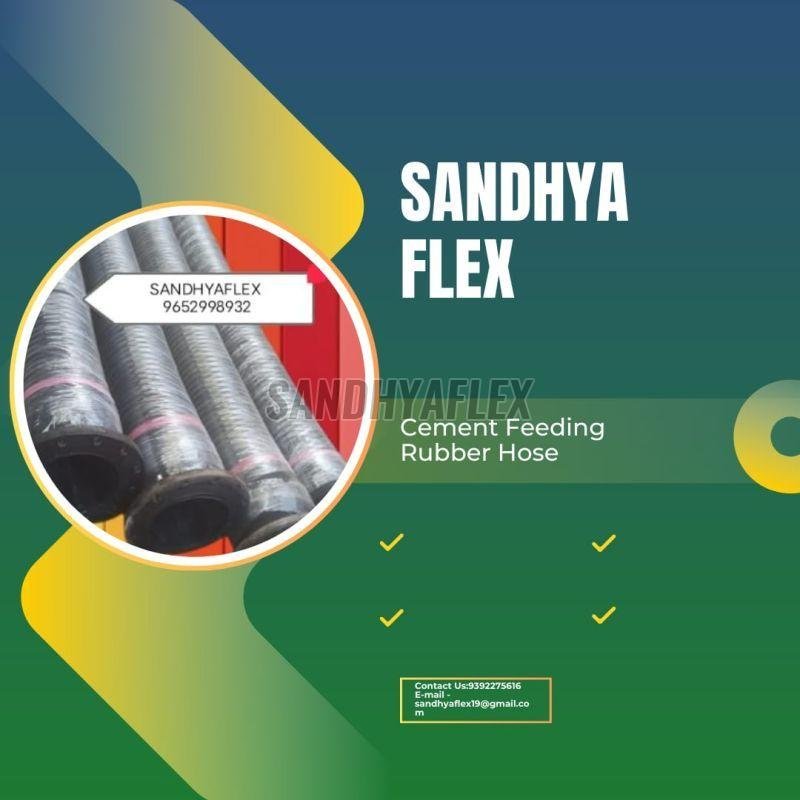
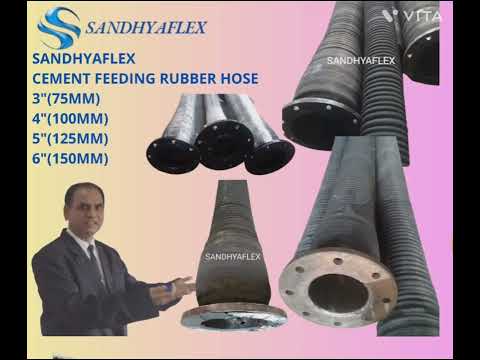
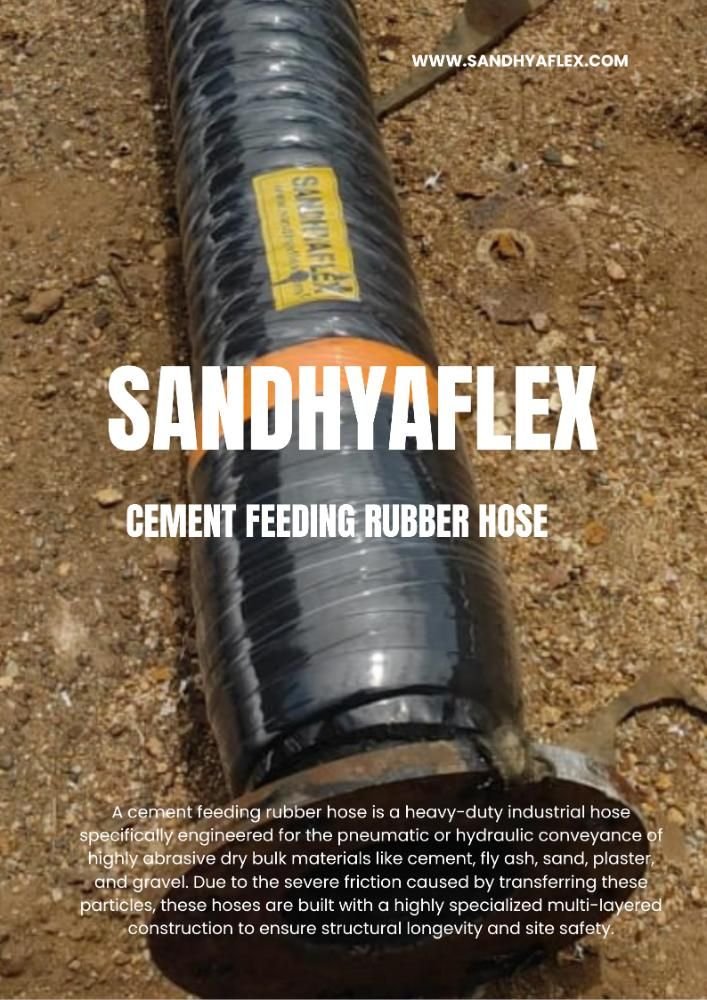
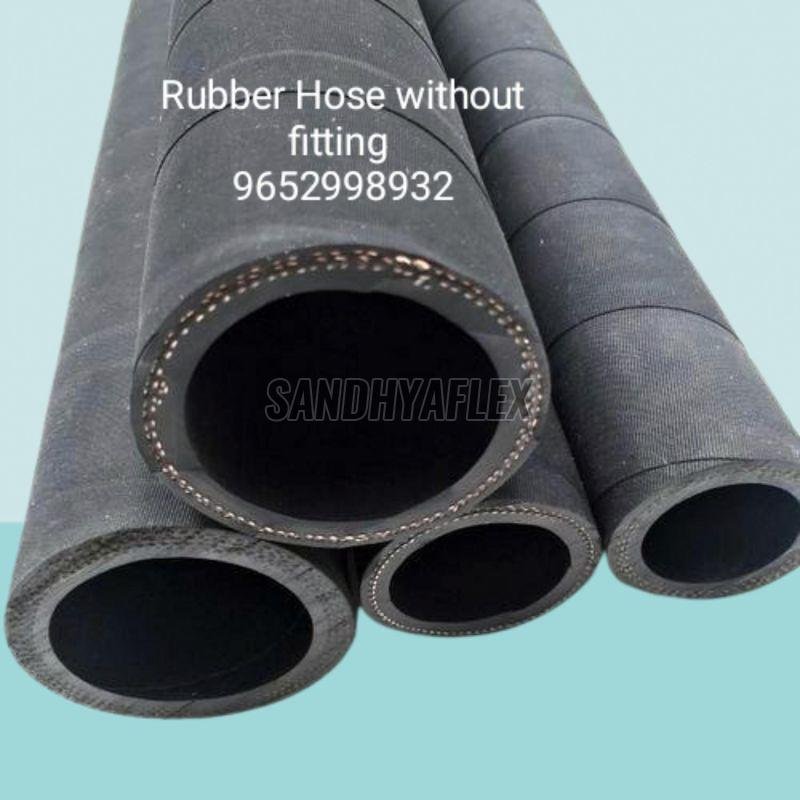
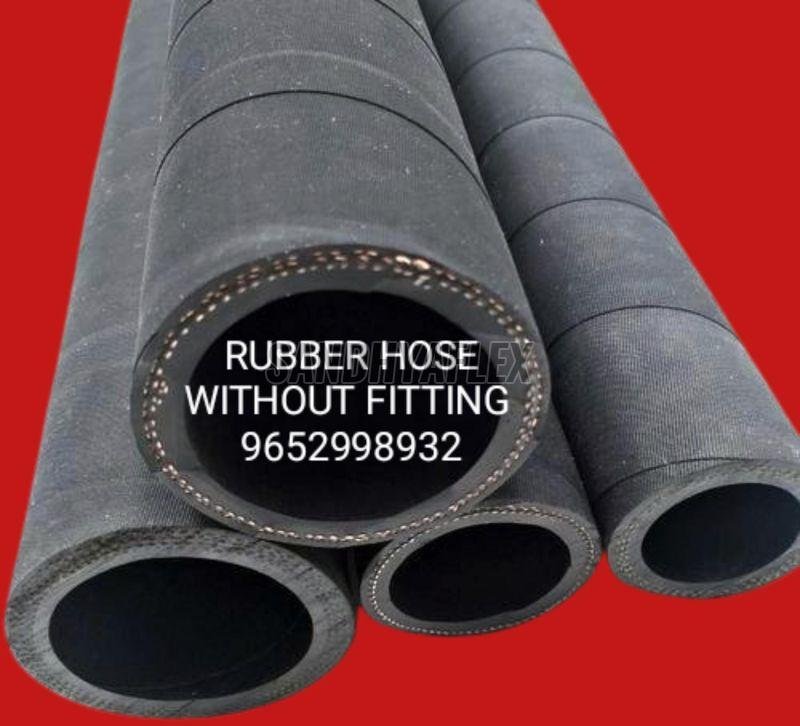
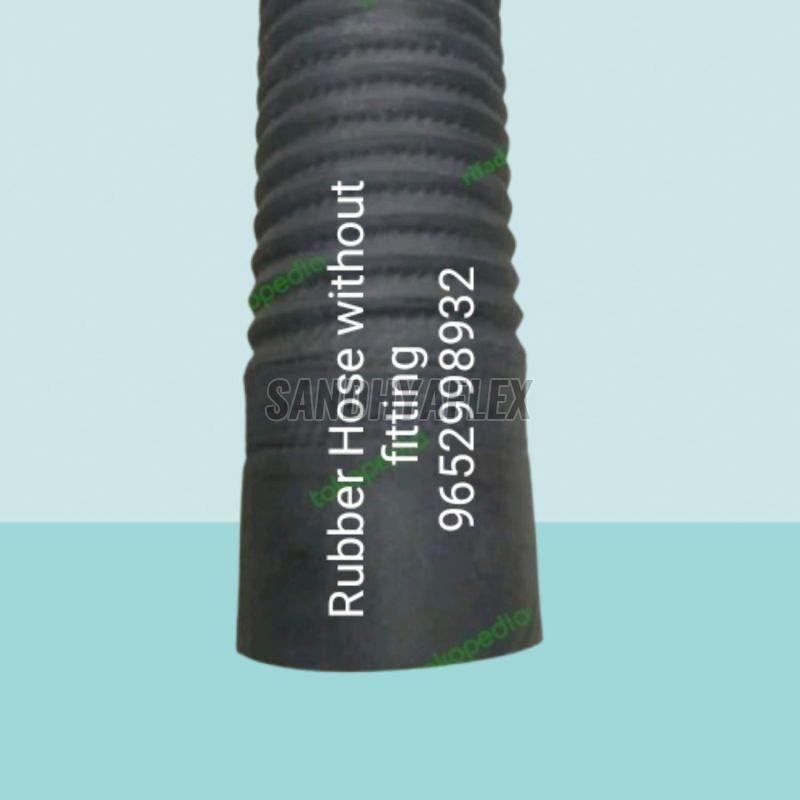
A Cement Feeding Rubber Hose is a specialized industrial hose used mainly in construction, cement plants, and material handling systems for the safe and efficient transfer of cement, fly ash, dry plaster, powders, and other abrasive materials under pressure or pneumatic systems.
Here’s a detailed overview:
🔹 Product Description
Name: Cement Feeding Rubber Hose
Brand: Often available as Sandhyaflex Cement Feeding Rubber Hose
Type: Heavy-duty, abrasion-resistant rubber hose
Structure: Typically made of synthetic rubber with reinforcement
🔹 Construction
Tube (Inner Layer):
Made from smooth synthetic rubber.
Resistant to abrasion and wear caused by dry cement and fine particles.
Reinforcement:
High tensile synthetic textile cords and/or steel wire helix.
Provides strength to withstand working pressure.
Cover (Outer Layer):
Weather-resistant, abrasion-resistant rubber.
Protects against external damage, UV, and rough handling.
🔹 Key Features
High abrasion resistance (handles cement, fly ash, powders).
Flexibility for easy handling during material transfer.
Withstands high working pressure used in pneumatic conveying.
Durable under rough construction site use.
Available in sizes from 50mm NB to 200mm NB (custom as per requirement).
🔹 Uses / Applications
Transfer of cement, dry plaster, powders, fly ash in construction & RMC plants.
Suction & discharge of dry bulk materials in silos and tankers.
Widely used in cement factories, construction sites, bulk carriers.
🔹 Working Specifications
Working Pressure: Usually up to 10–15 Bar (varies by design).
Burst Pressure: Generally 3 times the working pressure.
Temperature Range: –30°C to +80°C (depends on grade).
👉 Would you like me to also prepare a comparison table of Cement Feeding Rubber Hose vs. normal Rubber Hose, so you can show customers the advantages clearly?
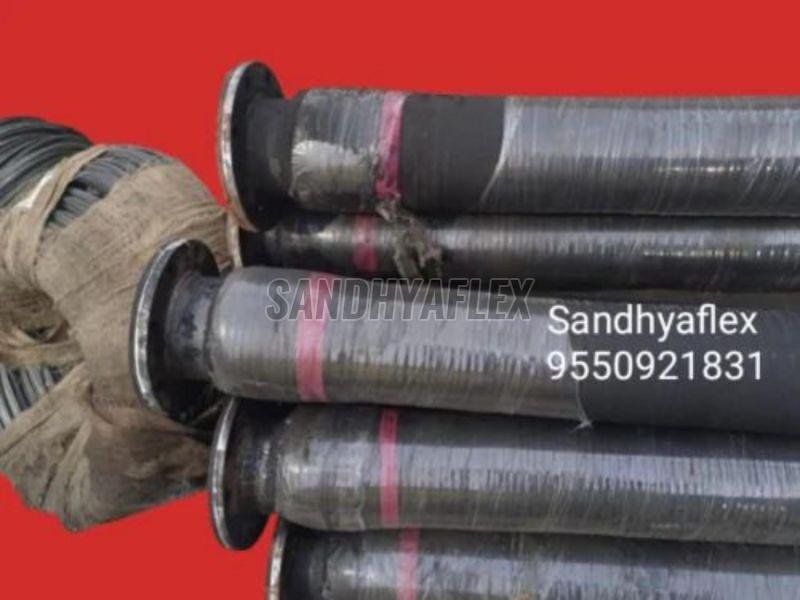
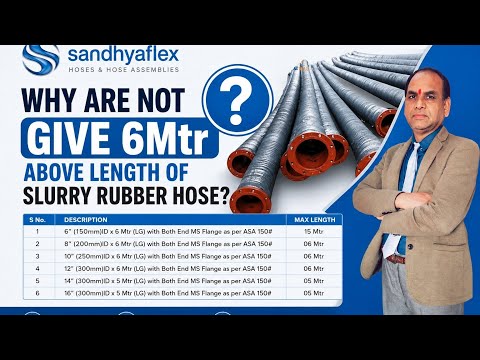

| Business Type | Manufacturer, Exporter, Supplier |
| Working Pressure | 10 Bar |
| Brand Name | Sandhyaflex |
| Number Of Flower | Vacuum Hose Pipe |
| Usage | Slurry And Mud Discharge Rubber Hose |
| Material | Rubber |
| Size/Diameter | 1/2 inch |
| Layers | 6 to 8 Layer |
| Length | 15Mtr max if special Requirement |
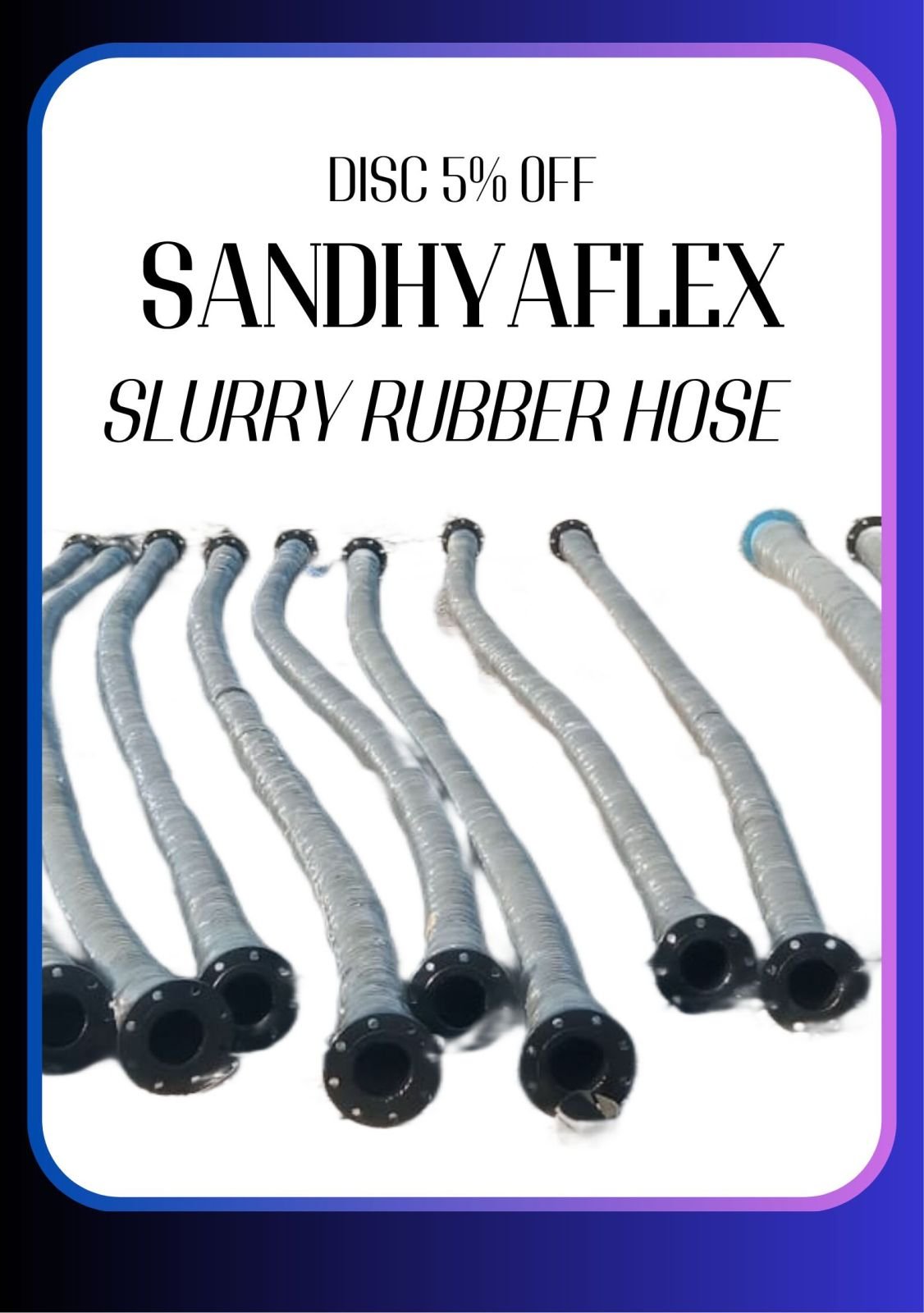
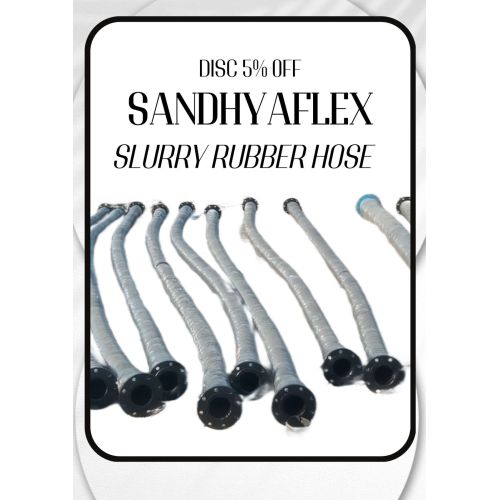
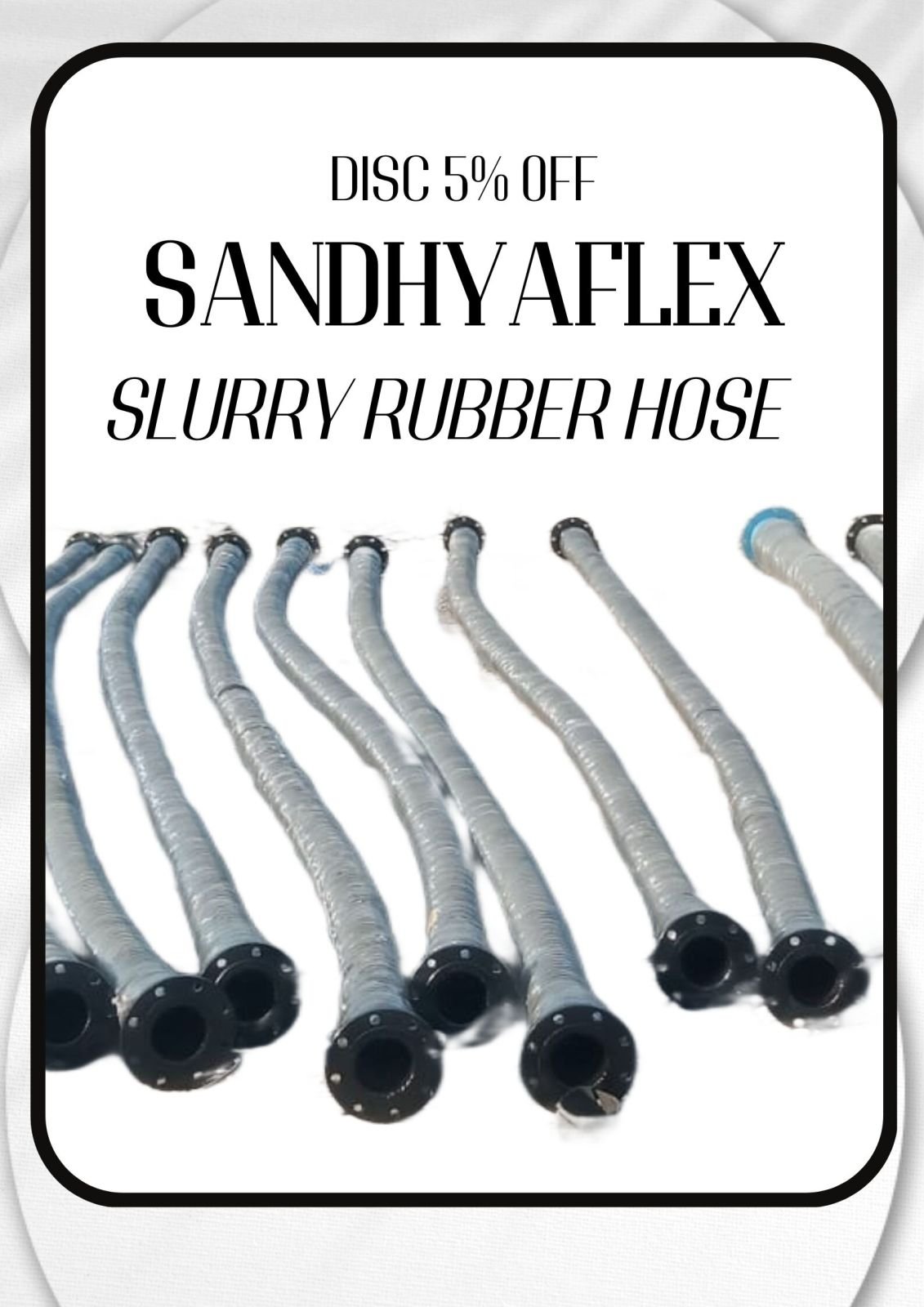
The Sandhyaflex Slurry Rubber Hose is a robust and heavy-duty hose designed for handling abrasive slurry materials in various industrial applications. It is ideal for industries like mining, dredging, and construction where the transportation of slurry mixtures (water and solid particles) is required.
✅ Features:- Material:
- Inner Lining: Made from high-quality, abrasion-resistant rubber to withstand harsh slurry materials.
- Reinforcement: Reinforced with multiple layers of synthetic fabric or steel wire for enhanced durability and strength.
- Outer Cover: Resistant to weather, UV, and ozone for long-lasting performance in tough environments.
- Flexibility: Highly flexible for easy handling and installation.
- Pressure Resistance: Suitable for both low and high-pressure applications.
- Corrosion Resistance: Resistant to chemicals and slurry abrasions.
- Mining Industry: For transferring slurry from mining operations.
- Dredging Projects: Used in dredge lines for transporting silt, sand, and mud.
- Construction Sites: For pumping concrete and other slurries.
- Chemical Plants: Suitable for handling corrosive slurries and liquids.
- Size: Available in sizes ranging from 2 inches to 20 inches.
- Length: Customizable based on application requirements.
- Working Pressure: Can withstand pressures up to 15 bar or more.
- Temperature Range: Typically operates between -20°C to +80°C.
- Abrasion Resistance: Highly abrasion-resistant for longevity in abrasive conditions.
- High durability in abrasive and harsh conditions.
- Resistant to both wear and tear, extending service life.
- Flexible and easy to install.
- Customizable to suit specific industrial needs.
If you'd like further details on pricing, customization, or technical documentation, feel free to ask!
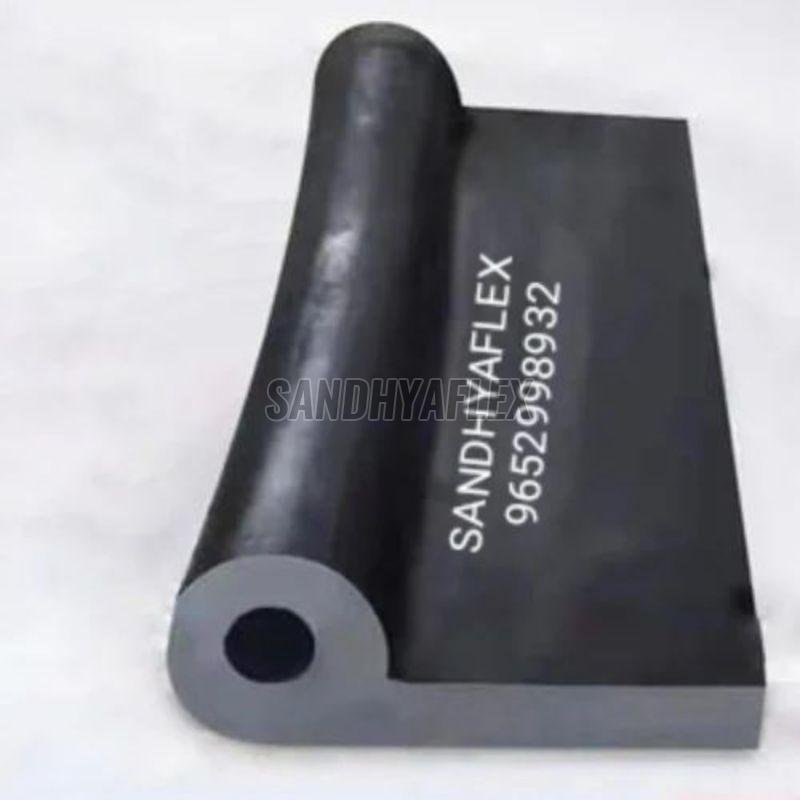
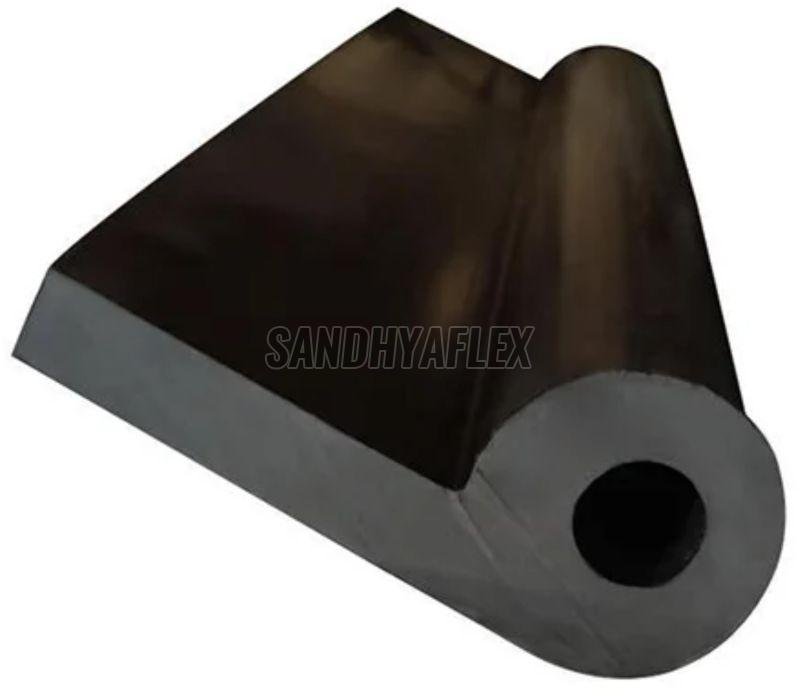
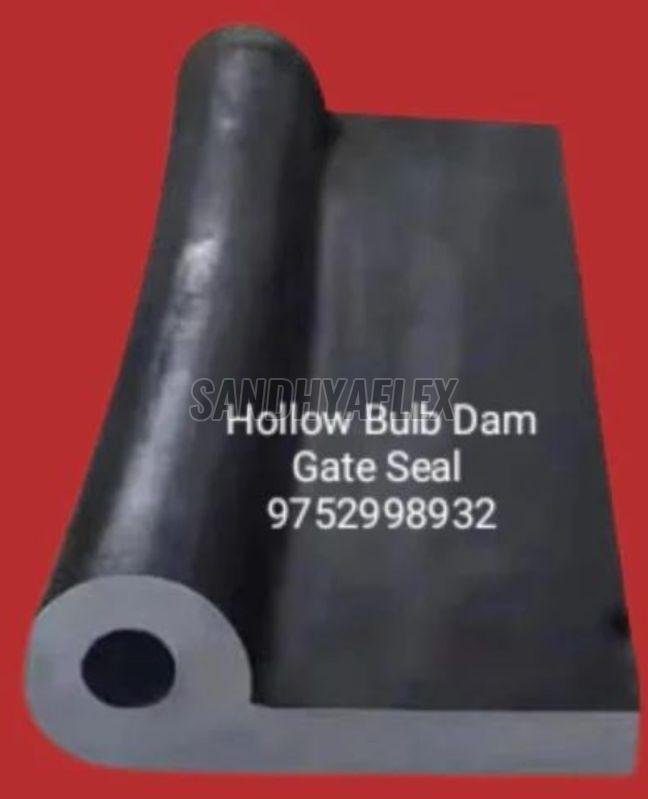
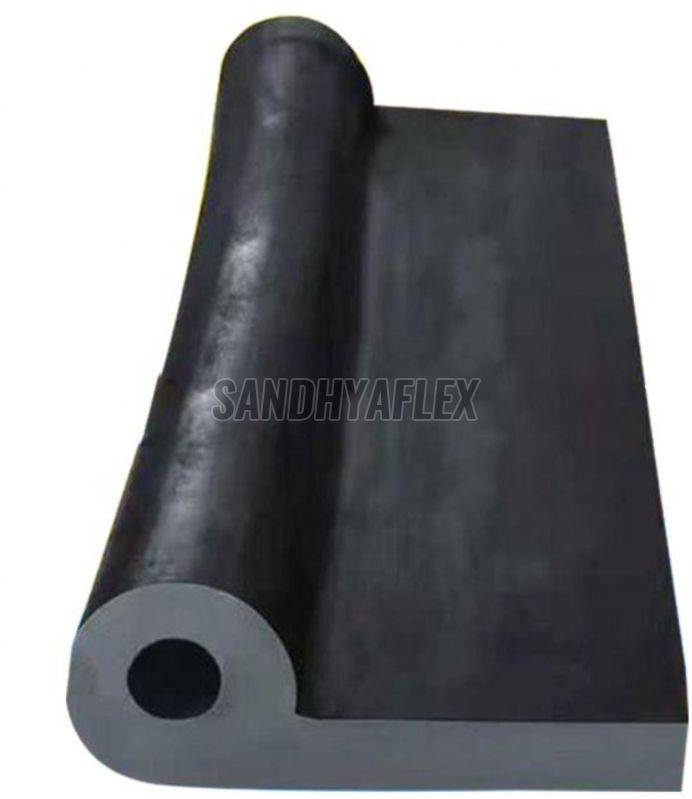
| Business Type | Manufacturer, Exporter, Supplier |
| Tensile Strength | 14 |
| Steam Thickness | 19mm |
| Size (Inches) | 15x160x19mm |
| Country of Origin | India |
| Diameter | 45 |
| Temperature Range | 70 deg C |
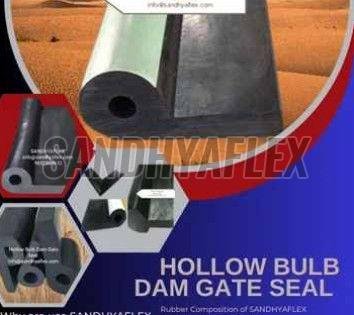
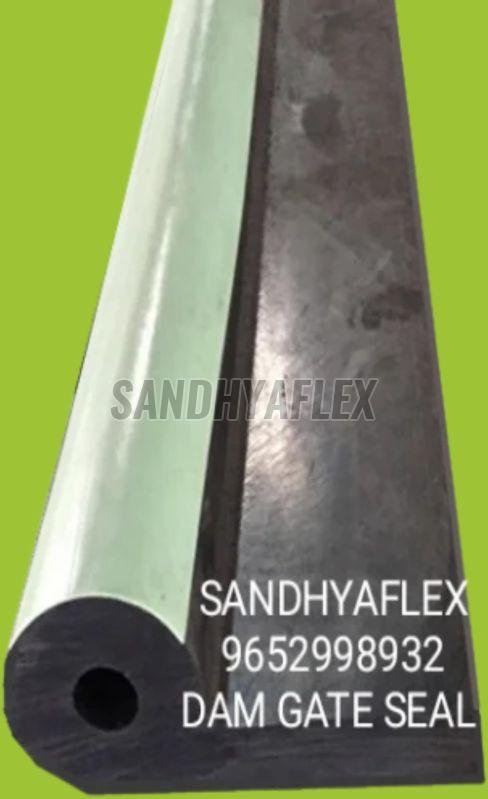
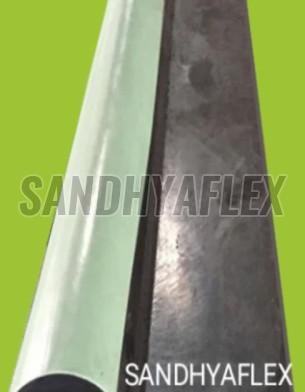
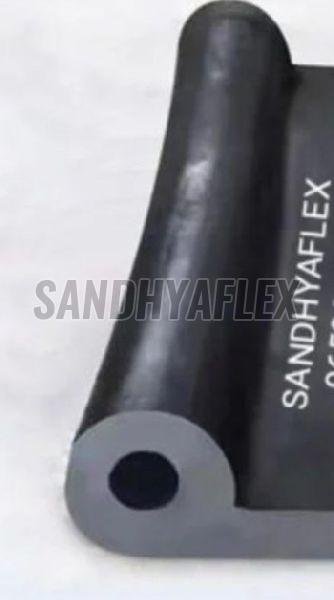
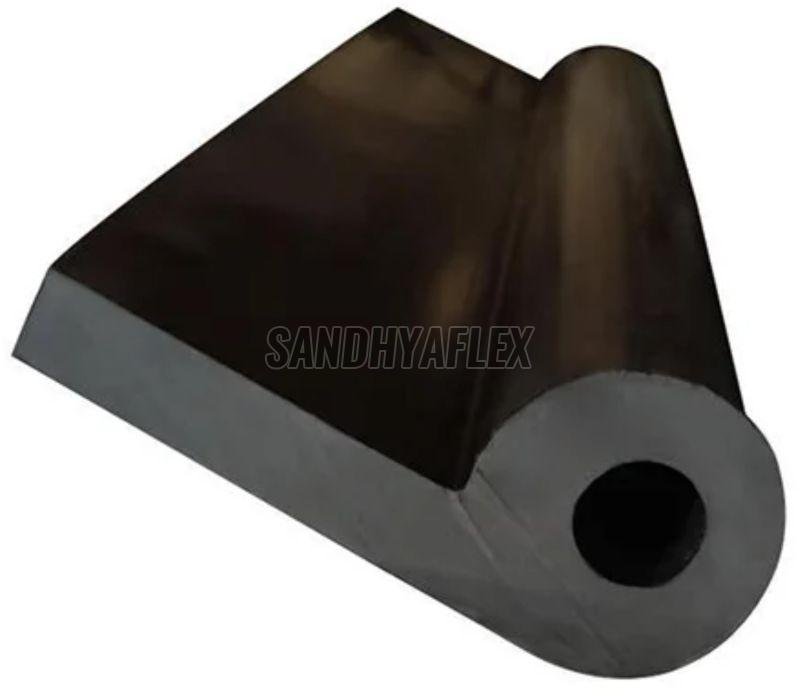
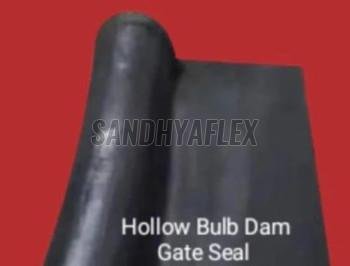
The **11855 Hollow Bulb Dam Gate Seal** refers to a specific model or type of hollow bulb seal used in dam gates and other hydraulic structures. The number "11855" likely indicates a particular design specification, part number, or standard reference for the seal. These seals are critical components in ensuring that dam gates function effectively by preventing water leakage when the gates are closed.
### Key Features of the 11855 Hollow Bulb Dam Gate Seal:
1. **Hollow Bulb Design**: - The "hollow bulb" refers to the shape of the seal, which typically features a hollow, cylindrical section that compresses under pressure to form a watertight seal. - This design allows the seal to adapt to the gate\\\'s surface and any irregularities, ensuring a consistent seal even under varying pressure conditions.
2. **Size and Specifications**: - The specific dimensions and properties of the "11855" model would be defined by the manufacturer or the standard it adheres to. These details would include the diameter of the bulb, the thickness of the seal, and other critical measurements that dictate its suitability for specific applications. - If "11855" is a reference number, it could include details such as the material composition, maximum pressure handling, and recommended usage scenarios.
3. **Material**: - Hollow bulb seals like the 11855 model are typically made from durable elastomeric materials, such as EPDM rubber, neoprene, or other synthetic rubbers. These materials are chosen for their flexibility, durability, and resistance to environmental factors such as UV light, water, and temperature extremes. - The choice of material ensures that the seal can maintain its integrity over time, even under continuous exposure to water and varying pressure conditions.
4. **Applications**: - The 11855 Hollow Bulb Dam Gate Seal is used in a variety of hydraulic structures, including spillway gates, sluice gates, and radial gates. Its design is intended to provide a reliable seal that prevents water from leaking past the gate when it is in the closed position. - It is particularly suitable for situations where a robust, flexible seal is required to maintain the integrity of the dam structure.
5. **Performance**: - The hollow bulb design allows the seal to compress and expand as needed, creating a tight seal that can handle fluctuations in water pressure and movement of the gate. - The specific model 11855 would have performance characteristics tailored to the needs of the particular dam or hydraulic system, such as the ability to withstand high pressure, resist wear and tear, and provide long-term sealing capability.
6. **Installation and Maintenance**: - Proper installation is crucial for the seal to function correctly. The seal must be aligned and positioned so that it compresses fully when the gate is closed, ensuring a watertight seal. - Regular maintenance, including inspections for wear or damage, is necessary to ensure the seal continues to perform effectively. Over time, the seal may need to be replaced if it shows signs of degradation.
### Benefits:
- **Effective Sealing**: The hollow bulb design provides a reliable seal that can adapt to the gate\\\'s surface, preventing water from leaking through.- **Durability**: Constructed from high-quality materials, the 11855 seal is designed to withstand the harsh environmental conditions typically found in dam operations.- **Flexibility**: The seal\\\'s ability to compress and expand allows it to maintain a consistent seal even when the gate or surrounding structure shifts or experiences pressure changes.
### Summary:
| Business Type | Manufacturer, Exporter, Supplier |
| Pressure | 10-15kga |
| Brand Name | sandhyaflex |
| Number Of Flower | Vacuum Hose Pipe |
| Country of Origin | India |
| Shape | Round |
| Material | Rubber |
| Finishing | Coated |
| Product Code | Cement Feeding Rubber Hose |
| Port | Mumbai |
| Payment Terms | D/A |
| Delivery Time | 5-7days |
\\n
A slurry rubber hose is a type of hose specifically designed to transport abrasive and thick fluids, known as slurries, in industries like mining, construction, or wastewater treatment. Slurries typically consist of a mixture of water and solid particles, such as sand, gravel, or other sediments.
\\nFeatures of Slurry Rubber Hoses:- \\n
- \\n
Durability: These hoses are made from high-quality rubber compounds that provide excellent resistance to abrasion, wear, and impact. This makes them ideal for moving slurries, which can be harsh and abrasive.
\\n \\n - \\n
Flexibility: Slurry rubber hoses maintain flexibility even under harsh working conditions, allowing for easy installation and movement in tight spaces.
\\n \\n - \\n
High Pressure Resistance: Slurry hoses are designed to withstand high-pressure environments, which is crucial in many slurry transfer applications.
\\n \\n - \\n
Reinforced Construction: They often have multiple layers of reinforcement, such as fabric or steel wire, to enhance strength and prevent collapse under pressure.
\\n \\n - \\n
Chemical Resistance: Depending on the materials used in the hose, slurry rubber hoses can be resistant to a wide range of chemicals that may be present in the slurry mix.
\\n \\n
- \\n
- Mining and Mineral Processing: Transporting minerals, ores, and other solids suspended in water. \\n
- Construction: Pumping concrete or other thick mixtures. \\n
- Wastewater Treatment: Moving slurry-like waste materials in various stages of treatment. \\n
- Agriculture: Transporting slurry materials like manure or liquid fertilizers. \\n
Would you like more specific information on a certain type or manufacturer of slurry rubber hoses?
\\n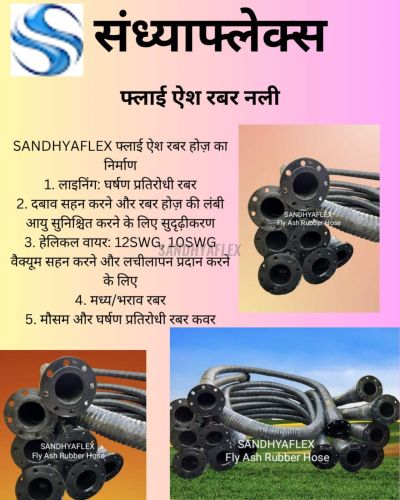
| Business Type | Manufacturer, Exporter, Supplier |
| Brand Name | SANDHYAFLEX |
| Material | Rubber |
| Shape | Round |
| Color | Black |
| Pressure | Medium |
| Usage | RMC Industries |
| Certification | ISO:9001-2015 |
| Product Code | 125MMIDFARH |
| Port | mumbai |
| Delivery Time | 7 to 15 days |
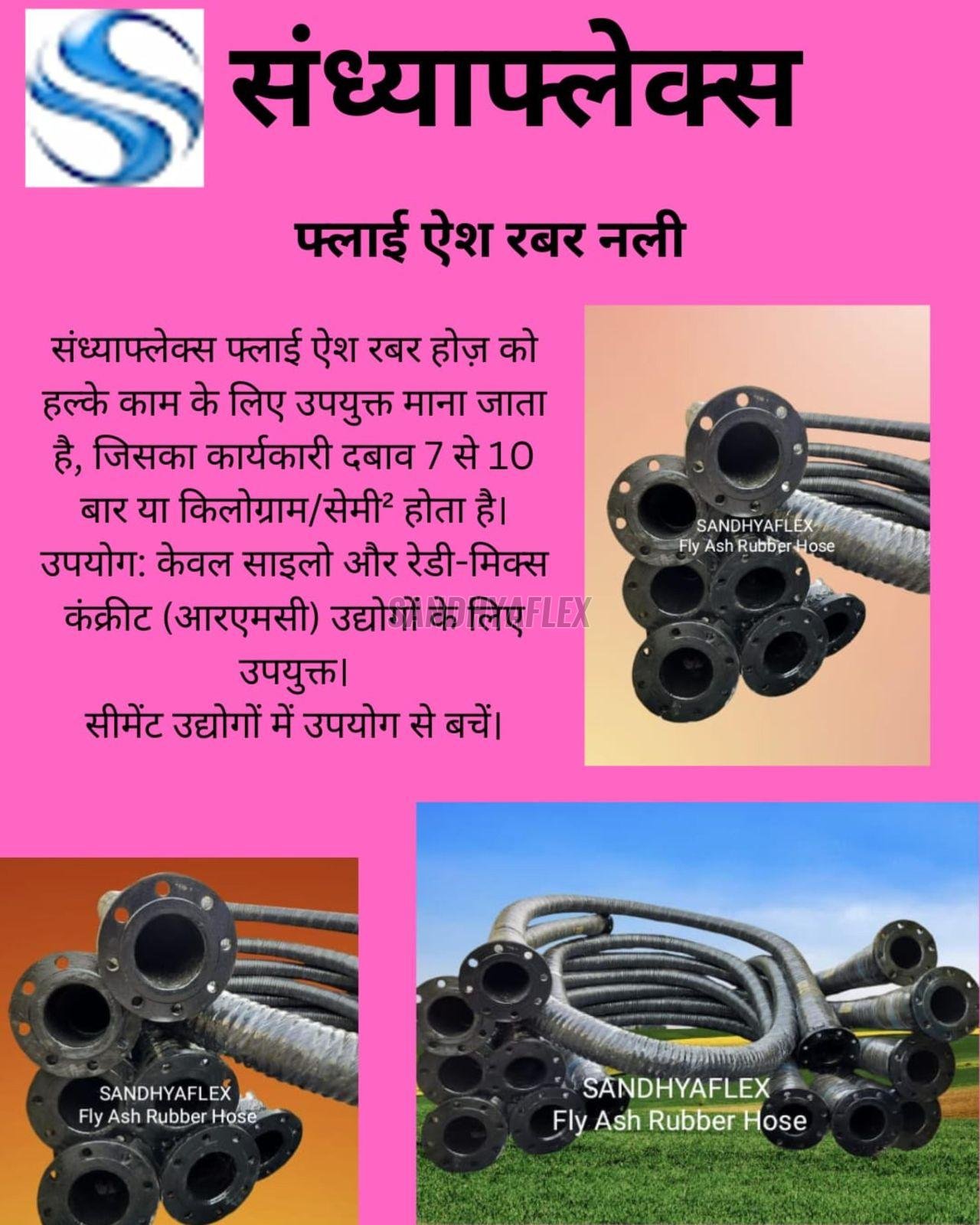
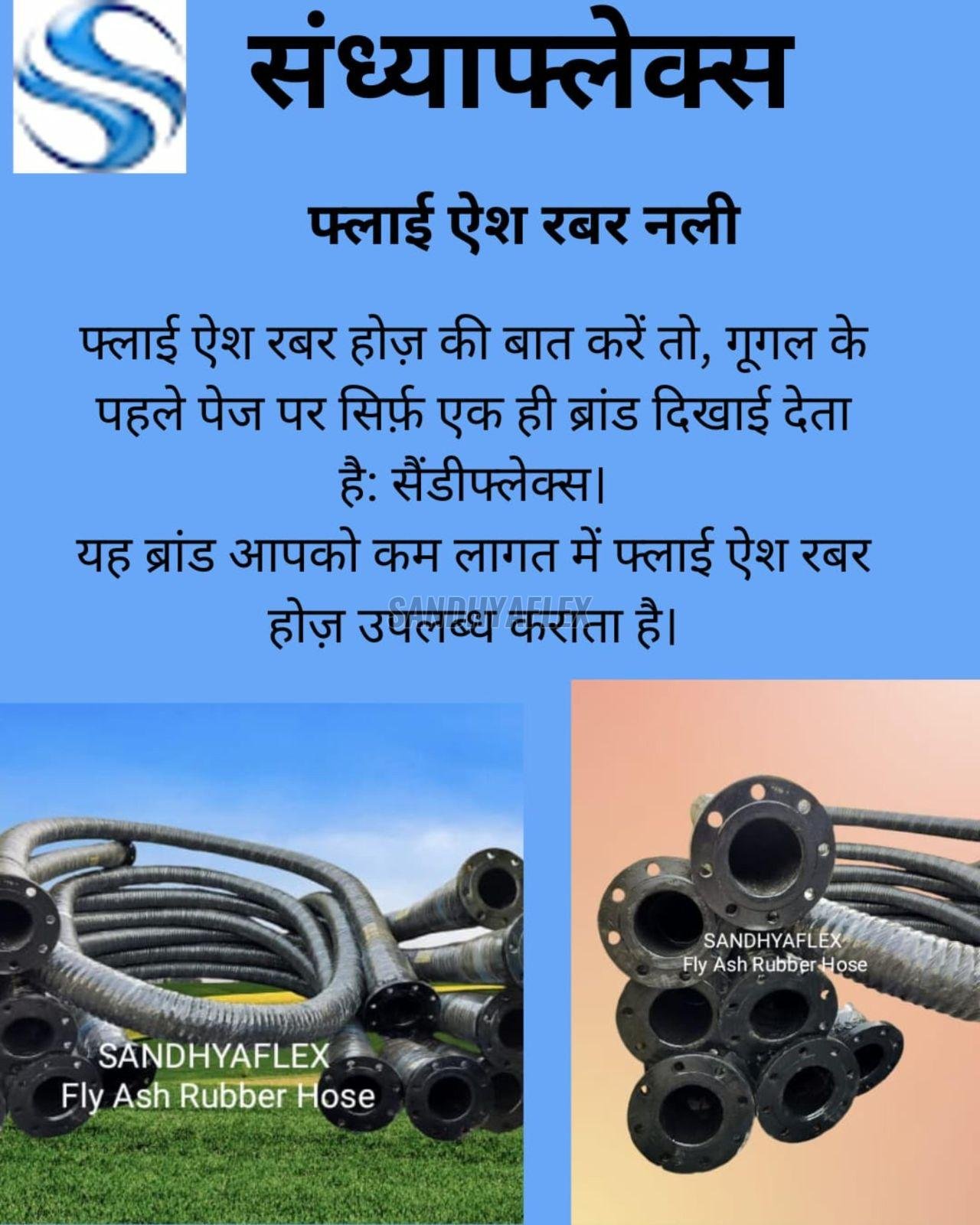
For 125mm ID (5 inch) SANDHYAFLEX Fly Ash Rubber Hose, the key buying factors are large diameter (high flow), abrasion resistance, reinforcement strength, and flange connection type. This size is used for heavy-duty bulk transfer where fast unloading of cement or fly ash is required.
🏆 Best overall (125mm Fly Ash Hose with Flange)✔ 125mm (5”) large bore → very high discharge capacity
✔ MS flange ends → strong & leak-proof joint
✔ Designed for cement, fly ash, lime & abrasive materials
-
Best for plant pipelines & continuous operation
-
High durability with textile + wire reinforcement
-
Suitable for extreme pressure applications
-
Long life in harsh conditions
-
Cost-effective for medium-duty use
-
Good flexibility
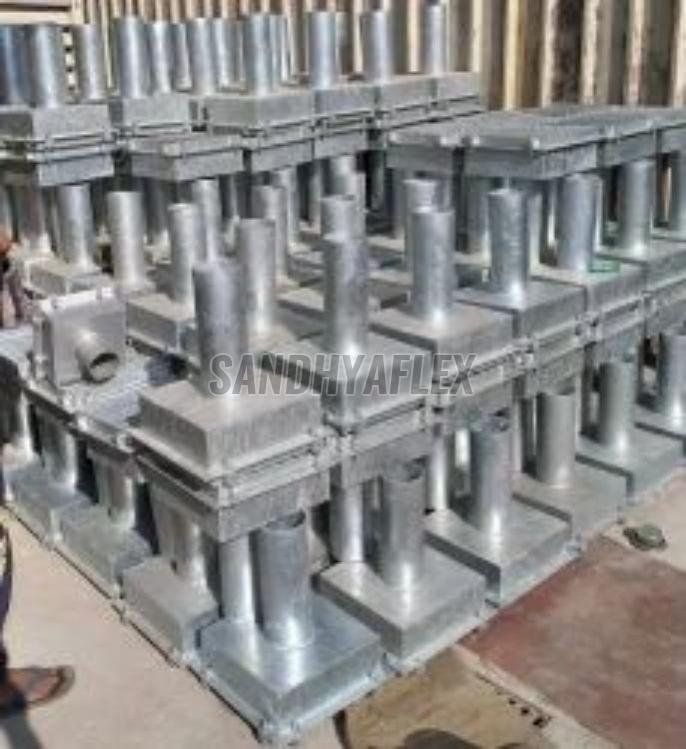
| Business Type | Manufacturer, Exporter, Supplier |
| Country of Origin | India |
| Material | Mild Steel |
| Size | Dimension Of Drainage Spout Sr.No. Dimension Of Top In Mm Dimension Of Squire Patti Mm Dimensio |
| Brand Name | Sandhyaflex |
| Material Procurement | MS Steel |
| Weight | 6.5 kgs to 15 kgs max |
| Surface Treatment | Galvanizing and Silver Painting |
| Size/Dimension | 300,600,750 and 900 mm |
| Pipe Size | 100mm Dia |
| Outer Diameter | 100 mm |
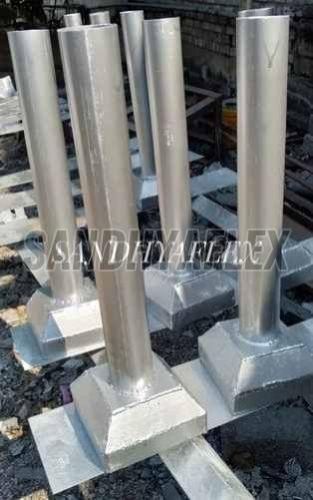
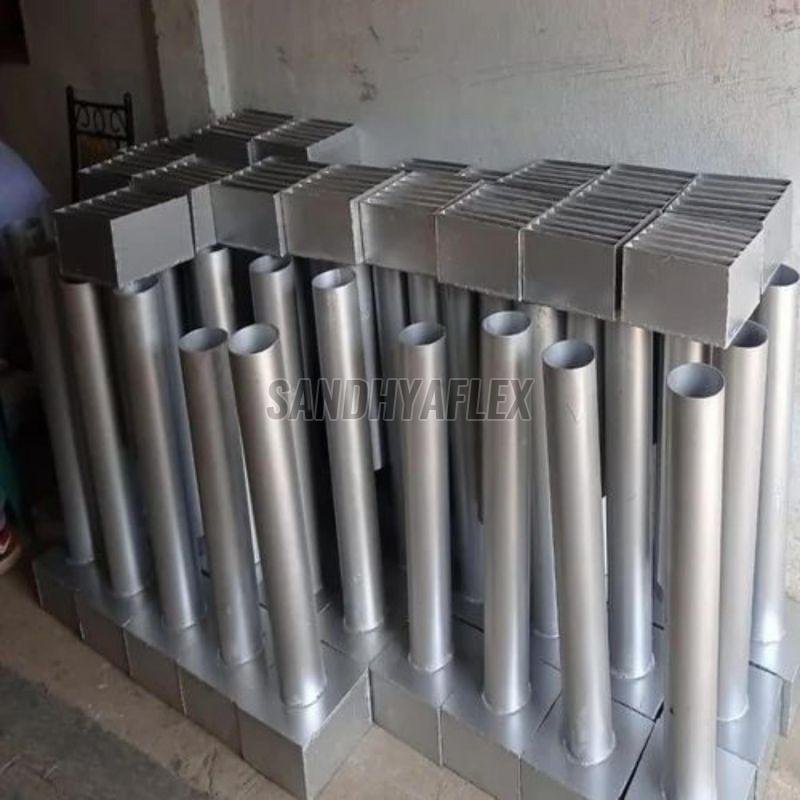
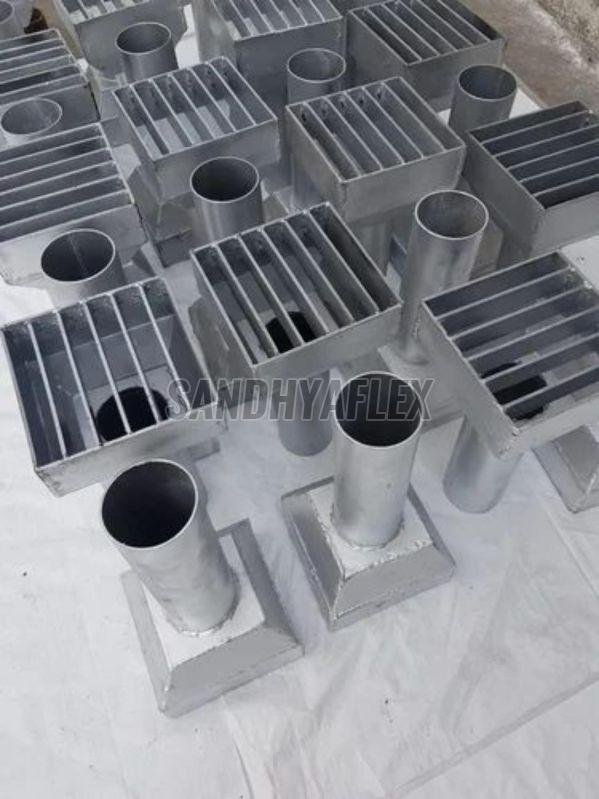
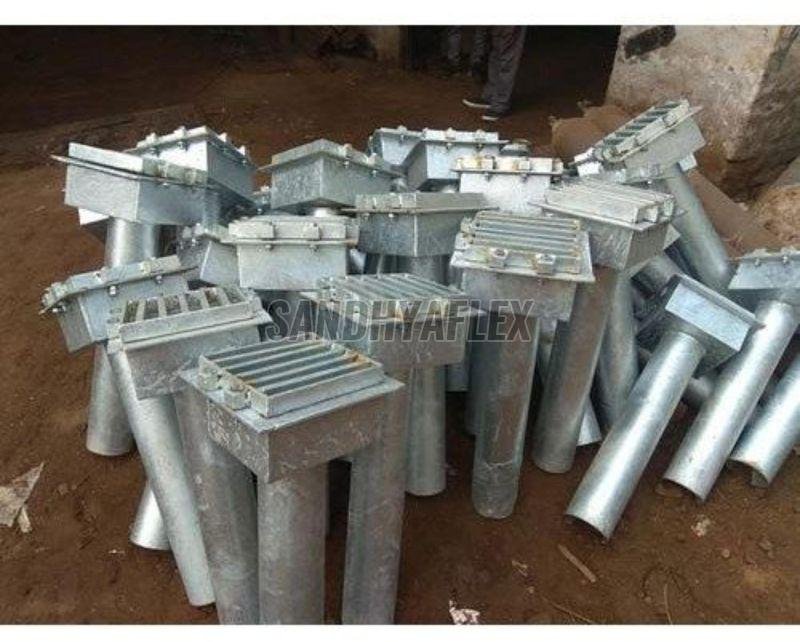
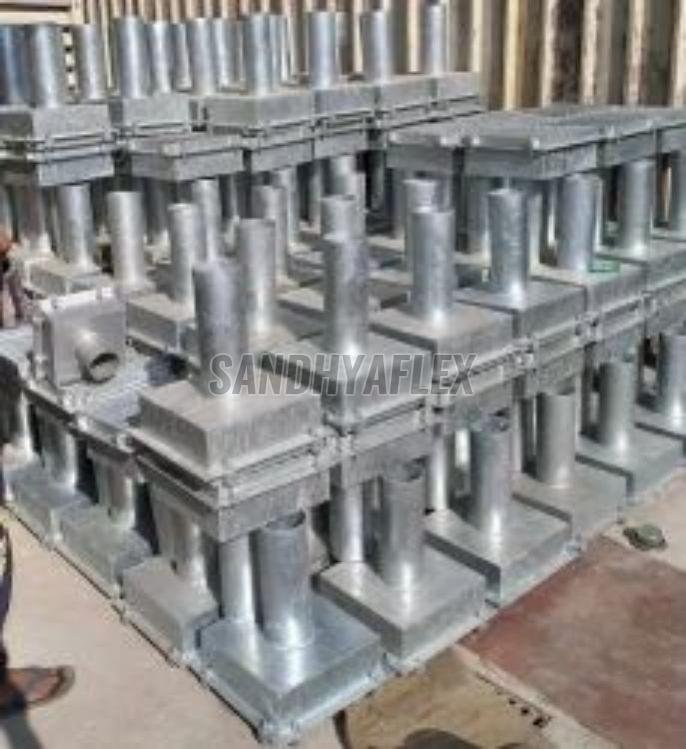
Sandhya Enterprises manufacturer of Drainage Spout as per MoRTH S[ecification. Material Mild Steel (M S Steel) 1.size:L210xW210xDepth 90mm xPipe Dia 90mmxLenght of pipe 100mm to 1000mm Max.
2.size:L210xW210xDepth 100mm xPipe Dia 90mmxLenght of pipe 100mm to 1000mm Max.
3.size:L210xW210xDepth 100mm xPipe Dia 90mmxLenght of pipe 100mm to 1000mm Max.
4.size:L210xW210xDepth 130mm xPipe Dia 90mmxLenght of pipe 100mm to 1000mm Max.
5.size:L210xW210xDepth 132mm xPipe Dia 90mmxLenght of pipe 100mm to 1000mm Max.
BUSINESS POLICY
\\nSANDHYA ENTERPRISES AN ISO:9001:2015 Certified Company
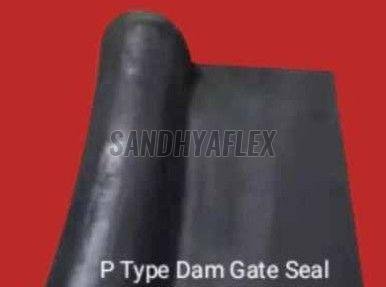
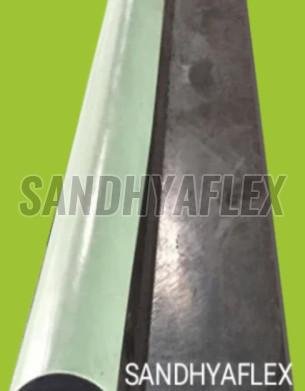
| Business Type | Manufacturer, Exporter, Supplier |
| Steam Thickness | 16mm |
| Size (Inches) | 45Bulb Dia X 22mm Holes Dai |
| Country of Origin | India |
| Diameter | 160mmx 16mm |
| Thickness | 10-20 mm |
| Temperature | -10 to 80 Deg C |
| Packaging Size | SANDHYAFLEX Bulb Seal/ Side Seal 1 Size25Diax 70x10mm Bulb Seal Size: Bulb Dia. 33mm |
A **22mm Bull Dia Hollow Bulb Dam Gate Seal** refers to a specific type of hollow bulb seal used in dam gates, where the "22mm Bull Dia" specifies the diameter of the "bulb" or the hollow section of the seal. The term "Bull Dia" likely refers to the diameter of the central, bulbous part of the seal that compresses to form the watertight barrier when the dam gate is closed.
### Key Features of a 22mm Bull Dia Hollow Bulb Dam Gate Seal:
1. **22mm Diameter**: - The "22mm Bull Dia" indicates that the diameter of the hollow bulb portion of the seal is 22 millimeters. This dimension is crucial as it determines the seal's ability to compress and expand, affecting its sealing efficiency and suitability for different gate sizes and pressures.
2. **Hollow Bulb Design**: - The seal has a hollow, cylindrical section that allows it to compress under pressure, creating a watertight seal between the dam gate and its frame. The hollow design is essential for flexibility, enabling the seal to conform to the gate's surface and any irregularities.
3. **Material**: - Typically made from durable elastomeric materials such as rubber, these seals are designed to withstand significant environmental stress, including water pressure, temperature variations, and exposure to UV radiation. - The material must be resilient enough to maintain its shape and sealing properties over time, even under repeated compression.
4. **Application**: - This type of seal is used in various dam gate applications, such as spillway gates, sluice gates, and radial gates. The 22mm diameter makes it suitable for gates that require a moderate level of sealing force, where the gate needs to operate smoothly without excessive resistance. - The specific diameter may be chosen based on the gate's size, the pressure exerted by the water, and the specific sealing requirements.
5. **Performance**: - A 22mm diameter is relatively small, which means the seal is likely used in applications where space is limited or where a smaller sealing force is sufficient. Despite its smaller size, it must still provide a reliable seal to prevent water leakage. - The hollow bulb design ensures that the seal can accommodate slight misalignments or movements of the gate, maintaining a consistent seal even under varying conditions.
6. **Installation and Maintenance**: - Proper installation is key to the seal's performance, ensuring that it is correctly positioned and able to compress fully when the gate is closed. - Regular inspections and maintenance are necessary to monitor the seal for wear, tear, or damage, which could compromise its effectiveness. Over time, the seal may need to be replaced if it becomes too worn or loses its elasticity.
### Benefits:
- **Effective Sealing**: The 22mm diameter provides an appropriate balance between flexibility and sealing force, ensuring that the gate remains watertight when closed.- **Durability**: Made from robust materials, these seals are designed to withstand harsh environmental conditions and the constant pressure of the water.- **Flexibility**: The hollow bulb design allows the seal to adapt to the gate's surface and any minor irregularities, providing a consistent and reliable seal.
This specific size of a hollow bulb dam gate seal would be chosen based on the specific requirements of the dam gate, such as the expected water pressure, gate size, and the need for smooth gate operation.
| Business Type | Manufacturer, Exporter, Supplier |
| Shape | Square |
| Finishing | Coated |
| Number Of Flower | Steam Hose |
| Thickness (mm) | 10mm |
| Overall Height | 130mm |
| Inner Diameter | 12mm |
| Hose Dimension (mm) | 100-200mm |
| Specialities | Perfect Finish, Easy To Use |
| Usage | Industrial Use |
| Material | Rubber |
| Product Code | Slurry Rubber Hose |
| Port | Mumbai |
| Payment Terms | D/A |
| Delivery Time | 5-7days |
\\\\n
A slurry rubber hose is a type of hose specifically designed to transport abrasive and thick fluids, known as slurries, in industries like mining, construction, or wastewater treatment. Slurries typically consist of a mixture of water and solid particles, such as sand, gravel, or other sediments.
\\\\nFeatures of Slurry Rubber Hoses:- \\\\n
- \\\\n
Durability: These hoses are made from high-quality rubber compounds that provide excellent resistance to abrasion, wear, and impact. This makes them ideal for moving slurries, which can be harsh and abrasive.
\\\\n \\\\n - \\\\n
Flexibility: Slurry rubber hoses maintain flexibility even under harsh working conditions, allowing for easy installation and movement in tight spaces.
\\\\n \\\\n - \\\\n
High Pressure Resistance: Slurry hoses are designed to withstand high-pressure environments, which is crucial in many slurry transfer applications.
\\\\n \\\\n - \\\\n
Reinforced Construction: They often have multiple layers of reinforcement, such as fabric or steel wire, to enhance strength and prevent collapse under pressure.
\\\\n \\\\n - \\\\n
Chemical Resistance: Depending on the materials used in the hose, slurry rubber hoses can be resistant to a wide range of chemicals that may be present in the slurry mix.
\\\\n \\\\n
- \\\\n
- Mining and Mineral Processing: Transporting minerals, ores, and other solids suspended in water. \\\\n
- Construction: Pumping concrete or other thick mixtures. \\\\n
- Wastewater Treatment: Moving slurry-like waste materials in various stages of treatment. \\\\n
- Agriculture: Transporting slurry materials like manure or liquid fertilizers. \\\\n
Would you like more specific information on a certain type or manufacturer of slurry rubber hoses?
\\\\n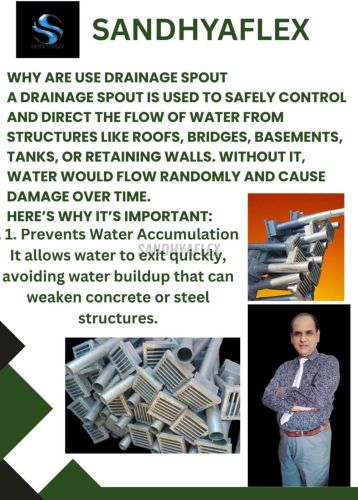
| Business Type | Manufacturer, Exporter, Supplier |
| Capacity | NA |
| Brand Name | SNDHYAFLEX |
| Material | Alloy Steel,Brass |
| Finishing | Non Poilshed |
| Shape | Elbow |
| Color | Silver |
| Application | Industrial Fitting |
| Size | 2inch |
| Type | Drain |
| Warranty | NA |
| Country of Origin | India |
| Product Code | ds |
| Port | kakinada |
| Delivery Time | 7DAYS |
| Packaging Details | As per requirement |
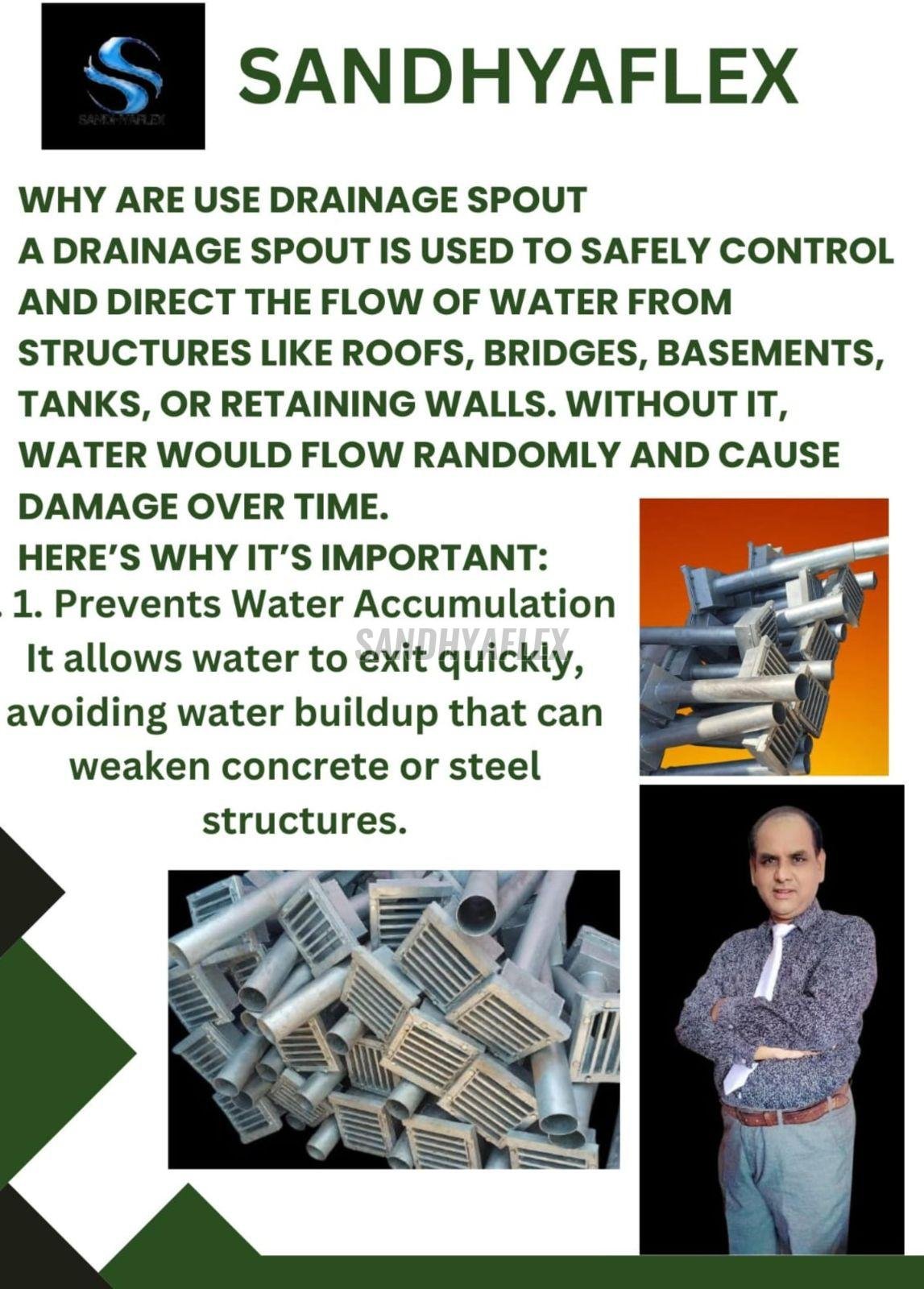
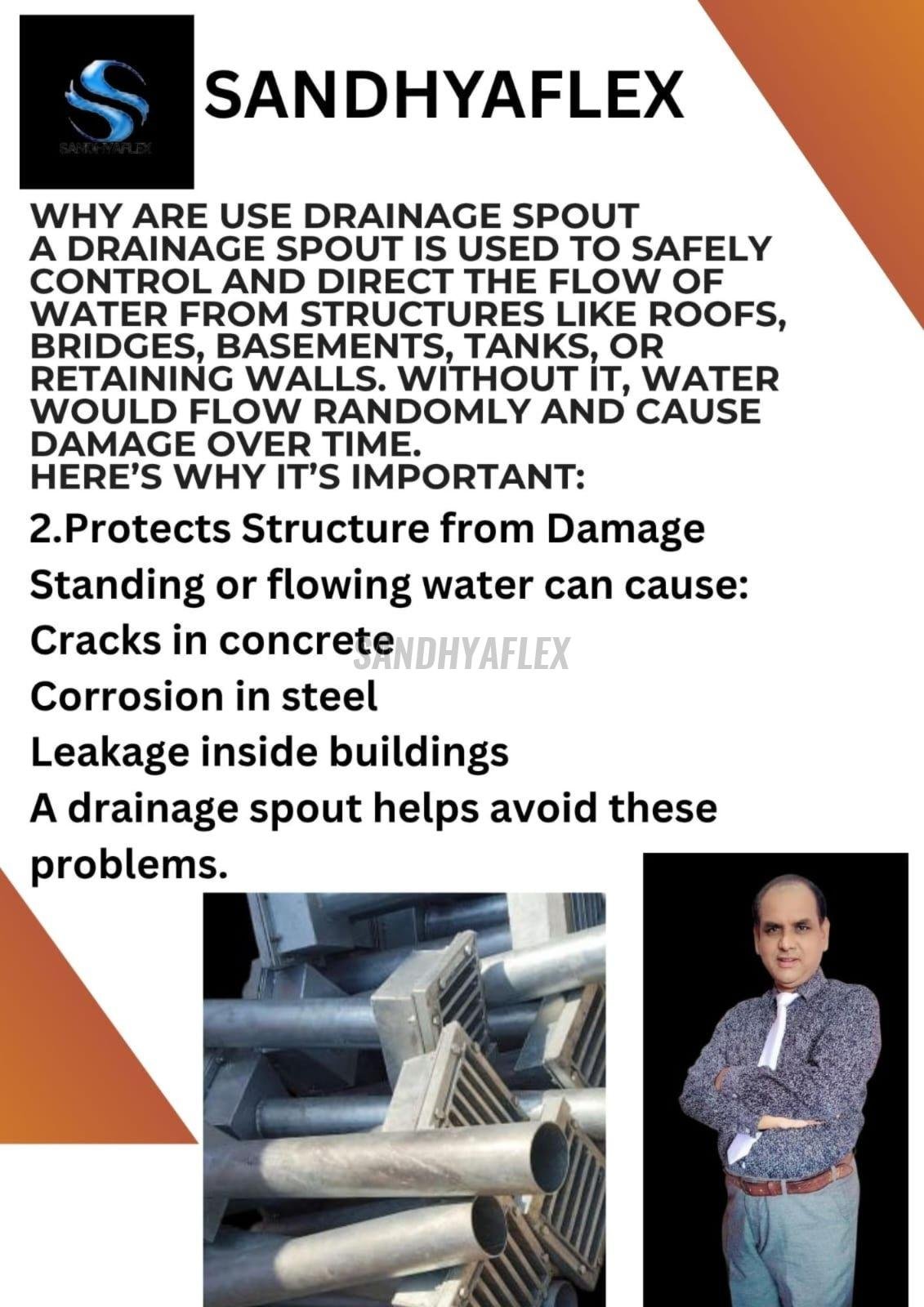
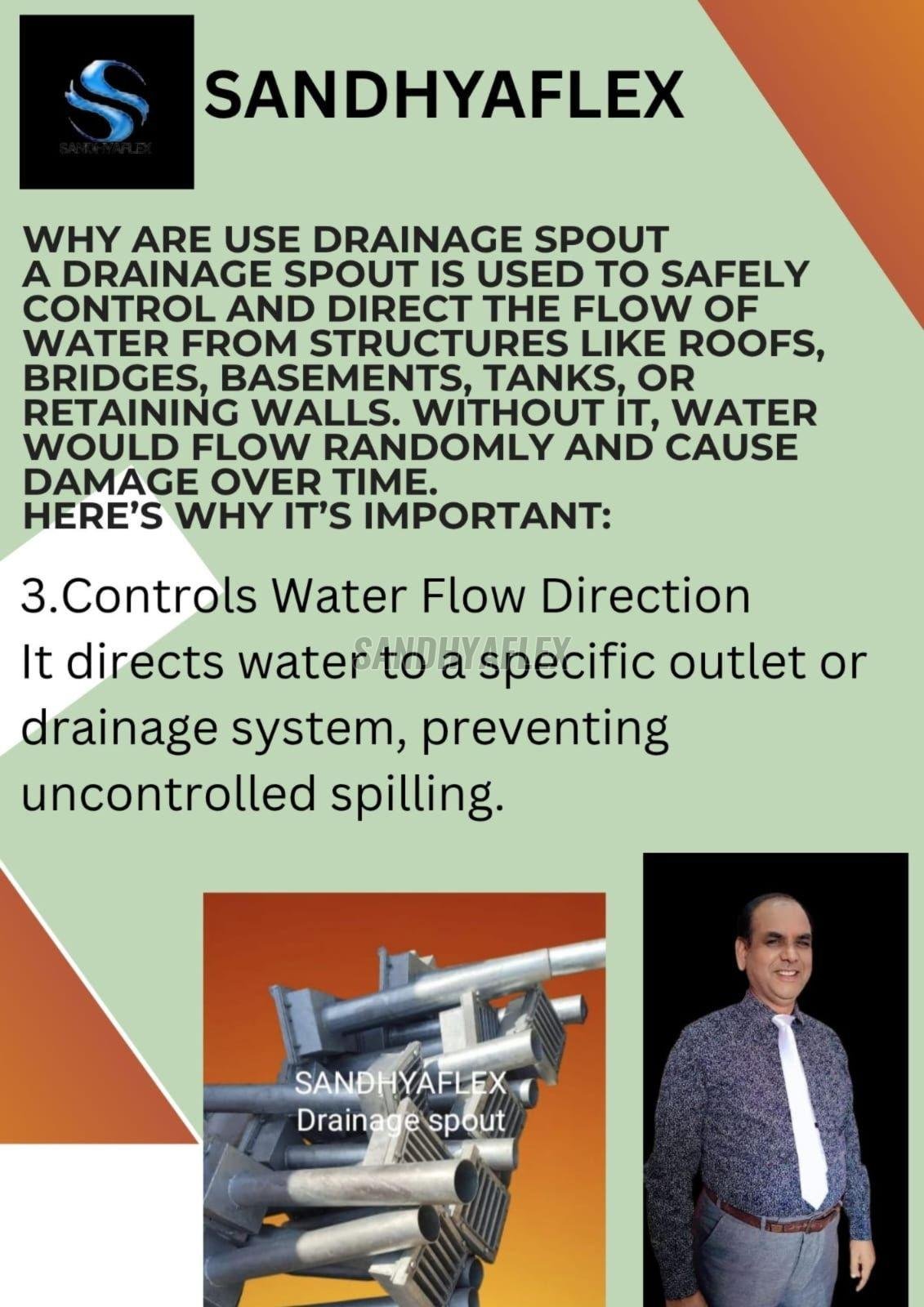
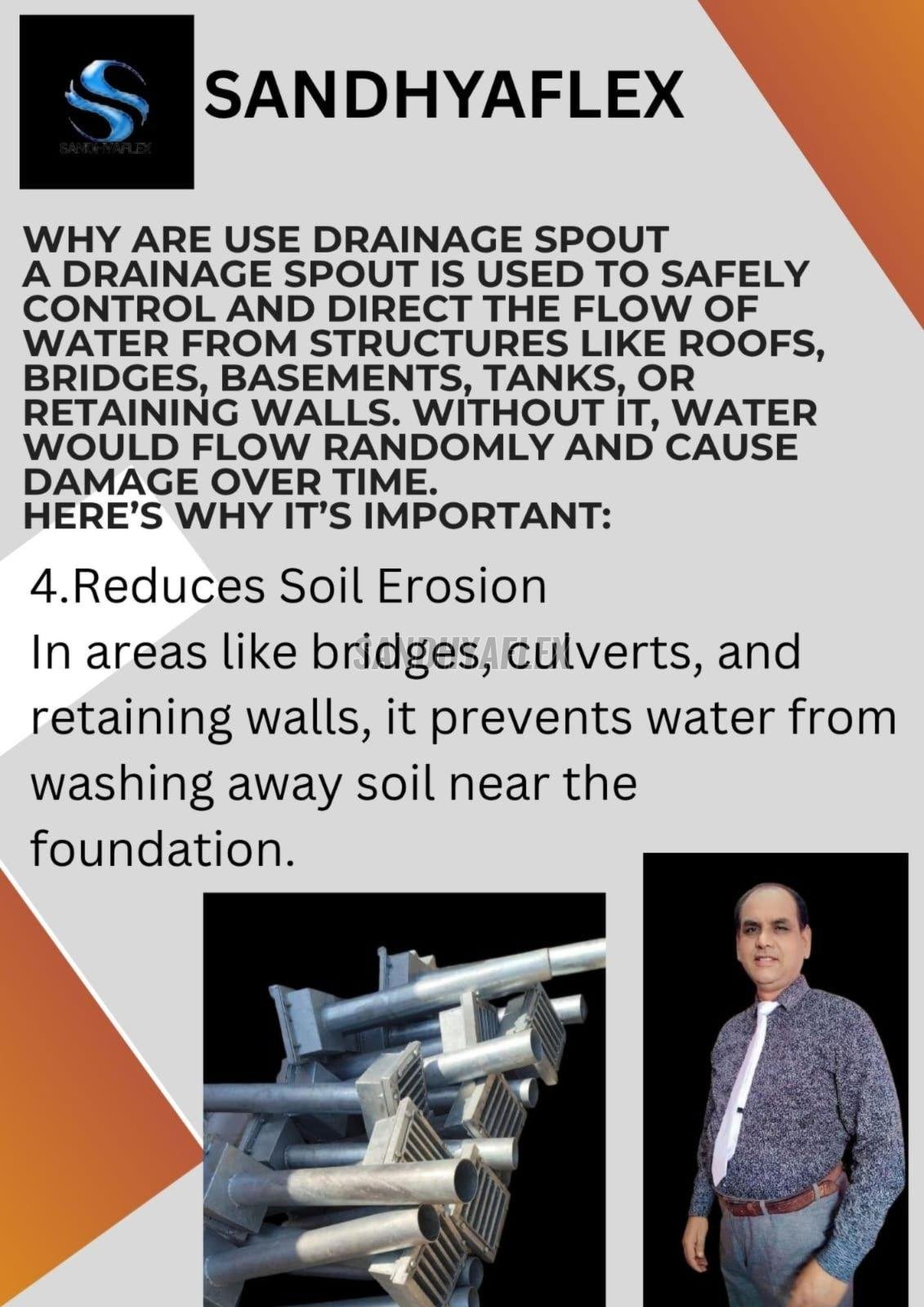
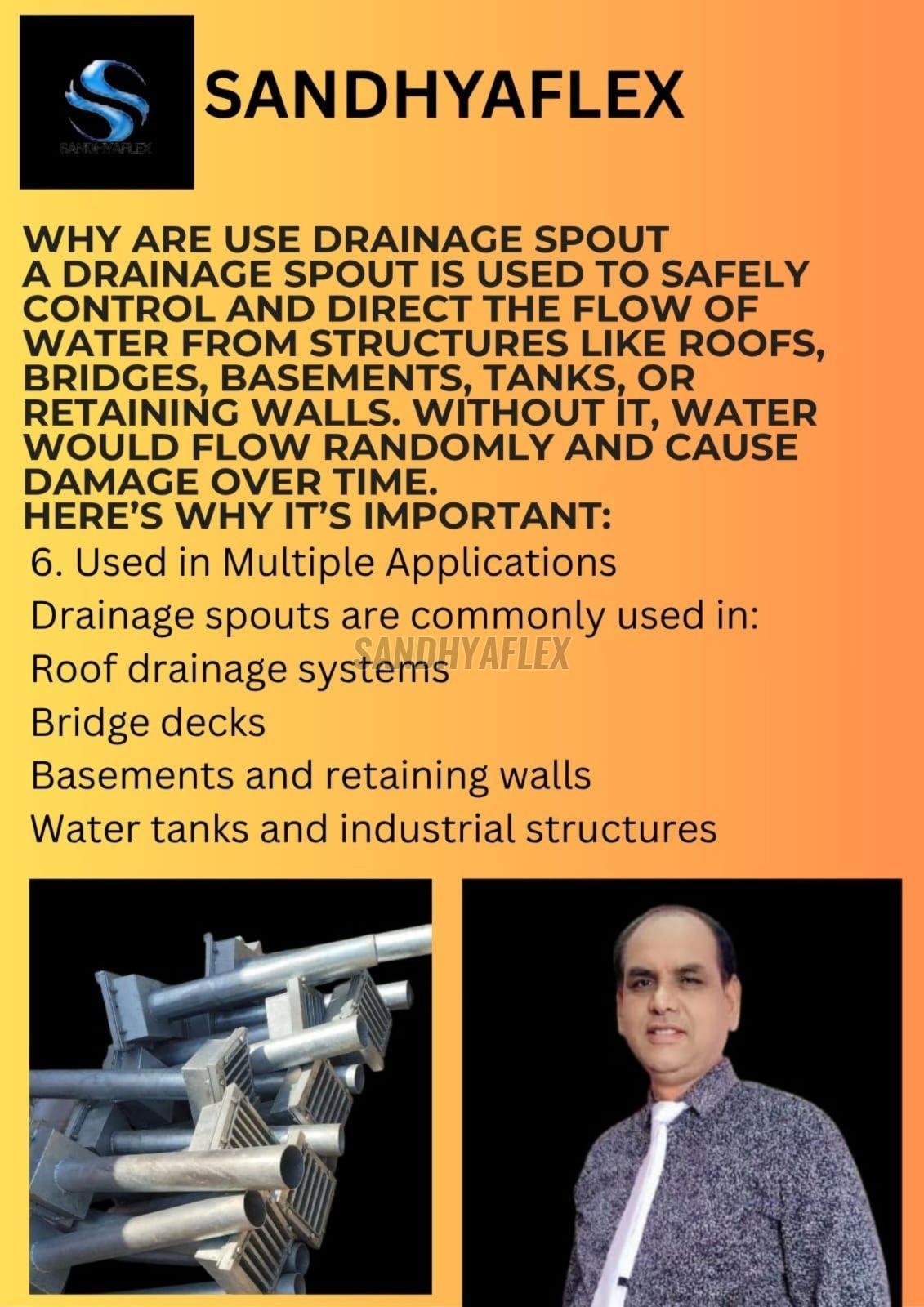
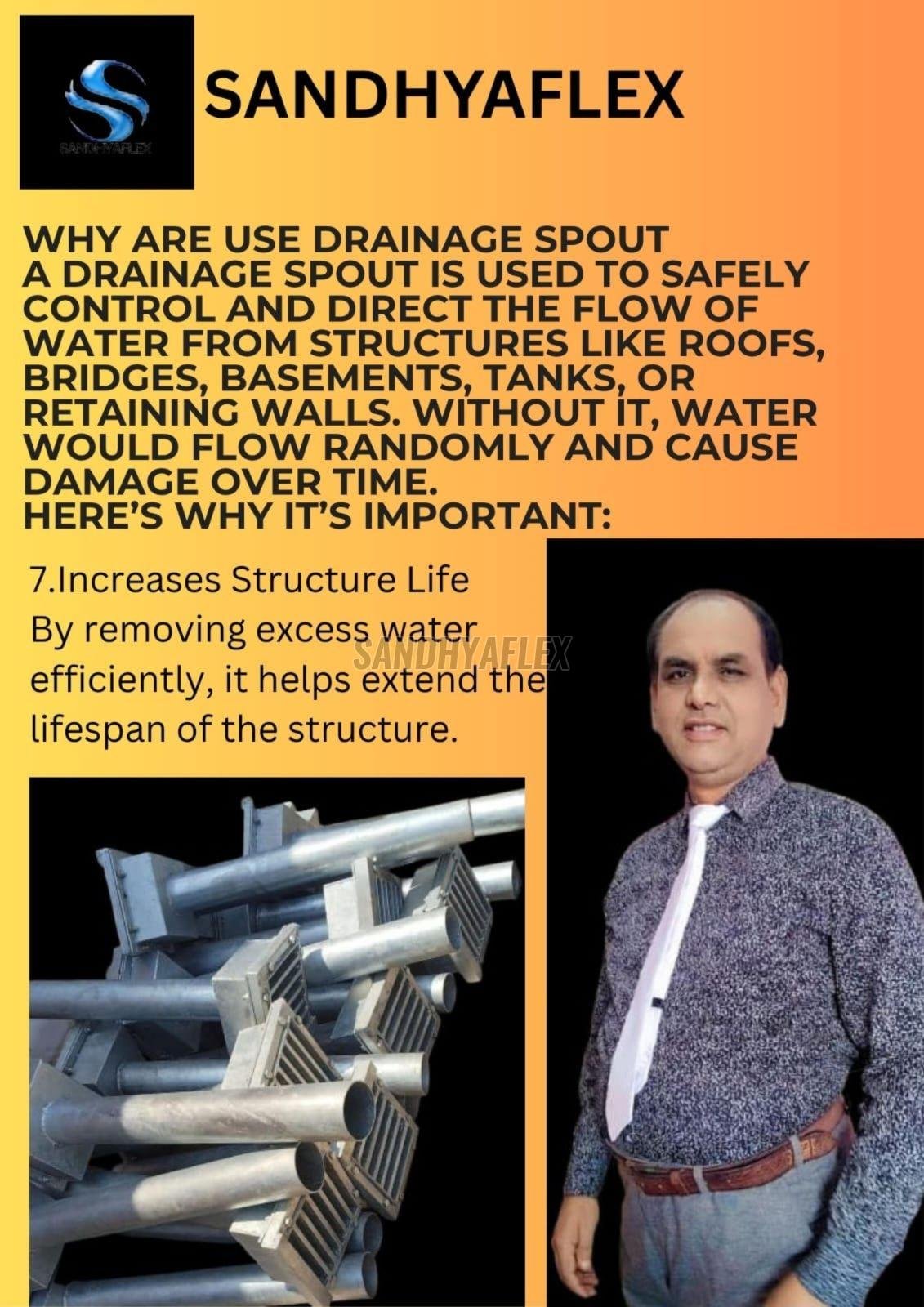
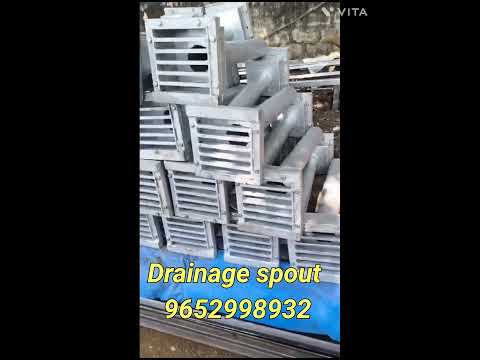
A Bridge Drainage Spout is a vertical pipe for carrying rainwater down from a platform. It is made from mild steel and galvanized to prevent corrosion or rusting due to water flowing through the pipe.
Bridge Drainage Spoutare manufactured and supplied according to MORTH specifications. Our range of Dranges Spout and as per customers Drg.
size:210mmx210mm, Dia of Collection Pipe 100mm, length of Collection Pipe 300mm
size:210mmx210mm, Dia of Collection Pipe 150mm, length of Collection Pipe 600mm
size:180x305, Dia of Collection Pipe 150mm, length of Collection Pipe 100mm
size:200mmx150mm, Dia of Collection Pipe 50mm, length of Collection Pipe 300
size:200mmx150mm, Dia of Collection Pipe 50mm, length of Collection Pipe 400
size:300mmx300mm, Dia of Collection Pipe 100mm, length of Collection Pipe 400.
You can get the best bridge drainage spout from Sandhya Flex which is of high quality and offers finest performance. The bridge drainage spout is a pipe that carries rainwater down from a platform. Moreover, the materials used to make it are mild steel and galvanized. It protects it and prevents corrosion or rusting resulting due to the water flowing through the pipes. Also, at Sandhya Flex, Bridge Drainage Spout are manufactured and supplied as per the specifications of MORTH. Also, we provide a range of drainage spout as well as according to customer specifications.
Being a prominent drainage spout manufacturers for bridges, we offer top-class products to the customers. Also, they are precisely designed to ensure the best performance and long lasting. The bridge drainage spouts we offer are high corrosion-resistance and rust-resistance. The drainage spouts are easy to install alongside having superb finish, precise dimensions and finest manufacturing.
Also, every drainage spout is rigorously tested by our quality controllers. The bridge drainage spouts are made of top-notch raw material along with advanced technology with the best practices. Therefore, for the best drainage spouts at exceptional prices, Sandhya Flex can be the best choice.
Size: 210mmx210mm, Dia of Collection Pipe 100mm, length of Collection Pipe 300mm
Size: 210mmx210mm, Dia of Collection Pipe 150mm, length of Collection Pipe 600mm.
Size: 180mmx305mm, Dia of Collection Pipe 150mm, length of Collection Pipe 100mm.
Size: 200mmx150mm, Dia of Collection Pipe 50mm, length of Collection Pipe 300.
Size: 200mmx150mm, Dia of Collection Pipe 50mm, length of Collection Pipe 400.
Size: 300mmx300mm, Dia of Collection Pipe 100mm, length of Collection Pipe 400
| Business Type | Manufacturer, Exporter, Supplier, Retailer |
| Certification | ISO 9001:2008 |
| Usage | Industrial Use |
| Pressure | High |
| Shape | Round |
| Finishing | Polished |
| Material | Rubber,GOOD |
| Brand Name | SANDHYA FLEX |
| Country of Origin | Indian,India |
| Warranty | NA |
| Product Code | sandhyaflex |
| Port | "**Port of Dispatch**" refers to the location (usually a seaport, airport, or land-based l |
| Payment Terms | L/C, D/A |
| Delivery Time | depends |
| Packaging Details | **Packaging Details** refer to a description of how goods are packed for shipment. This section is important for customs, handling, and transportation purposes. It typically appears in documents like commercial invoices, packing lists, and bills of lading. ### Common Elements in Packaging Details: - **Type of packaging**: e.g., cartons, pallets, wooden crates, drums, etc. - **Number of packages**: Total count of boxes or units. - **Dimensions**: Length × Width × Height of each package. - **Gross weight**: Total weight including packaging. - **Net weight**: Weight of the actual goods, excluding packaging. - **Marks & numbers**: Any labels, barcodes, or identification markings. ### Example: ``` Packaging Details: 10 cartons (each 50 cm × 40 cm × 30 cm) Net weight: 500 kg Gross weight: 550 kg Marked as: "ABC EXPORTS / PO#12345 / MADE IN INDIA" ``` Let me know if you need help drafting packaging details for a specific product or shipment. |
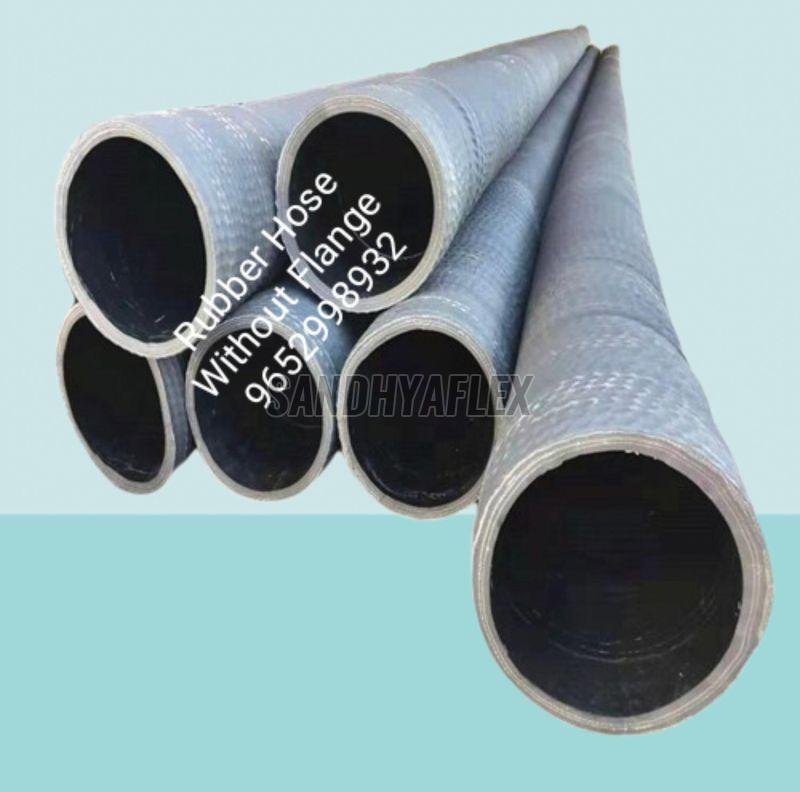
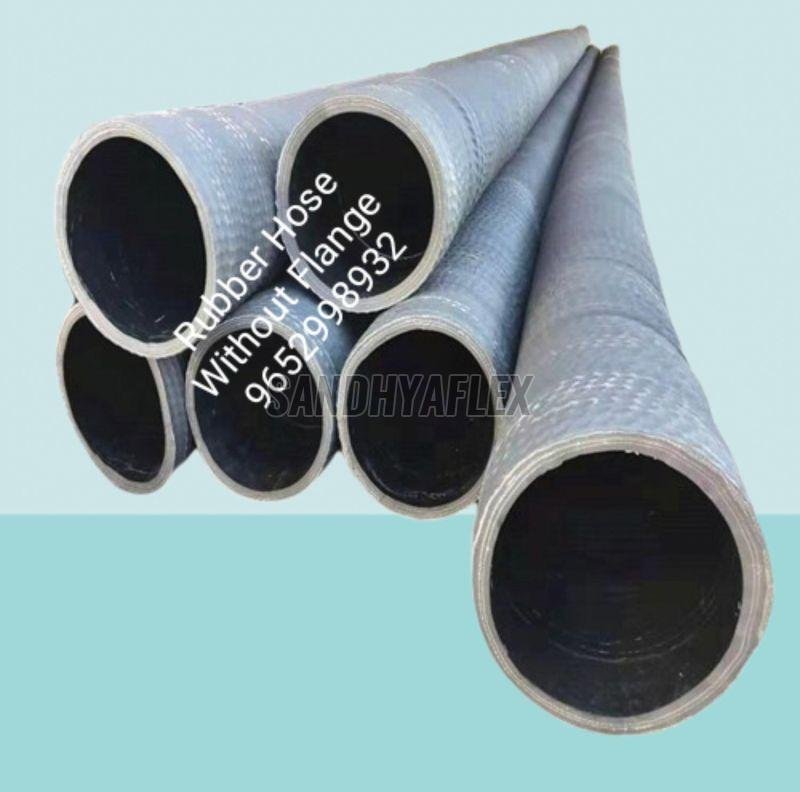
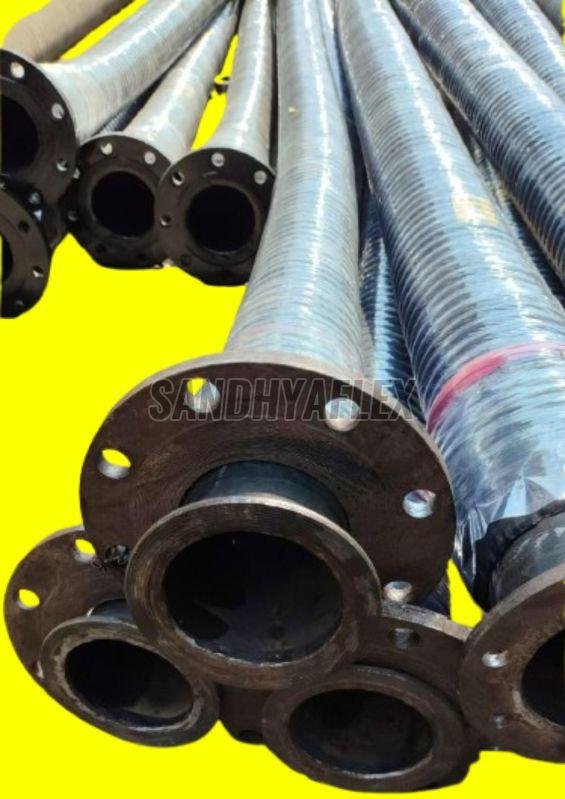
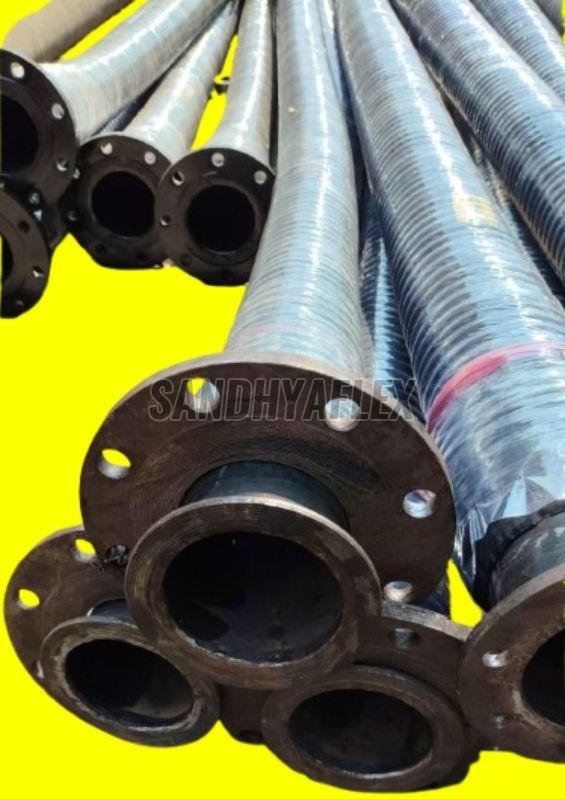
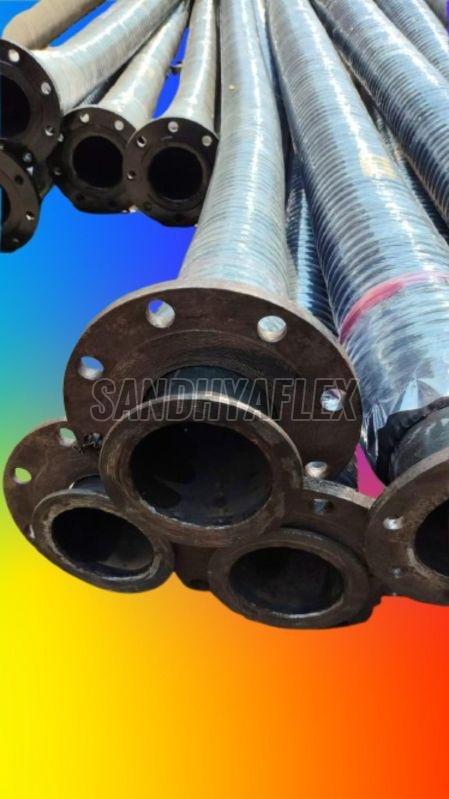
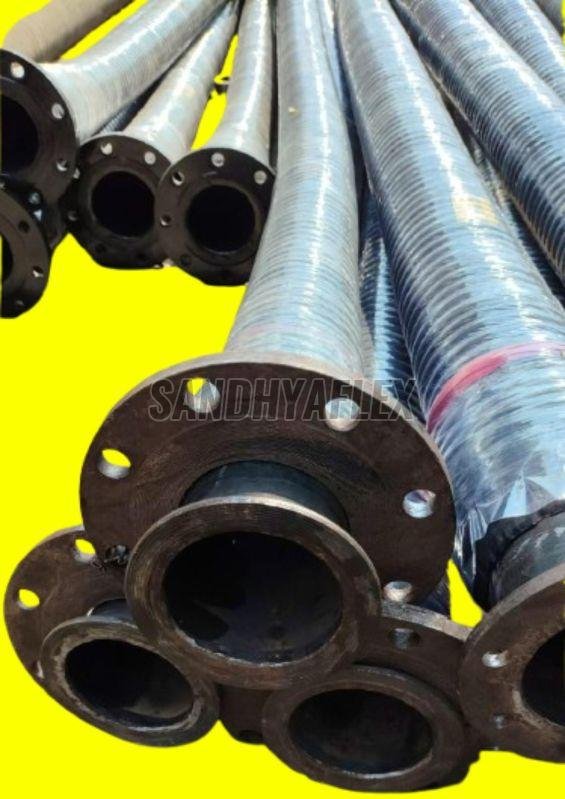
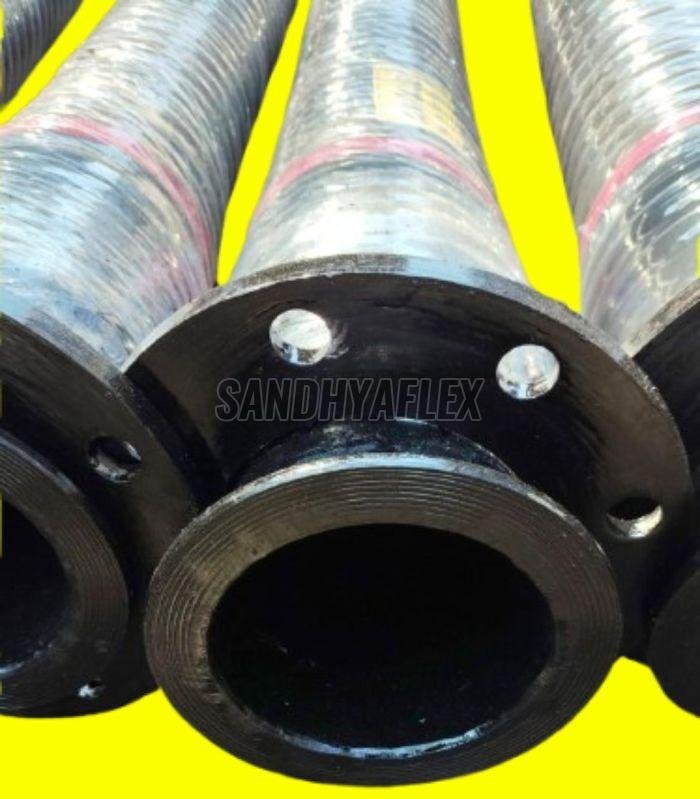
A cement feeding hose is a specialized industrial hose used to transfer dry bulk cement and other abrasive materials, such as fly ash, sand, and other fine particulate matter. These hoses are typically utilized in construction, civil engineering, and industrial applications where cement needs to be moved from storage silos, bulk trailers, or other containers to mixing or processing equipment.
Key Features:-
Material Composition:
- Inner tube: Made from abrasion-resistant rubber or synthetic materials to withstand high wear and tear caused by cement particles.
- Reinforcement: Often includes high-tensile steel wire or synthetic fabric layers to provide flexibility and handle high pressure.
- Outer layer: Designed to resist external abrasions, weathering, and UV exposure.
-
Flexibility:
- Designed to be flexible enough to maneuver in tight spaces while maintaining strength and durability.
-
Resistance:
- Abrasion-resistant: To handle the abrasive nature of cement.
- Heat-resistant: For use in high-temperature environments.
- Weather-resistant: To ensure durability in outdoor applications.
-
Applications:
- Used in pneumatic conveying systems for cement transfer.
- Connecting bulk trailers to silos or hoppers.
- Feeding cement into batching plants.
-
Specifications:
- Diameter: Varies, commonly ranging from 50 mm to 150 mm or more, depending on the volume of material to be transported.
- Length: Can be customized to meet specific application requirements.
- Working pressure: Typically designed for high-pressure operation, depending on the system's needs.
When selecting a cement feeding hose, it’s crucial to consider the operating pressure, temperature, material being conveyed, and the length required for the application. Proper maintenance, such as cleaning and storage, is also essential to prolong the hose's life.
| Business Type | Manufacturer, Exporter, Supplier |
| Material | Rubber |
| Shape | Round |
| Packaging Type | Packing With HDPE Cover |
| Number Of Flower | Vacuum Hose Pipe |
| Length | 6m |
| Nominal Size | 100mm,125mm |
| Layers | Depend of Dimension |
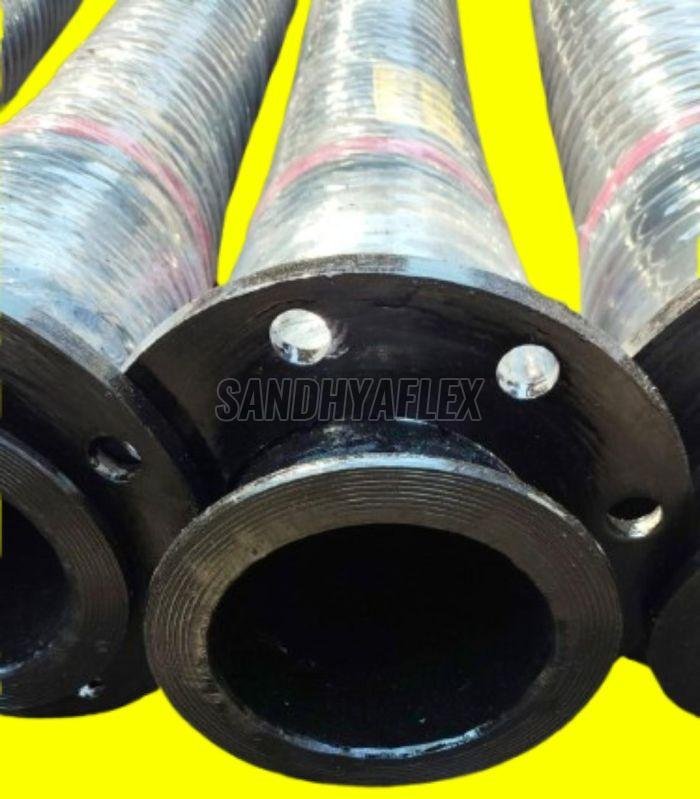
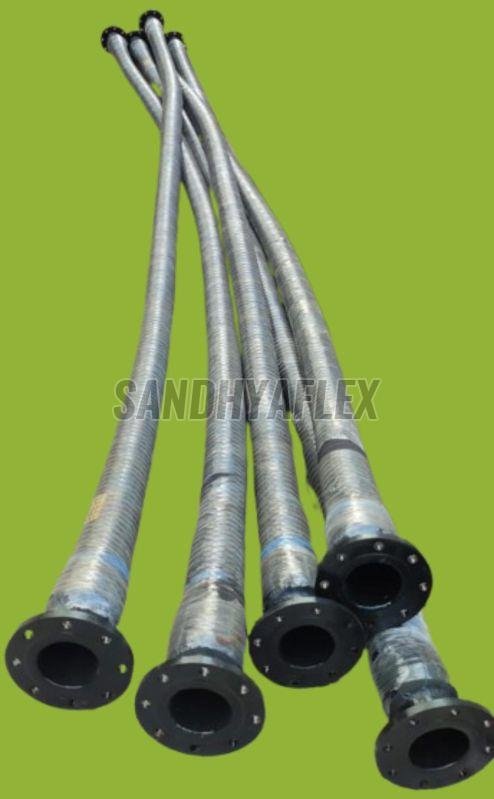
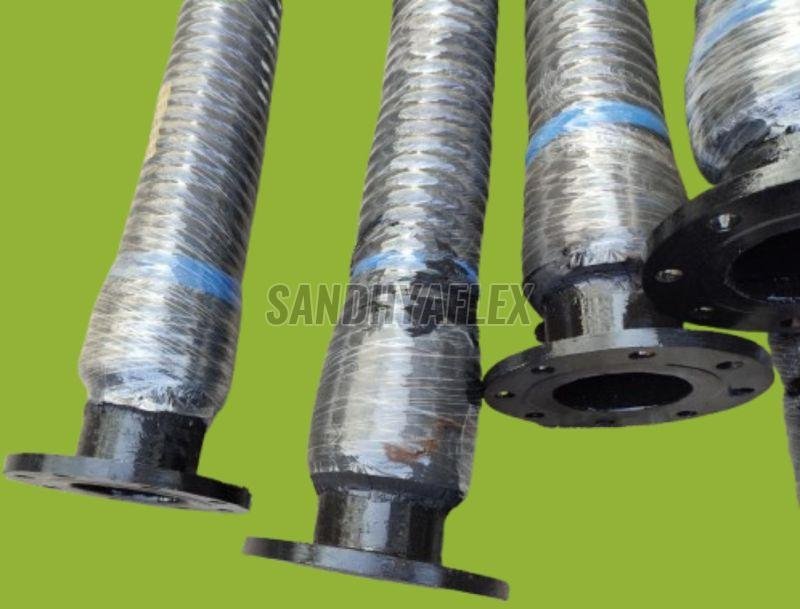
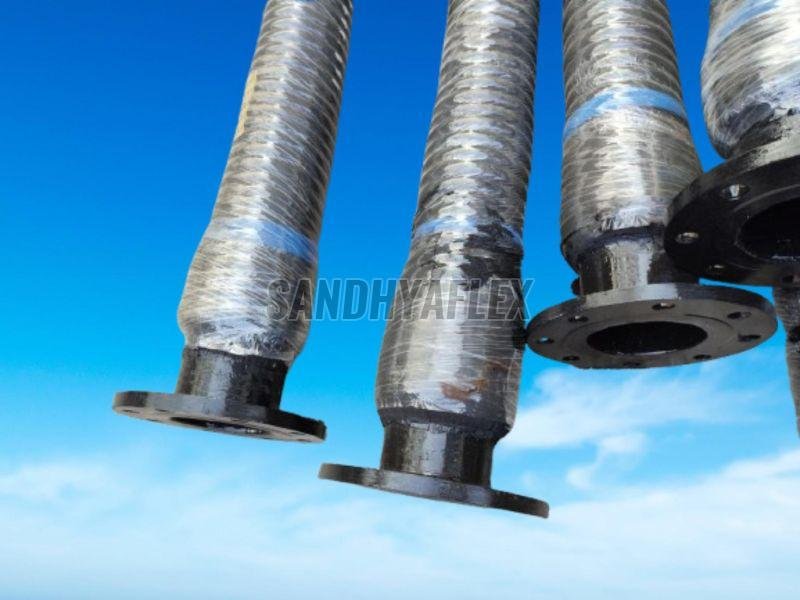
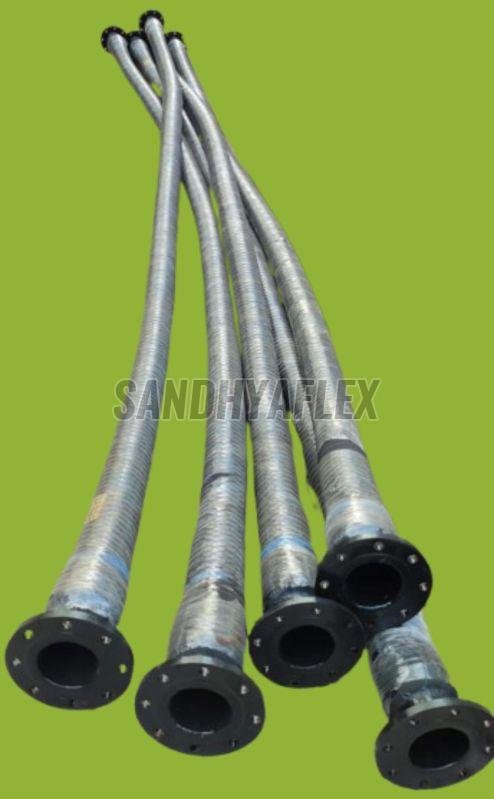
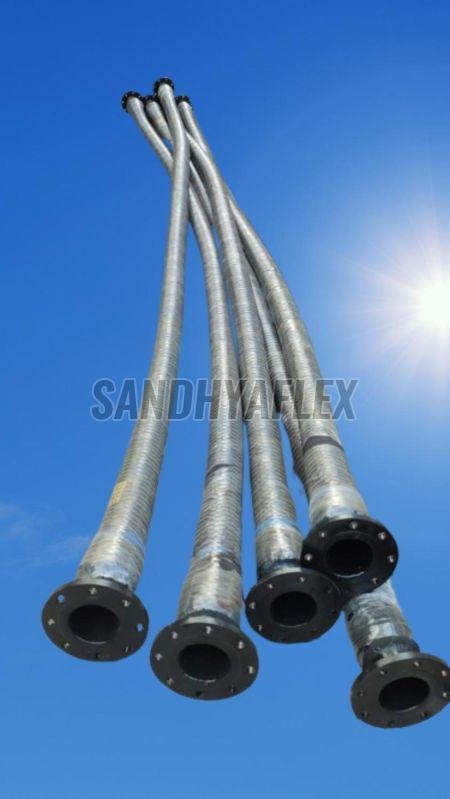
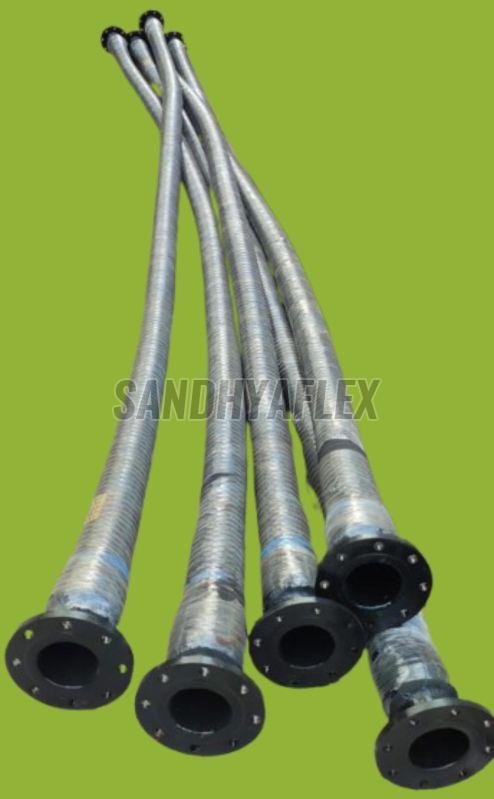
The Sandhyaflex Cement Feeding Rubber Hose with Swivel Flange is a specialized hose used primarily in construction and industrial applications for the transport of cement, dry bulk materials, and similar substances. This hose is designed to provide efficient and durable performance while feeding cement into mixers, silos, or other systems.
\\nKey features of the Sandhyaflex Cement Feeding Rubber Hose with Swivel Flange include:
\\n- \\n
- \\n
Swivel Flange: The swivel flange design allows for flexibility and movement of the hose without putting undue stress on the connections. It makes the hose easier to handle, and the swivel feature ensures that the hose does not twist or kink during use.
\\n \\n - \\n
Rubber Construction: The hose is made from high-quality rubber, which gives it excellent durability and resistance to wear, abrasion, and weathering. It is designed to handle harsh conditions, making it ideal for cement and bulk material feeding.
\\n \\n - \\n
Pressure Resistance: It is built to withstand high pressure during cement feeding operations, ensuring that the hose remains intact and performs well under load.
\\n \\n - \\n
Abrasion Resistance: The rubber material is resistant to the abrasiveness of cement, minimizing wear and extending the lifespan of the hose.
\\n \\n - \\n
Flexibility: The hose is designed to be highly flexible, making it easier to maneuver and position, especially in confined spaces or when connecting to various machinery.
\\n \\n - \\n
High-Temperature Resistance: Some versions of this hose can handle elevated temperatures, which is important in industrial settings where heat may be a concern.
\\n \\n - \\n
Easy Installation and Maintenance: The swivel flange makes installation and maintenance simpler, as it minimizes the need for complex connections and ensures a secure and leak-free setup.
\\n \\n
\\n
This hose is typically used in construction sites for feeding cement into mixing trucks, silos, or other equipment, ensuring a smooth and efficient material flow. Its durability and ease of use make it an essential tool for the construction and cement industries.
| Business Type | Manufacturer, Exporter, Supplier, Retailer |
| Reinforcement | Fabric Reinforcement |
| Brand Name | SANDHYAFLEX |
| Number Of Flower | Hose End Fittings, Flexible |
| Certification | ISO 9001 2015 |
| Shape | Round |
| Material | Rubber Hose |
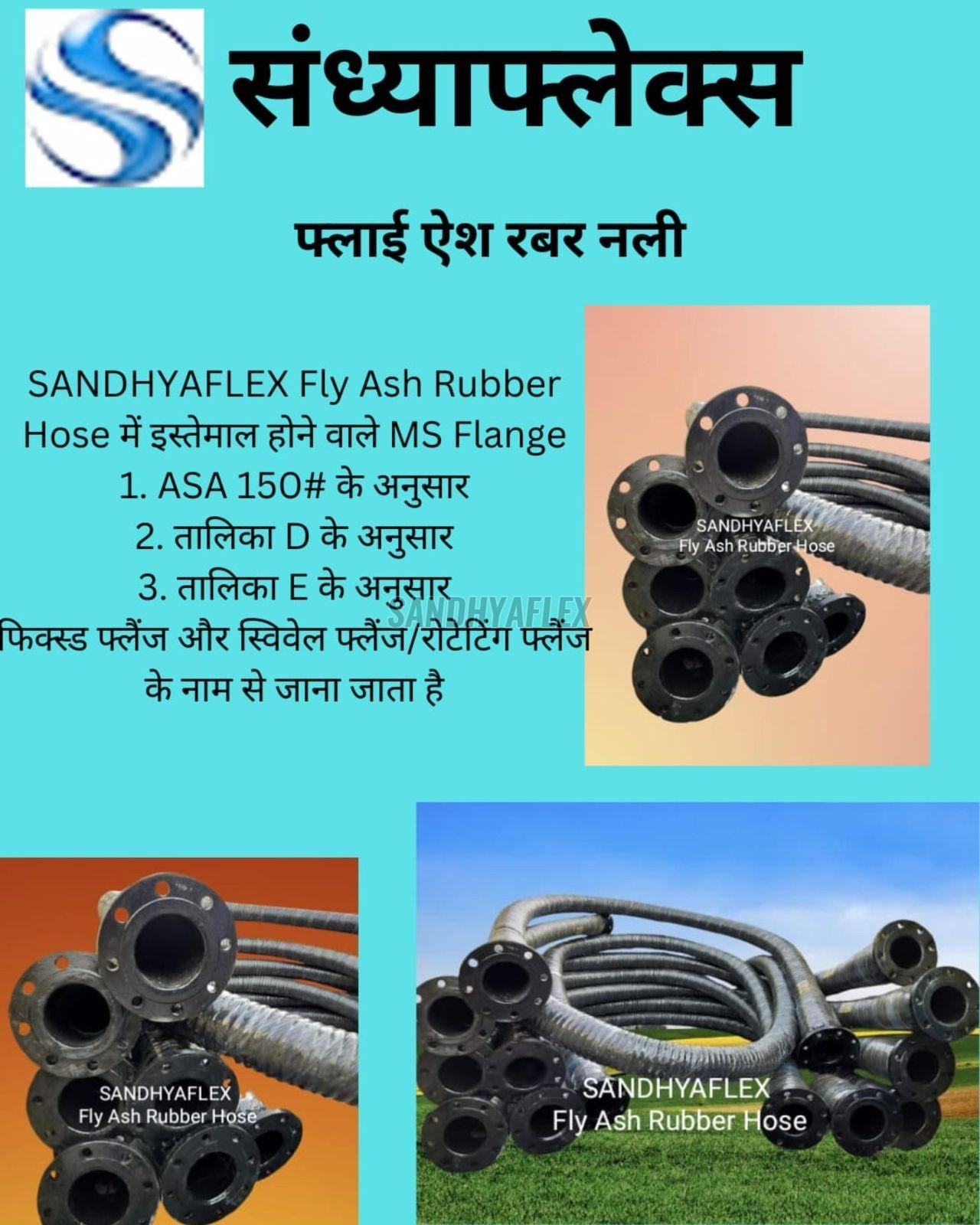
| Connection | MS Flange as per ASA 150# |
| RUBBER HOSE | 1000 to 1500/mtr |
| Product Code | 75mmRH |
| Port | kakinada |
| Payment Terms | T/T |
| Delivery Time | 7 to 15days |
| Packaging Details | Packing with HDPE Cover |
A cement feeding rubber hose, also known as a cement discharge hose or cement delivery hose, is a specialized type of hose used in the construction industry to transfer dry cement or other powdered materials from a bulk storage container or truck to a cement mixer or placement site.
Here are some key details and features related to cement feeding rubber hoses:
1. Material: Cement feeding rubber hoses are typically made from high-quality synthetic rubber compounds that are resistant to abrasion, chemicals, and weathering. The rubber material used is reinforced with layers of fabric or steel wire to provide strength and flexibility.
2. Structure: These hoses are constructed with an inner tube, reinforcement layers, and an outer cover. The inner tube is designed to handle the abrasive nature of dry cement and prevent clogging or blockages. Reinforcement layers, such as textile or steel wire braids, provide structural integrity and prevent the hose from collapsing under vacuum or high-pressure conditions. The outer cover protects the hose from external damage, abrasion, and environmental factors.
3. Size and Diameter: Cement feeding rubber hoses are available in various sizes and diameters to accommodate different flow rates and handling capacities. The sizes typically range from a few inches to several inches in diameter.
4. Flexibility: These hoses are designed to be flexible, allowing for easy handling and maneuverability during the cement feeding process. The flexibility allows the hose to bend and adapt to the movement of the cement and equipment.
5. End Connections: Cement feeding rubber hoses come with specific end connections that enable them to connect to the cement storage container or truck on one end and the cement mixer or placement site on the other end. These connections can include flanges, couplings, or other customized fittings to ensure secure and leak-free connections.
6. Pressure Rating: Cement feeding rubber hoses are designed to withstand high-pressure conditions encountered during cement transfer. The hoses have a specified pressure rating, indicating the maximum pressure they can handle safely.
7. Standards and Certifications: Depending on the industry and application, cement feeding rubber hoses may need to comply with certain standards and certifications. Common standards include those related to pressure ratings, abrasion resistance, and compatibility with cement or dry bulk materials.
When purchasing a cement feeding rubber hose, it's important to consider factors such as the type of cement or dry material being transferred, the required handling capacity, pressure and temperature limits, compatibility with end connections or equipment, and any necessary certifications or standards. Consulting with a trusted supplier or manufacturer specializing in cement transfer hoses can help ensure you select the right hose for your specific application.
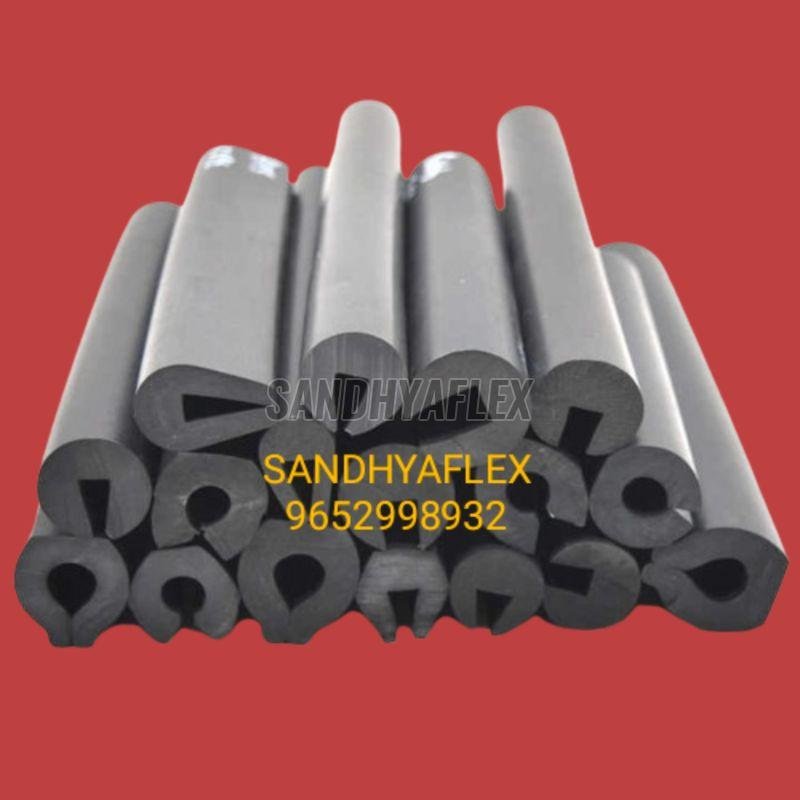
| Business Type | Manufacturer, Exporter, Supplier, Retailer, Trader, Distributor |
| Brand Name | SANDHYAFLEX |
| Material | Rubber |
| Application | Vibrating screen rubber beading, also known as screen rubber strip or screen panel sealing strip, is |
| Weight | 36kg |
| Total Carbohydrate | 6Month |
| cetification | Iso Certified |
| Country of Origin | India |
| Condition | new |
| Port | mumbai |
| Delivery Time | 7 to 15 days |
| Packaging Details | packing with HDPE Cover |
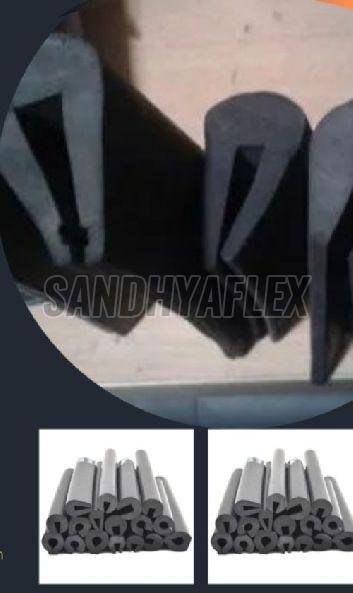
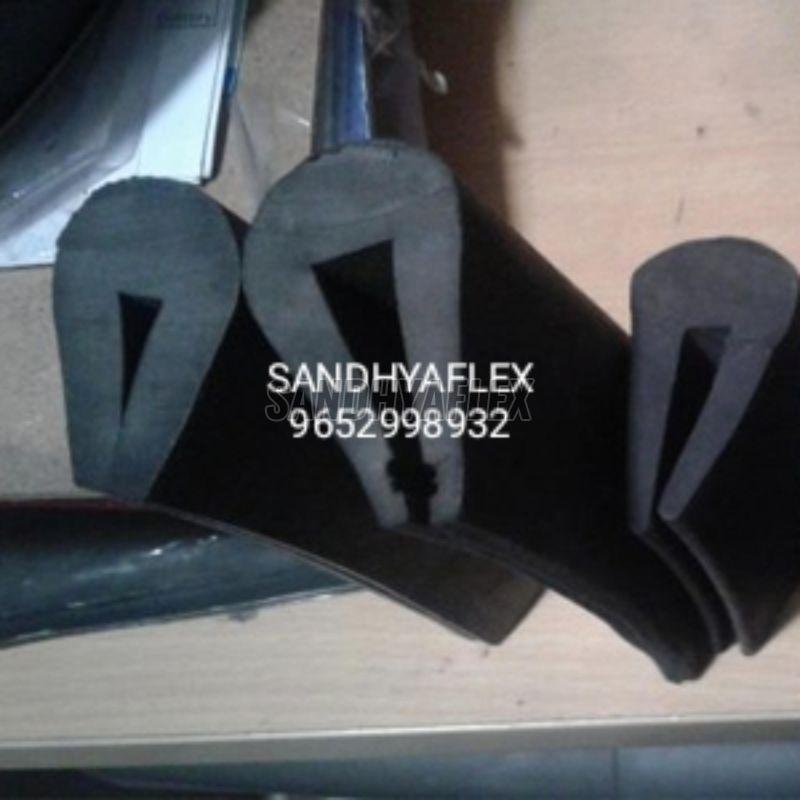
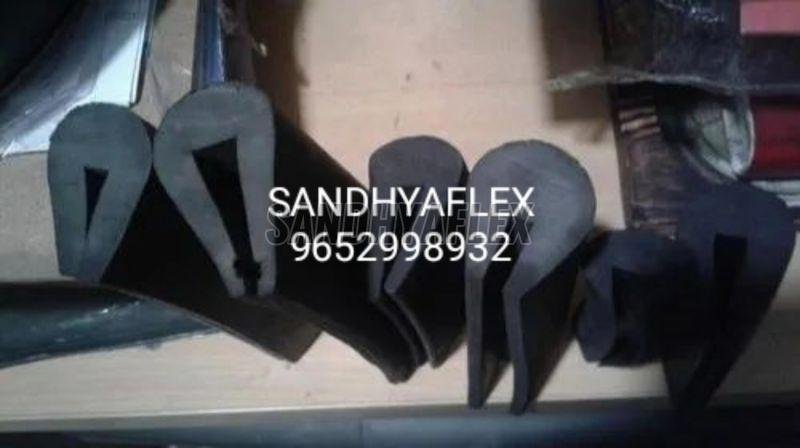
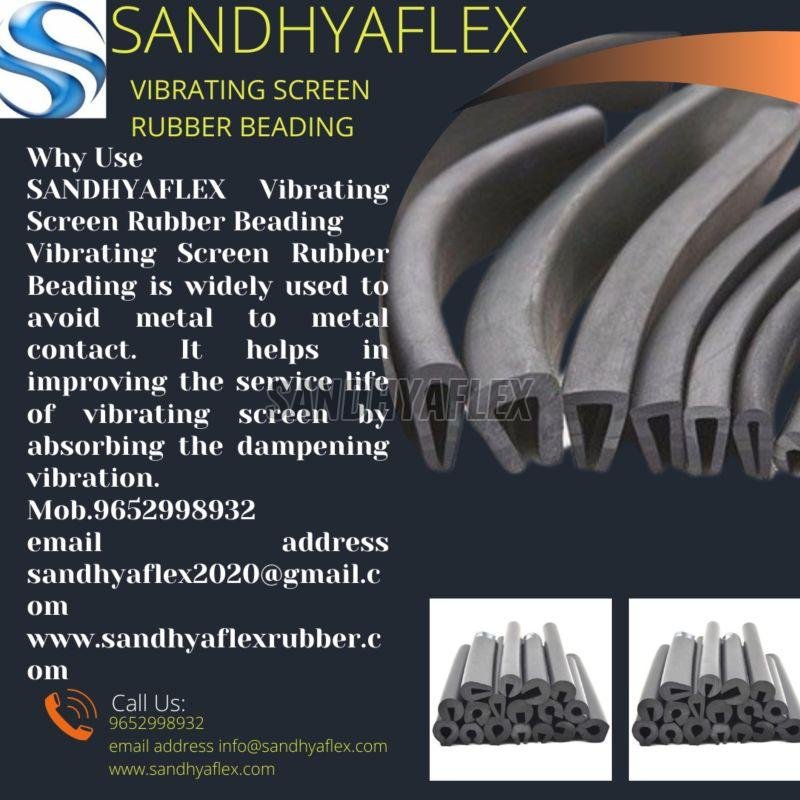
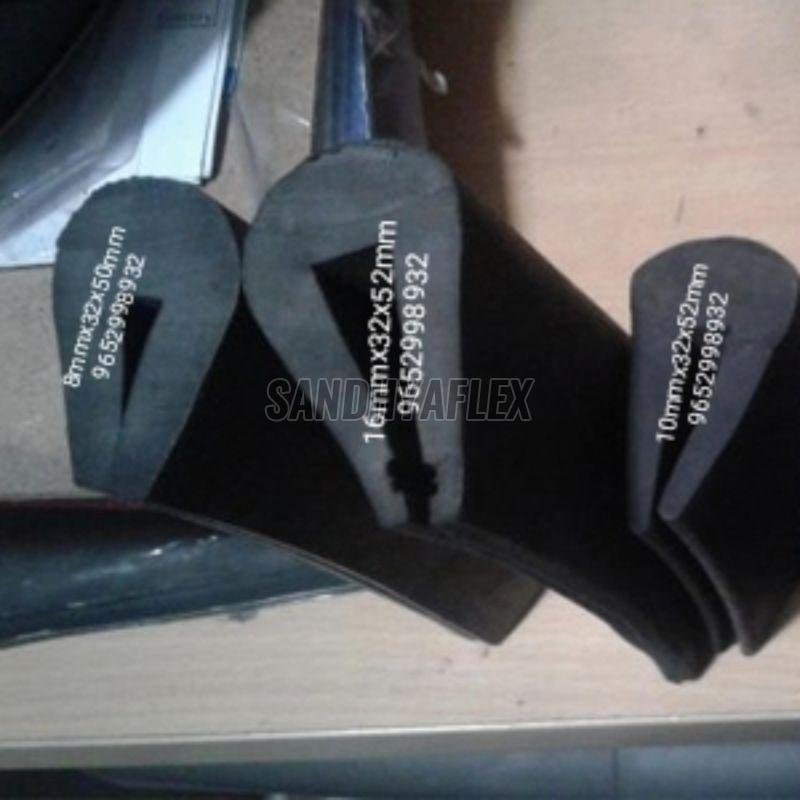
Rubber beading is a crucial component used in vibrating screens, providing various functions that contribute to the overall efficiency and performance of the screen. Here are some primary uses of vibrating screen rubber beading: 1. **Sealing and Protection:** Rubber beading is employed to seal the edges of the screen panels or mats. It prevents the ingress of dust, moisture, and other contaminants into the screen assembly, which could otherwise impair the functioning of the vibrating screen and reduce its lifespan. 2. **Vibration Damping:** It helps in absorbing vibrations generated during the screening process. This damping effect contributes to smoother operation and reduces excessive wear and tear on the screen components, thereby extending the screen's operational life. 3. **Enhanced Screening Efficiency:** The rubber beading aids in securing screen panels tightly within the screen deck. This secure fit prevents material bypass or spillage, ensuring efficient screening of the desired particles or materials without leakage. 4. **Noise Reduction:** By absorbing vibrations and ensuring a secure fit, rubber beading also contributes to reducing noise levels during the operation of the vibrating screen. This is particularly advantageous in environments where noise reduction is essential for worker comfort or regulatory compliance. 5. **Easy Installation and Replacement:** Rubber beading is designed for easy installation and replacement. It typically fits snugly onto the edges of screen panels, facilitating quick installation or replacement when necessary, thereby minimizing downtime. 6. **Resistance to Wear and Tear:** The rubber material used in the beading is often durable and resistant to abrasion and tearing, ensuring that it can withstand the harsh conditions of the screening process without degrading quickly. 7. **Versatile Applications:** Rubber beading is suitable for various types of vibrating screens used in different industries, including mining, aggregate processing, recycling, and construction, among others. In summary, vibrating screen rubber beading plays a pivotal role in maintaining the efficiency, longevity, and performance of vibrating screens by providing sealing, vibration absorption, noise reduction, and ensuring proper screen panel positioning. Its use contributes significantly to the overall functionality and durability of vibrating screen assemblies across multiple industrial applications.Vibrating screen rubber beading, also known as screen rubber strip or screen panel sealing strip, is a specialized rubber component used in vibrating screens to provide a tight seal between the screen panels and the frame. Here are its uses and applications: 1. **Screen Panel Sealing**: Vibrating screen rubber beading is primarily used to seal the gaps between individual screen panels and the supporting frame. This sealing ensures that no material leaks or spills around the edges of the screen, maintaining efficiency in the screening process. 2. **Material Classification**: In industries such as mining, aggregate processing, construction, and recycling, vibrating screens are used to classify and separate materials of different sizes. Rubber beading helps ensure that the screening process is precise by preventing undersized or oversized particles from bypassing the screen panels. 3. **Particle Separation**: Vibrating screens equipped with rubber beading aid in separating particles based on their size and shape. The tight seal provided by the rubber strips prevents finer particles from escaping through gaps in the screen, resulting in a more accurate separation process. 4. **Screen Deck Protection**: Rubber beading acts as a protective barrier between the screen panels and the supporting frame, reducing wear and tear on both components. It absorbs impact and vibration, extending the lifespan of the screen panels and ensuring smooth operation of the vibrating screen. 5. **Noise Reduction**: The us
| Business Type | Manufacturer, Exporter, Supplier, Retailer |
| Brand Name | SNDHYAFLEX |
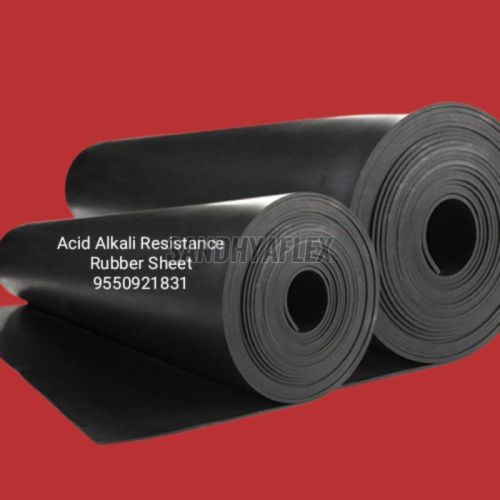
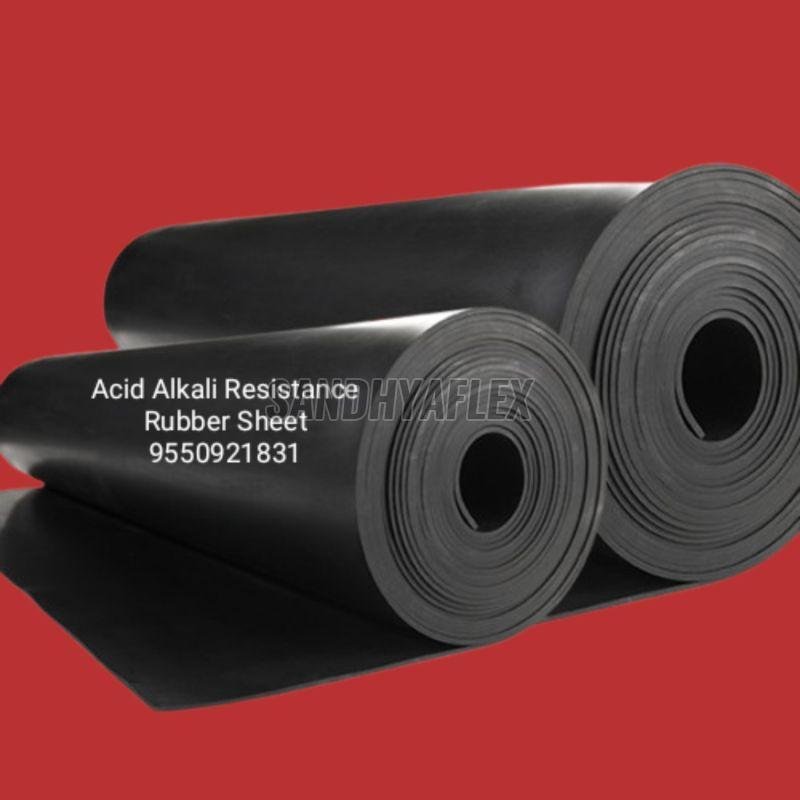
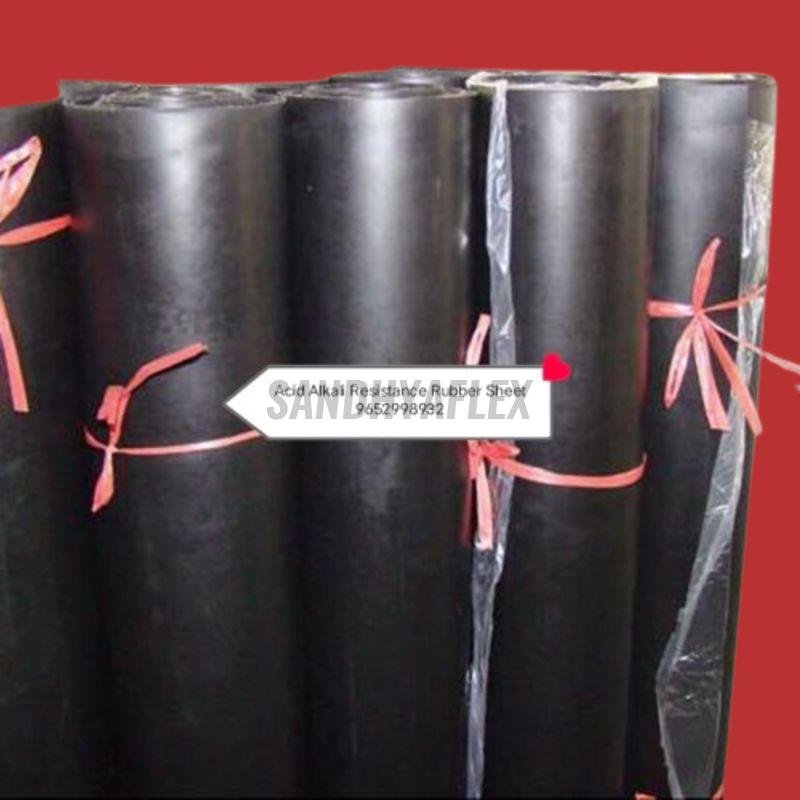
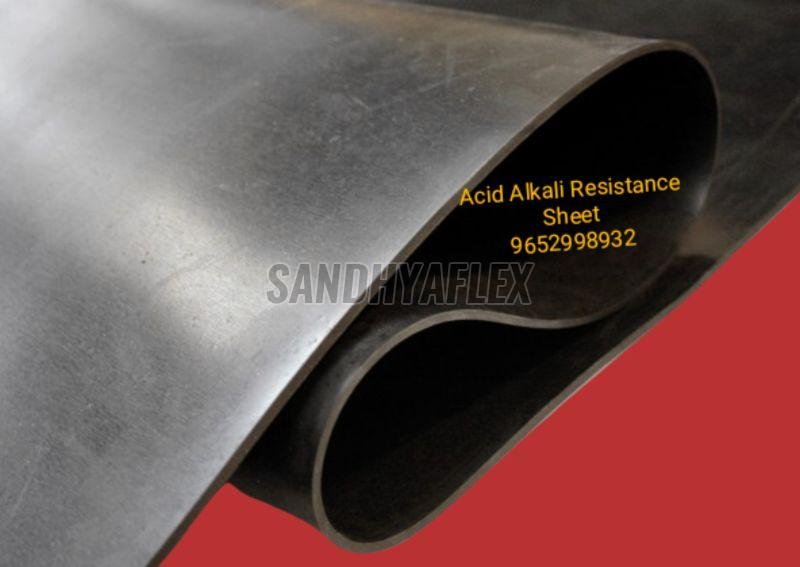
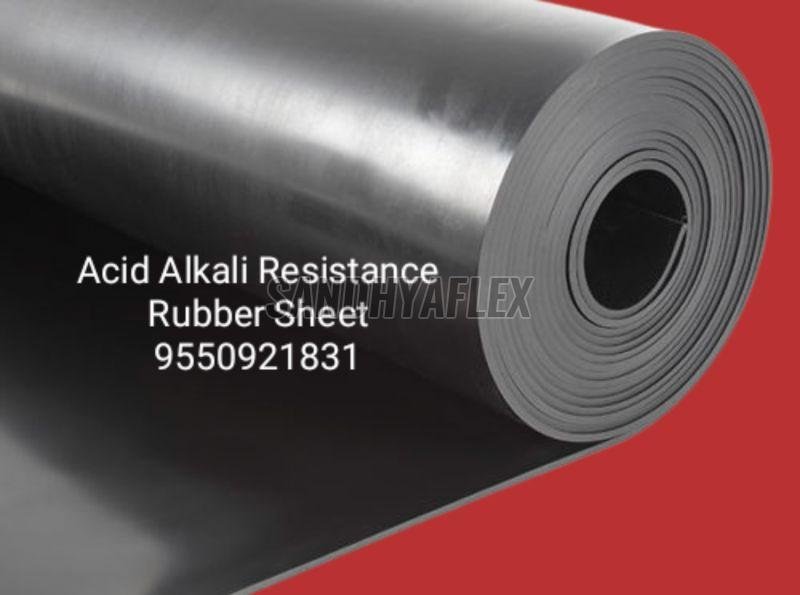
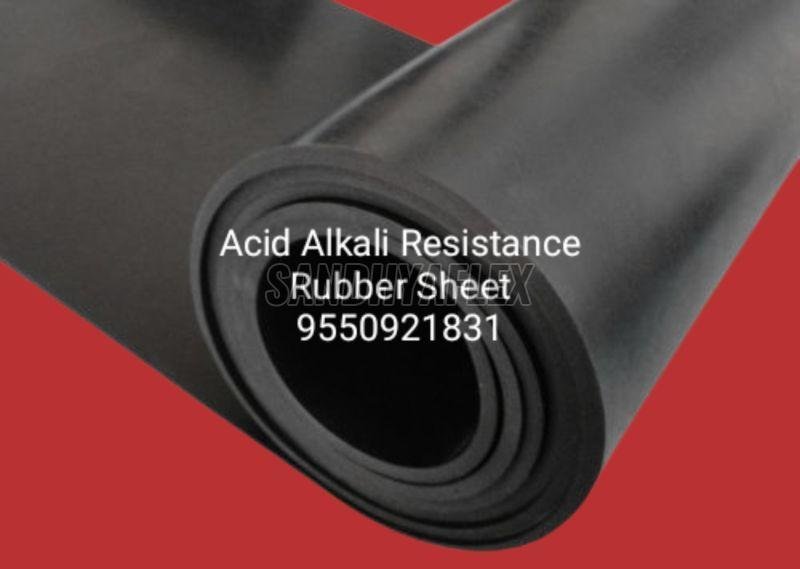
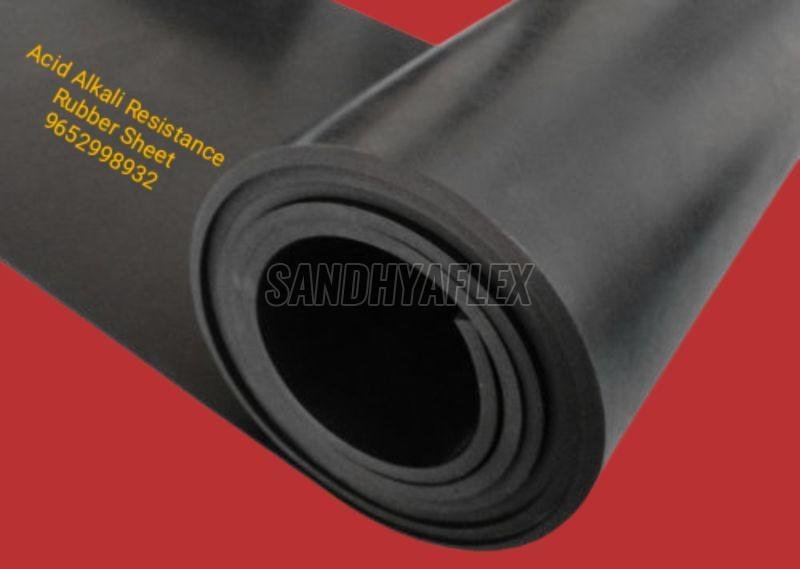
Acid and alkali-resistant rubber sheets are specialized materials designed to withstand exposure to corrosive chemicals, acids, and alkalis. These rubber sheets are commonly used in industrial applications where protection against chemical corrosion is crucial. Here are some key features and information about acid and alkali-resistant rubber sheets:
### Features:
1. **Material Composition:**
- The sheets are typically made from synthetic rubber compounds that have inherent resistance to acids and alkalis. Common materials include neoprene, EPDM (ethylene propylene diene monomer), or butyl rubber.
2. **Resistance to Chemicals:**
- Acid and alkali-resistant rubber sheets are formulated to resist the damaging effects of various acids, bases, and other corrosive chemicals. The specific resistance depends on the type of rubber used.
3. **Temperature Resistance:**
- These rubber sheets often exhibit good temperature resistance to handle both high and low temperatures, depending on the specific application.
4. **Physical Durability:**
- They are designed to be durable and resilient, providing a protective barrier against chemical exposure while maintaining their physical integrity over time.
5. **Thickness and Size Options:**
- Available in various thicknesses and sizes to suit different industrial requirements.
6. **Application-Specific Grades:**
- Some rubber sheets are formulated for specific industries or applications. For example, the requirements for chemical resistance in the pharmaceutical industry may differ from those in the petrochemical industry.
### Common Applications:
1. **Chemical Processing Plants:**
- Used as lining or gaskets in chemical tanks, pipelines, and other equipment.
2. **Laboratories:**
- Employed in laboratories where exposure to acids and alkalis is common.
3. **Battery Manufacturing:**
- Used in the production of batteries where acids are involved.
4. **Mining Industry:**
- Applied in mining operations where chemical exposure is a concern.
5. **Oil and Gas Industry:**
- Utilized in oil and gas facilities for resistance to corrosive substances.
6. **Pharmaceutical Industry:**
- Used in pharmaceutical manufacturing processes where chemical resistance is crucial.
### Maintenance and Care:
1. **Regular Inspection:**
- Periodic inspection of the rubber sheets for signs of wear, damage, or degradation.
2. **Cleaning:**
- Cleaning the sheets as needed to remove any chemical residue that may accumulate.
3. **Proper Installation:**
- Ensuring proper installation and compatibility with the intended chemicals.
4. **Replacing When Necessary:**
- Timely replacement of rubber sheets if they show signs of deterioration.
Before purchasing acid and alkali-resistant rubber sheets, it's essential to understand the specific chemicals they will be exposed to and ensure that the selected material is suitable for the intended application. Additionally, following the manufacturer's guidelines for usage, maintenance, and replacement is crucial for optimal performance and longevity.
| Business Type | Supplier, Retailer |
| Number Of Flower | Spray Hose Pipe |
| Brand Name | SANDHYAFLEX |
| Material | Rubber |
| Shape | Round |
| Fluid Type | Air |
| Pressure | Low |
| Total Carbohydrate | 1 Year |
| Tensile Strength | 5. To 7 MPa |
| Hardness | 60 To 70 |
| Nominal Size | 1/2 |
| unit Length | 30-50 m |
| Temperature | -10 to 100 |
| Diameter | 12mm to 50mm |
| Packing Type | Coil |
| Size | 1/2 |
| Minimum Order Quantity | 100Mtr |
| Condition | Refurbished |
| Surface Finish | Smooth |
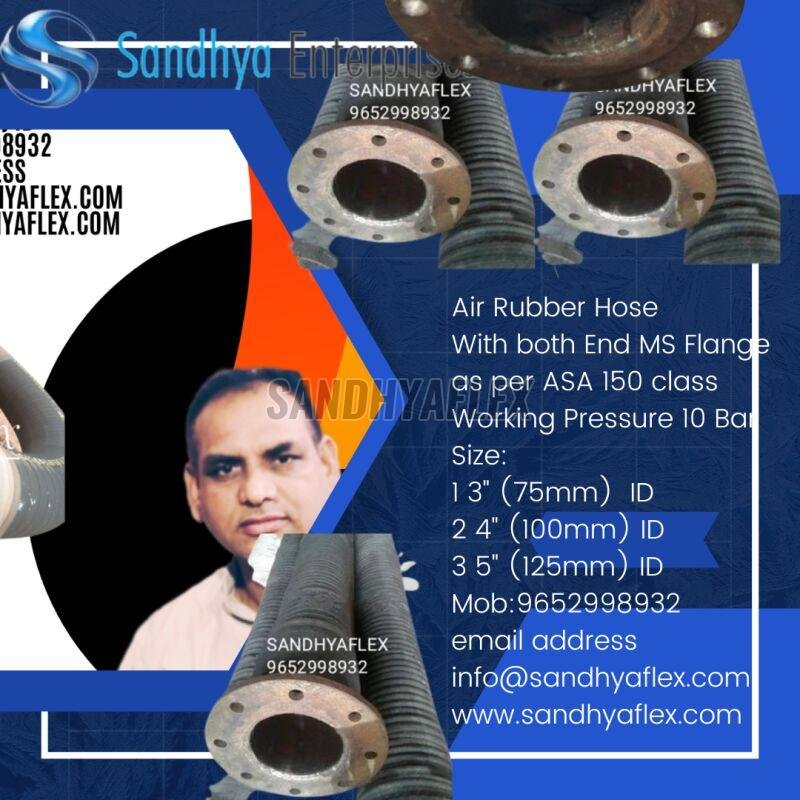
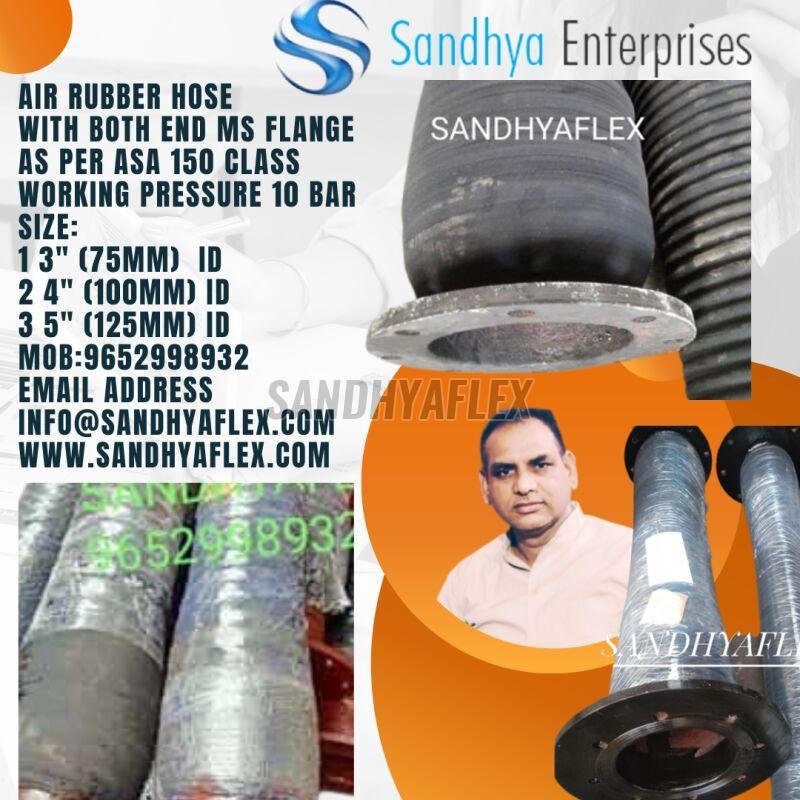
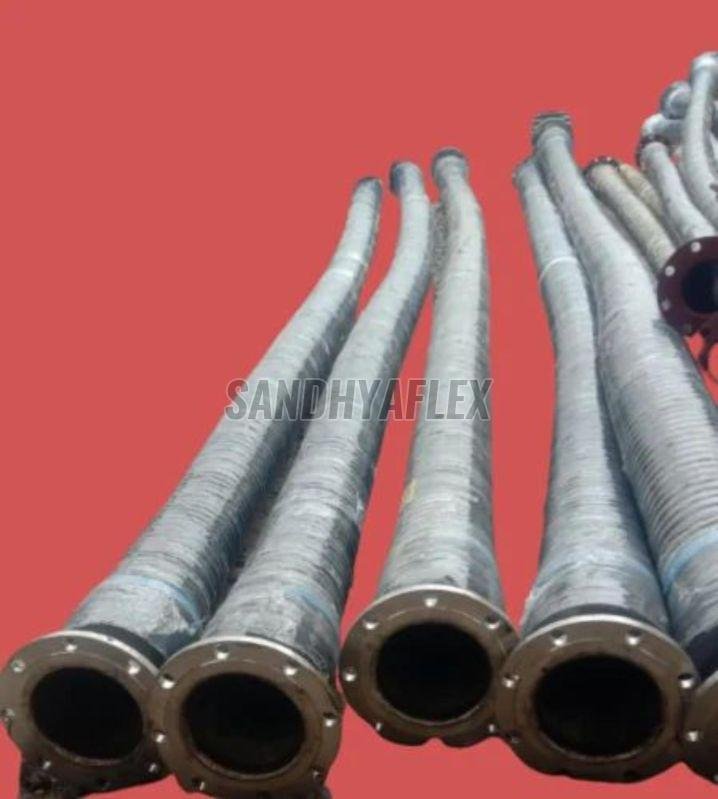
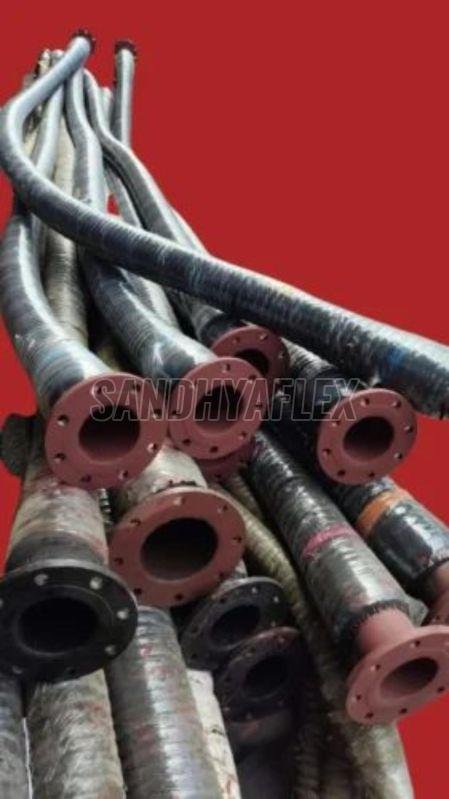
| Business Type | Manufacturer, Exporter, Supplier, Retailer |
| Shape | Round |
| Material | Rubber |
| Brand Name | NRI/NP |
| RINF FIT PVC PIPE GASKET | 25000 |
| Product Code | RFPVCG |
| Packaging Details | Packing In Coil |
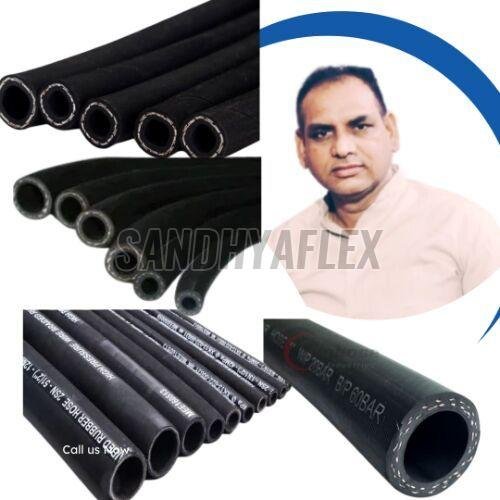
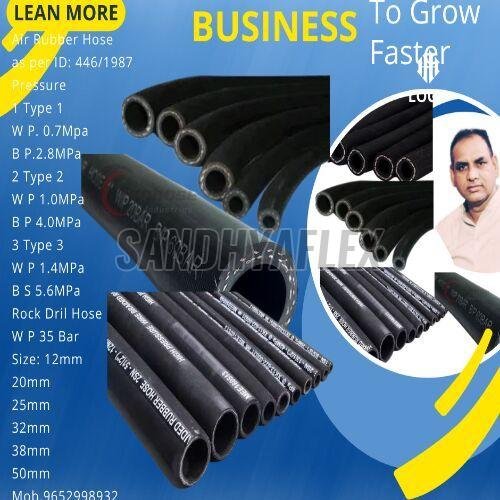
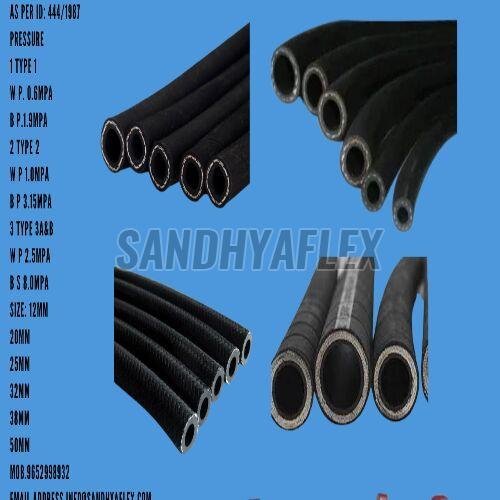
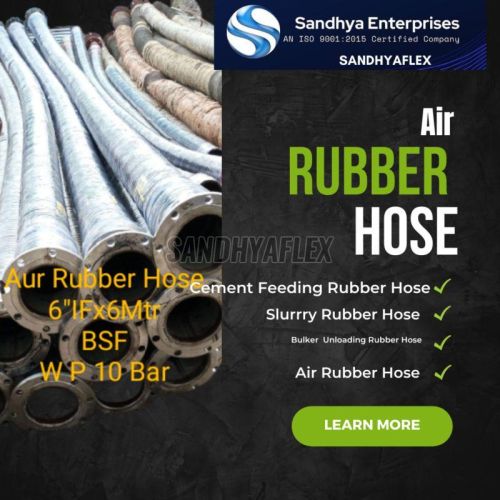
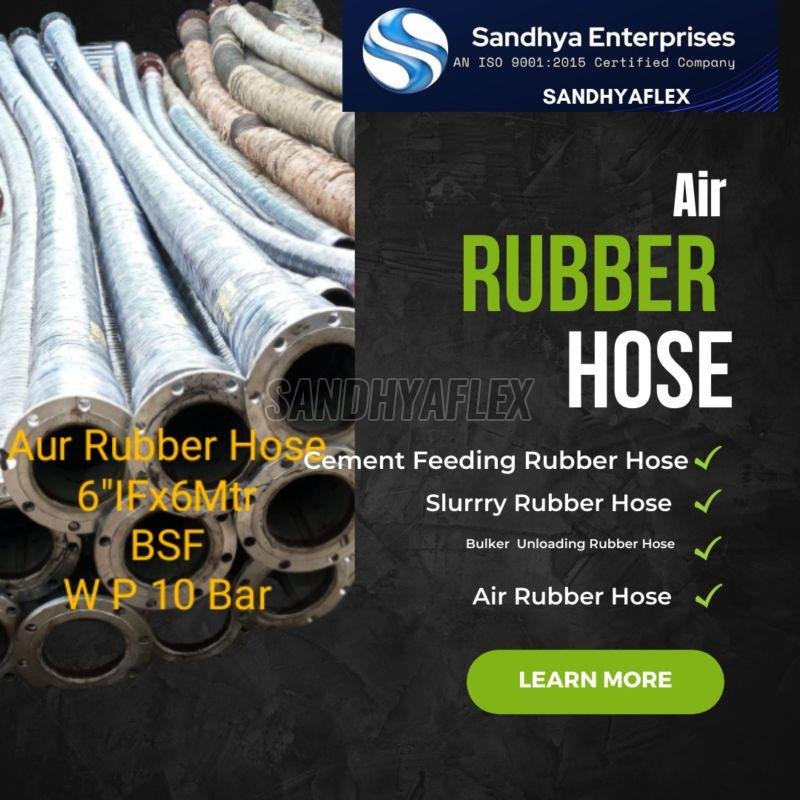
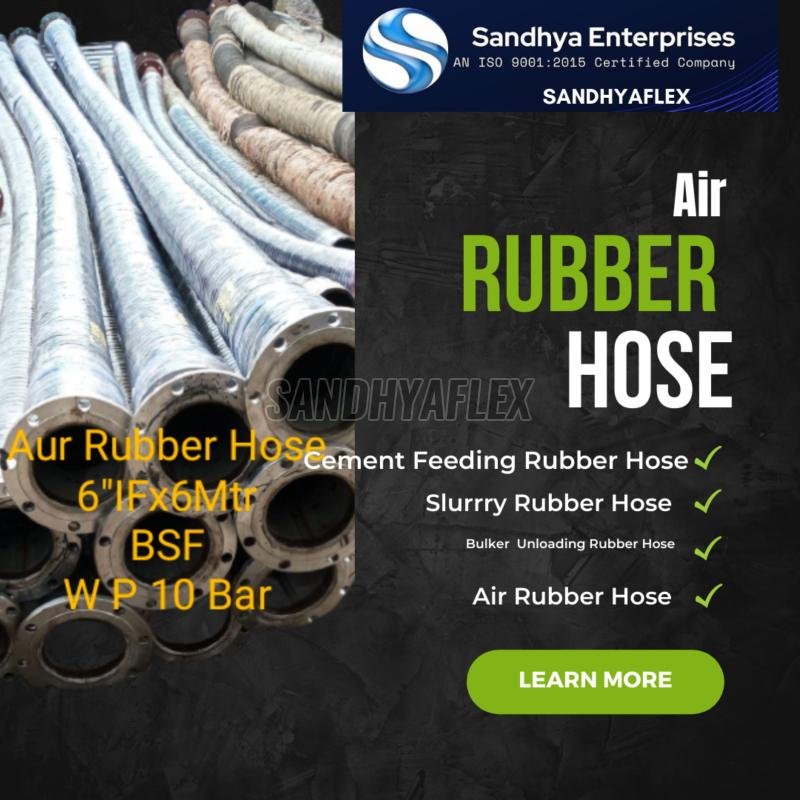
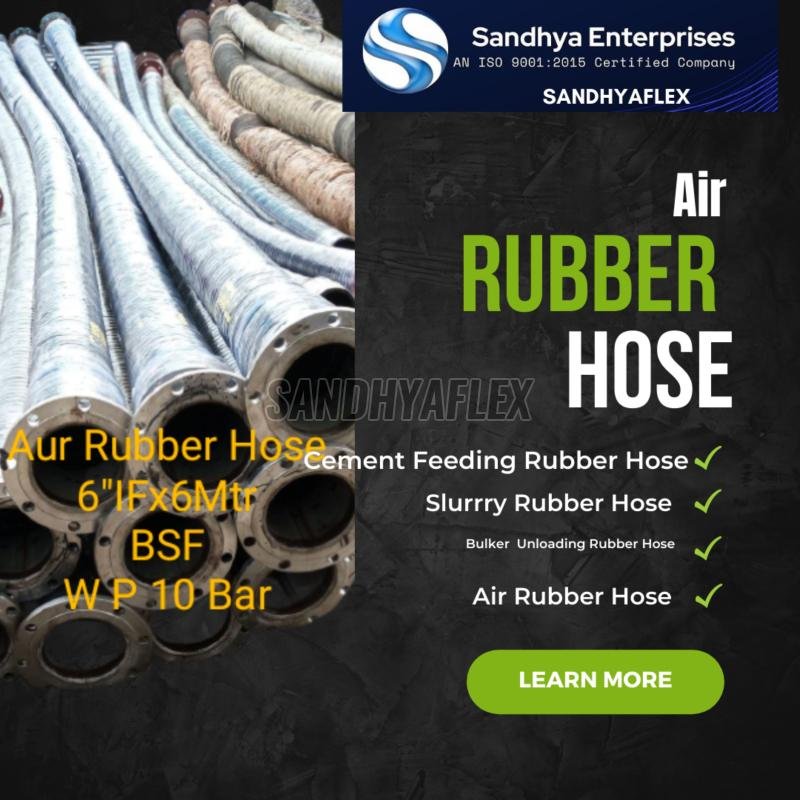
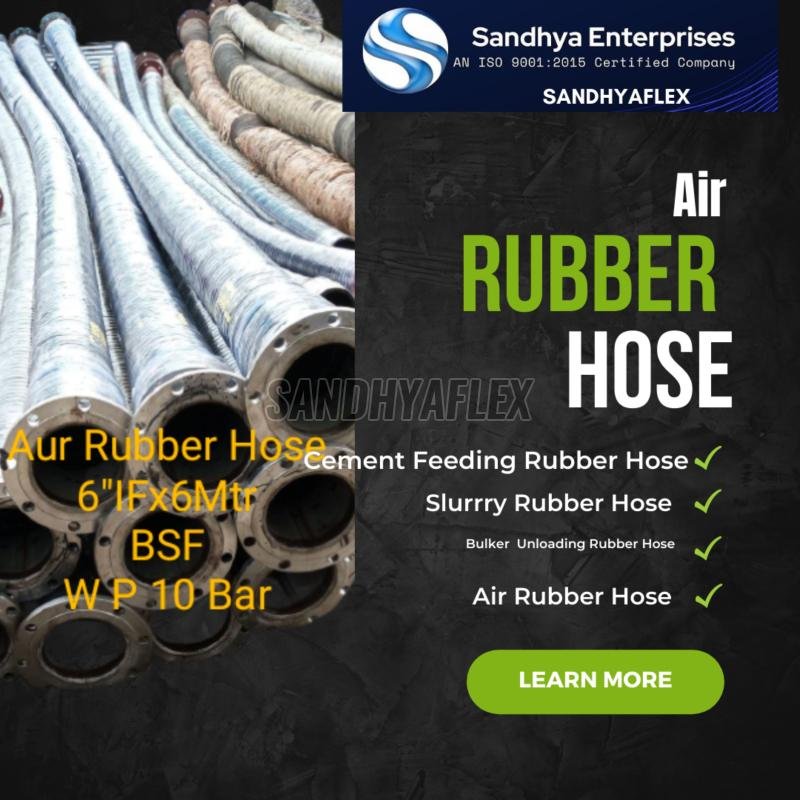
A bulker unloading rubber hose, also known as a bulk material handling hose or bulk discharge hose, is a specialized hose designed for the unloading or transfer of bulk materials such as powders, grains, pellets, or granules from a bulk carrier or silo to a storage facility or processing equipment. It is commonly used in industries such as agriculture, mining, chemical processing, and construction.
The key features and characteristics of a bulker unloading rubber hose include:
1. Material compatibility: Bulker unloading rubber hoses are constructed with a lining made of abrasion-resistant rubber or synthetic materials. This lining is specifically designed to withstand the abrasive nature of bulk materials and prevent wear and damage to the hose during unloading or transfer.
2. Reinforcement: The inner lining is reinforced with high-strength textile or steel wire braids or spirals to provide structural integrity and prevent the hose from bursting under pressure. The reinforcement enhances the hose\\\'s ability to handle the demanding conditions of bulk material transportation.
3. Flexibility: Bulker unloading rubber hoses are designed to be flexible, allowing for easy handling and installation. This flexibility enables the hose to accommodate movement during the unloading process and reach different points in the material handling system.
4. Pressure resistance: The hose is engineered to withstand the specific working pressures involved in bulk material transfer. It is designed to maintain its integrity and prevent leaks or bursts during operation.
5. Size and fittings: Bulker unloading rubber hoses are available in various diameters and lengths to suit different application requirements. They can be fitted with standard couplings or connections for easy attachment to bulk carriers, silos, or other material handling equipment.
6. Chemical resistance: Depending on the specific application, bulker unloading rubber hoses may be designed to have chemical resistance properties to withstand the corrosive nature of certain materials or the presence of chemicals used in the process.
Regular inspection and maintenance of the bulker unloading rubber hose are necessary to identify signs of wear, damage, or deterioration. Any worn or damaged hoses should be replaced promptly to prevent leaks or disruptions in the bulk material handling process.
Consulting with reputable suppliers or manufacturers of bulker unloading rubber hoses is recommended to ensure the selection of the appropriate hose that meets the specific requirements of bulk material transfer and complies with industry standards and regulations.
| Business Type | Manufacturer, Exporter, Supplier, Retailer |
| Number Of Flower | Spray Hose Pipe |
| Material | Rubber |
| Temperature | -31 deg F to +158 deg F |
| Nominal Size | 1/2 |
| Single Hose Length | 20m-30m, 100m |


| Business Type | Manufacturer, Exporter, Supplier |
| Brand Name | SNDHYAFLEX |
| Material | Rubber |
| Shape | Round |
| Pressure | Medium |
| Usage | Industrial Use |
| Hardness | 60 Shore A |
| Working Pressure | 10Bar |
| Fluid Type | Air |
| Tensile Strength | 13MPa |
| Total Carbohydrate | 1 Year |
| Country of Origin | India |
| Reinforcement | Helical Wire |
| Corrosion Resistance | Yes |
| Thickness (mm) | 10mm |
| No. Of Layers | 4 Layer |
| Is It Flexible | Yes |
| Hose Lining | Yes |
| Bend Radius | 1000mm |
| Temperature (Deg. Celsius) | 70 |
| Product Code | FARH |
| Delivery Time | 3 to 15 days |
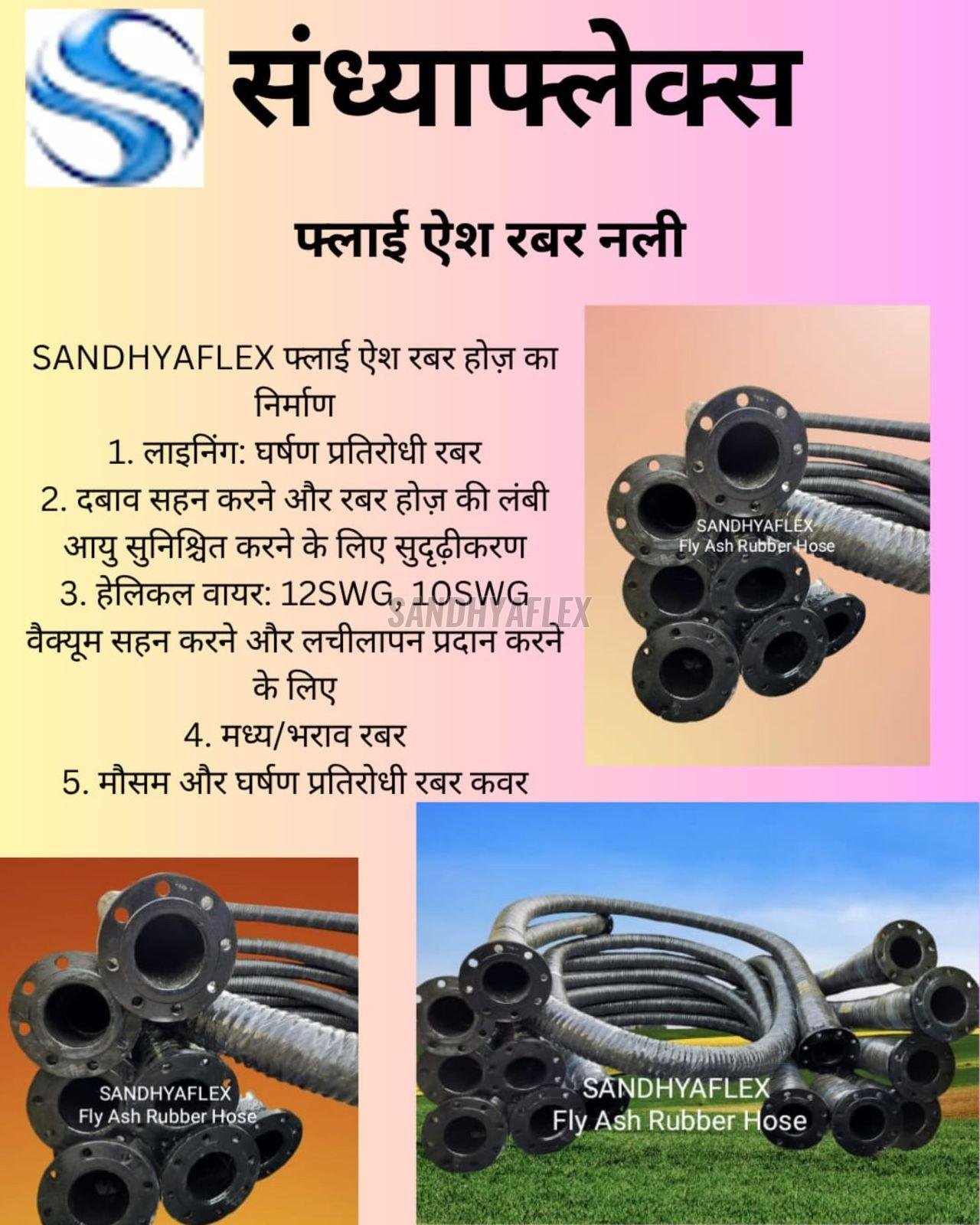
| Packaging Details | Packing in Coil The packing details of a bulker unloading rubber hose can vary depending on the manufacturer, supplier, and specific product. However, here are some general packing details that you may commonly find: 1. Quantity: The packaging should indicate the number of bulker unloading rubber hoses included in a single pack. It can range from one hose to multiple hoses, depending on the packaging configuration and the supplier's specifications. 2. Length: The packaging may specify the length of the hose, indicating the total measurement from end to end. This information helps determine if the hose length is suitable for the intended application. 3. Diameter/Size: The packaging should mention the hose diameter or size, indicating the internal or external diameter of the hose. This information helps ensure compatibility with the bulk material handling system, end connections, and equipment. 4. Material: The packaging may mention the specific rubber material used for the hose, such as abrasion-resistant rubber or a particular rubber compound suitable for the handled materials. Additionally, it may highlight any additional features like anti-static properties or food-grade certifications, depending on the specific requirements of the application. 5. Pressure/Temperature Rating: Depending on the application, the packaging may indicate the hose's pressure and temperature rating, providing information about the maximum pressure and temperature the hose can handle safely. 6. Color: In some cases, the packaging may specify the color of the hose. While black is a common color for rubber hoses, other colors may be available for specific applications or preferences. 7. Packaging Material: The packaging itself may be mentioned, indicating the type of packaging material used, such as cardboard boxes, plastic bags, or reels. The packaging should provide sufficient protection to prevent damage during transportation and storage. It's important to note that the specific details may vary depending on the manufacturer, the product variation, and the specific requirements of the industry or application. Therefore, it is always recommended to refer to the packaging or contact the manufacturer or supplier directly for accurate and up-to-date information regarding the packaging details of a particular bulker unloading rubber hose. |
Application: Fly Ash Rubber Hose, tank, truck, Bulker loading / unloading or in-plant transfer of dry bulk cement, sand, lime, slurry etc., suction or discharge of abrasive materials. Construction: Lining : Uniform seamless tube of natural and synthetic blend rubber compound with excellent resistance to abrasion. Reinforcement : Reinforcement of rubber impregnated woven textile applied on bias at approx.45 degree angle combination with galvanized steel wire Cover : Corrugated/plain cloth marked outer cover made from natural rubber compound with excellent weather and abrasion resistant. End Connections : Each Hose Length has soft ends for clamping or can be supplied with different type of nipples, flanges or fittings as per requirement. Cover: W.P. of 1.0 Mpa & Min. B.P. of 3.0Mpa. W.P. of 1.5 Mpa & Min. B.P. of 4.5Mpa . As Per IS: 13071-1991 Specification A bulker unloading rubber hose, also known as a bulk discharge hose or bulk material handling hose, is a specialized type of hose designed for transferring bulk solids or granular materials, such as dry cement, sand, grains, or powders, from a storage container or bulk carrier to a receiving system or storage facility. These hoses are commonly used in industries such as construction, mining, agriculture, and manufacturing. Here are some key details and features related to bulker unloading rubber hoses: 1. Material: Bulker unloading rubber hoses are typically made from abrasion-resistant rubber compounds that can withstand the abrasive nature of the bulk materials being transferred. The rubber material used is often reinforced with fabric or wire helix for added strength and flexibility. 2. Structure: These hoses are constructed with an inner tube, reinforcement layers, and an outer cover. The inner tube is designed to handle the specific material being transferred and is resistant to abrasion, static electricity buildup, and potential contamination. Reinforcement layers provide structural integrity and prevent the hose from collapsing under vacuum or high-pressure conditions. The outer cover protects the hose from external damage, weathering, and environmental factors. 3. Size and Diameter: Bulker unloading rubber hoses are available in various sizes and diameters to accommodate different flow rates and handling capacities. The sizes typically range from a few inches to several inches in diameter. 4. Flexibility: These hoses are designed to be flexible to facilitate easy handling and maneuverability during the unloading process. The flexibility allows the hose to bend and adapt to the movement of the bulk material being discharged. 5. End Connections: Bulker unloading rubber hoses come with specific end connections that enable them to connect to the bulk material storage container or carrier on one end and the receiving system or storage facility on the other end. These connections can include flanges, couplings, or other customized fittings to ensure secure and leak-free connections. 6. Features: Depending on the specific application and requirements, bulker unloading rubber hoses may include additional features like anti-static properties to dissipate static electricity, high-pressure ratings, or FDA-approved materials for handling food-grade materials. 7. Standards and Certifications: Depending on the industry and application, these hoses may need to comply with certain standards and certifications. Common standards include those related to pressure ratings, abrasion resistance, electrostatic discharge, or food-grade requirements. When purchasing a bulker unloading rubber hose, it's important to consider factors such as the type of bulk material being transferred, the required handling capacity, pressure and temperature limits, compatibility with end connections or equipment, and any necessary certifications or standards. Consulting with a trusted supplier or manufacturer specializing in bulk material handling hoses can help ensure you select the right h