sandhyaflexbiz@gmail.com - GST NO. : 36GNLPS1299P1ZS
- Send Email

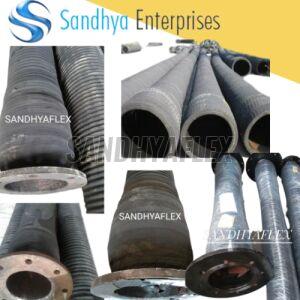
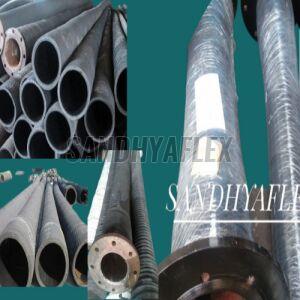
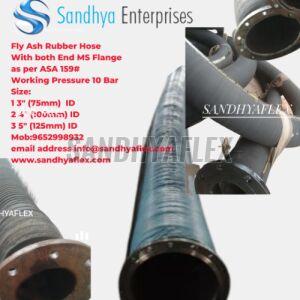

| Business Type | Manufacturer, Exporter, Supplier, Retailer |
| Number Of Flower | Cement Clinker, Fly Ash, Fly Ash Feeding System |
| Brand Name | SANDHYAFELX |
| Material | Rubber |
| Click to view more | |
Product Details
Certification
ISO 9001:9002, ISO:9001:2015
Pressure
10bar
Total Carbohydrate
6month
Bend Radius
IDmmx10
Hardness
60 Shore A
Working Pressure
10Bar
Country of Origin
India
Size
Multisizes, 4
Application
Building Construction, Cement
Condition
DRY
Raw Material
Cement
Product Code
SE FARSH
Port
kakinada
Payment Terms
T/T
Delivery Time
7days
Packaging Details
Packing with HDPE Cover
The packing details of a fly ash rubber hose can vary depending on the manufacturer, supplier, and specific product. However, here are some general packing details that you may commonly find:
1. Quantity: The packaging should indicate the number of fly ash rubber hoses included in a single pack. It can range from one hose to multiple hoses, depending on the packaging configuration and the supplier\'s specifications.
2. Size and Length: The packaging may specify the size and length of the fly ash rubber hose. This information helps determine if the hose is suitable for the intended application. The size typically corresponds to the inner diameter of the hose, while the length indicates the overall hose length.
3. Material: The packaging may mention the specific rubber material used for the hose construction. Fly ash rubber hoses are typically made from natural rubber or synthetic rubber compounds that offer excellent abrasion resistance, flexibility, and resistance to the high-temperature environment associated with fly ash handling.
4. Reinforcement: Fly ash rubber hoses often feature reinforcement layers for added strength and durability. The packaging may indicate the type and number of reinforcement layers, such as textile, wire, or fabric. The reinforcement layers help the hose withstand the high-pressure conditions and abrasive nature of fly ash transportation.
5. Pressure Rating: The packaging may indicate the pressure rating of the fly ash rubber hose, providing information about the maximum pressure it can withstand during operation. This information ensures that the hose is suitable for the specific fly ash handling system.
6. Temperature Range: The packaging may specify the temperature range within which the fly ash rubber hose can effectively perform. This information ensures that the hose can handle the high temperatures encountered during fly ash transportation.
7. Color: Fly ash rubber hoses are commonly available in black or other dark colors, which help conceal any soiling or staining that may occur during use.
8. Packaging Material: The packaging itself may be mentioned, indicating the type of material used, such as cardboard boxes or plastic wrapping. The packaging should provide sufficient protection to prevent damage during transportation and storage.
9. Additional Components: Depending on the specific product, the packaging may include additional components such as hose fittings, clamps, or other accessories required for installation or connection to the fly ash handling system.
It\'s important to note that the specific details and packaging may vary between manufacturers and suppliers. Therefore, it is always recommended to refer to the packaging or contact the manufacturer or supplier directly for accurate and up-to-date information regarding the packing details of a particular fly ash rubber hose.
The packing details of a fly ash rubber hose can vary depending on the manufacturer, supplier, and specific product. However, here are some general packing details that you may commonly find:
1. Quantity: The packaging should indicate the number of fly ash rubber hoses included in a single pack. It can range from one hose to multiple hoses, depending on the packaging configuration and the supplier\'s specifications.
2. Size and Length: The packaging may specify the size and length of the fly ash rubber hose. This information helps determine if the hose is suitable for the intended application. The size typically corresponds to the inner diameter of the hose, while the length indicates the overall hose length.
3. Material: The packaging may mention the specific rubber material used for the hose construction. Fly ash rubber hoses are typically made from natural rubber or synthetic rubber compounds that offer excellent abrasion resistance, flexibility, and resistance to the high-temperature environment associated with fly ash handling.
4. Reinforcement: Fly ash rubber hoses often feature reinforcement layers for added strength and durability. The packaging may indicate the type and number of reinforcement layers, such as textile, wire, or fabric. The reinforcement layers help the hose withstand the high-pressure conditions and abrasive nature of fly ash transportation.
5. Pressure Rating: The packaging may indicate the pressure rating of the fly ash rubber hose, providing information about the maximum pressure it can withstand during operation. This information ensures that the hose is suitable for the specific fly ash handling system.
6. Temperature Range: The packaging may specify the temperature range within which the fly ash rubber hose can effectively perform. This information ensures that the hose can handle the high temperatures encountered during fly ash transportation.
7. Color: Fly ash rubber hoses are commonly available in black or other dark colors, which help conceal any soiling or staining that may occur during use.
8. Packaging Material: The packaging itself may be mentioned, indicating the type of material used, such as cardboard boxes or plastic wrapping. The packaging should provide sufficient protection to prevent damage during transportation and storage.
9. Additional Components: Depending on the specific product, the packaging may include additional components such as hose fittings, clamps, or other accessories required for installation or connection to the fly ash handling system.
It\'s important to note that the specific details and packaging may vary between manufacturers and suppliers. Therefore, it is always recommended to refer to the packaging or contact the manufacturer or supplier directly for accurate and up-to-date information regarding the packing details of a particular fly ash rubber hose.
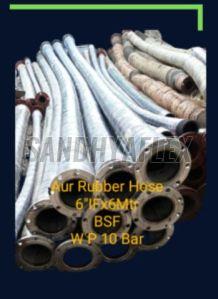
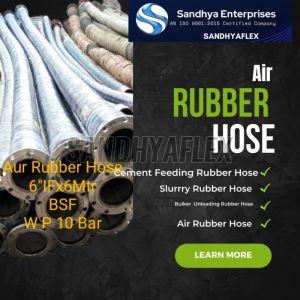
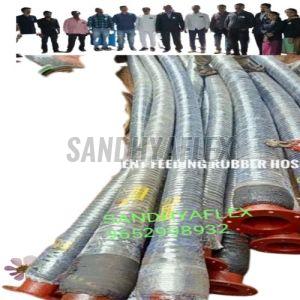
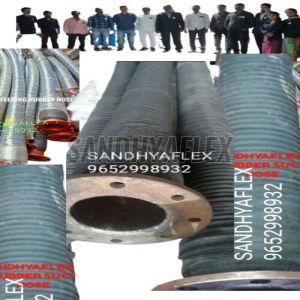
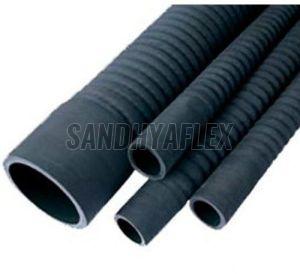
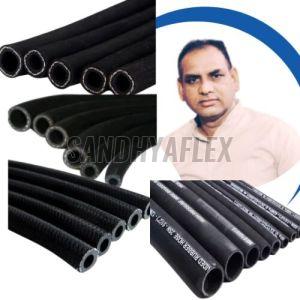
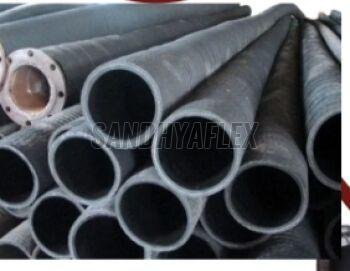
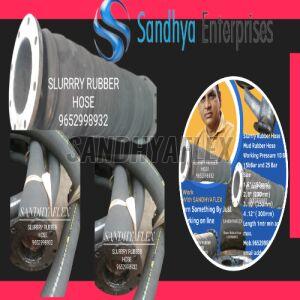
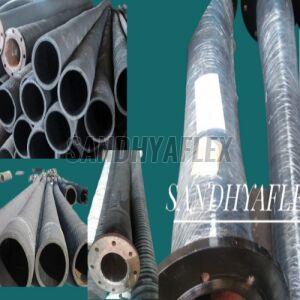
Sandhya Enterprises manufacturer and Supplier of Fly Suction Rubber Hose as per Customer requirement. ID 4" Lenght 3Mtr to 15Mtr (Max ID 5" Length 3Mtr To 15Mtr (max) .ID 6" Lenght 1Mtr to 15Mtr (max) ID 8" Lenght 1Mtr to 15Mtr (Max) Id 10" Lenght 1 mtr to 6Mtr (max) ID 12: Lenght 1Mtr to 6Mtr (max) With Both end Flange Fitting Workjing Pressure 10kg/cm2 to 25kg/cm2 A bulker unloading rubber hose, also known as a bulk material handling hose or bulk discharge hose, is a specialized hose designed for the unloading or transfer of bulk materials such as powders, grains, pellets, or granules from a bulk carrier or silo to a storage facility or processing equipment. It is commonly used in industries such as agriculture, mining, chemical processing, and construction. The key features and characteristics of a bulker unloading rubber hose include: 1. Material compatibility: Bulker unloading rubber hoses are constructed with a lining made of abrasion-resistant rubber or synthetic materials. This lining is specifically designed to withstand the abrasive nature of bulk materials and prevent wear and damage to the hose during unloading or transfer. 2. Reinforcement: The inner lining is reinforced with high-strength textile or steel wire braids or spirals to provide structural integrity and prevent the hose from bursting under pressure. The reinforcement enhances the hose's ability to handle the demanding conditions of bulk material transportation. 3. Flexibility: Bulker unloading rubber hoses are designed to be flexible, allowing for easy handling and installation. This flexibility enables the hose to accommodate movement during the unloading process and reach different points in the material handling system. 4. Pressure resistance: The hose is engineered to withstand the specific working pressures involved in bulk material transfer. It is designed to maintain its integrity and prevent leaks or bursts during operation. 5. Size and fittings: Bulker unloading rubber hoses are available in various diameters and lengths to suit different application requirements. They can be fitted with standard couplings or connections for easy attachment to bulk carriers, silos, or other material handling equipment. 6. Chemical resistance: Depending on the specific application, bulker unloading rubber hoses may be designed to have chemical resistance properties to withstand the corrosive nature of certain materials or the presence of chemicals used in the process. Regular inspection and maintenance of the bulker unloading rubber hose are necessary to identify signs of wear, damage, or deterioration. Any worn or damaged hoses should be replaced promptly to prevent leaks or disruptions in the bulk material handling process. Consulting with reputable suppliers or manufacturers of bulker unloading rubber hoses is recommended to ensure the selection of the appropriate hose that meets the specific requirements of bulk material transfer and complies with industry standards and regulations.A fly ash rubber hose is a specialized hose designed for the transportation of fly ash, a fine powder consisting of coal ash particles that are generated from the combustion of coal in power plants. These hoses are specifically engineered to withstand the abrasive nature and high-temperature environment associated with fly ash handling. While the specific packing details may vary depending on the manufacturer and supplier, here are some general considerations: 1. Quantity: The packaging should indicate the number of fly ash rubber hoses included in a single pack. It can range from one hose to multiple hoses, depending on the packaging configuration and supplier's specifications. 2. Size and Length: The packaging may specify the size and length of the fly ash rubber hose. The size typically corresponds to the inner diameter, while the length indicates the overall hose length. 3. Material: The packaging may mention the specific rubber material used for the ho
Looking for "Rubber Hose For Fly Ash" ?
Meter