sandhyaflexbiz@gmail.com - GST NO. : 36GNLPS1299P1ZS
- Send Email



| Business Type | Supplier, Retailer, Distributor |
| Brand Name | No Brand |
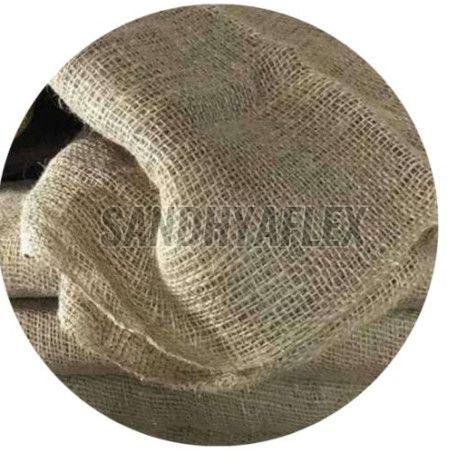
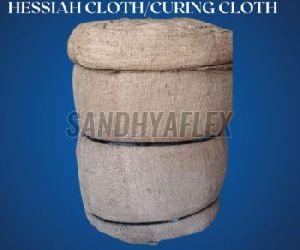
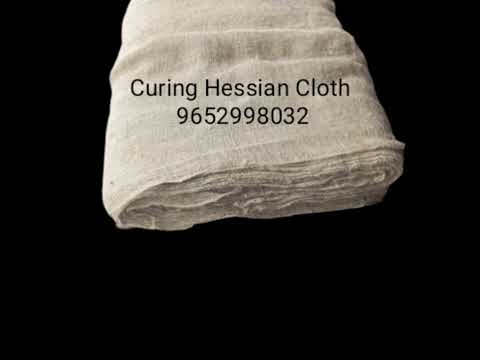
| Material | Net,burlap (hessiah Cloth) |
| Pattern | Plain |
| Click to view more | |
Product Details
Packaging Color
When you mention "Packaging Color," are you referring to: 1. **The color scheme of the product pack
Application
Making Jute Bag
Shell Material
burlap (Hessian cloth)
Design
net
Gender
construction use
Product Code
Sandhyaflex
Port
The **Port of Dispatch** refers to the location or seaport where goods are shipped or dispatched fro
Payment Terms
D/P
Delivery Time
immediate
Packaging Details
**Packaging Details** typically refer to the specifications or description of how a product is packaged for shipping or sale. These details are often included in product listings, export documentation, or invoices. Here’s what packaging details can include:
### 1. **Packaging Type**
* **Primary packaging**: This is the immediate container for the product, such as a bottle, box, or bag.
* **Secondary packaging**: This may include additional protection or grouping, like outer cartons or shrink-wrapped layers.
* **Tertiary packaging**: This is for bulk shipping or storage, like pallets or crates.
### 2. **Dimensions**
* **Product Dimensions**: Size of the product itself.
* **Package Dimensions**: Size of the entire packaging.
* **Weight**: The weight of the product and the weight of the packaged item, often including packaging material.
### 3. **Material**
* **Packaging Materials**: Type of material used for packaging, such as cardboard, plastic, foam, paper, glass, etc.
* **Eco-friendly options**: If applicable, mention if the materials are recyclable or biodegradable.
### 4. **Design & Branding**
* **Color & Graphics**: What colors and designs are used on the packaging? Includes logos, branding, product images, etc.
* **Labels and Tags**: Information on product labels, barcode placement, product descriptions, or regulatory information.
### 5. **Instructions and Warnings**
* **Handling Instructions**: If there are specific handling needs (fragile, keep upright, etc.).
* **Storage Instructions**: Details on how the product should be stored or kept during transit.
* **Hazardous Materials**: If the product requires special warnings due to its nature (flammable, corrosive, etc.).
### 6. **Quantities & Units**
* **Units per Carton/Box**: How many individual units are in each box or carton.
* **Cartons per Pallet**: If applicable, how many cartons fit on a pallet.
* **Total Packaging Quantity**: The total number of packages per shipment.
### Example of Packaging Details
**Product:** 12 oz Glass Jar of Organic Honey
* **Packaging Type**: Glass jar with a metal lid, sealed with shrink wrap
* **Dimensions**:
* Jar: 4.5 inches height x 3 inches diameter
* Package: 5 x 5 x 7 inches
* **Weight**:
* Product weight: 0.75 lbs
* Package weight: 1.2 lbs
* **Material**:
* Primary: Glass, Metal Lid
* Secondary: Cardboard box
* Eco-friendly packaging: Yes (recyclable glass jar and cardboard)
* **Design & Branding**:
* Label: Printed with organic certification, brand logo, and product info
* Color: Gold and amber for honey packaging, with a clear jar showing the product
* **Handling Instructions**: Handle with care, keep upright
* **Quantity per Carton**: 12 jars per carton
* **Shipping Details**: 5 cartons per pallet
Are you drafting packaging details for a specific product? Feel free to share more, and I can help you refine them!
### 1. **Packaging Type**
* **Primary packaging**: This is the immediate container for the product, such as a bottle, box, or bag.
* **Secondary packaging**: This may include additional protection or grouping, like outer cartons or shrink-wrapped layers.
* **Tertiary packaging**: This is for bulk shipping or storage, like pallets or crates.
### 2. **Dimensions**
* **Product Dimensions**: Size of the product itself.
* **Package Dimensions**: Size of the entire packaging.
* **Weight**: The weight of the product and the weight of the packaged item, often including packaging material.
### 3. **Material**
* **Packaging Materials**: Type of material used for packaging, such as cardboard, plastic, foam, paper, glass, etc.
* **Eco-friendly options**: If applicable, mention if the materials are recyclable or biodegradable.
### 4. **Design & Branding**
* **Color & Graphics**: What colors and designs are used on the packaging? Includes logos, branding, product images, etc.
* **Labels and Tags**: Information on product labels, barcode placement, product descriptions, or regulatory information.
### 5. **Instructions and Warnings**
* **Handling Instructions**: If there are specific handling needs (fragile, keep upright, etc.).
* **Storage Instructions**: Details on how the product should be stored or kept during transit.
* **Hazardous Materials**: If the product requires special warnings due to its nature (flammable, corrosive, etc.).
### 6. **Quantities & Units**
* **Units per Carton/Box**: How many individual units are in each box or carton.
* **Cartons per Pallet**: If applicable, how many cartons fit on a pallet.
* **Total Packaging Quantity**: The total number of packages per shipment.
### Example of Packaging Details
**Product:** 12 oz Glass Jar of Organic Honey
* **Packaging Type**: Glass jar with a metal lid, sealed with shrink wrap
* **Dimensions**:
* Jar: 4.5 inches height x 3 inches diameter
* Package: 5 x 5 x 7 inches
* **Weight**:
* Product weight: 0.75 lbs
* Package weight: 1.2 lbs
* **Material**:
* Primary: Glass, Metal Lid
* Secondary: Cardboard box
* Eco-friendly packaging: Yes (recyclable glass jar and cardboard)
* **Design & Branding**:
* Label: Printed with organic certification, brand logo, and product info
* Color: Gold and amber for honey packaging, with a clear jar showing the product
* **Handling Instructions**: Handle with care, keep upright
* **Quantity per Carton**: 12 jars per carton
* **Shipping Details**: 5 cartons per pallet
Are you drafting packaging details for a specific product? Feel free to share more, and I can help you refine them!
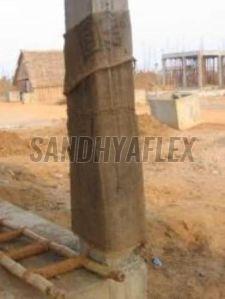
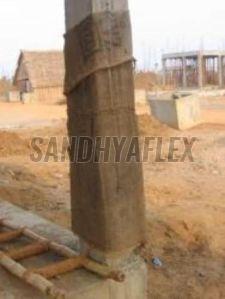
A cement curing cloth is a type of fabric or material used in the construction industry to help retain moisture during the curing process of concrete. Proper curing is essential to ensure the concrete gains its intended strength and durability. Here's more about it:
Features of Cement Curing Cloth:
-
Material:
- Often made from burlap (Hessian cloth) treated with water-repellent or water-absorbing agents.
- In some cases, synthetic fabrics or geotextiles are used.
-
Purpose:
- Prevents rapid evaporation of water from the concrete surface.
- Ensures a steady curing environment, minimizing cracking and ensuring optimal strength.
-
Usage:
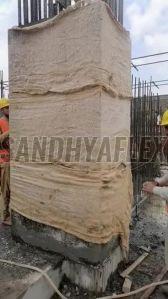
- The cloth is thoroughly wetted before being placed over freshly poured concrete.
- Regular wetting is done to maintain moisture for the required curing period (commonly 7–14 days).
-
Alternatives:
- Plastic sheets or curing compounds are sometimes used instead of cloth.
Benefits of Using Curing Cloth:
- Enhances the hydration process of cement.
- Prevents surface shrinkage cracks.
- Improves surface hardness and overall durabilityCertainly! Curing hessian cloth (also known as jute cloth or wet gunny cloth) is widely used in the construction industry, especially for curing concrete. Here are the main advantages: ✅ Advantages of Curing Hessian Cloth
-
Maintains Surface Moisture
-
Helps retain moisture in concrete during curing, preventing early drying and shrinkage cracks.
-
-
Improves Concrete Strength
-
Proper curing with hessian ensures better hydration of cement, resulting in stronger and more durable concrete.
-
-
Reusable & Eco-Friendly
-
Made from natural jute fibers, it is biodegradable, reusable, and environmentally friendly.
-
-
Breathable Material
-
Allows air circulation while retaining moisture, reducing the risk of surface damage or over-saturation.
-
-
Cost-Effective
-
Affordable and readily available material that can be reused multiple times if handled properly.
-
-
Easy to Apply
-
Lightweight and flexible — can be easily laid over slabs, columns, or beams, and kept wet for extended curing.
-
-
Temperature Regulation
-
Helps regulate temperature on the concrete surface, especially in hot climates, reducing the risk of thermal cracking.
-
-
Versatile for Site Conditions
-
Suitable for horizontal and vertical surfaces, and effective in both open and shaded areas.
-
-
Maintains Moisture Content
-
Keeps concrete surfaces moist, allowing proper hydration and strength development.
-
-
Prevents Cracks
-
Reduces the risk of shrinkage cracks caused by rapid drying, especially in hot or windy conditions.
-
-
Improves Strength & Durability
-
Ensures proper curing, which directly improves the long-term strength and durability of concrete.
-
-
Breathable & Natural
-
Allows air flow while retaining moisture — ideal for consistent, natural curing.
-
-
Reusable & Eco-Friendly
-
Made from jute, a biodegradable material that can be reused multiple times.
-
-
Easy to Apply
-
Lightweight, flexible, and easy to drape over any concrete surface — horizontal or vertical.
-
-
Cost-Effective
-
Affordable curing method, especially for large-scale or outdoor construction projects.
-
-
Temperature Control
-
Helps regulate the concrete’s surface temperature, protecting it from rapid temperature changes.
-
-
Looking for "Curing Hessian Cloth" ?
yard