sandhyaflexbiz@gmail.com - GST NO. : 36GNLPS1299P1ZS
- Send Email



| Business Type | Manufacturer, Exporter, Supplier |
| Material | Bitumen |
| Brand Name | SNDHYAFLEX |
| Port | mumbai |
| Click to view more | |
Product Details
Payment Terms
T/T
Packaging Details
The packing details for rubber expansion joint bellows can vary depending on the manufacturer, supplier, and specific product specifications. However, here are some common elements you might find in the packing details:
1. **Packaging Material:** Information about the type of packaging material used, such as cartons, crates, or other protective materials.
2. **Quantity per Package:** The number of rubber expansion joint bellows included in each package. This may vary based on the size and specifications of the expansion joints.
3. **Dimensions of the Package:** The dimensions of the package containing the rubber expansion joint bellows, including length, width, and height. This is crucial for transportation and storage considerations.
4. **Weight of the Package:** The weight of the package, including the weight of the rubber expansion joint bellows and any additional packaging materials. This information is important for shipping and handling purposes.
5. **Package Markings:** Any markings on the package, such as labels, symbols, or handling instructions. These markings help in identifying the contents and provide guidance on proper handling.
6. **Product Information:** Details about the rubber expansion joint bellows themselves, including specifications, sizes, materials, and any specific features. This information may be included in the packaging or as part of accompanying documentation.
7. **Storage Recommendations:** Guidance on how to store the rubber expansion joint bellows once they are received, including information about temperature, humidity, and environmental conditions.
8. **Installation Instructions:** If applicable, instructions on how to install or use the rubber expansion joint bellows may be included in the packaging.
9. **Compliance Certifications:** Documentation related to compliance with relevant industry standards or specifications may be included in the packaging.
10. **Handling Instructions:** Information about how to handle the package during transportation, unloading, and storage. This can include instructions on lifting techniques and weight-bearing capacity.
It\'s important to carefully review the packing details provided by the manufacturer or supplier to ensure that the rubber expansion joint bellows are handled and stored appropriately. Following any specific instructions and guidelines provided can contribute to the effective use of the expansion joints in their intended applications, such as in piping systems to absorb movements, vibrations, and misalignments.
1. **Packaging Material:** Information about the type of packaging material used, such as cartons, crates, or other protective materials.
2. **Quantity per Package:** The number of rubber expansion joint bellows included in each package. This may vary based on the size and specifications of the expansion joints.
3. **Dimensions of the Package:** The dimensions of the package containing the rubber expansion joint bellows, including length, width, and height. This is crucial for transportation and storage considerations.
4. **Weight of the Package:** The weight of the package, including the weight of the rubber expansion joint bellows and any additional packaging materials. This information is important for shipping and handling purposes.
5. **Package Markings:** Any markings on the package, such as labels, symbols, or handling instructions. These markings help in identifying the contents and provide guidance on proper handling.
6. **Product Information:** Details about the rubber expansion joint bellows themselves, including specifications, sizes, materials, and any specific features. This information may be included in the packaging or as part of accompanying documentation.
7. **Storage Recommendations:** Guidance on how to store the rubber expansion joint bellows once they are received, including information about temperature, humidity, and environmental conditions.
8. **Installation Instructions:** If applicable, instructions on how to install or use the rubber expansion joint bellows may be included in the packaging.
9. **Compliance Certifications:** Documentation related to compliance with relevant industry standards or specifications may be included in the packaging.
10. **Handling Instructions:** Information about how to handle the package during transportation, unloading, and storage. This can include instructions on lifting techniques and weight-bearing capacity.
It\'s important to carefully review the packing details provided by the manufacturer or supplier to ensure that the rubber expansion joint bellows are handled and stored appropriately. Following any specific instructions and guidelines provided can contribute to the effective use of the expansion joints in their intended applications, such as in piping systems to absorb movements, vibrations, and misalignments.
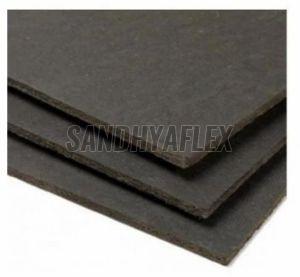
Expansion joint filler boards are materials used in construction to fill gaps and joints in structures, allowing for movement caused by temperature variations, seismic activity, or settlement. These filler boards are typically made of materials that can absorb the stress induced by such movements, preventing damage to the structure. Here are key features and considerations related to expansion joint filler boards:
\r\n\r\n
**Key Features:**
\r\n\r\n
1. **Material:** Expansion joint filler boards are often made from materials such as bitumen-impregnated fiberboard, cork, rubber, foam, or other flexible and compressible materials. The choice of material depends on the specific requirements of the construction project.
\r\n\r\n
2. **Flexibility:** Filler boards are flexible and compressible, allowing them to accommodate movement without transmitting stress to the surrounding structures.
\r\n\r\n
3. **Compressibility:** The compressibility of these boards helps them absorb the forces generated by expansion and contraction, preventing damage to the adjacent structures.
\r\n\r\n
4. **Water Resistance:** Many expansion joint filler boards are designed to be resistant to water, preventing water infiltration into the joints and helping maintain the structural integrity of the building.
\r\n\r\n
5. **Chemical Resistance:** Depending on the material used, filler boards may offer resistance to chemicals present in the environment, enhancing their durability.
\r\n\r\n
6. **Temperature Resistance:** Filler boards are designed to withstand a range of temperatures, making them suitable for outdoor applications where temperature variations are significant.
\r\n\r\n
7. **Easy Installation:** The installation of expansion joint filler boards is typically straightforward. They can be cut to size and inserted into the joint, providing an effective barrier against moisture and contaminants.
\r\n\r\n
8. **Compatibility:** These filler boards are compatible with various construction materials, including concrete, asphalt, and other building materials.
\r\n\r\n
**Common Applications:**
\r\n\r\n
1. **Building Construction:** Expansion joint filler boards are widely used in the construction of buildings to fill gaps in structures, including floor slabs, walls, and roofs.
\r\n\r\n
2. **Bridges and Highways:** In the construction of bridges and highways, expansion joint filler boards are used to accommodate the movement caused by temperature changes and seismic activity.
\r\n\r\n
3. **Airport Runways:** Filler boards are applied in the construction of airport runways to fill joints and gaps, allowing for movement and preventing the development of cracks.
\r\n\r\n
4. **Parking Structures:** In parking garages and structures, expansion joint filler boards are used to fill gaps and joints in concrete decks and ramps.
\r\n\r\n
5. **Water Retaining Structures:** Dams, reservoirs, and other water-retaining structures utilize expansion joint filler boards to accommodate movement and prevent water infiltration.
\r\n\r\n
6. **Industrial Flooring:** Expansion joint filler boards may be used in industrial settings, such as warehouses or manufacturing facilities, to fill joints in concrete floors.
\r\n\r\n
7. **Seismic Joints:** In earthquake-prone regions, expansion joint filler boards are often employed in structures to provide flexibility and absorb seismic forces.
\r\n\r\n
Proper installation and selection of the appropriate type of expansion joint filler board are crucial to the performance and longevity of the construction joint. The specific requirements for filler boards depend on factors such as the type of construction, the expected range of movement, and environmental conditions.
Looking for "Expansion Joint Filler Board Road Construction" ?
piece