sandhyaflexbiz@gmail.com - GST NO. : 36ABTCS2276B1Z4
- Send Email








| Business Type | Manufacturer, Exporter, Supplier, Retailer |
| Brand Name | Lazio |
| Material | SS |
| Finishing | Polished |
| Click to view more | |
Product Details
Shape
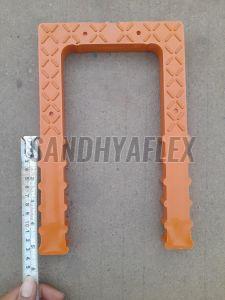
U Shaped
Condition
New
Automatic Grade
Manual
Usage
Industrial
Size
Hey! Could you clarify what you mean by "size"? Are you referring to: - Clothing or shoe size? - Image or file size? - Screen or display size? - Something else? Let me know how I can help!
Product Code
sandhyaflex
Port
A **port of dispatch** refers to the location (usually a seaport or airport) where goods are officia
Payment Terms
L/C
Delivery Time
depends
Packaging Details
Hey! Could you clarify what you mean by “packaging details”? Are you referring to:
- Product packaging specifications (e.g. dimensions, materials, design)?
- Shipping/handling packaging?
- Labeling and regulatory details?
- Packaging for a specific product or industry?
Let me know a bit more and I can give you the right info!
- Product packaging specifications (e.g. dimensions, materials, design)?
- Shipping/handling packaging?
- Labeling and regulatory details?
- Packaging for a specific product or industry?
Let me know a bit more and I can give you the right info!
The load capacity of elastomeric bridge bearings depends on various factors, and the design must be carefully engineered to ensure the bearings can adequately support the loads imposed by the bridge structure. Several key factors influence the load capacity of elastomeric bridge bearings:
\r\n\r\n
1. **Bridge Design Load:**
\r\n- The primary factor influencing the load capacity is the design load of the bridge, including dead loads (permanent loads like the weight of the bridge structure itself), live loads (variable loads such as traffic and pedestrians), and other dynamic forces.
\r\n\r\n
2. **Bearing Size and Configuration:**
\r\n- The dimensions and configuration of the elastomeric bearing, including its length, width, and thickness, play a significant role in determining its load-carrying capacity. Larger bearings generally have higher load capacities.
\r\n\r\n
3. **Material Properties:**
\r\n- The specific elastomeric material used in the bearing affects its load-bearing capacity. The material should have the appropriate compressive strength, elasticity, and durability to withstand the applied loads over time.
\r\n\r\n
4. **Shore Hardness:**
\r\n- The shore hardness of the elastomeric material, measured on the Shore durometer scale, is an indication of the material\\\'s resistance to indentation. The hardness should be selected based on the expected loads and deformation requirements.
\r\n\r\n
5. **Number of Bearings:**
\r\n- The arrangement and number of elastomeric bearings used in a bridge also impact the overall load distribution. Engineers consider the optimal layout to ensure that the loads are evenly distributed among the bearings.
\r\n\r\n
6. **Temperature Effects:**
\r\n- Temperature variations can affect the load capacity of elastomeric bearings. The material should be selected to withstand the expected temperature range, and the design should account for thermal expansion and contraction.
\r\n\r\n
7. **Dynamic Forces:**
\r\n- Consideration must be given to dynamic forces such as those caused by seismic events or bridge movement. Elastomeric bearings may need to accommodate not only static loads but also dynamic forces to ensure the bridge\\\'s stability during various conditions.
\r\n\r\n
8. **Standards and Codes:**
\r\n- Designing elastomeric bridge bearings in accordance with relevant industry standards and codes is essential. These standards provide guidelines for calculating and verifying the load capacity of the bearings.
\r\n\r\n
9. **Testing and Quality Assurance:**
\r\n- Load testing and quality assurance procedures are conducted to verify that the elastomeric bridge bearings meet the specified load capacity requirements. This may involve both laboratory testing and field testing.
\r\n\r\n
10. **Installation Considerations:**
\r\n- Proper installation of the elastomeric bearings, including correct torque for anchoring bolts, is crucial for ensuring their load-carrying capacity. Installation procedures should follow engineering specifications.
\r\n\r\n
It\\\'s important to note that elastomeric bridge bearings are typically designed by structural engineers using specific load calculations based on the characteristics of the bridge and its expected usage. The load capacity is determined through a combination of material properties, geometric considerations, and structural analysis. Consulting with a qualified structural engineer and adhering to industry standards and codes are essential to ensuring the proper selection and design of elastomeric bridge bearings for a specific application.
Looking for "Elastomeric Bearings with Anchoring Bolt" ?
Piece