sandhyaflexbiz@gmail.com - GST NO. : 36ABTCS2276B1Z4
- Send Email

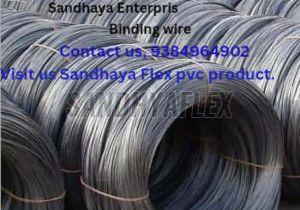
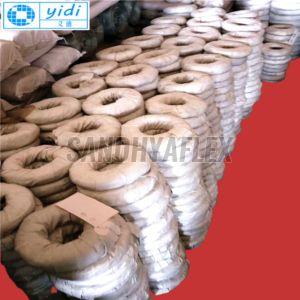

| Business Type | Exporter, Supplier |
| Material | Metal |
| Shape | Round |
| Product Code | BW |
| Click to view more | |
Product Details
Port
mumbai
Payment Terms
T/T
Delivery Time
2 to 7 days
Packaging Details
The packing details of binding wire can vary depending on the manufacturer, supplier, and the specific requirements of the customer. However, I can provide you with a general idea of how binding wire is typically packaged:
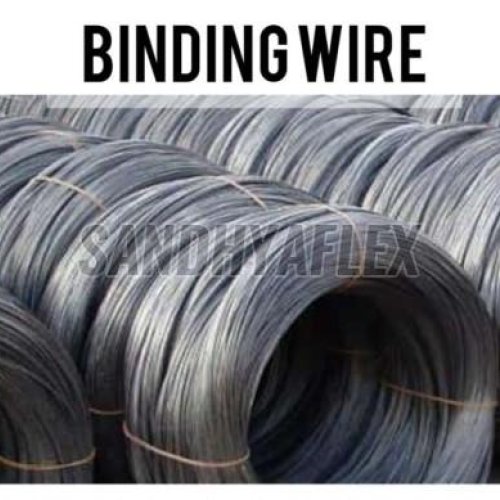
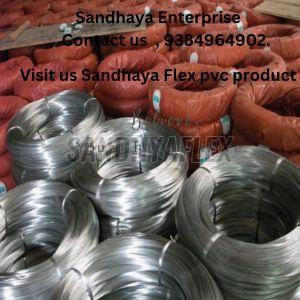
1. **Coils**: Binding wire is often wound into coils, which are then packaged for sale. The coils can vary in size, with common weights ranging from 1 kg to 50 kg or more, depending on the thickness and length of the wire. These coils are usually made of mild steel wire and may be coated with zinc (galvanized) for added corrosion resistance.
2. **Spools**: In some cases, binding wire is wound onto spools, similar to the way thread is wound onto a sewing machine bobbin. Spooled binding wire is more commonly used for smaller quantities or for ease of dispensing in specific applications, such as in gardening or crafting.
3. **Bundles**: Binding wire may also be bundled together in straight lengths and tied together with additional wire or twine. These bundles are often used in construction and are available in standard lengths, such as 3 feet or 4 feet, to suit various tying needs.
4. **Cartons or Boxes**: Coils or spools of binding wire may be placed inside cartons or boxes for shipping and storage. The packaging may include labels with product information, specifications, and safety instructions.
5. **Pallets**: For larger orders or bulk purchases, coils or bundles of binding wire may be stacked on wooden pallets and shrink-wrapped for ease of transportation and handling.
6. **Custom Packaging**: Some manufacturers or suppliers may offer custom packaging options based on the specific needs of customers. This could include private labeling or branding on the packaging.
7. **Labeling**: Regardless of the packaging method, binding wire packaging typically includes important information such as the wire gauge (thickness), length or weight of the wire, material composition (e.g., mild steel or galvanized steel), and any relevant standards or certifications.
It\'s important to note that the packaging details can vary between different regions and suppliers. When purchasing binding wire, it\'s a good practice to check with the manufacturer or supplier for their specific packaging options, quantities, and any special requirements you may have. Additionally, always follow safety guidelines and instructions provided on the packaging for handling and use.
1. **Coils**: Binding wire is often wound into coils, which are then packaged for sale. The coils can vary in size, with common weights ranging from 1 kg to 50 kg or more, depending on the thickness and length of the wire. These coils are usually made of mild steel wire and may be coated with zinc (galvanized) for added corrosion resistance.
2. **Spools**: In some cases, binding wire is wound onto spools, similar to the way thread is wound onto a sewing machine bobbin. Spooled binding wire is more commonly used for smaller quantities or for ease of dispensing in specific applications, such as in gardening or crafting.
3. **Bundles**: Binding wire may also be bundled together in straight lengths and tied together with additional wire or twine. These bundles are often used in construction and are available in standard lengths, such as 3 feet or 4 feet, to suit various tying needs.
4. **Cartons or Boxes**: Coils or spools of binding wire may be placed inside cartons or boxes for shipping and storage. The packaging may include labels with product information, specifications, and safety instructions.
5. **Pallets**: For larger orders or bulk purchases, coils or bundles of binding wire may be stacked on wooden pallets and shrink-wrapped for ease of transportation and handling.
6. **Custom Packaging**: Some manufacturers or suppliers may offer custom packaging options based on the specific needs of customers. This could include private labeling or branding on the packaging.
7. **Labeling**: Regardless of the packaging method, binding wire packaging typically includes important information such as the wire gauge (thickness), length or weight of the wire, material composition (e.g., mild steel or galvanized steel), and any relevant standards or certifications.
It\'s important to note that the packaging details can vary between different regions and suppliers. When purchasing binding wire, it\'s a good practice to check with the manufacturer or supplier for their specific packaging options, quantities, and any special requirements you may have. Additionally, always follow safety guidelines and instructions provided on the packaging for handling and use.
Binding wire, also known as tie wire, is a type of wire commonly used in construction, gardening, and various other applications to secure or tie together different materials or objects. It is typically made of steel or iron and comes in various thicknesses and lengths to suit different needs.
Here are some common uses for binding wire:
1. Construction: Binding wire is frequently used in construction to tie together reinforcing steel bars (rebar) and mesh. This helps in maintaining the structural integrity of concrete structures, such as buildings, bridges, and highways.
2. Gardening: Gardeners often use binding wire to secure plants to trellises or stakes. It can also be used to create fencing for garden areas or to support climbing plants.
3. Bundling: Binding wire is useful for bundling together electrical cables, wires, or pipes, helping to organize and secure them neatly.
4. Packaging: In some cases, binding wire is used in packaging to secure items together, especially in situations where traditional twine or tape might not be sufficient.
5. Crafts and DIY Projects: Artists and DIY enthusiasts may use binding wire for various creative projects, such as sculpture, jewelry making, or floral arrangements.
6. Temporary Repairs: Binding wire can serve as a temporary fix for broken items, such as a broken fence or a loose car part, until proper repairs can be made.
Binding wire is typically malleable and can be bent or twisted easily to create a secure hold. It is available in various gauges or thicknesses, with thicker wire being stronger and more durable. The choice of binding wire depends on the specific application and the level of strength required.
In construction, for example, the type of binding wire used must meet certain standards and specifications to ensure it can withstand the stresses placed upon it in concrete structures. Therefore, it's essential to choose the appropriate binding wire for the intended purpose to ensure safety and durability.
Looking for "Binding Wire" ?
Kilogram