| Business Type | Manufacturer |
| Brand Name | SNDHYAFLEX |
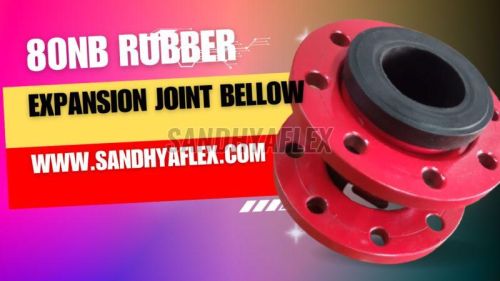
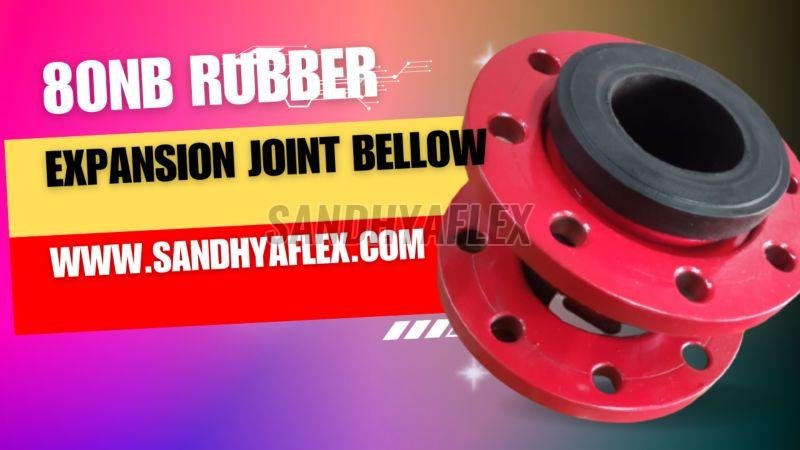
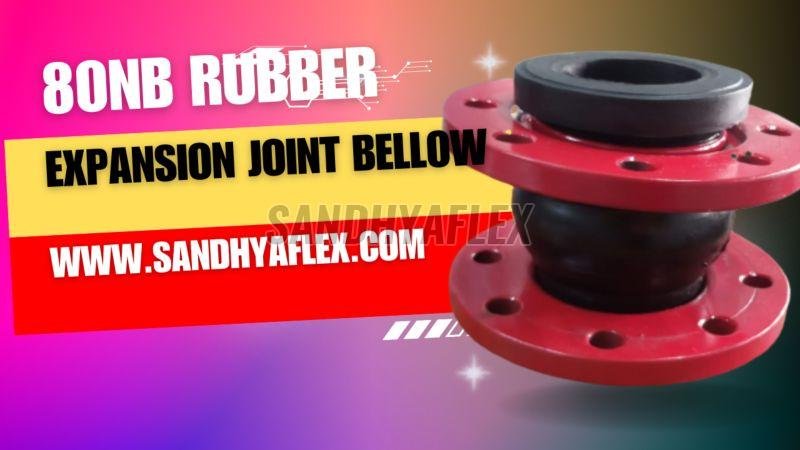
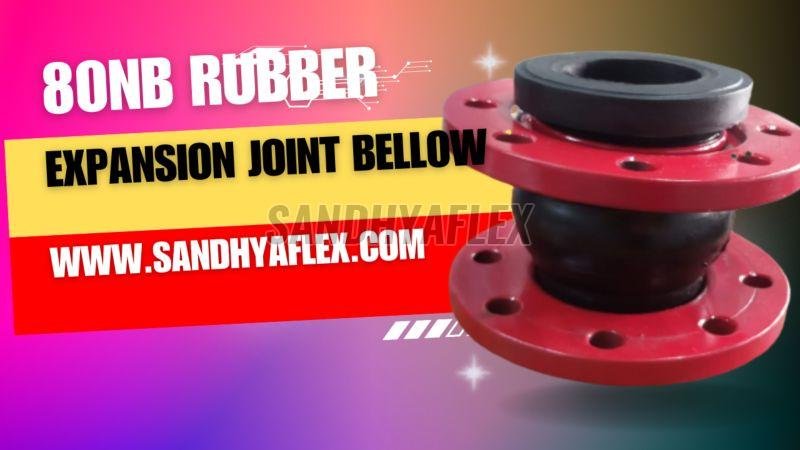
A rubber expansion bellow, also known as a rubber expansion joint or rubber compensator, is a flexible device used to compensate for thermal expansion, vibration, movement, and misalignment in piping systems, machinery, and other industrial applications. It consists of multiple layers of rubber or synthetic elastomer reinforced with fabric or metal inserts to provide flexibility and strength.
The main purpose of a rubber expansion bellow is to absorb the movement and stress generated by temperature variations, mechanical vibrations, or any other factors that might cause changes in the dimensions of the connected components. By accommodating these movements and forces, expansion bellows help to prevent damage to the system, minimize stress on equipment, and increase the overall reliability of the installation.
Here are some key features and benefits of rubber expansion bellows:
1. Flexibility: The rubber material allows the bellow to flex and absorb movements in multiple directions, including axial, lateral, and angular movement.
2. High Temperature Resistance: Rubber expansion bellows are designed to withstand a wide range of temperatures, making them suitable for both hot and cold applications.
3. Corrosion Resistance: Rubber materials used in the bellows can be chosen to resist various corrosive environments, enhancing the longevity of the bellow and the system.
4. Vibration Damping: Expansion bellows can absorb vibrations caused by machinery or other sources, reducing stress on connected equipment and improving overall system performance.
5. Easy Installation: Rubber expansion bellows are relatively easy to install, making them a convenient solution for retrofitting or modifying existing piping systems.
6. Noise Reduction: The flexibility and damping properties of the rubber can also help in reducing noise transmission in the system.
7. Minimal Maintenance: Properly designed and installed rubber expansion bellows require minimal maintenance, resulting in cost savings over time.
Applications of rubber expansion bellows include use in HVAC (Heating, Ventilation, and Air Conditioning) systems, power plants, petrochemical facilities, water treatment plants, industrial pipelines, and various other industrial settings where movement and thermal expansion need to be accommodated.
It's important to note that the design and material selection of an expansion bellow should be based on the specific requirements of the application, including the temperature range, pressure, media being transported, and the expected movement that the bellow needs to accommodate. Proper engineering and installation are crucial to ensure the longevity and effectiveness of the rubber expansion bellow in the intended application.
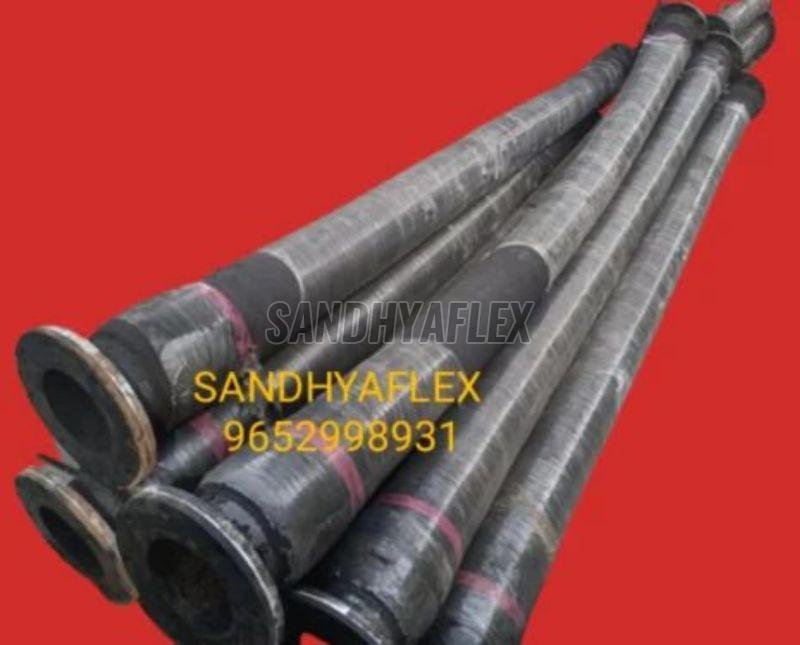
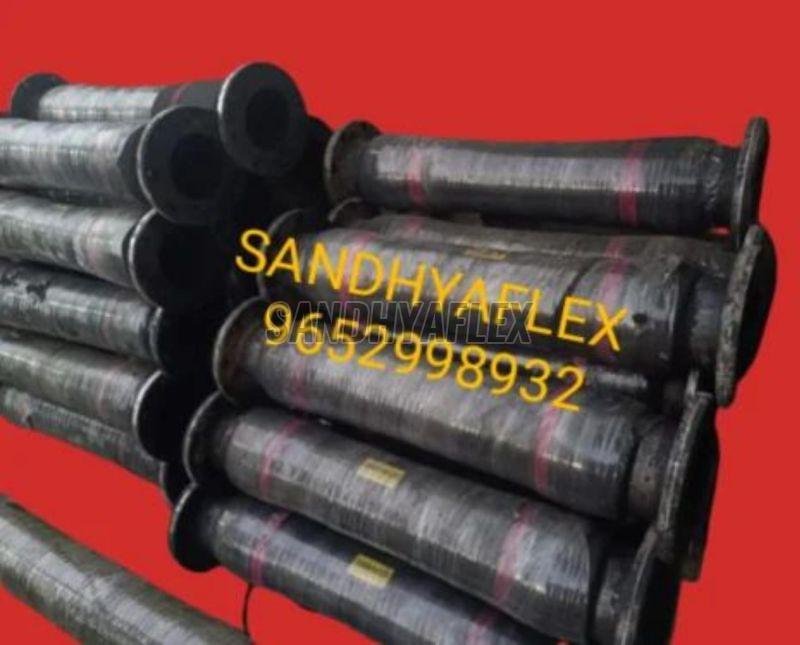
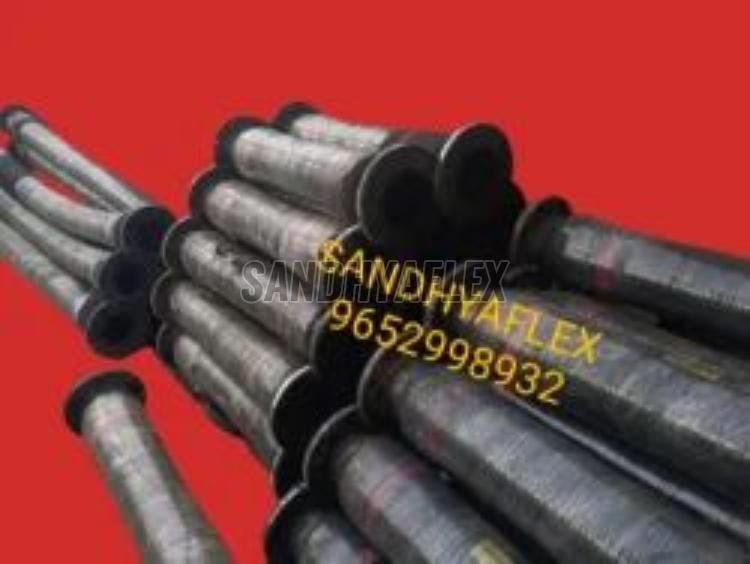
| Business Type | Manufacturer, Exporter, Supplier, Retailer, Trader, Distributor |
| Working Pressure | 10 To 25 Bar |
| Usage | Industrial Use |
| Material | Rubber |
| Size/Diameter | 150mm ID X 6000 Mm (Lg) |
| Nominal Size | 6 Inch |
| Single Hose Length | 1-15m |
| Layers | 6 to 12 Layer |
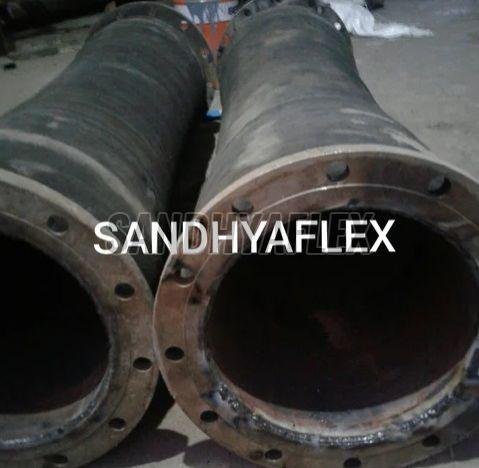
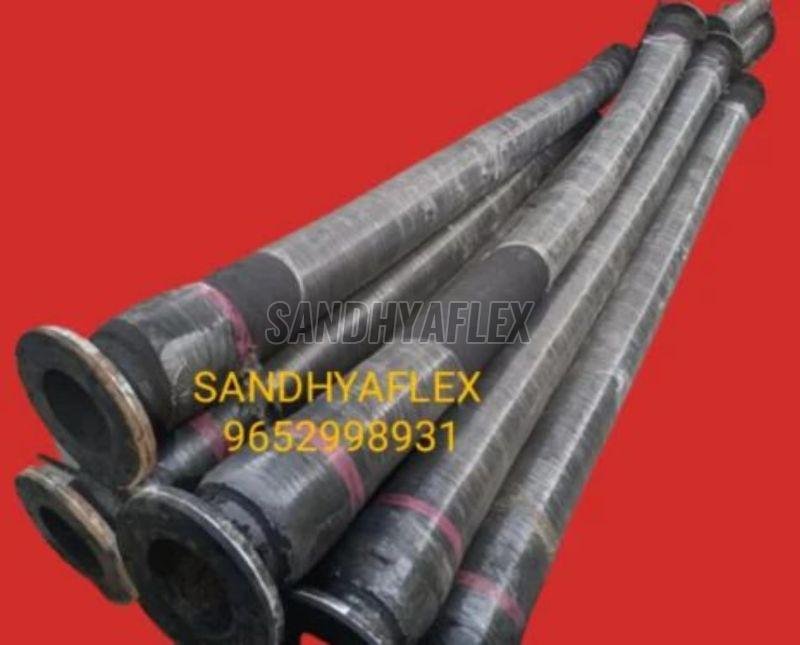
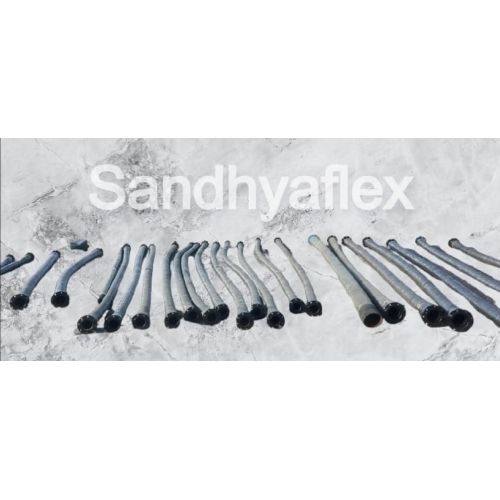
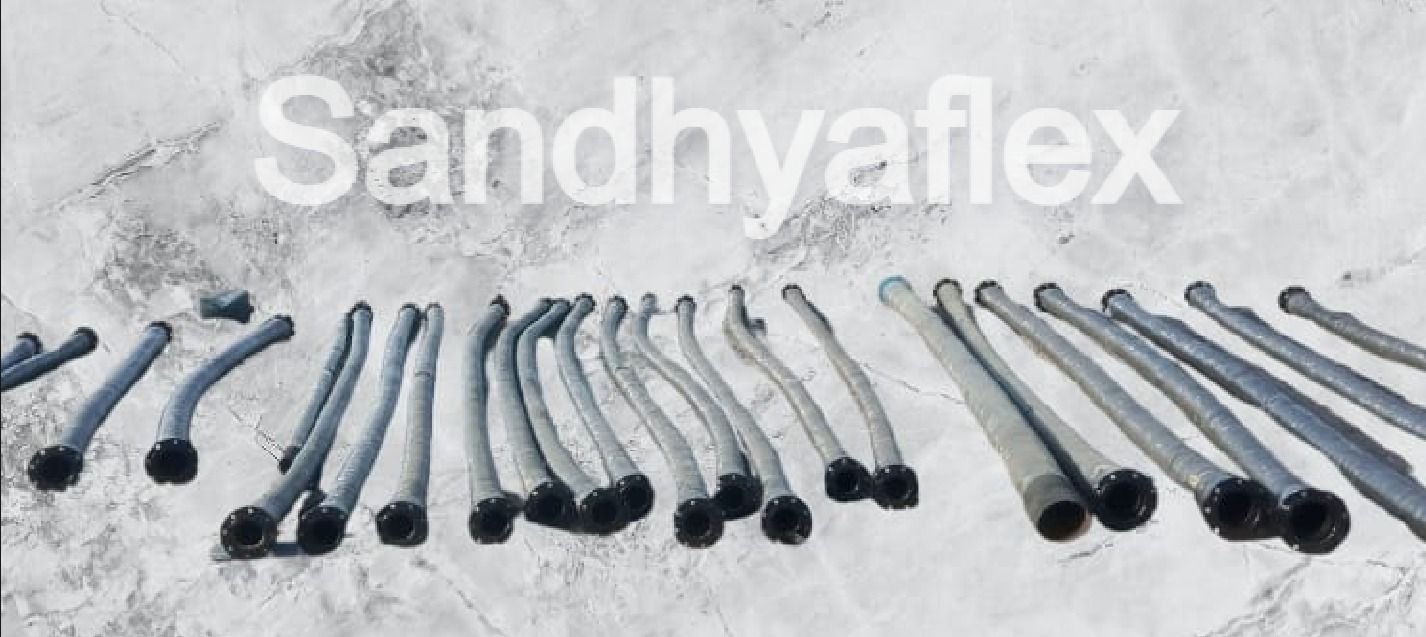
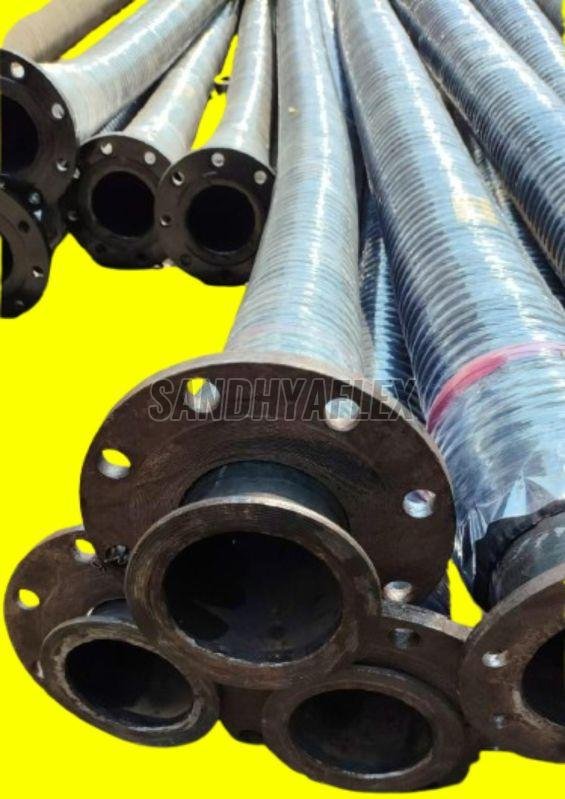
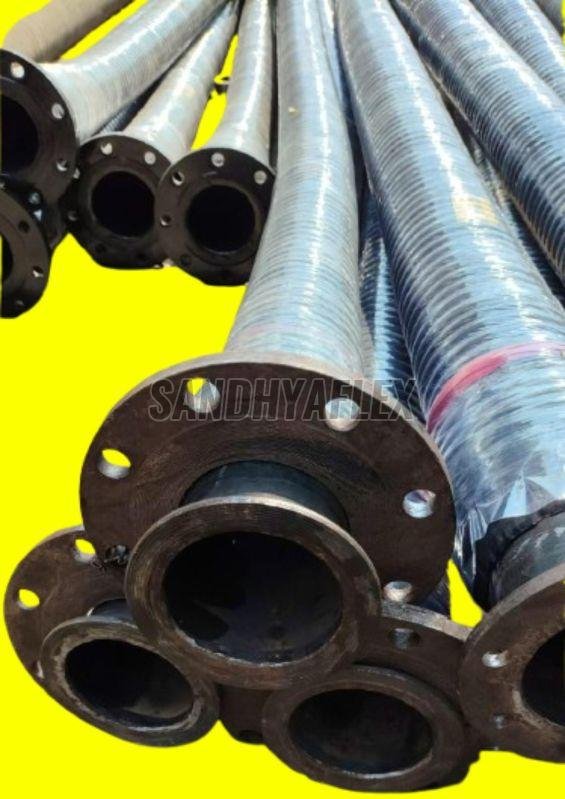
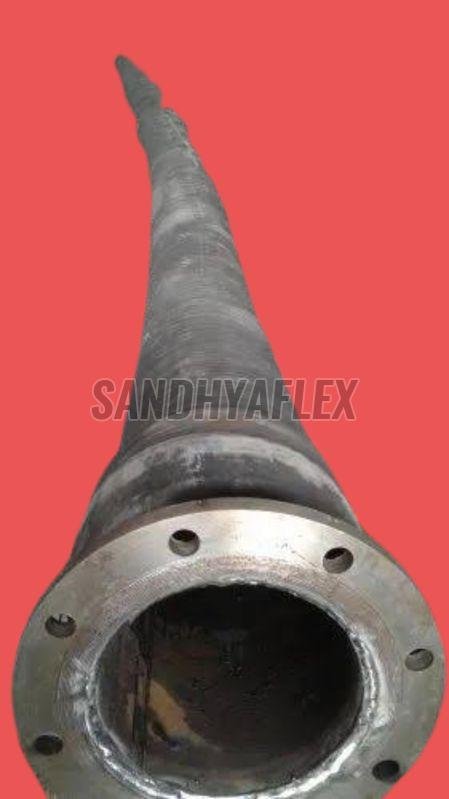
The Sandhyaflex Slurry Rubber Hose is a robust and heavy-duty hose designed for handling abrasive slurry materials in various industrial applications. It is ideal for industries like mining, dredging, and construction where the transportation of slurry mixtures (water and solid particles) is required.
✅ Features:- Material:
- Inner Lining: Made from high-quality, abrasion-resistant rubber to withstand harsh slurry materials.
- Reinforcement: Reinforced with multiple layers of synthetic fabric or steel wire for enhanced durability and strength.
- Outer Cover: Resistant to weather, UV, and ozone for long-lasting performance in tough environments.
- Flexibility: Highly flexible for easy handling and installation.
- Pressure Resistance: Suitable for both low and high-pressure applications.
- Corrosion Resistance: Resistant to chemicals and slurry abrasions.
- Mining Industry: For transferring slurry from mining operations.
- Dredging Projects: Used in dredge lines for transporting silt, sand, and mud.
- Construction Sites: For pumping concrete and other slurries.
- Chemical Plants: Suitable for handling corrosive slurries and liquids.
- Size: Available in sizes ranging from 2 inches to 20 inches.
- Length: Customizable based on application requirements.
- Working Pressure: Can withstand pressures up to 15 bar or more.
- Temperature Range: Typically operates between -20°C to +80°C.
- Abrasion Resistance: Highly abrasion-resistant for longevity in abrasive conditions.
- High durability in abrasive and harsh conditions.
- Resistant to both wear and tear, extending service life.
- Flexible and easy to install.
- Customizable to suit specific industrial needs.
If you'd like further details on pricing, customization, or technical documentation, feel free to ask!
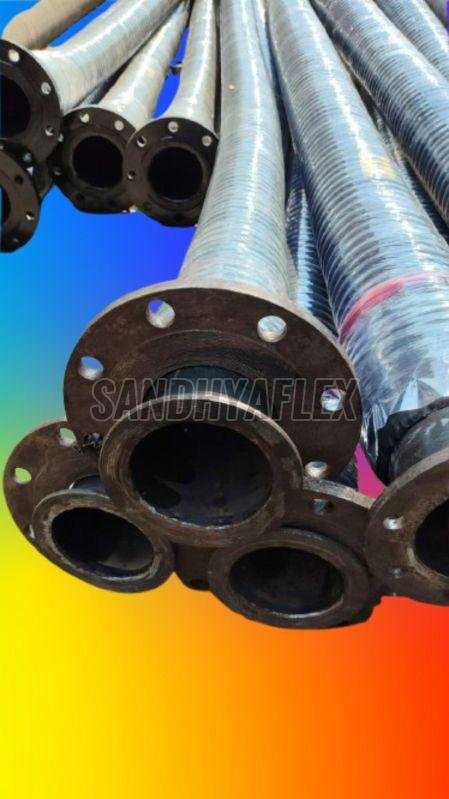
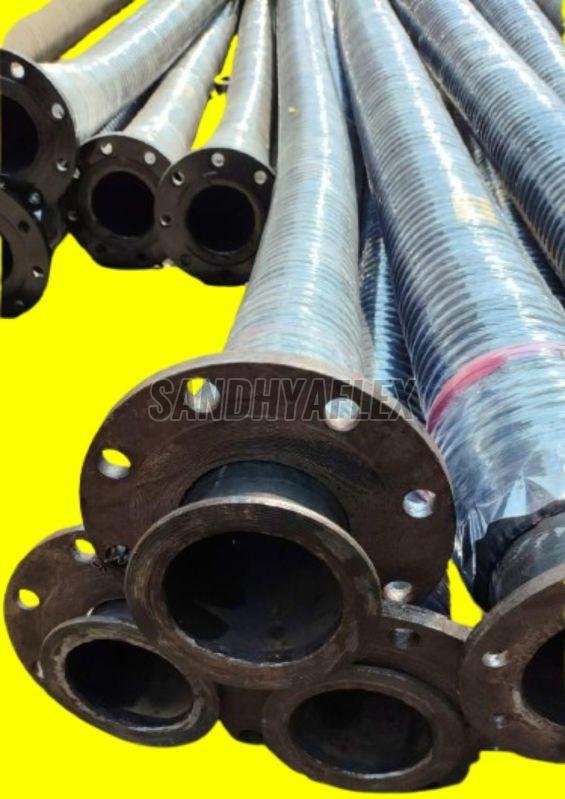
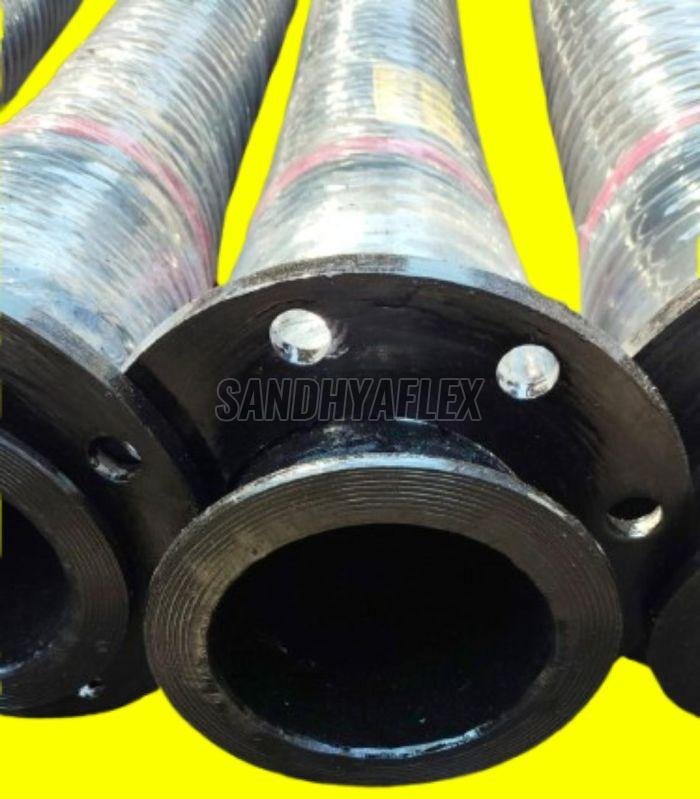

| Business Type | Manufacturer, Exporter, Supplier |
| Material | Rubber |
| Size/Diameter | 6 inch |
| Length | 6m |
| Nominal Size | 1 inch, 150 to 250mm ID |
| Unit Length | 1-15 m, 6m |
| Layers | 3 to 5 :ayers |
| Type | Vacuum Hose Pipe |
| Business Type | Manufacturer, Exporter, Supplier, Retailer |
| Brand Name | SNDHYAFLEX |
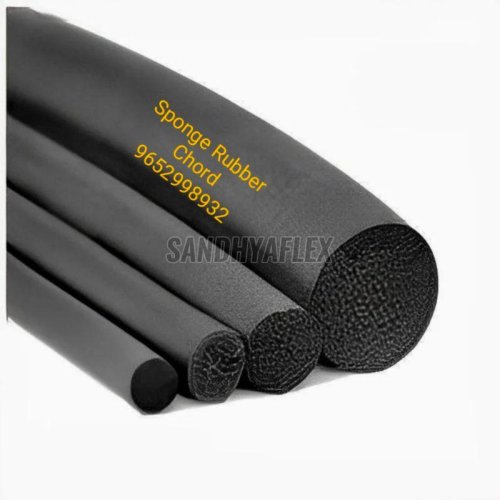
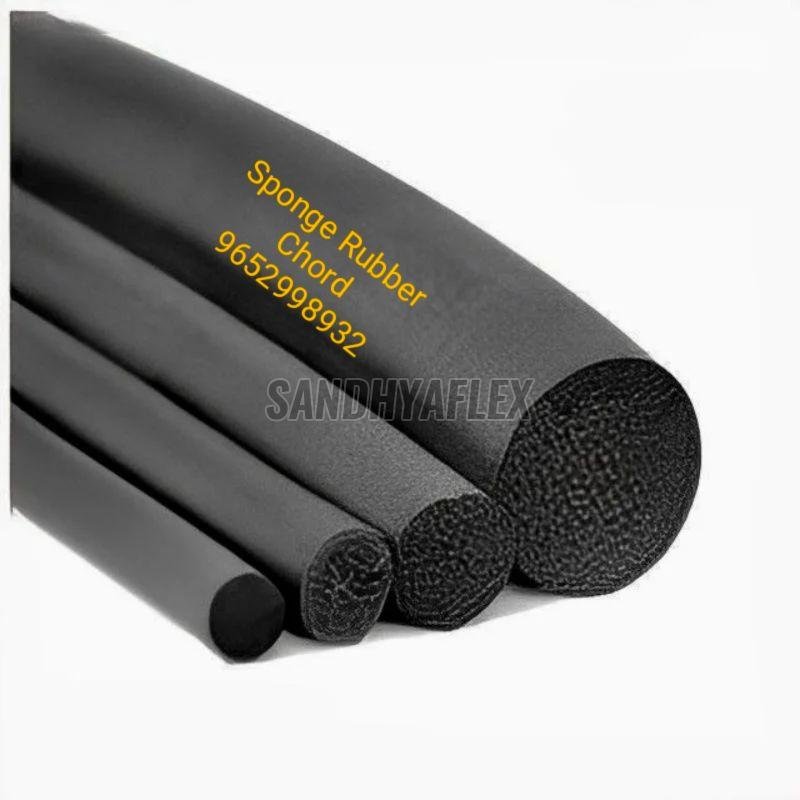
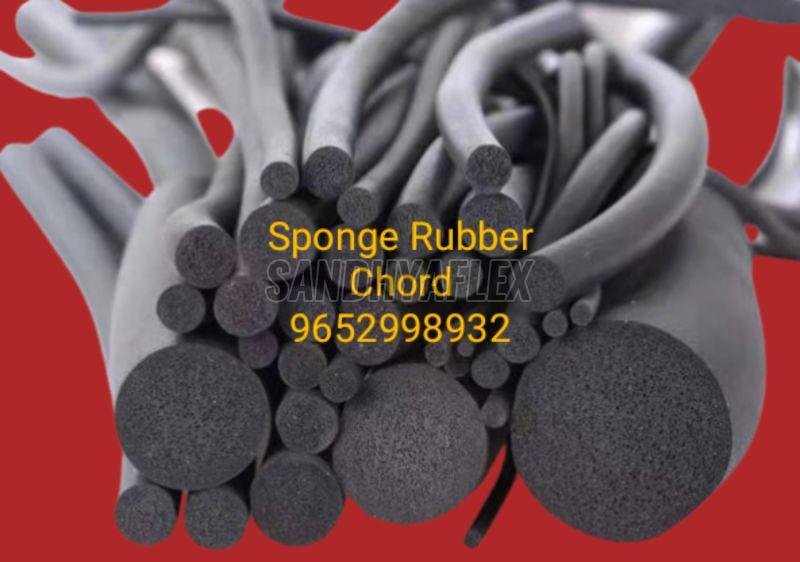
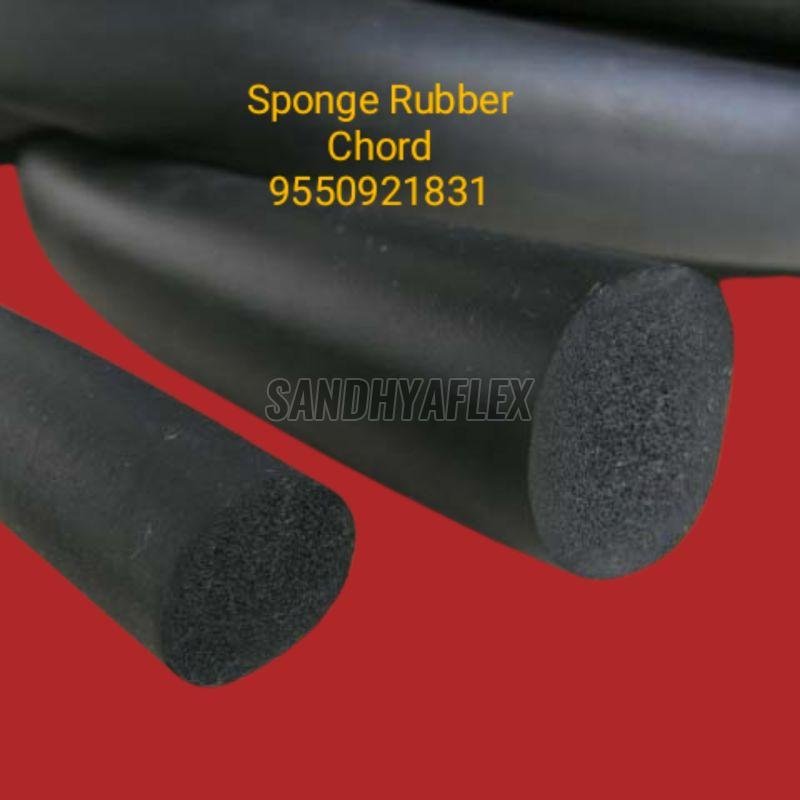
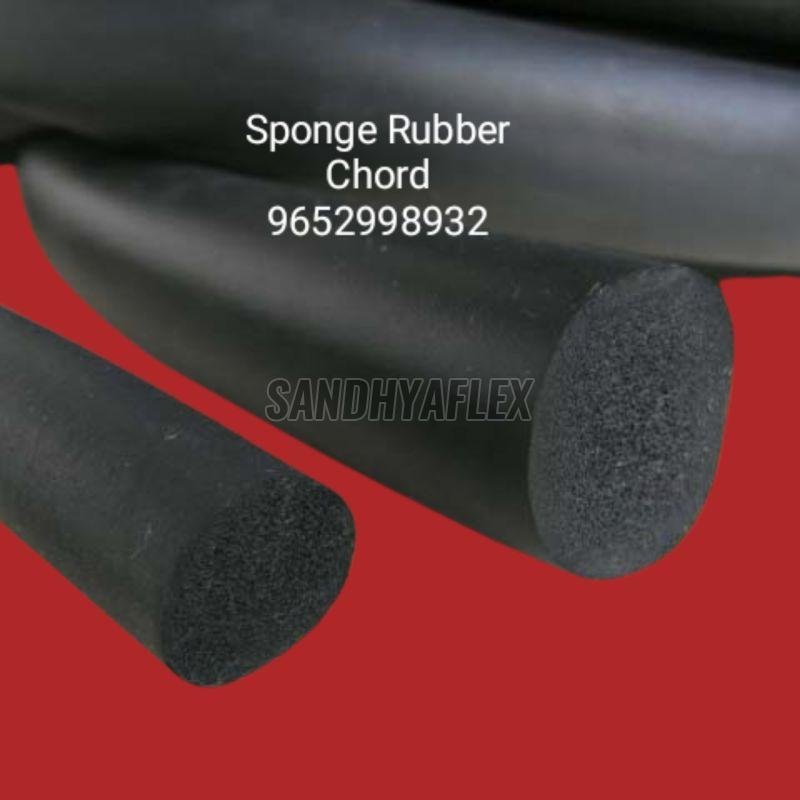
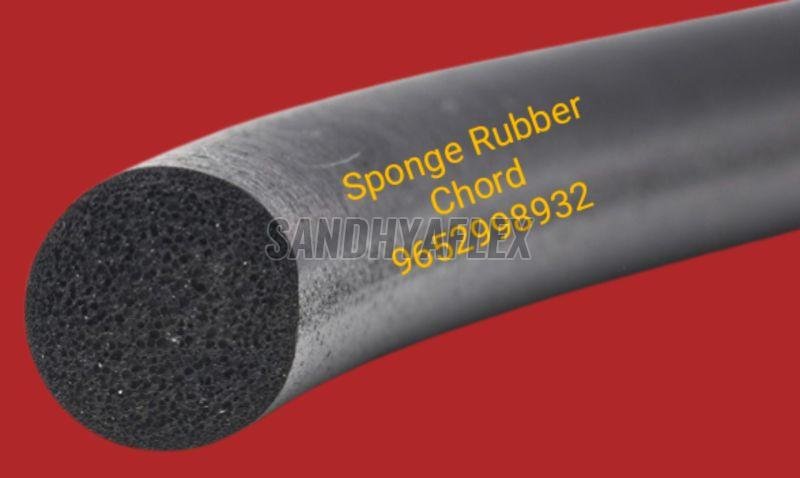
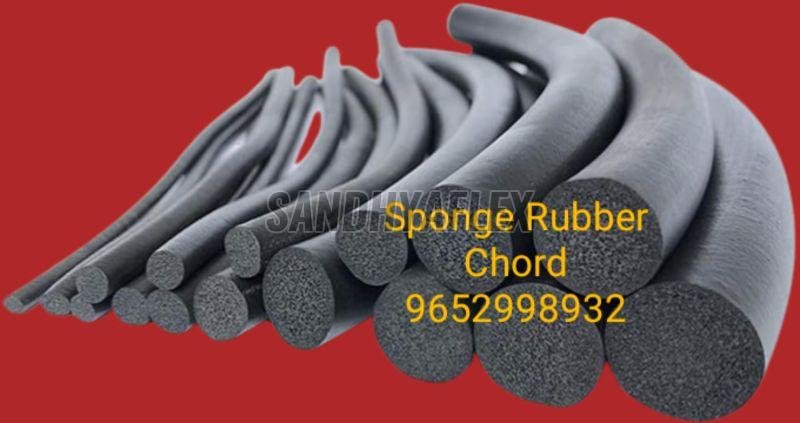
Sponge rubber cord possesses several features that make it suitable for various applications. Here are some common features of sponge rubber cord:
1. **Soft and Compressible:** Sponge rubber cord is known for its soft and compressible nature. This feature allows it to conform to irregular surfaces, providing effective sealing and cushioning.
2. **Porous Structure:** The material has a porous or sponge-like structure. This characteristic makes it lightweight and allows it to trap air, making it useful for insulation applications.
3. **Sealing Properties:** Sponge rubber cord is often used for sealing purposes. Its ability to compress and fill gaps helps create a barrier against air, water, dust, and other environmental elements.
4. **Flexibility:** The material is flexible, making it easy to work with and adapt to different shapes and contours. This flexibility is beneficial in applications where the material needs to conform to irregular surfaces.
5. **Resistance to Compression Set:** Compression set refers to the ability of a material to recover its original shape after being compressed. Sponge rubber cord often exhibits good resistance to compression set, ensuring long-term performance and durability.
6. **Weather Resistance:** Many formulations of sponge rubber cord are designed to resist exposure to weather conditions, including sunlight, ozone, and moisture. This weather resistance is particularly important for outdoor applications.
7. **Temperature Resistance:** Depending on the specific formulation, sponge rubber cord can have varying degrees of temperature resistance. Some formulations are suitable for both low and high-temperature environments.
8. **Chemical Resistance:** Sponge rubber cord may exhibit resistance to certain chemicals, oils, and solvents. The specific chemical resistance can vary depending on the composition of the rubber.
9. **Shock Absorption:** The soft and cushioning properties of sponge rubber make it effective for shock absorption. This is beneficial in applications where impact or vibration damping is required.
10. **Versatility:** Sponge rubber cord is versatile and finds applications in various industries, including automotive, construction, electronics, and packaging.
It's important to note that the specific features of sponge rubber cord can vary depending on the formulation of the rubber material. Different formulations may be tailored for specific applications or environmental conditions. If you have a specific application in mind, it's advisable to choose a sponge rubber cord with the properties that best suit your requirements.
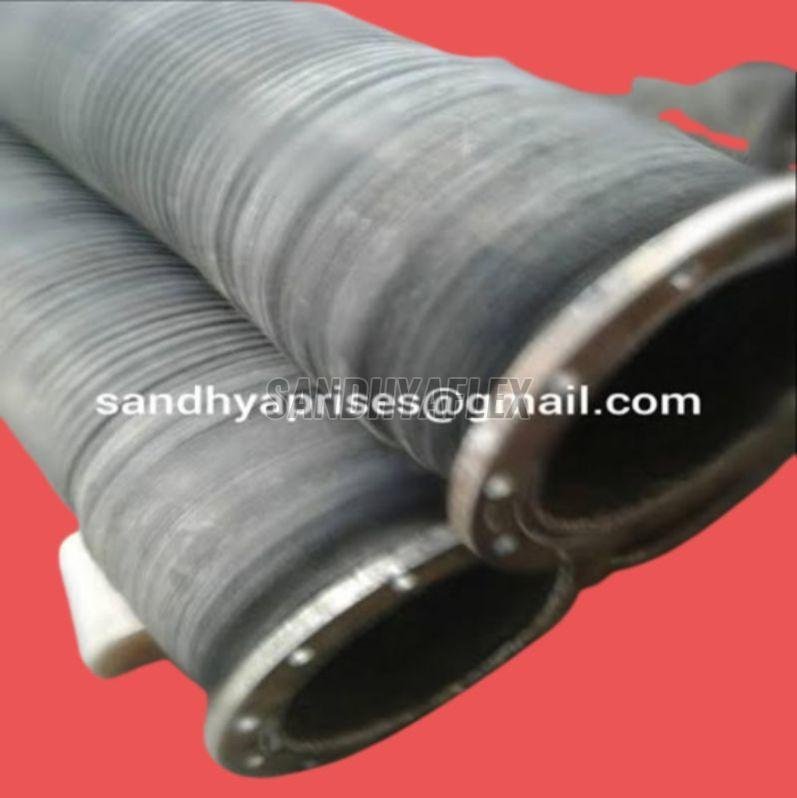
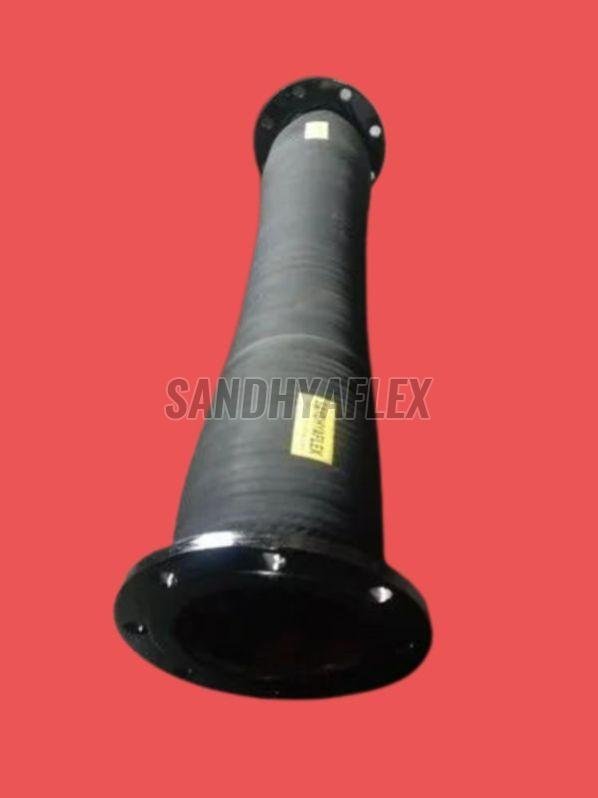
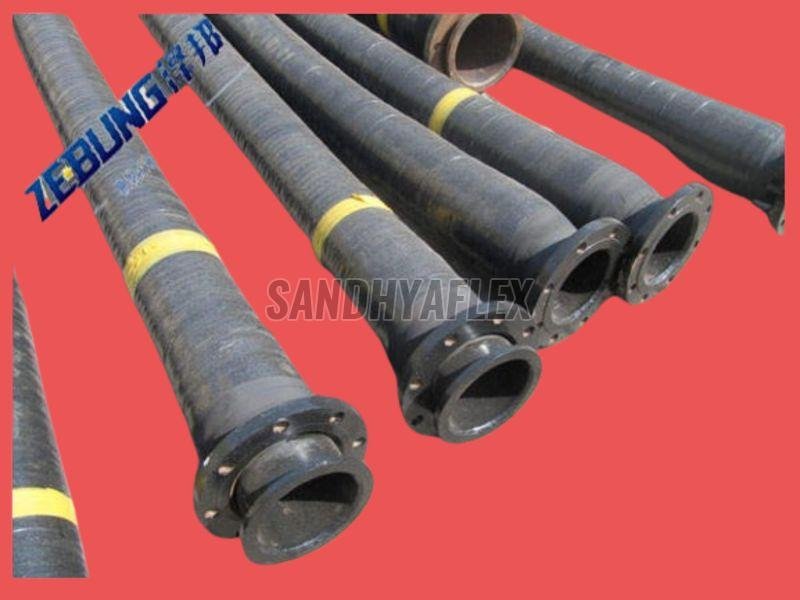
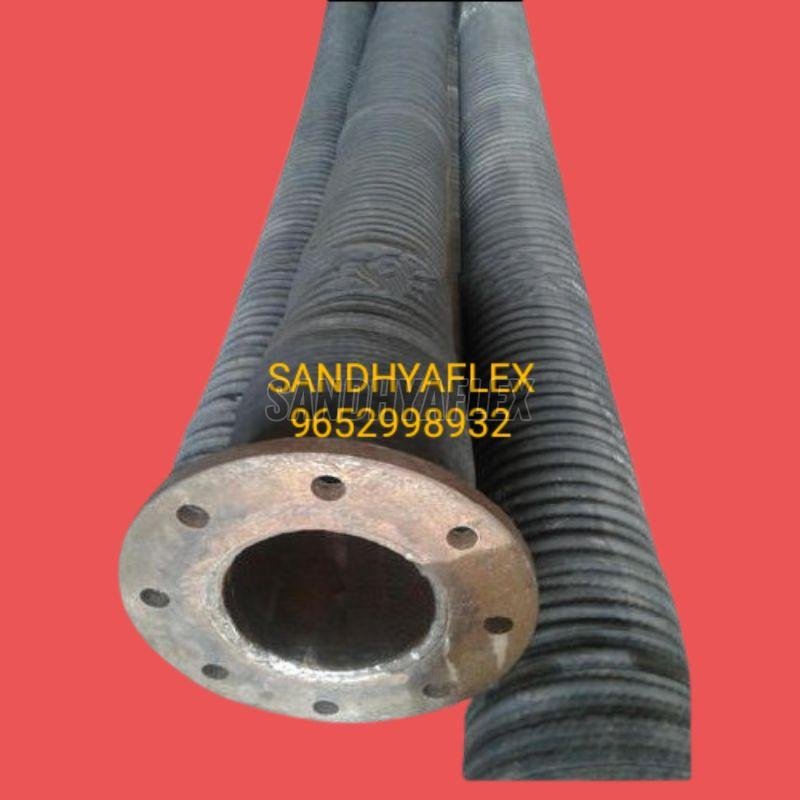
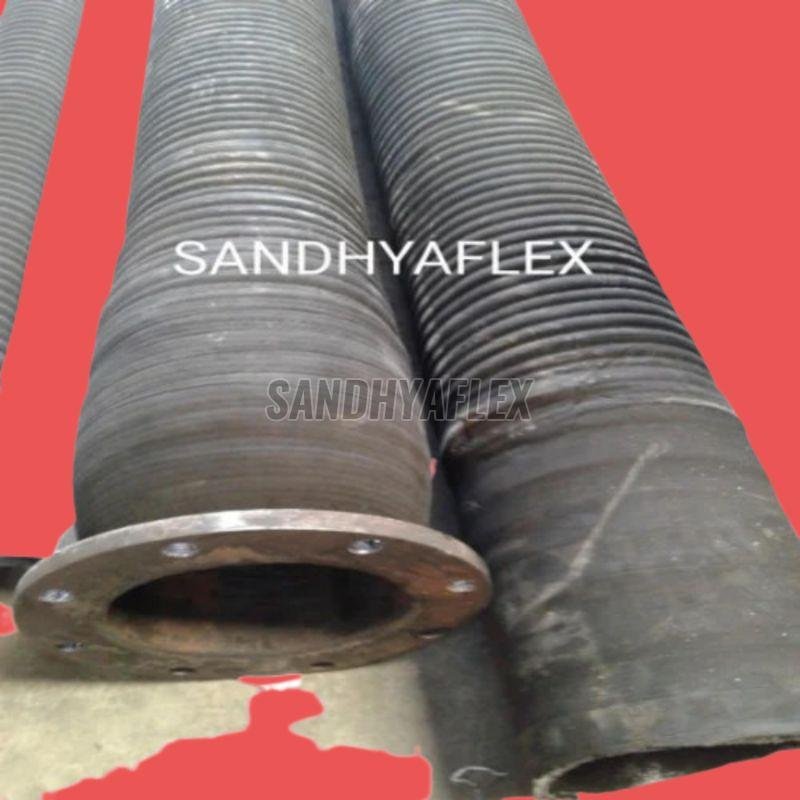
| Business Type | Manufacturer, Exporter, Supplier, Retailer |
| Brand Name | SNDHYAFLEX |
| Usage | Industrial Use |
| Fluid Type | Air |
| Size (Inches) | 4 Inch |
| Port | mumbai |
| Delivery Time | 7 to 15 days |
| Packaging Details | Packing LDPE Cover |
Bulker unloading rubber hoses are specialized hoses designed for the transfer of bulk materials, particularly in industries where large quantities of powders, granules, or other bulk solids need to be unloaded from bulk carrier vehicles or storage containers. Here are some common uses and applications of bulker unloading rubber hoses: 1. **Bulk Material Handling:** - **Application:** The primary purpose of bulker unloading rubber hoses is to facilitate the transfer of bulk materials from storage silos, hopper trucks, or railcars to processing equipment. - **Use:** These hoses are used in industries such as agriculture, mining, construction, and manufacturing, where bulk materials like grains, cement, minerals, or chemicals are handled. 2. **Cement and Concrete Industry:** - **Application:** In the cement and concrete industry, bulker unloading hoses are used for transferring powdered or granular materials, such as cement, fly ash, or silica, from bulk carriers to storage or processing facilities. - **Use:** The hoses provide a flexible and efficient means of unloading bulk materials without the need for manual handling. 3. **Agricultural Applications:** - **Application:** In agriculture, bulker unloading rubber hoses are used to transfer bulk materials like fertilizers, seeds, or grains from delivery trucks or storage bins to processing equipment. - **Use:** These hoses ensure a controlled and efficient flow of agricultural materials, reducing the risk of contamination or spillage during unloading. 4. **Chemical and Petrochemical Industry:** - **Application:** Bulker unloading hoses are employed in the transfer of bulk chemicals or petrochemical products from tankers to storage tanks or processing units. - **Use:** The hoses are designed to handle a variety of chemicals and provide a safe and reliable connection for unloading hazardous substances. 5. **Mining Operations:** - **Application:** In mining, bulker unloading rubber hoses are used to transfer bulk materials like ores, minerals, or aggregates from trucks or railcars to processing plants. - **Use:** These hoses withstand the abrasive nature of mining materials and facilitate the efficient movement of bulk solids. 6. **Plastic and Rubber Industry:** - **Application:** Bulker unloading hoses are used in the plastic and rubber industry to transfer bulk materials like plastic pellets or rubber compounds. - **Use:** The hoses ensure a smooth and controlled flow of materials during the unloading process, minimizing the risk of material degradation. 7. **Food and Beverage Industry:** - **Application:** In the food and beverage industry, bulker unloading hoses are used to transfer bulk food ingredients such as flour, sugar, or grains. - **Use:** These hoses are designed with materials that comply with food safety standards to prevent contamination of food products. 8. **Railcar Unloading:** - **Application:** Bulker unloading hoses are commonly used for unloading bulk materials from railcars. - **Use:** They provide a flexible and efficient connection for transferring bulk solids from railcar compartments to storage or processing equipment. 9. **Power Plants:** - **Application:** Power plants use bulker unloading hoses for the transfer of bulk materials like coal or biomass from delivery trucks or railcars to storage or processing systems. - **Use:** These hoses contribute to the reliable and efficient operation of power generation facilities. 10. **Construction Material Handling:** - **Application:** In the construction industry, bulker unloading hoses are used to transfer bulk materials like sand, gravel, or construction aggregates. - **Use:** The hoses provide a flexible and controlled means of unloading construction materials at job sites. When selecting bulker unloading rubber hoses, considerations include the type of bulk material, abrasion resistance, chemical compatibility, temperature


| Business Type | Manufacturer, Exporter, Supplier, Retailer, Trader, Distributor |
| Brand Name | SANDHYAFLEX |
| Material | Rubber |
| Condition | New |
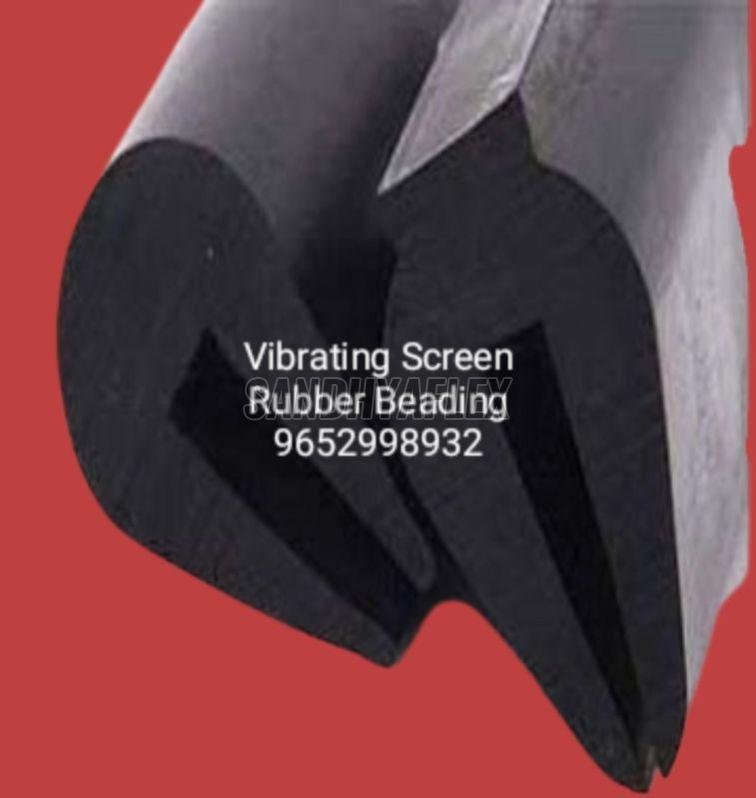
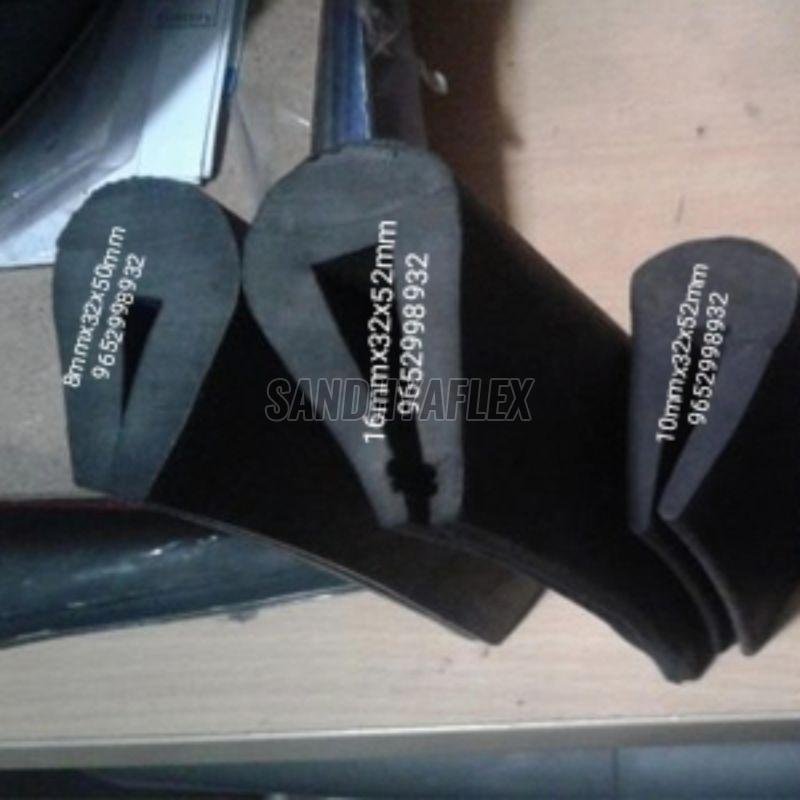
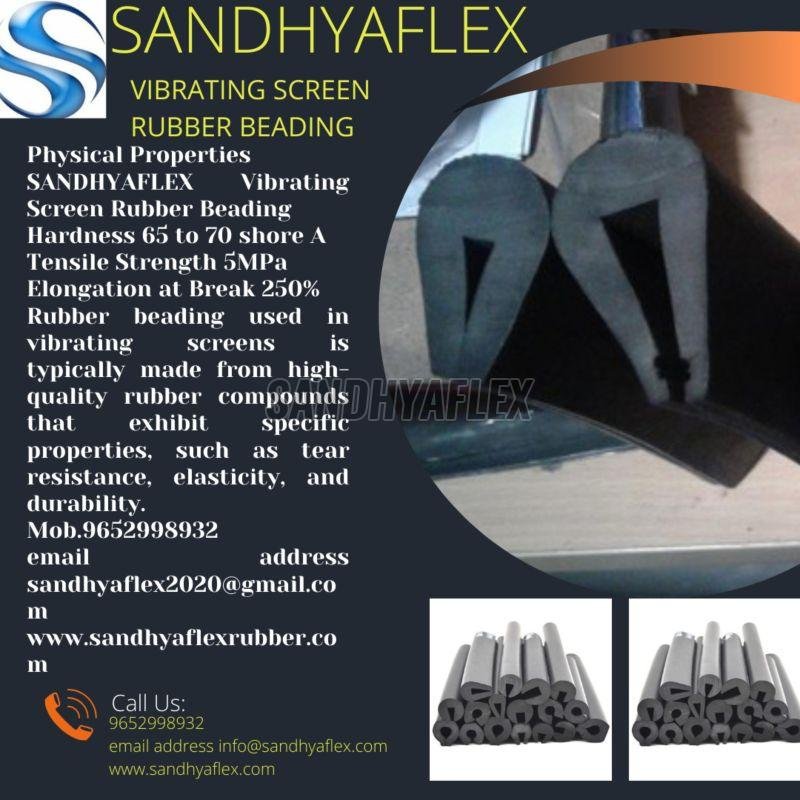
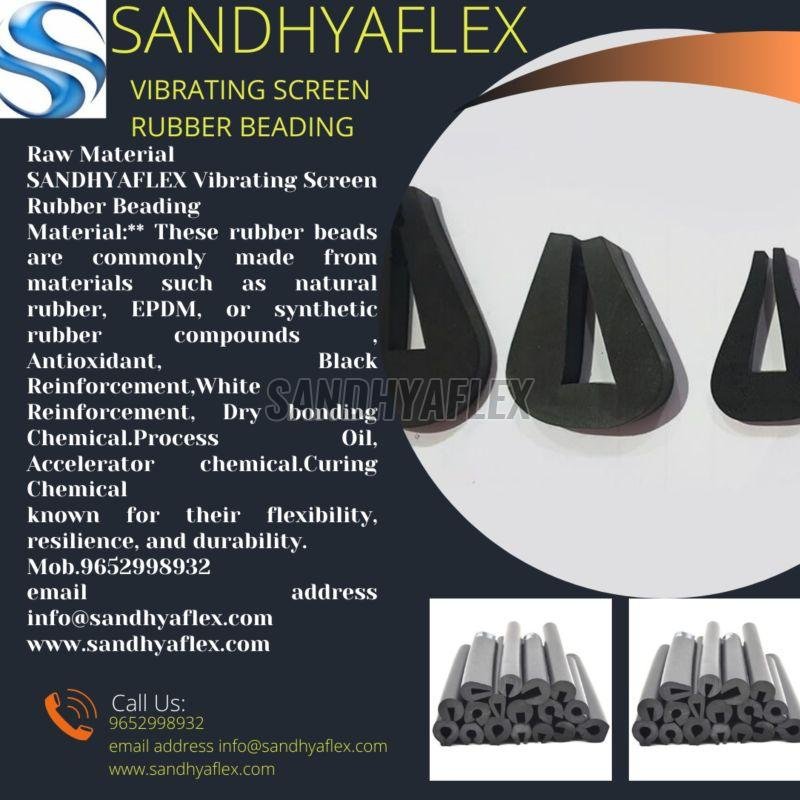
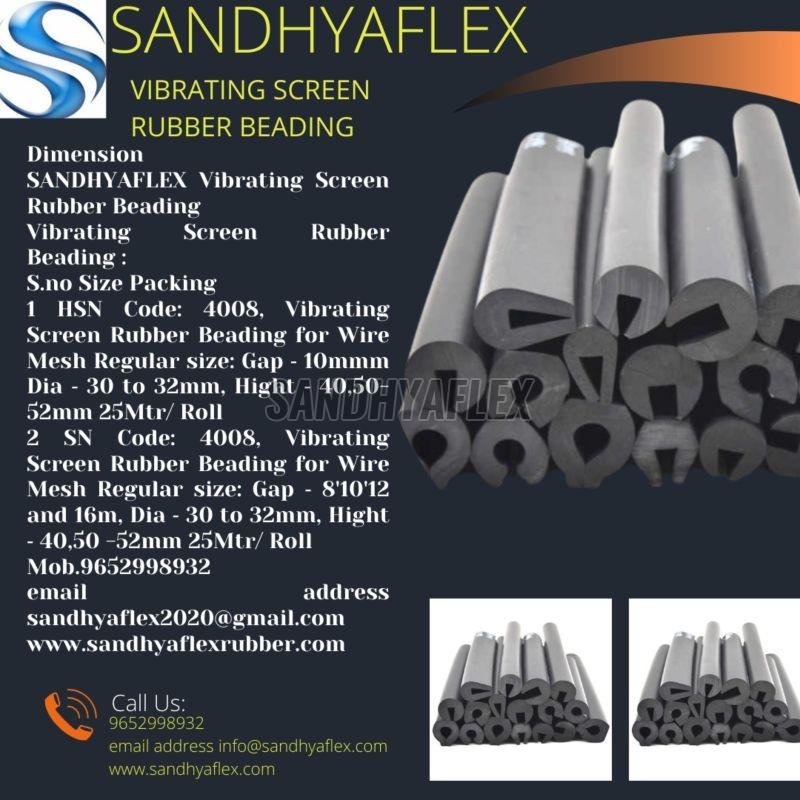
| Application | Vibrating screen rubber beading, also known as screen rubber strip or screen panel sealing strip, is |
| Weight | 36kg |
| Total Carbohydrate | 6Month |
| Country of Origin | India |
| Port | mumbai |
| Delivery Time | 2 to 7 days |
| Packaging Details | packing with HDPE Cover |
The use of rubber beading in vibrating screens offers several advantages that contribute to the efficiency, longevity, and functionality of the screening process. Here are the key advantages of vibrating screen rubber beading: 1. **Enhanced Sealing Properties:** Rubber beading acts as a sealant, effectively closing the gaps between screen panels or mats. This sealing prevents material leakage, ensuring that the screened material remains within the designated screening area without spillage. 2. **Reduced Material Bypass:** By securely fitting onto the edges of screen panels, the rubber beading prevents material from bypassing the screening surface. This ensures that the screened material is thoroughly processed without allowing undersized particles or fines to escape. 3. **Minimized Wear and Tear:** The use of rubber beading helps protect the edges of screen panels from abrasion and damage caused by constant movement and contact. This minimizes wear and tear on the screen components, prolonging the lifespan of the vibrating screen. 4. **Vibration Damping:** Rubber beading absorbs vibrations generated during the screening process. This damping effect reduces excessive vibrations, leading to smoother operation of the vibrating screen and reducing stress on the equipment, thus enhancing its durability. 5. **Noise Reduction:** The absorption of vibrations by rubber beading also contributes to reducing noise levels produced by the vibrating screen. This is beneficial in creating a quieter working environment, improving comfort for workers and meeting noise regulations. 6. **Easy Installation and Replacement:** Rubber beading is designed for easy installation, fitting snugly onto the edges of screen panels. This facilitates quick installation and replacement when necessary, reducing downtime during maintenance or replacement. 7. **Customization and Compatibility:** Available in various profiles and sizes, rubber beading can be customized to fit different types of screen decks and panel configurations. It is compatible with a wide range of vibrating screen models used in various industries. 8. **Weather and Chemical Resistance:** The rubber material used in vibrating screen beading is often resistant to weathering, oils, chemicals, and other harsh substances commonly encountered in industrial environments. This ensures its integrity and functionality over time. 9. **Improved Screening Efficiency:** Properly installed rubber beading ensures a tighter seal, reducing the risk of material spillage and enhancing the efficiency and accuracy of the screening process by maintaining a consistent screening surface. 10. **Cost-Effectiveness:** By prolonging the lifespan of the vibrating screen components, minimizing maintenance needs, and preventing material loss, rubber beading offers a cost-effective solution for improving the overall efficiency of the screening operation. These advantages collectively make vibrating screen rubber beading an essential and beneficial component in ensuring effective and efficient screening processes across various industrial applications.Vibrating screen rubber beading, also known as screen rubber strip or screen panel sealing strip, is a specialized rubber component used in vibrating screens to provide a tight seal between the screen panels and the frame. Here are its uses and applications: 1. **Screen Panel Sealing**: Vibrating screen rubber beading is primarily used to seal the gaps between individual screen panels and the supporting frame. This sealing ensures that no material leaks or spills around the edges of the screen, maintaining efficiency in the screening process. 2. **Material Classification**: In industries such as mining, aggregate processing, construction, and recycling, vibrating screens are used to classify and separate materials of different sizes. Rubber beading helps ensure that the screening process is precise by preventing undersized or oversized particles from by
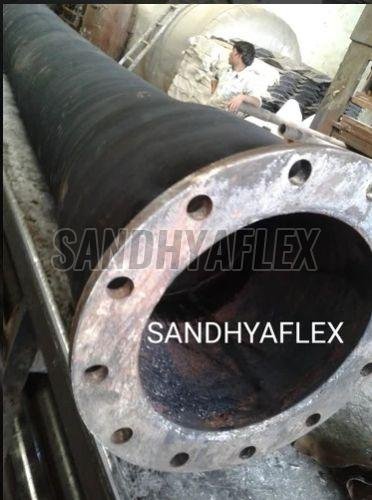
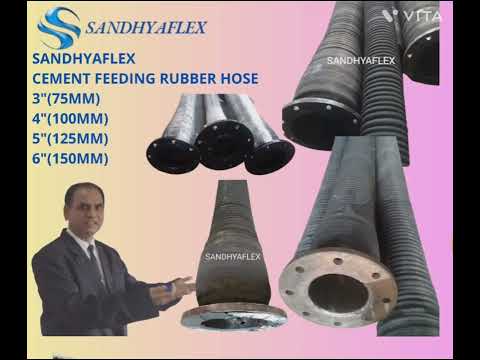
| Business Type | Manufacturer, Exporter, Supplier |
| Usage | Industrial Use |
| Pressure | 10-15kgs |
| Brand Name | sandhyaflex |
| Material | Rubber |
| Finishing | Polished |
| Shape | Round |
| Hardness | 55 To 60 Shore A |
| Unit Length | 3-15 m |
| Temperature | -10 to 100 Degree C |
| Thickness | 12 to 15mm |
| Weight | 120kg/Mtr |
| I Deal In | New Only |
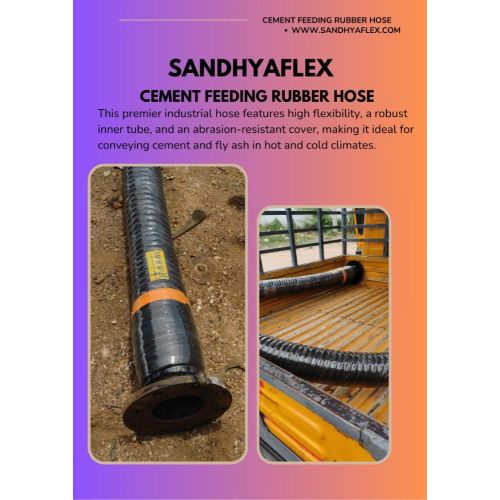
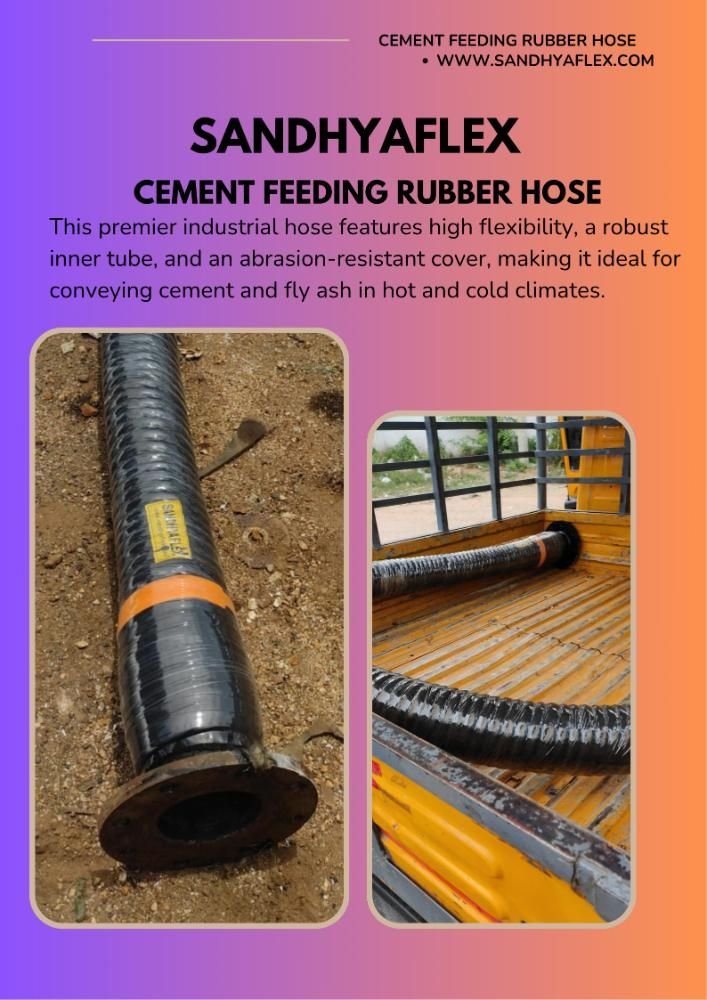
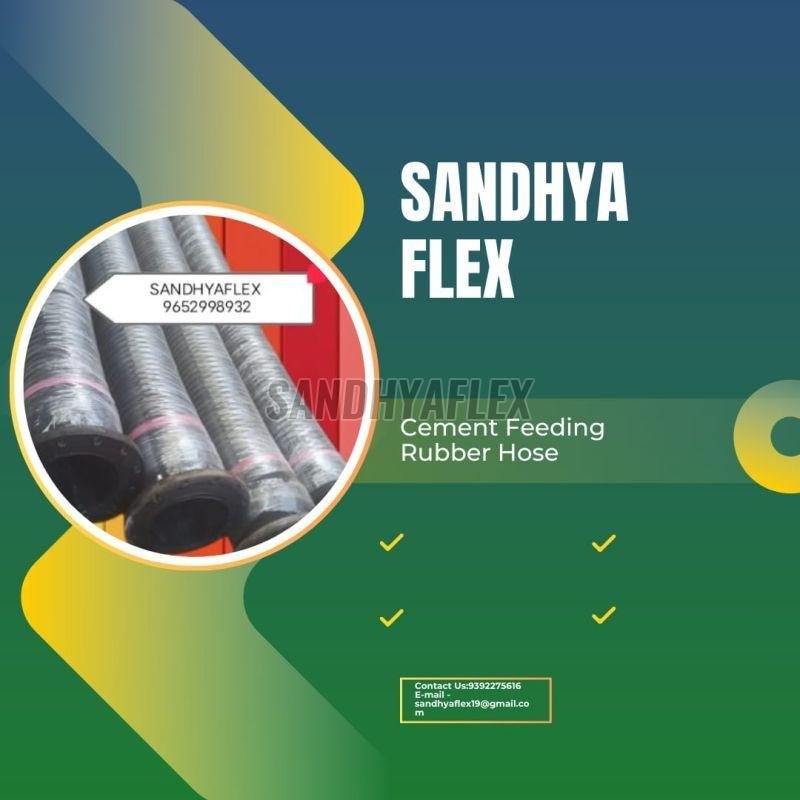
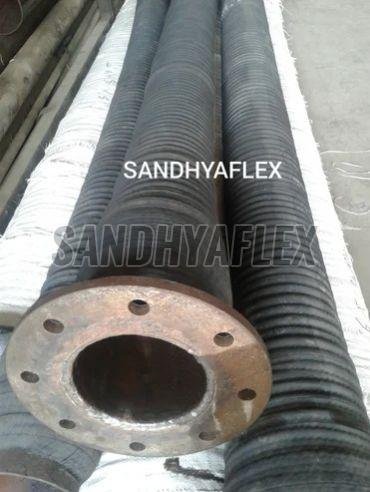
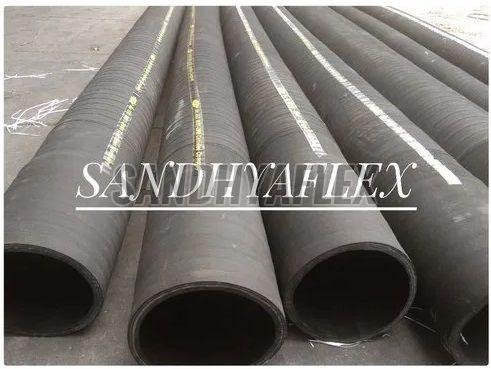
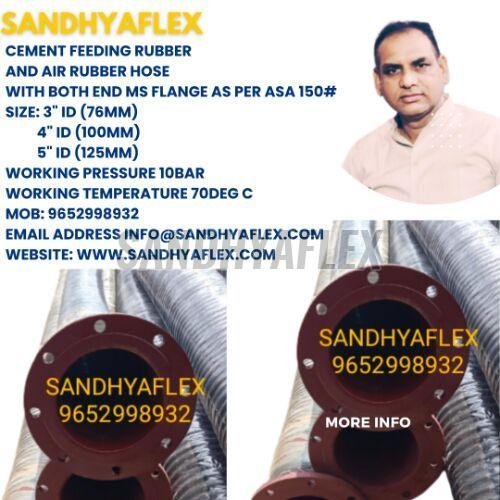
| Product Code | Cement Feeding Rubber Hose |
| Port | Mumbai |
| Payment Terms | D/A |
| Delivery Time | 5-7days |
\\n
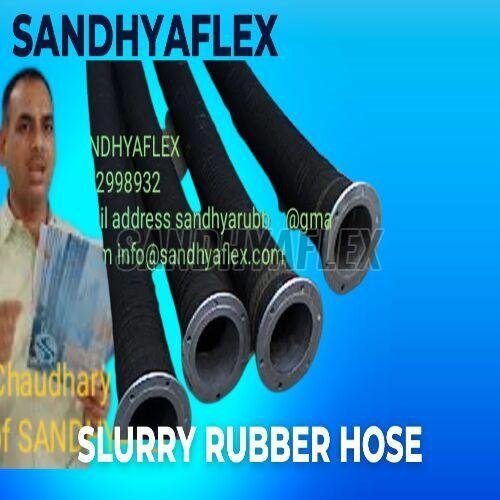
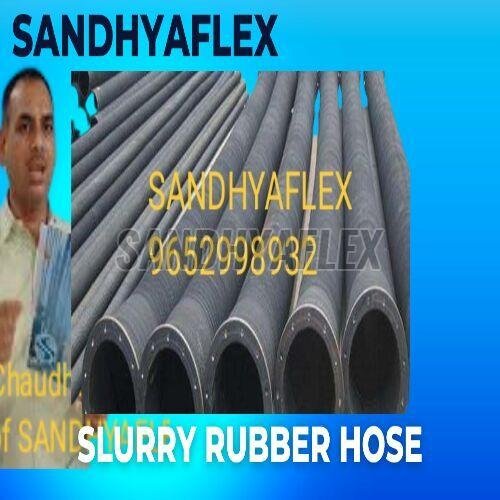
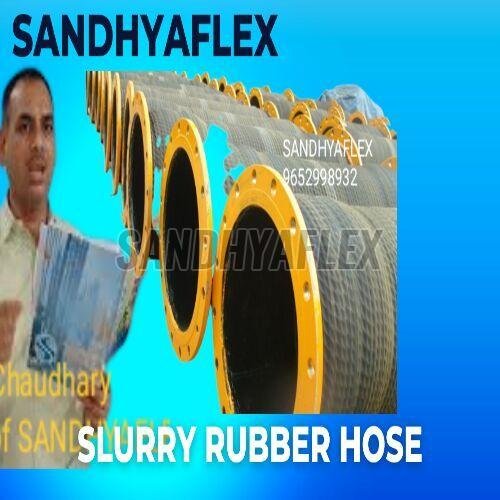
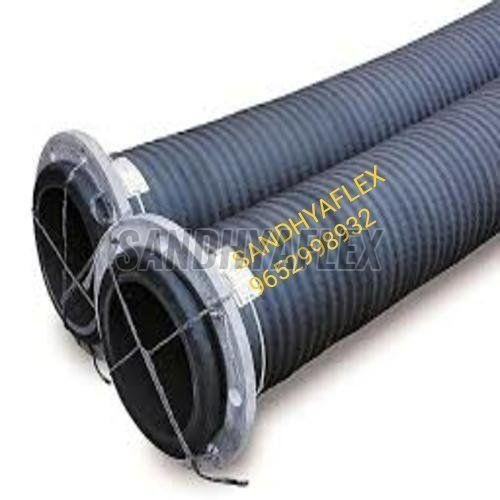
A slurry rubber hose is a type of hose specifically designed to transport abrasive and thick fluids, known as slurries, in industries like mining, construction, or wastewater treatment. Slurries typically consist of a mixture of water and solid particles, such as sand, gravel, or other sediments.
\\nFeatures of Slurry Rubber Hoses:- \\n
- \\n
Durability: These hoses are made from high-quality rubber compounds that provide excellent resistance to abrasion, wear, and impact. This makes them ideal for moving slurries, which can be harsh and abrasive.
\\n \\n - \\n
Flexibility: Slurry rubber hoses maintain flexibility even under harsh working conditions, allowing for easy installation and movement in tight spaces.
\\n \\n - \\n
High Pressure Resistance: Slurry hoses are designed to withstand high-pressure environments, which is crucial in many slurry transfer applications.
\\n \\n - \\n
Reinforced Construction: They often have multiple layers of reinforcement, such as fabric or steel wire, to enhance strength and prevent collapse under pressure.
\\n \\n - \\n
Chemical Resistance: Depending on the materials used in the hose, slurry rubber hoses can be resistant to a wide range of chemicals that may be present in the slurry mix.
\\n \\n
- \\n
- Mining and Mineral Processing: Transporting minerals, ores, and other solids suspended in water. \\n
- Construction: Pumping concrete or other thick mixtures. \\n
- Wastewater Treatment: Moving slurry-like waste materials in various stages of treatment. \\n
- Agriculture: Transporting slurry materials like manure or liquid fertilizers. \\n
Would you like more specific information on a certain type or manufacturer of slurry rubber hoses?
\\n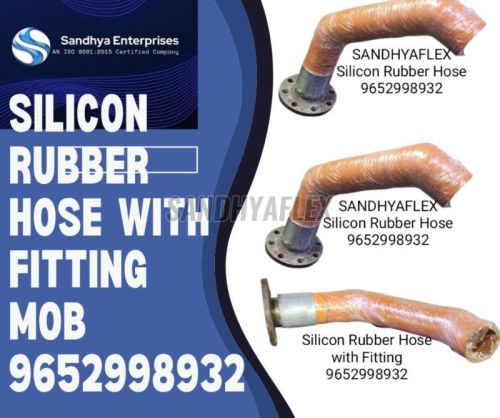
| Business Type | Manufacturer, Exporter, Supplier |
| Brand Name | Tuder Technica |
| Material | Stainless Steel |
| Finishing | Coated |
| Shape | Round |
| Pressure | Medium |
| Usage | Industrial Use |
| Certification | ISO 9001:2008 |
| Size (Inches) | Hey! Could you clarify what you mean by "size"? Are you asking about: - Clothing or shoe size? - File size (like for images, documents, etc.)? - Physical dimensions of an object? - Something else ent |
| Payment Terms | D/A, T/T |
| Delivery Time | 7to 15days |
| Packaging Details | Got it! Could you tell me a bit more about the brand or product you're working on? That way, I can help you with packaging details that match the vibe, purpose, and audience. A few things that would be helpful to know: - What type of product is it? (e.g., skincare, snacks, tech gadgets) - Who’s the target audience? - What’s the brand personality or style? (e.g., minimal, luxury, eco-friendly, playful) - Any specific packaging formats you’re considering? (e.g., box, pouch, bottle, jar) Once I have those, I can give you detailed suggestions for packaging design, materials, labeling, and more. |
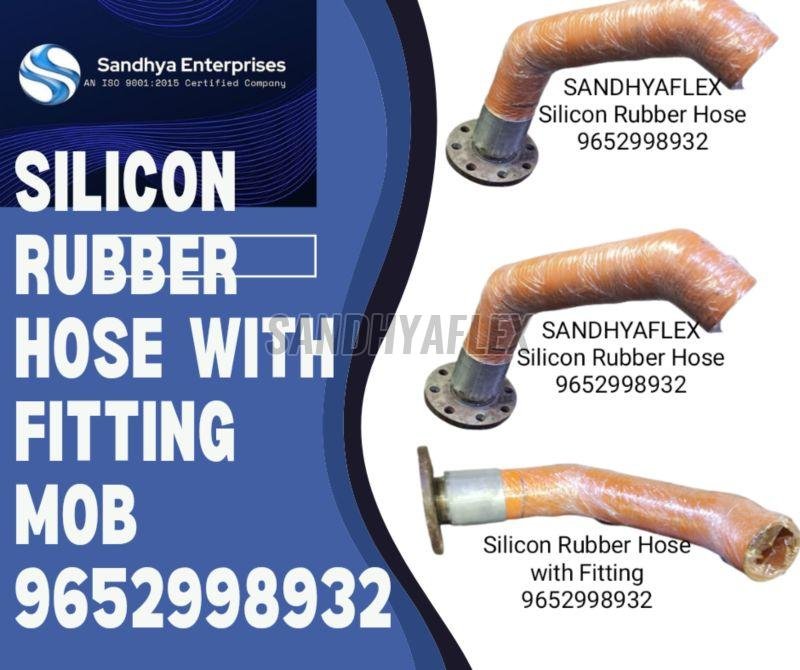
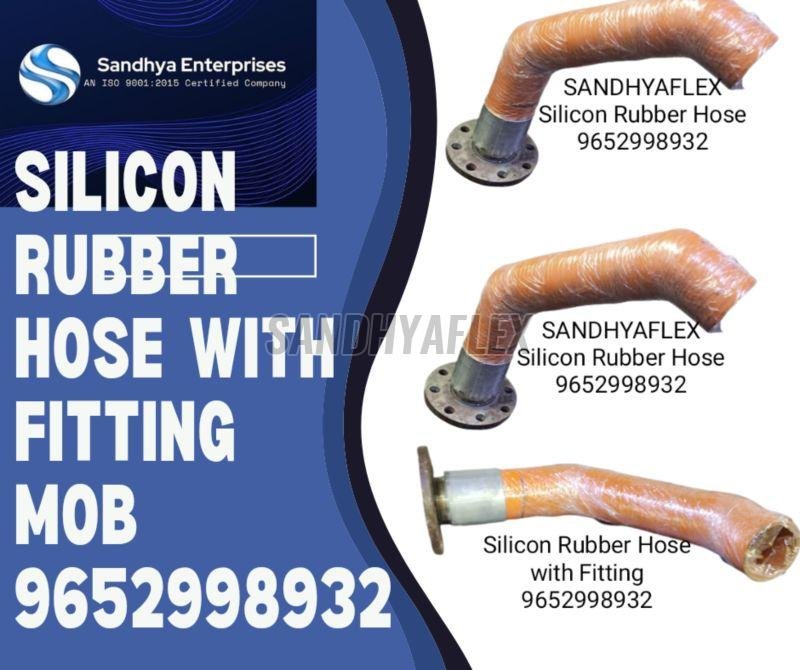
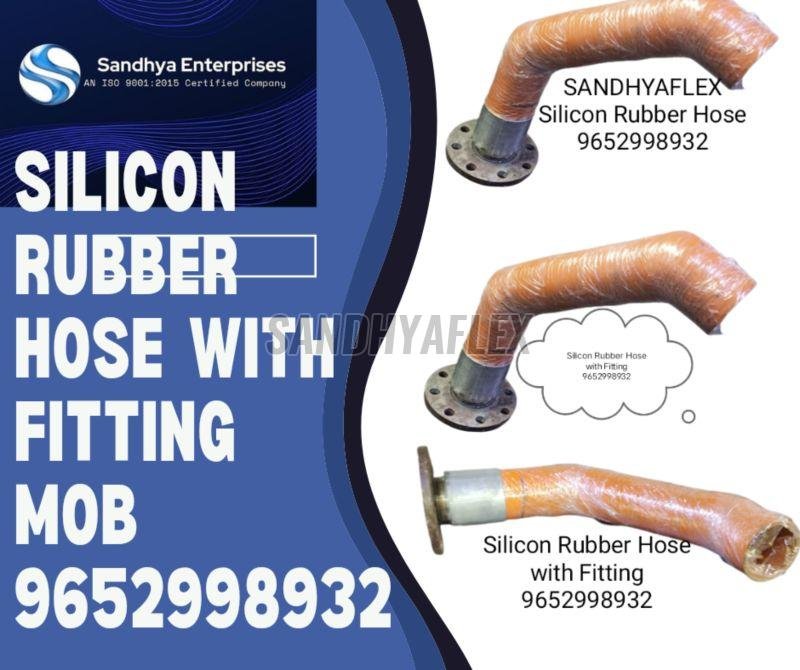
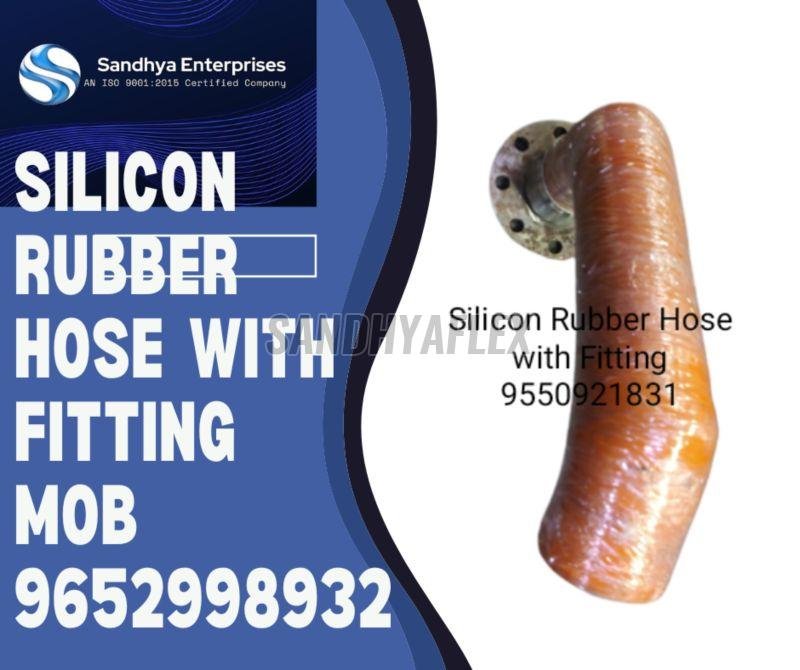
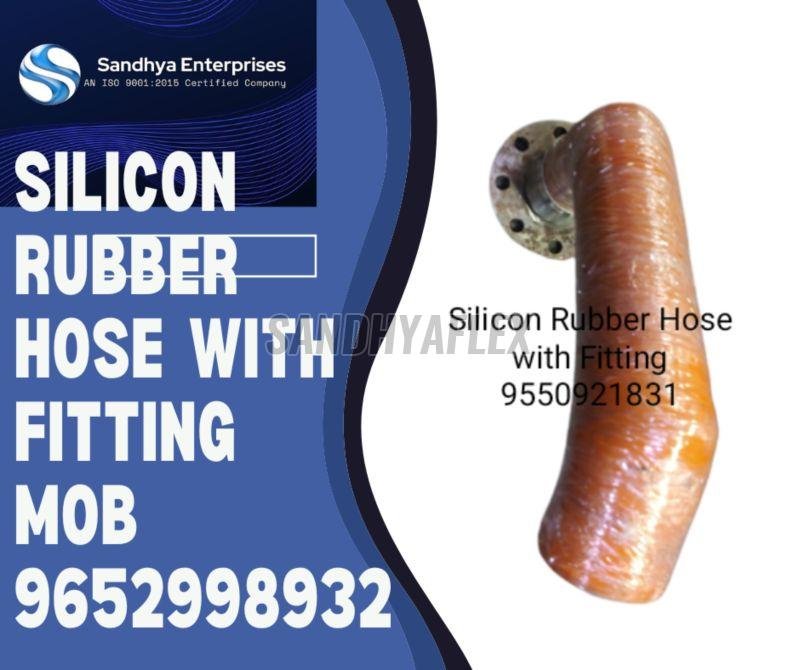
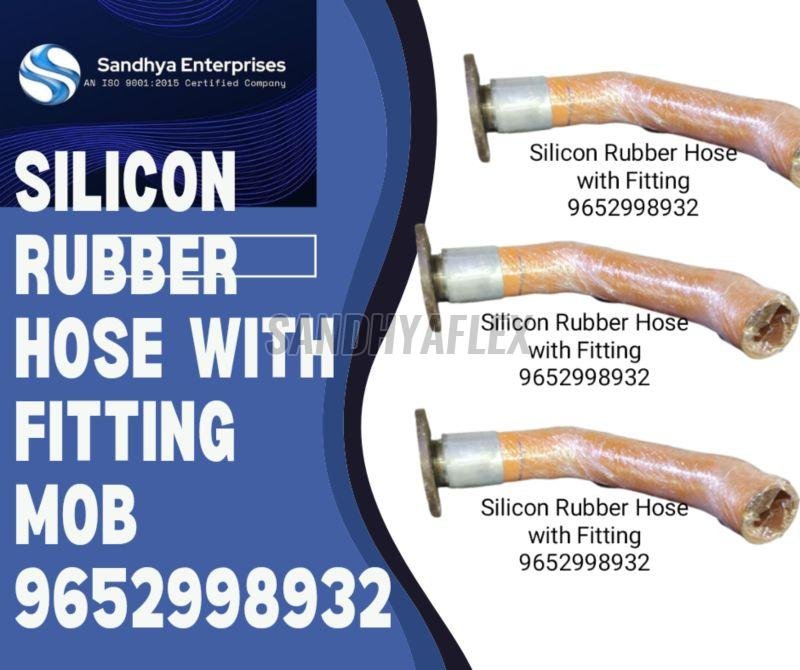
Silicone rubber hoses, often referred to as silicone hoses, are flexible tubing or pipes made from silicone rubber material. Silicone rubber is a synthetic elastomer known for its excellent temperature resistance, flexibility, and resistance to a wide range of chemicals and fluids. Silicone hoses are commonly used in various industries and applications where these properties are advantageous. Here are some key features and uses of silicone rubber hoses:
\r\n\r\n
**Key Features:**
\r\n\r\n
1. **Material:** Silicone rubber hoses are made from high-quality silicone rubber compounds. Silicone rubber offers exceptional temperature resistance, with the ability to withstand both high and low temperatures, making it suitable for extreme environments.
\r\n\r\n
2. **Flexibility:** Silicone hoses are highly flexible and maintain their flexibility even at low temperatures. This flexibility allows for easy installation and routing in complex systems.
\r\n\r\n
3. **Chemical Resistance:** Silicone rubber is generally resistant to a wide range of chemicals, including acids, bases, and many solvents. This chemical resistance makes silicone hoses suitable for various applications in different industries.
\r\n\r\n
4. **Non-Toxic and FDA-Approved:** Silicone rubber is non-toxic, odorless, and tasteless, making it suitable for use in food and beverage applications. Many silicone hoses are FDA-approved for food-grade applications.
\r\n\r\n
5. **Electrical Insulation:** Silicone rubber has excellent electrical insulation properties, making it suitable for applications where electrical isolation is required.
\r\n\r\n
6. **UV and Weather Resistance:** Silicone hoses are resistant to UV radiation and weathering, making them suitable for outdoor and exposed applications.
\r\n\r\n
7. **Transparency:** Some silicone hoses are transparent or translucent, allowing for visual inspection of the fluid flow.
\r\n\r\n
8. **Smooth Inner Surface:** Silicone hoses often have a smooth inner surface, which reduces flow resistance and minimizes the risk of particulate buildup.
\r\n\r\n
**Uses:**
\r\n\r\n
Silicone rubber hoses find applications in various industries and settings, including:
\r\n\r\n
1. **Automotive:** They are used for coolant and radiator hoses, turbocharger hoses, intake and exhaust systems, and vacuum lines in vehicles.
\r\n\r\n
2. **Medical and Pharmaceutical:** Silicone hoses are used in medical equipment, pharmaceutical processing, and healthcare applications due to their non-toxic and biocompatible properties.
\r\n\r\n
3. **Food and Beverage:** Silicone hoses are commonly used in the food and beverage industry for transferring liquids, syrups, and other consumable products.
\r\n\r\n
4. **Industrial and Chemical Processing:** They are used in industrial processes that involve the transfer of chemicals, acids, and corrosive fluids.
\r\n\r\n
5. **Aerospace:** Silicone hoses are used in aircraft and spacecraft systems due to their temperature resistance and durability.
\r\n\r\n
6. **Laboratory and Scientific:** Silicone hoses are used in laboratories and scientific research settings for various fluid-handling tasks.
\r\n\r\n
7. **Electronics and Electrical:** They find applications in electrical and electronic equipment as insulating and cooling components.
\r\n\r\n
8. **Marine:** Silicone hoses are used in marine applications for cooling systems, engine ventilation, and other fluid transfer tasks.
\r\n\r\n
Proper selection and installation of silicone hoses are essential for ensuring their long-term performance in specific applications. When selecting silicone hoses, it\\\'s important to consider factors such as temperature requirements, chemical compatibility, and pressure ratings to meet the needs of the intended application. Regular inspection and maintenance are also recommended to ensure the hoses remain in good condition and perform reliably over time.
| Business Type | Manufacturer, Exporter, Supplier, Retailer |
| Country of Origin | India |
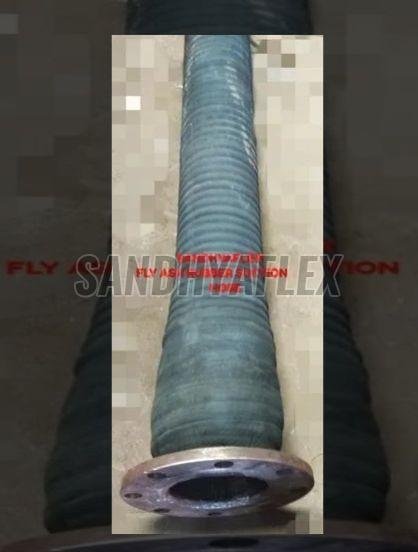
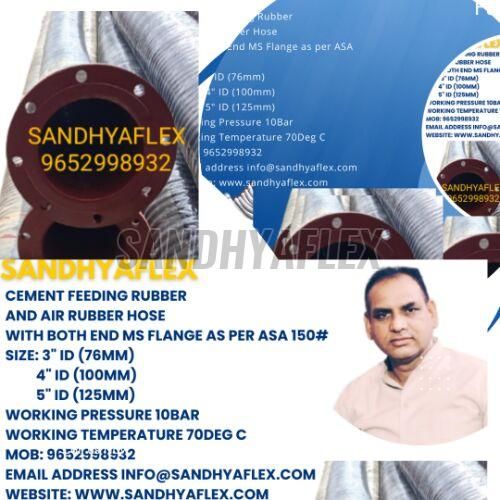
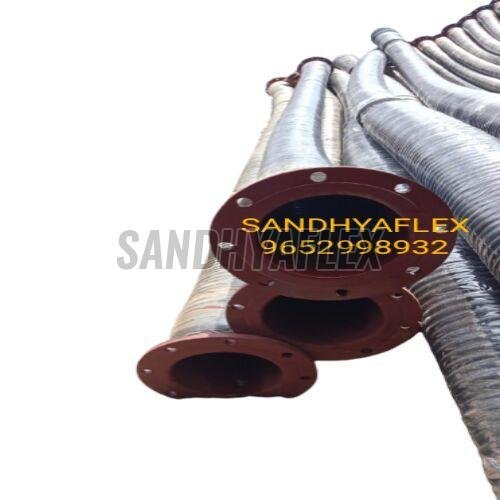
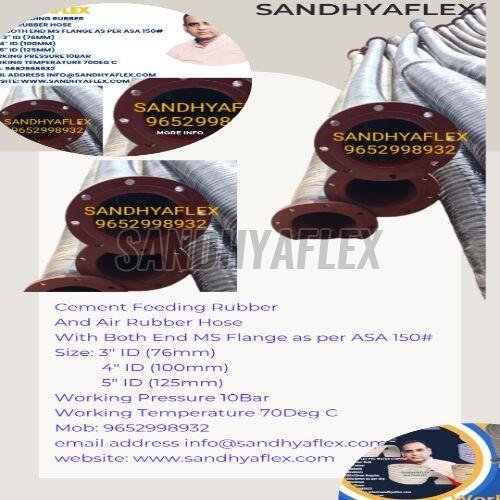
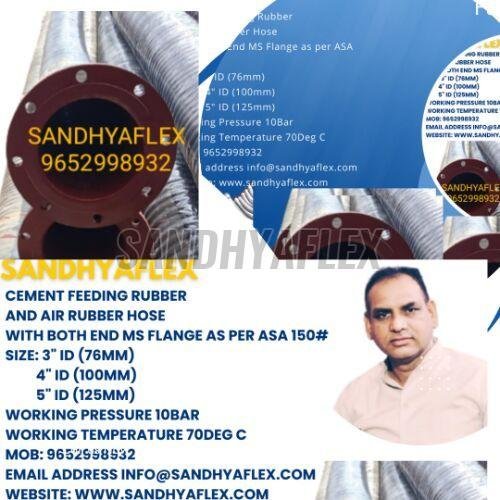
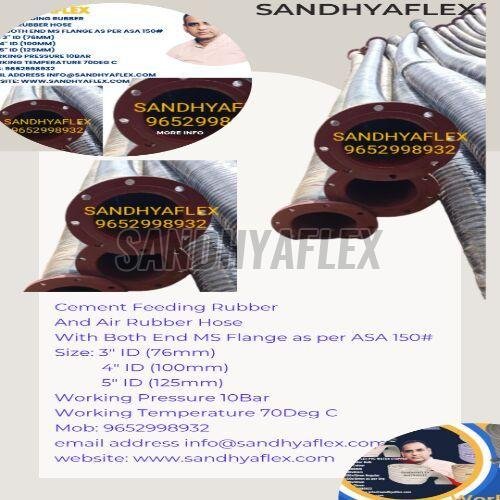
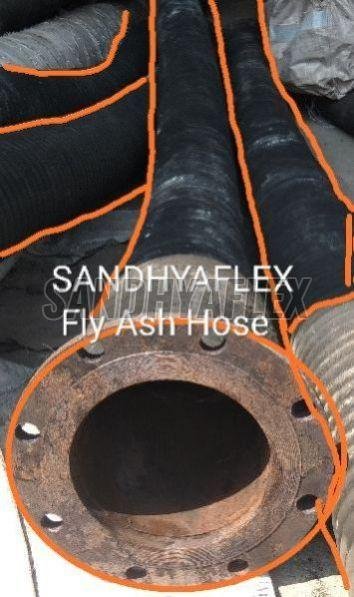
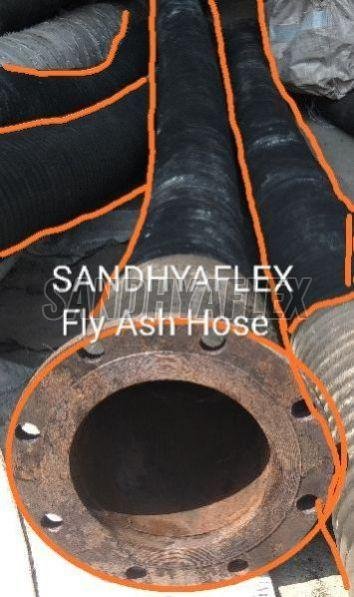
Sandhya Enterprises Manufacturer and Supplier of Silo Fly Ash Rubber Suction Hose. size:3" ID to 16" lenght'15Mtr max. Sandhya Enterprises run by Mithilesh Chaudhary having 20 years experience in various company. Rubber Suction Hose, Rubber Textile Braided Hose, Rubber Drege Delivery Hose.
| Business Type | Manufacturer, Exporter, Supplier, Retailer |
| Country of Origin | India |
| Slurry Rubber Hose | 1200 to 6000 |
| Product Code | SRH |
| Payment Terms | T/T |
| Delivery Time | 7 to 10days |
| Packaging Details | Packing in Coil Sytem |
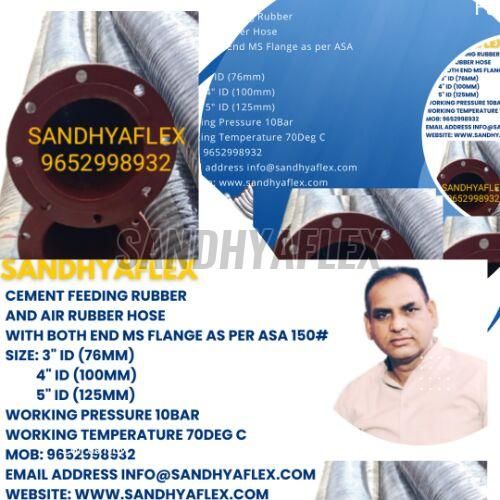
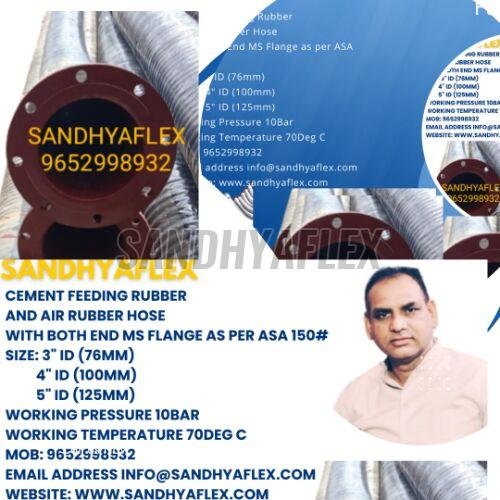
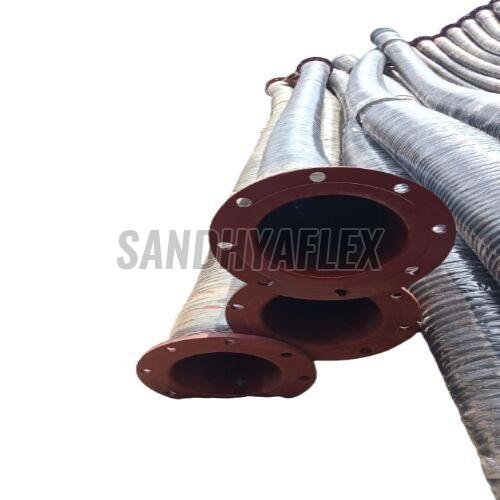
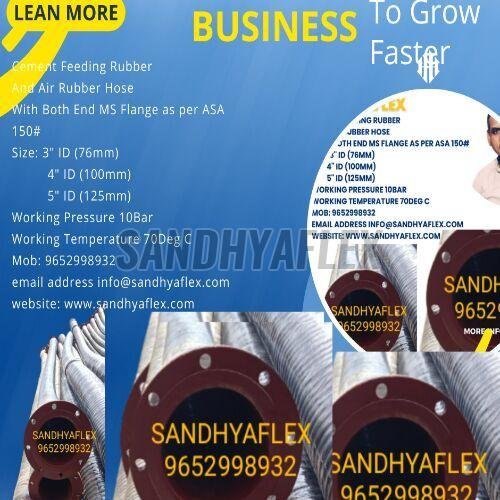
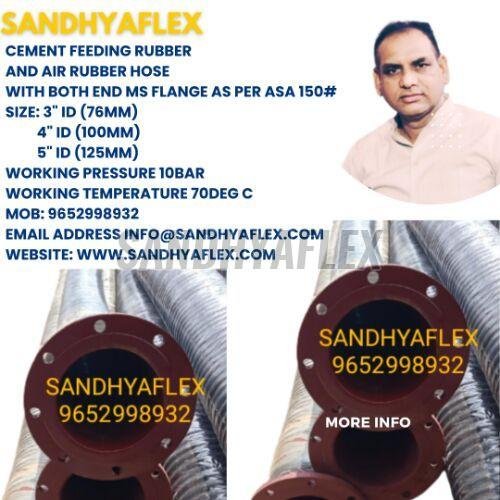
ubber Hose for Cement Grouting MEETS IS : 5137 W.P. 10kgfcm2 MIN. B.P. 40 kgfcm2 25.0 31.0 38.0 50.0 63.0 75.0 Tube : Highly abrasion resistant soft natural rubber compound. Reinforcement : WovenBraided or spirally wound textile of high strength synthetic fibres. Electrical bonding : low resistant electrical bonding wire in-corporated between the reinforcement plies to pro vide electrical continuity along the whole length of the hose. Cover : Cloth marked finish cover, resistant to weather and abrasion. Used for cement Grouting at irrigations projects, buildings sites, bridges etc. Service Temp. Range : -400 F to + 1580 F.
| Business Type | Manufacturer, Exporter, Supplier, Retailer |
| Country of Origin | India |
| Brand Name | SANDHYAFLEX |
| SLRRY & MUD RUBBER SUCTION HOSE | 50000 |
| Product Code | S&MRSH |
| Port | kakinada |
| Payment Terms | T/T |
| Delivery Time | 7 to 15 days |
| Packaging Details | Packing with HDPE COVER. PACKING IN STRAIGHT upto 5Mtr and Paking in Coil above 5Mtr |
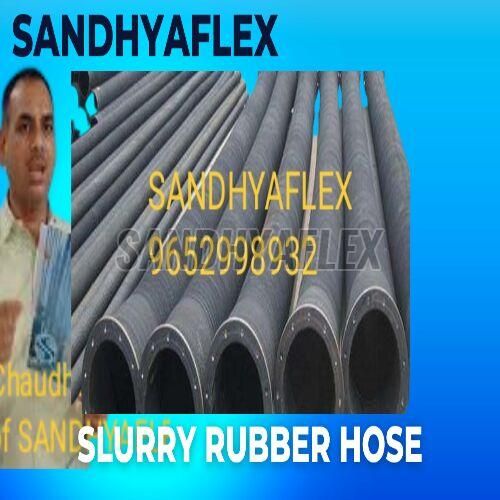
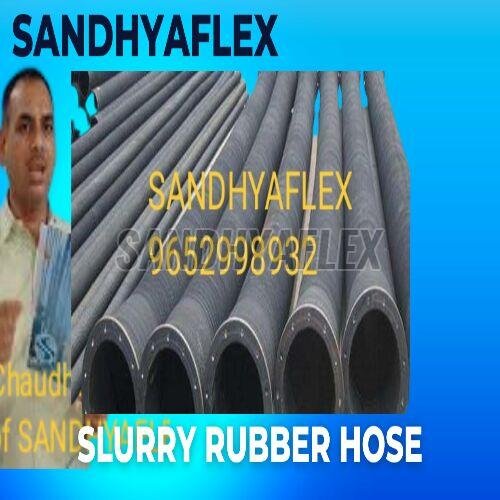
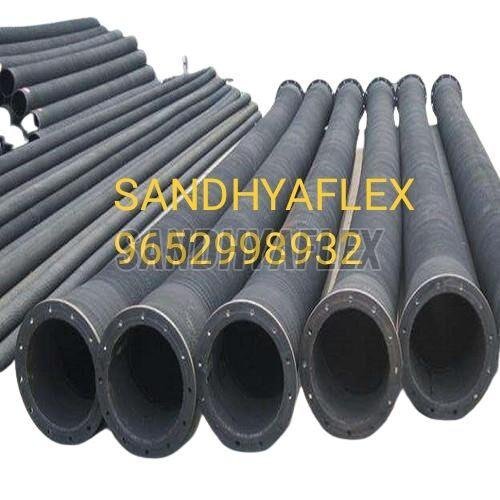
Rubber hose for cement grouting meets is : 5137 w.p. 10kgfcm2 min. B.p. 40 kgfcm2 25.0 31.0 38.0 50.0 63.0 75.0 tube : highly abrasion resistant soft natural rubber compound. Reinforcement : wovenbraided or spirally wound textile of high strength synthetic fibres. Electrical bonding : low resistant electrical bonding wire in-corporated between the reinforcement plies to pro vide electrical continuity along the whole length of the hose. Cover : cloth marked finish cover, resistant to weather and abrasion. Used for cement grouting at irrigations projects, buildings sites, bridges etc. Service temp. Range : -400 f to + 1580 f. Application: tank, truck, bulker loadingunloading or in-plant transfer of suction or discharge of abrasive materials. Construction lining : uniform seamless tube of natural and synthetic blend rubber compound with excellent resistance to abrasion. Reinforcement : reinforcement of rubber impregnated woven textile applied on bias at approx.45 degree angle combination with galvanized steel wire cover : corrugatedplain cloth marked outer cover made from natural rubber compound with excellent weather and abrasion resistant.
| Business Type | Manufacturer, Exporter, Supplier, Retailer |
| Country of Origin | India |
| Material | Rubber Hose |
| Shape | Round |
| Thickness | 8mm to 25mm |
| Length | 15Mtr Max |
| Technics | 8mm to 25mm |
| Slurry Rubber Hose | 1200 to 6000 |
| Product Code | SRH |
| Payment Terms | T/T |
| Delivery Time | 7 to 15 days |
| Packaging Details | Packing in Coil System |
Ubber hose for slurry rubber hose meets is : 5137 w.p. 10kgfcm2 min. B.p. 40 kgfcm2 25.0 31.0 38.0 50.0 63.0 75.0 tube : highly abrasion resistant soft natural rubber compound. Reinforcement : wovenbraided or spirally wound textile of high strength synthetic fibres. Electrical bonding : low resistant electrical bonding wire in-corporated between the reinforcement plies to pro vide electrical continuity along the whole length of the hose. Cover : cloth marked finish cover, resistant to weather and abrasion. Used for cement grouting at irrigations projects, buildings sites, bridges etc. Service temp. Range : -400 f to + 1580 f.
| Business Type | Manufacturer, Exporter, Supplier |
| Tensile Strength | 14MPa |
| Steam Thickness | 19mm |
| Size (Inches) | 45mm Diax 160x19mm |
| Material | Nitrile Rubber (NBR) |
| Country of Origin | India |
| Diameter | 45mm |
| Temperature Range | 70 deg C |
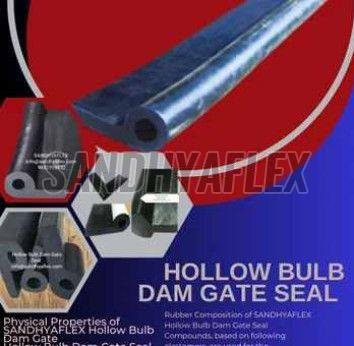
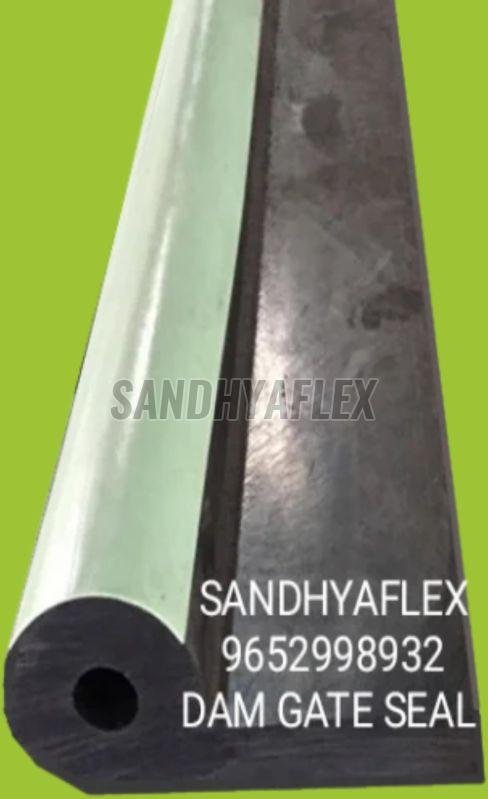
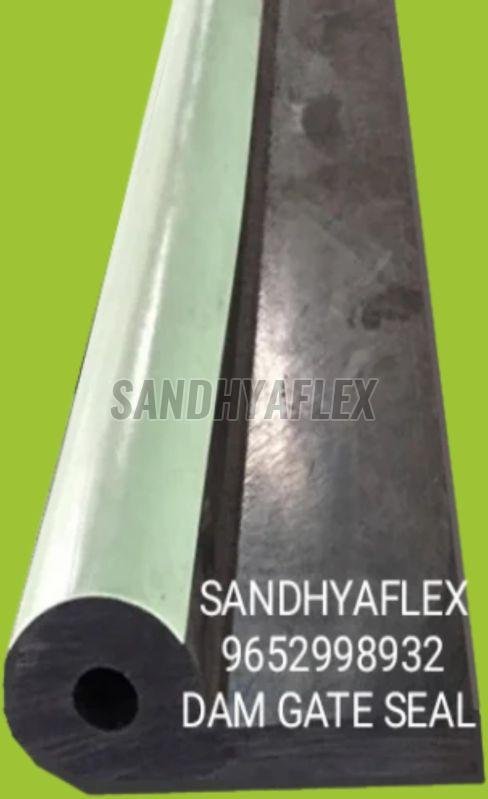
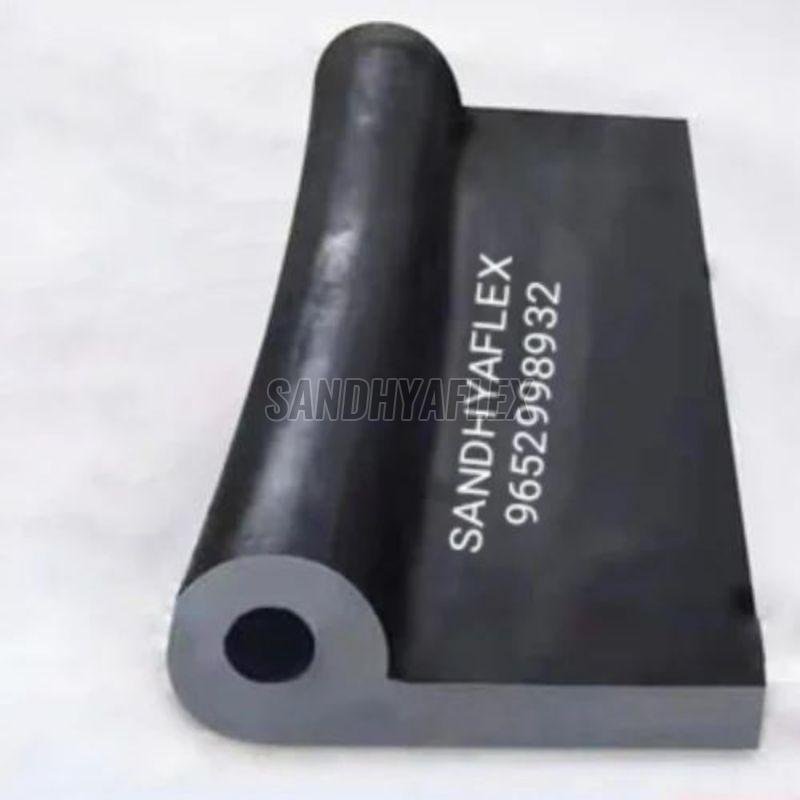
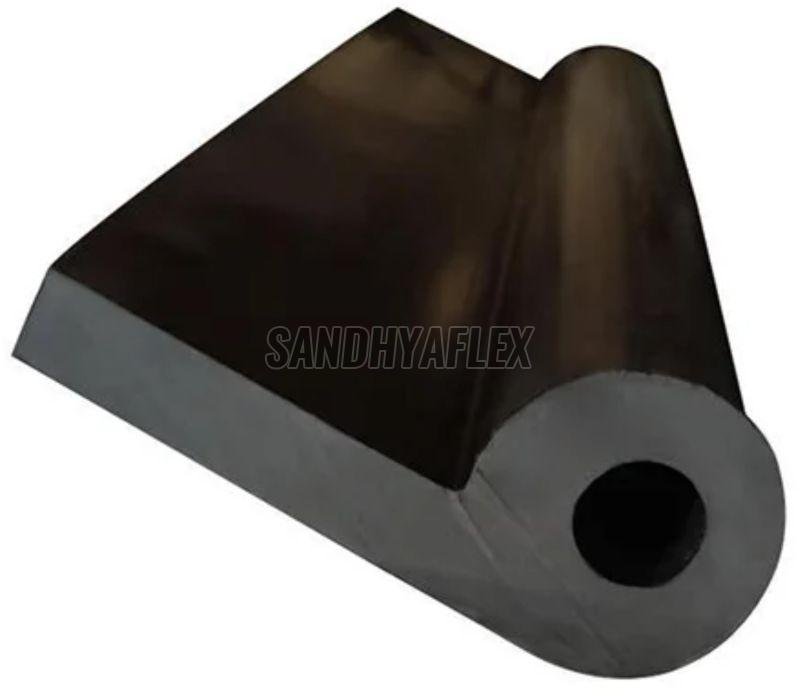
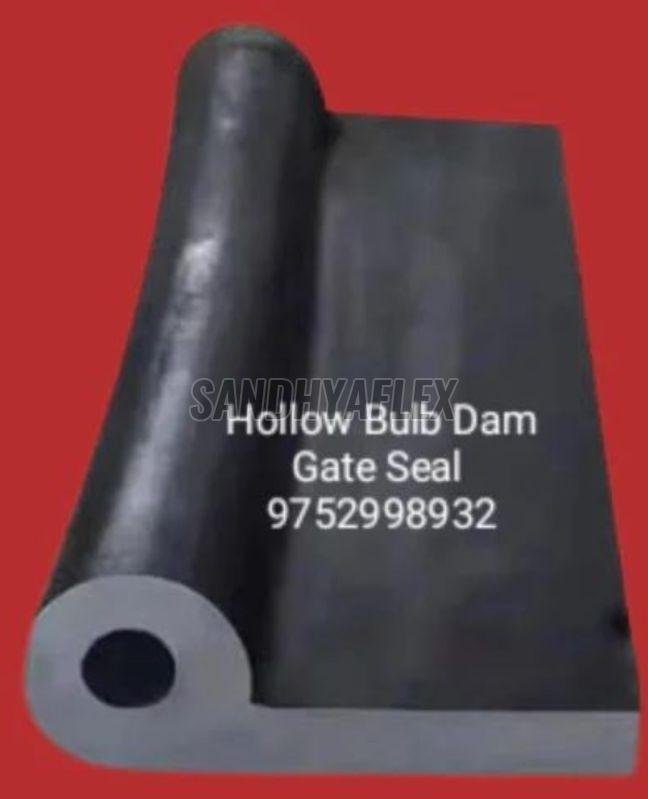
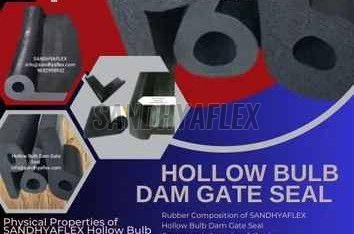
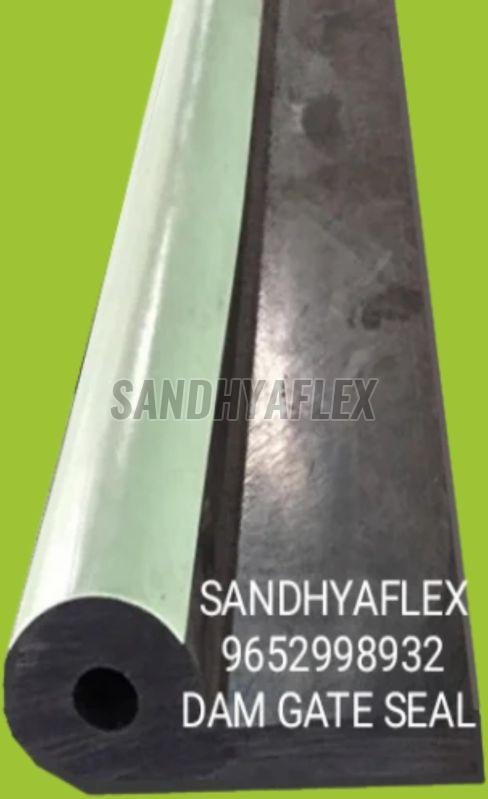
A **19mm Stem Thickness Hollow Bulb Dam Gate Seal** is a specific type of hollow bulb seal used in dam gates, characterized by a stem (the part that attaches to the gate structure) that is 19 millimeters thick. This seal is designed to provide a watertight barrier by compressing when the gate is closed, preventing water from leaking through the gate.
### Key Features of a 19mm Stem Thickness Hollow Bulb Dam Gate Seal:
1. **19mm Stem Thickness**: - The "stem thickness" refers to the thickness of the part of the seal that is anchored or attached to the gate or gate frame. A 19mm thickness indicates a relatively robust stem, providing strong attachment and stability for the seal. - The thickness of the stem is crucial as it determines the seal\\\'s durability, attachment security, and ability to handle the forces exerted by the gate and water pressure.
2. **Hollow Bulb Design**: - The seal features a hollow bulb, which is a flexible, cylindrical section that compresses under pressure to create a watertight seal. The hollow bulb is designed to deform when the gate is closed, ensuring that water does not pass through. - The hollow design allows the seal to adapt to irregularities in the gate\\\'s surface, providing consistent sealing performance even in challenging conditions.
3. **Material**: - These seals are typically made from durable, flexible elastomeric materials such as rubber, EPDM, or neoprene. These materials are selected for their ability to resist water, temperature fluctuations, and environmental wear. - The material ensures that the seal maintains its flexibility and sealing capability over time, even with repeated compression and exposure to harsh conditions.
4. **Applications**: - A 19mm Stem Thickness Hollow Bulb Dam Gate Seal is used in various types of dam gates, including spillway gates, sluice gates, and radial gates. The stem thickness makes it suitable for gates that require a strong attachment and where the seal must endure significant water pressure. - It is particularly useful in situations where a durable and secure seal is necessary to prevent water from leaking through the gate when closed.
5. **Performance**: - The 19mm thick stem provides a sturdy anchor for the hollow bulb, ensuring that the seal remains securely in place during gate operation. This is especially important in high-pressure applications where the seal is subjected to substantial forces. - The hollow bulb design ensures effective sealing by compressing to fill gaps and irregularities, maintaining a watertight barrier.
6. **Installation and Maintenance**: - The seal needs to be properly installed to ensure it functions correctly. The stem must be securely attached to the gate or frame, and the hollow bulb must be positioned to compress fully when the gate is closed. - Regular maintenance, including inspections for wear or damage, is necessary to ensure the seal continues to perform effectively. Over time, the seal may need to be replaced if it shows signs of degradation, such as cracking, loss of elasticity, or damage to the stem.
### Benefits:
- **Strong Attachment**: The 19mm stem thickness provides a robust and secure attachment to the gate, ensuring that the seal remains in place even under high pressure.- **Effective Sealing**: The hollow bulb design allows the seal to compress and adapt to the gate\\\'s surface, preventing water from leaking through.- **Durability**: Made from high-quality materials, the seal is designed to withstand environmental stress, including exposure to water, UV radiation, and temperature changes.



| Business Type | Manufacturer, Supplier, Retailer |
| Country of Origin | India |
| Number Of Flower | Strip Seal Expansion Joint |
| Material | Metal |
| Application | Bridge Use |
| Feature | High Strength |
| Thread Size | 3inch |
| Usage/Application | Bridge |
| Operating Temperature | -10 to 100Deg C |
| Range Of Width Provided | 75mm |
| Performance | Optimum |
| Maintenance | Low |
| Color-Grey | 2800 |
| Product Code | SSEJFB |
| Port | kakinada |
| Payment Terms | T/T |
| Delivery Time | 7 days to 15 Days |
| Packaging Details | Packing as per instruction |
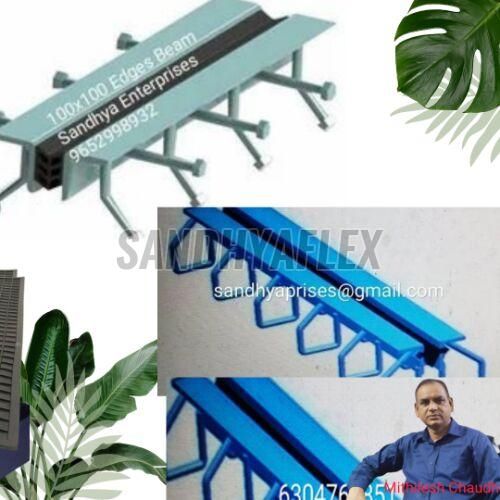
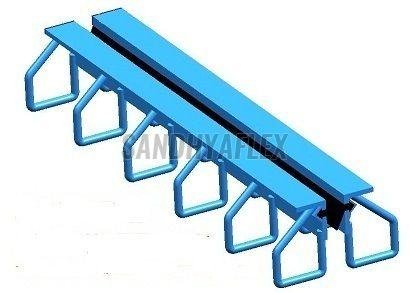
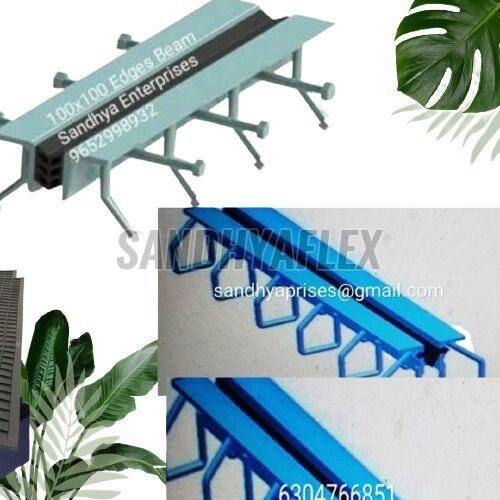
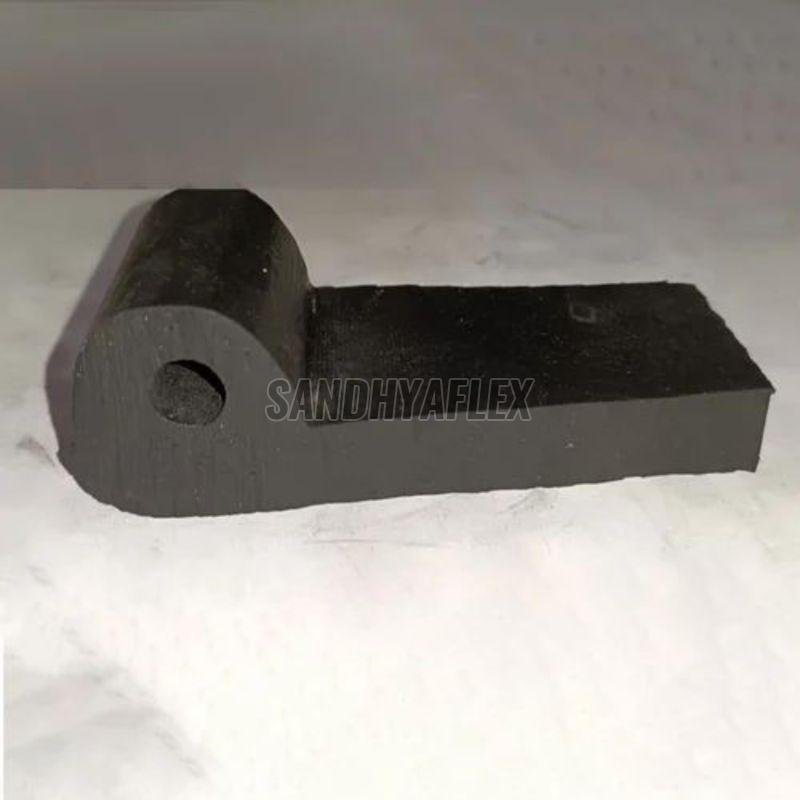
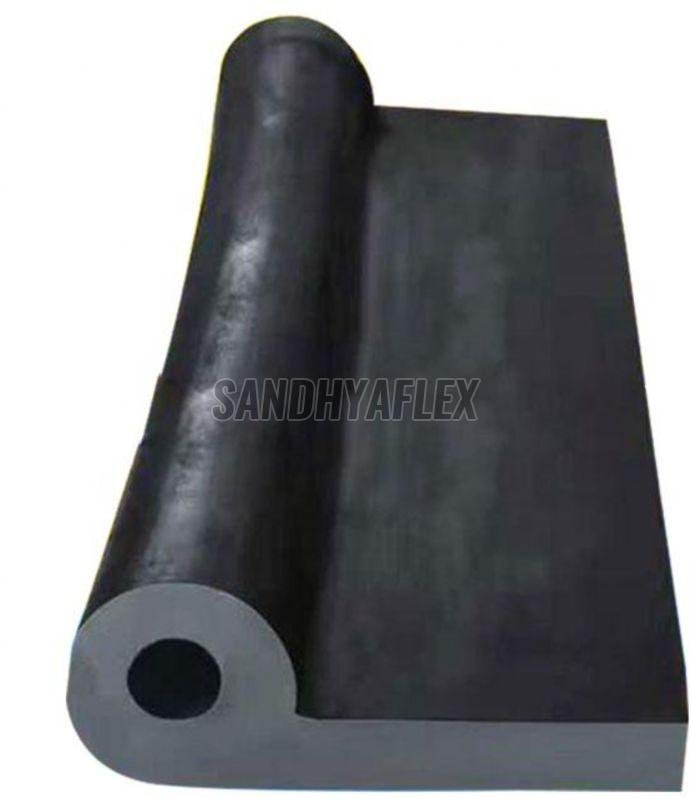
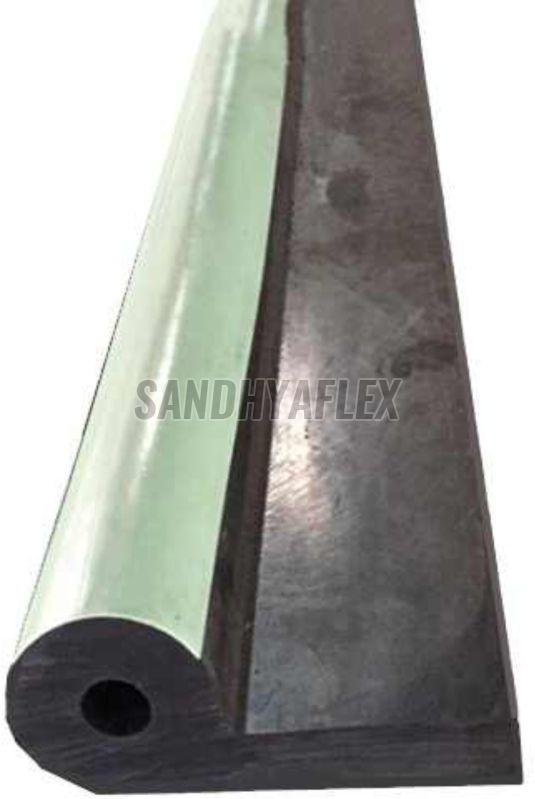
Sandhya Enterprieses manufacturer and Supplier of Strip Seal Expansion Joint as per Customer requirement. The Bridge deck expansion joints is an important element in the functioning of bridge structures. When joints fail to fnction properly they can create problem out of proprtion to their size. Selection of a good joints for use can create fewer bridge maintenance problems there for Indian Ministery of Roads Transport & Highways (MORT& H ) has setup certain guidelines for the Design, Manufacture and Installation of Bridge Expansion Joints in India. Types Of Bridge Expansion Joints we Design, Manufacture, Supply, Replace, Supervision & Installation
Other Details:
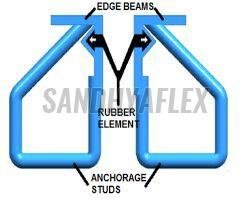
- The Strip Seal system is a unique concept for effectively sealing expansion joints in bridges and structures with movements up to 70 mm.
- Single-Seal Expansion Joints are available in different versions for constructive systems exposed to traffic. In all types of constructive systems there is clear distinction between the two main functions "inflexible anchoring" and "watertight connection". This allows for best possible adjustment of the two components sealing profile and edge construction to the conditions of the traffic road.
| Business Type | Manufacturer, Exporter, Supplier |
| Number Of Flower | Dam Gate Seals |
| Country of Origin | India |
| Brand Name | Mexico |
| Material | Steel |
| Finishing | Polished |
| Material Grade | S316 |
| Shape | D Shape |
| Port | MUMBAI |
| Payment Terms | L/C |
| Delivery Time | 7 to 15 days |
| Packaging Details | Here are the **packaging details** for **Teflon Cladded Hollow Bulb Dam Gate Seals**, which are used in **dam gates**, **sluice gates**, and **hydraulic structures** to provide a **water-tight seal** and prevent water leakage in water control systems: --- ### **Packaging Details: Teflon Cladded Hollow Bulb Dam Gate Seal** --- ### **Product Overview:** * **Product Name:** Teflon Cladded Hollow Bulb Dam Gate Seal * **Material:** The seal consists of a **rubber core** (typically made from **EPDM or other elastomers**) with a **Teflon (PTFE) cladding** to enhance **resilience**, **corrosion resistance**, and **waterproofing**. * **Applications:** Used in **hydraulic engineering**, **dam gates**, **sluice gates**, and **water control structures** to provide a **long-lasting** and **high-performance** seal to prevent leakage and ensure water containment. * **Sizes and Configurations:** Typically available in **custom lengths** and **diameters** to match specific gate designs. Common configurations include **hollow bulb shapes** for compressing and forming an effective seal when under pressure. --- ### **Packaging Configuration:** #### **1. Coiling or Rolling:** * **Hollow Bulb Seals** are typically **rolled or coiled** to reduce space during shipping and prevent **damage** to the bulb shape. * The seals may be rolled into a **cylindrical shape** or **tight coils** and secured using **plastic bands** or **cable ties** to keep the seal intact and prevent it from unrolling. * **Protective layers** such as **plastic film** or **shrink wrap** are used to cover the rolled seal to shield it from **dirt**, **moisture**, or **external damage** during transport. #### **2. Protective Wrapping:** * **Shrink-wrapping** or **plastic film** is often used to **completely encase the coiled seal**, protecting it from moisture, dirt, and UV exposure during transportation and storage. * **Edge Protection**: Foam or rubber padding may be added at the ends of the coiled seal to protect the **Teflon cladding** and the **rubber core** from physical impact or abrasions. * **Foam or Cardboard Inserts** can be placed between the coils of the seal to prevent them from sticking together and to minimize damage. #### **3. Bundling for Larger Orders:** * For **bulk orders**, multiple rolls or coils of **Teflon Cladded Hollow Bulb Dam Gate Seals** may be **bundled together** with **reinforced plastic ties** or **straps** for ease of handling. * Each bundle is then **shrink-wrapped** to provide extra stability during handling and transport. #### **4. Crating (for International Shipments or Sensitive Orders):** * For **export shipments** or when extra protection is required, the coiled seals may be placed into **wooden crates** or **strong cardboard boxes**. * **Crates** are sealed securely to protect the seals from **moisture** or **physical handling damage**. * **Fumigation** may be required for wooden crates to comply with **international shipping standards** (e.g., ISPM-15) to prevent pest contamination. --- ### **Container Loading (Approximate):** * **20-foot container:** * Typically holds **6-8 pallets**, depending on the dimensions and packaging of each seal roll. * **Total weight**: \~ **1,500–2,500 kg**, depending on the length and material of the seal. * **40-foot container:** * Can hold **12-16 pallets** of coiled Teflon cladded hollow bulb seals. * **Total weight**: \~ **3,000–5,000 kg**, depending on the quantity and size of the seals. --- ### **Labeling Information:** Each pallet, crate, or bundle typically includes a label containing the following information: * **Product Name**: Teflon Cladded Hollow Bulb Dam Gate Seal * **Dimensions**: The seal’s length, diameter, and other relevant specifications (e.g., bulb diameter, core material). * **Quantity**: Number of rolls or coils per pallet or bundle. * **Gross Weight**: Total weight of each pallet or crate. * **Batch Number** or **Lot Number** for traceability. * **Manufacturer Details**: Name, address, and contact information of the manufacturer or distributor. * **Country of Origin**: Relevant for export documentation. * **Handling Instructions**: Recommended guidelines for safe handling, including how to **uncoil** the seals and prevent damage during installation. * **Storage Instructions**: Recommended storage conditions to avoid degradation due to **moisture** or **extreme temperatures**. --- ### **Storage Recommendations:** * **Temperature Control**: Store the seals in a **cool, dry place** to prevent the **rubber** and **Teflon** cladding from degrading over time. * **Avoid Direct Sunlight**: Prolonged exposure to UV rays can damage the **Teflon coating**, so it’s best to store the seals in a shaded or **covered** environment. * **Flat Storage**: Ideally, store coiled seals on **flat surfaces** to prevent **deformation** or **kinking**. * **Protection from Moisture**: Ensure that seals are stored in a **moisture-free environment**, as excessive humidity can cause the **rubber core** to degrade. --- ### **Handling Recommendations:** * **Forklift or Pallet Jack Handling**: Use appropriate **material handling equipment** to move pallets of Teflon Cladded Hollow Bulb Seals. Ensure the seals remain secure during transport. * **Uncoiling**: When uncoiling, **unroll the seals carefully** to avoid **bending** or **kinking**. * **Edge Protection**: Avoid impacts to the edges of the seals, as the **Teflon cladding** is more vulnerable to **abrasion** than the rubber core. --- ### **Shipping Considerations:** * **Weatherproofing**: Packaging should include moisture-resistant **plastic wrapping** or **shrink film** to prevent water damage during shipment. * **Crate or Box Usage**: For international shipments, ensure that the packaging meets any necessary standards, including **fumigation** and **pest control** measures for wooden crates. * **Compliance with Export Regulations**: Ensure that the product meets all relevant **export documentation** and **shipping regulations** for international deliveries. --- Would you like more specific details on **custom packaging options**, **shipment preparation**, or **transportation tips** for the **Teflon Cladded Hollow Bulb Dam Gate Seal**? Feel free to ask for further assistance! |
A **Teflon-Cladded Hollow Bulb Dam Gate Seal** combines the traditional hollow bulb seal design with a cladding of Teflon (PTFE - Polytetrafluoroethylene). This combination is designed to enhance the seal\\\'s performance, durability, and longevity, especially in demanding environments where the gate operates frequently or is exposed to harsh conditions.
### Key Features of a Teflon-Cladded Hollow Bulb Dam Gate Seal:
1. **Teflon (PTFE) Cladding**: - **Low Friction**: Teflon is well-known for its extremely low coefficient of friction, which means that the seal can operate smoothly with minimal resistance. This reduces wear and tear on the seal and the gate, ensuring longer operational life. - **Chemical Resistance**: Teflon is highly resistant to a wide range of chemicals, making the seal suitable for use in environments where exposure to corrosive substances might occur. - **Non-Stick Properties**: The non-stick nature of Teflon prevents debris, sediments, or other materials from adhering to the seal, which can otherwise interfere with the seal\\\'s performance. - **Durability**: Teflon cladding adds a layer of protection to the underlying rubber or elastomeric material, extending the seal\\\'s lifespan and enhancing its ability to withstand UV radiation, temperature extremes, and other environmental stressors.
2. **Hollow Bulb Design**: - The hollow bulb structure is the core of the seal, designed to compress under pressure to create a tight, watertight seal. The hollow section allows the seal to flex and adapt to the gate’s surface, accommodating any irregularities and ensuring effective sealing. - This design is especially useful in gates that experience movement or need to adjust to varying pressure levels, as the bulb can deform as needed while maintaining the integrity of the seal.
3. **Material Composition**: - The main body of the seal is typically made from durable elastomeric materials such as rubber or EPDM, which provide the necessary flexibility and resilience. - The Teflon cladding is applied to the surface of the seal, providing the benefits of PTFE without compromising the flexibility and compressibility of the underlying material.
4. **Applications**: - Teflon-cladded hollow bulb seals are ideal for use in dam gates where high durability and low maintenance are required. These seals are particularly beneficial in situations where the gates must open and close frequently, or where there is a high risk of exposure to chemicals or other corrosive elements. - They are commonly used in spillway gates, radial gates, and other hydraulic structures where water-tight integrity is critical.
5. **Performance**: - The combination of Teflon cladding with the hollow bulb design ensures that the seal can provide consistent, reliable sealing under various conditions. The low friction of Teflon reduces the force required to operate the gate, leading to smoother operation and less wear on mechanical components. - The chemical resistance of Teflon ensures that the seal remains effective even in harsh environments, while its durability helps prevent degradation over time.
6. **Installation and Maintenance**: - Proper installation is essential to ensure that the Teflon cladding does not get damaged and that the seal is correctly positioned to compress fully when the gate is closed. - While the Teflon cladding reduces the need for frequent maintenance, regular inspections are still important to check for any signs of wear or damage. Over time, if the seal or the Teflon cladding shows signs of wear, it may need to be replaced to maintain effective sealing.
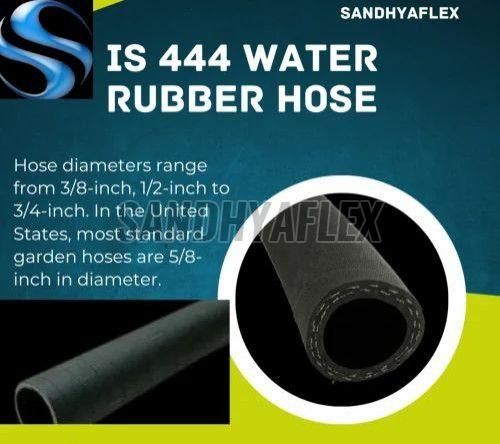
| Business Type | Manufacturer, Exporter, Supplier |
| Brand Name | SNDHYAFLEX |
| Material | Rubber |
| Shape | Round |
| Port | mumbai |
| Payment Terms | T/T |
| Delivery Time | 7 to 15 days |
| Packaging Details | The packing details for textile braided pipes can vary depending on the manufacturer, supplier, and specific product specifications. However, here are some common elements you might find in the packing details: 1. **Packaging Material:** Information about the type of packaging material used, such as plastic wrapping, cardboard boxes, or other protective materials. 2. **Quantity per Package:** The number of textile braided pipes included in each package. This quantity may vary based on the size, length, and specifications of the pipes. 3. **Dimensions of the Package:** The dimensions of the package containing the textile braided pipes, including length, width, and height. This is crucial for transportation and storage considerations. 4. **Weight of the Package:** The weight of the package, including the weight of the textile braided pipes and any additional packaging materials. This information is important for shipping and handling purposes. 5. **Package Markings:** Any markings on the package, such as labels, symbols, or handling instructions. These markings help in identifying the contents and provide guidance on proper handling. 6. **Roll or Coiled Form:** Depending on the type and length of the textile braided pipes, they may be packaged in rolls or coils. Information on how the pipes are packed—whether in rolls, coils, or otherwise—will be specified. 7. **Product Information:** Details about the textile braided pipes themselves, including specifications, sizes, pressure ratings, and any specific features. This information may be included in the packaging or as part of accompanying documentation. 8. **Color Coding:** If the textile braided pipes come in different colors, the packaging may indicate the color or provide a visual representation. 9. **Storage Recommendations:** Guidance on how to store the textile braided pipes once they are received, including information about temperature, humidity, and environmental conditions. 10. **Handling Instructions:** Information about how to handle the package during transportation, unloading, and storage. This can include instructions on lifting techniques and weight-bearing capacity. It's essential to carefully review the packing details provided by the manufacturer or supplier to ensure that the textile braided pipes are handled and stored appropriately. Following any specific instructions and guidelines provided can contribute to the effective use of the pipes and help maintain their quality during transportation and storage. If you have specific requirements or need additional information, reaching out to the manufacturer or supplier directly is recommended. |
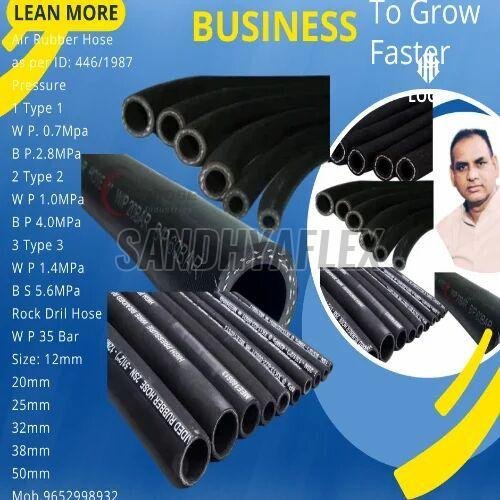
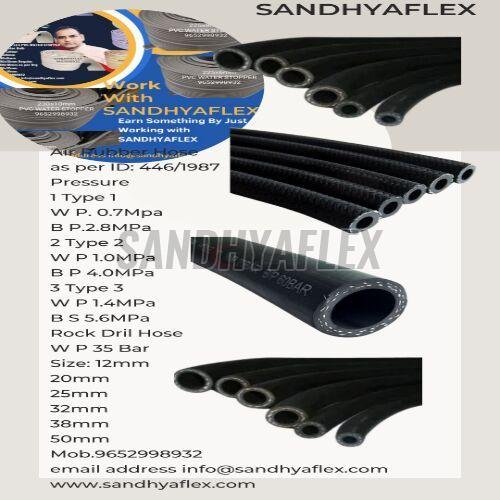
It appears that "Air Rubber Hose 446" may refer to a specific type or model of rubber air hose, and the designation "446" could be associated with certain technical specifications or standards. However, without additional context or specific details about the manufacturer or product line, it's challenging to provide precise information about "Air Rubber Hose 446."
Rubber air hoses are commonly used in various applications to transport compressed air. They are flexible, durable, and designed to withstand the pressures and conditions associated with air compression systems. To obtain accurate and detailed information about the "Air Rubber Hose 446," it's recommended to refer to the product documentation provided by the manufacturer or supplier.
If you have access to the product specifications or the manufacturer's information, you can check for details such as:
1. **Technical Specifications:** Look for information on the hose's diameter, length, working pressure, temperature range, and any specific features that distinguish it from other air hoses.
2. **Material Composition:** Check the material composition of the hose, including the type of rubber used and any additional layers or reinforcements.
3. **Standards Compliance:** Verify whether the air hose complies with industry standards or certifications, such as those set by organizations like ASTM, ISO, or others.
4. **Intended Applications:** Understand the recommended applications and conditions for which the air hose is designed.
5. **Manufacturer's Recommendations:** Check for any specific recommendations or guidelines provided by the manufacturer regarding installation, usage, and maintenance.
If you are unable to find specific information or if "Air Rubber Hose 446" is a proprietary or local designation, reaching out to the manufacturer or supplier directly is the best course of action. They should be able to provide accurate details about the product, its specifications, and any other relevant information.
| Business Type | Manufacturer, Supplier, Retailer |
| Country of Origin | India |
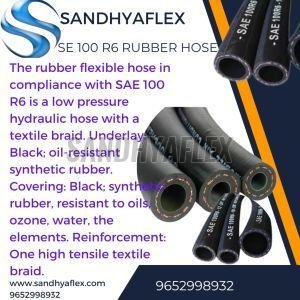
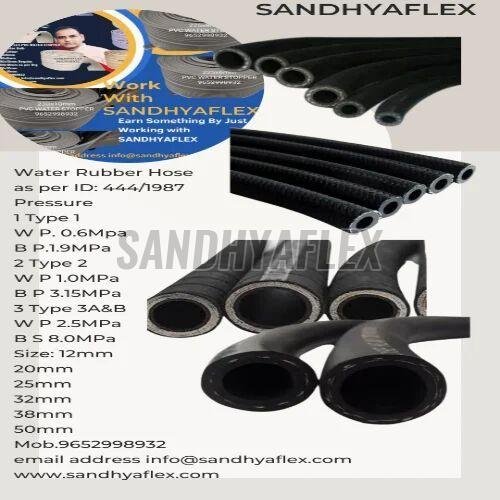
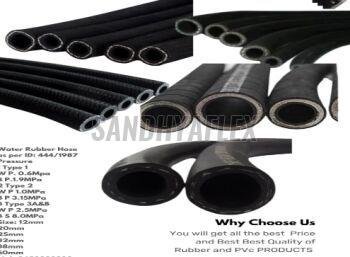
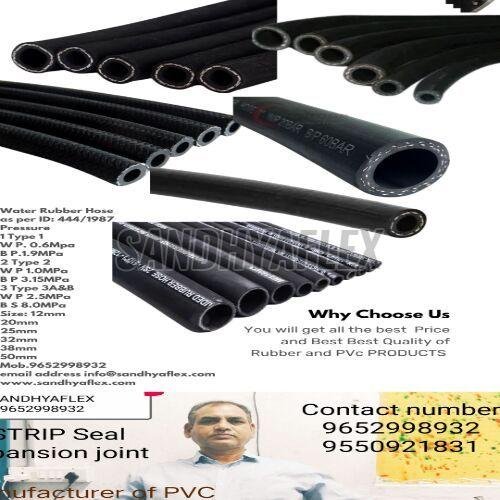
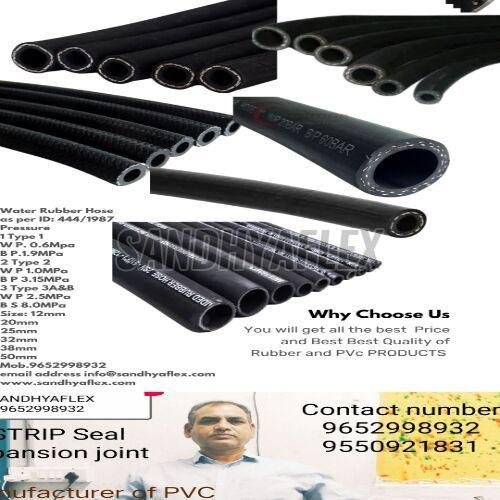
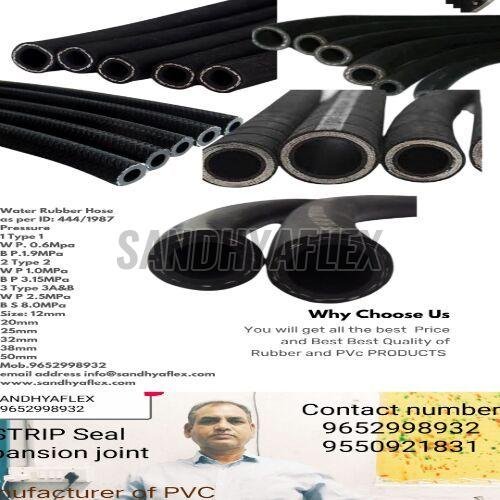
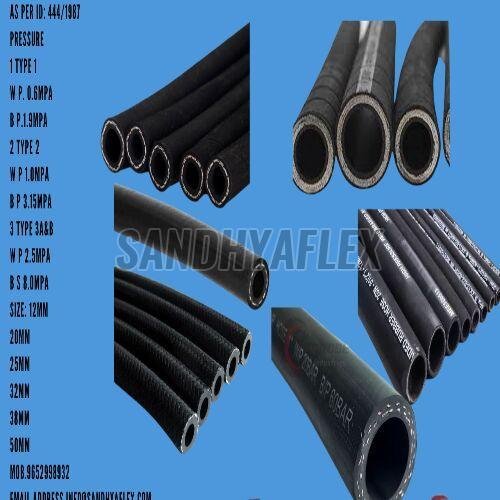
| Number Of Flower | Textile Braided Hose |
| Material | Rubber And Yran |
| Size | 12mm To 50mm |
| Brand Name | SANDHYAFLEX |
| Hardness | 60 To 65 Shore A |
| Reinforcement | Yarn |
| Working Pressure | 10 To 25bar |
| Product Code | YBRH |
| Port | kakinada |
| Payment Terms | T/T |
| Delivery Time | 7 to 15days |
| Packaging Details | Packing with HDPE Cover |
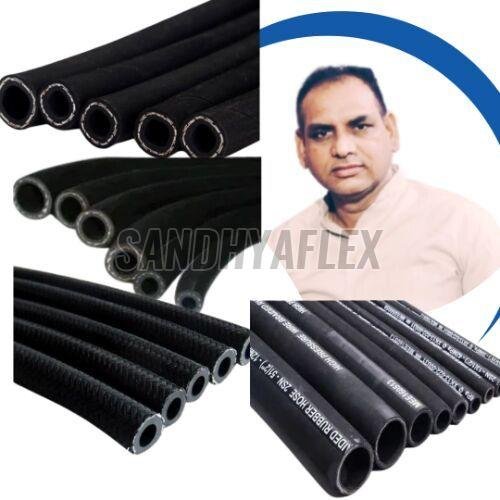
As we want to maintain transparency in the dealings, we offer secure payment methods to the clients which can be either online or offline. If you are interested in obtaining Textile Braided Hose at market leading prices, we are its responsible and responsive suppliers.
As Air and Water Yarn Braided Hose we are started in 2010, we laid out our goals for the sed future in our Strategy 2015, including our vision and mission for our company. Our vision emphasizes that the we want to be The Best Finance Company through the world this is goes beyond the simple fact that, as soon global company,
Our vision emphasizes that the we want to be The Best Finance Company through the world this is goes beyond the simple fact that, as soon global company. Perspiciatis unde omnis iste natus error sit elites voluptatem accu santiumuo doloremque laudatium, totam rem aperiam, eaque ipsa quae ab illomas ilts inventore veritatis et quasi architecto
Mister we could use a man like Herbert Hoover again. Maybe you and me were never meant to be. But baby think of me once in awhile. I'm at WKRP in Cincinnati! Just two good ol' boys Wouldn't change if they could system like a true modern.
| Business Type | Manufacturer, Exporter, Supplier, Retailer |
| Number Of Flower | Spray Hose Pipe |
| Brand Name | SANDHYAFLEX |
| Material | Rubber And Yarn |
| Shape | Round |
| Pressure | 10Bar |
| Tensile Strength | 7MPa |
| Hardness | 55-65 |
| Working Pressure | 10MPa |
| Nominal Size | 1/2 |
| Diameter | 12mm to 50mm |
| unit Length | 100m |
| Layers | 2 to 4 |
| UV Resistance | Yes |
| Condition | New |
| Shock Proof | Yes |
| Business Type | Manufacturer, Exporter, Supplier |
| Material | Rubber |
| Finishing | Polished |
| Material Grade | SS304 |
| Shape | Round |
| Color | Black |
| Condition | New |
| Automation Grade | Automatic |
| Usage | Arrest Leak |
| Certification | ISO 9001:2008 Certified |
| Packaging Type | Packet |
| Outer Diameter | 5mm |
| Sealing Type | Single Spring |
| Specialities | Unbreakable, Easy To Install |
| Overall Dimension (LXBXH) | 390X170X360mm |
| Size | 2Inch |
| Payment Terms | T/T |
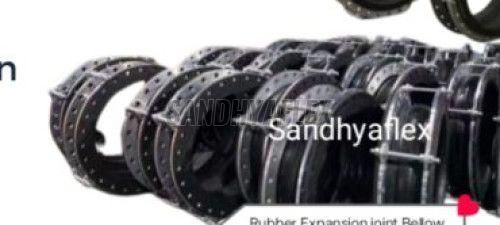
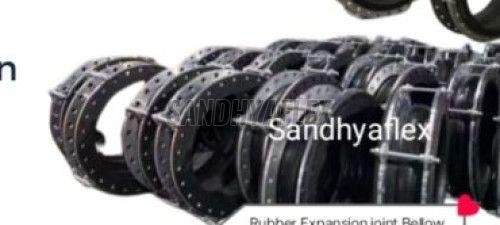
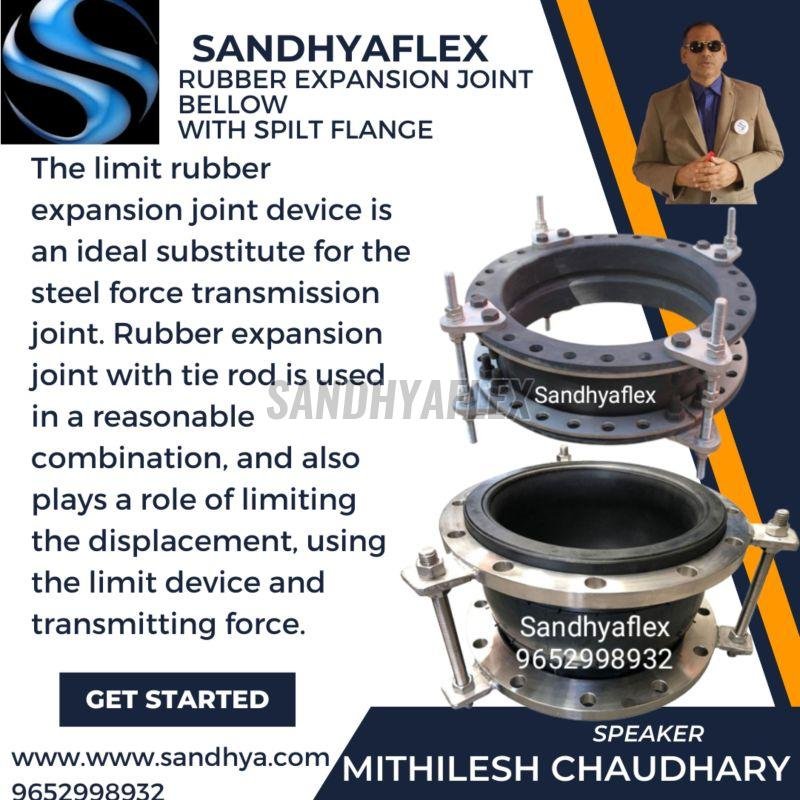
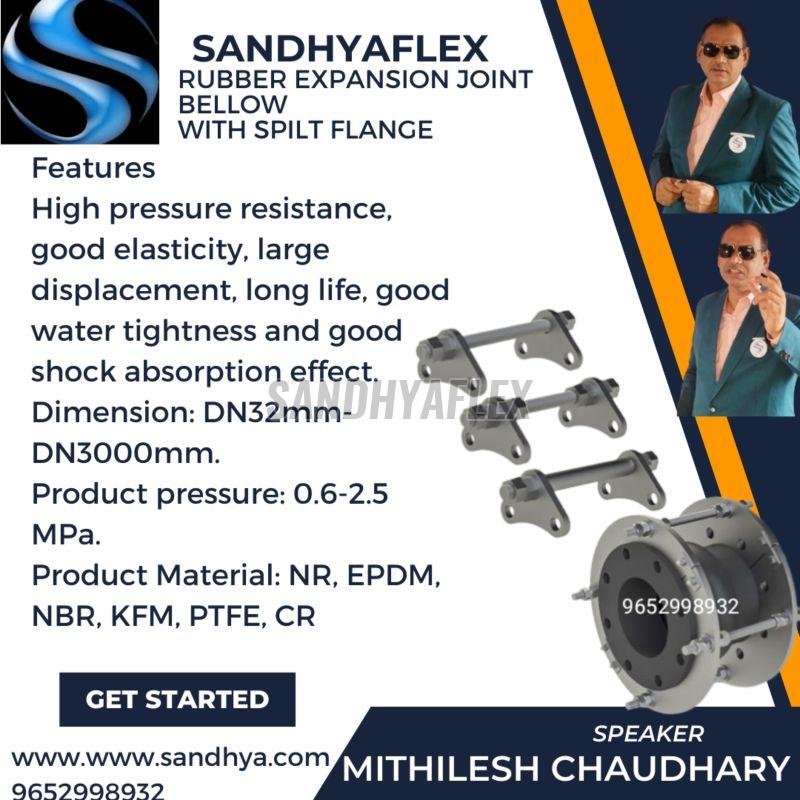
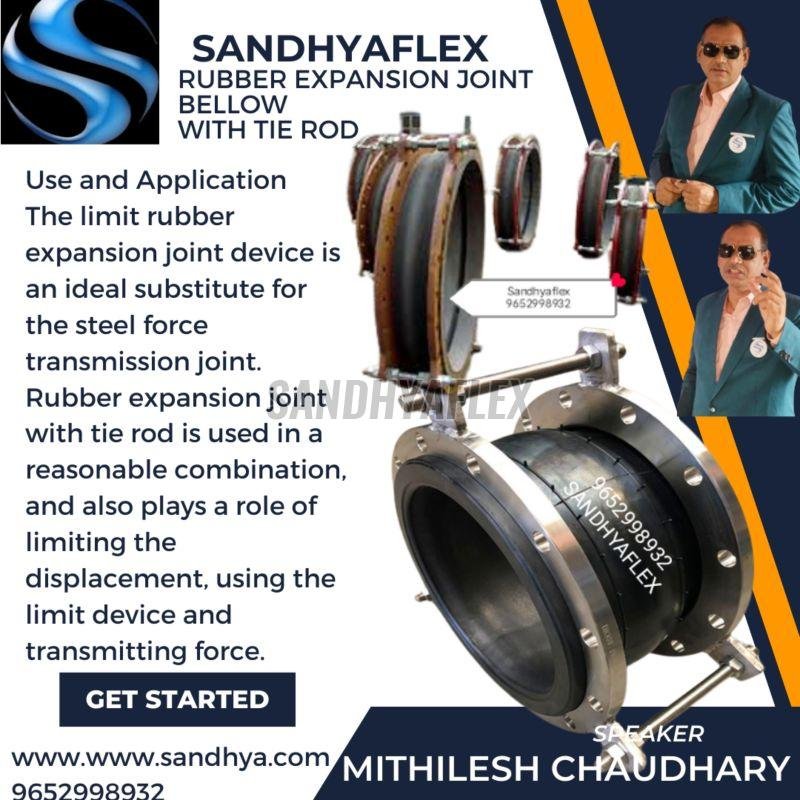
A rubber expansion joint with tie rods, also known as a rubber expansion joint with restraint or tie rod expansion joint, is a type of flexible pipe or duct connection used in various industrial and piping applications. It is designed to accommodate movement, absorb vibrations, and reduce stress in piping systems. The addition of tie rods provides structural support and control over the movement of the expansion joint.
Here's how it typically works:
1. **Rubber Material:** The expansion joint consists of a flexible rubber or elastomeric material. This rubber can withstand various temperatures, pressures, and media, making it suitable for a wide range of applications.
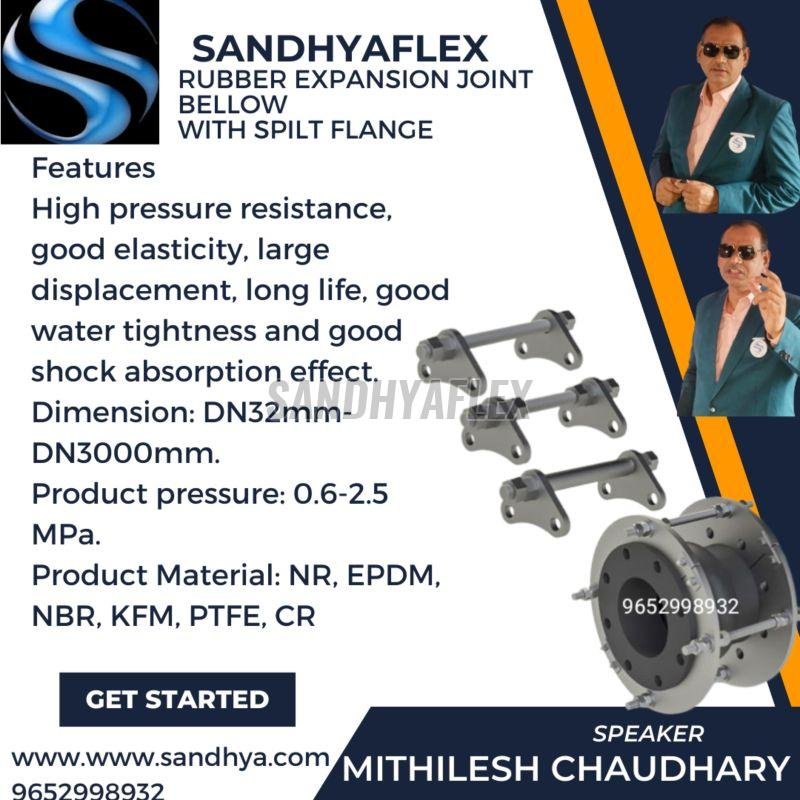
2. **Tie Rods:** The tie rods are threaded rods made of metal (often stainless steel) that run through the rubber expansion joint. These rods serve several purposes:
- **Restraint:** They prevent the expansion joint from overextending during movement, which can be critical in high-pressure or high-temperature systems.
- **Control of Movement:** The tie rods help guide and control the movement of the expansion joint, ensuring it expands or contracts in a controlled manner.
- **Maintenance of Alignment:** They help maintain the alignment of the pipes or ducts connected by the expansion joint.
3. **Flanges:** The expansion joint is usually equipped with flanged ends that can be connected to the piping system. These flanges make it easy to bolt the expansion joint into place.
4. **Bolting:** The tie rods are secured using nuts and bolts on both ends of the expansion joint. This bolting arrangement allows for the adjustment of tie rod tension to control the amount of movement the expansion joint can accommodate.
Applications for rubber expansion joints with tie rods can include HVAC systems, industrial pipelines, power plants, and chemical processing facilities. These expansion joints are particularly useful in systems where there is a need for both flexibility and restraint to absorb thermal expansion, vibration, and other dynamic forces while maintaining the integrity of the piping system.
Regular inspection and maintenance of these expansion joints are essential to ensure they continue to function effectively and to avoid any potential issues that may arise over time.
| Business Type | Manufacturer, Exporter, Supplier, Retailer |
| Size | 1mtr x 2Mtr and 1mtr x10Mtr |
| Brand Name | SANDHYAFLEX |
| Material | Silicon Rubber |
| Application | Heat and Weather Resistance |
| Feature | Anti Skid Weather and Hear Resistance |
| Hardness | 60 |
| Item | Silicon Rubber Sheet |
| Transparent Silicon Rubber Sheet | 700 to 800/kg |
| Product Code | TSRS |
| Port | kakinada |
| Payment Terms | T/T |
| Delivery Time | 7 to 15days |
| Packaging Details | Packing with HDPE Cover |
Sandhya Enterprises manufacturer and Supplier of Transparent Silicon Rubber Sheet as per customer Requirement. Thickness:1mm to 50mm Width:1Mtr to 1.2Mtr Length:2Mtr to 15 Mtr
| Business Type | Manufacturer, Supplier, Retailer |
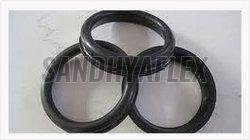
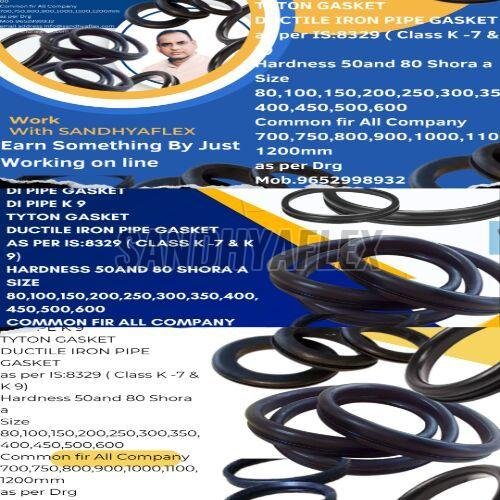
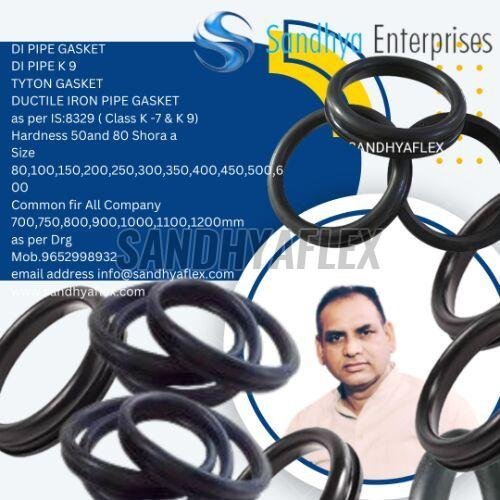
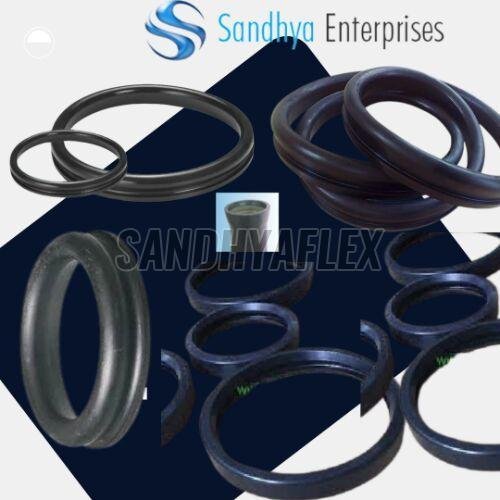
| Material | EPDM |
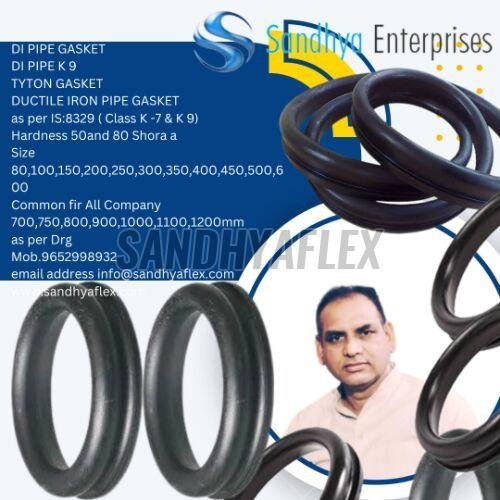
| EPDM TYTON GASKET | 48 to 2500/Nos |
| Brand | SANDHYAFLEX |
| Product Code | EPDMTG |
| Port | kakinada |
| Payment Terms | L/C, T/T |
| Delivery Time | 7 to 15days |
| Packaging Details | Packing with HDPE CoverThe Tyton gasket is a specialized rubber sealing gasket used in pipe joints, particularly in ductile iron (DI) pipes. The packing details of Tyton gaskets may vary depending on the manufacturer and supplier. However, here are some general considerations: 1. Quantity: The packaging should indicate the number of Tyton gaskets included in a single pack. It can range from one gasket to multiple gaskets, depending on the packaging configuration and the supplier's specifications. 2. Size and Dimensions: The packaging may specify the size and dimensions of the Tyton gasket. This information helps determine if the gasket is compatible with the pipe's inner and outer diameters. Tyton gaskets are available in various sizes corresponding to the pipe diameter they are designed to fit. 3. Material: The packaging may mention the specific rubber material used for the gasket construction. Tyton gaskets are typically made from high-quality synthetic rubber compounds that offer excellent elasticity, resilience, and chemical resistance to ensure a reliable and long-lasting seal. 4. Design and Shape: The packaging may indicate the design and shape of the Tyton gasket. Tyton gaskets have a specific design that allows them to be easily installed and provide a secure, leak-tight seal in Tyton joint systems commonly used in DI pipes. 5. Pressure and Temperature Ratings: The packaging may provide information about the pressure and temperature ratings of the Tyton gasket. This information ensures that the gasket can effectively withstand the operating conditions and fluid pressure within the pipe system. 6. Color: Tyton gaskets are typically available in black or other dark colors. 7. Packaging Material: The packaging itself may be mentioned, indicating the type of material used, such as cardboard boxes or plastic bags. The packaging should provide sufficient protection to prevent damage during transportation and storage. 8. Quality Certifications: The packaging may mention any applicable quality certifications or standards that the Tyton gaskets comply with, such as ASTM or ISO standards, ensuring that they meet the required performance and safety standards. It's important to note that the specific details and packaging may vary between manufacturers and suppliers. Therefore, it is always recommended to refer to the packaging or contact the manufacturer or supplier directly for accurate and up-to-date information regarding the packing details of Tyton gaskets. |
Sandhya enterprises manufacturer and supplier of di pipe gasket. Ci pipe gasket, grp pipe gasket, pvc ring fit gasket. Rcc pipe gasket and other molded prodicts.
A DI (Ductile Iron) pipe gasket, also known as a rubber gasket or sealing ring, is a crucial component used in the installation of DI pipes to ensure leak-tight joints. The gasket is placed between two pipe sections or fittings and provides a reliable seal to prevent water or fluid leakage. While the exact packing details may vary depending on the manufacturer and supplier, here are some general considerations:
1. Quantity: The packaging should indicate the number of DI pipe gaskets included in a single pack. It can range from one gasket to multiple gaskets, depending on the packaging configuration and supplier's specifications.
2. Size and Dimensions: The packaging may specify the size and dimensions of the DI pipe gasket. This information helps determine if the gasket is compatible with the pipe's inner and outer diameters. Gasket sizes typically correspond to the pipe diameter they are designed to fit.
3. Material: The packaging may mention the specific rubber material used for the gasket construction. DI pipe gaskets are commonly made from synthetic rubber compounds that offer excellent elasticity, resilience, and chemical resistance to ensure a reliable and long-lasting seal.
4. Design and Shape: The packaging may indicate the design and shape of the DI pipe gasket. Gaskets can have various designs, including round, oval, or custom-shaped to match the specific pipe joint requirements.
5. Pressure and Temperature Ratings: The packaging may provide information about the pressure and temperature ratings of the DI pipe gasket. This information ensures that the gasket can effectively withstand the operating conditions and fluid pressure within the pipe system.
6. Color: DI pipe gaskets are typically available in black or other dark colors.
7. Packaging Material: The packaging itself may be mentioned, indicating the type of material used, such as cardboard boxes or plastic bags. The packaging should provide sufficient protection to prevent damage during transportation and storage.
8. Quality Certifications: The packaging may mention any applicable quality certifications or standards that the DI pipe gaskets comply with, such as ASTM or ISO standards, ensuring that they meet the required performance and safety standards.
It's important to note that the specific details and packaging may vary between manufacturers and suppliers. Therefore, it is always recommended to refer to the packaging or contact the manufacturer or supplier directly for accurate and up-to-date information regarding the packing details of a particular DI pipe gasket.
| Business Type | Manufacturer, Exporter, Supplier, Retailer |
| Country of Origin | India |
| Material | Rubber, EPDM Rubber |
| Shape | Round |
| Condition | New |
| Brand Name | NRI/NP |
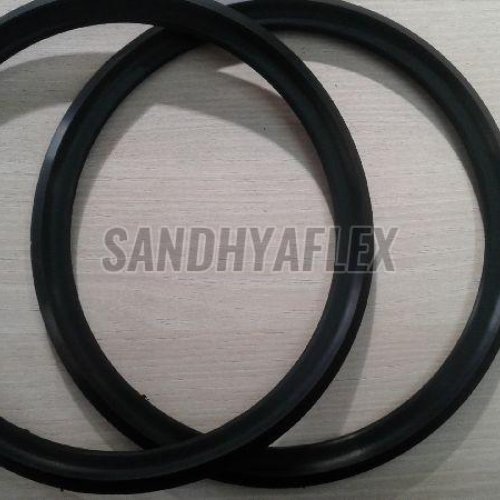
| GRP PIPE GASKET | 25000 |
| Product Code | GRP Pipe Gasket |
| Payment Terms | T/T |
| Delivery Time | 7 to 15days |
| Packaging Details | Packing in HDPE Pipe Gasket. |
Sandhya Enterprises manufacture and Supplier of Rubber V Ring for GRP Pipe Gasket.
size:100mm to 1000mm