| Business Type | Manufacturer, Exporter, Supplier, Retailer |
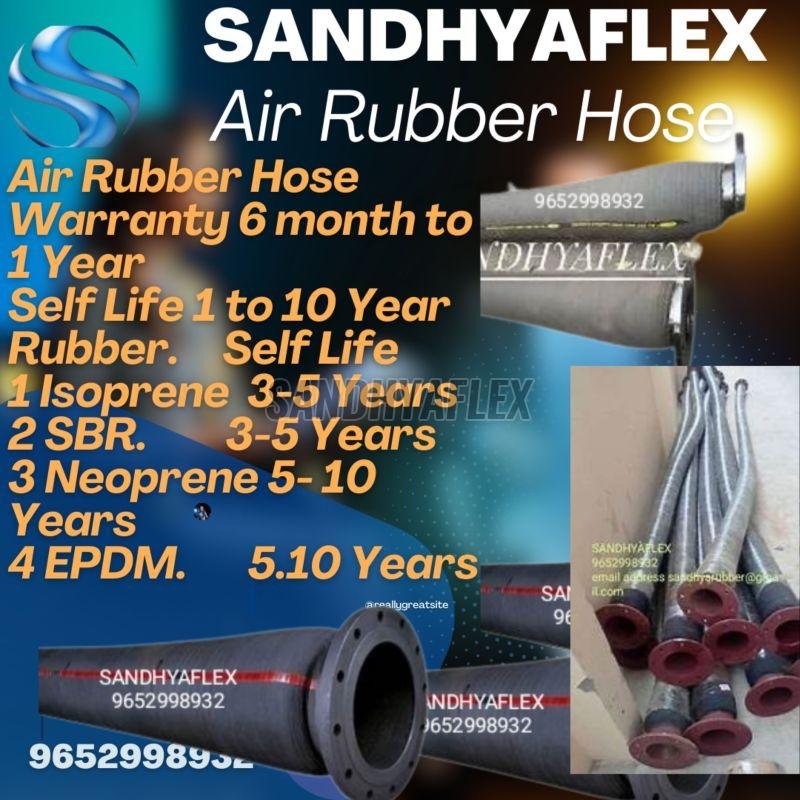
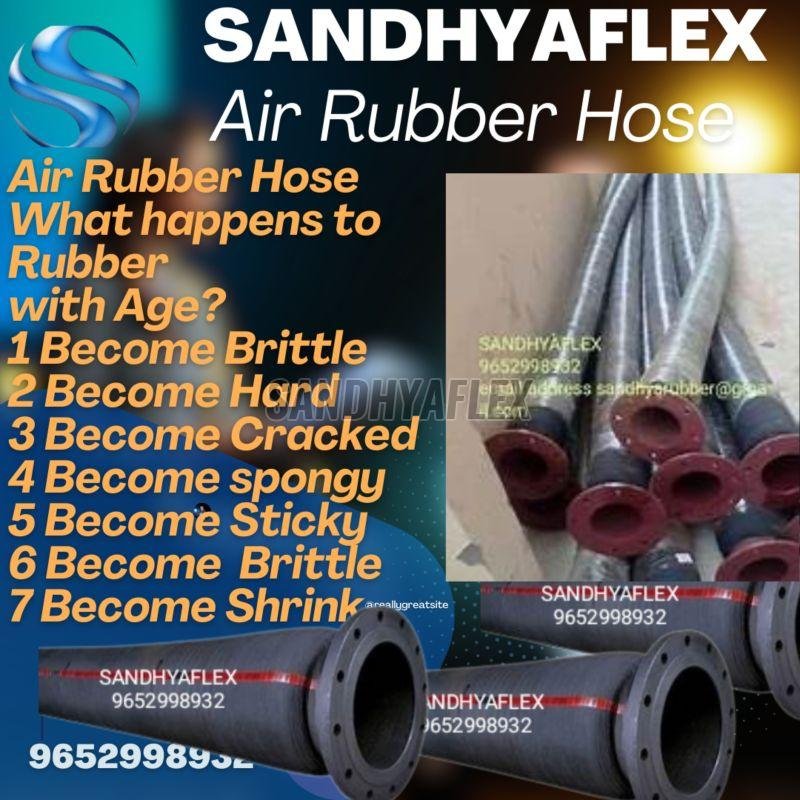
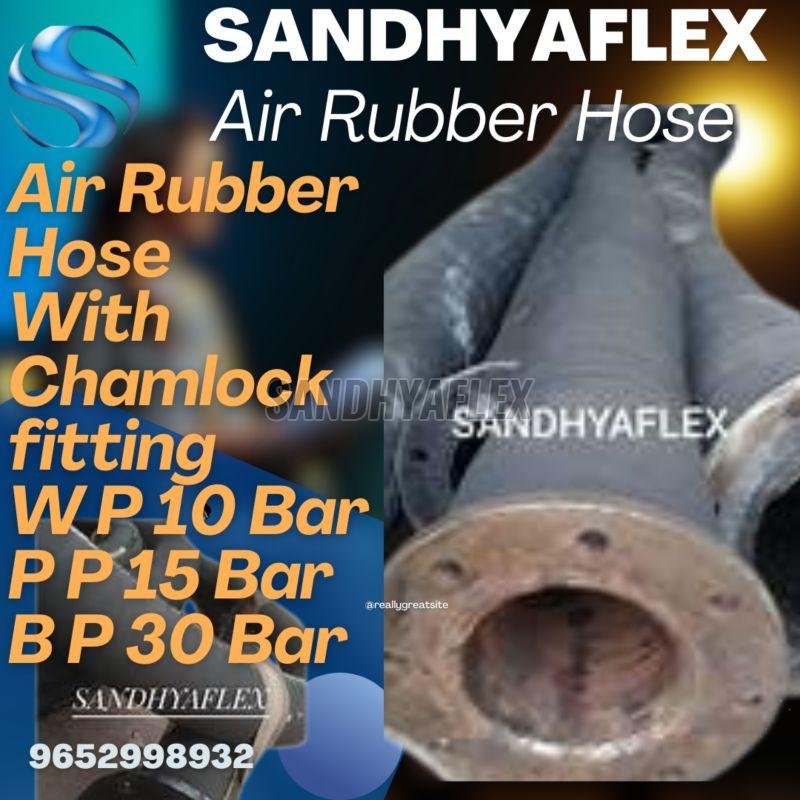
| Brand Name | SNDHYAFLEX |
| Material | Rubber |
| Shape | Round |
| Usage | Industrial Use |
| Fluid Type | Air |
| Port | mumbai |
| Packaging Details | packing with HDPE Cover |
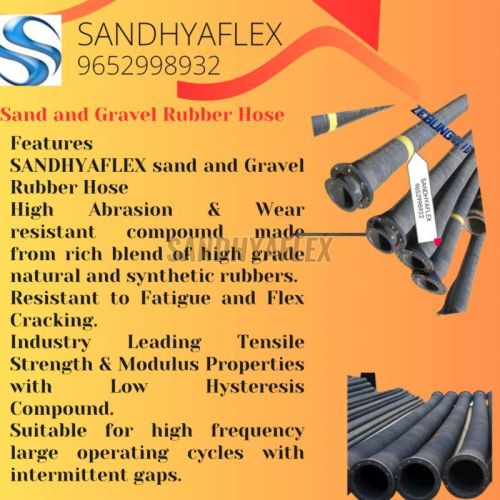
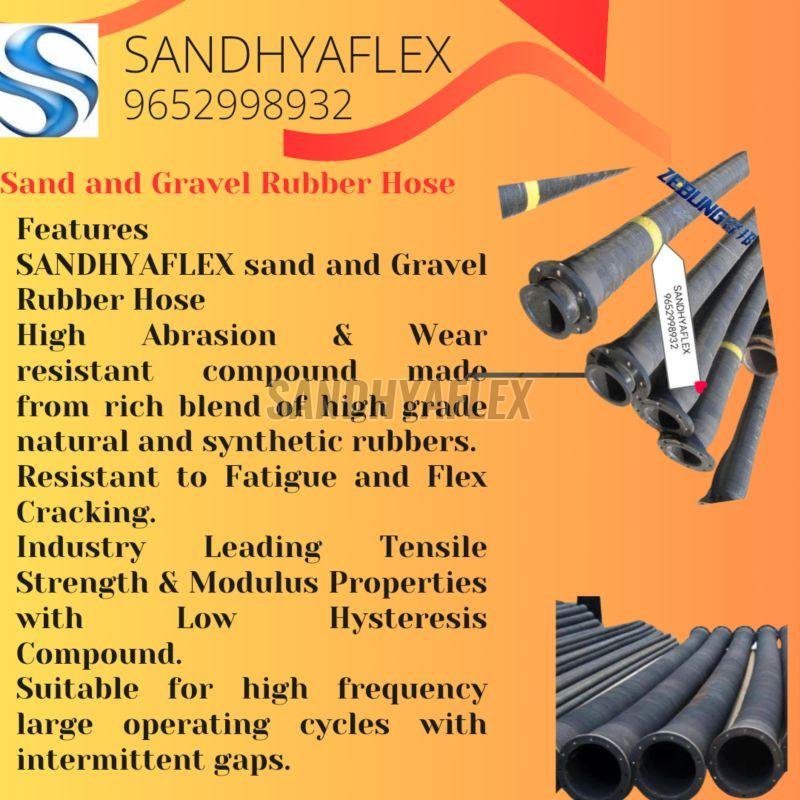
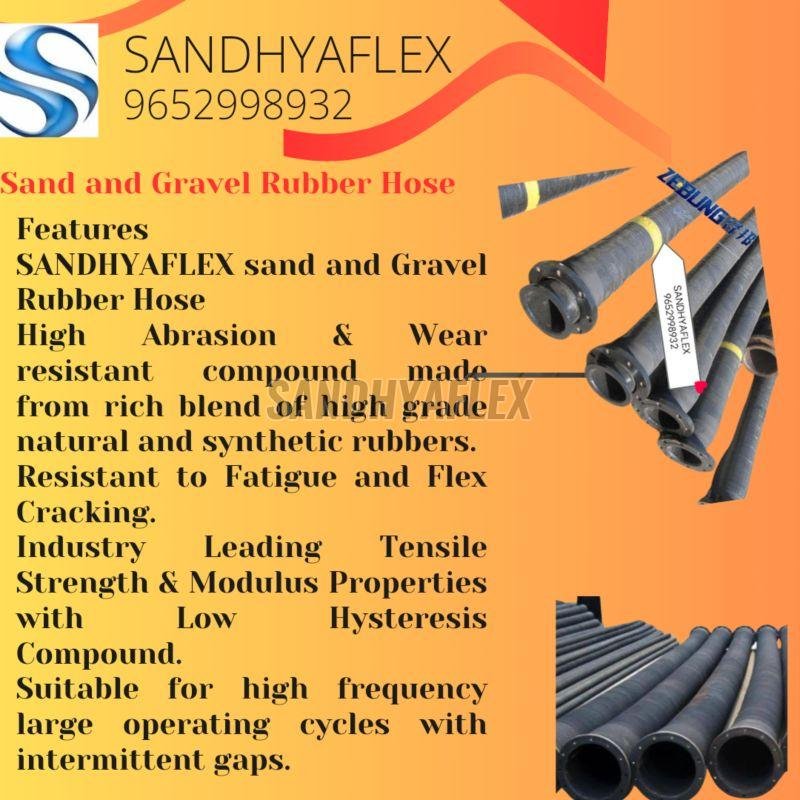
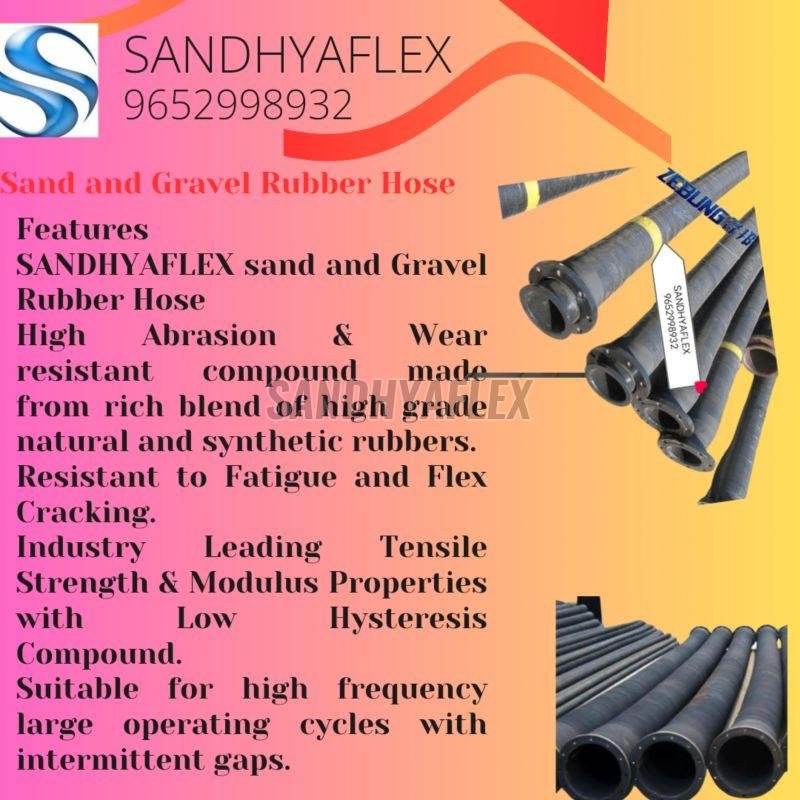
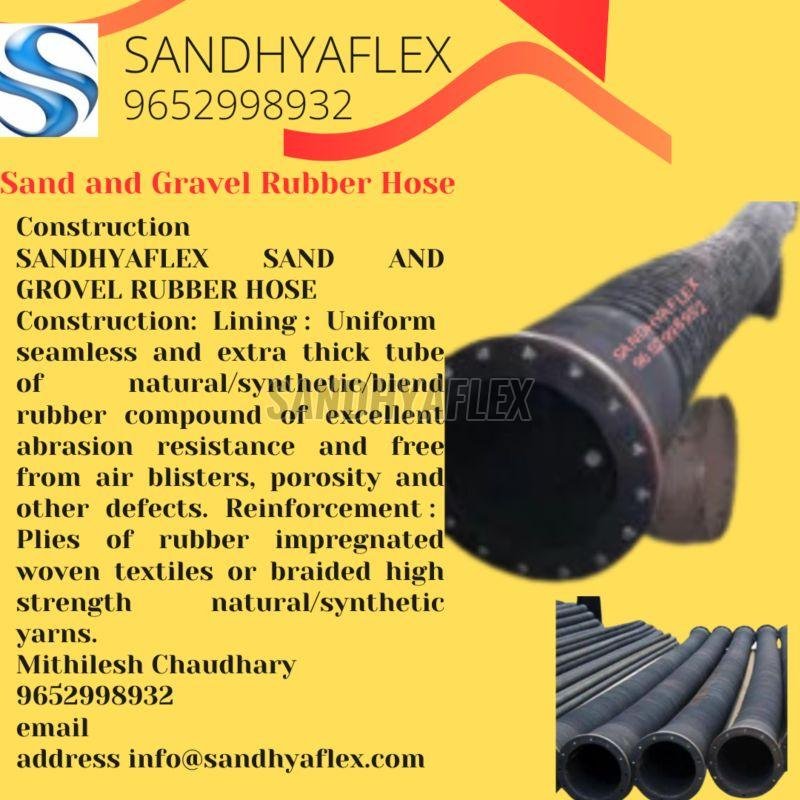
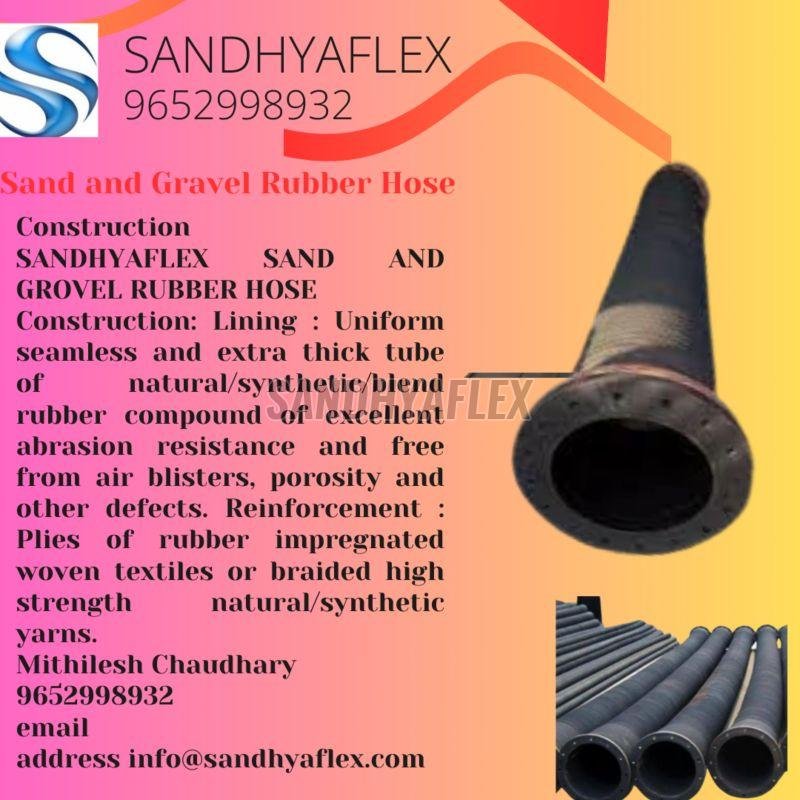
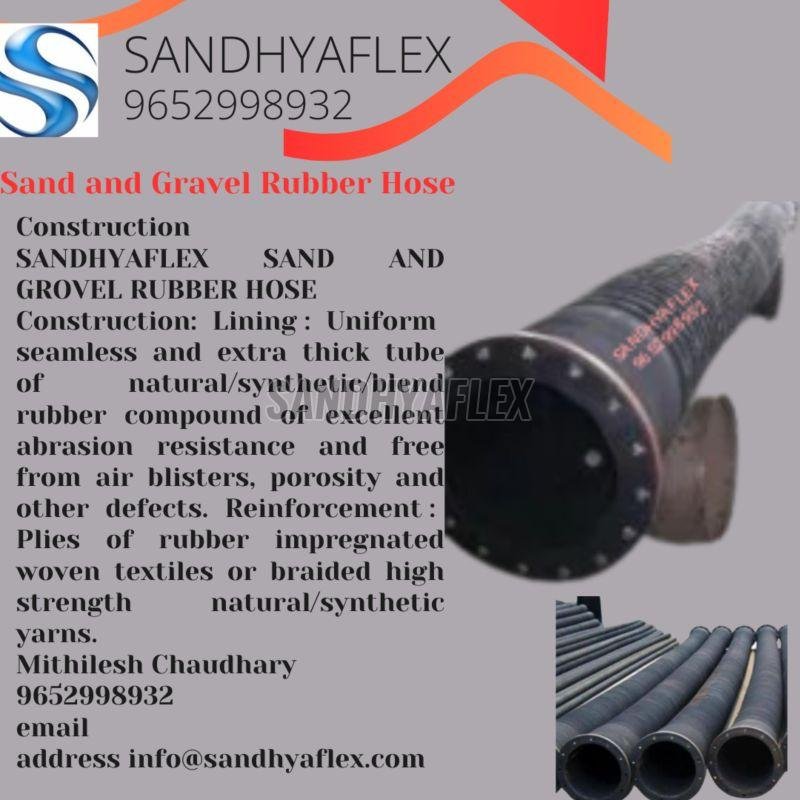
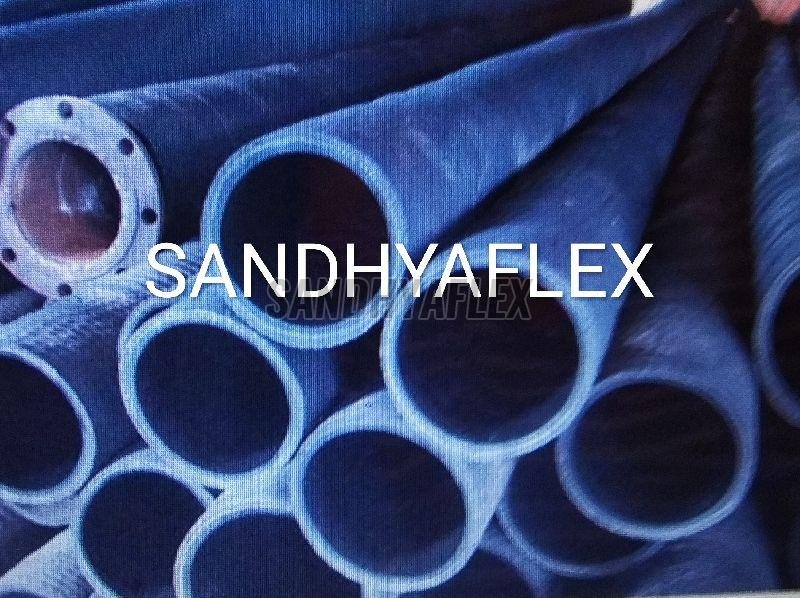
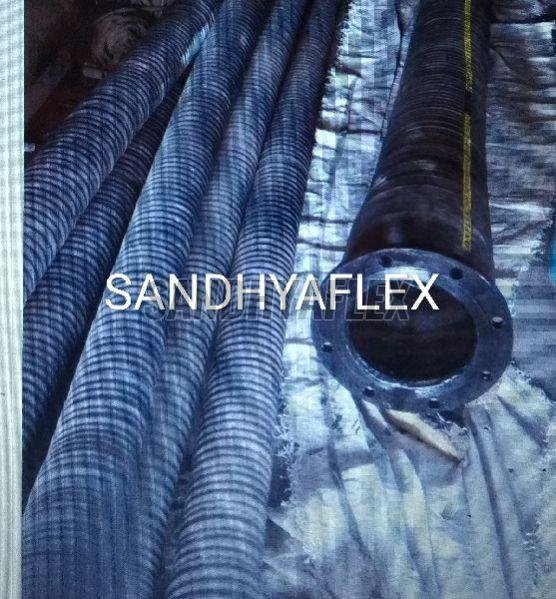
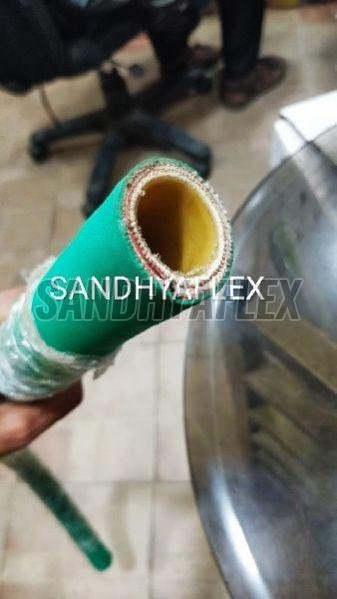
It seems there might be a typo in your query. If you are referring to a "Sand and Gravel Rubber Hose," it is likely a type of industrial hose designed for the transportation of sand, gravel, and other abrasive materials. These hoses are commonly used in construction, mining, dredging, and other applications where the transfer of solid materials is required. Here are key features and considerations for a sand and gravel rubber hose:
1. **Material Composition:**
- The inner tube of the hose is made from a wear-resistant rubber or a combination of rubber and other materials suitable for handling abrasive materials like sand and gravel.
2. **Reinforcement:**
- Sand and gravel rubber hoses are designed to handle the harsh conditions of material transfer and typically have multiple layers of reinforcement, such as high-strength synthetic fibers or steel wire braids.
3. **Abrasion Resistance:**
- These hoses are constructed to resist abrasion, ensuring durability when transporting abrasive materials.
4. **Flexibility:**
- The hose must be flexible to accommodate movement and bending during the transfer of materials.
5. **Size and Diameter:**
- The size and diameter of the hose depend on the specific requirements of the application, including the volume and type of material being transported.
6. **End Connections:**
- Sand and gravel hoses are equipped with end connections that allow for secure and leak-free connections to other equipment, pumps, or pipelines.
7. **Pressure Rating:**
- Hoses used for sand and gravel transfer are designed to handle the pressure associated with moving abrasive materials.
8. **Temperature Range:**
- The hoses are constructed to operate within a specified temperature range, considering the temperature variations associated with the transfer of materials.
9. **Static Conductivity:**
- Some hoses may have static-conductive features to dissipate static electricity buildup, which can be a concern when handling abrasive materials.
10. **Versatility:**
- Sand and gravel rubber hoses are versatile and can be used in various applications, including construction projects, mining operations, dredging, and other material handling tasks.
11. **Visibility:**
- Depending on the application, hoses may be available in bright colors for better visibility, especially in industrial environments.
When using a sand and gravel rubber hose, it is crucial to follow the manufacturer's guidelines for installation, usage, and maintenance. Regular inspection is essential to identify any signs of wear or damage, ensuring the hose's continued performance and safety. Additionally, adherence to safety regulations and industry standards is important for the protection of personnel and equipment during material transfer operations.
| Business Type | Manufacturer, Exporter, Supplier, Retailer |
| Brand Name | SANDHYAFLEX |
| Material | Sand Blast Rubber Hose |
| Certification | ISO 9001 2015 |
| Standard | IS Specification |
| Certificate | ISO 9001 2015 |
| Name | Sand Blast Hose |
| Reinforcement | Helical Wire And Fabric Reinforcement |
| Temperature | -10t0 100Dec C |
| SAND BLAST HOSE | 360 To 900/Mtr |
| Size (Inches) | 20mm To 50mm |
| Product Code | SBRH |
| Port | kakinada |
| Payment Terms | T/T |
| Delivery Time | 7 to 15days |
| Packaging Details | Packing with HDPE Cover |
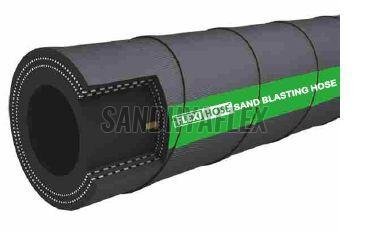
Sandhya Enterprises manufacturer and Supplie rof Sand Blast Rubber Hose. size:20mm to 50mm
Sandblast Hose offered features superior construction standards and finds use for blasting sand/other abrasive materials for cleaning/stripping presence of steel, stone & cement in different industrial applications. As thick natural rubber tubes, these also provide for needed resistance against abrasion as well as its heavy wall finish providing for superior kink.
| Business Type | Manufacturer, Exporter, Supplier, Retailer |
| Brand Name | SNDHYAFLEX |
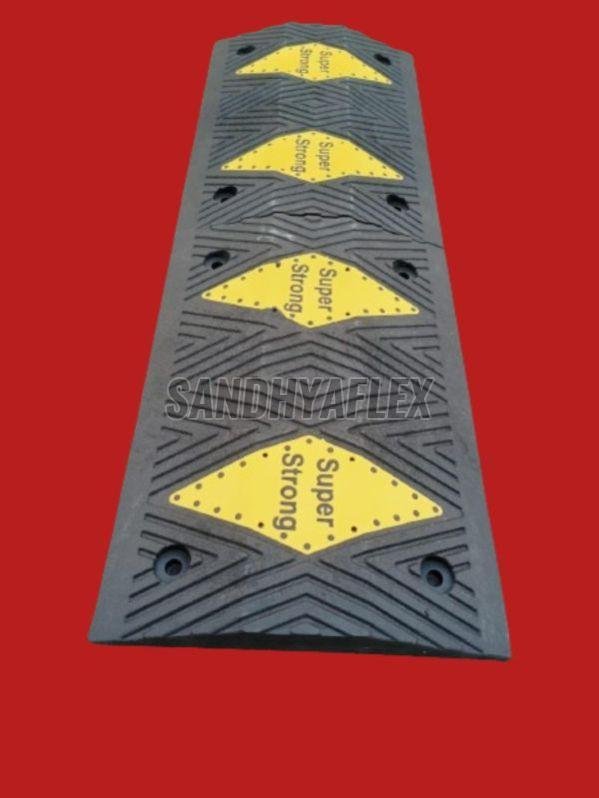
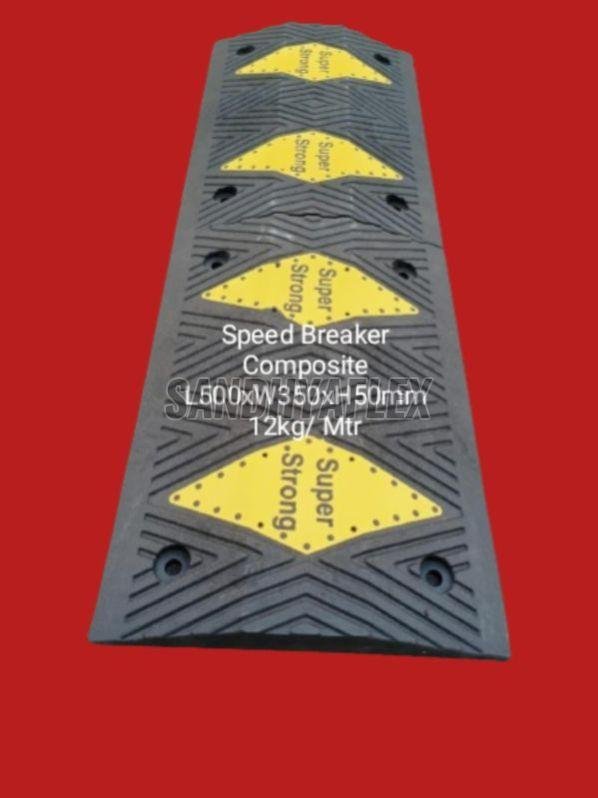
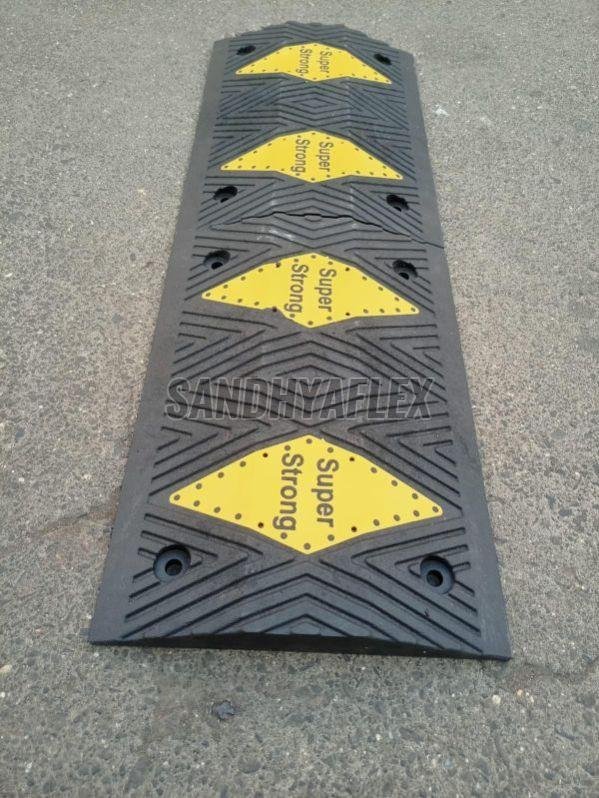
| Application | Plastic speed breakers, also known as plastic speed bumps or speed humps, are traffic calming device |
| Material | PVC |
| Condition | New |
| Certification | ISO 9001:2008 Certified |
| Delivery Time | 7 to 15 days |
| Packaging Details | packing with HDPE Cover |
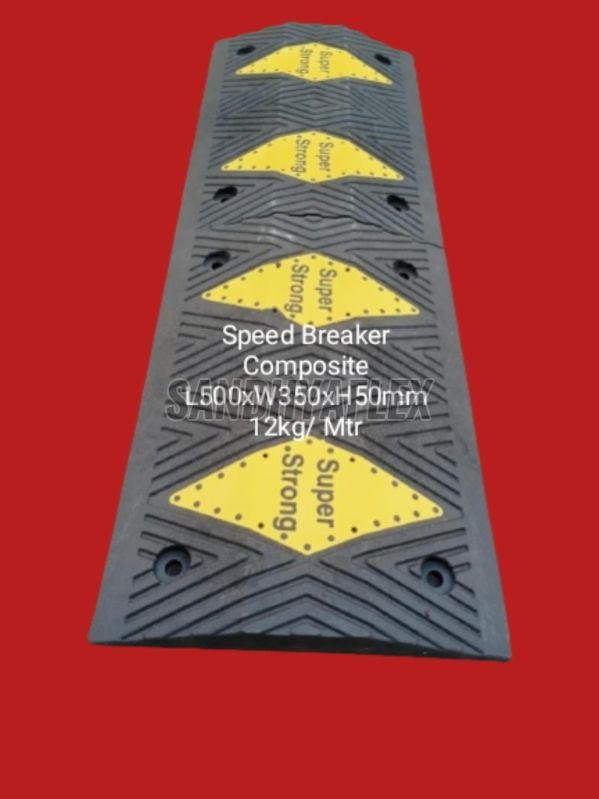
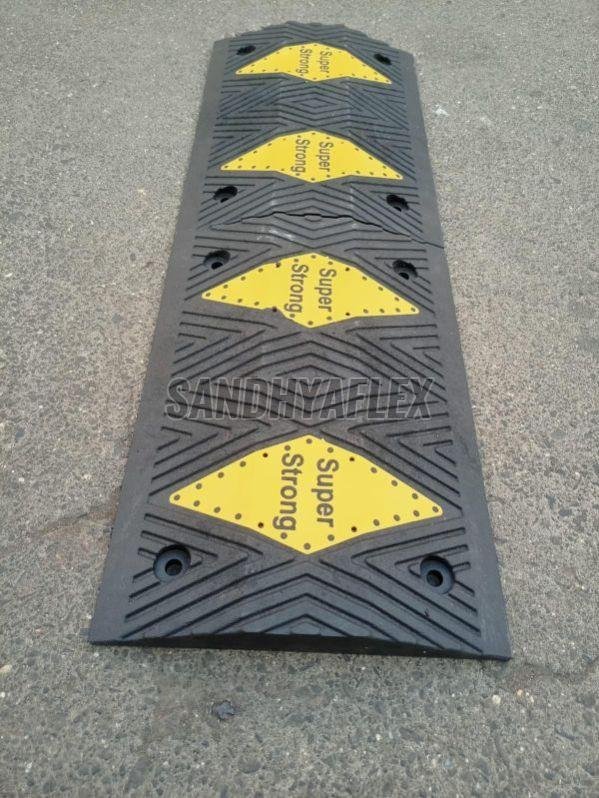
Plastic speed breakers, also known as speed bumps or speed humps, serve various purposes in traffic management and road safety. Here are some common uses and applications of plastic speed breakers:
1. **Traffic Calming:**
- **Residential Areas:** Plastic speed breakers are often used in residential neighborhoods to control vehicle speed. They help create a safer environment for pedestrians and reduce the likelihood of accidents in areas with a high volume of foot traffic.
2. **School Zones:**
- **School Crossings:** Placing plastic speed breakers near school crossings enhances safety for children and pedestrians by slowing down vehicle traffic in school zones.
3. **Parking Lots:**
- **Commercial Areas:** In commercial and retail areas with parking lots, plastic speed breakers are installed to regulate vehicle speed, preventing accidents and improving overall safety for pedestrians and drivers.
4. **Industrial Zones:**
- **Factory Premises:** Within industrial zones or factory premises, plastic speed breakers help control vehicle speed, especially in areas where heavy machinery and pedestrians coexist.
5. **Hospitals:**
- **Hospital Entrances:** Plastic speed breakers can be strategically placed near hospital entrances and parking areas to manage vehicle speed and ensure the safety of patients, visitors, and medical staff.
6. **Construction Sites:**
- **Work Zones:** Temporary plastic speed breakers are often used in construction zones to reduce the risk of accidents and control the speed of vehicles moving through these areas.
7. **Traffic Management:**
- **Narrow Roads:** In areas with narrow roads or where visibility is limited, plastic speed breakers help control speed and prevent accidents by providing a visual and physical cue for drivers to slow down.
8. **Resorts and Recreational Areas:**
- **Resort Entrances:** In recreational areas and resorts, plastic speed breakers can be used to manage the flow of traffic, ensuring a safe and controlled environment for guests.
9. **Public Events:**
- **Event Venues:** During public events, plastic speed breakers may be employed to regulate vehicle speed in and around event venues, improving safety for both participants and spectators.
10. **Rescue and Emergency Zones:**
- **Emergency Entrances:** Near emergency entrances of hospitals, fire stations, or other emergency facilities, plastic speed breakers ensure that vehicles approach these areas at a controlled speed to avoid accidents.
11. **Pedestrian Crossings:**
- **Crosswalks:** Plastic speed breakers can be placed near pedestrian crosswalks to encourage drivers to slow down and yield the right of way to pedestrians.
12. **Temporary Traffic Control:**
- **Construction Detours:** Plastic speed breakers are useful for creating temporary traffic control measures during road maintenance or construction projects, diverting traffic and ensuring safety.
When using plastic speed breakers, it's important to adhere to local regulations and standards regarding their installation and placement. Proper signage and markings are often necessary to alert drivers to the presence of speed breakers for effective traffic management.

| Business Type | Manufacturer, Supplier |
| Brand Name | SANDHYAFLEX |
| Material | Rubber,Rubber |
| Country of Origin | India |
| Product Code | Sandhyaflex |
| Port | Hyderabad |
| Delivery Time | 5days |
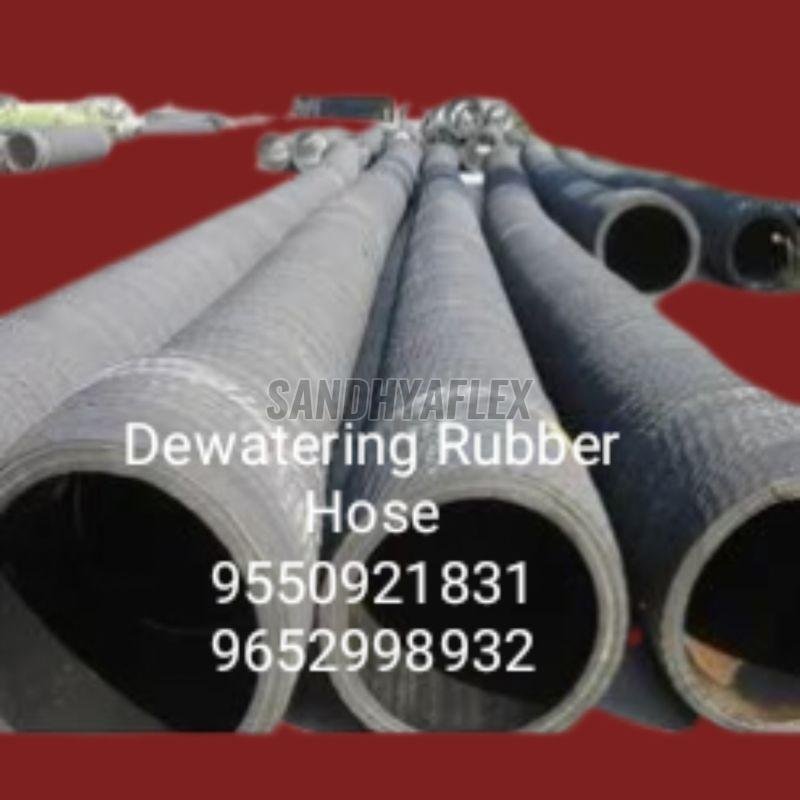
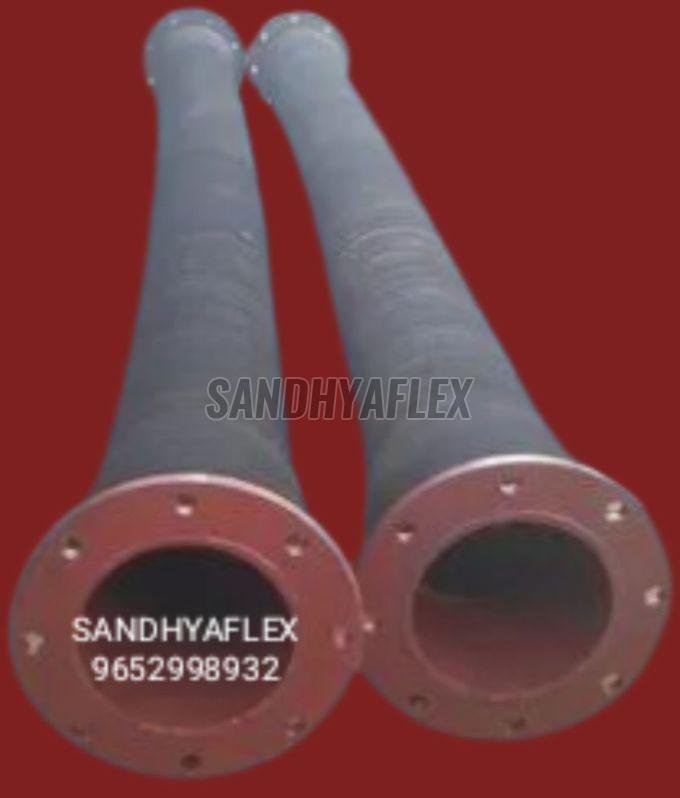
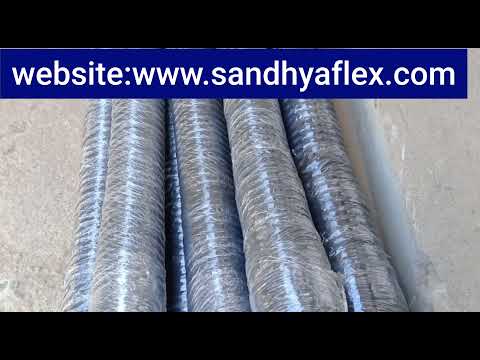
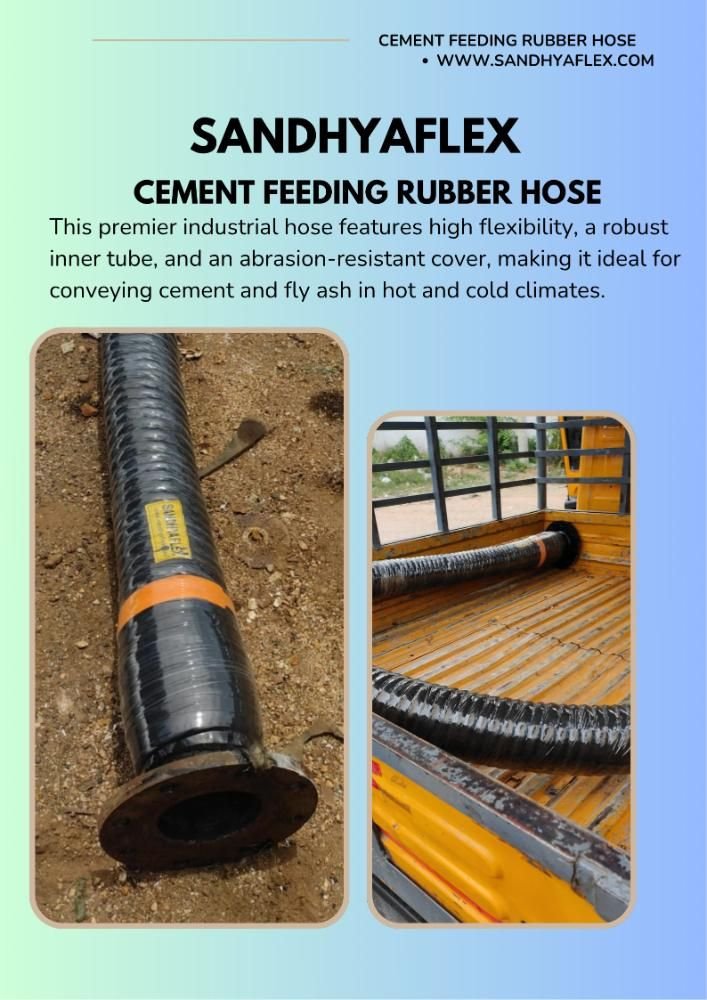
A cement feeding rubber hose is a specialized type of hose designed for use in the construction industry, specifically for the transportation of cement or concrete from one location to another. These hoses are essential for various construction applications where the precise delivery of cement or concrete is required. Here are some key features and information about cement feeding rubber hoses:
Material: Cement feeding rubber hoses are typically made of high-quality rubber or synthetic rubber compounds that can withstand the abrasive nature of cement and concrete mixtures. They are reinforced with layers of fabric or steel wire for added strength and durability.
| Business Type | Manufacturer, Exporter, Supplier |
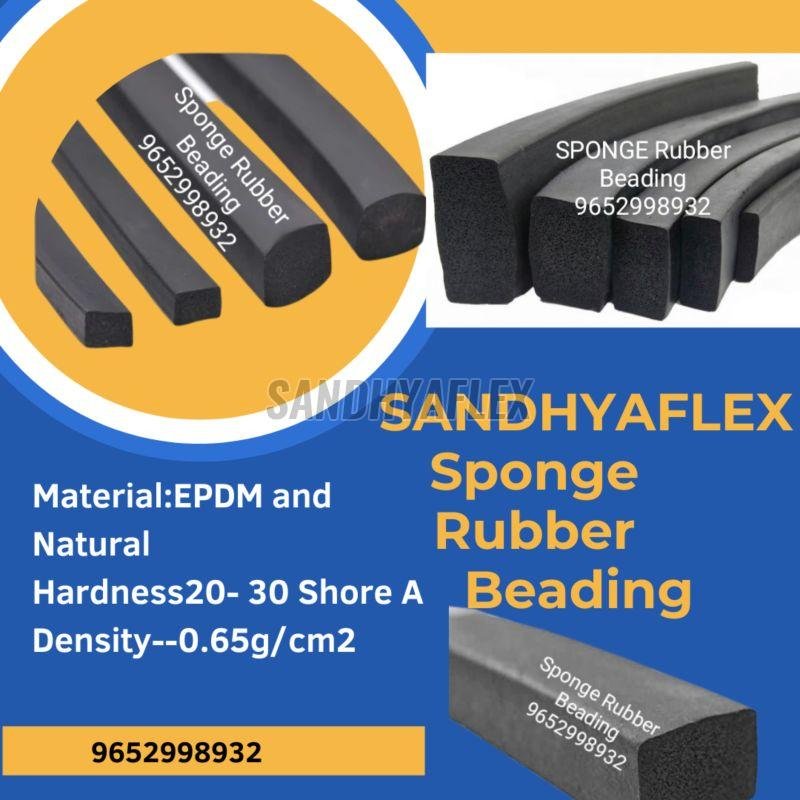
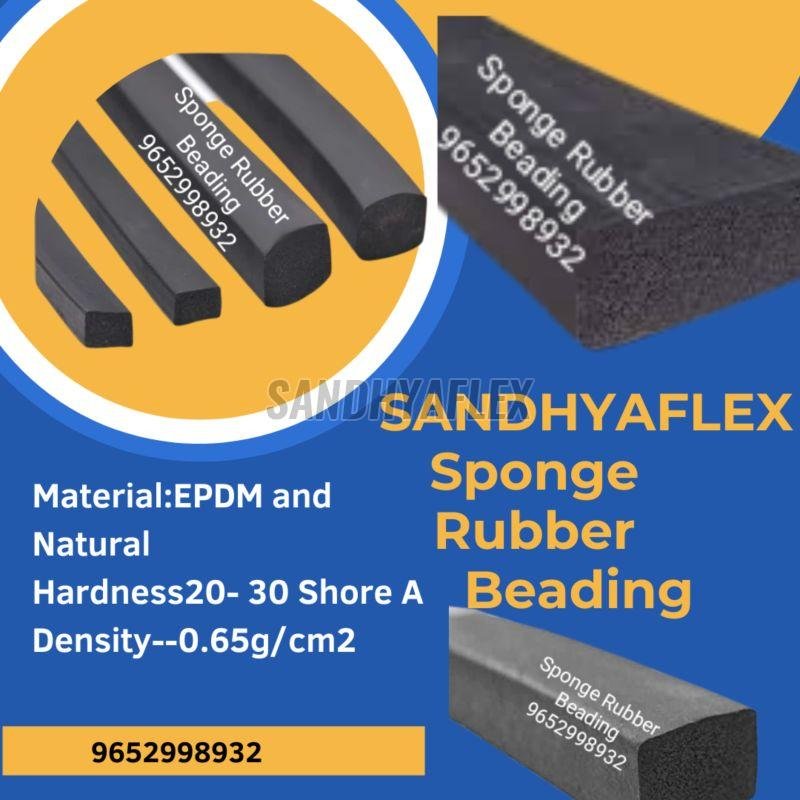
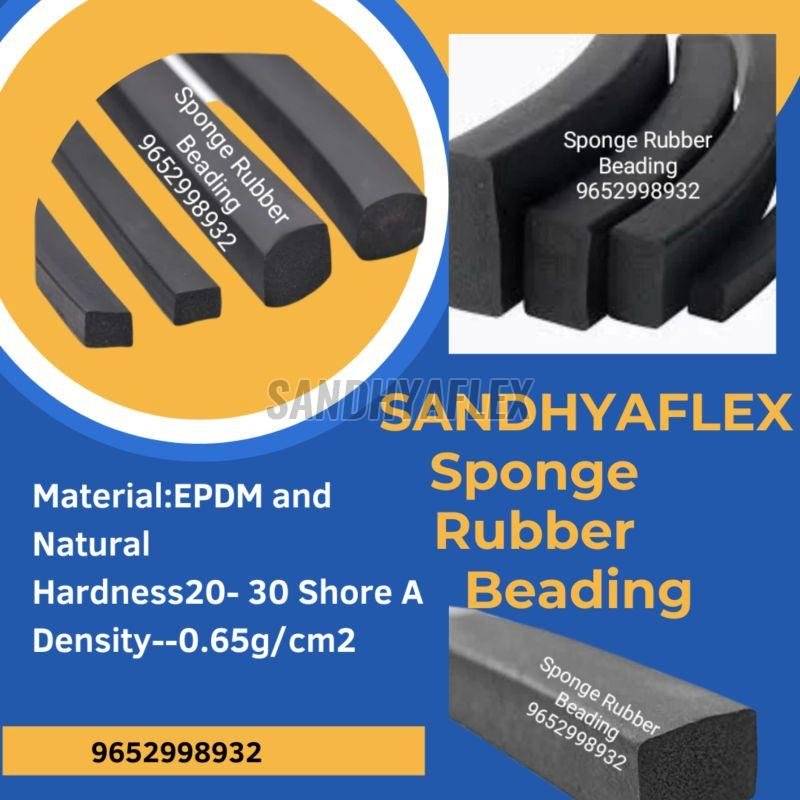
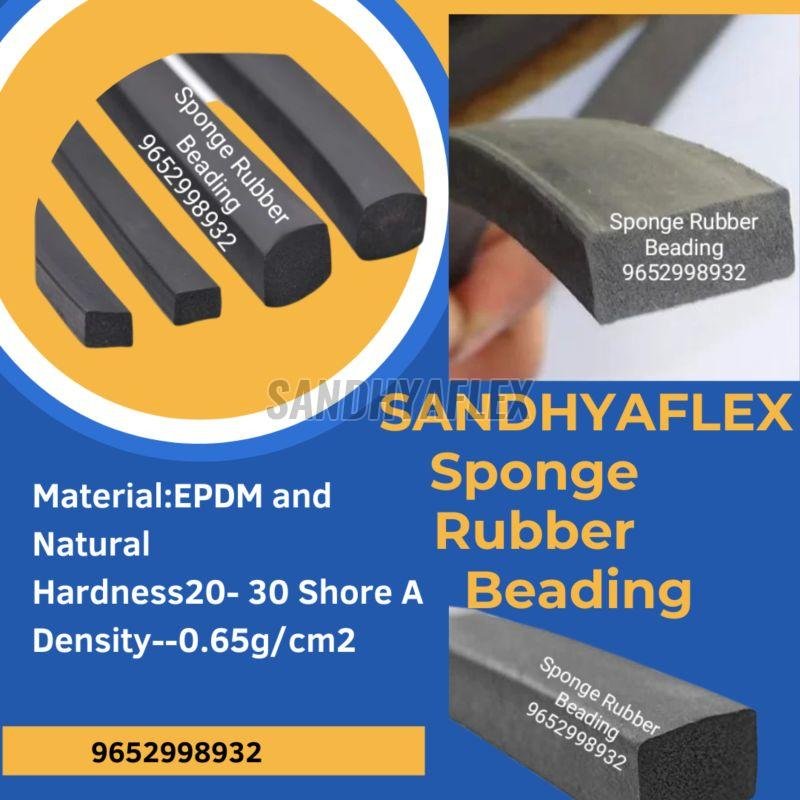
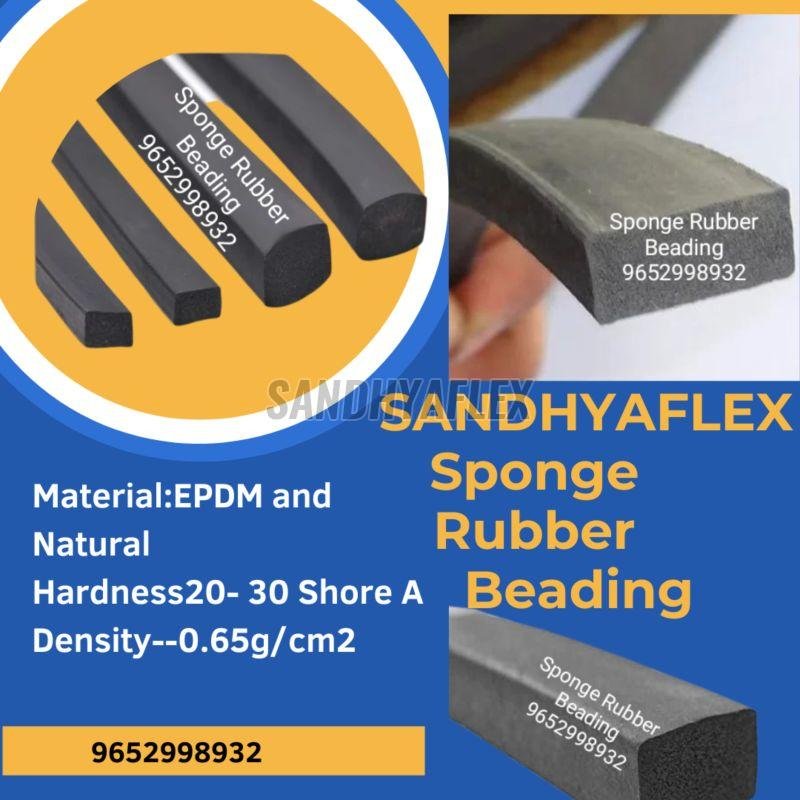
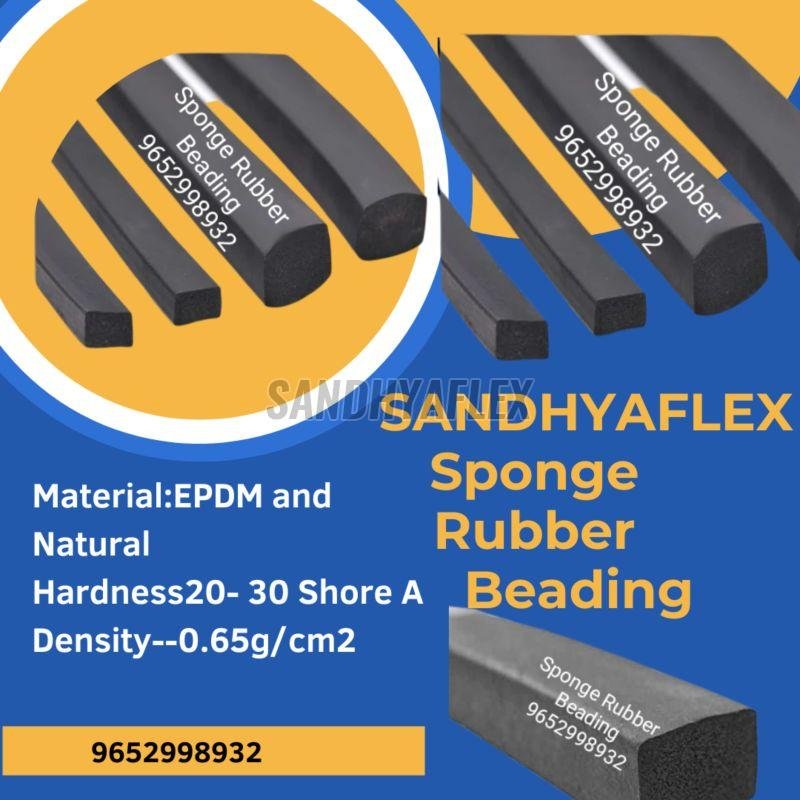
| Number Of Flower | Sponge Rubber Beading |
| Material | Synthetic Rubber Compounds (e.g., Neoprene Or EPDM) |
| Packaging Type | Varies |
| Application | Sealing And Gasketing,Weather Stripping,Cushioning And Padding,Vibration Dampening,Electrical Enclosure Seals,Automotive Applications,Medical And Healthcare,Marine And Boating,Construction |
| Density | 0.65 cm |
| Properties | Flexibility,Resilience,Sealing,Cushioning,Shock Absorption,Vibration Dampening |
| Payment Terms | T/T |
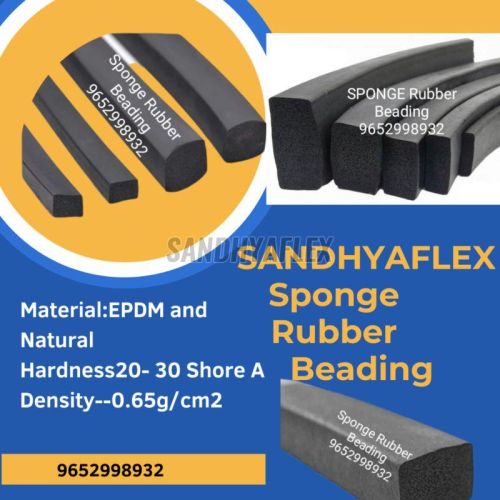
Sponge rubber beading refers to a type of rubber material that is typically in the form of a strip or bead with a soft, sponge-like texture. This material is often used in various applications due to its unique properties, which include flexibility, resilience, and the ability to seal or cushion gaps and joints. Here are some common uses for sponge rubber beading:
1. **Sealing and Gasketing**: Sponge rubber beading is commonly used to create seals and gaskets in various industries. It can be compressed between two surfaces to prevent the passage of liquids, gases, or dust. This is especially useful in automotive, industrial, and HVAC (heating, ventilation, and air conditioning) applications.
2. **Weather Stripping**: It is often used as weather stripping around doors and windows to provide insulation and prevent drafts, helping to maintain temperature control inside buildings and vehicles.
3. **Cushioning and Padding**: The sponge-like texture of rubber beading makes it ideal for cushioning and padding purposes. It can be used in furniture, packaging, and as padding in sports equipment to absorb shock and protect surfaces.
4. **Vibration Dampening**: Sponge rubber beading is used to dampen vibrations and reduce noise in machinery and equipment. It can be placed between moving parts or components to absorb and dissipate vibrations.
5. **Electrical Enclosure Seals**: In electrical and electronic applications, sponge rubber beading can be used to create seals and gaskets in enclosures to protect sensitive components from moisture, dust, and other environmental factors.
6. **Automotive Applications**: Sponge rubber beading is used in vehicles for various purposes, such as sealing doors, hoods, and trunks, as well as for providing cushioning in automotive interiors.
7. **Medical and Healthcare**: It is used in medical equipment and devices for sealing and cushioning purposes, particularly in applications where a soft, hypoallergenic material is needed.
8. **Marine and Boating**: Sponge rubber beading is employed in marine and boating applications to seal hatches, windows, and compartments, as well as for cushioning and shock absorption on boats and docks.
9. **Construction**: In the construction industry, sponge rubber beading can be used to seal joints and gaps in buildings to prevent water infiltration and provide thermal insulation.
Sponge rubber beading comes in various shapes, sizes, and materials to suit different applications. It is typically made from synthetic rubber compounds, such as neoprene or EPDM (ethylene propylene diene monomer), which offer good resistance to environmental factors like moisture, UV radiation, and temperature extremes. The choice of sponge rubber beading depends on the specific requirements of the application and the environmental conditions it will face.
| Business Type | Manufacturer, Exporter, Supplier, Retailer |
| Brand Name | SNDHYAFLEX |
| Port | mumbai |
| Packaging Details | packing In Roll |
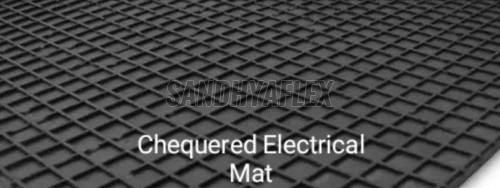
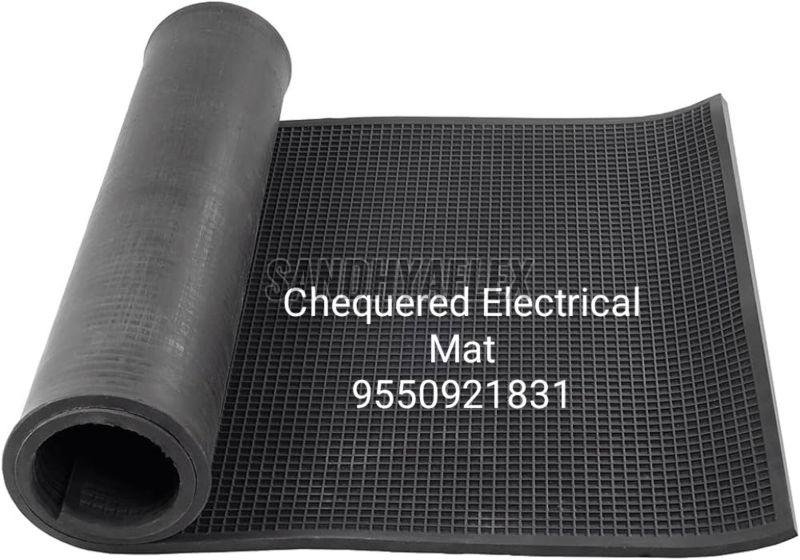
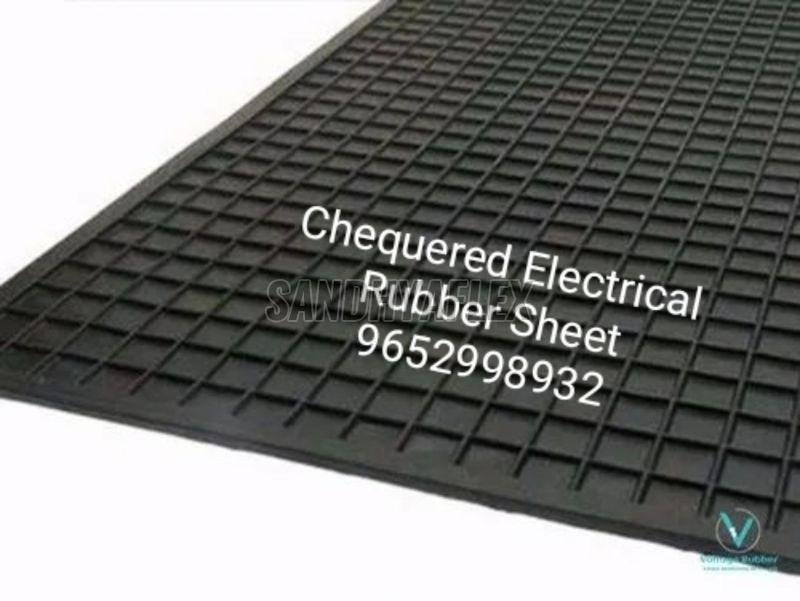
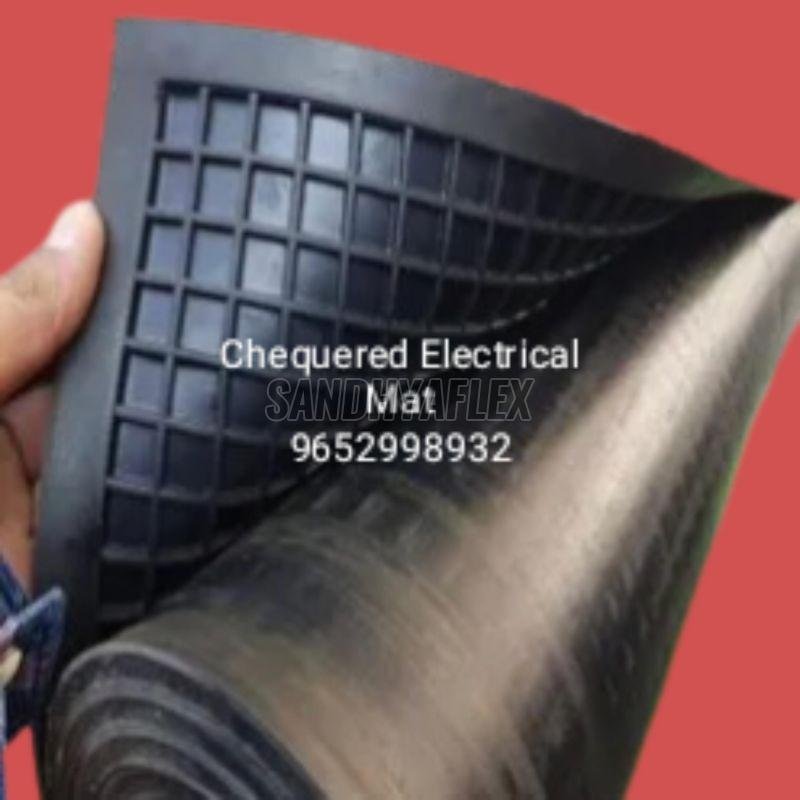
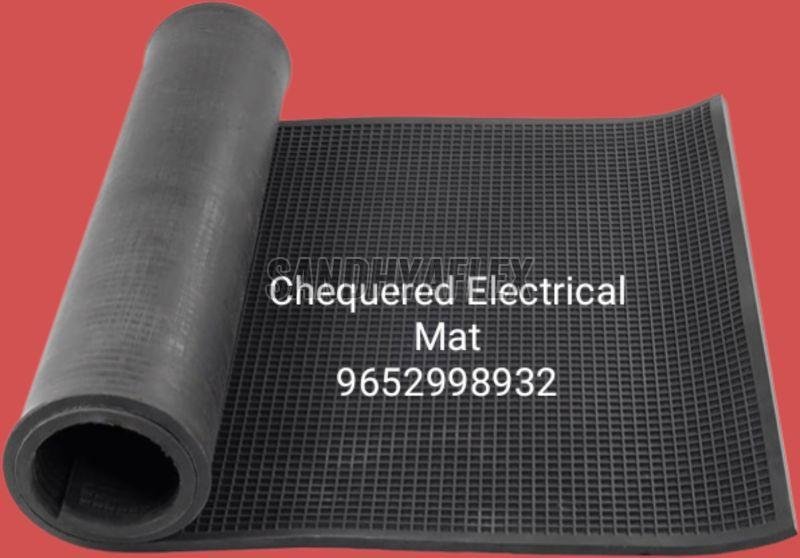
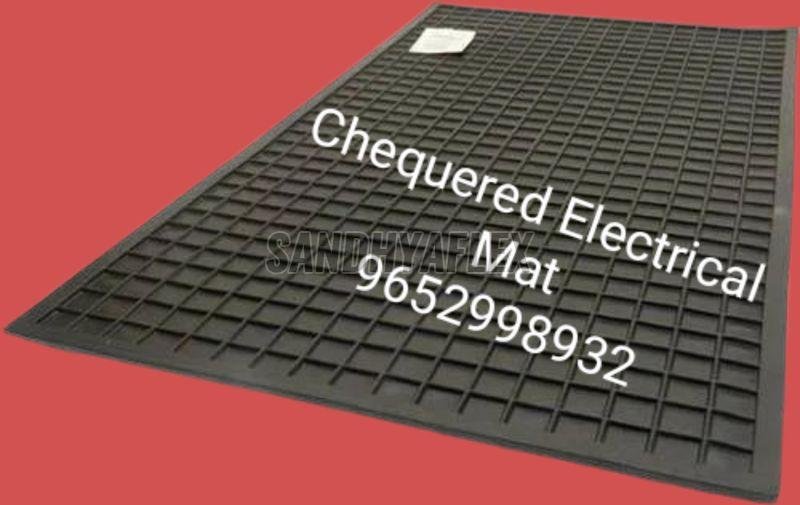
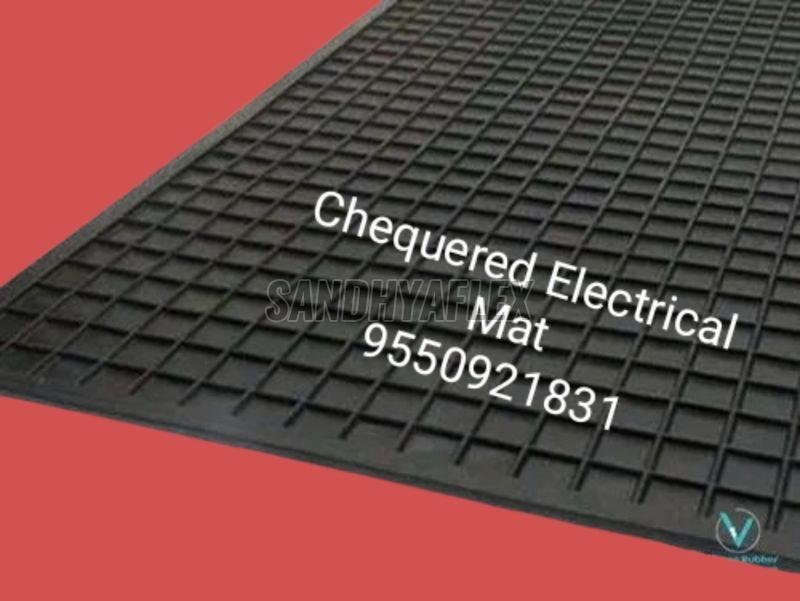
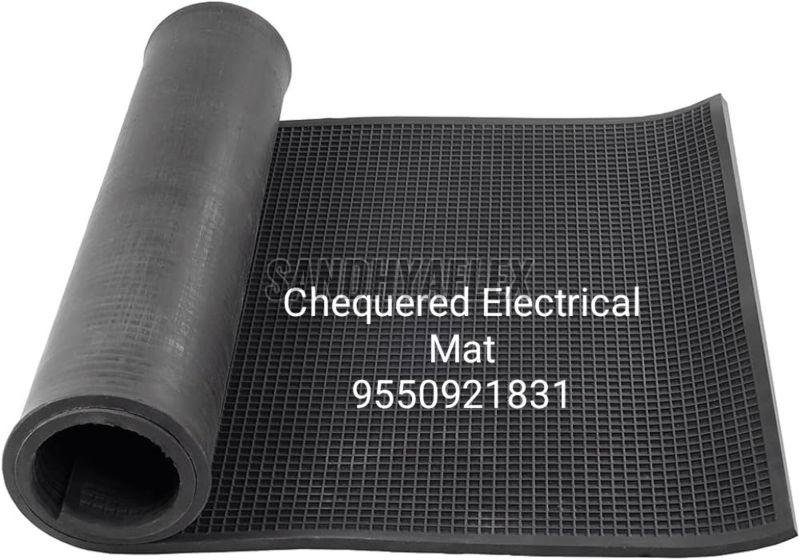
Chequered electrical rubber sheet, also known as insulating rubber mat, is specifically designed to provide electrical insulation and safety in areas where there's a risk of electric shock. Its applications primarily revolve around electrical safety and are commonly used in various industries, especially in places where workers come into contact with high-voltage equipment or electrical installations. Here are some key uses and applications of chequered electrical rubber sheets: 1. **Electrical Substations:** These mats are frequently used in electrical substations where workers need to access switchgear, transformers, or other high-voltage equipment. Placing these mats on the floor creates a safe zone for workers to stand on while performing maintenance or inspections, protecting them from potential electrical hazards. 2. **Power Plants:** Whether in thermal, hydroelectric, nuclear, or renewable energy power plants, these mats can be used in control rooms or around electrical panels to ensure the safety of personnel working in these areas. 3. **Industrial Settings:** Factories, manufacturing units, and workshops that deal with electrical machinery often use these mats. They are placed near control panels, switchboards, and other high-voltage equipment to safeguard workers from electrical shocks in case of accidental contact. 4. **Laboratories:** Research laboratories dealing with electrical experiments or housing equipment that uses high voltage can utilize these mats to prevent electric shocks to personnel working in these environments. 5. **Data Centers:** In facilities where servers and electrical equipment are densely packed, insulating rubber mats can be used in maintenance areas or in proximity to power distribution units to reduce the risk of electrical accidents during equipment handling. 6. **Marine and Offshore Platforms:** Ships, offshore rigs, and marine vessels often use these mats in engine rooms, control stations, or areas where electrical systems are present to protect workers from potential electrical hazards. 7. **Construction Sites:** Portable electrical rubber mats can be used at construction sites where temporary electrical installations are set up to provide a safe working environment for electricians and other workers. 8. **Emergency Response and Disaster Management:** In situations like natural disasters where power lines might be down or damaged, these mats can be used by emergency responders or maintenance personnel to create a safe working area. It's crucial to ensure that the mats meet relevant safety standards, have proper insulation properties, and are regularly inspected for any damage or wear. Additionally, these mats should be properly grounded to maximize their effectiveness in preventing electric shock incidents.Chequered electrical rubber sheet, also known as diamond-patterned electrical insulating rubber sheet, is a specialized type of rubber sheeting designed for electrical insulation and safety in various industrial and commercial applications. Here are its uses and applications: 1. **Electrical Insulation**: The primary purpose of chequered electrical rubber sheets is to provide insulation against electrical currents. They are used as protective barriers in areas where electrical equipment or wiring is present, such as substations, power plants, electrical panels, and switchgear rooms. The chequered pattern enhances grip and visibility, ensuring safety around high-voltage equipment. 2. **Safety Flooring**: Chequered electrical rubber sheets are commonly used as safety flooring in environments where there is a risk of electrical shock or static discharge. They are installed in areas like electrical laboratories, workshops, control rooms, and computer server rooms to protect personnel from accidental contact with live electrical conductors or equipment. 3. **Workbench and Workstation Mats**: In industrial settings, chequered electrical rubber sheets are used as p
| Business Type | Manufacturer, Exporter, Supplier |
| Brand Name | SNDHYAFLEX |
| Material | Rubber |
| Shape | Round |
| Pressure | High |
| Usage | Industrial Use |
| Business Type | Manufacturer, Exporter, Supplier, Retailer |
| Brand Name | SNDHYAFLEX |
| Payment Terms | T/T |
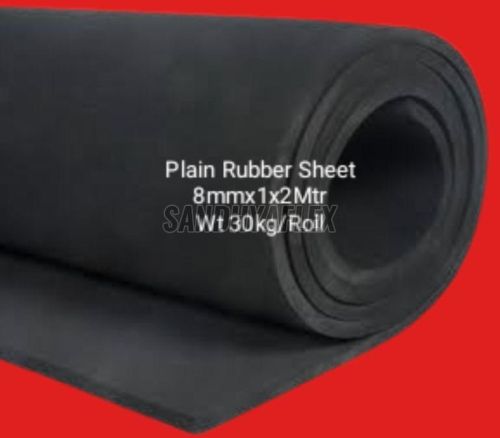
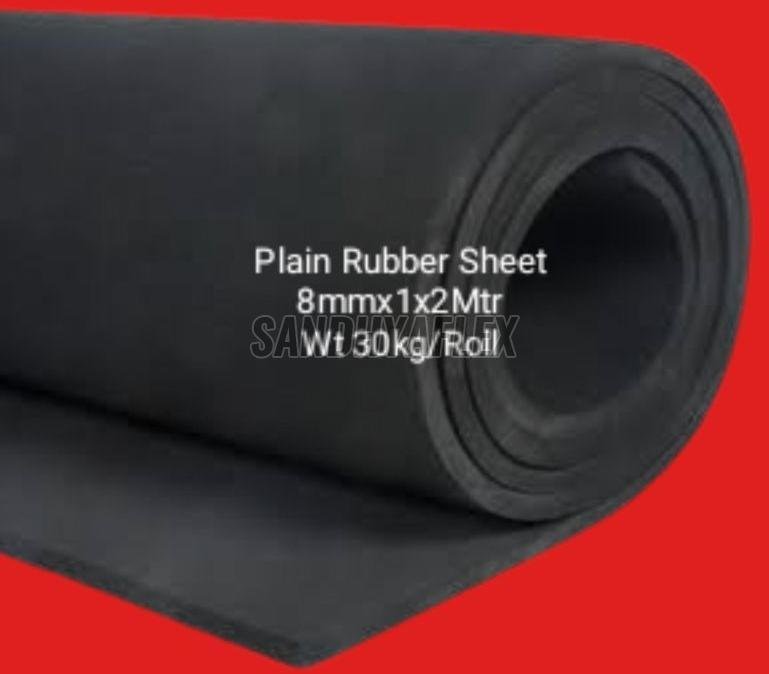
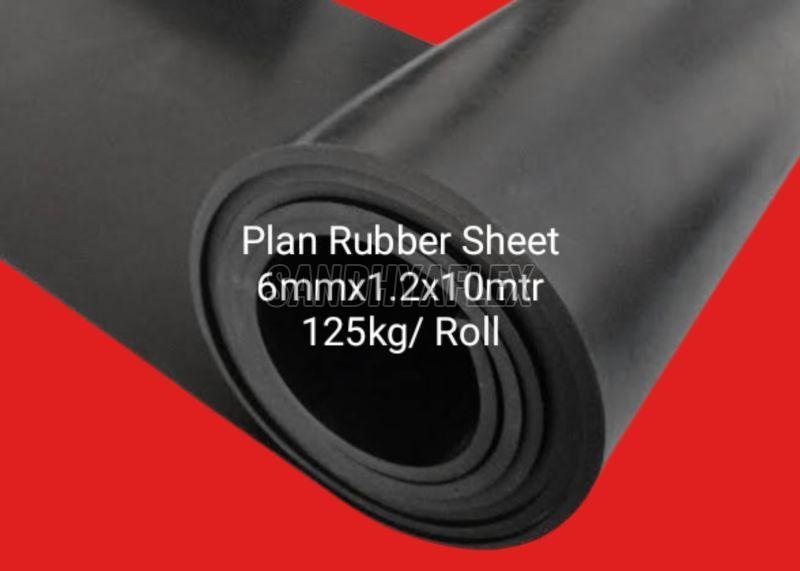
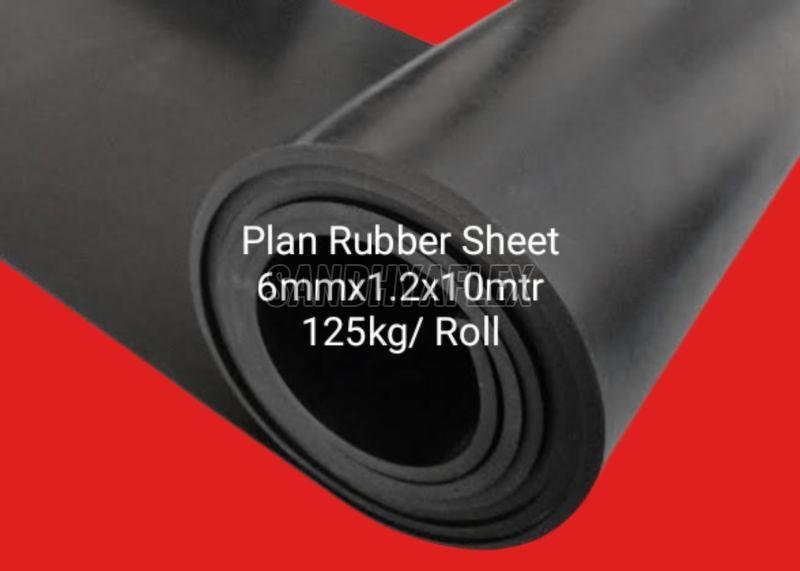
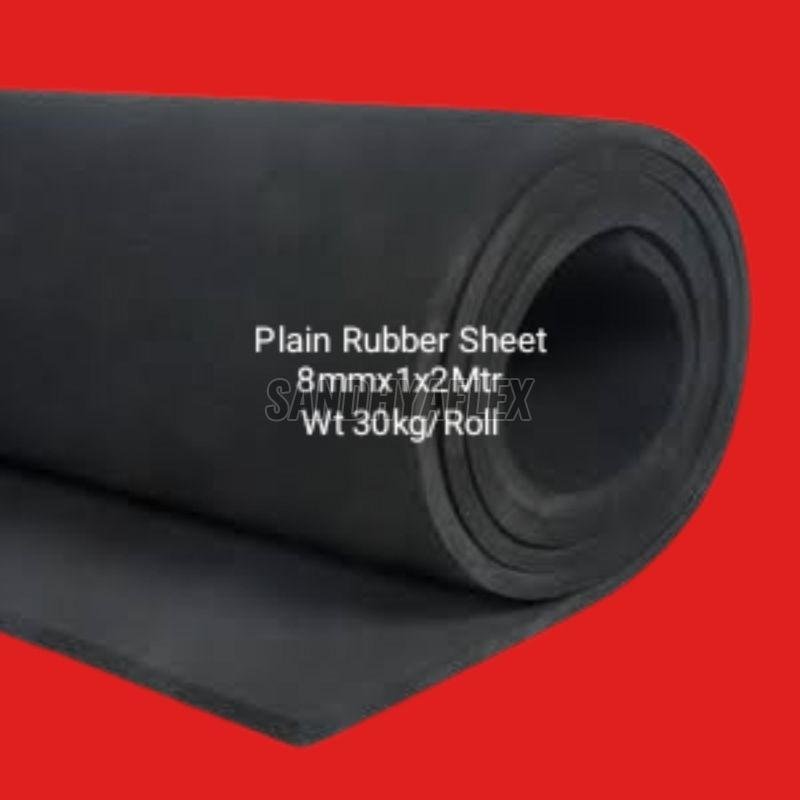
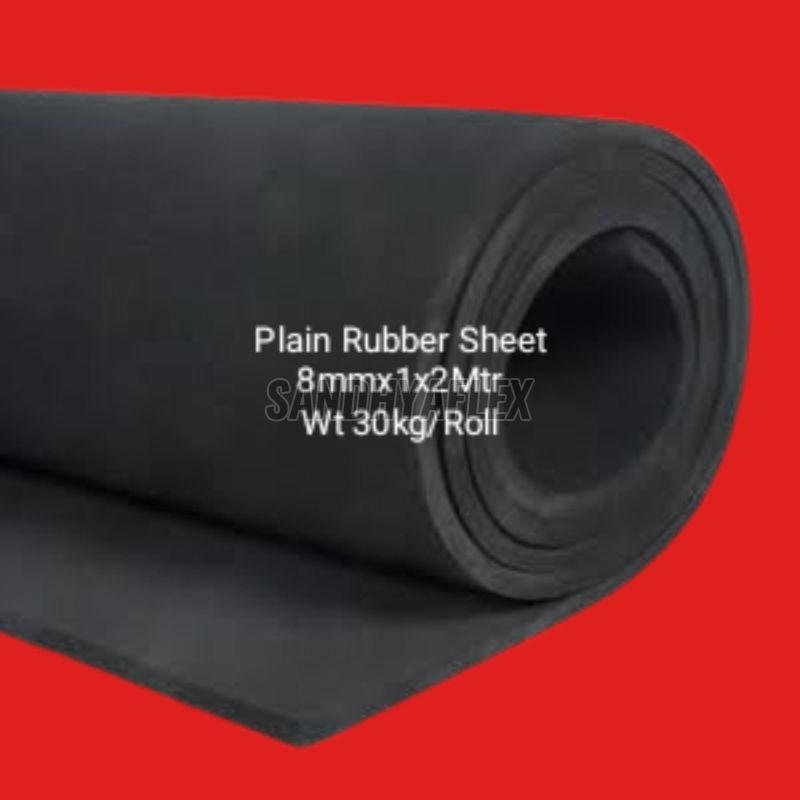
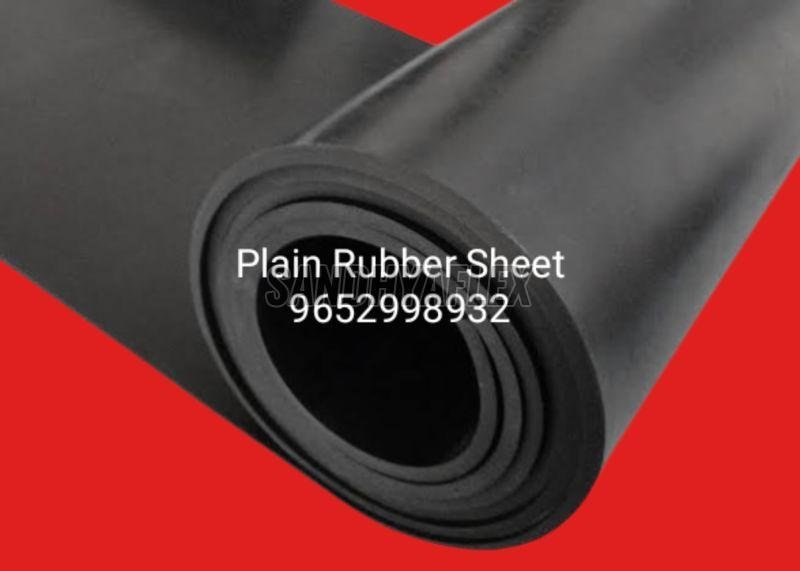
Plain rubber sheets, also known as rubber rolls or rubber strips, are versatile materials with a range of applications across various industries. The use of plain rubber sheets is often dictated by their unique properties, such as elasticity, flexibility, and resistance to moisture and chemicals. Here are some common uses and applications of plain rubber sheets:
1. **Gaskets and Seals:**
- Rubber sheets are commonly used to create gaskets and seals for applications in machinery, engines, and pipelines. Their flexibility allows them to form a tight seal, preventing leaks.
2. **Insulation:**
- Rubber sheets can serve as insulating materials, providing protection against electrical conductivity. They are used in electrical panels, switchboards, and other applications where insulation is crucial.
3. **Vibration Isolation:**
- Rubber sheets are effective at dampening vibrations. They are often employed as vibration isolators in machinery and equipment to reduce noise and prevent vibrations from transferring to other parts of a structure.
4. **Flooring:**
- In industrial settings, gyms, and laboratories, rubber sheets are used as flooring material. They provide a non-slip surface, are resistant to chemicals, and offer impact absorption.
5. **Conveyor Belts:**
- Rubber sheets can be cut and used as covers for conveyor belts. The rubber's durability and resistance to wear make it suitable for conveying materials in various industries.
6. **Weather Stripping:**
- Rubber sheets with good weather resistance properties are used as weather stripping. They provide a barrier against external elements, such as water, air, and dust, making them ideal for doors and windows.
7. **Automotive Applications:**
- Rubber sheets find extensive use in the automotive industry for making gaskets, seals, and parts like bushings and hoses. They offer resilience and resistance to automotive fluids.
8. **Expansion Joints:**
- In construction, rubber sheets are utilized as expansion joints. They can absorb movement caused by temperature variations, preventing structural damage.
9. **Medical and Laboratory Equipment:**
- Rubber sheets with appropriate properties are used in medical and laboratory settings. They may be used for non-slip surfaces, vibration isolation, or as protective barriers.
10. **Packaging:**
- Rubber sheets can be used in packaging applications to provide cushioning and protection for delicate or sensitive items during shipping.
When using plain rubber sheets, it's important to consider the specific requirements of the application, including factors such as temperature resistance, chemical compatibility, and mechanical properties. Additionally, choosing the right thickness and type of rubber sheet is crucial for optimal performance in a given application.
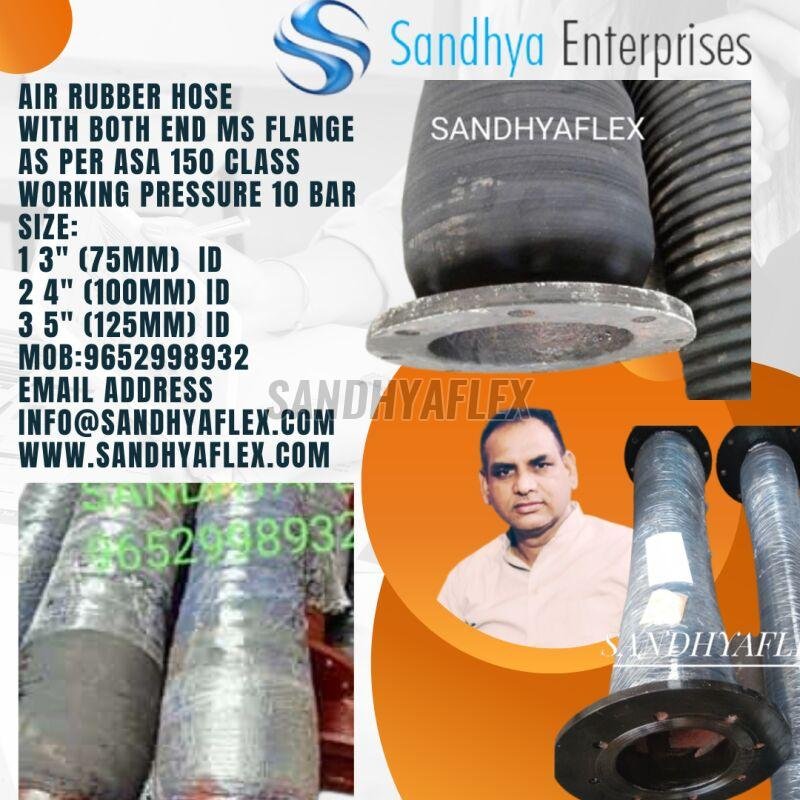
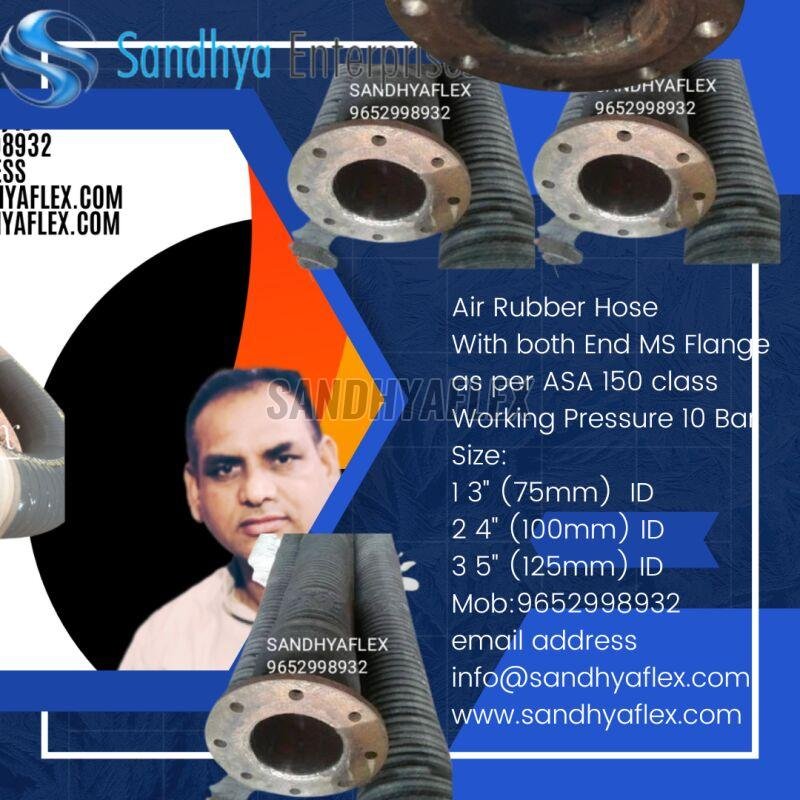
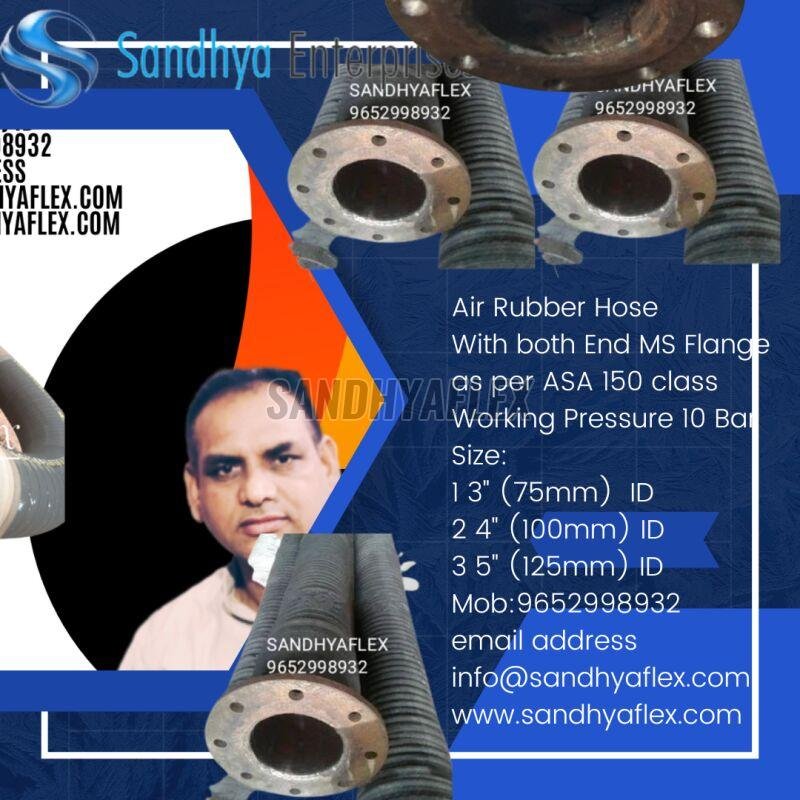
| Business Type | Manufacturer, Exporter, Supplier, Retailer |
| Country of Origin | India |
| Reinforcement | Helical Wire And Fabric Reinforcement |
| Pressure | 10 To 15kg/cm2 |
| Fluid Type | Air |
| Corrosion Resistance | Yes |
| Certification | ISO 9001 2015 |
| Material | Rubber |
| Brand Name | SANDHYAFLEX |
| Number Of Flower | Rubber Hoses |
| Thickness | 10-20mm |
| Condition | New |
| Usage | Industrial Use |
| Standard | BS, ANSI |
| Specialities | Crack Proof |
| Length | 3mtr to 15mr |
| Temperature | -10t0 100Dec C |
| Product Code | SANDHYAFLEX A&WRSH |
| Port | kakinada |
| Payment Terms | T/T |
| Delivery Time | 7 to 15days |
| Packaging Details | Packing with HDPE Cover Cement feeding rubber hoses are primarily used in the construction industry for the transfer of dry cement or other powdered materials. They play a crucial role in various applications related to cement handling and placement. Here are some common applications of cement feeding rubber hoses |
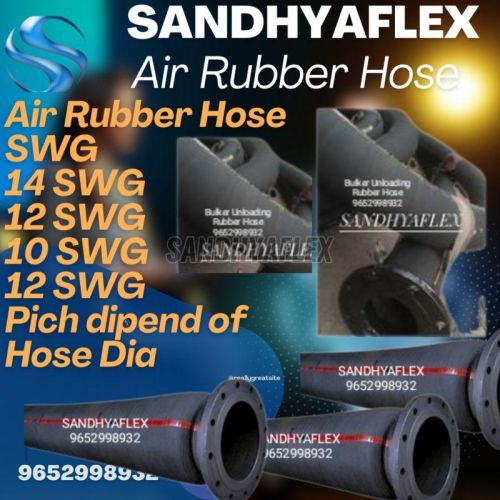
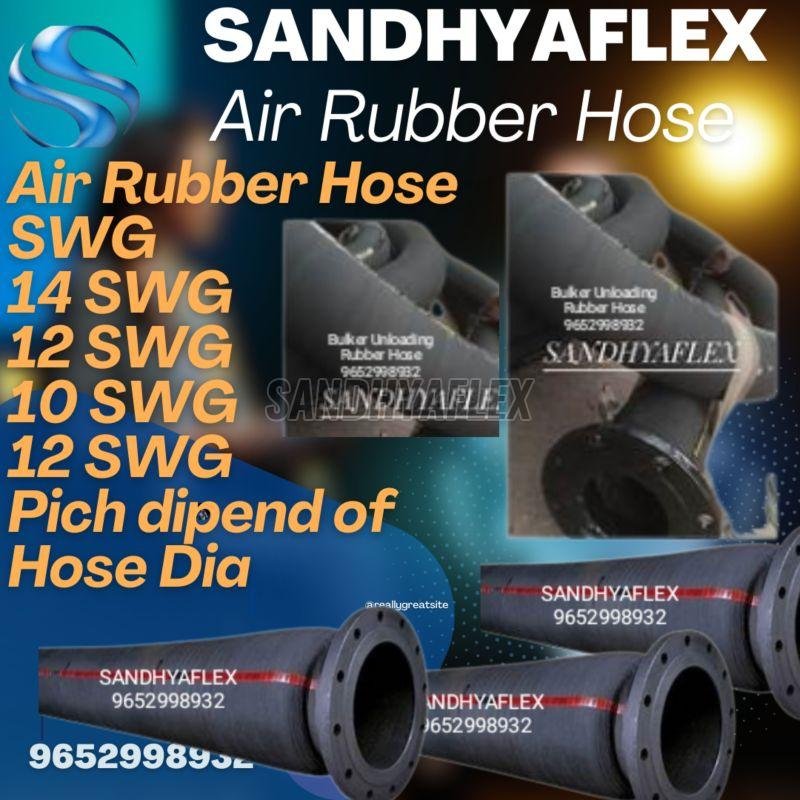
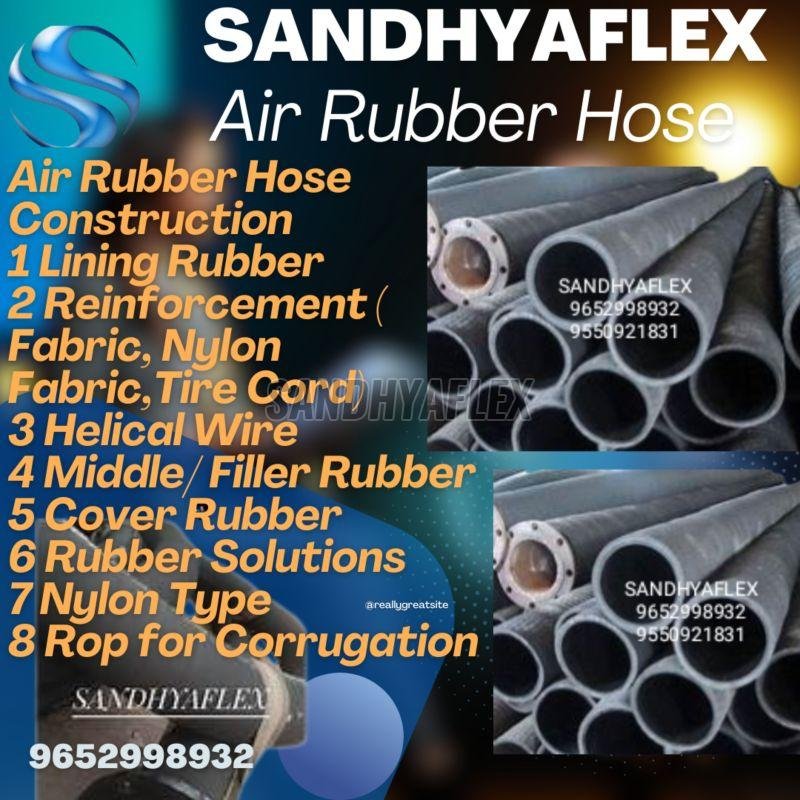
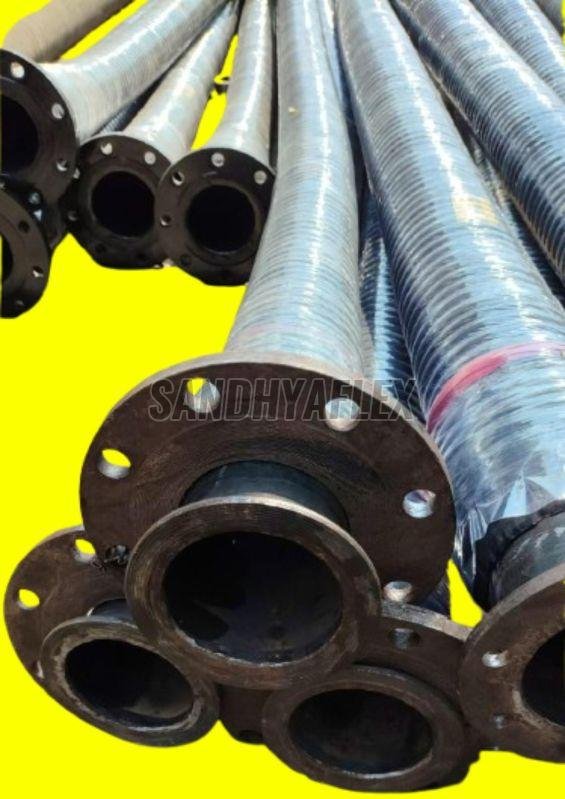
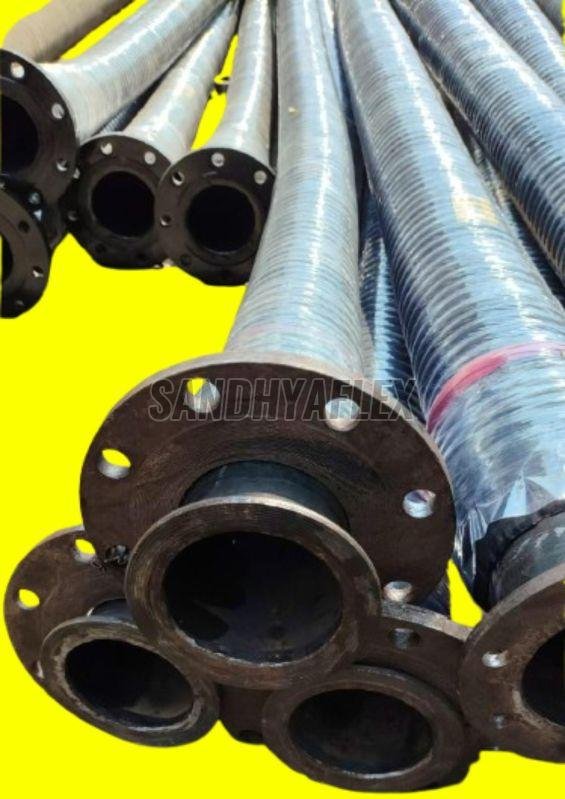
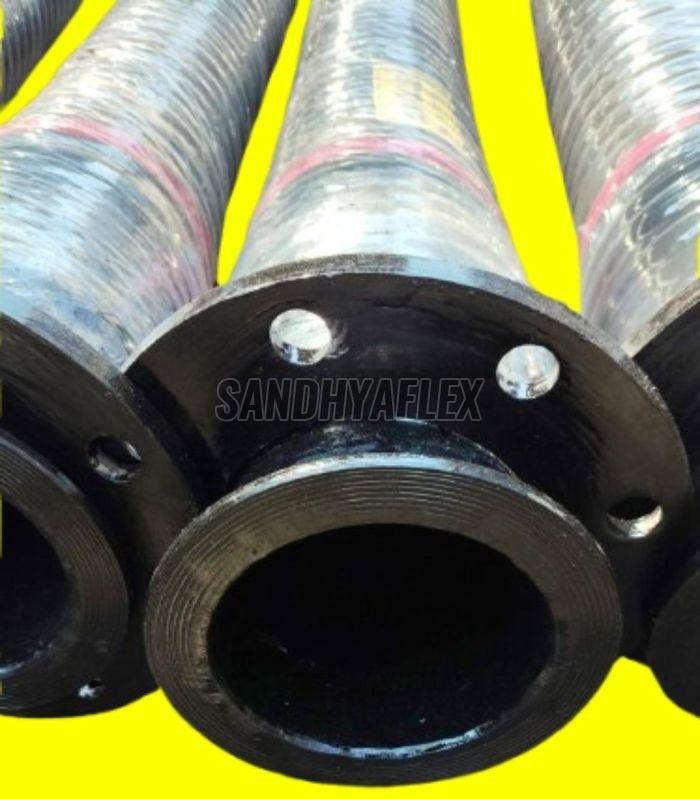
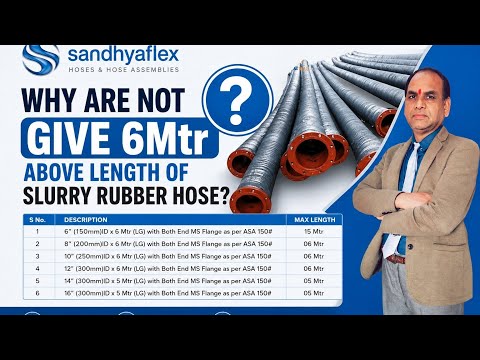
Sandhy Enterprises Manufactuer and Supplie of Air and Water Suction Hose Sandhya Enterprises manufacturer and Supplier of Slurry and Mud Rubber Hose. Rubber Hose for Cement Grouting MEETS IS : 5137 W.P. 10kgf/cm2 MIN. B.P. 40 kgf/cm2 25.0 31.0 38.0 50.0 63.0 75.0 Tube : Highly abrasion resistant soft natural rubber compound. Reinforcement : Woven/Braided or spirally wound textile of high strength synthetic fibres. Electrical bonding : low resistant electrical bonding wire in-corporated between the reinforcement plies to pro vide electrical continuity along the whole length of the hose. Cover : Cloth marked finish cover, resistant to weather and abrasion. Used for cement Grouting at irrigations projects, buildings sites, bridges etc. Service Temp. Range : -400 F to + 1580 F. size: 3\" ID to 12\" ID 3\" ID x 5Mtr (LG) with Soft End 3\" ID x 5Mtr (LG) with Both Side MS Flange as per ASA 150# 4\" ID x 5Mtr (LG) with Soft End 4\" ID x 5Mtr (LG) with Both Side MS Flange as per ASA 150# 5\" ID x 5Mtr (LG) with Soft End 5\" ID x 5Mtr (LG) with Both Side MS Flange as per ASA 150# 6\" ID x 5Mtr (LG) with Soft End 6\" ID x 5Mtr (LG) with Both Side MS Flange as per ASA 150# 8\" ID x 5Mtr (LG) with Soft End 8\" ID x 5Mtr (LG) with Both Side MS Flange as per ASA 150# 10\" ID x 5Mtr (LG) with Soft End 10\" ID x 5Mtr (LG) with Both Side MS Flange as per ASA 150# 12\" ID x 5Mtr (LG) with Soft End 12\" ID x 5Mtr (LG) with Both Side MS Flange as per ASA 150# 14\" ID x 4Mtr (LG) with Soft End 14\" ID x 4Mtr (LG) with Both Side MS Flange as per ASA 150# 16\" ID x 4Mtr (LG) with Soft End 16\" ID x 4Mtr (LG) with Both Side MS Flange as per ASA 150# A bulker unloading rubber hose, also known as a bulk material handling hose or bulk discharge hose, is a specialized hose designed for the unloading or transfer of bulk materials such as powders, grains, pellets, or granules from a bulk carrier or silo to a storage facility or processing equipment. It is commonly used in industries such as agriculture, mining, chemical processing, and construction. The key features and characteristics of a bulker unloading rubber hose include: 1. Material compatibility: Bulker unloading rubber hoses are constructed with a lining made of abrasion-resistant rubber or synthetic materials. This lining is specifically designed to withstand the abrasive nature of bulk materials and prevent wear and damage to the hose during unloading or transfer. 2. Reinforcement: The inner lining is reinforced with high-strength textile or steel wire braids or spirals to provide structural integrity and prevent the hose from bursting under pressure. The reinforcement enhances the hose's ability to handle the demanding conditions of bulk material transportation. 3. Flexibility: Bulker unloading rubber hoses are designed to be flexible, allowing for easy handling and installation. This flexibility enables the hose to accommodate movement during the unloading process and reach different points in the material handling system. 4. Pressure resistance: The hose is engineered to withstand the specific working pressures involved in bulk material transfer. It is designed to maintain its integrity and prevent leaks or bursts during operation. 5. Size and fittings: Bulker unloading rubber hoses are available in various diameters and lengths to suit different application requirements. They can be fitted with standard couplings or connections for easy attachment to bulk carriers, silos, or other material handling equipment. 6. Chemical resistance: Depending on the specific application, bulker unloading rubber hoses may be designed to have chemical resistance properties to withstand the corrosive nature of certain materials or the presence of chemicals used in the process. Regular inspection and maintenance of the bulker unloading rubber hose are necessary to identify signs of wear, damage, or deterioration. Any worn or damaged hoses should be replaced promptly to prevent leaks or disruption
| Business Type | Manufacturer, Exporter, Supplier, Retailer, Buying House |
| Type | Cement Feeding System |
| Certification | ISO 9001:2008 |
| Usage | Industrial Use |
| Color | Black |
| Shape | Round |
| Finishing | Polished |
| Brand Name | SANDHYAFLEX |
| Material | Rubber Fabric Reinforcement With Helical Wire |
| Pressure | 10bar |
| Black Color | 1800 to 2400/Mtr |
| Total Carbohydrate | 6month |
| Product Code | SANDHYAFLEXCFRH |
| Port | kakinada |
| Payment Terms | L/C, T/T |
| Delivery Time | 7 to 15days |
| Packaging Details | Packing with HDPE Cover |
sandhya etnerprisees manufactuer and supplier of cement fedding rubber hose and mud rubber hose sandhya enterprises manufacturer and supplier of slurry and mud rubber hose. Rubber hose for cement grouting meets is : 5137 w.p. 10kgf/cm2 min. B.p. 40 kgf/cm2 25.0 31.0 38.0 50.0 63.0 75.0 tube : highly abrasion resistant soft natural rubber compound. Reinforcement : woven/braided or spirally wound textile of high strength synthetic fibres. Electrical bonding : low resistant electrical bonding wire in-corporated between the reinforcement plies to pro vide electrical continuity along the whole length of the hose. Cover : cloth marked finish cover, resistant to weather and abrasion. Used for cement grouting at irrigation's projects, buildings sites, bridges etc. Service temp. Range : -400 f to + 1580 f. Size: 3\" id to 12\" id 3\" id x 5mtr (lg) with soft end 3\" id x 5mtr (lg) with both side ms flange as per asa 150# 4\" id x 5mtr (lg) with soft end 4\" id x 5mtr (lg) with both side ms flange as per asa 150# 5\" id x 5mtr (lg) with soft end 5\" id x 5mtr (lg) with both side ms flange as per asa 150# 6\" id x 5mtr (lg) with soft end 6\" id x 5mtr (lg) with both side ms flange as per asa 150# 8\" id x 5mtr (lg) with soft end 8\" id x 5mtr (lg) with both side ms flange as per asa 150# 10\" id x 5mtr (lg) with soft end 10\" id x 5mtr (lg) with both side ms flange as per asa 150# 12\" id x 5mtr (lg) with soft end 12\" id x 5mtr (lg) with both side ms flange as per asa 150# 14\" id x 4mtr (lg) with soft end 14\" id x 4mtr (lg) with both side ms flange as per asa 150# 16\" id x 4mtr (lg) with soft end 16\" id x 4mtr (lg) with both side ms flange as per asa 150# A bulker unloading rubber hose, also known as a bulk material handling hose or bulk discharge hose, is a specialized hose designed for the unloading or transfer of bulk materials such as powders, grains, pellets, or granules from a bulk carrier or silo to a storage facility or processing equipment. It is commonly used in industries such as agriculture, mining, chemical processing, and construction. The key features and characteristics of a bulker unloading rubber hose include: 1. Material compatibility: Bulker unloading rubber hoses are constructed with a lining made of abrasion-resistant rubber or synthetic materials. This lining is specifically designed to withstand the abrasive nature of bulk materials and prevent wear and damage to the hose during unloading or transfer. 2. Reinforcement: The inner lining is reinforced with high-strength textile or steel wire braids or spirals to provide structural integrity and prevent the hose from bursting under pressure. The reinforcement enhances the hose's ability to handle the demanding conditions of bulk material transportation. 3. Flexibility: Bulker unloading rubber hoses are designed to be flexible, allowing for easy handling and installation. This flexibility enables the hose to accommodate movement during the unloading process and reach different points in the material handling system. 4. Pressure resistance: The hose is engineered to withstand the specific working pressures involved in bulk material transfer. It is designed to maintain its integrity and prevent leaks or bursts during operation. 5. Size and fittings: Bulker unloading rubber hoses are available in various diameters and lengths to suit different application requirements. They can be fitted with standard couplings or connections for easy attachment to bulk carriers, silos, or other material handling equipment. 6. Chemical resistance: Depending on the specific application, bulker unloading rubber hoses may be designed to have chemical resistance properties to withstand the corrosive nature of certain materials or the presence of chemicals used in the process. Regular inspection and maintenance of the bulker unloading rubber hose are necessary to identify signs of wear, damage, or deterioration. Any worn or damaged hoses should be replaced promptly to pre
| Business Type | Manufacturer, Exporter, Supplier, Retailer |
| Brand Name | SNDHYAFLEX |
| Material | Rubber |
| Shape | Round |
| Pressure | Medium |
| Usage | Industrial Use |
| Certification | ISO 9001:2008 |
| Payment Terms | T/T |
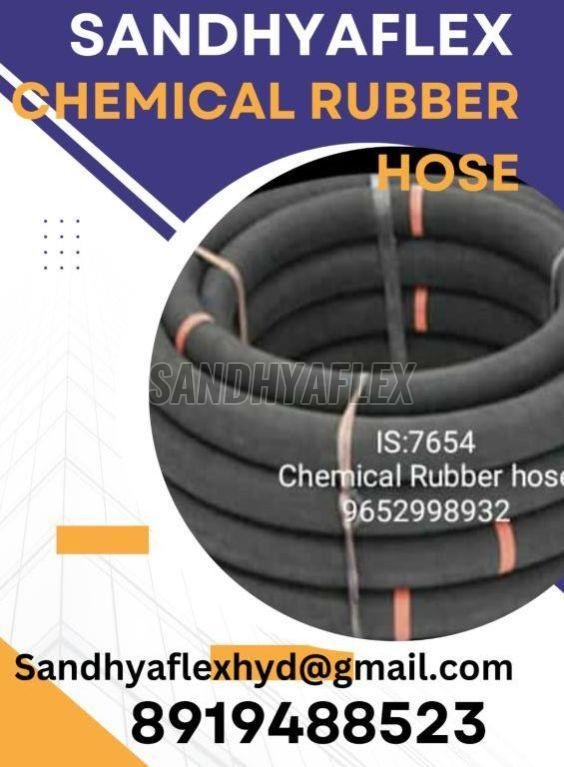
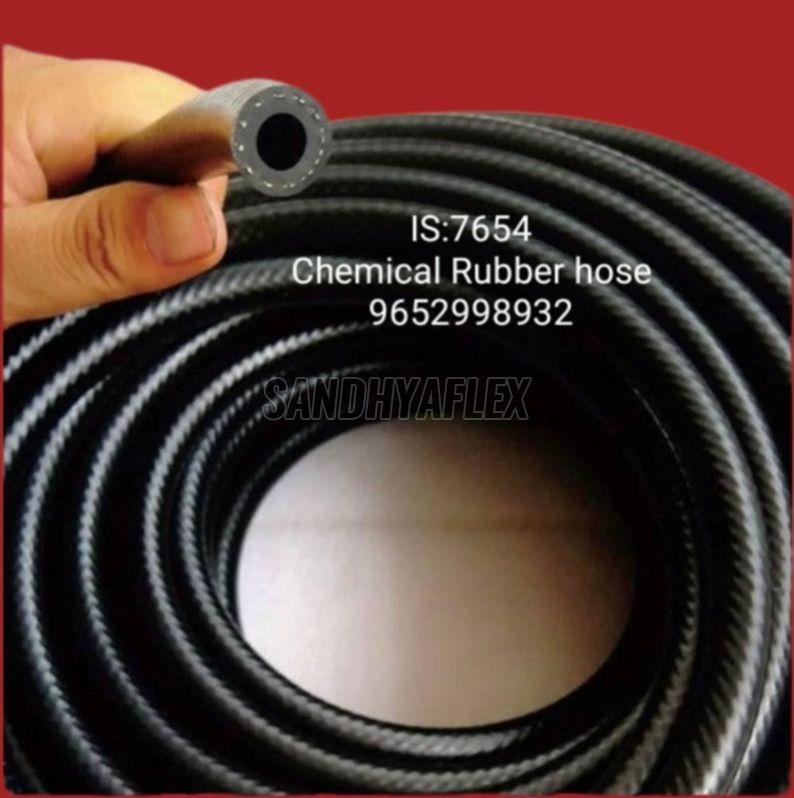
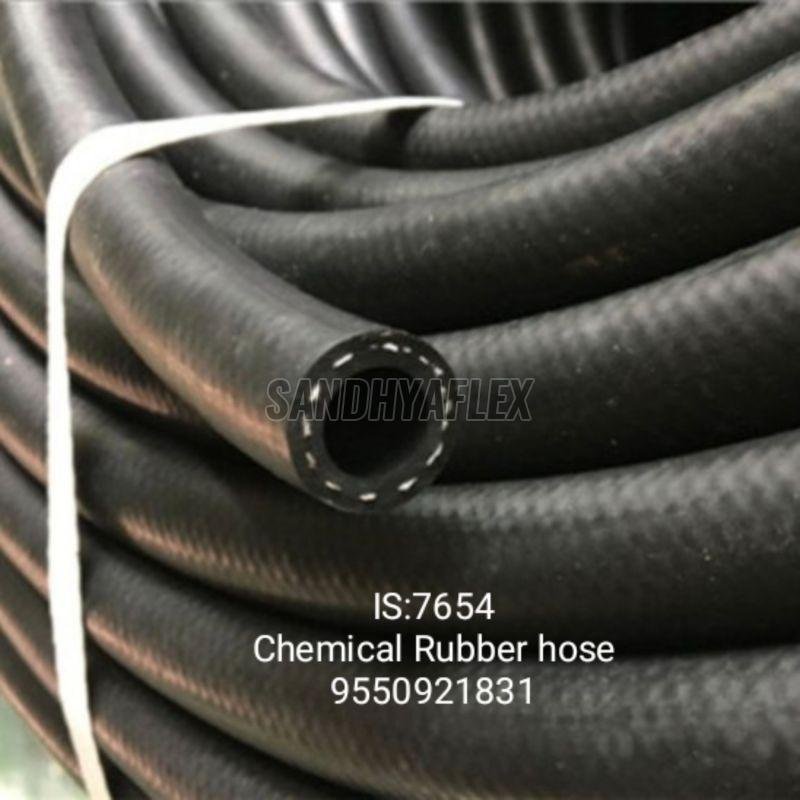
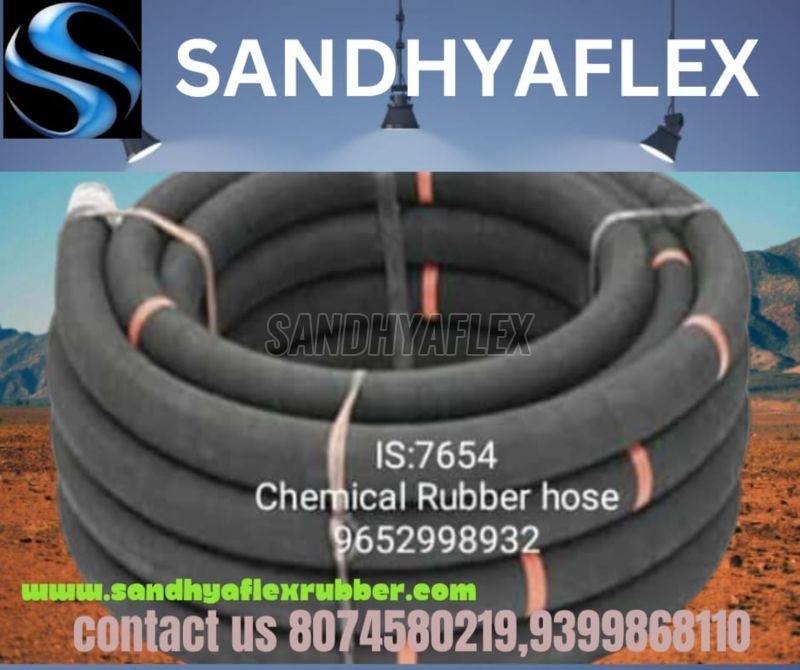
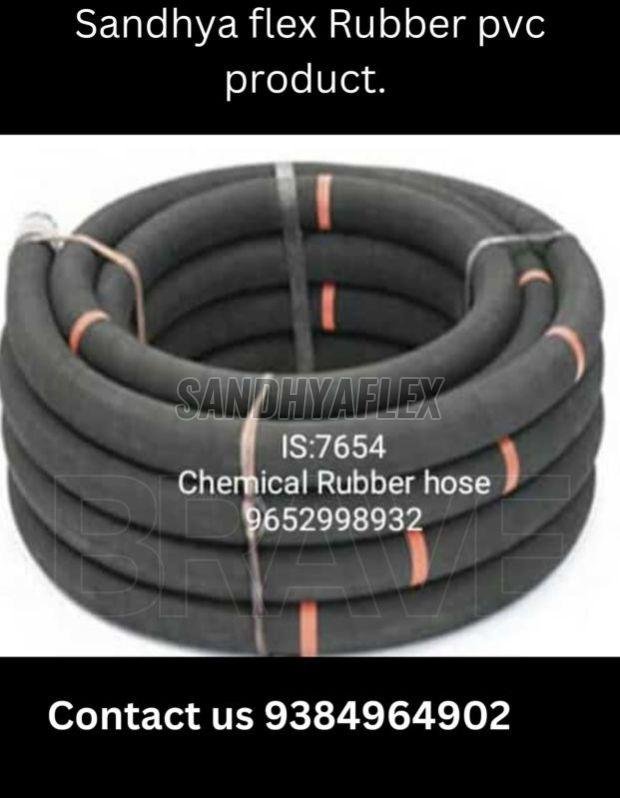
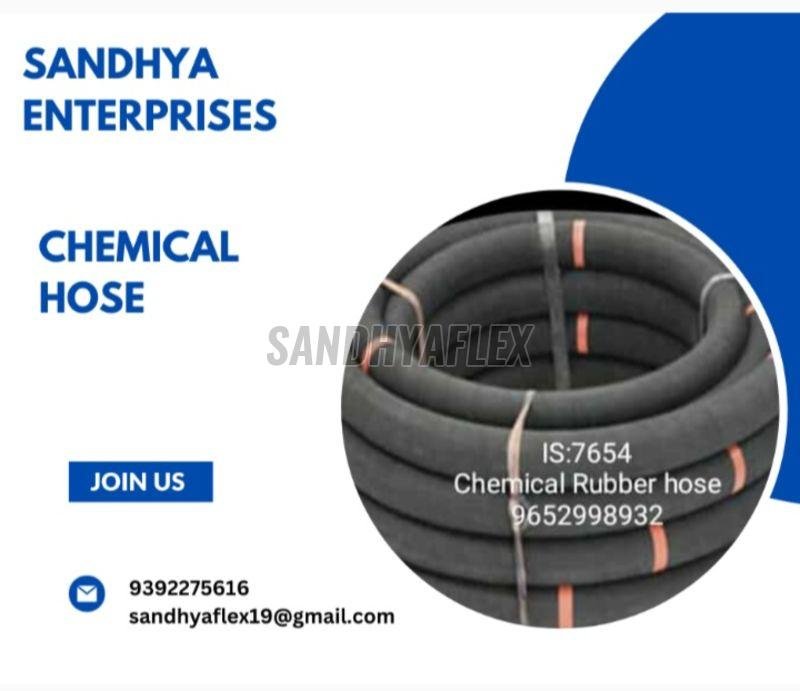
IS: 7654 is an Indian Standard specification for Chemical Rubber Hose. This standard is published by the Bureau of Indian Standards (BIS), which is a national standards body in India responsible for the development and maintenance of various standards across different industries.
The IS: 7654 standard specifies the requirements for rubber hoses used for conveying chemicals. These hoses are designed to handle various types of chemicals and are typically used in industries where the safe transfer of chemicals is essential, such as in chemical manufacturing, pharmaceuticals, and other related industries.
The standard provides specifications for various aspects of chemical rubber hoses, including:
1. Construction: It outlines the construction requirements of the hose, including the type of rubber used, reinforcement layers, and the overall design.
2. Dimensions: The standard specifies the dimensions of the hose, including its inner diameter, outer diameter, and length.
3. Performance Requirements: IS: 7654 outlines performance requirements such as the ability of the hose to withstand a certain level of pressure, temperature, and chemical resistance.
4. Testing Methods: It provides testing methods and procedures to evaluate the performance and quality of chemical rubber hoses.
5. Marking and Packaging: The standard also includes requirements for marking and packaging of these hoses to ensure proper identification and handling.
It's important to note that standards like IS: 7654 are used to ensure the safety and reliability of products in various industries. When selecting and using chemical rubber hoses, it is advisable to follow the relevant standards and guidelines to ensure that they meet the required specifications and can safely handle the intended chemicals. Additionally, compliance with such standards may be a legal or regulatory requirement in certain industries and regions.
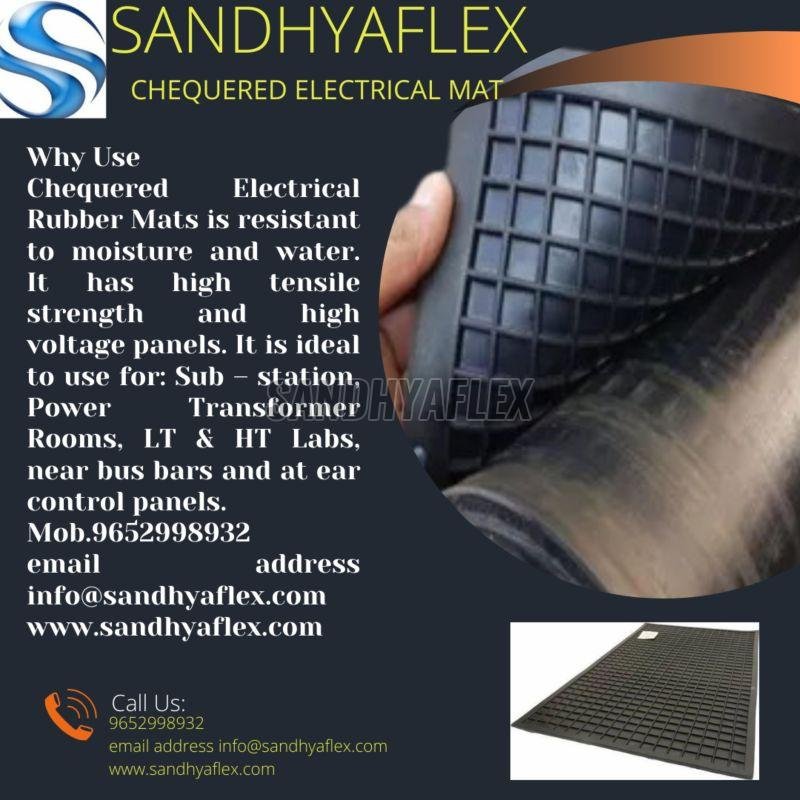
| Business Type | Manufacturer, Exporter, Supplier, Retailer |
| Brand Name | SNDHYAFLEX |
| Usage | Electrical |
| Certification | ISO 9001:2008 Certification |
| Length | 1mtrs |
| Port | mumbai |
| Packaging Details | Packing in Roll with HDPE Cover |
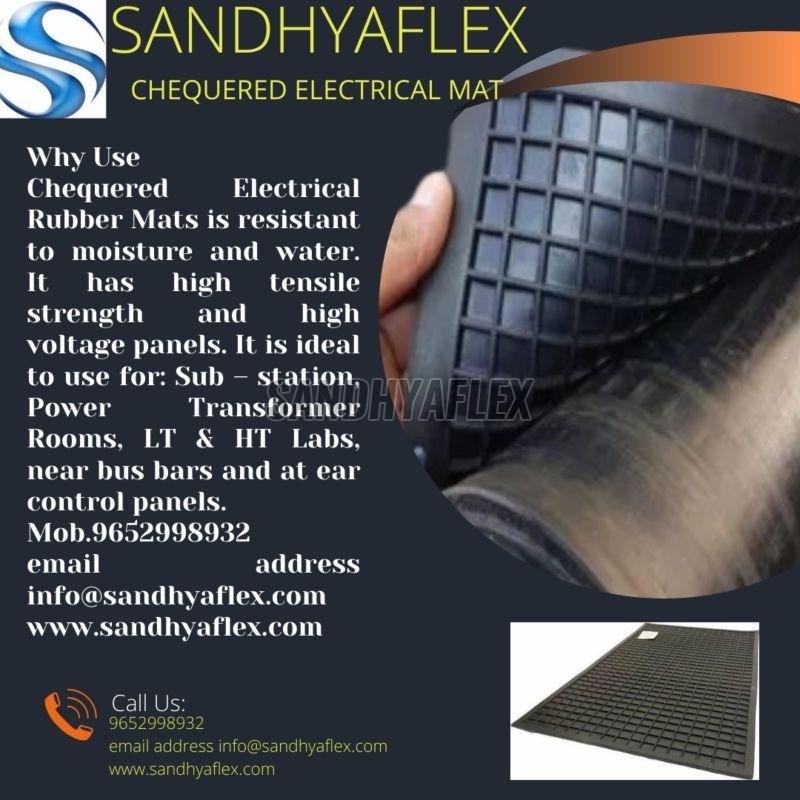
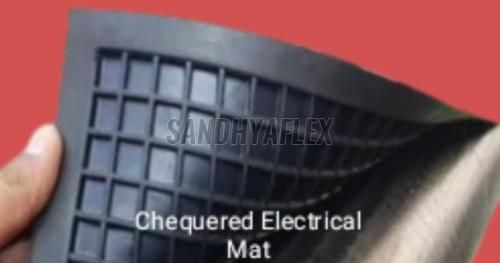
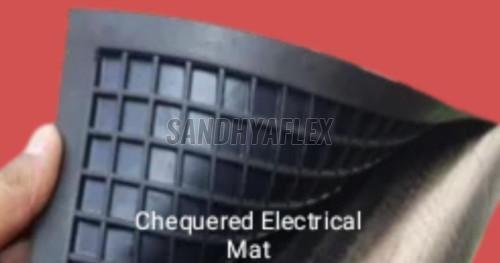
Electrical chequered mats, also known as insulating rubber mats, possess several features that make them suitable for their specific applications in providing electrical safety. Here are the key features: 1. **Electrical Insulation:** These mats are made from high-grade rubber materials that offer excellent electrical insulation properties. They are designed to prevent the flow of electric current, thereby protecting individuals from electric shock when working in environments with high-voltage equipment. 2. **Dielectric Strength:** They have high dielectric strength, which means they can withstand high voltages without allowing current to pass through. This property is crucial in ensuring the safety of individuals working in close proximity to electrical sources. 3. **Non-Conductive Material:** The rubber used in these mats is non-conductive, making it an ideal material to create a barrier between the worker and any potential electrical hazards on the floor. 4. **Durability:** Insulating rubber mats are designed to be durable and resilient. They can withstand wear and tear, heavy foot traffic, and exposure to various environmental conditions without losing their insulating properties. 5. **Corrugated or Chequered Surface:** The surface of these mats often features a corrugated or chequered pattern. This design offers improved traction and helps prevent slips and falls, especially in areas where the floor might be wet or oily, enhancing overall safety. 6. **Resistance to Chemicals and Oils:** They are typically resistant to various chemicals, oils, and other substances commonly found in industrial environments. This resistance helps maintain the integrity and insulating properties of the mats even when exposed to potentially damaging substances. 7. **Safety Standards Compliance:** Quality insulating rubber mats comply with industry safety standards, such as ASTM (American Society for Testing and Materials) or IEC (International Electro technical Commission) standards, ensuring that they meet specific performance and safety criteria. 8. **Color Coding and Markings:** Mats often come in specific colors, such as black for general use, and sometimes with specific markings denoting their voltage class or other relevant information for easy identification and appropriate usage. 9. **Easy Maintenance:** They are relatively easy to clean and maintain, requiring simple cleaning procedures to ensure their longevity and effectiveness. 10. **Various Thickness Options:** Available in different thicknesses to provide adequate insulation depending on the voltage levels and specific application requirements. It's crucial to regularly inspect these mats for any signs of damage, wear, or degradation, as their effectiveness in providing electrical safety relies on their proper condition and integrity. Mats that show signs of wear should be replaced promptly to maintain a safe working environment.Chequered electrical rubber sheet, also known as diamond-patterned electrical insulating rubber sheet, is a specialized type of rubber sheeting designed for electrical insulation and safety in various industrial and commercial applications. Here are its uses and applications: 1. **Electrical Insulation**: The primary purpose of chequered electrical rubber sheets is to provide insulation against electrical currents. They are used as protective barriers in areas where electrical equipment or wiring is present, such as substations, power plants, electrical panels, and switchgear rooms. The chequered pattern enhances grip and visibility, ensuring safety around high-voltage equipment. 2. **Safety Flooring**: Chequered electrical rubber sheets are commonly used as safety flooring in environments where there is a risk of electrical shock or static discharge. They are installed in areas like electrical laboratories, workshops, control rooms, and computer server rooms to protect personnel from accidental contact with live electrical condu
| Business Type | Manufacturer, Exporter, Supplier |
| Country of Origin | India |
| Application | Dam Gate Seals Application: Quality Of Rubber Concept Dam Gate Seals Are Very Well Accepted By Vario |
| Size (Inches) | 25mm To 50mm Dia Type Musical Note Dam Gate Seal A B C |
| Material | GATE RUBBER SEAL COMPOUNDS, BASED ON FOLLOWING ELASTOMERS, ARE USED FOR THE MANUFACTURING O |
| Steam Thickness | SANDHYAFLEX Bulb Seal/ Side Seal 1 Size25Diax 70x10mm Bulb Seal Size: Bulb Dia. 33mm |
| Packaging Type | Packet |
| Thickness | 10mm to 25mm |
| Diameter | SANDHYAFLEX Bulb Seal/ Side Seal 1 Size25Diax 70x10mm Bulb Seal Size: Bulb Dia. 33mm X 90mm |
| Temperature | -10 to 150 Deg C |
| Hardness | 63 Shore A |
| Port | A **port of dispatch** refers to the location (typically a seaport or airport) from which goods are |
| Payment Terms | D/A, Western Union |
| Delivery Time | 7to 15days |
| Packaging Details | packing as per dimension |
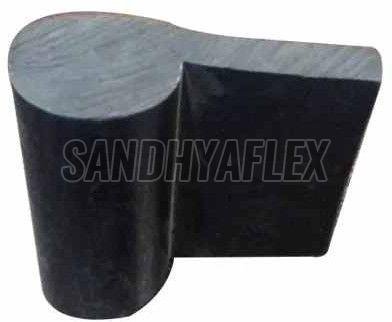
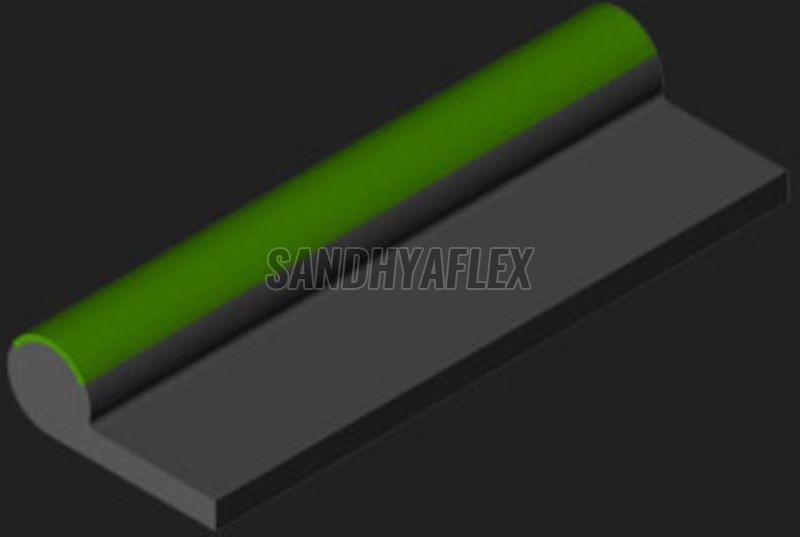
Common sizes and the arrangement of music note seal over the seal base plate. The initial interference note type seal shall vary from 2 to 5 mm depending upon the requirement and type of its installation discretion of the designer.
\\nThe music note seal is generally recommended to be used on gates operated for head up to 30 metres. hollow bulb music note seal is recommended for gates operated at low head up to 15 metres.
A solid bulb music note seal is recommended for gates operated at medium head, that is at a head
exceeding 15 m but less than 30 m
Sandhya Enterprises is renowned manufacturer and supplier of various types of Rubber Dam Gate Seals in Hyderabad Telangana, India. These rubber seals are being used in various Irrigation as well as Hydropower projects since many years. Dam gate seals are designed to either retain water, prevent water penetration, or limit contaminated run off in civil engineering a
\\nDam Gate Seals Application:
\\nQuality of Rubber Concept dam gate seals are very well accepted by various Gate Designers, Fabricators as well as Contractors, and been installed by Government and Private agencies. We have supplied numerous dam gate seals for number of dams across India and abroad, for various types of Gate designs such as following and many more.
\\nThe inherent elasticity and resilience of Rubber Concept dam gate seals allow it to retain its sealing effectiveness in situations where there are fluctuating movements caused by water pressure, traffic, subsidence or seismic movement.
\\n\\n
Dam Gate Seal Types:
\\nDepending on the head pressure, gate designers design gates and based on the design of gates, seals are selected.
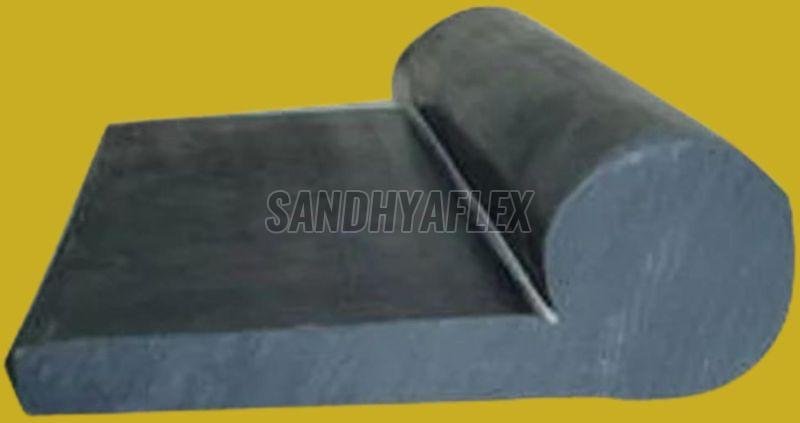
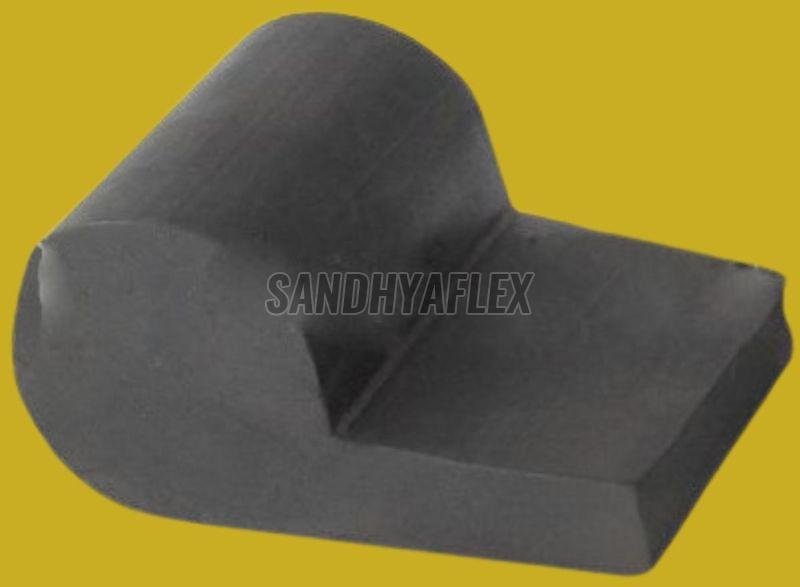
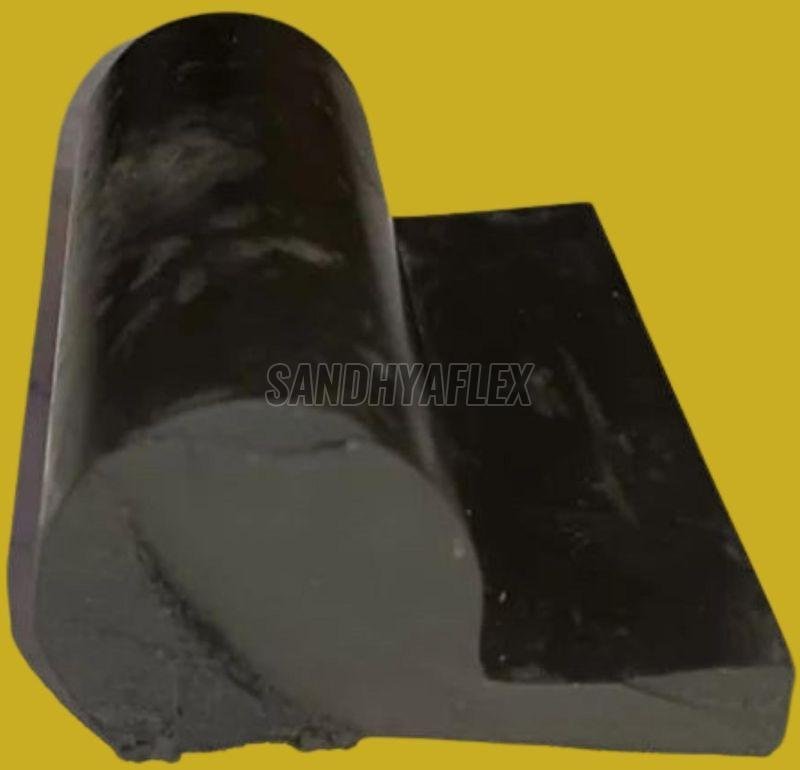
\\n1. Musical Note seal: Also known as P-type seal or J- type or single stem seal. Generally used in low head gates, can be available with solid as well as hollow bulb. PTFE (Teflon) cladding available
\\n2. Double Stem seal: Generally used in high head gates, PTFE (Teflon) cladding available
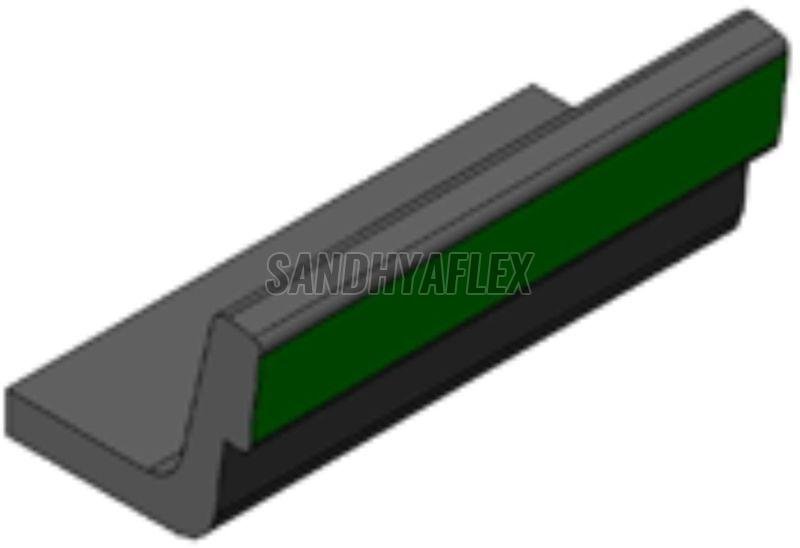
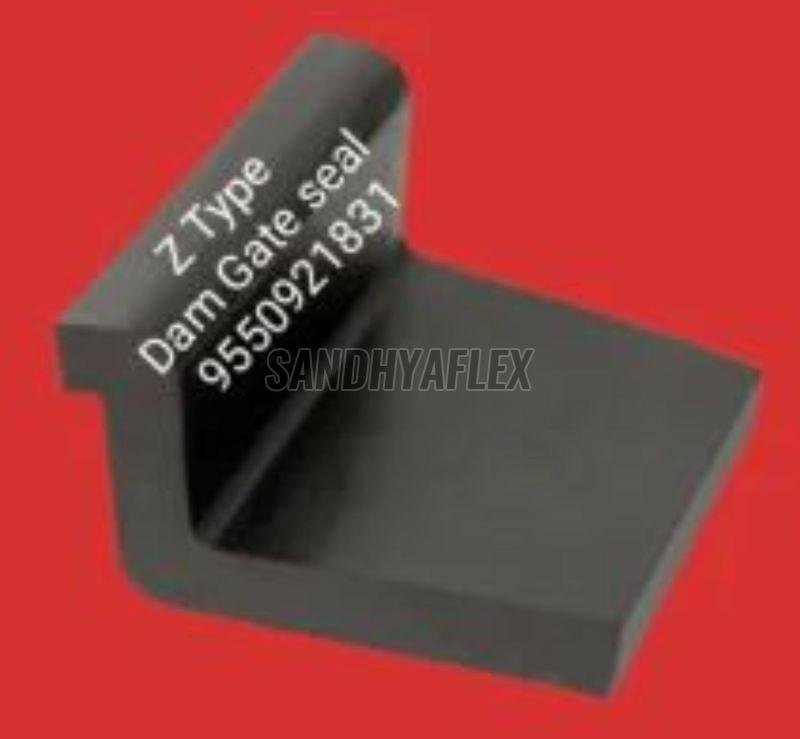
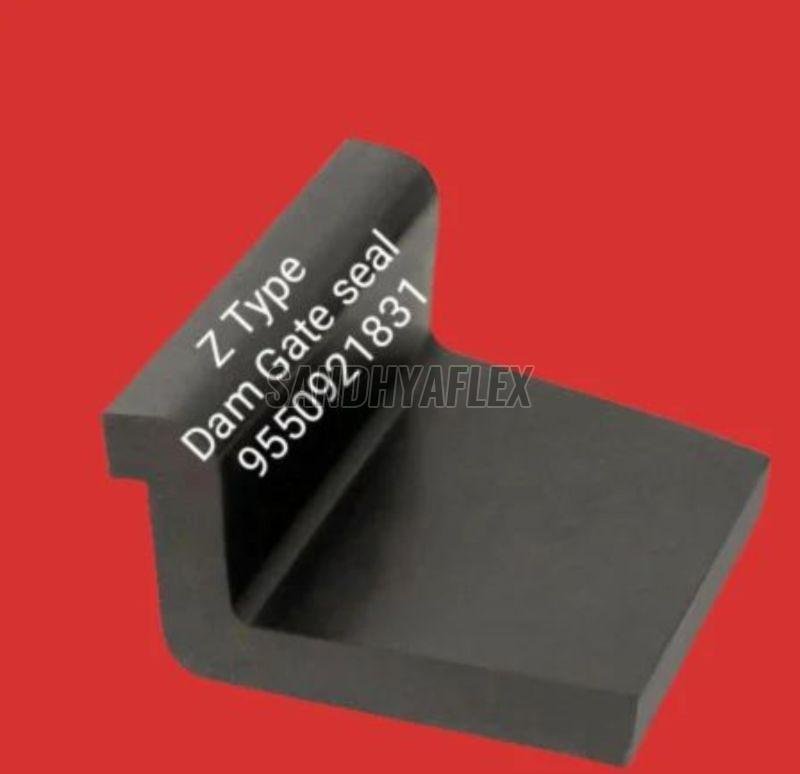
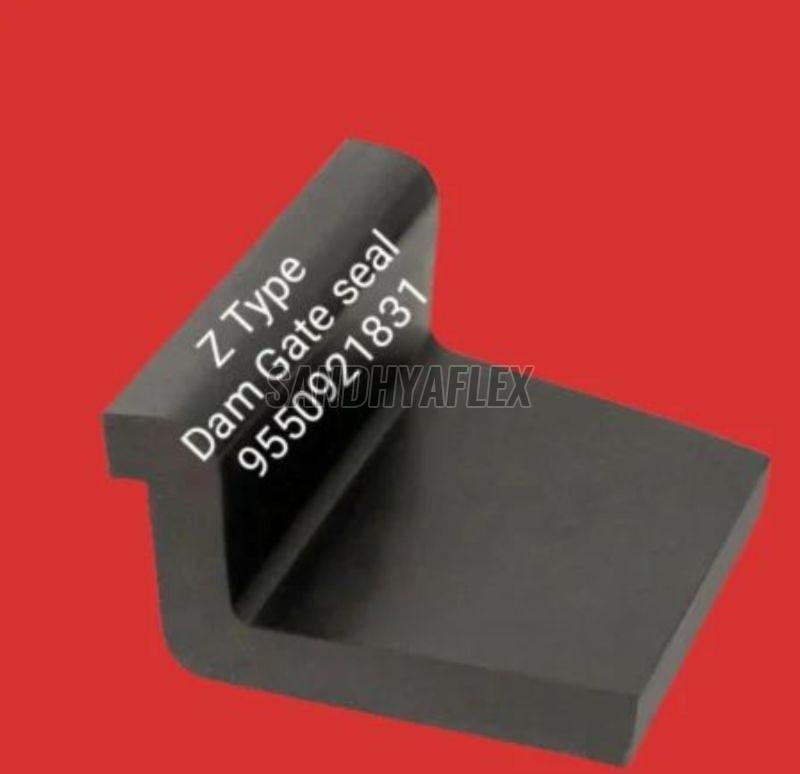
\\n3. Z-type rubber seal: Used in Radial gates, PTFE (Teflon) cladding available
\\n4. Flat Seal: Used as bottom seal, wedge or radius options available
\\n5. Special design seal: customized rubber seals
\\n6. Dam gate seal Corners: factory moulded or fabricated options available
\\nDam Gate Seal Materials used:
\\nCompounds, based on following elastomers, are used for the manufacturing of Rubber Dam Gate Seals:Natural Rubber (As per IS: 11855 / IS: 15466)
\\n§ EPDM Rubber
\\n§ PolyChloroprene Rubber / Neoprene R
\\n, Quality of which is better than extruded seals. Pressurized curing during moulding ensures close dimensional control, superior physical properties, compact microstructures, thus improved durability.
\\nWe can make the parts with good quality and h· Stage 1 : carbon black and other non-vulcanizing additives are combined with the raw rubber The term master batch is used for this first stage mixture.
\\n· Stage 2 : after stage 1 mixing has been completed, and time for cooling has been allowed, stage 2 mixing is carried out in which vulcanizing agents are addedighly appreciated service according to your drawing with dimensions or samples. This all gates seals are manufacturing conforming


| Business Type | Manufacturer, Exporter, Supplier, Retailer |
| Brand Name | SNDHYAFLEX |
| Material | Bitumen |
| Payment Terms | T/T |
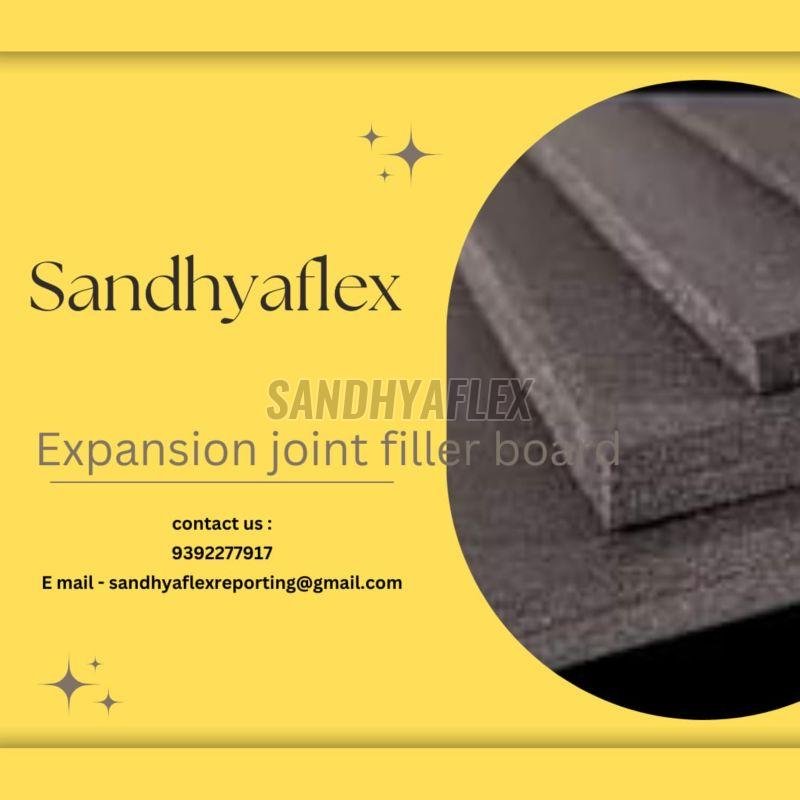
Expansion joint filler boards are materials used in construction to fill and bridge the gaps or joints between two structures or components. These joints allow for the natural movement, expansion, and contraction of structures due to temperature changes, settling, or other factors. Here are some common features and characteristics of expansion joint filler boards:
1. **Flexibility:** Expansion joint filler boards are designed to be flexible, allowing them to accommodate movement and changes in the structure without causing damage.
2. **Compressive Strength:** The filler boards should possess sufficient compressive strength to support the weight and loads imposed on them, ensuring durability and longevity.
3. **Dimensional Stability:** Filler boards should maintain their dimensions and shape over time, resisting deformation or compression under various environmental conditions.
4. **Resistance to Chemicals:** Some filler boards are formulated to resist the effects of chemicals, moisture, and other environmental factors to ensure their long-term performance.
5. **Thermal Insulation:** Some expansion joint filler boards provide thermal insulation, helping to reduce heat transfer between structures and providing energy efficiency benefits.
6. **Water Resistance:** Water-resistant filler boards prevent the infiltration of water into the joint, protecting the underlying structure from water damage.
7. **Easy Installation:** Filler boards should be easy to handle and install, allowing for efficient construction processes.
8. **Compatibility with Sealants:** Expansion joint filler boards are often used in conjunction with sealants to create a complete and effective joint system. They should be compatible with the sealant materials used.
9. **Non-corrosive:** The material should be resistant to corrosion, ensuring that it does not degrade or compromise the structural integrity of the joint or surrounding materials.
10. **Elasticity:** The filler board should possess a degree of elasticity to accommodate dynamic movements without losing its effectiveness.
11. **Fire Resistance:** In some applications, fire-resistant expansion joint filler boards may be required to enhance the overall fire safety of the structure.
12. **Density:** The density of the filler board may vary depending on the specific application and requirements of the joint.
13. **Durability:** Expansion joint filler boards are expected to have a long service life, providing reliable performance over an extended period.
It's important to note that the specific features of expansion joint filler boards can vary based on the material used, such as foam, rubber, cork, or other composite materials. The choice of filler board depends on the type of construction, the anticipated movements, and the environmental conditions the joint will be exposed to.
| Business Type | Manufacturer, Exporter, Supplier |
| Brand Name | SANDHYAFLEX |
| Material | NR +SBR Rubber |
| Shape | Round |
| Color | Black |
| Pressure | Medium |
| Usage | RMC Industries |
| Certification | ISO:9001-2015 |
| Port | mumbai |
| Delivery Time | 7 to 15 days |
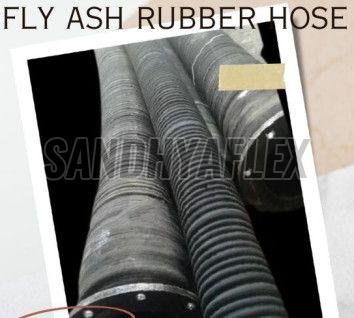
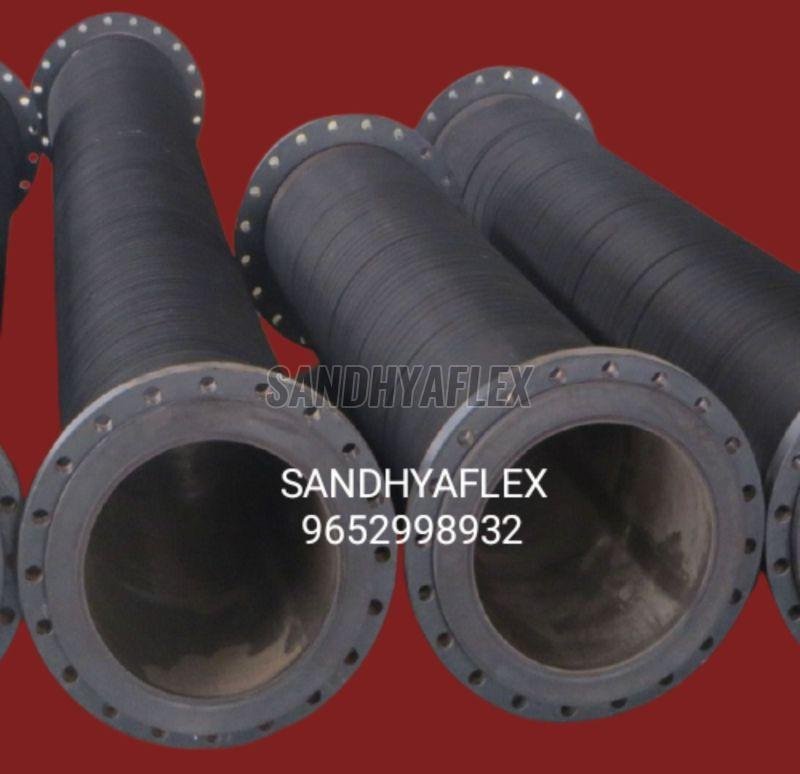
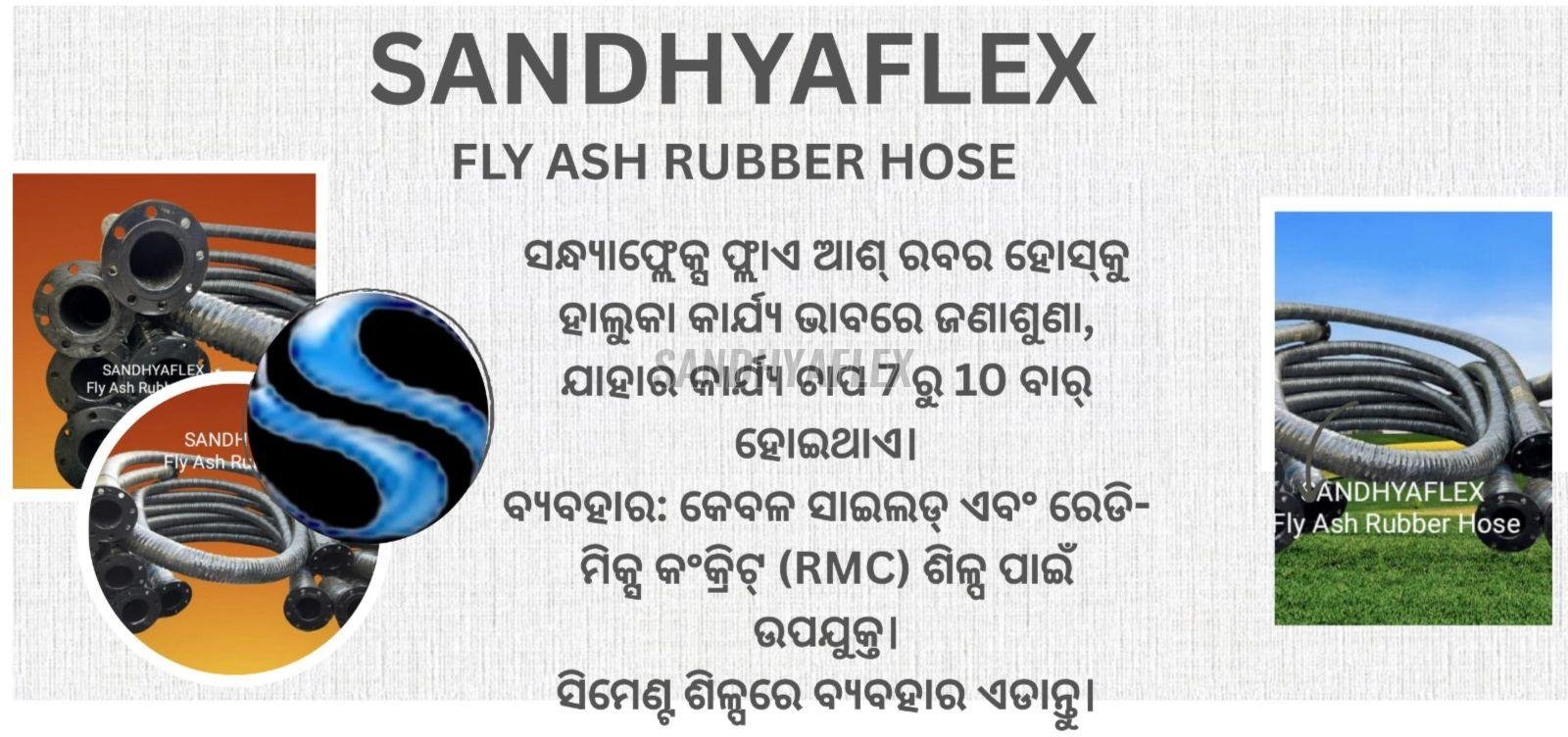
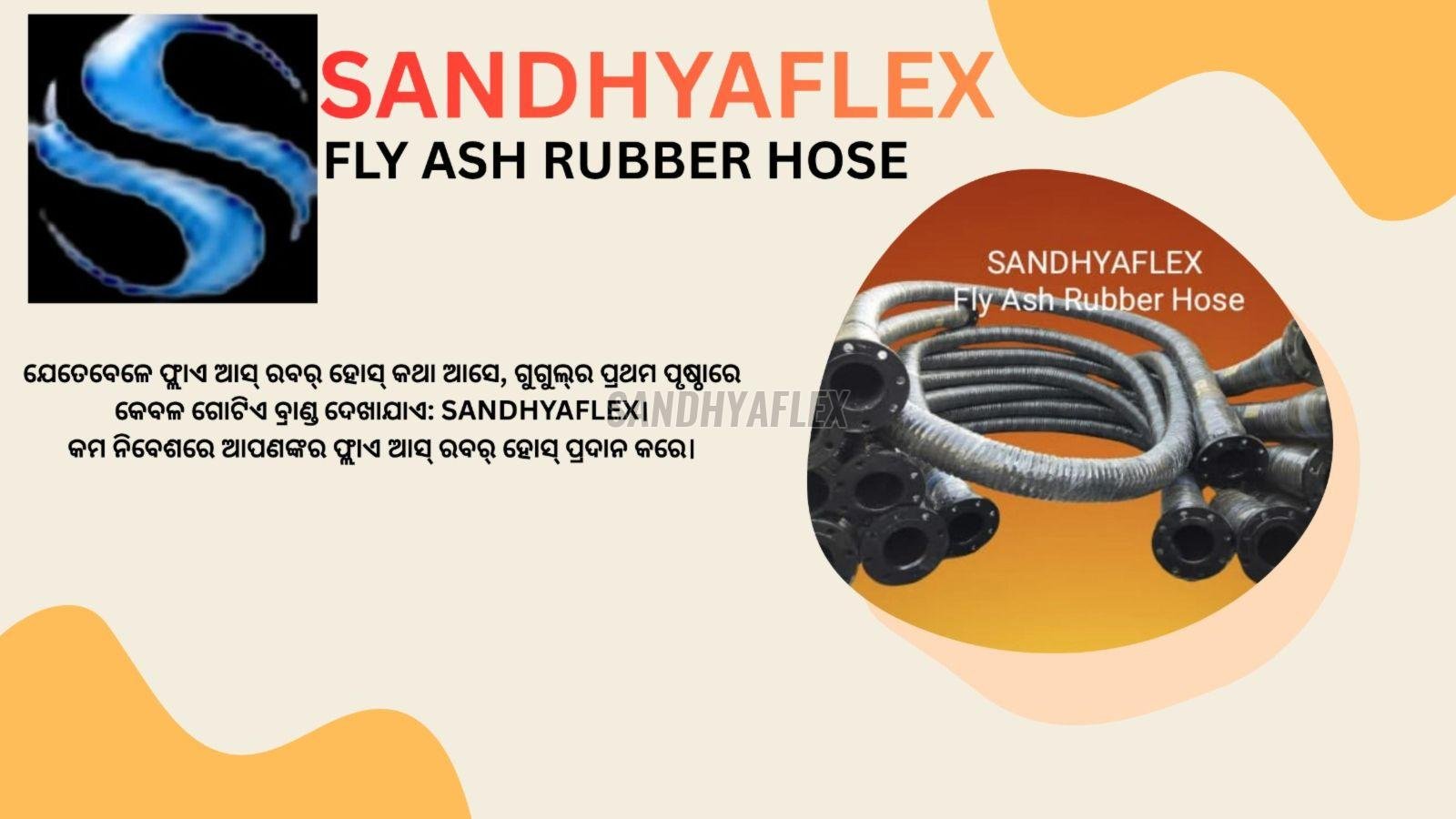
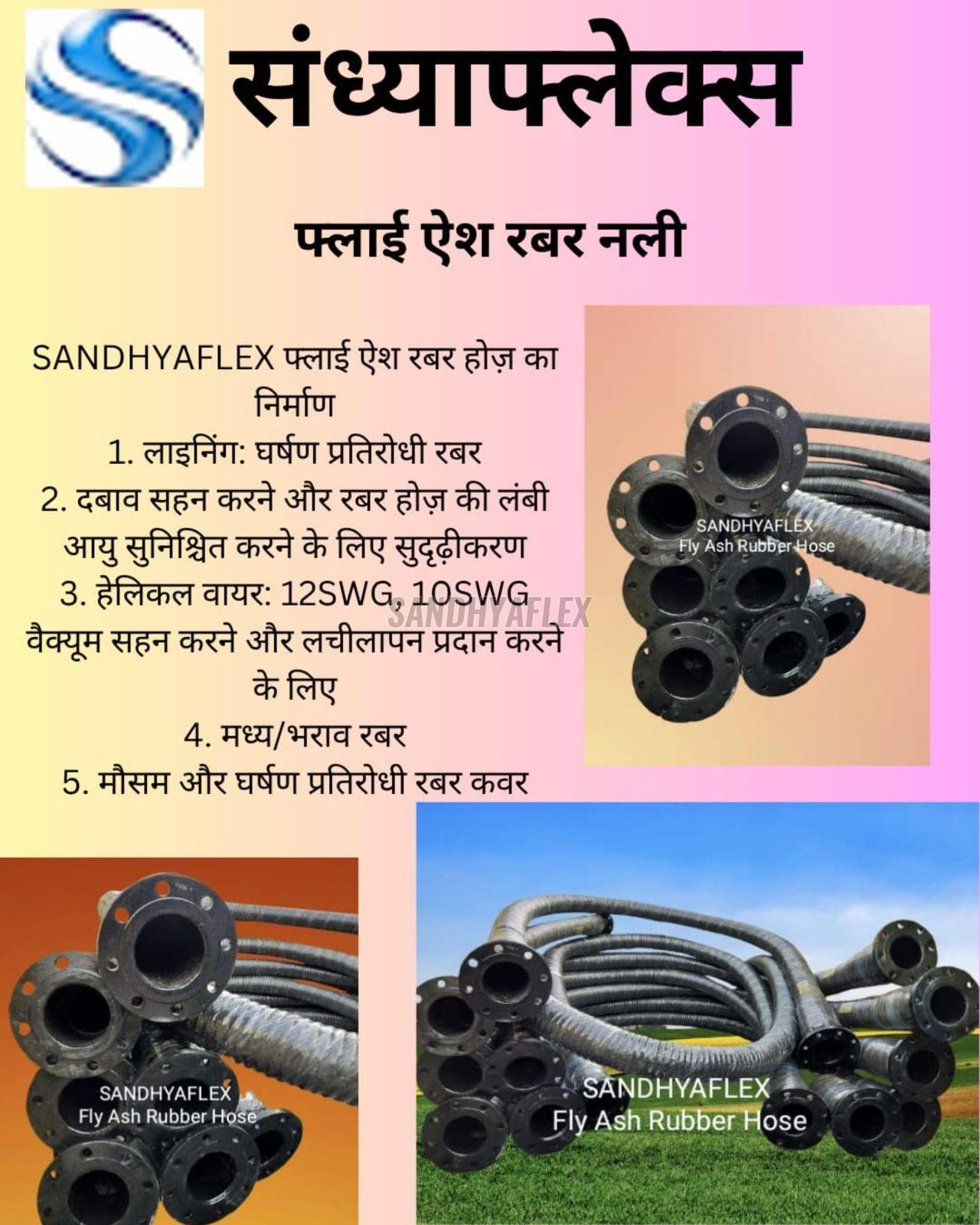
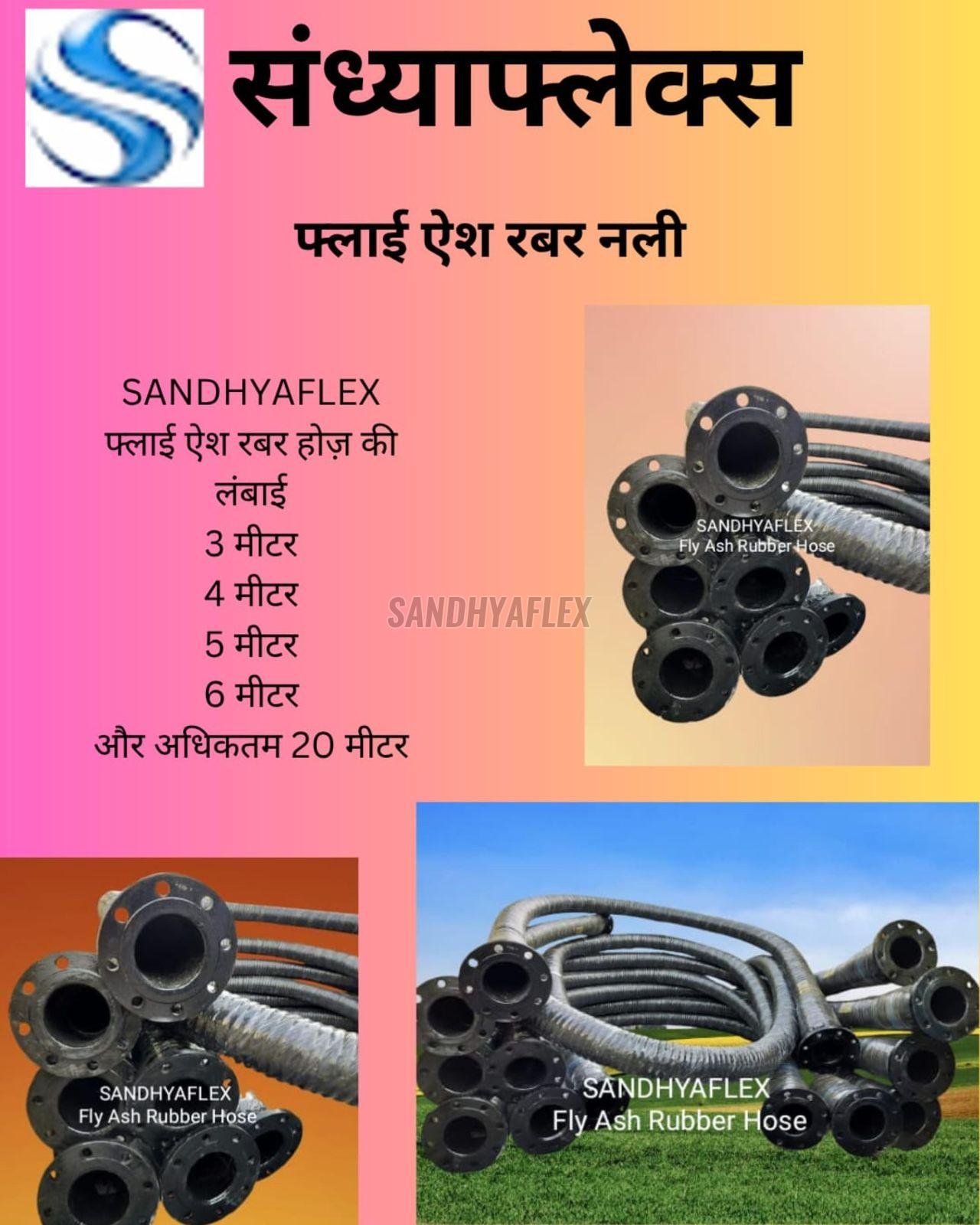
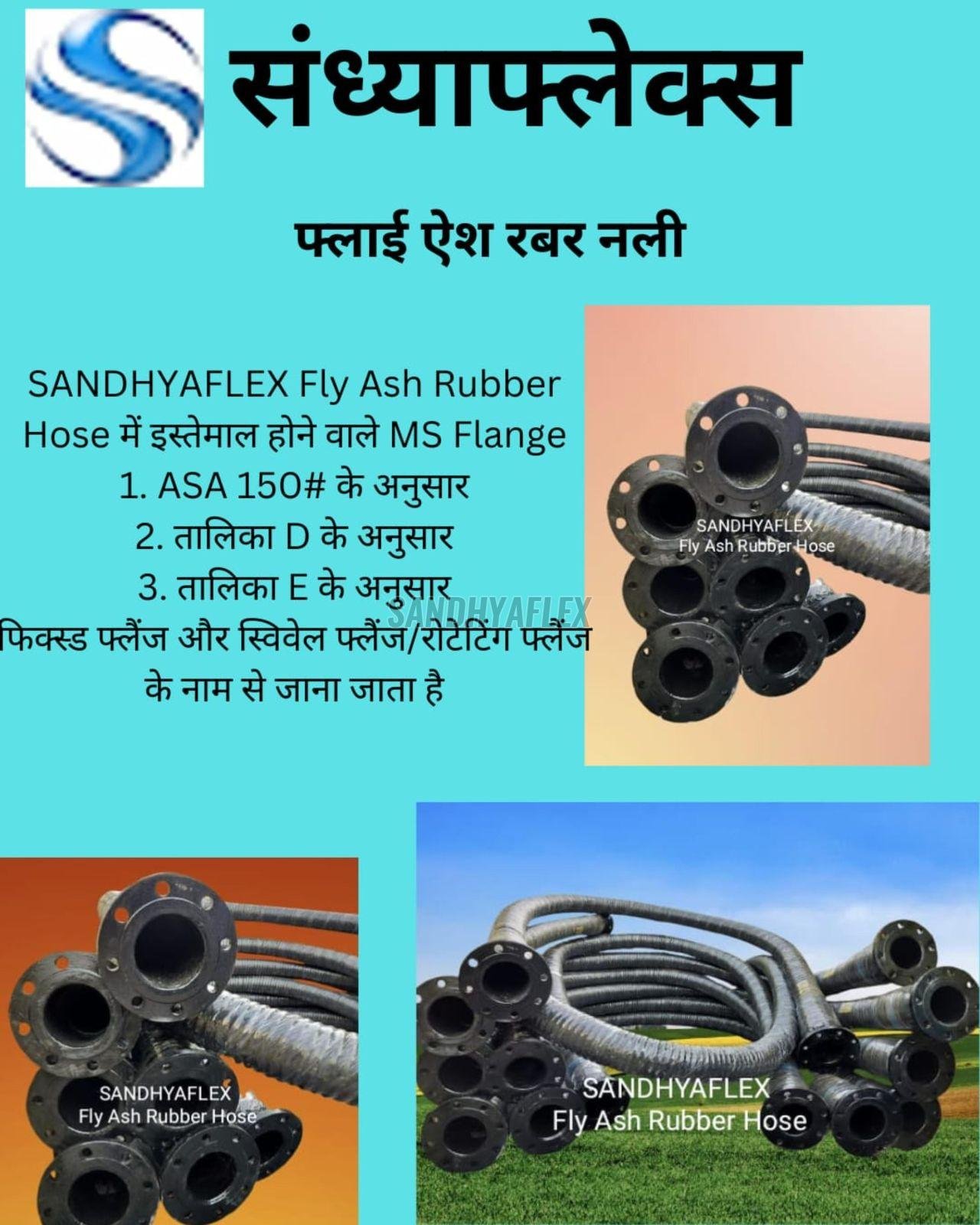
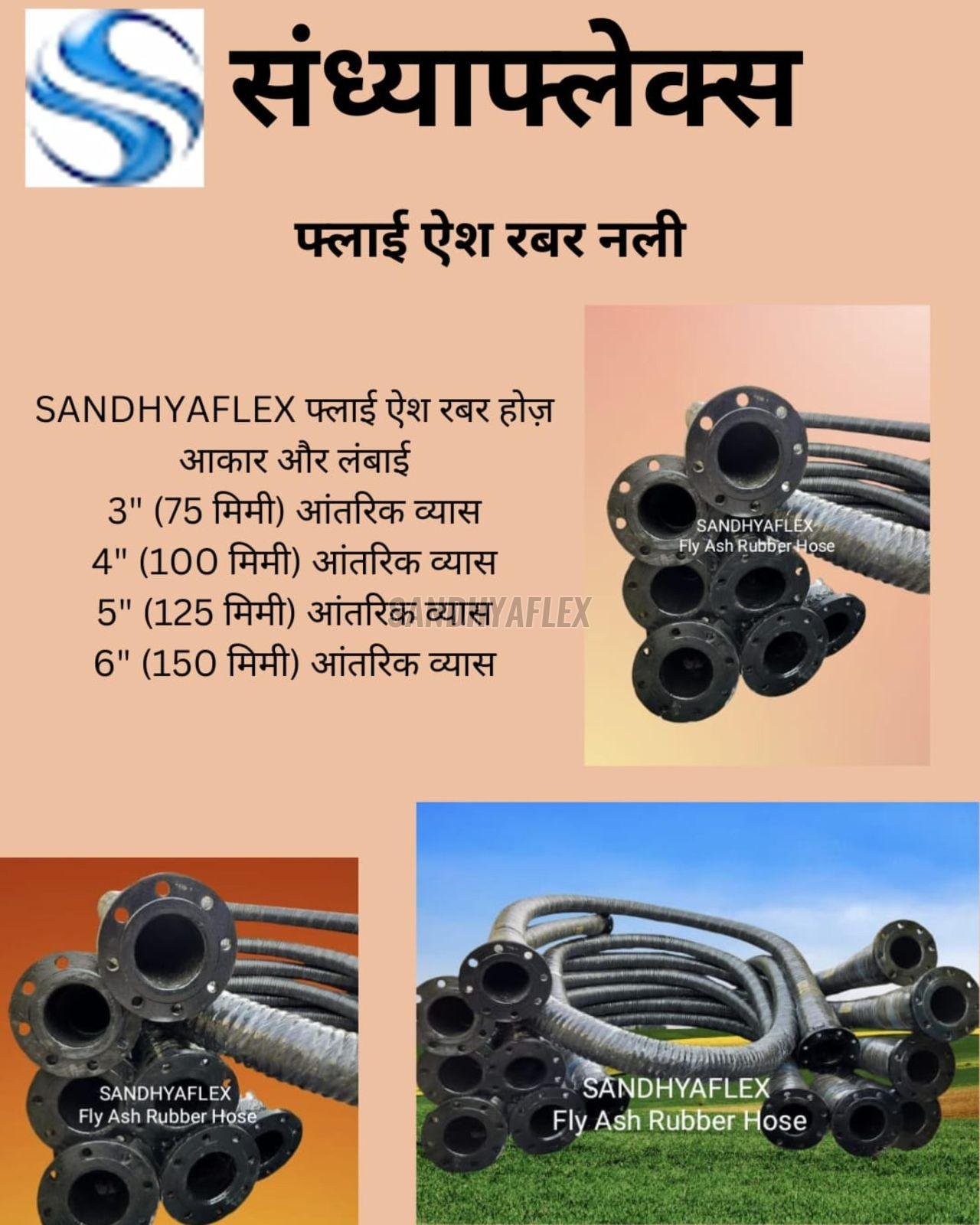
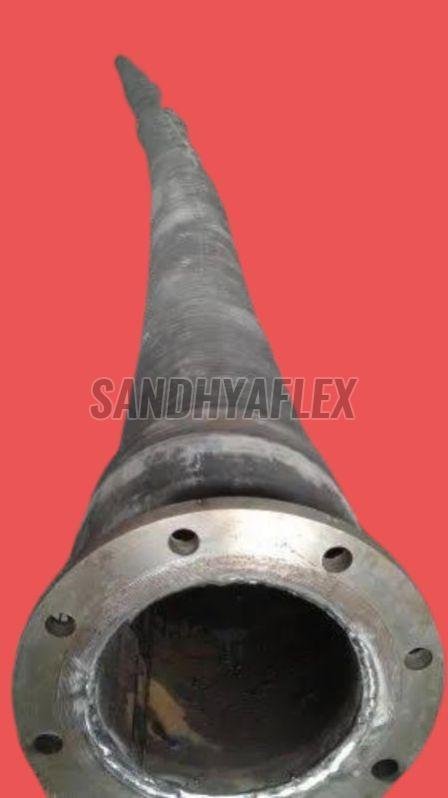
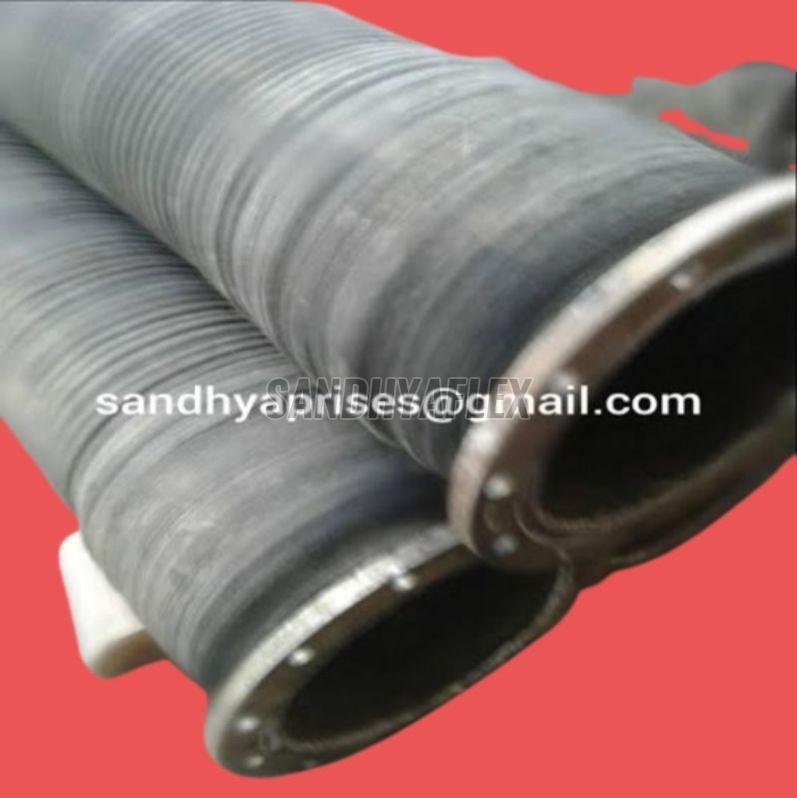
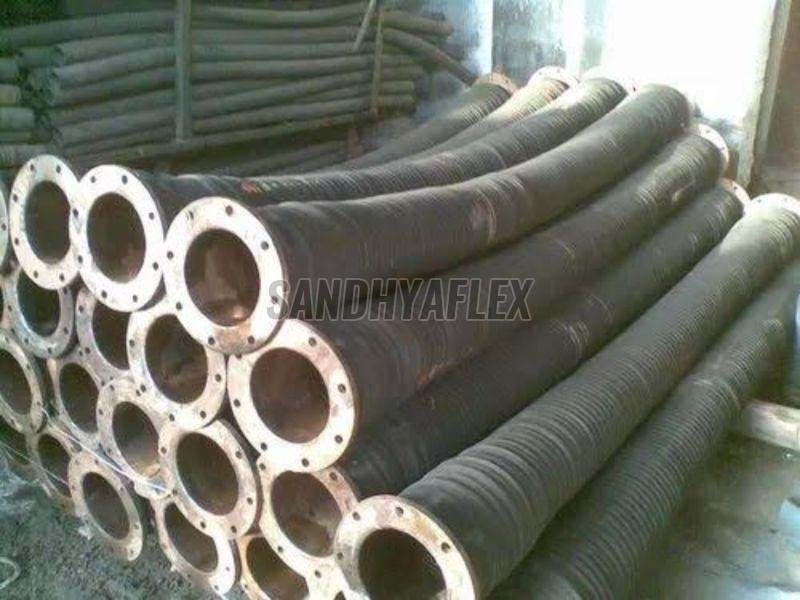
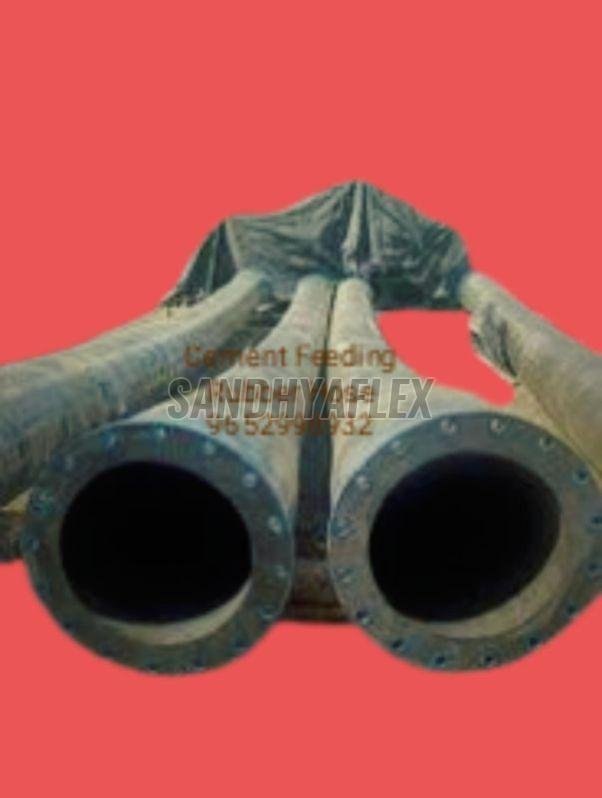
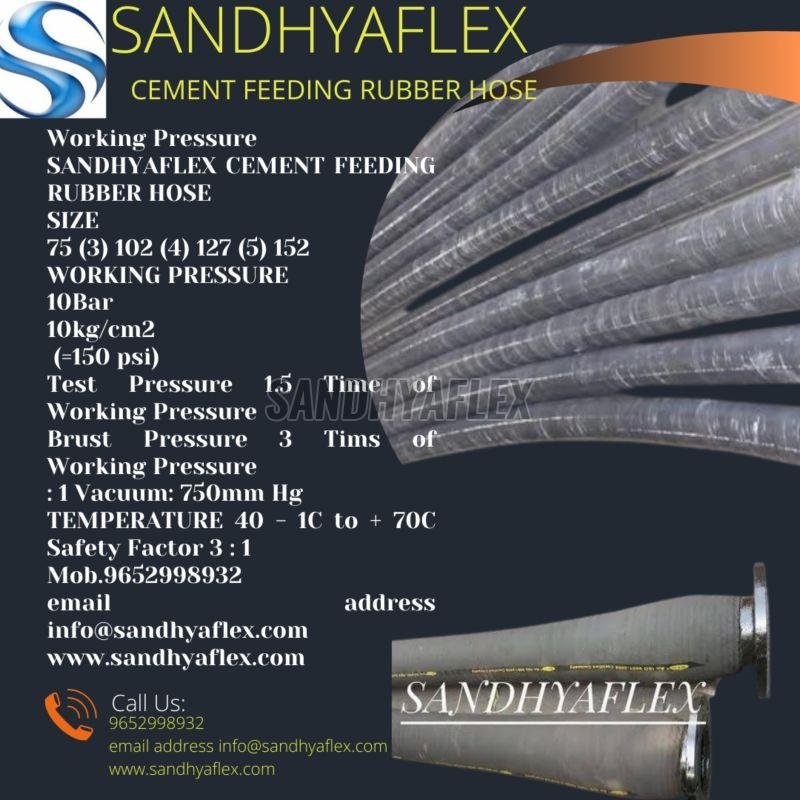
When selecting a SANDHYAFLEX Fly Ash Rubber Hose, the most important factors are abrasion resistance (for cement/fly ash), pressure capacity, reinforcement strength, and end fittings (flange or plain). These hoses are specially designed for pneumatic conveying of dry bulk materials like cement, fly ash, sand, and lime.
🏆 Best Overall (Fly Ash / Cement Transfer Hose)✔ Ideal for bulker unloading & silo feeding
✔ Strong flange connection → leak-proof & secure
✔ Designed for abrasive materials like cement & fly ash
-
Best for cement tankers & plant operations
-
Handles high pressure + vacuum
-
Long life in high temperature environments
-
Suitable for continuous industrial use
-
Good for small projects
-
Cost-effective option
| Business Type | Manufacturer, Exporter, Supplier, Retailer |
| Country of Origin | India |
| Working Pressure | 10 Bar |
| Pressure | 10 To 15kg/cm2 |
| Certification | ISO 9001:9002 |
| Material | Rubber Hose |
| Brand Name | SANDHYAFLEX |
| Total Carbohydrate | 6month Date Of Dispatch |
| Number Of Flower | Cement Clinker, Fly Ash, Fly Ash Feeding System |
| Usage | Building Construction, Construction |
| Condition | Dry |
| Raw Material | Cement |
| Weight | 8 To 10kg/mtr |
| Display Type | Flexible Hose |
| Power Source | 500055 |
| Accuracy | HYDERABAD |
| Black | 1400-1800/Mtr |
| Product Code | SANDHYAFLEXFARH |
| Port | mumbai |
| Payment Terms | T/T |
| Delivery Time | 7 to 15days |
| Packaging Details | Packing with HDPE Cover Cement feeding rubber hoses are primarily used in the construction industry for the transfer of dry cement or other powdered materials. They play a crucial role in various applications related to cement handling and placement. Here are some common applications of cement feeding rubber hoses: |
sandhya enterprises manufacturer of fly ash rubber hose. sandhya enterprises manufacturer and supplier of slurry and mud rubber hose. Rubber hose for cement grouting meets is : 5137 w.p. 10kgf/cm2 min. B.p. 40 kgf/cm2 25.0 31.0 38.0 50.0 63.0 75.0 tube : highly abrasion resistant soft natural rubber compound. Reinforcement : woven/braided or spirally wound textile of high strength synthetic fibres. Electrical bonding : low resistant electrical bonding wire in-corporated between the reinforcement plies to pro vide electrical continuity along the whole length of the hose. Cover : cloth marked finish cover, resistant to weather and abrasion. Used for cement grouting at irrigations projects, buildings sites, bridges etc. Service temp. Range : -400 f to + 1580 f. Size: 3\" id to 12\" id 3\" id x 5mtr (lg) with soft end 3\" id x 5mtr (lg) with both side ms flange as per asa 150# 4\" id x 5mtr (lg) with soft end 4\" id x 5mtr (lg) with both side ms flange as per asa 150# 5\" id x 5mtr (lg) with soft end 5\" id x 5mtr (lg) with both side ms flange as per asa 150# 6\" id x 5mtr (lg) with soft end 6\" id x 5mtr (lg) with both side ms flange as per asa 150# 8\" id x 5mtr (lg) with soft end 8\" id x 5mtr (lg) with both side ms flange as per asa 150# 10\" id x 5mtr (lg) with soft end 10\" id x 5mtr (lg) with both side ms flange as per asa 150# 12\" id x 5mtr (lg) with soft end 12\" id x 5mtr (lg) with both side ms flange as per asa 150# 14\" id x 4mtr (lg) with soft end 14\" id x 4mtr (lg) with both side ms flange as per asa 150# 16\" id x 4mtr (lg) with soft end 16\" id x 4mtr (lg) with both side ms flange as per asa 150# A bulker unloading rubber hose, also known as a bulk material handling hose or bulk discharge hose, is a specialized hose designed for the unloading or transfer of bulk materials such as powders, grains, pellets, or granules from a bulk carrier or silo to a storage facility or processing equipment. It is commonly used in industries such as agriculture, mining, chemical processing, and construction. The key features and characteristics of a bulker unloading rubber hose include: 1. Material compatibility: Bulker unloading rubber hoses are constructed with a lining made of abrasion-resistant rubber or synthetic materials. This lining is specifically designed to withstand the abrasive nature of bulk materials and prevent wear and damage to the hose during unloading or transfer. 2. Reinforcement: The inner lining is reinforced with high-strength textile or steel wire braids or spirals to provide structural integrity and prevent the hose from bursting under pressure. The reinforcement enhances the hose's ability to handle the demanding conditions of bulk material transportation. 3. Flexibility: Bulker unloading rubber hoses are designed to be flexible, allowing for easy handling and installation. This flexibility enables the hose to accommodate movement during the unloading process and reach different points in the material handling system. 4. Pressure resistance: The hose is engineered to withstand the specific working pressures involved in bulk material transfer. It is designed to maintain its integrity and prevent leaks or bursts during operation. 5. Size and fittings: Bulker unloading rubber hoses are available in various diameters and lengths to suit different application requirements. They can be fitted with standard couplings or connections for easy attachment to bulk carriers, silos, or other material handling equipment. 6. Chemical resistance: Depending on the specific application, bulker unloading rubber hoses may be designed to have chemical resistance properties to withstand the corrosive nature of certain materials or the presence of chemicals used in the process. Regular inspection and maintenance of the bulker unloading rubber hose are necessary to identify signs of wear, damage, or deterioration. Any worn or damaged hoses should be replaced promptly to prevent leaks or disruptions in the bulk ma
| Business Type | Manufacturer, Exporter, Supplier, Retailer |
| Brand Name | SANDHYAFLEX |
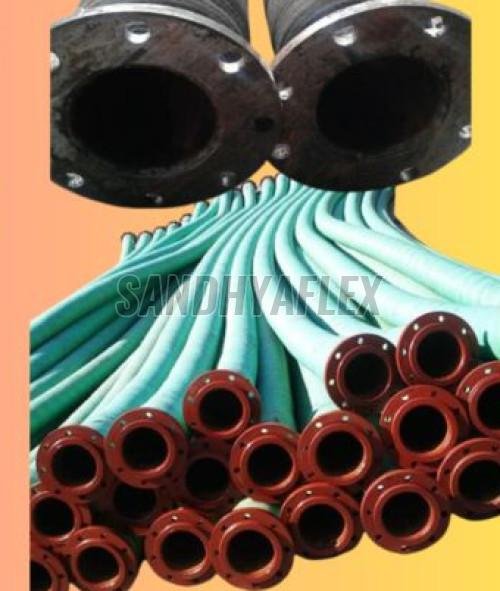
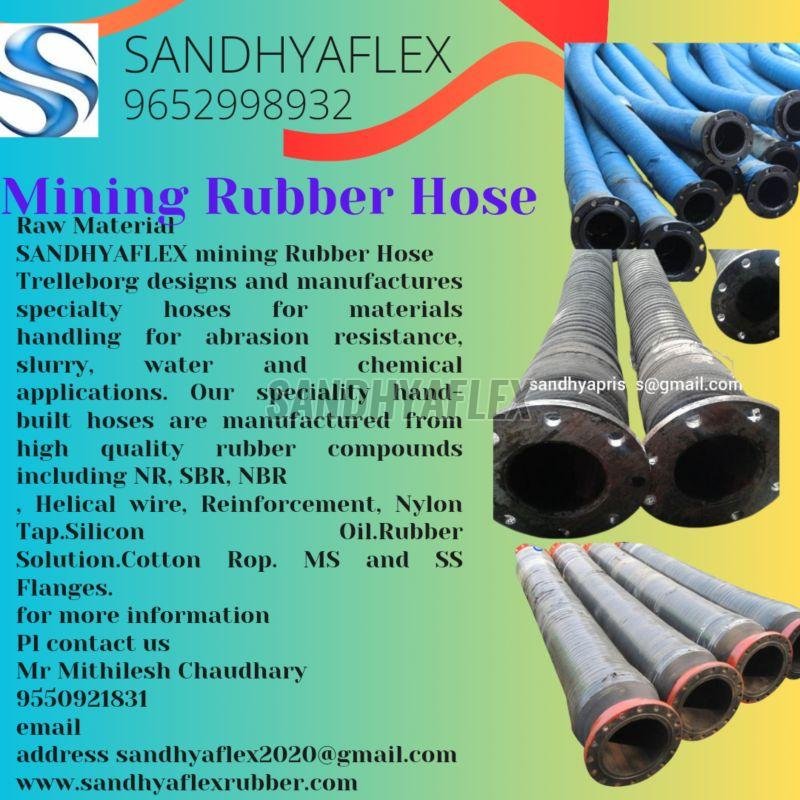
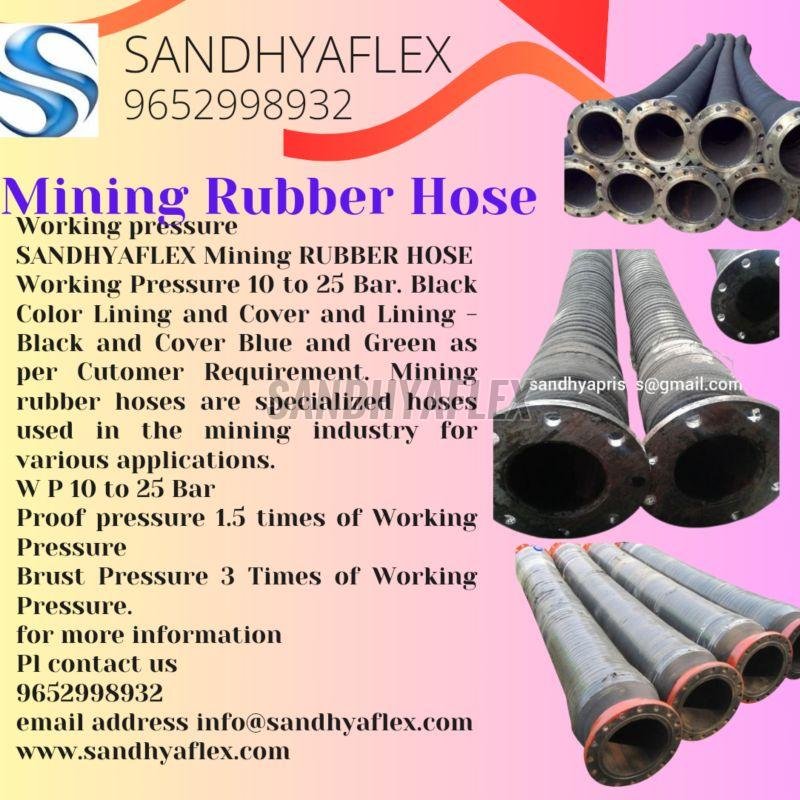
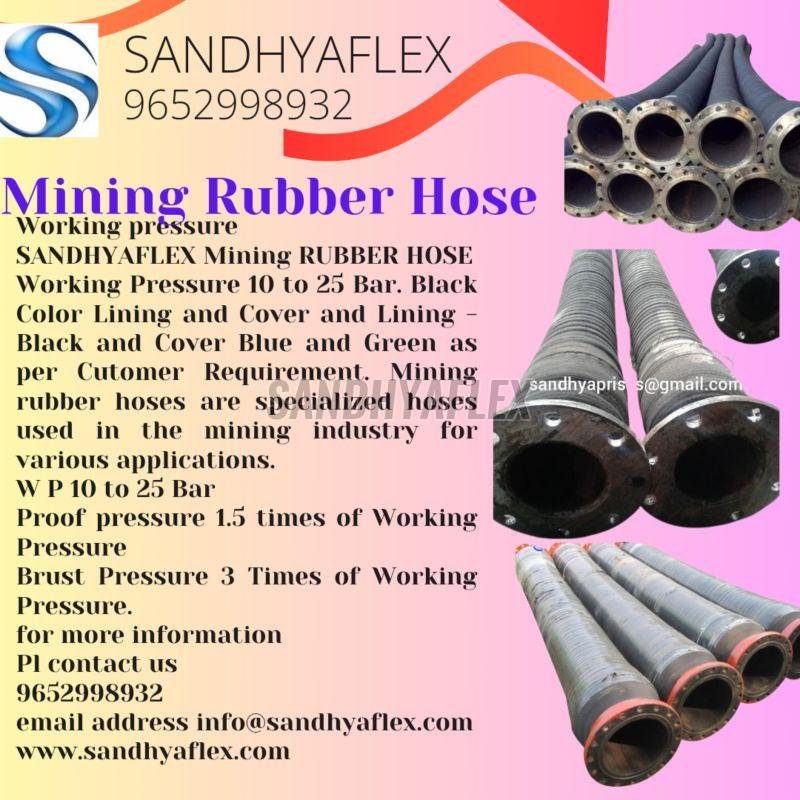
Mining rubber hoses are specifically designed for applications in the mining industry, where they are subjected to demanding conditions involving the transport of abrasive materials, slurry, and other fluids. These hoses play a crucial role in ensuring efficient material transfer while withstanding the harsh environments encountered in mining operations. Here are some common uses and applications of mining rubber hoses:
1. **Slurry Transport:**
- **Purpose:** Mining rubber hoses are extensively used for the transportation of slurry, which is a mixture of water and fine particles such as minerals or ores.
- **Application:** Slurry transport is a critical process in mining operations, and rubber hoses are employed to handle the abrasive nature of the slurry during transportation.
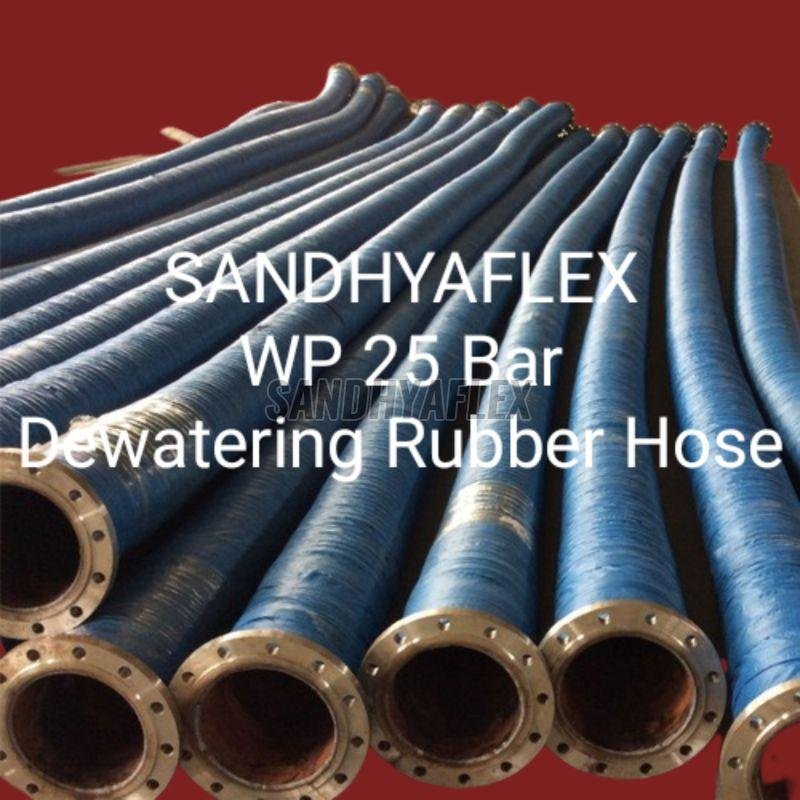
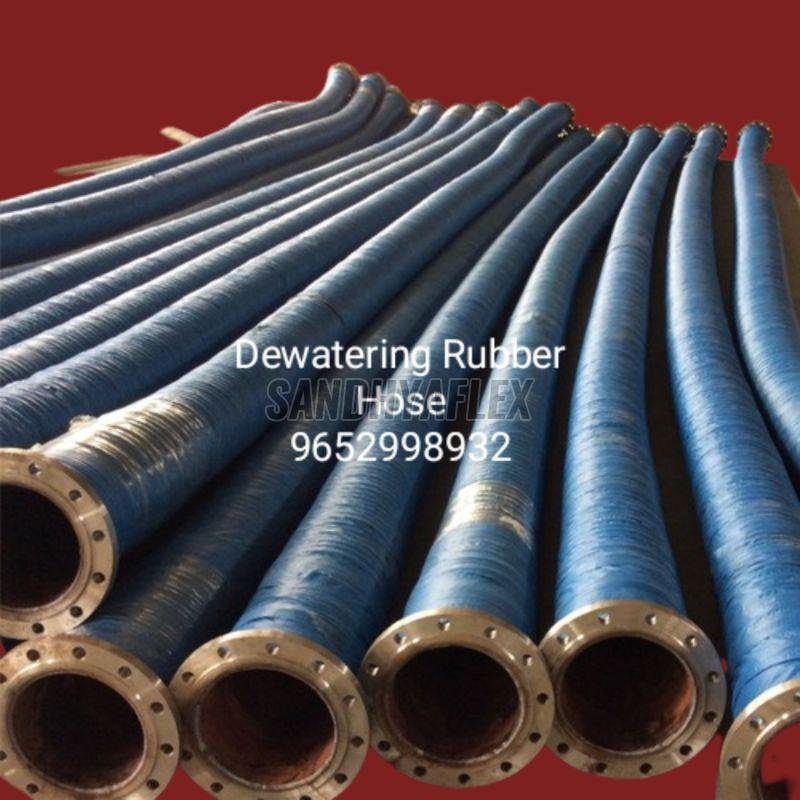
2. **Dewatering Operations:**
- **Purpose:** Mining rubber hoses are used in dewatering applications to pump out excess water from mining sites, tunnels, or excavation areas.
- **Application:** Dewatering hoses help maintain dry working conditions in mining operations, ensuring efficient excavation and preventing water-related issues.
3. **Material Handling:**
- **Purpose:** Mining hoses are used for the transfer of various materials within a mining facility, including ores, minerals, and other solid particles.
- **Application:** These hoses facilitate the movement of materials from one location to another, supporting various mining processes.
4. **Tailings Transport:**
- **Purpose:** After minerals have been extracted, tailings are the leftover materials that need to be transported and disposed of properly.
- **Application:** Mining rubber hoses are utilized to transport tailings from the processing plant to the tailings disposal area.
5. **High-Pressure Applications:**
- **Purpose:** Some mining processes involve high-pressure fluid transport, such as hydraulic fracturing (fracking) or water jets for cutting or excavation.
- **Application:** Mining rubber hoses with high-pressure capabilities are employed in these applications to ensure safe and efficient fluid transfer.
6. **Abrasive Material Handling:**
- **Purpose:** Mining operations often involve handling abrasive materials, including rocks, minerals, and chemicals.
- **Application:** Rubber hoses are chosen for their abrasion resistance, making them suitable for the safe transport of abrasive materials within mining facilities.
7. **Pump Connections:**
- **Purpose:** Mining hoses are used to connect pumps to pipelines, facilitating the efficient transfer of liquids within the mining operation.
- **Application:** These hoses play a crucial role in connecting pumping equipment to the infrastructure needed for fluid transfer.
8. **Mining Equipment Lubrication:**
- **Purpose:** Lubrication is essential for the proper functioning of mining equipment and machinery.
- **Application:** Rubber hoses may be used to transport lubricants to various points in the mining machinery, ensuring smooth operations and reducing wear and tear.
9. **Washdown Operations:**
- **Purpose:** Cleaning and washdown operations are necessary in mining to maintain equipment and working areas.
- **Application:** Rubber hoses may be used to supply water for washdown operations, and their durability is crucial in handling these tasks.
When using mining rubber hoses, it's important to consider factors such as the type of materials being transported, pressure and temperature requirements, and the specific environmental conditions in the mining site. Regular inspection, maintenance, and adherence to safety standards are essential to ensure the optimal performance and safety of these hoses in the demanding and rugged conditions of mining operations.
| Business Type | Manufacturer, Exporter, Supplier |
| Packaging Type | Packet |
| Steam Thickness | 10 To 25 Mm |
| Size (Inches) | 25 To 50 Mm Bulb Dia |
| Application | Oil |
| Material | Rubber DAM GATE RUBBER SEAL COMPOUNDS,BASED ON FOLLOWING ELASTOMERS,ARE USED FOR THE MANUFACTURING |
| Country of Origin | India |
| Diameter | 25mm to 45mm |
| Thickness | 10 to 20mm |
| Hardness | 60 to 70 Shore A |
| Temperature | -10 to 100 Deg C |
| Packaging Size | as per Dimension and Qty |
Sandhya enterprises manufacturer and supplier of dam gate seal size:25mm dia to 50mm dia , width of steam 75mm to 125mm, thickness 10mm to 20mm, bottom dam gate seal. Size:10mmthickness to 75mm width to 125mm width. Dam gate seal bulb type p dype, z type , ptfe clladed, brass cladded. Dam gate rubber seal compounds, based on following elastomers, are used for the manufacturing of rubber dam gate seals :
· natural rubber
· epdm rubber
· poly chloroprene rubber
· neoprene rubber
mixing & compounding
in this process we are mixing the supporting ingredient in to the raw rubber to enhance its property. We are always follows the standards in making production. Mixing and rubber compounding with a formula to fabricate the desired product or article.
we follows two stage mixing process in order to get the best properties of rubber.
· stage 1 : carbon black and other non-vulcanizing additives are combined with the raw rubber the term master batch is used for this first stage mixture.
· stage 2 : after stage 1 mixing has been completed, and time for cooling has been allowed, stage 2 mixing is carried out in which vulcanizing agents are added
(dam gate rubber seal prepared by extrusion or molding methods)
extrusion process
· toi control porosity of seals. (porosity reduces the strength & life of rubber seal. )
· dimension accuracy (it helps to fit property & hence effects in performance at end)
· fast production with accuracy (it helps in timely delivery & making the process help free for workers)
· tensile strength property achievement (due to extrusion of rubber properly & hence increase the most important property of tensile strength.
· packing : all seals of inspection sent to dispatch department. When seals are cleaned again, silicon washing & coating to cover against weather. Packing and necessary labeling for desired destinations.
· shipping, delivery : dispatch : via best shipping companies, also on door delivery basis. (as per costumer requirement)
features:
· withstand atmospheric condition
· efficient and long lasting use
· low maintenance
| Business Type | Manufacturer, Exporter, Supplier, Retailer |
| Brand Name | SANDHYAFLEX |
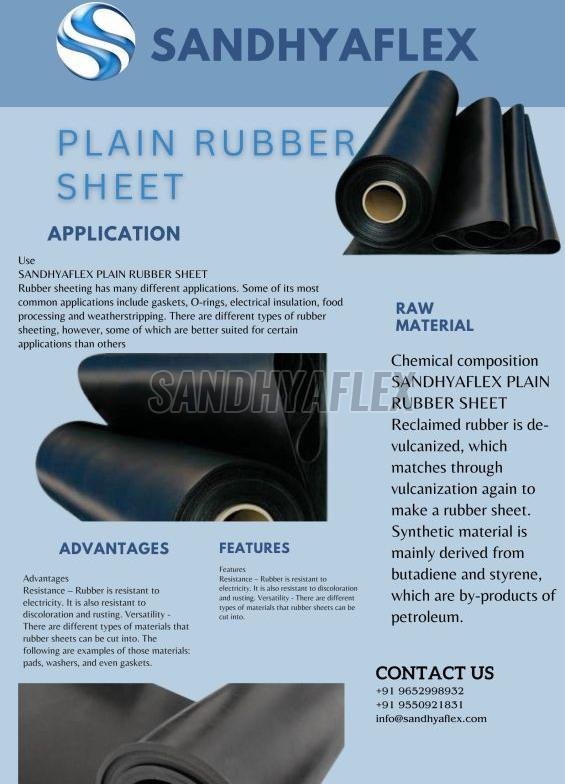
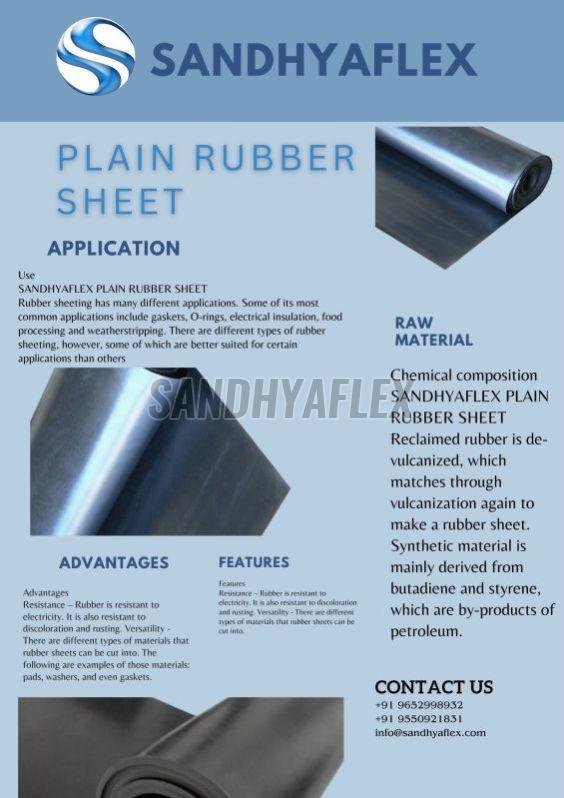
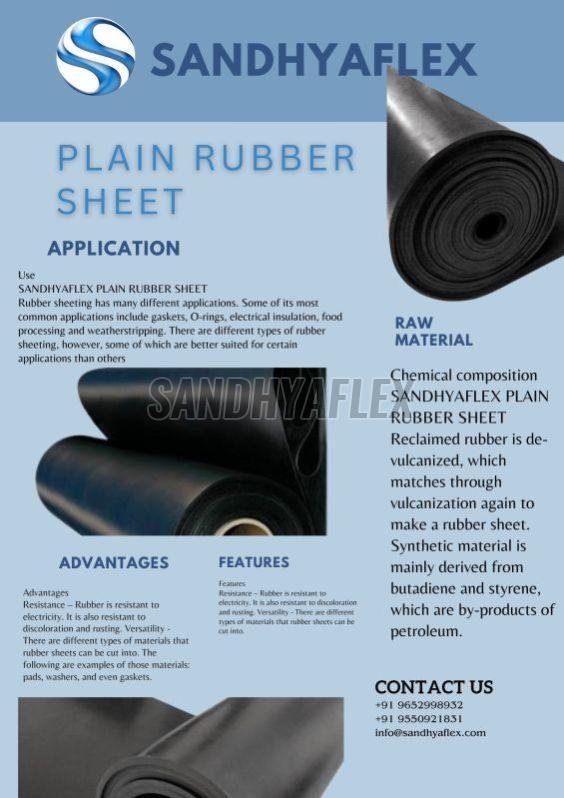
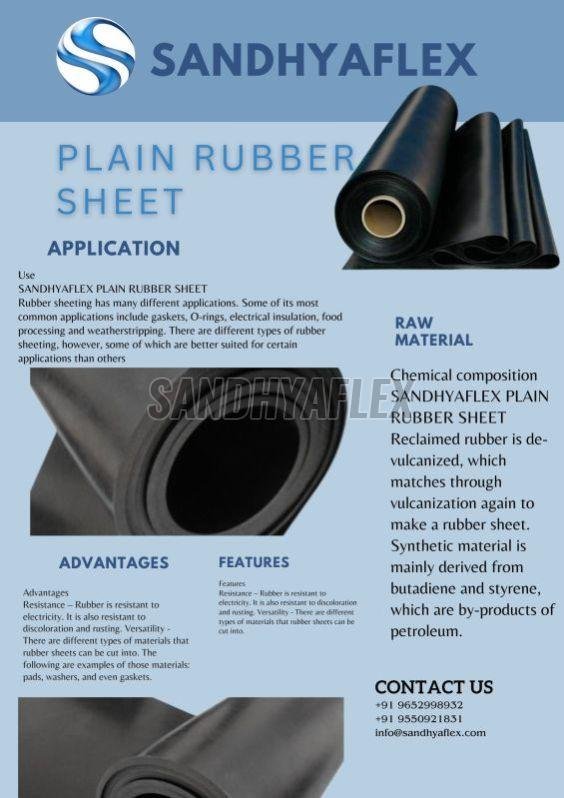
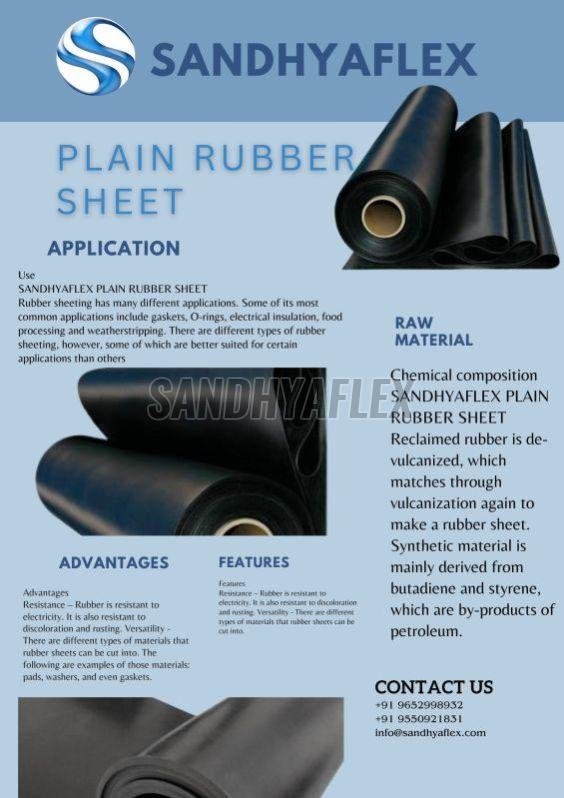
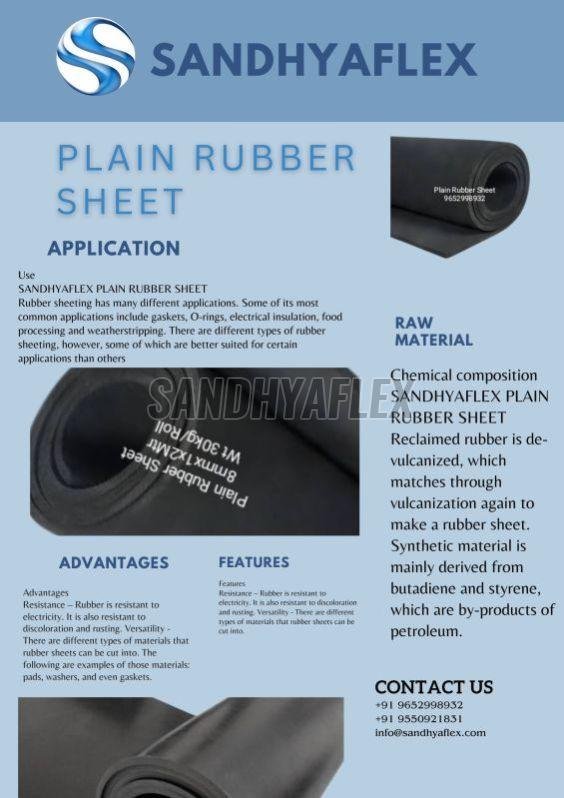
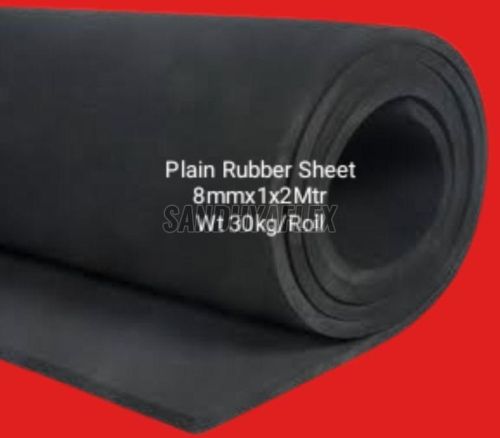
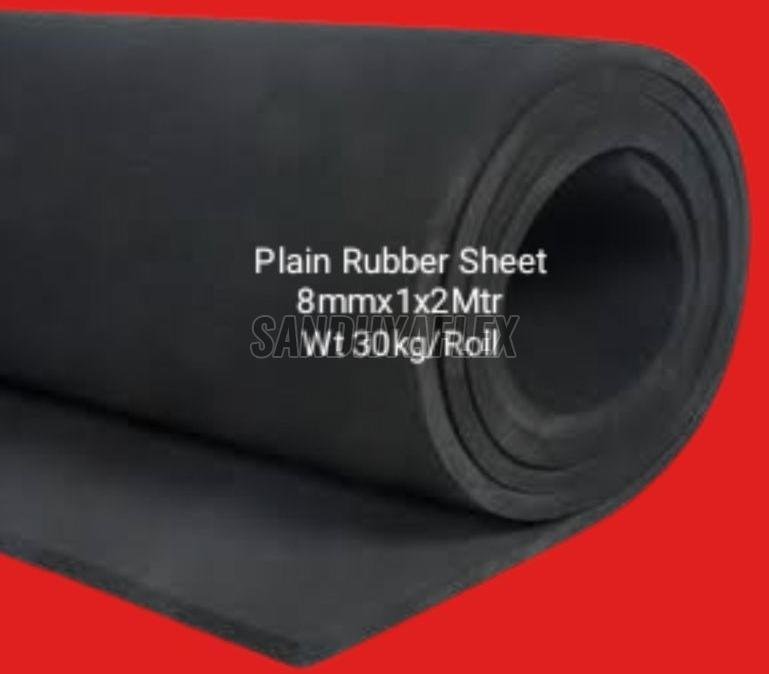
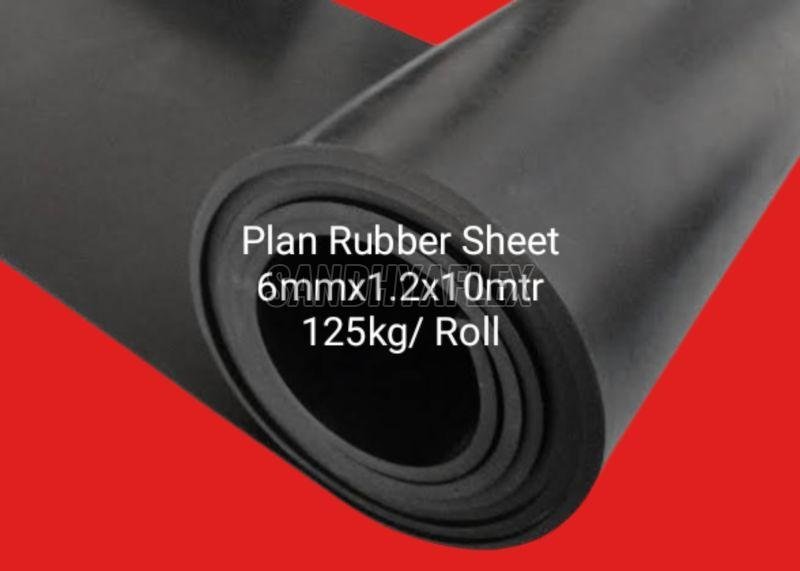
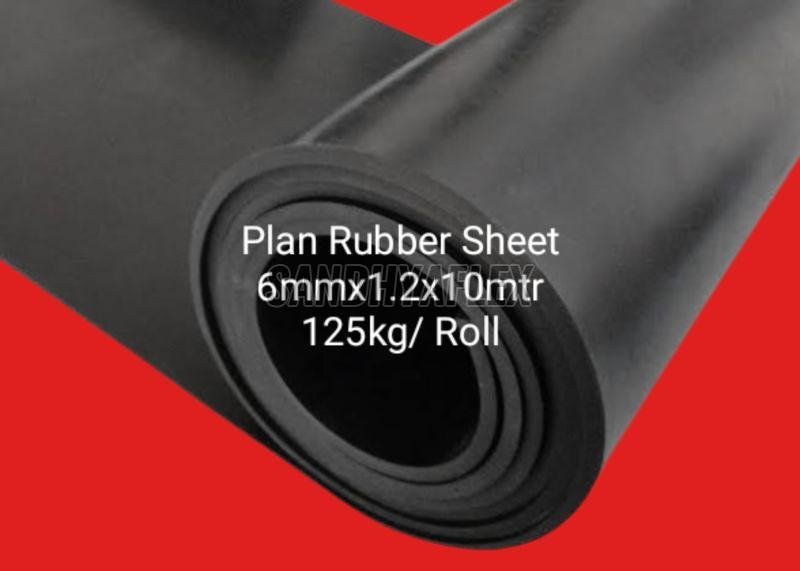
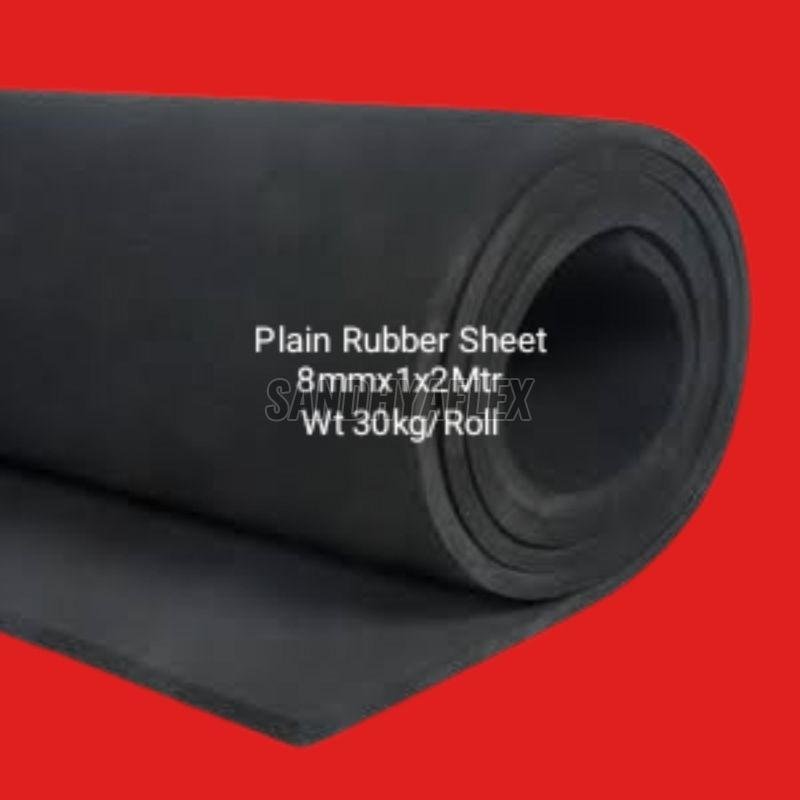
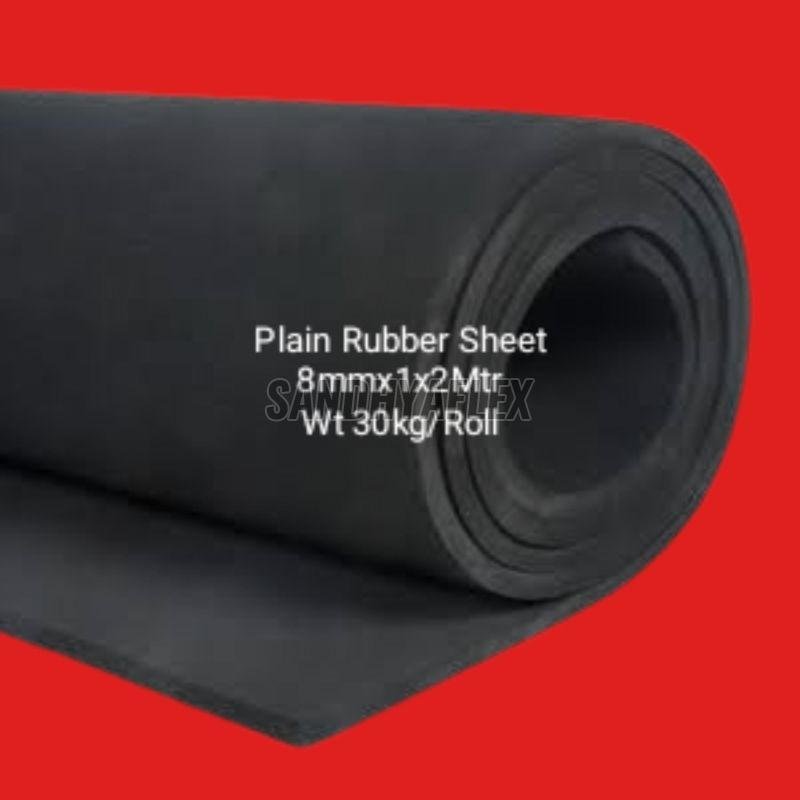
Plain rubber sheets, which are typically made of natural rubber or synthetic rubber compounds, find a variety of applications across different industries due to their versatile properties. Here are some common uses and applications of plain rubber sheets:
1. **Gaskets and Seals:** Rubber sheets are often cut into specific shapes to create gaskets and seals. These are used in machinery, equipment, and automotive applications to prevent leakage of fluids or gases.
2. **Insulation:** Rubber sheets provide insulation against electrical conductivity and can be used in electrical panels, transformers, and electronic devices to prevent electrical shocks and short circuits.
3. **Vibration Isolation:** Rubber sheets are used as vibration isolators and shock absorbers in machinery and equipment. They help reduce the transmission of vibrations and noise, providing a quieter and more stable operation.
4. **Flooring:** In industrial settings, gyms, or laboratories, plain rubber sheets are used as flooring material. They offer anti-slip properties, impact resistance, and easy maintenance, making them suitable for areas where durability and safety are essential.
5. **Conveyor Belts:** Rubber sheets can be used in the manufacturing of conveyor belts. The elastic and durable nature of rubber makes it suitable for conveying various materials in industries such as mining, agriculture, and manufacturing.
6. **Weather Stripping:** Rubber sheets are employed as weather stripping around doors and windows to provide a seal against drafts, moisture, and noise. This helps in maintaining energy efficiency and creating a more comfortable indoor environment.
7. **Automotive Applications:** Rubber sheets are widely used in the automotive industry for various purposes, including gaskets, seals, and anti-vibration mounts. They are also used as lining material for truck beds and as mud flaps.
8. **Expansion Joints:** Rubber sheets are used in the construction of expansion joints in buildings and bridges. These joints accommodate movement caused by temperature changes, settling, or seismic activity, preventing structural damage.
9. **Medical and Laboratory Equipment:** Rubber sheets are used in medical and laboratory settings for applications such as sealing and cushioning. They may be used in the production of medical equipment, as well as for creating a non-slip surface in laboratory environments.
10. **Lining Material:** Rubber sheets are employed as lining material in chutes, hoppers, tanks, and other equipment where abrasion resistance and corrosion protection are necessary.
11. **DIY Projects:** Plain rubber sheets are often used in do-it-yourself (DIY) projects for various purposes. They can be easily cut and shaped to fit specific requirements, making them accessible for hobbyists and home improvement projects.
12. **Soundproofing:** Rubber sheets are used in soundproofing applications to dampen vibrations and reduce noise transmission. This is common in construction, music studios, and other settings where noise control is essential.
When selecting a rubber sheet for a particular application, factors such as the material composition, thickness, hardness, and specific performance characteristics need to be considered to ensure optimal performance.
| Business Type | Manufacturer, Exporter, Supplier, Retailer |
| Brand Name | SNDHYAFLEX |
| Payment Terms | T/T |
The dimensions and thickness of plain rubber sheets can vary based on the specific product, manufacturer, and intended application. Rubber sheets are available in a range of sizes to accommodate different needs across various industries. Here are some general insights into the dimensions and thickness of plain rubber sheets:
1. **Dimensions:**
- Rubber sheets are available in various dimensions, including width and length. Common widths range from a few inches to several feet, and lengths can vary from a few feet to several yards. The specific dimensions may be influenced by factors such as the manufacturing process, intended use, and industry standards.
2. **Thickness:**
- Rubber sheets are manufactured in a variety of thicknesses to suit different applications. Thickness options typically range from thin sheets, measured in millimeters, to thicker sheets, measured in inches. Common thicknesses include 1/16 inch, 1/8 inch, 1/4 inch, and higher.
3. **Standard Sizes:**
- Some rubber sheet manufacturers offer standard sizes that are readily available for purchase. These standard sizes may be common in the industry and are often chosen for general-purpose applications.
4. **Custom Sizes:**
- In addition to standard sizes, manufacturers may offer the flexibility to produce custom-sized rubber sheets to meet specific customer requirements. This is particularly useful for applications where non-standard dimensions are needed.
5. **Roll Form:**
- Rubber sheets are often supplied in roll form, where the material is wound into rolls for ease of storage, handling, and transportation. Roll widths and lengths can vary, and users can cut the material to the desired dimensions for their application.
When selecting a plain rubber sheet, it's essential to consider the dimensions and thickness that align with the requirements of the intended application. Factors such as the level of flexibility needed, the surface area to be covered, and the specific function of the rubber sheet will influence the choice of dimensions and thickness.
For precise information about the dimensions and thickness of a particular plain rubber sheet product, it is recommended to refer to the product specifications provided by the manufacturer. Manufacturers typically provide detailed information, including dimensions, thickness options, and any other relevant details in their product documentation or technical data sheets.
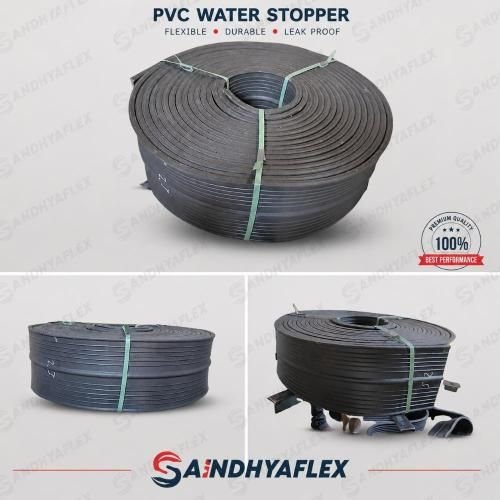
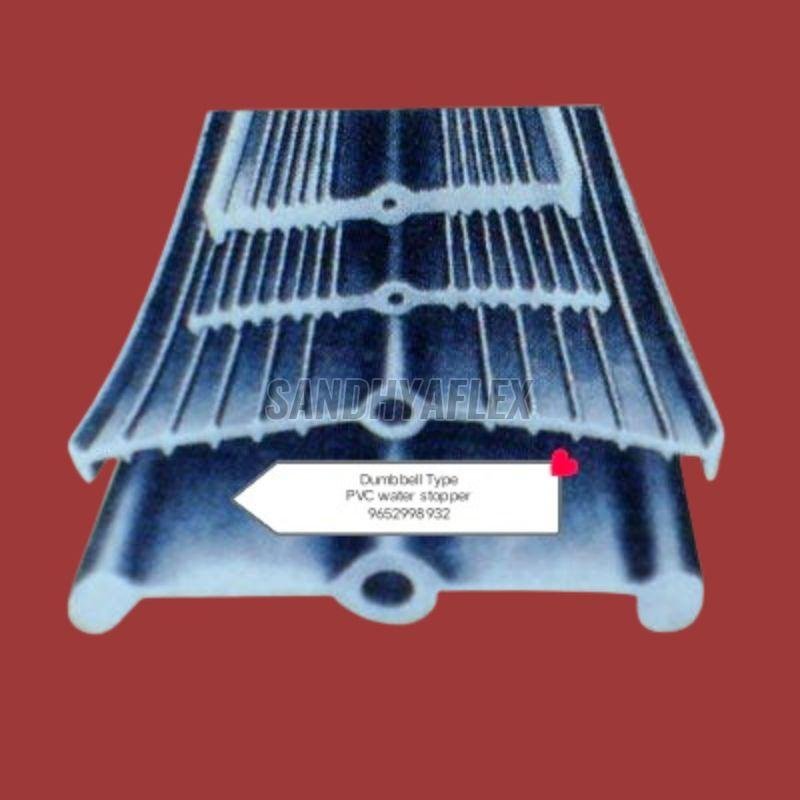
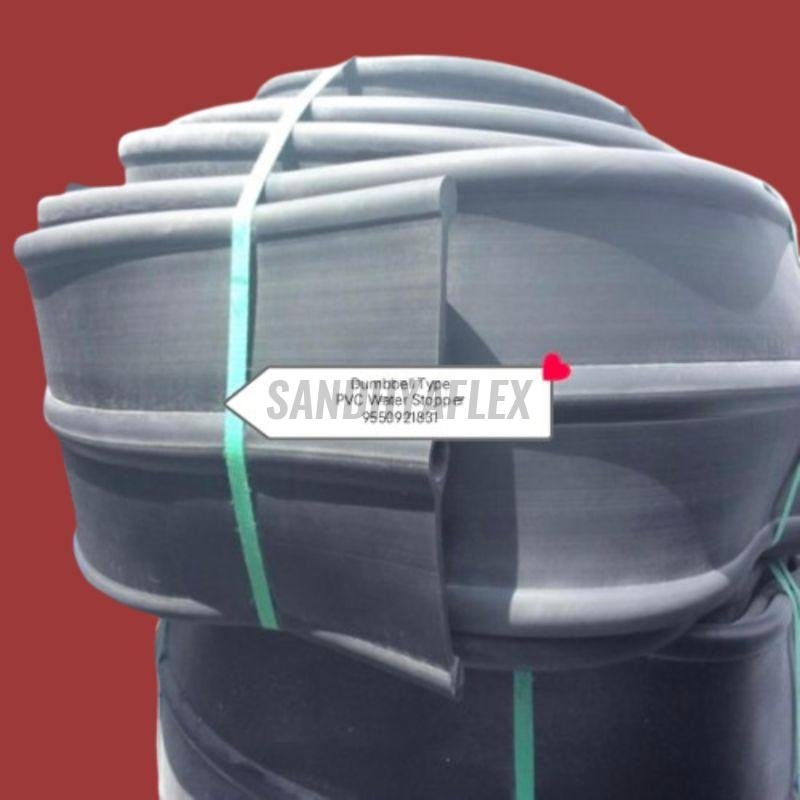
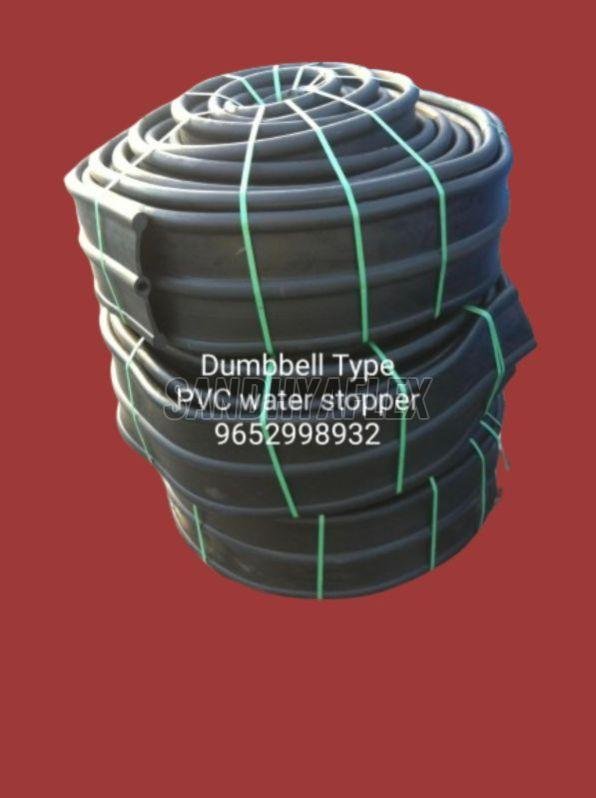
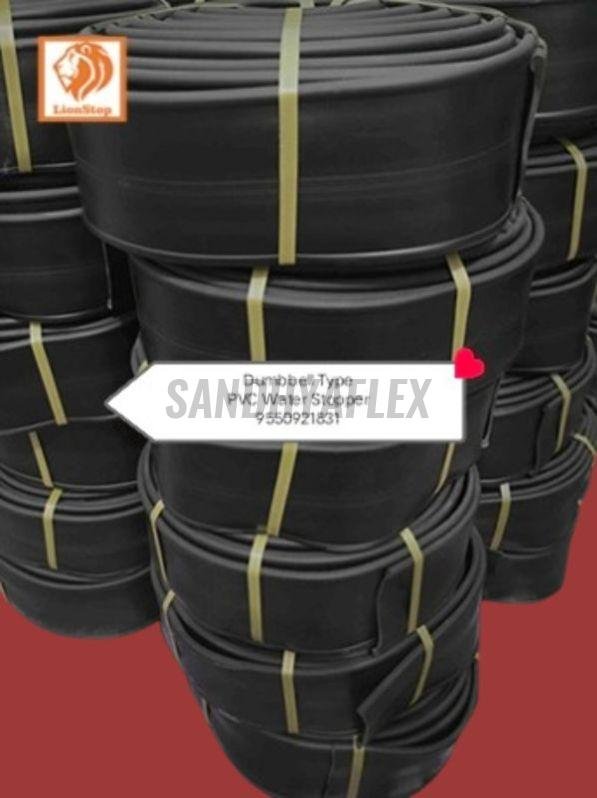
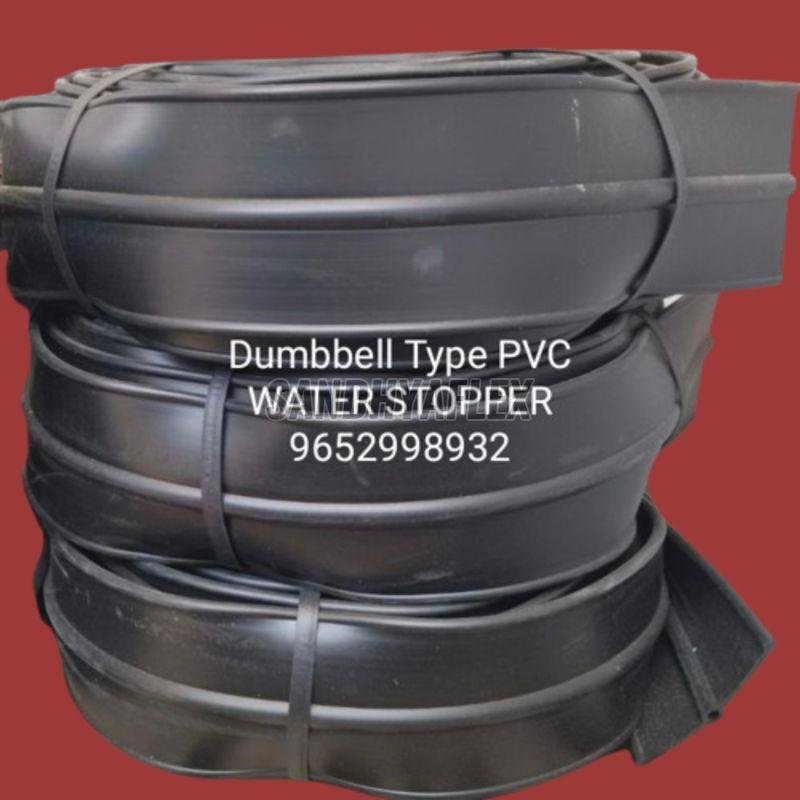
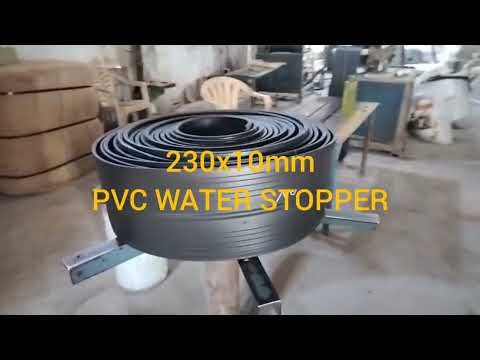
| Business Type | Manufacturer, Exporter, Supplier, Retailer |
| Brand Name | SNDHYAFLEX |
| 9 inch width centre bulb | NA |
| Material | Pvc |
| Color | Black |
| Condition | New |
| Surface Treatment | Smooth |
| Application | Construction |
| Size | 150x8mm |
| Type | Center bulb |
| Country of Origin | India |
| Product Code | pvcws |
| Port | Mumbai |
| Delivery Time | 2 to 7 days |
| Packaging Details | As per your requirement. |
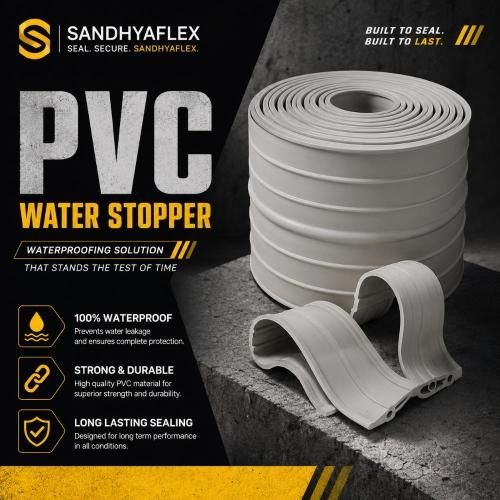
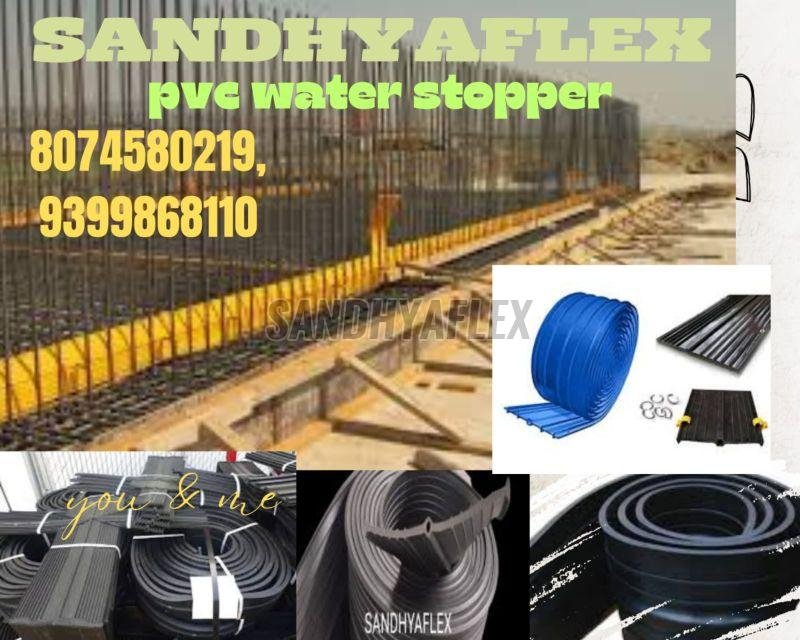
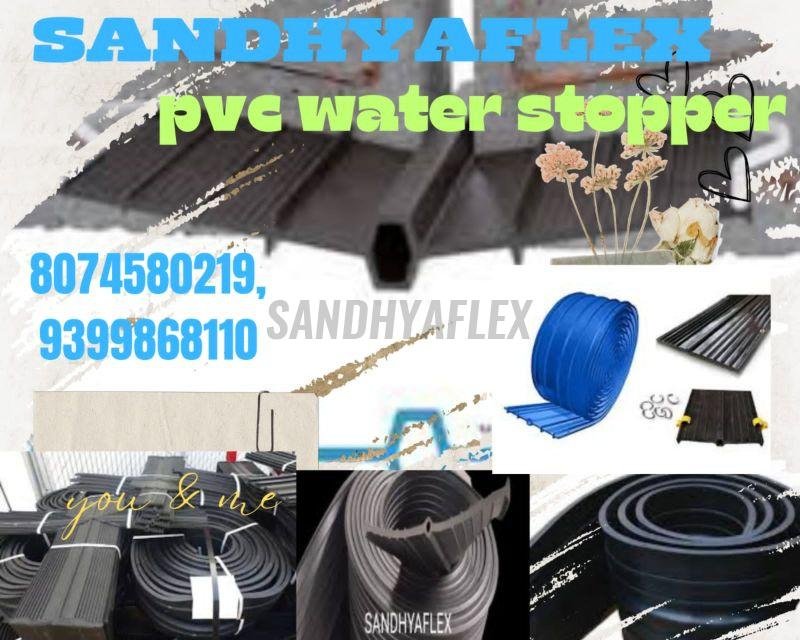
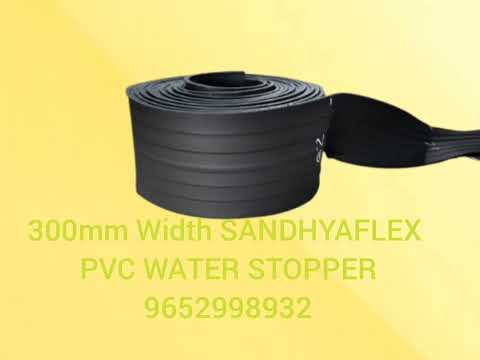
PVC water stoppers offer several advantages in construction applications, particularly in scenarios where waterproofing and preventing the ingress of water are critical. Here are some key advantages of PVC water stoppers:
1. **Waterproofing:**
- The primary advantage of PVC water stoppers is their effectiveness in creating a waterproof seal. They help prevent water from penetrating joints, connections, and gaps in concrete structures, ensuring the integrity of the structure over time.
2. **Chemical Resistance:**
- PVC is resistant to a wide range of chemicals, making PVC water stoppers suitable for use in environments where exposure to chemicals or corrosive substances is a concern. This chemical resistance enhances the durability of the water stoppers in various construction settings.
3. **Flexibility:**
- PVC water stoppers are known for their flexibility, allowing them to conform to the shape of joints and accommodate movements in concrete structures. This flexibility is particularly beneficial in areas with temperature variations and structural expansion and contraction.
4. **Ease of Installation:**
- PVC water stoppers are relatively easy to install, contributing to the efficiency of construction projects. They can be cut to size, bent, and shaped to fit specific joint configurations, making them convenient for a variety of applications.
5. **Durability:**
- PVC is a durable material with a long lifespan. PVC water stoppers can withstand exposure to weather elements, UV radiation, and other environmental factors without significant degradation. This durability contributes to the long-term effectiveness of waterproofing solutions.
6. **Cost-Effectiveness:**
- PVC water stoppers are often considered cost-effective compared to alternative materials. Their durability, ease of installation, and resistance to corrosion contribute to overall project cost savings in terms of material and labor.
7. **Versatility:**
- PVC water stoppers come in various shapes and sizes to accommodate different joint configurations. This versatility makes them suitable for a wide range of applications, including expansion joints, contraction joints, and connections in diverse construction projects.
8. **Low Maintenance:**
- Once installed, PVC water stoppers generally require minimal maintenance. Their resistance to deterioration and corrosion means that they can provide long-lasting protection without the need for frequent inspections or replacements.
9. **Environmental Considerations:**
- PVC is a recyclable material, and some PVC water stoppers are produced with environmental considerations in mind. Choosing recycled or environmentally friendly PVC products can contribute to sustainable construction practices.
10. **Resistance to Biological Growth:**
- PVC is inherently resistant to biological growth such as mold and mildew. This resistance helps maintain the cleanliness and structural integrity of the water stoppers over time.
In summary, PVC water stoppers offer a combination of waterproofing effectiveness, durability, flexibility, and cost-efficiency. These advantages make them a popular choice in various construction projects where the prevention of water ingress is crucial for the long-term performance and stability of the structures.
| Business Type | Manufacturer, Exporter, Supplier |
| Length | 20-25mtr |
| Size | Varies,Absolutely! Here's A Complete Guide To **rubber Cord Sizes**, Including Standard Diameters, |
| Application | Construction |
| Condition | New |
| Material | Plastic, Hey! Could You Clarify What You Mean By “brand”? Are You Thinking About: - Creating A **brand** For A Business Or Personal Project? - Talking About A **specific Brand**? - Brainstorming **brand Names,Pvc |
| Brand Name | SNDHYAFLEX |
| Color | Black |
| Style | na |
| Surface Treatment | Got it — you're diving into **surface treatment** for packaging. That’s the fun part where your prod |
| Type | Hey! Could you clarify what you mean by “brand”? Are you thinking about: - Creating a **brand** for a business or personal project? - Talking about a **specific brand**? - Brainstorming **brand names,Center bulb |
| Product Code | sandhyaflex |
| Port | The **"port of dispatch"** refers to the location (usually a seaport, airport, or land ter |
| Payment Terms | D/A, T/T |
| Delivery Time | depends |
| Packaging Details | vHey! Could you tell me a bit more—what do you mean by "color"? Are you asking for: - A specific color code (like hex or RGB)? - Color palette ideas? - Color suggestions for a design or outfit? - Something else? Let me know how I can help! 🎨 |
PVC water stoppers, also known as PVC waterstops or water stop seals, are important construction materials used in various civil engineering projects, primarily in the construction of concrete structures like dams, tunnels, basements, swimming pools, and other water-retaining structures. They serve as a barrier to prevent the passage of water through construction joints and expansion joints in concrete. Here\\\'s some information about PVC water stoppers:
\r\n
\r\n
1. **Material**: PVC water stoppers are made of polyvinyl chloride (PVC), a synthetic plastic material known for its durability, flexibility, and resistance to water, chemicals, and weathering.
\r\n
\r\n
2. **Types**: There are different types of PVC water stoppers, including straight PVC water stoppers for construction joints and bent PVC water stoppers for corner joints.
\r\n
\r\n
3. **Functions**:
\r\n
- **Waterproofing**: The primary function of PVC water stoppers is to prevent the infiltration or exfiltration of water through joints in concrete structures.
\r\n
- **Durability**: PVC water stoppers have excellent durability, resisting chemical attacks and physical wear and tear.
\r\n
- **Flexibility**: They are designed to accommodate movement in the structure without compromising their waterproofing properties.
\r\n
\r\n
4. **Installation**: PVC water stoppers are typically embedded in the concrete at construction joints and are installed so that they run continuously through the joint. Proper installation is essential to ensure a watertight seal.
\r\n
\r\n
5. **Sizes and Shapes**: PVC water stoppers come in various sizes and shapes to accommodate different joint dimensions and requirements.
\r\n
\r\n
6. **Quality Standards**: Depending on the project and its requirements, different quality standards may apply to PVC water stoppers, so it\\\'s important to ensure that the chosen product meets the necessary specifications.
\r\n
\r\n
7. **Maintenance**: Once installed correctly, PVC water stoppers require minimal maintenance. However, regular inspections can help identify any damage or wear that may occur over time.
\r\n
\r\n
PVC water stoppers are just one type of water stop used in construction. Other materials, such as rubber or steel, may also be used for this purpose, depending on the specific needs of the project. The choice of water stopper material depends on factors such as the type of structure, environmental conditions, and budget constraints. Proper selection and installation of water stoppers are critical to ensuring the long-term integrity and waterproofing of concrete structures.