| Business Type | Manufacturer, Exporter, Supplier |
| Size | 2000-3000mm, Got It! Could You Let Me Know: 1. **What Product** You're Packaging? (e.g. Cosmetics,Food,Electronics) 2. **Type Of Packaging** You’re Considering? (e.g. Box,Pouch,Bottle) 3. Any Specific **quant |
| Application | Nice! Are You Asking About The **application Of Packaging** (like How It’s Used Or Implemented), Or |
| Pressure | Medium Pressure |
| Condition | New |
| Shape | Round |
| Material | Carbon Steel |
| Brand Name | SNDHYAFLEX |
| Product Code | sandhyaflex |
| Port | A **port of dispatch** refers to the location (typically a seaport or airport) from which goods are |
| Payment Terms | D/A, D/P, T/T |
| Delivery Time | depends |
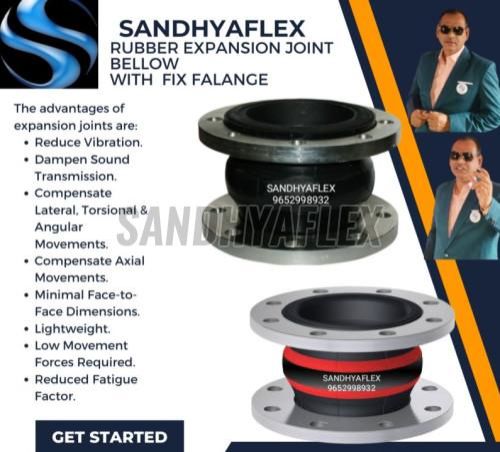
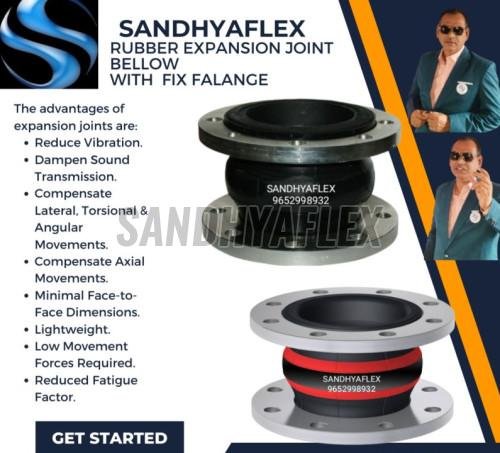
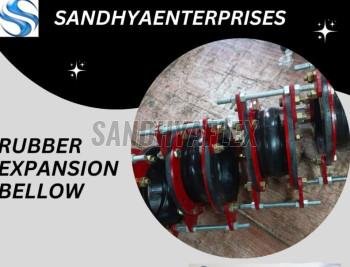
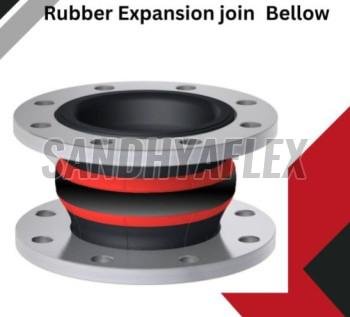
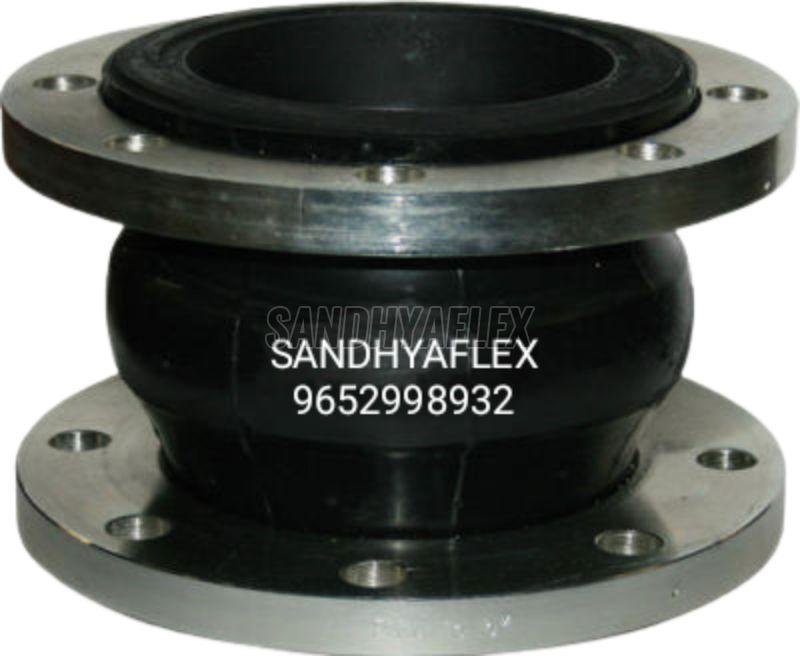
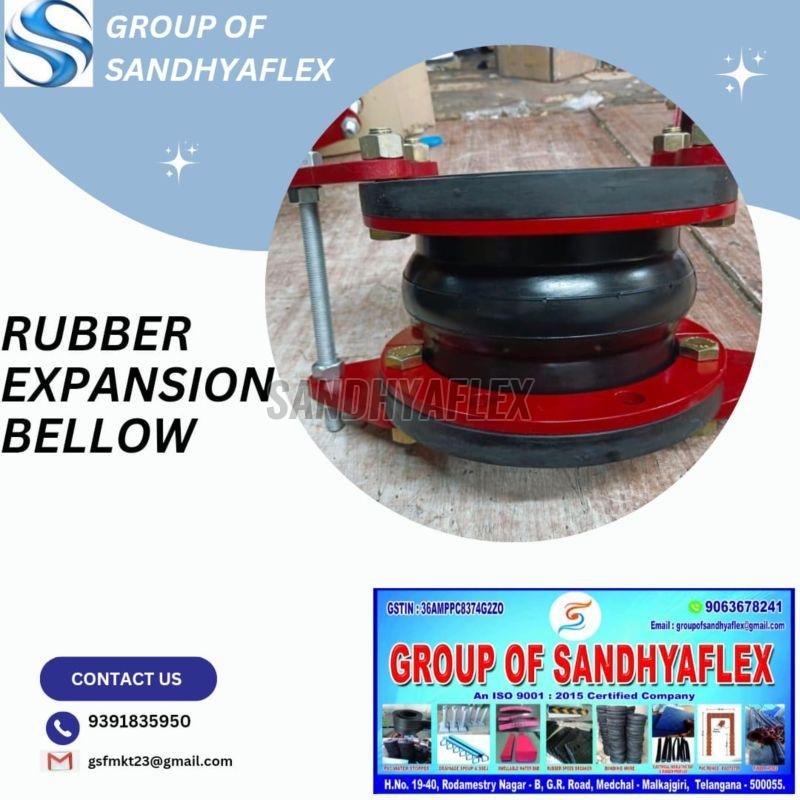
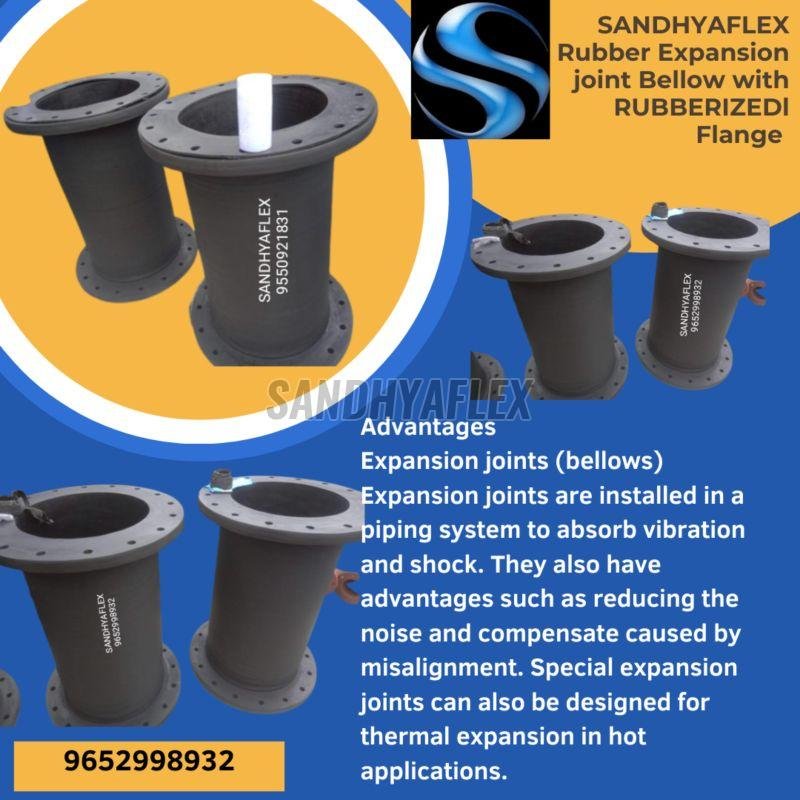
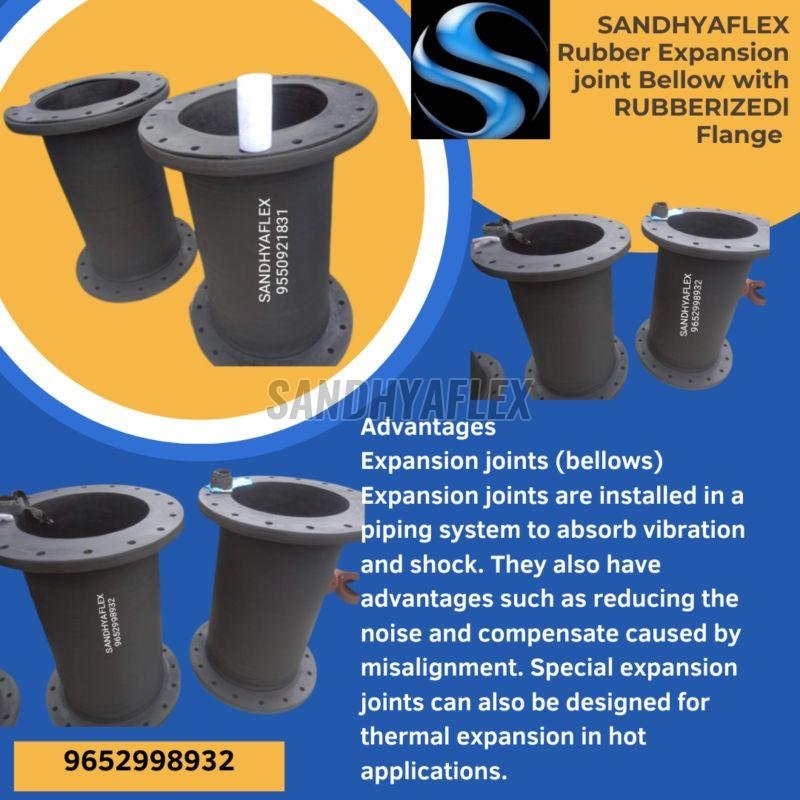
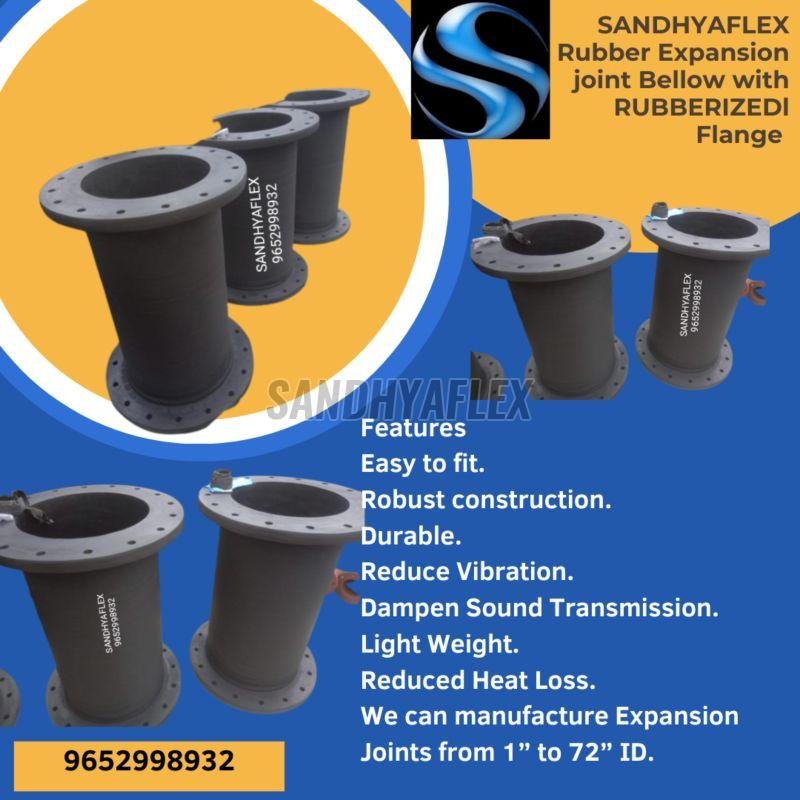
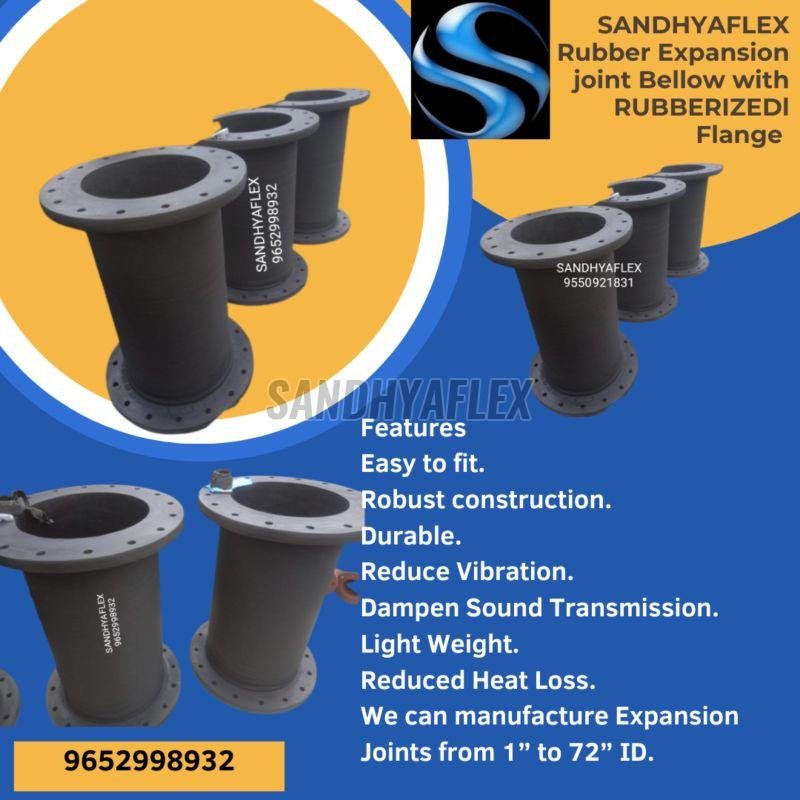
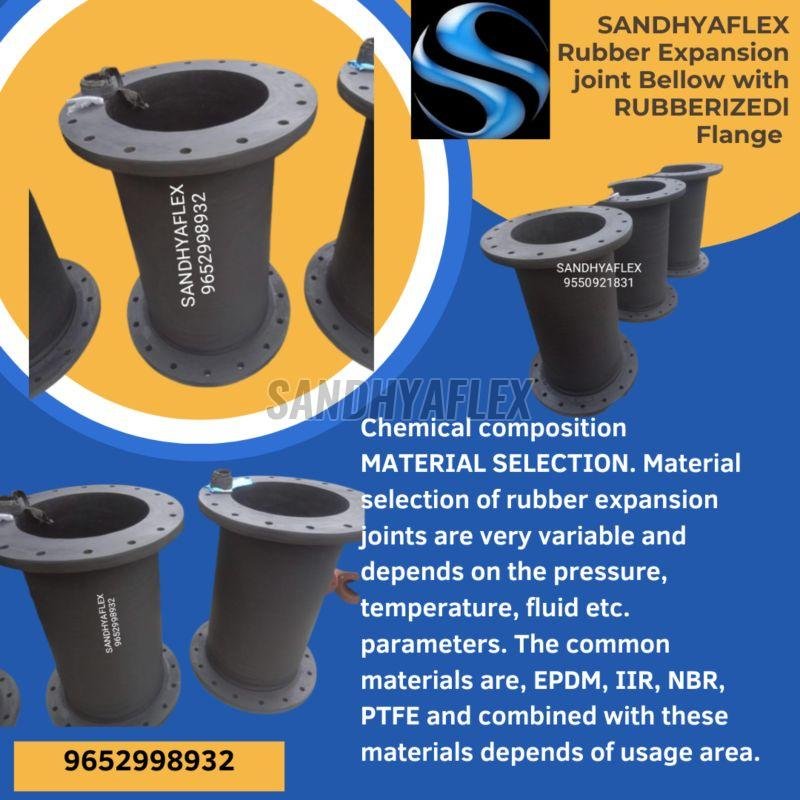
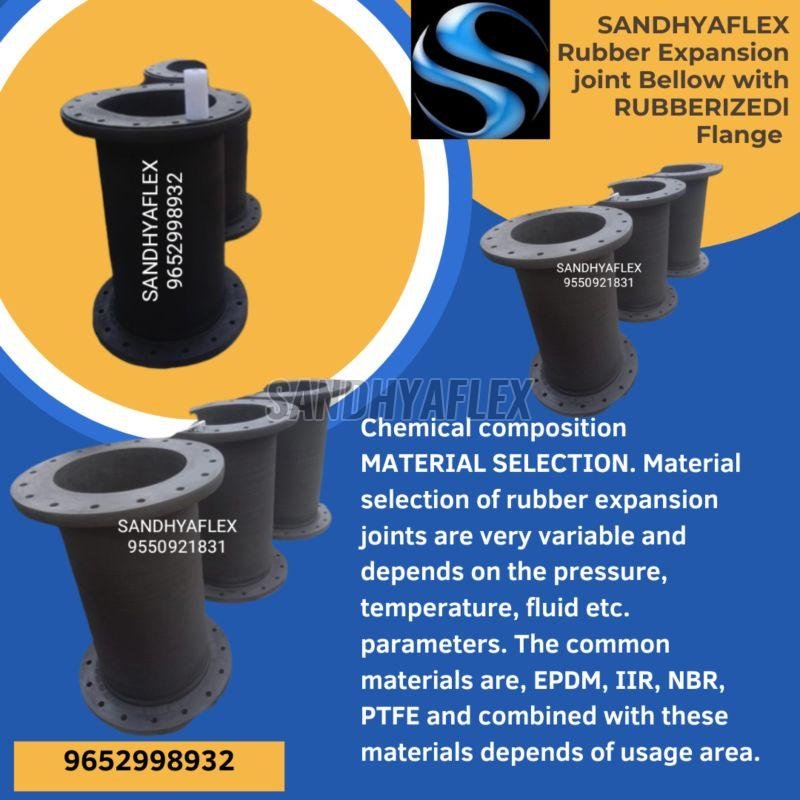
A rubber expansion joint with a fixed flange is a mechanical component used in piping systems to compensate for movement, misalignment, and vibration. It consists of a flexible rubber bellow or sleeve and two fixed flanges. The rubber bellow allows for the expansion and contraction of the pipeline due to temperature changes and accommodates lateral movement, angular deflection, and axial movement.
\r\n\r\n
Here are the key components and functions of a rubber expansion joint with fixed flanges:
\r\n\r\n
1. Rubber Bellow: The core component is a flexible rubber bellow or sleeve, typically made from materials such as EPDM, neoprene, or natural rubber. This rubber bellow can flex and absorb movement in the pipeline.
\r\n\r\n
2. Fixed Flanges: The expansion joint is equipped with two fixed flanges on either end of the rubber bellow. These flanges are rigidly attached to the pipeline and do not move. One flange connects to the upstream pipe, and the other connects to the downstream pipe.
\r\n\r\n
3. Bolts and Nuts: Bolts and nuts are used to secure the fixed flanges to the pipes, creating a tight and leak-proof connection.
\r\n\r\n
The main functions of a rubber expansion joint with fixed flanges include:
\r\n\r\n
1. Absorbing Thermal Expansion and Contraction: As a piping system heats up or cools down, it can expand and contract. The rubber bellow allows for this movement without putting stress on the pipes.
\r\n\r\n
2. Compensating for Misalignment: In situations where pipes are not perfectly aligned, the rubber expansion joint can accommodate lateral movement and angular deflection.
\r\n\r\n
3. Vibration Damping: Rubber expansion joints can also help reduce the transmission of vibrations and shocks within the piping system.
\r\n\r\n
4. Reducing Noise: They can act as noise attenuators, minimizing the noise generated by fluid flow and system vibrations.
\r\n\r\n
5. Corrosion Resistance: Rubber expansion joints are often used in corrosive environments where the rubber material provides protection against chemical attack.
\r\n\r\n
6. Sealing: The fixed flanges ensure a secure and leak-proof connection to the pipes.
\r\n\r\n
Rubber expansion joints are commonly used in various industries, including HVAC systems, water and wastewater treatment plants, chemical processing, power plants, and more. The choice of the rubber material and the design of the expansion joint will depend on the specific application, including factors like temperature, pressure, and the type of fluid being conveyed. Proper maintenance is essential to ensure the long-term performance and integrity of rubber expansion joints in a piping system.
| Business Type | Manufacturer, Exporter, Supplier |
| Brand Name | SNDHYAFLEX |
| Material | Rubber |
| Finishing | Polished |
| Shape | Round |
| Application | Industrial Use |
| Size | 3/4inch,Hey! Could you clarify what you mean by "size"? Are you asking about: - Clothing or shoe size? - Image or file size? - Screen or display size? - Something else? Just let me know and I’ve got you! |
| Feature | High Strength |
| Technics | Extrusion |
| Color | Hey! Could you clarify what you mean by "color"? Are you looking for: - A color suggestion? - Color meanings or symbolism? - Hex/RGB values? - Color palettes for design? - Something else entirely? L |
| Product Code | sandhyaflex |
| Port | A **port of dispatch** refers to the location (typically a seaport or airport) from which goods are |
| Payment Terms | T/T |
| Delivery Time | depends |
| Packaging Details | Hey! Could you clarify what kind of **packaging details** you're looking for? For example: - A product's **packaging specs** (materials, dimensions, etc.)? - **Labeling and design** details? - **Shipping and handling** info? - Or maybe **regulatory requirements** (e.g., for food, cosmetics, electronics)? Let me know the context or product and I’ve got you covered! |
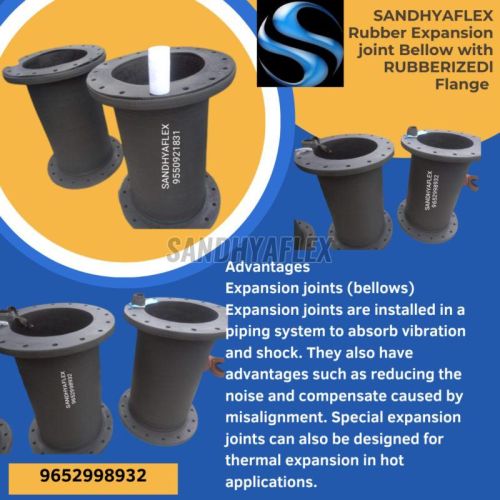
A rubber expansion joint with a rubber flange is a type of flexible connector used in piping systems to absorb movement, vibration, and noise, while also accommodating changes in temperature and pressure. It consists of two main components:
\r\n\r\n
1. **Rubber Expansion Joint:** The main body of the expansion joint is made of rubber, which is a flexible and elastic material. This rubber component is designed to absorb various types of movement in a piping system, including axial compression and extension, lateral deflection, angular rotation, and even some torsional movement. It helps prevent the transfer of stresses and vibrations from one part of the system to another, thereby reducing the risk of damage to pipes, equipment, or structures.
\r\n\r\n
2. **Rubber Flange:** The rubber expansion joint typically has flanges on either end, which are used to connect the expansion joint to the piping system. These flanges are also made of rubber and have bolt holes that align with the bolt holes on the piping system\\\'s flanges. By bolting the rubber flanges to the adjacent flanges on the pipes, you create a secure and sealed connection.
\r\n\r\n
The rubber flanges are often reinforced with fabric or metal to provide additional strength and stability. The use of rubber in both the expansion joint and the flanges allows for flexibility and the ability to accommodate movement while maintaining a tight seal, preventing the leakage of fluids and gases from the piping system.
\r\n\r\n
Rubber expansion joints with rubber flanges are commonly used in applications where there is a need for flexibility and vibration isolation, such as in HVAC systems, industrial piping, water treatment plants, and chemical processing plants. They help protect pipes and equipment from the stresses and movements that can occur in these systems, extending the lifespan of the components and reducing maintenance and repair costs.
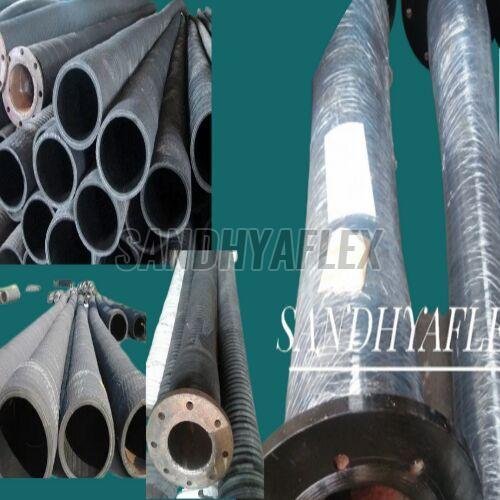
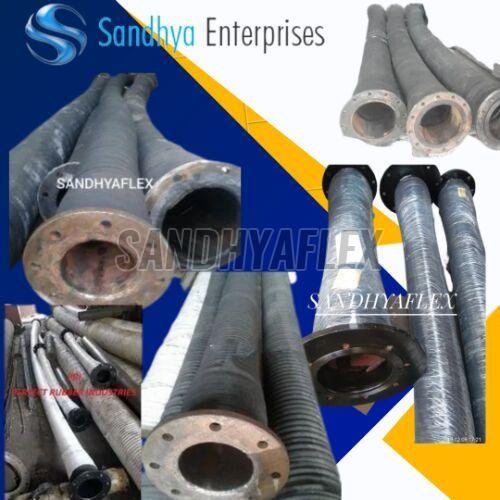
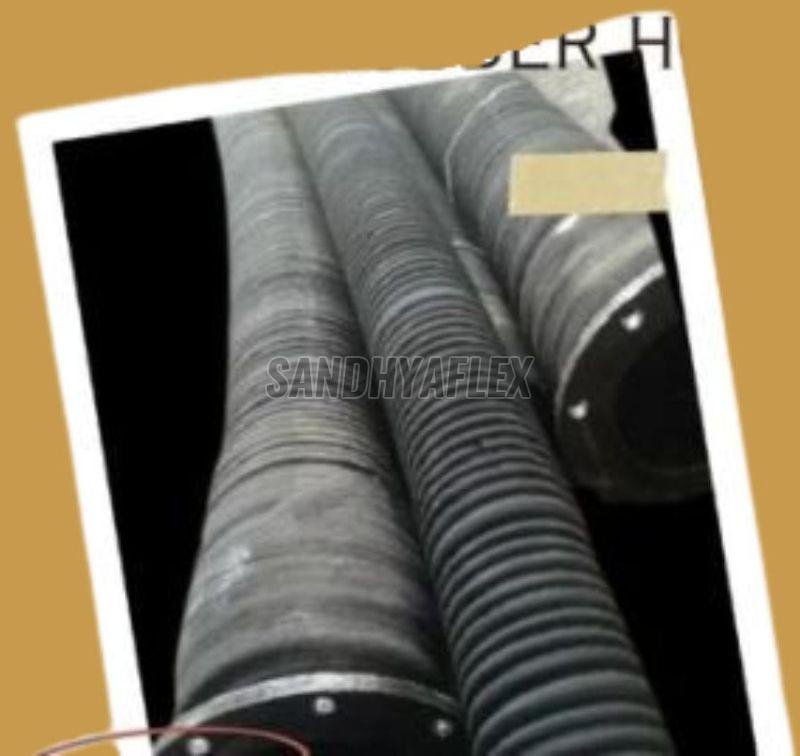
| Business Type | Manufacturer, Exporter, Supplier, Retailer |
| Country of Origin | India |
| Reinforcement | Helical Wire And Fabric Reinforcemetnt |
| Material | Synthetic Rubber |
| Brand Name | SANDHYAFLEX |
| Number Of Flower | Flexible Rubber Hose |
| Diameter | 25mm ID To 1000mm ID |
| Size (Inches) | 25mm ID To 1000mm ID |
| Length | 15Mtr (max) |
| Usage | Fof Air , Water And Cement |
| Name | Rubber Flexible Hose |
| Product Code | SE FRSH |
| Payment Terms | T/T |
| Delivery Time | 7days |
| Packaging Details | Packing with HDPE Cover in Coil System |
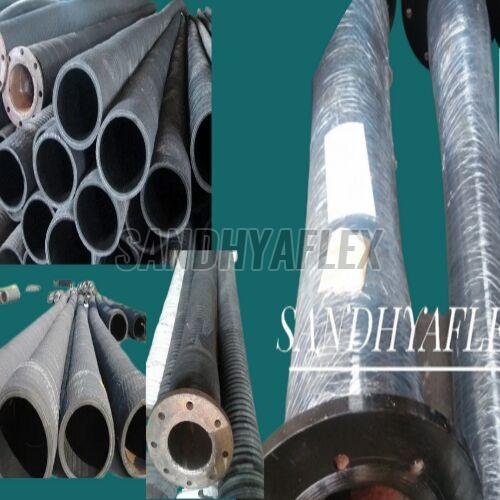
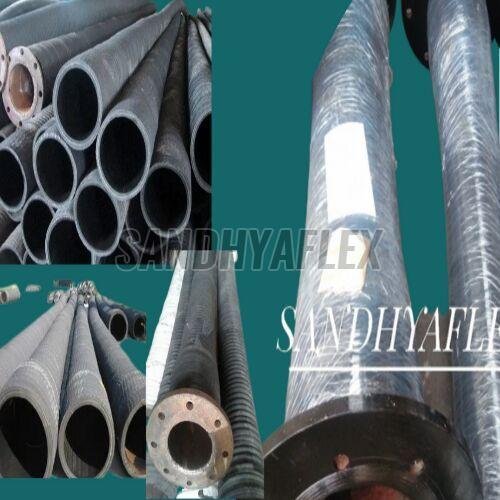
A flexible braided rubber hose is a type of hose that combines the flexibility of rubber with the strength and reinforcement of braided materials. It is commonly used in various industries for fluid transfer applications, including air, water, oil, chemicals, and gas.
The key features and characteristics of a flexible braided rubber hose include:
1. Rubber construction: The inner tube of the hose is made of rubber or synthetic elastomer, which provides flexibility, durability, and resistance to a wide range of fluids and temperatures.
2. Braided reinforcement: The rubber tube is reinforced with one or multiple layers of braided materials, typically made of high-strength fibers, such as polyester, nylon, or steel wire. The braiding adds strength and stability to the hose, allowing it to withstand high-pressure applications.
3. Flexibility: The combination of rubber and braided reinforcement allows the hose to maintain flexibility while withstanding bending, twisting, and stretching. This flexibility makes it easier to handle, route, and install the hose in various applications.
4. Pressure resistance: The braided reinforcement enhances the hose\\\'s ability to withstand high working pressures. The number of braided layers and the material used determine the hose\\\'s pressure rating, ensuring it can handle the specific pressure requirements of the intended application.
5. Abrasion resistance: The rubber cover on the outside of the hose provides protection against abrasion and wear. It helps to extend the lifespan of the hose, especially in applications where it may come into contact with rough surfaces or other abrasive materials.
6. Fittings and connections: Flexible braided rubber hoses can be equipped with a variety of fittings and connections to facilitate easy installation and compatibility with different systems or equipment. Common fittings include threaded connections, quick-connect couplings, or flanges.
7. Temperature range: The rubber and braided materials used in the hose construction are selected to withstand a wide temperature range, allowing the hose to function effectively in both hot and cold environments.
Regular inspection and maintenance of the flexible braided rubber hose are necessary to identify signs of wear, damage, or degradation. Any worn or damaged hoses should be replaced promptly to prevent leaks, bursts, or reduced performance.
When selecting a flexible braided rubber hose, it is essential to consider factors such as the specific fluid or gas being transported, the required working pressure, temperature range, and compatibility with the surrounding environment. Consulting with reputable hose suppliers or manufacturers is recommended to ensure the selection of the appropriate hose that meets the specific application requirements and complies with industry standards and regulations.

| Business Type | Manufacturer, Exporter, Supplier, Retailer |
| Hardness | 50 Shore A |
| DWCPG | 25000 |
| Product Code | DWCPG |
| Port | kakinada |
| Payment Terms | T/T |
| Delivery Time | 7 days to 15 Days |
| Packaging Details | Packing in HDPE Cover |
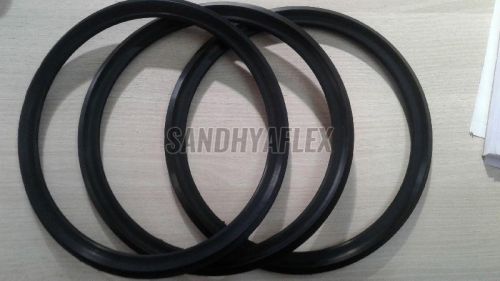
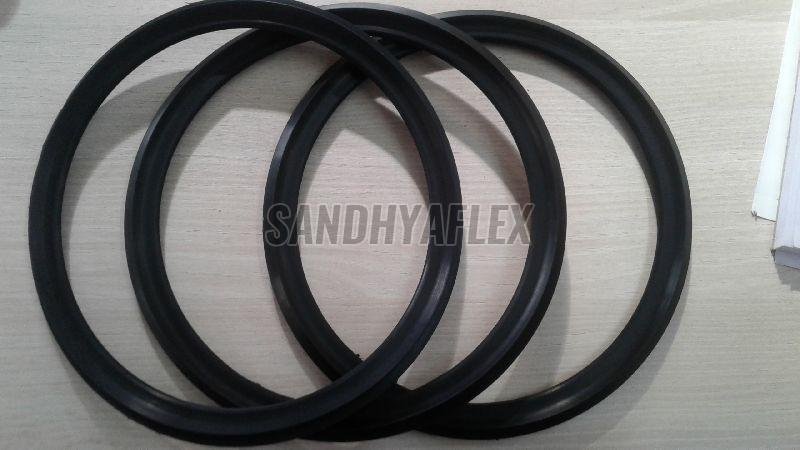
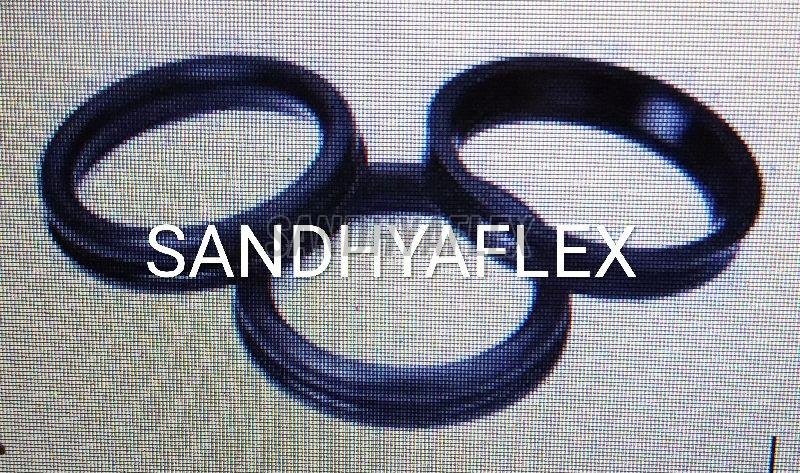
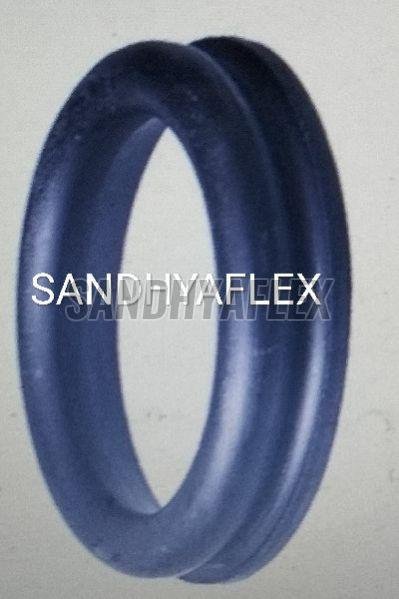
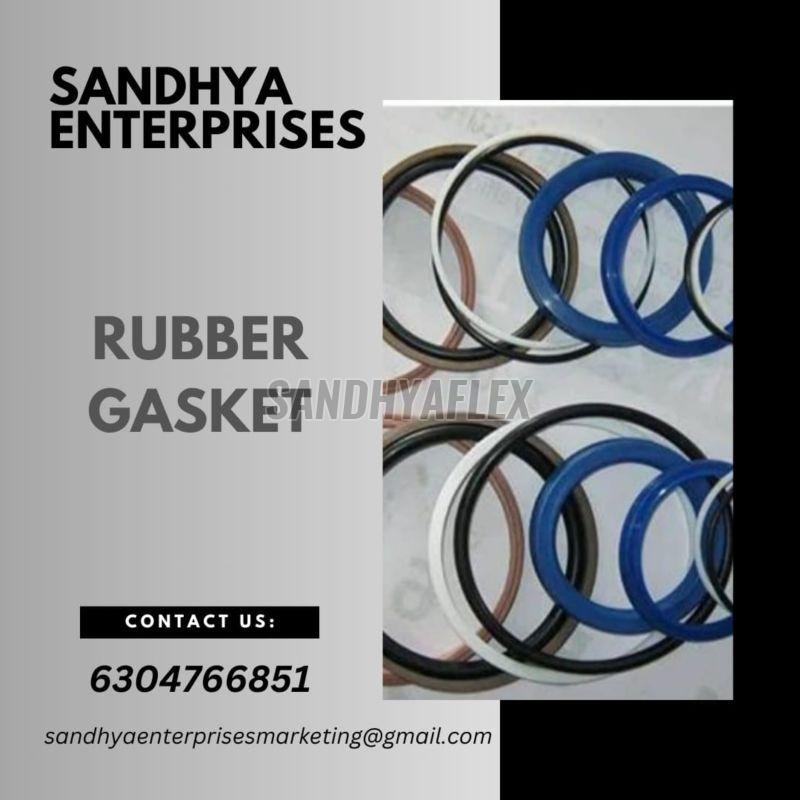
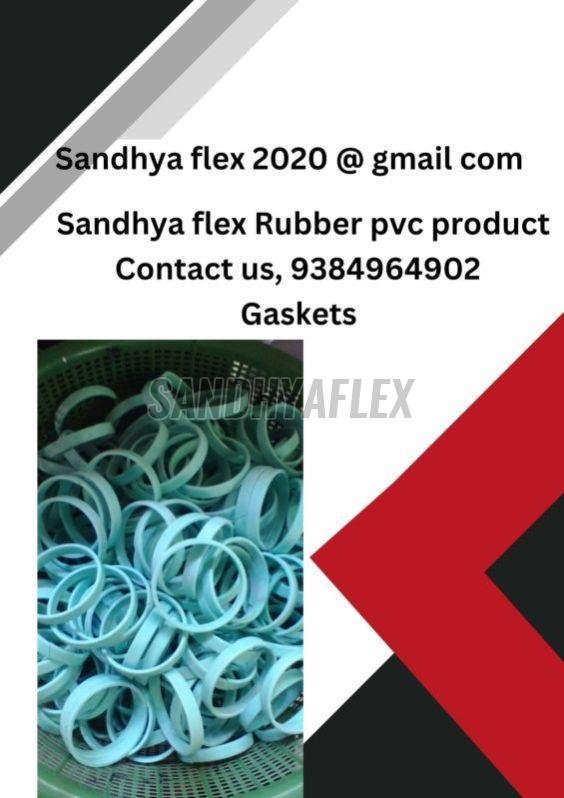
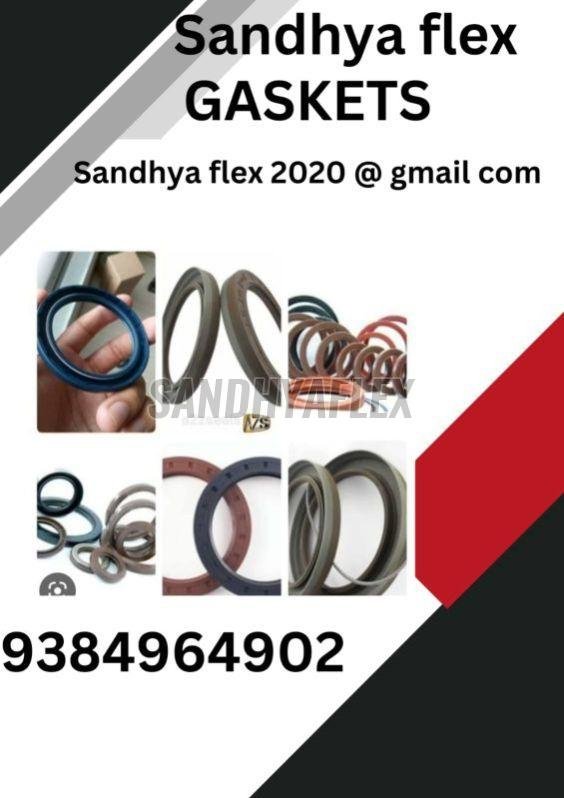
Sandhya Enterprises manufacturer and Supplier of DWC Pipe Gasket.
size:100 to 1000mm
| Business Type | Manufacturer, Exporter, Supplier |
| Pattern | Plain |
| Usage | Industrial |
| Condition | New |
| Shape | Round |
| Brand Name | Osaka |
| Material | Rubber |
| Finishing | Coated |
| Number Of Flower | Hey! Could you clarify what you mean by “type”? Are you asking me to type something specific, or are you referring to a type of document, code, or something else? |
| Product Code | sandhyaflex |
| Port | A **port of dispatch** refers to the location (usually a seaport or airport) where goods are officia |
| Payment Terms | T/T |
| Delivery Time | depends |
| Packaging Details | Hey! Could you tell me a bit more—what do you mean by "color"? Are you asking for: - A specific color code (like hex or RGB)? - Color palette ideas? - Color suggestions for a design or outfit? - Something else? Let me know how I can help! 🎨 |
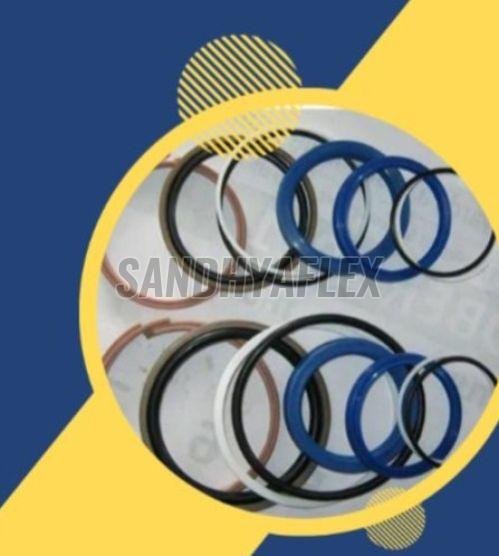
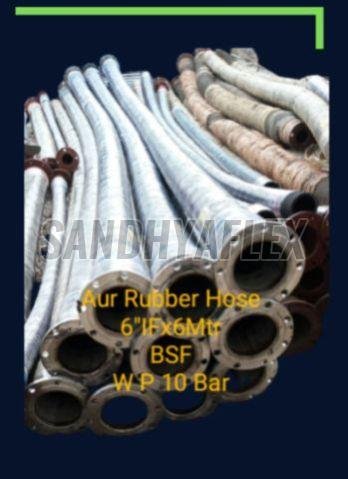
A rubber gasket is a mechanical seal made of rubber or elastomeric material that is used to prevent the leakage of fluids or gases between two mating surfaces. Gaskets are commonly used in a wide range of applications, including plumbing, automotive, industrial machinery, and more. They are designed to fill the gap or irregularities between two surfaces and create a secure, watertight, or airtight seal.
\r\n\r\n
Rubber gaskets are known for their flexibility, resilience, and resistance to various environmental factors, such as temperature, pressure, and chemicals. They come in various shapes, sizes, and thicknesses to fit different sealing requirements. Some common types of rubber gaskets include O-rings, flat gaskets, and gasket sheets.
\r\n\r\n
The choice of rubber material for a gasket depends on the specific application and the substances it will come into contact with. Different rubber compounds, such as neoprene, silicone, EPDM (ethylene propylene diene monomer), and natural rubber, offer different properties and resistances to different conditions.
\r\n\r\n
In summary, rubber gaskets are essential components in various industries and applications, serving to prevent leaks and maintain the integrity of sealed systems. Their effectiveness in sealing depends on the choice of material and the design of the gasket to meet the requirements of the particular sealing task.



| Business Type | Manufacturer, Exporter, Supplier |
| Brand Name | SNDHYAFLEX |
| Material | Rubber |
| Shape | Round |
| Certification | ISO 9001:2008 |
| Fluid Type | Air |
| Country of Origin | India |
| Corrosion Resistance | Yes |
| Product Code | FRH |
| Port | mumbai |
| Payment Terms | L/C |
| Delivery Time | 7 to 10 days |
| Packaging Details | The packing details of a flexible rubber hose can vary depending on the manufacturer, supplier, and specific product. However, here are some general packing details that you may commonly find: 1. Quantity: The packaging should indicate the number of flexible rubber hoses included in a single pack. It can range from one hose to multiple hoses, depending on the packaging configuration and the supplier's specifications. 2. Length: The packaging may specify the length of the hose, indicating the total measurement from end to end. This information helps determine if the hose length is suitable for the intended application. 3. Diameter/Size: The packaging should mention the hose diameter or size, indicating the internal or external diameter of the hose. This information helps ensure compatibility with the fittings, equipment, or pipes it will connect to. 4. Material: The packaging may mention the specific rubber material used for the hose, such as synthetic rubber or natural rubber, and any additional properties or certifications related to the material. 5. Pressure/Temperature Rating: Depending on the application, the packaging may indicate the hose's pressure and temperature rating, providing information about the maximum pressure and temperature the hose can handle safely. 6. Color: In some cases, the packaging may specify the color of the hose. While black is a common color for rubber hoses, other colors may be available for specific applications or preferences. 7. Packaging Material: The packaging itself may be mentioned, indicating the type of packaging material used, such as cardboard boxes, plastic bags, or reels. It's important to note that the specific details may vary depending on the manufacturer, the product variation, and the specific requirements of the industry or application. Therefore, it is always recommended to refer to the packaging or contact the manufacturer or supplier directly for accurate and up-to-date information regarding the packaging details of a particular flexible rubber hose. |
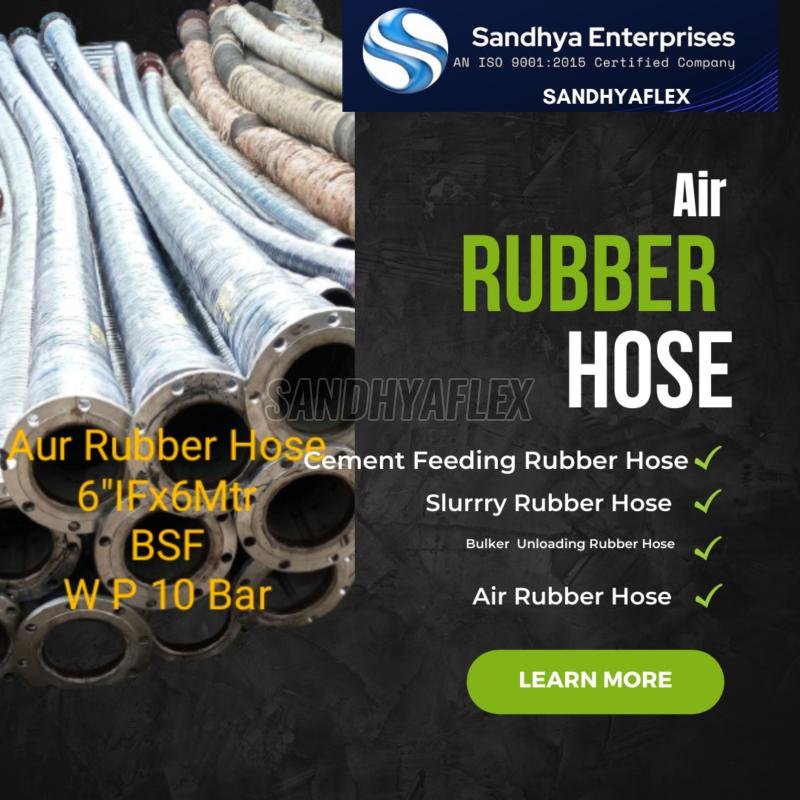
Application of Cement Hose: Cement Feeding Rubber Hose is used for spraying cement grout at irrigation projects, buildings, dams, sites, dams, bridges and roads in the hilly terrains. Construction: Lining: It is a uniform, seamless and extra thick tube of natural, synthetic and blend rubber compound. It offers excellent abrasion resistance which is free from air blisters, porosity and other defects. Reinforcement: Woven textiles or braided high strength natural/ synthetic yarns that are impregnated by piles of rubber Cover: It is a suitable rubber compound having a cloth marked finish making it weather and abrasion resistant. Electrical Bonding: To provide electrical continuity throughout the length of the hose, a stand of copper wire is embedded in the reinforcement plies. As per IS: IS: 13071-1991 Specification Construction Core: Black colour, Synthetic and natural rubber blend resistant to abrasion Reinforcement: High Tensile Synthetic Textile cord A flexible rubber hose is a type of hose made from rubber or a blend of rubber materials that offers flexibility and durability. It is designed to transport various substances, including liquids, gases, and solids, from one location to another. The flexibility of the rubber material allows the hose to bend, twist, and maneuver easily, making it suitable for a wide range of applications. Here are some key features and details related to flexible rubber hoses: 1. Material: Flexible rubber hoses are typically constructed using high-quality synthetic rubber compounds or natural rubber. These materials provide excellent flexibility, resistance to abrasion, weathering, chemicals, and temperature variations. 2. Structure: Flexible rubber hoses usually consist of multiple layers, including an inner tube, reinforcement layers, and an outer cover. The inner tube comes into direct contact with the transported substance and is designed to resist the specific material being conveyed. Reinforcement layers, such as braids or spirals, enhance the hose's strength and pressure resistance. The outer cover protects the hose from external damage and environmental factors. 3. Flexibility: The rubber material used in these hoses allows them to be highly flexible, making them suitable for applications that require bending or maneuvering around obstacles. This flexibility enables easy installation and reduces the risk of kinking or tangling. 4. Sizes and Diameters: Flexible rubber hoses are available in various sizes and diameters to accommodate different applications and flow rates. Common sizes range from small diameters, such as 1/4 inch, to larger ones exceeding several inches. 5. End Connections: Flexible rubber hoses often feature specific end connections that allow them to connect to equipment, pipes, or fittings. These connections can include threaded ends, barbed fittings, cam-lock couplings, flanges, or other custom fittings depending on the intended use and industry requirements. 6. Applications: Flexible rubber hoses have extensive applications across various industries, including automotive, industrial, construction, agriculture, plumbing, and more. They are commonly used for conveying liquids like water, chemicals, oil, fuels, and gases, as well as for transporting solids such as grains or granular materials. 7. Standards and Certifications: Depending on their specific application and industry, flexible rubber hoses may need to comply with certain standards and certifications. These standards can address factors like pressure ratings, temperature limits, chemical compatibility, electrical conductivity, or food-grade requirements. When purchasing a flexible rubber hose, it's important to consider factors such as the intended application, the specific substance being conveyed, pressure and temperature requirements, compatibility with fittings or equipment, and any necessary certifications or standards. Consulting with a trusted supplier or manufacturer can help ensure you s
| Business Type | Manufacturer, Exporter, Supplier, Retailer |
| Number Of Flower | Cement Clinker, Fly Ash, Fly Ash Feeding System |
| Brand Name | SANDHYAFELX |
| Material | Rubber |
| Certification | ISO 9001:9002, ISO:9001:2015 |
| Pressure | 10bar |
| Total Carbohydrate | 6month |
| Bend Radius | IDmmx10 |
| Hardness | 60 Shore A |
| Working Pressure | 10Bar |
| Country of Origin | India |
| Size | Multisizes, 4 |
| Application | Building Construction, Cement |
| Condition | DRY |
| Raw Material | Cement |
| Product Code | SE FARSH |
| Port | kakinada |
| Payment Terms | T/T |
| Delivery Time | 7days |
| Packaging Details | Packing with HDPE Cover The packing details of a fly ash rubber hose can vary depending on the manufacturer, supplier, and specific product. However, here are some general packing details that you may commonly find: 1. Quantity: The packaging should indicate the number of fly ash rubber hoses included in a single pack. It can range from one hose to multiple hoses, depending on the packaging configuration and the supplier's specifications. 2. Size and Length: The packaging may specify the size and length of the fly ash rubber hose. This information helps determine if the hose is suitable for the intended application. The size typically corresponds to the inner diameter of the hose, while the length indicates the overall hose length. 3. Material: The packaging may mention the specific rubber material used for the hose construction. Fly ash rubber hoses are typically made from natural rubber or synthetic rubber compounds that offer excellent abrasion resistance, flexibility, and resistance to the high-temperature environment associated with fly ash handling. 4. Reinforcement: Fly ash rubber hoses often feature reinforcement layers for added strength and durability. The packaging may indicate the type and number of reinforcement layers, such as textile, wire, or fabric. The reinforcement layers help the hose withstand the high-pressure conditions and abrasive nature of fly ash transportation. 5. Pressure Rating: The packaging may indicate the pressure rating of the fly ash rubber hose, providing information about the maximum pressure it can withstand during operation. This information ensures that the hose is suitable for the specific fly ash handling system. 6. Temperature Range: The packaging may specify the temperature range within which the fly ash rubber hose can effectively perform. This information ensures that the hose can handle the high temperatures encountered during fly ash transportation. 7. Color: Fly ash rubber hoses are commonly available in black or other dark colors, which help conceal any soiling or staining that may occur during use. 8. Packaging Material: The packaging itself may be mentioned, indicating the type of material used, such as cardboard boxes or plastic wrapping. The packaging should provide sufficient protection to prevent damage during transportation and storage. 9. Additional Components: Depending on the specific product, the packaging may include additional components such as hose fittings, clamps, or other accessories required for installation or connection to the fly ash handling system. It's important to note that the specific details and packaging may vary between manufacturers and suppliers. Therefore, it is always recommended to refer to the packaging or contact the manufacturer or supplier directly for accurate and up-to-date information regarding the packing details of a particular fly ash rubber hose. |
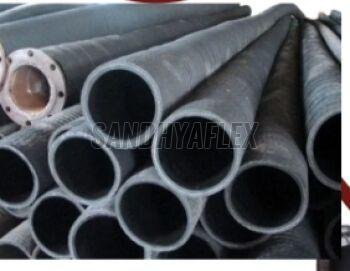
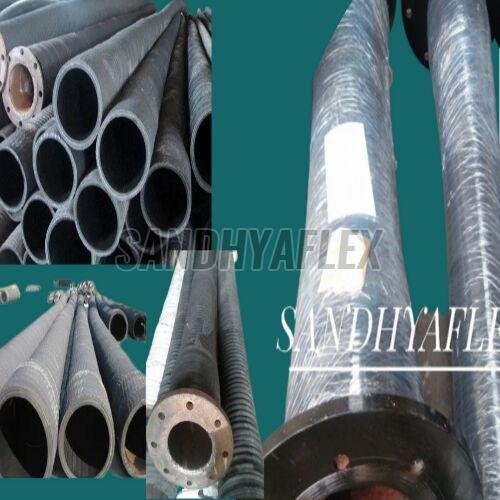
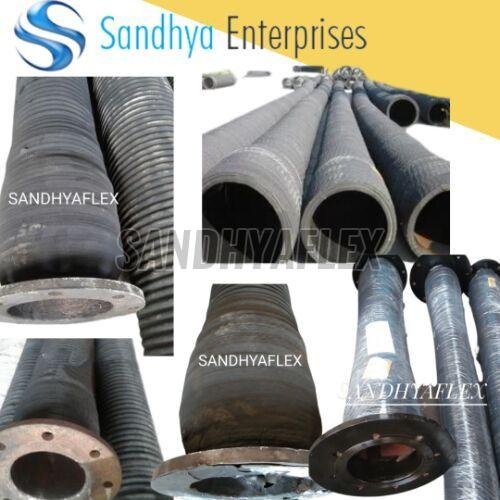
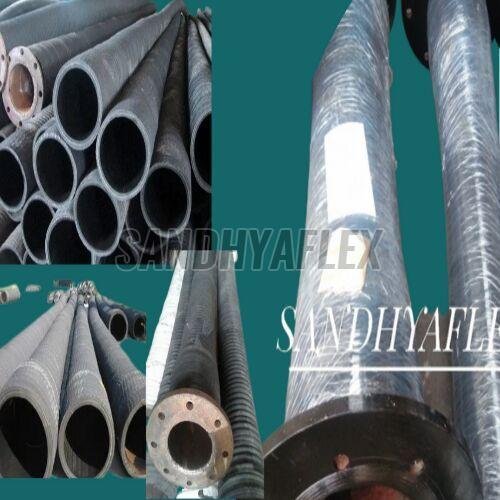
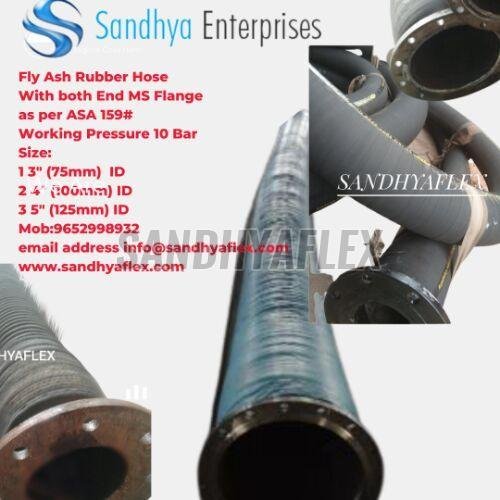
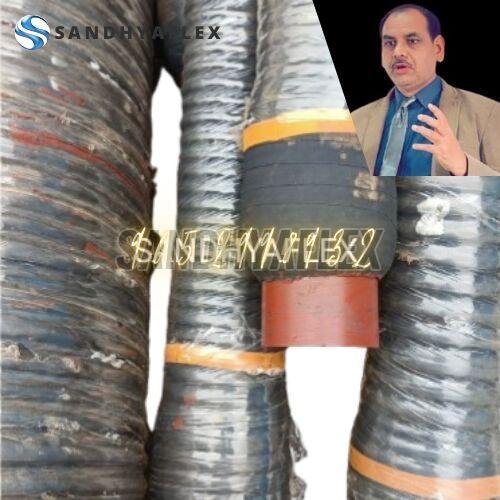
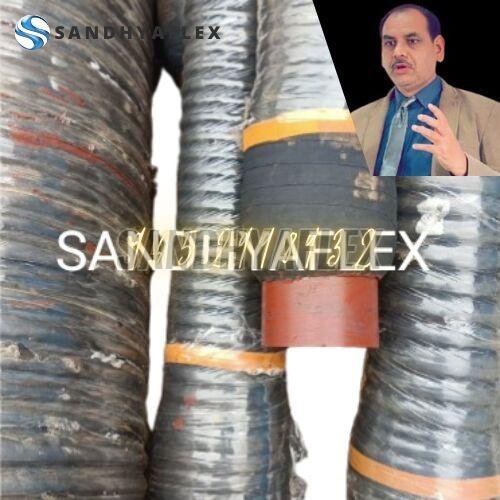
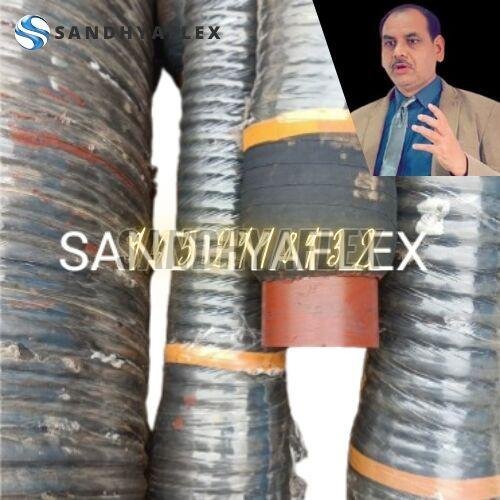
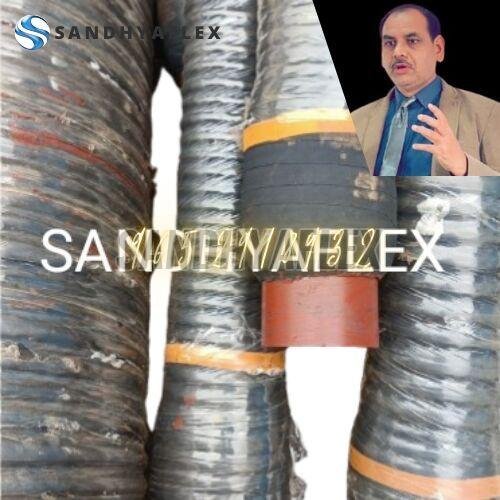
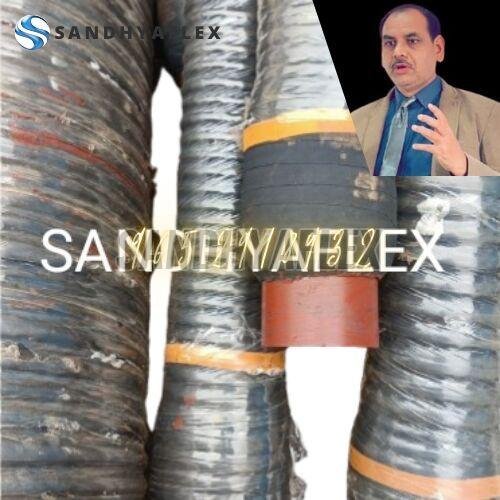
Sandhya Enterprises manufacturer and Supplier of Fly Suction Rubber Hose as per Customer requirement. ID 4" Lenght 3Mtr to 15Mtr (Max ID 5" Length 3Mtr To 15Mtr (max) .ID 6" Lenght 1Mtr to 15Mtr (max) ID 8" Lenght 1Mtr to 15Mtr (Max) Id 10" Lenght 1 mtr to 6Mtr (max) ID 12: Lenght 1Mtr to 6Mtr (max) With Both end Flange Fitting Workjing Pressure 10kg/cm2 to 25kg/cm2 A bulker unloading rubber hose, also known as a bulk material handling hose or bulk discharge hose, is a specialized hose designed for the unloading or transfer of bulk materials such as powders, grains, pellets, or granules from a bulk carrier or silo to a storage facility or processing equipment. It is commonly used in industries such as agriculture, mining, chemical processing, and construction. The key features and characteristics of a bulker unloading rubber hose include: 1. Material compatibility: Bulker unloading rubber hoses are constructed with a lining made of abrasion-resistant rubber or synthetic materials. This lining is specifically designed to withstand the abrasive nature of bulk materials and prevent wear and damage to the hose during unloading or transfer. 2. Reinforcement: The inner lining is reinforced with high-strength textile or steel wire braids or spirals to provide structural integrity and prevent the hose from bursting under pressure. The reinforcement enhances the hose's ability to handle the demanding conditions of bulk material transportation. 3. Flexibility: Bulker unloading rubber hoses are designed to be flexible, allowing for easy handling and installation. This flexibility enables the hose to accommodate movement during the unloading process and reach different points in the material handling system. 4. Pressure resistance: The hose is engineered to withstand the specific working pressures involved in bulk material transfer. It is designed to maintain its integrity and prevent leaks or bursts during operation. 5. Size and fittings: Bulker unloading rubber hoses are available in various diameters and lengths to suit different application requirements. They can be fitted with standard couplings or connections for easy attachment to bulk carriers, silos, or other material handling equipment. 6. Chemical resistance: Depending on the specific application, bulker unloading rubber hoses may be designed to have chemical resistance properties to withstand the corrosive nature of certain materials or the presence of chemicals used in the process. Regular inspection and maintenance of the bulker unloading rubber hose are necessary to identify signs of wear, damage, or deterioration. Any worn or damaged hoses should be replaced promptly to prevent leaks or disruptions in the bulk material handling process. Consulting with reputable suppliers or manufacturers of bulker unloading rubber hoses is recommended to ensure the selection of the appropriate hose that meets the specific requirements of bulk material transfer and complies with industry standards and regulations.A fly ash rubber hose is a specialized hose designed for the transportation of fly ash, a fine powder consisting of coal ash particles that are generated from the combustion of coal in power plants. These hoses are specifically engineered to withstand the abrasive nature and high-temperature environment associated with fly ash handling. While the specific packing details may vary depending on the manufacturer and supplier, here are some general considerations: 1. Quantity: The packaging should indicate the number of fly ash rubber hoses included in a single pack. It can range from one hose to multiple hoses, depending on the packaging configuration and supplier's specifications. 2. Size and Length: The packaging may specify the size and length of the fly ash rubber hose. The size typically corresponds to the inner diameter, while the length indicates the overall hose length. 3. Material: The packaging may mention the specific rubber material used for the ho
| Business Type | Manufacturer, Exporter, Supplier |
| Brand Name | SANDHYAFLEX |
| Material | Rubber |
| Finishing | Wrap Finish |
| Shape | Round |
| Color | Black |
| Pressure | Medium |
| Usage | Industrial Use |
| Certification | ISO 9001:2008 |
| Product Code | 100NBRH |
| Port | mumbai |
| Payment Terms | T/T |
| Delivery Time | 7 to 15 days |
| Packaging Details | as per D1mension |
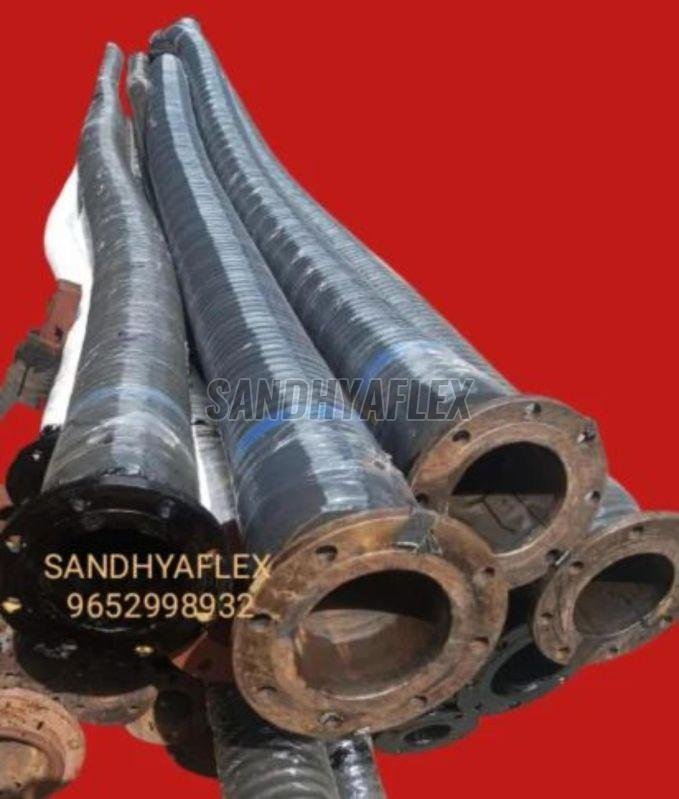
Here’s what I found + suggestions for Sandhyaflex rubber hose with MS pipe nipple:
What I found from Sandhyaflex / Sandhya Enterprises
On Sandhya’s site, there is a listing for “Rubber Hose with MS Nipple Pipe” under their “Sand & Grovel Rubber Hose” line. They quote ~ ₹1,600 per meter for that type. (

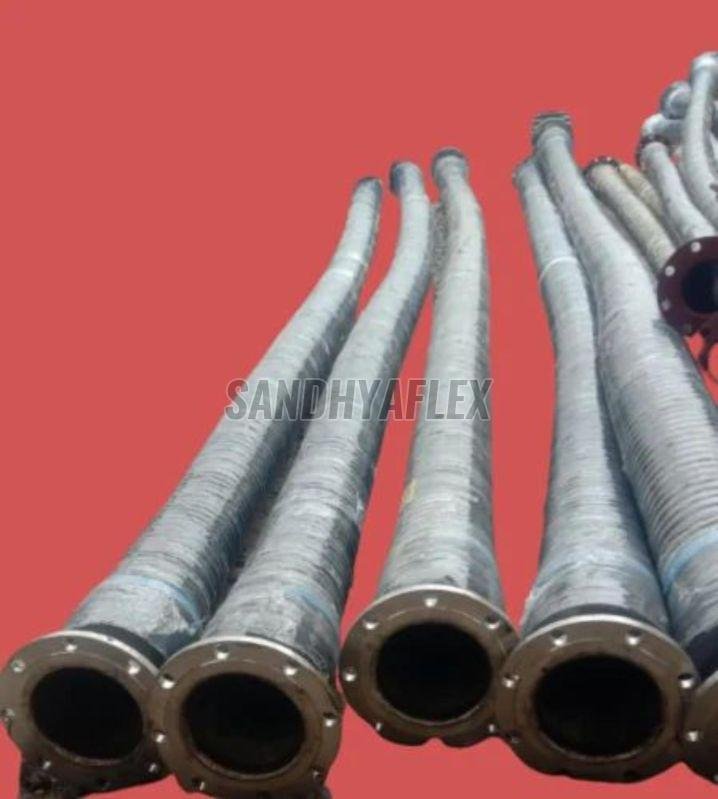
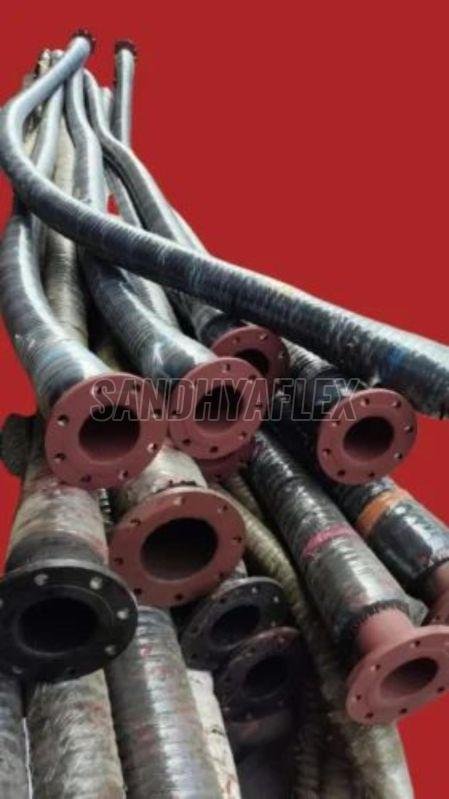
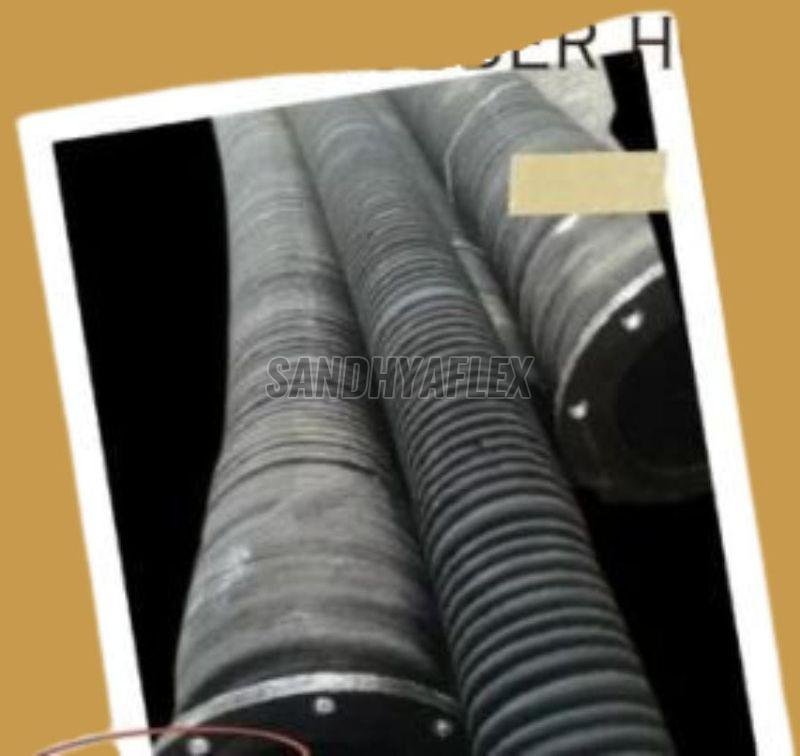
| Business Type | Manufacturer, Exporter, Supplier |
| Brand Name | Sandhyaflex |
| Material | Rubber |
| Finishing | Coated |
| Shape | Square |
| Pressure | Medium |
| Usage | Industrial Use |
| Certification | ISO 9001:2008 |
| Product Code | 10000 |
| Port | sandhyaflex |
| Payment Terms | D/A, D/P |
| Delivery Time | depends |
| Packaging Details | SANDHYAFLEX Fly Ash Rubber Hose / Cement Feeding Rubber hose / Bulker Unloading Rubber Hose / / Bulker Air Rubber Hose Working Pressure 10bar S No Size Inches ID (mm) Weight of Rubber Hose perMtr Weight of Flange Rate/Mtr Fix Flange per side Swivel Flange per side SS Flange per side 1 3 76 4Kg 12kg 1200 900 1200 2700 2 4 102 5kg 14kg 1590 1100 1500 3300 3 5 127 7Kg 15 kg 2010 1200 1600 3600 4 6 152.4 9kg 19kg 2900 1425 1925 4300 |
A rubber hose with a square flange typically refers to a flexible hose made of rubber that is designed to be connected to equipment using a square-shaped flange fitting. These hoses are commonly used in industries where flexibility, vibration damping, or fluid transfer is needed, and they are often equipped with flanged connections for secure installation. The square flange would be a rigid metal part attached to the rubber hose, with holes for bolts to securely attach to other flanged components or equipment. Square flanges, though not as common as round flanges, are sometimes used for specific applications where the geometry of the equipment requires a square interface. The rubber hose itself could serve various purposes: Fluid transfer (water, chemicals, air) Vibration damping Gas or steam conveyance Do you need more details about how these are used, or are you looking for a specific type?Great! A rubber hose with a square flange is typically used in industrial settings for transferring fluids like water, slurry, chemicals, or oil. The square flange is a flat, square-shaped fitting that allows the hose to be securely bolted to equipment, pipelines, or tanks. ✅ Advantages of Rubber Hose with Square Flange Secure & Leak-Free Connection Square flanges allow for a tight, bolted seal, minimizing the risk of leaks at the connection point. High Pressure & Vibration Resistance Excellent for handling high-pressure flow while absorbing vibration and movement — ideal for pumps and dynamic systems. Easy Installation & Removal Bolted flanges make it simple to connect/disconnect without special tools or permanent fittings. Strong Mechanical Stability The flange provides a rigid end that keeps the hose in place and resists pulling or twisting forces. Durable & Long-Lasting Rubber body resists wear, abrasion, and environmental damage; flange adds structural strength to the ends. Corrosion Resistance Flanges are often coated or made of stainless/galvanized steel, making the assembly suitable for corrosive environments. Versatile Applications Commonly used in slurry lines, dredging systems, chemical plants, marine loading, and water treatment plants. Custom Fit for Systems Flanged ends allow the hose to be integrated into existing systems with matching flange patterns (e.g., ANSI, DIN standards). Would you like a comparison between square flange and round flange hoses, or help finding specs for a certain fluid or pressure rating?Sure! Here's a straightforward summary of the advantages of a rubber hose with a square flange, commonly used in industrial fluid transfer systems: ✅ Advantages of Rubber Hose with Square Flange Strong & Secure Connection Square flange allows the hose to be firmly bolted to equipment or pipelines, preventing disconnection under pressure or vibration. Leak-Proof Joint Provides a tight seal that reduces or eliminates leaks, especially useful in high-pressure or critical flow systems. Excellent Vibration Absorption Rubber construction absorbs shocks and vibrations, protecting connected machinery and reducing noise. Easy Installation & Replacement Flange connections allow for quick mounting or dismounting without cutting or welding. Handles Misalignment Better Slight system misalignments can be tolerated due to the flexibility of rubber and the wide sealing surface of the flange. Corrosion Resistance Rubber resists corrosion from most fluids, and square flanges are often made from stainless or coated steel for extended life. Durable Under Harsh Conditions Suitable for abrasive, chemical, or outdoor environments — resists weathering, UV, and ozone. Versatile in Application Common in industries like mining, dredging, chemical plants, wastewater treatment, and marine operations. Customizable Dimensions Available in various sizes and flange standards (ANSI, DIN, JIS), making it adaptable to different systems. Let Certainly! Here's a clear and simple list of the advantages of a rubber hose with a square flange — commonly used
| Business Type | Manufacturer, Exporter, Supplier, Retailer, Trader, Importer |
| Total Carbohydrate | 3 Year |
| Size (Inches) | 10 Inch, 3 To14 INCHES,Just To Make Sure I'm Tracking — When You Say **“size,”** Are You Talking About: - **Logo Size** For Branding? - **Font Size** For Brand Visuals Or Website? - **Business Size** (like Startup Vs. Ente |
| Certification | ISO 9001:2008 |
| Usage | Industrial Use |
| Pressure | High |
| Shape | Round |
| Finishing | Polished |
| Material | PVC |
| Brand Name | Tuder Technica |
| LENGTH | 1 to 15 metre |
| Product Code | 10000 |
| Port | sandhyaflex |
| Payment Terms | D/A, D/P |
| Delivery Time | depends |
| Packaging Details | Sure! Here's a professional and complete **Packaging Details** format you can use as-is or customize for your product: --- ### 📦 **Packaging Details** - **Brand Name:** [Enter Brand Name] - **Product Name:** [Enter Product Name] - **Packaging Type:** [Box / Bottle / Pouch / Blister Pack / Can etc.] - **Primary Packaging Material:** [Corrugated Board / Plastic / Glass / Aluminum etc.] - **Dimensions (L x W x H):** [e.g., 20 cm x 15 cm x 10 cm] - **Net Weight:** [e.g., 500g] - **Gross Weight:** [e.g., 600g including packaging] - **Units per Carton:** [e.g., 24 units per master carton] - **Carton Dimensions:** [e.g., 60 cm x 40 cm x 35 cm] - **Carton Weight:** [e.g., 14.5 kg] - **Sealing Method:** [e.g., Heat Sealed / Screw Cap / Zip Lock / Adhesive Tape] - **Label Information:** - Product Name - Brand Logo - Manufacturing & Expiry Date - Batch Number - Barcode / QR Code - Certifications (e.g., FSSAI / FDA / ISO) - **Storage Instructions:** [e.g., Store in a cool and dry place] - **Handling Instructions:** [e.g., Fragile – Handle with care / Do not stack more than 3 layers] - **Country of Origin:** [e.g., India] - **Compliance/Certifications:** [e.g., Recyclable Material, FDA Approved, CE Certified] --- Would you like me to fill this in with an example for a specific product you have in mind? |
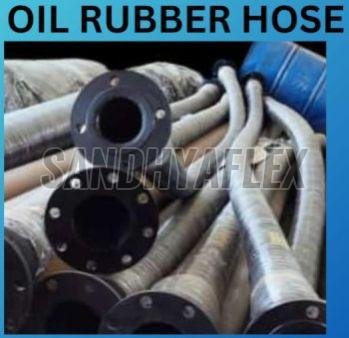
A rubber oil hose is a flexible, durable hose designed for the transfer of oil, fuel, or other petroleum-based fluids. These hoses are commonly used in automotive, industrial, marine, and agricultural applications.
Key Features of Rubber Oil Hoses
- Material – Made from high-quality synthetic rubber, often reinforced with textile or steel braiding for added strength.
- Oil Resistance – Specifically designed to resist oil, fuel, and other hydrocarbons without degrading.
- Temperature Resistance – Can withstand high and low temperatures depending on the rubber composition.
- Pressure Rating – Available in various pressure ratings, from low-pressure return lines to high-pressure hydraulic hoses.
- Flexibility – Offers excellent flexibility for easy installation and movement.
Common Applications
- Fuel and oil transfer in vehicles
- Hydraulic systems
- Industrial machinery
- Marine fuel lines
- Oil cooling systemsAbsolutely! A rubber oil hose is commonly used for transferring oil, fuel, diesel, lubricants, and similar petroleum-based products in automotive, industrial, and marine applications. Here’s a clear list of its main advantages: ✅ Advantages of Rubber Oil Hose
Excellent Oil Resistance
Special rubber compounds (like NBR or synthetic rubber) are highly resistant to oil, grease, and fuel.
High Flexibility
Remains flexible even in cold conditions, making it easy to handle, bend, and route in tight spaces.
Durability & Long Service Life
Withstands abrasion, pressure, and environmental exposure — ideal for rugged or outdoor use.
Heat Resistance
Many rubber oil hoses can tolerate elevated temperatures, suitable for engine or industrial environments.
Pressure Tolerance
Reinforced rubber hoses handle moderate to high pressures, depending on design and layers.
Leak-Proof Performance
Offers excellent sealing when used with proper clamps or fittings, preventing oil leaks and spills.
Vibration Absorption
Naturally absorbs shocks and vibrations from pumps or engines, reducing stress on connections.
Chemical Compatibility
Resists common oil additives and some chemicals, maintaining performance in demanding conditions.
Versatile Applications
Used in fuel lines, hydraulic systems, oil coolers, generators, machinery, and more.
Let me know if you need specs for a certain application (e.g., diesel transfer, hydraulic oil, etc.) or help comparing rubber vs. braided or composite hoses!The product of a rubber oil hose typically refers to the final hose assembly used for transporting oil, fuel, or other petroleum-based products. Here's a breakdown of what a rubber oil hose product usually includes:
🔧 Key Components
Inner Tube:
Made of synthetic rubber like Nitrile (NBR) or Viton.
Oil-resistant for carrying fuel, diesel, hydraulic fluids, etc.
Reinforcement Layer:
Braided or spiraled synthetic fibers or steel wire.
Provides strength, flexibility, and pressure resistance.
Outer Cover:
Durable rubber (e.g., EPDM or CR - Chloroprene).
Protects against abrasion, weather, and ozone.
Oil & fuel transfer lines
Hydraulic systems
Automotive fuel hoses
Marine fuel hoses
Industrial lubrication systems
📏 Specifications to Look For
Inner diameter (ID) / Outer diameter (OD)
Working pressure / Burst pressure
Temperature range
Oil compatibility (e.g., petroleum, biodiesel)
Flexibility / bend radius
📦 Example Product Names
SAE 100 R6 Oil Hose
NBR Fuel Hose
Multipurpose Oil Hose
High-Pressure Hydraulic Rubber Hose
Let me know if you’re looking for a specific application or product (like automotive or industrial), and I can narrow it down or suggest models/brands.

| Business Type | Manufacturer, Exporter, Supplier, Retailer |
| Size | 10mm to 144mm |
| Material | Rubber Pad With Center Holes |
| Certificate | ISO 9001 2015 |
| Product Code | SE RP |
| Payment Terms | T/T |
| Delivery Time | 7days |
| Packaging Details | Packing with HDFC cover |
Sandhya Enterprises manufacturer and Supplier Rubber pad with Center Holes.

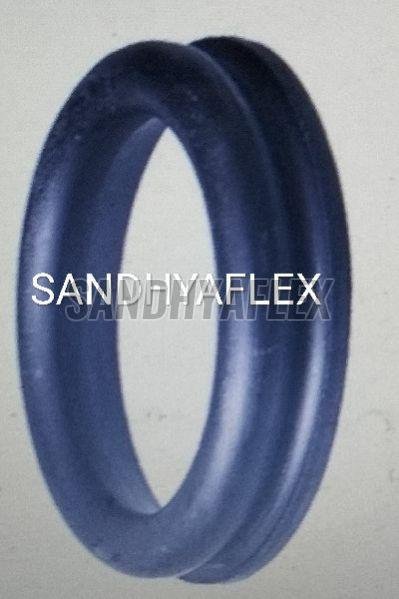
| Business Type | Manufacturer, Exporter, Supplier, Retailer |
| Color | Black |
| Rubber Ring Joint Gasket | 35000 |
| Product Code | RRJG |
| Port | kakinada |
| Payment Terms | T/T |
| Delivery Time | 7 days to 15 Days |
| Packaging Details | Packing in HDPE bag as per dimension and qty |
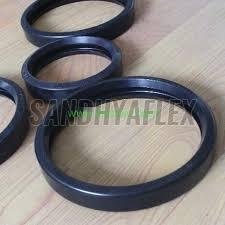
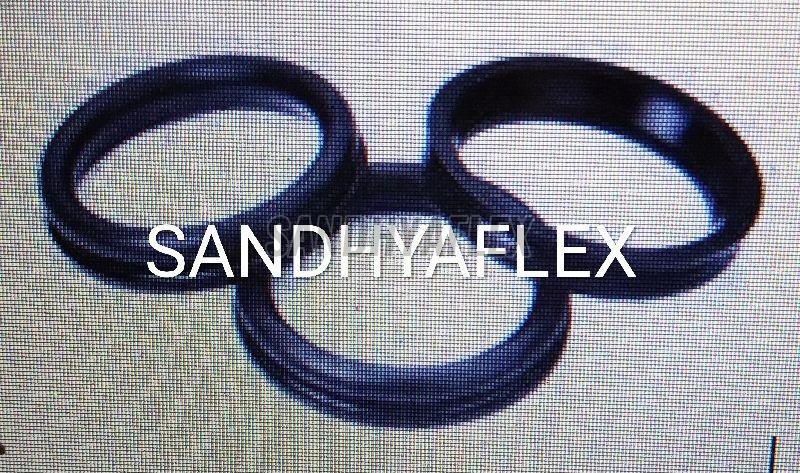
Sandhya Enterprises Manufacturer and Supplier of Rubber Ring Joint Gasket.
as per customer requirement.
We are a well-known name in this business, involved in offering a wide range of DI Pipe Gaskets to our clients. This is extensively used for different industrial applications as a revolutionary restrained joint system that can eliminate thrust block, delivering savings in time and materials. Our product is the key to fast-track design and construction of ductile iron pipeline systems. This product offers some unique advantages, it utilizes standard DI (Ductile iron) pipes and fittings, allows you to construct in RRJ fashion, yet have all joints fully


| Business Type | Manufacturer, Exporter, Supplier, Retailer |
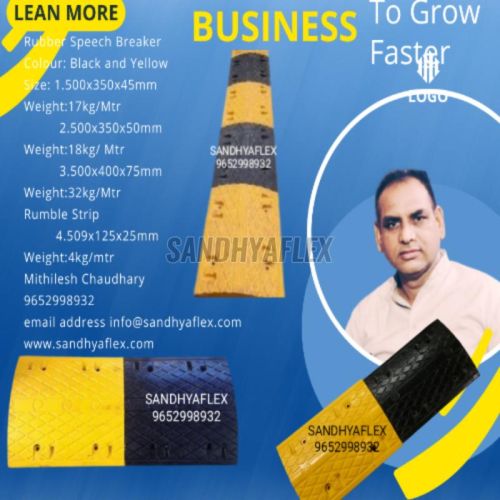
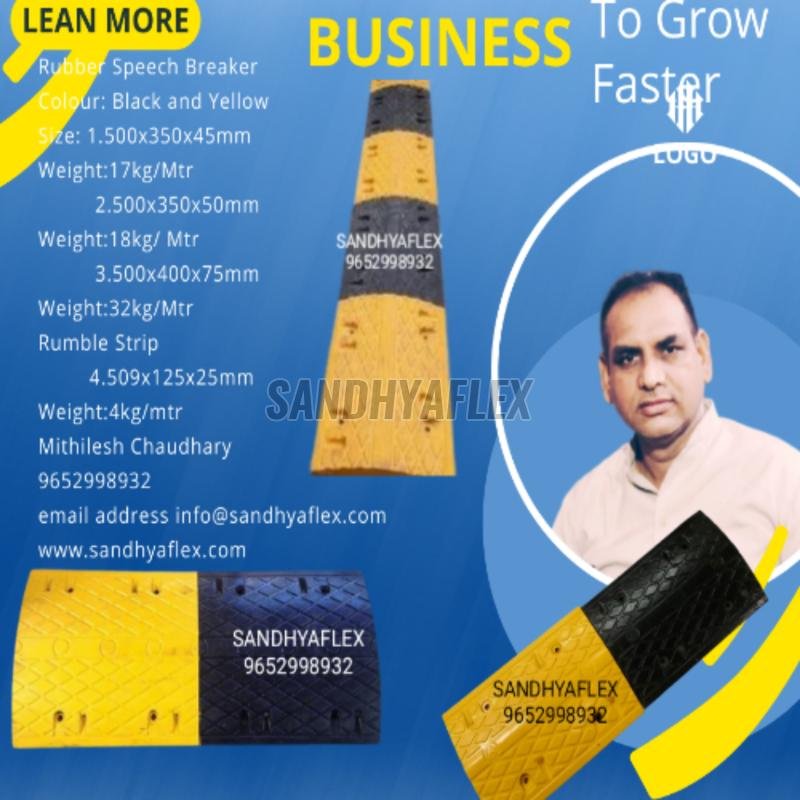
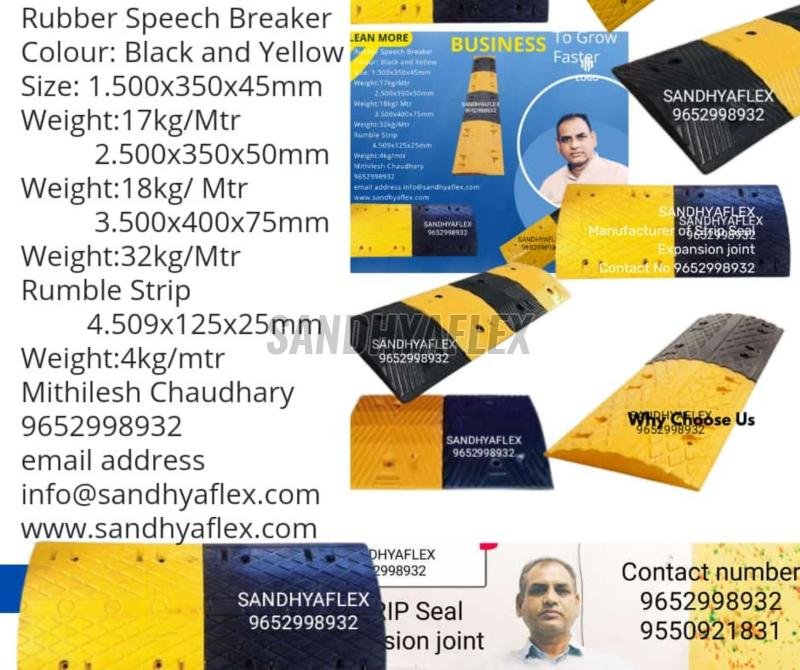
| Product Category | Rubber Speed Breaker |
| Country of Origin | India |
| Number Of Flower | Speed Bumps |
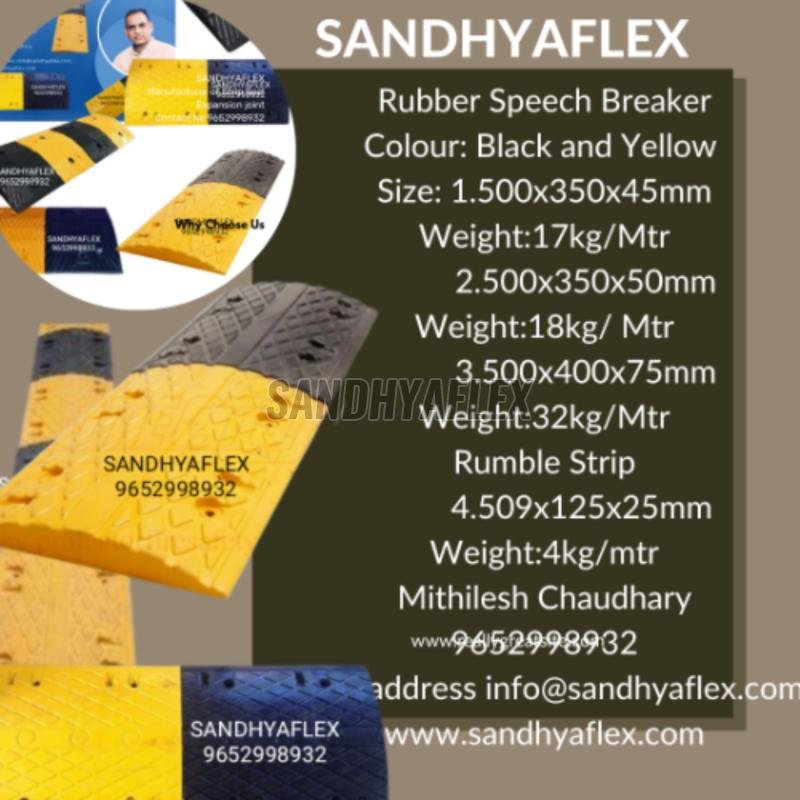
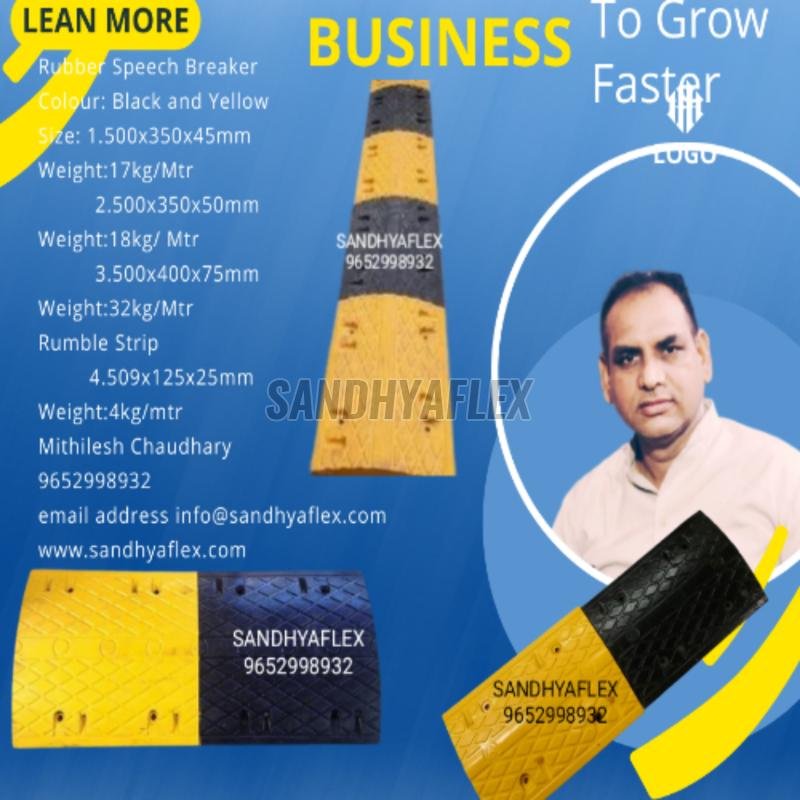
| Sizes | 500x350x45mm.500x350x50,500x400x75mm |
| Condition | New.Used |
| Material | Rubber |
| Rubber Speed Breakar | 25000 |
| Product Code | RSB |
| Port | kakinada |
| Payment Terms | T/T |
| Delivery Time | 7 to 15days |
| Packaging Details | Packing 2 Nos in One PKD Color Yellow and Black |
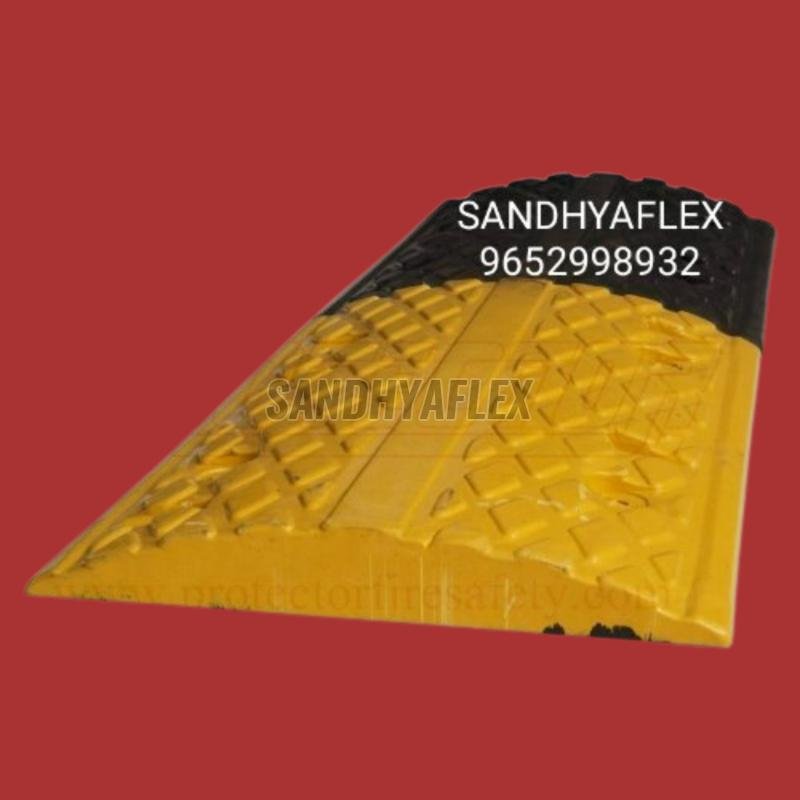
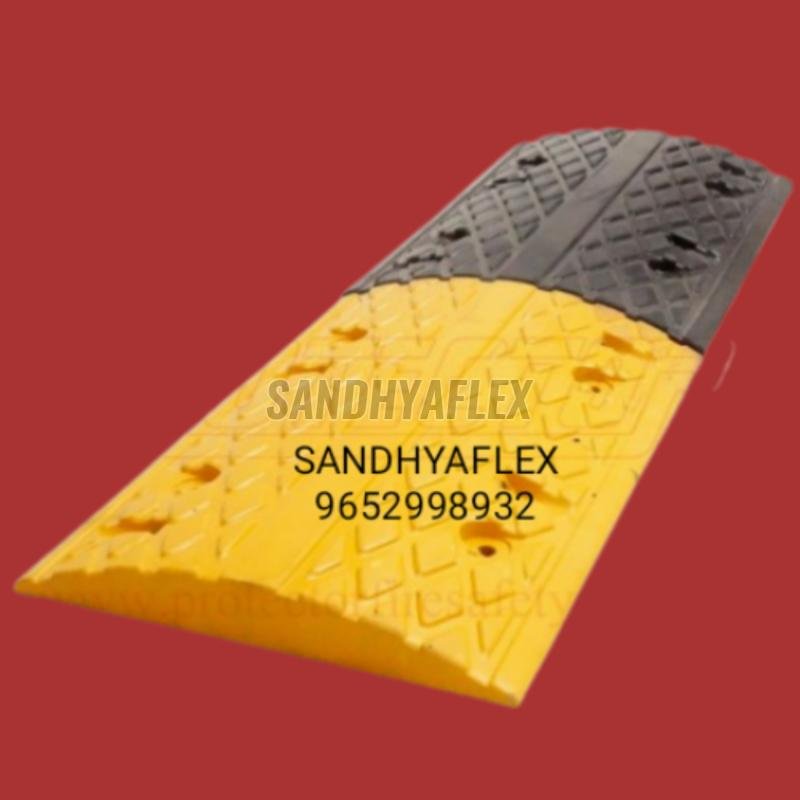
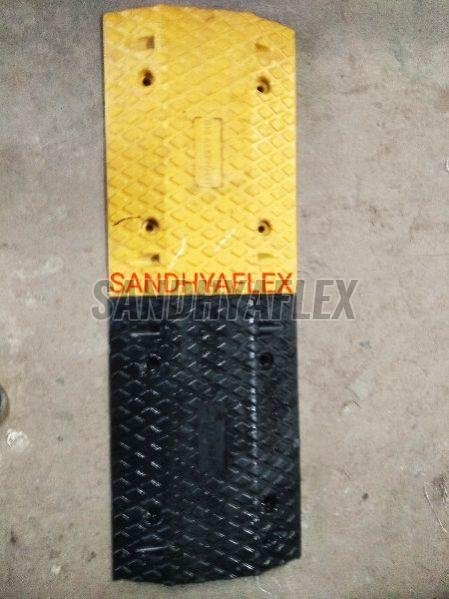
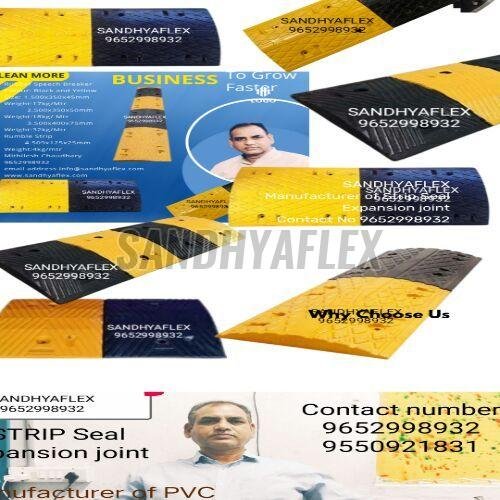
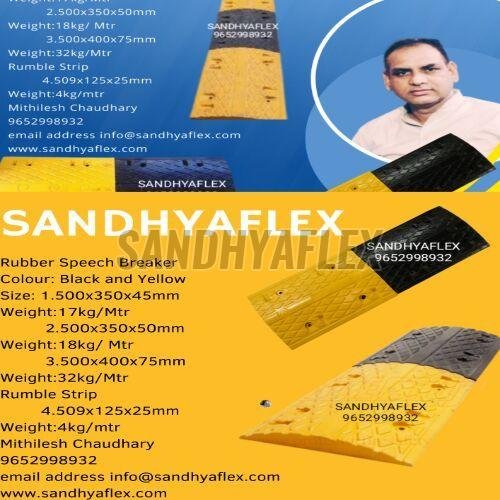
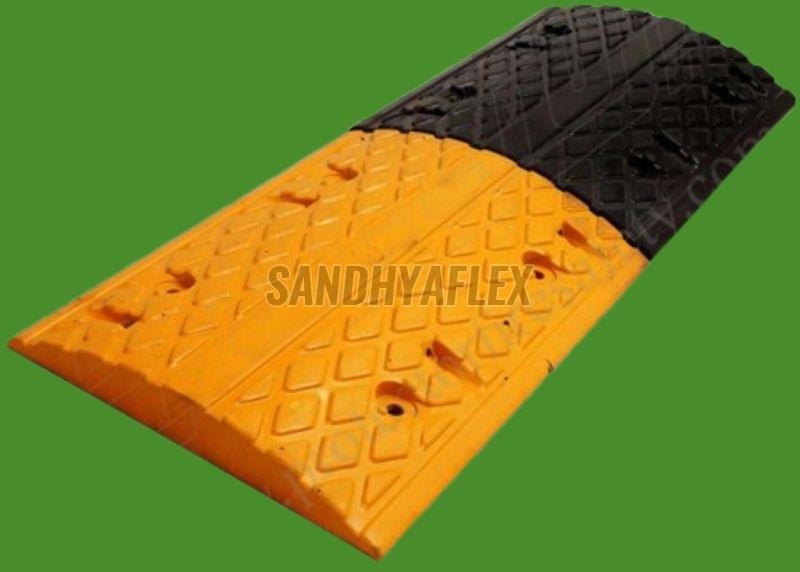
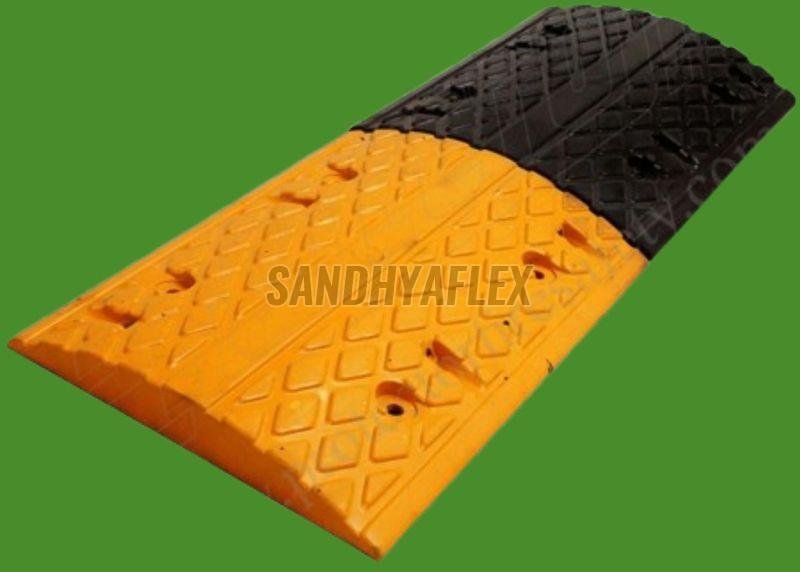
sandhya enterprises manufacturer and supplier of rubber speed breaker
\r\nsize :500x400x50mm
\r\nclor black and yellow.
\r\nload capaity:40mt
\r\n.A rubber speed breaker, also known as a rubber speed hump or rubber speed bump, is a traffic calming device used to reduce vehicle speeds in various settings such as roads, parking lots, and residential areas. It is designed to slow down vehicles by creating a raised obstacle on the road surface.
\r\n\r\n
Rubber speed breakers are made from durable and flexible rubber materials, typically a combination of natural rubber or synthetic rubber compounds. The rubber construction allows the speed breaker to withstand repeated vehicle impacts while providing sufficient flexibility to prevent damage to vehicles.
\r\n\r\n
The key features and benefits of rubber speed breakers include:
\r\n\r\n
1. Speed reduction: The primary purpose of a rubber speed breaker is to force drivers to slow down. By creating a raised profile on the road, it alerts drivers to reduce their speed, promoting safer driving conditions.
\r\n\r\n
2. Easy installation: Rubber speed breakers are relatively easy to install compared to concrete or asphalt alternatives. They are typically lightweight, modular, and can be easily affixed to the road surface using bolts, screws, or adhesives.
\r\n\r\n
3. Flexibility and durability: Rubber speed breakers are designed to withstand heavy traffic loads and adverse weather conditions. The flexibility of the rubber material allows the speed breaker to absorb the impact of vehicles without causing significant damage to the road or vehicles.
\r\n\r\n
4. Enhanced visibility: Rubber speed breakers often feature reflective markings or embedded reflective materials to improve visibility, especially during nighttime or low-light conditions. This helps to ensure that drivers can see the speed breaker in advance and slow down accordingly.
\r\n\r\n
5. Removability and reusability: Rubber speed breakers are generally removable, which allows for temporary installation or repositioning as needed. This flexibility is beneficial for temporary traffic control or construction zones.
\r\n\r\n
6. Cost-effective: Rubber speed breakers are typically more cost-effective than other types of speed reduction measures, such as concrete or asphalt speed bumps. They require less maintenance and can be reused in different locations if needed.
\r\n\r\n
It\\\'s important to note that the installation and placement of rubber speed breakers should comply with local traffic regulations and guidelines. Proper signage and markings should be used to ensure visibility and alert drivers to the presence of the speed breaker.
\r\n\r\n
Consulting with local transportation authorities or traffic experts is recommended to determine the appropriate design, dimensions, and placement of rubber speed breakers for specific road or traffic conditions.

| Business Type | Manufacturer, Exporter, Supplier, Retailer |
| Rubber Speed Breakar | 850 to 1300/Mtr |
| Product Category | Rubber Speed Breaker |
| Sizes | A rubber speed breaker, also known as a rubber speed hump or rubber speed bump, is a traffic calming |
| Application | Road Safety |
| Pattern | Plain |
| Finishing | Polished |
| Product Code | RSB |
| Port | kakinada |
| Payment Terms | T/T |
| Delivery Time | 7 to 15days |
| Packaging Details | Packing with HDPE Cover |
Sandhya Enterprisews Manufactuer and Supplier of Rubber Speed Bearkar. size;500x400x50mm
\r\nSandhy Enterprises Manufacturer and Supplier of Rubber Speed Breaker
size1. 500x350x50mm-15kg/Mtr. Rate Rs 900/Mtr,2.500mmx 400x 50mm Color Black and Yellos Wt 18kg/mtr Rate 1200/Mtr,3. 500x415x75mm Wt 25kg/Mtr Rate 1700/tr
A rubber speed breaker, also known as a rubber speed hump or rubber speed bump, is a traffic calming device used to reduce vehicle speeds in various settings such as roads, parking lots, and residential areas. It is designed to slow down vehicles by creating a raised obstacle on the road surface.
\r\n\r\n
Rubber speed breakers are made from durable and flexible rubber materials, typically a combination of natural rubber or synthetic rubber compounds. The rubber construction allows the speed breaker to withstand repeated vehicle impacts while providing sufficient flexibility to prevent damage to vehicles.
\r\n\r\n
The key features and benefits of rubber speed breakers include:
\r\n\r\n
1. Speed reduction: The primary purpose of a rubber speed breaker is to force drivers to slow down. By creating a raised profile on the road, it alerts drivers to reduce their speed, promoting safer driving conditions.
\r\n\r\n
2. Easy installation: Rubber speed breakers are relatively easy to install compared to concrete or asphalt alternatives. They are typically lightweight, modular, and can be easily affixed to the road surface using bolts, screws, or adhesives.
\r\n\r\n
3. Flexibility and durability: Rubber speed breakers are designed to withstand heavy traffic loads and adverse weather conditions. The flexibility of the rubber material allows the speed breaker to absorb the impact of vehicles without causing significant damage to the road or vehicles.
\r\n\r\n
4. Enhanced visibility: Rubber speed breakers often feature reflective markings or embedded reflective materials to improve visibility, especially during nighttime or low-light conditions. This helps to ensure that drivers can see the speed breaker in advance and slow down accordingly.
\r\n\r\n
5. Removability and reusability: Rubber speed breakers are generally removable, which allows for temporary installation or repositioning as needed. This flexibility is beneficial for temporary traffic control or construction zones.
\r\n\r\n
6. Cost-effective: Rubber speed breakers are typically more cost-effective than other types of speed reduction measures, such as concrete or asphalt speed bumps. They require less maintenance and can be reused in different locations if needed.
\r\n\r\n
It\\\'s important to note that the installation and placement of rubber speed breakers should comply with local traffic regulations and guidelines. Proper signage and markings should be used to ensure visibility and alert drivers to the presence of the speed breaker.
\r\n\r\n
\r\n
Consulting with local transportation authorities or traffic experts is recommended to determine the appropriate design, dimensions, and placement of rubber speed breakers for specific road or traffic conditions.
| Business Type | Manufacturer, Exporter, Supplier |
| Brand Name | SNDHYAFLEX |
| Payment Terms | T/T |
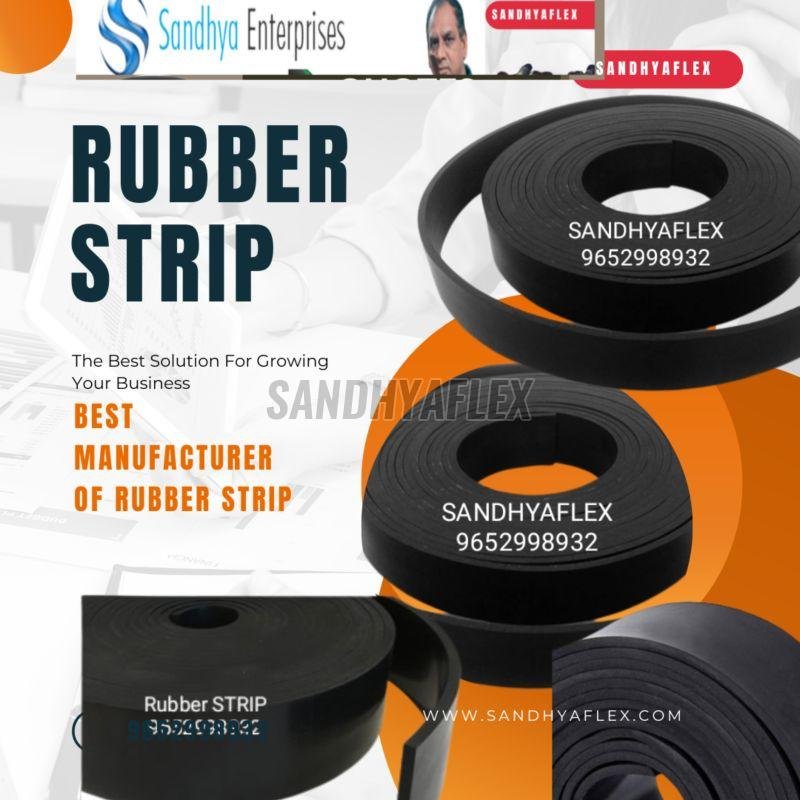
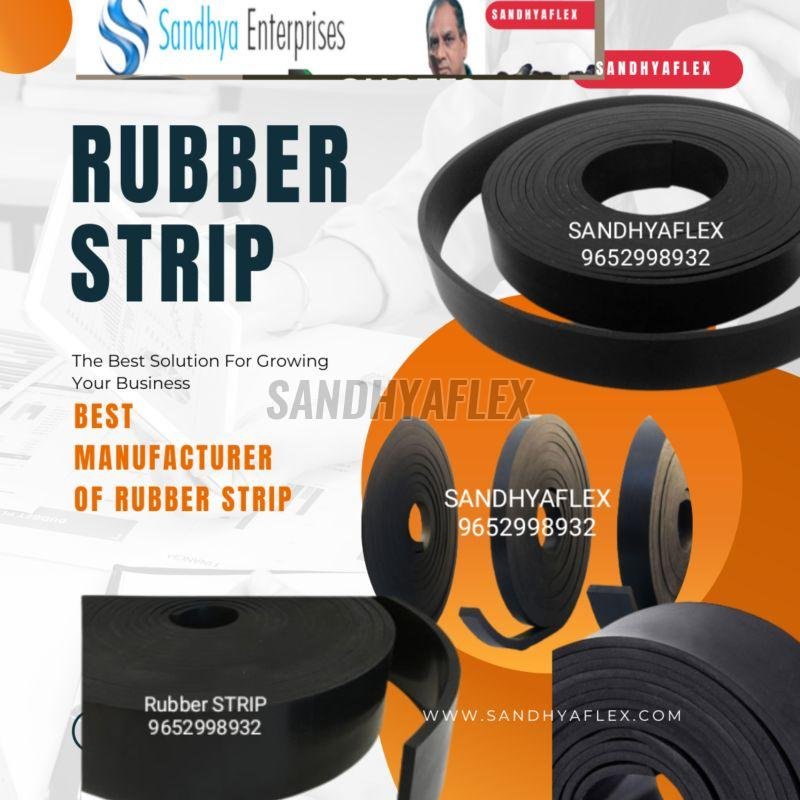
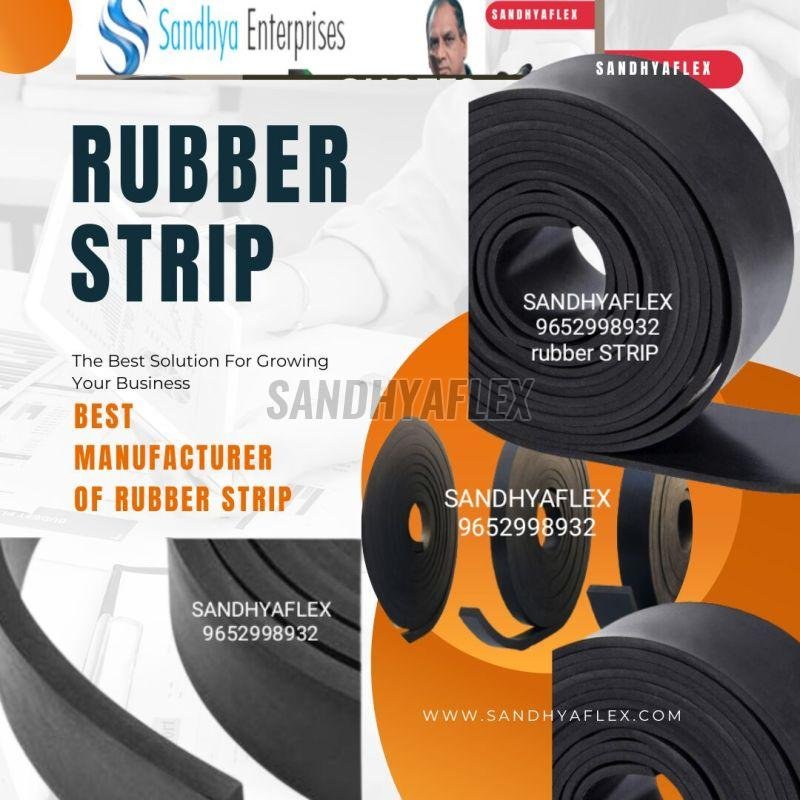
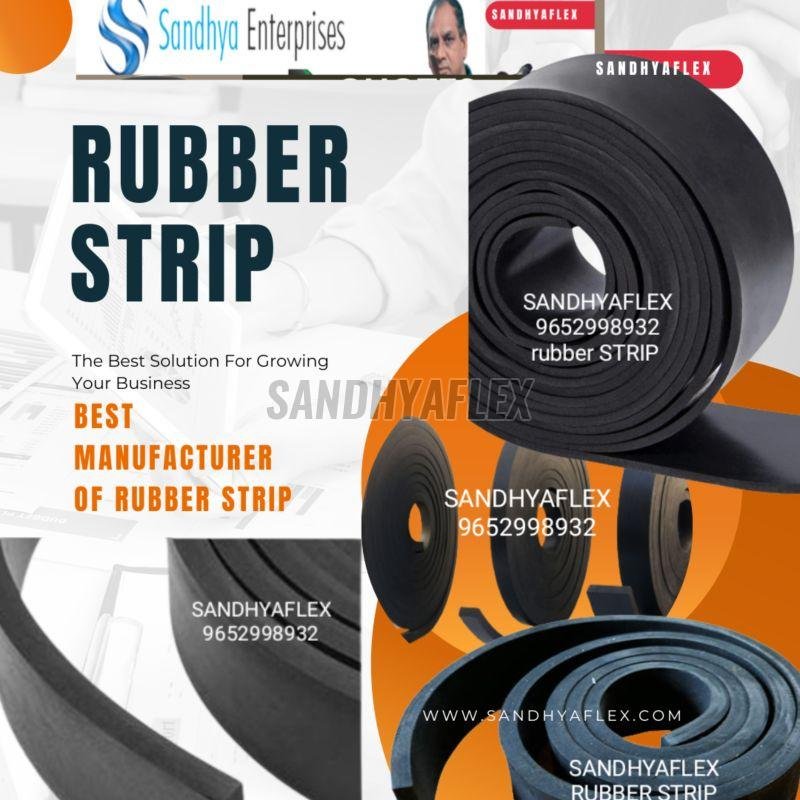
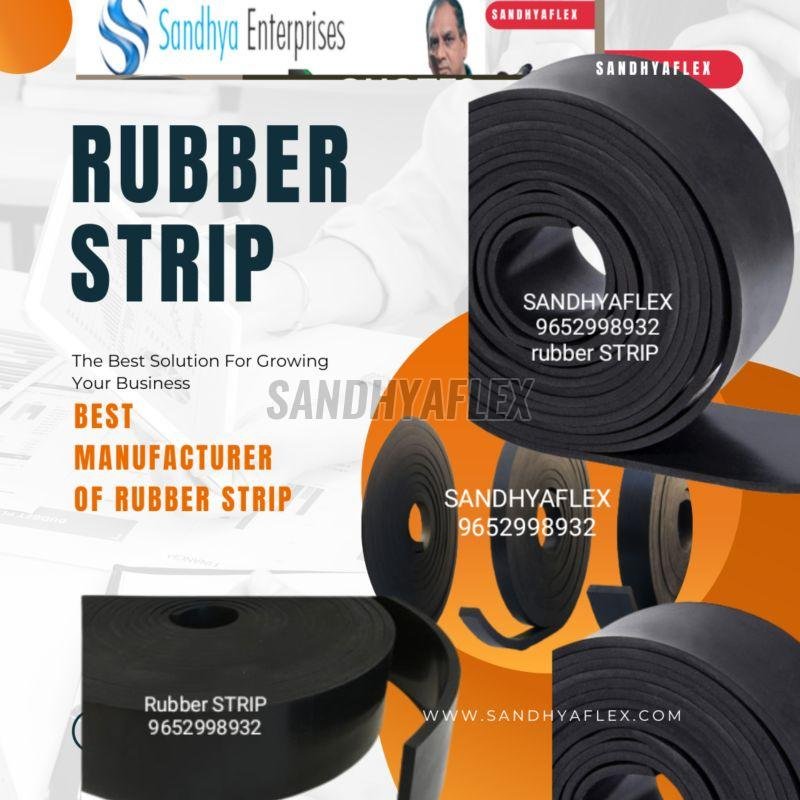
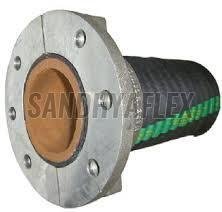
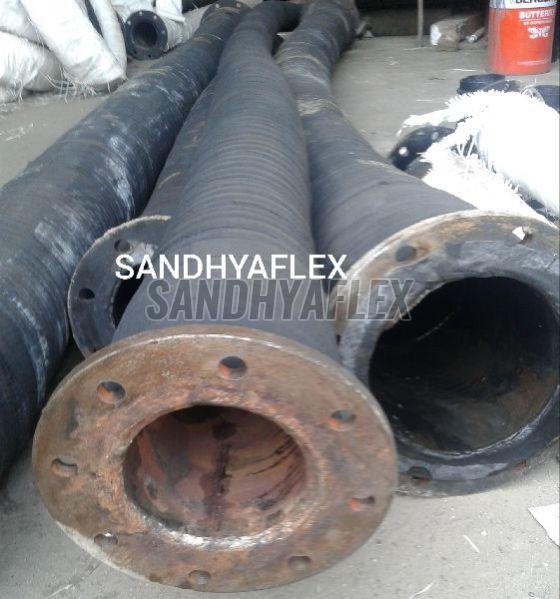
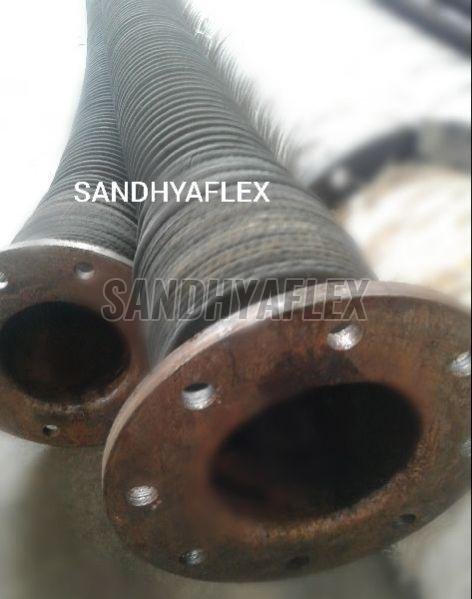
A rubber strip is a flexible piece of material made from rubber or rubber-like compounds. Rubber strips are used in a wide range of applications due to their versatility, resilience, and durability. They come in various shapes, sizes, and formulations to suit specific purposes. Here are some common types and uses of rubber strips:
**Types of Rubber Strips:**
1. **Solid Rubber Strips**: These are continuous strips of solid rubber material with a consistent thickness and width. They are often used for sealing, padding, or cushioning applications.
2. **Sponge Rubber Strips**: Sponge rubber strips are made from a cellular or sponge-like rubber material. They are compressible and are used for sealing applications where flexibility and compression resistance are required.
3. **Extruded Rubber Strips**: These are rubber strips formed by extrusion, a manufacturing process where rubber is forced through a die to create a specific shape. Extruded rubber strips can have various profiles, including rectangular, round, or custom shapes.
**Common Uses of Rubber Strips:**
1. **Sealing**: Rubber strips are frequently used for creating seals to prevent the passage of liquids, gases, dust, or other particles. They are commonly found in doors, windows, automotive applications, and industrial equipment to provide weatherproofing and prevent leaks.
2. **Gaskets**: Rubber strips are used to make gaskets, which are used to create a tight seal between two mating surfaces. Gaskets are common in engines, pipelines, and machinery to prevent leaks.
3. **Soundproofing**: In construction and automotive applications, rubber strips are used for soundproofing. They help dampen vibrations and reduce noise transmission.
4. **Vibration Isolation**: Rubber strips and pads are used to isolate and reduce vibrations in machinery and equipment, providing stability and preventing damage.
5. **Cushioning**: Rubber strips are used for cushioning purposes, such as protecting fragile items during shipping or as anti-slip padding on surfaces.
6. **Weather Stripping**: Rubber strips are used as weather stripping in buildings and vehicles to create a barrier against drafts, moisture, and temperature fluctuations.
7. **Automotive Applications**: Rubber strips are used in various automotive parts, including door seals, window seals, weather stripping, and suspension components.
8. **Industrial Equipment**: Rubber strips are employed in industrial machinery for wear protection, sealing, and shock absorption.
9. **Electrical Insulation**: Rubber strips with specific electrical insulating properties are used in electrical and electronic applications to protect against electrical shock and provide insulation.
10. **Marine and Watercraft**: Rubber strips are used in marine applications to provide waterproofing and sealing for boats and other watercraft.
11. **Medical Devices**: In medical equipment and devices, rubber strips are used for cushioning, sealing, and as components in various healthcare products.
Rubber strips come in a range of durometers (hardness levels), chemical resistances, and temperature tolerances to meet the requirements of different applications. The choice of the right type of rubber strip depends on the specific needs of the application, including factors such as the environment, temperature, and the type of sealing or cushioning required.
| Business Type | Manufacturer, Exporter, Supplier, Retailer |
| Number Of Flower | Rubber Suction Hoses |
| Material | Rubber, Rubber Hose |
| Standard | ANSI |
| Name | Rubber Flexible Hose |
| Working Pressure | 10 To 25Kg/cm2 |
| Product Code | RH |
| Port | Kakinada |
| Payment Terms | T/T |
| Delivery Time | 7 to 10days |
| Packaging Details | Packing in Coil system |
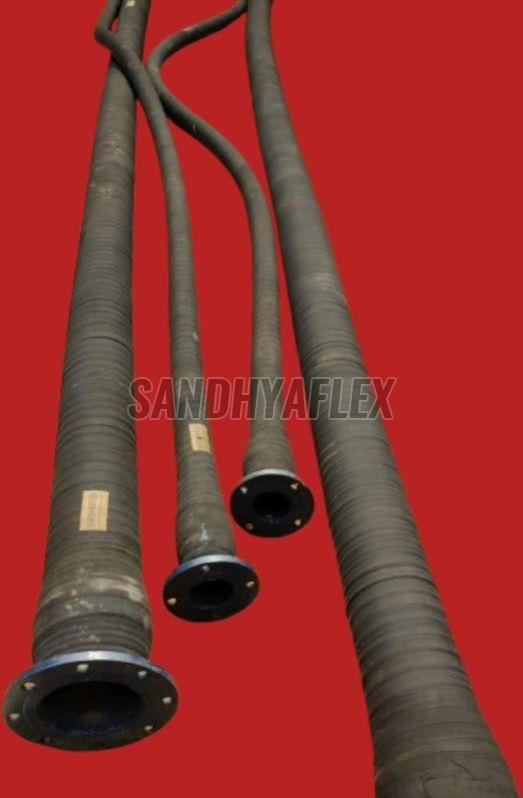
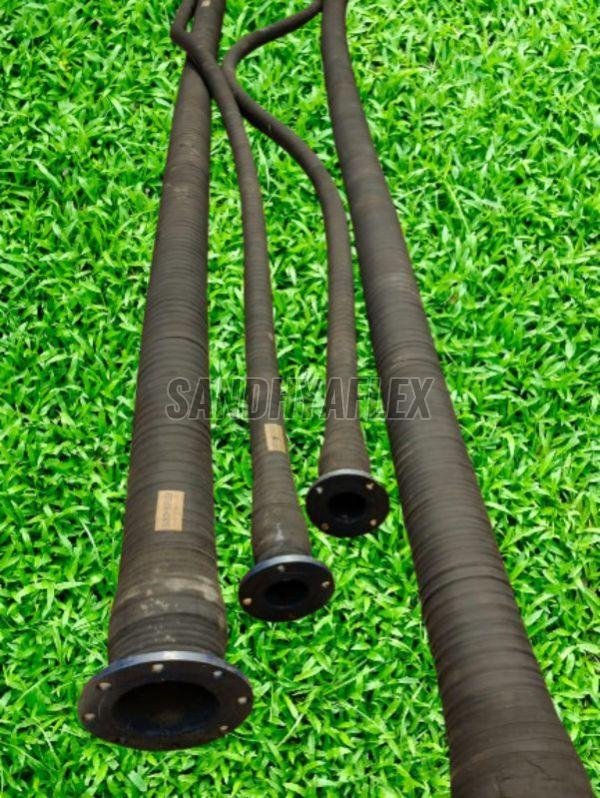
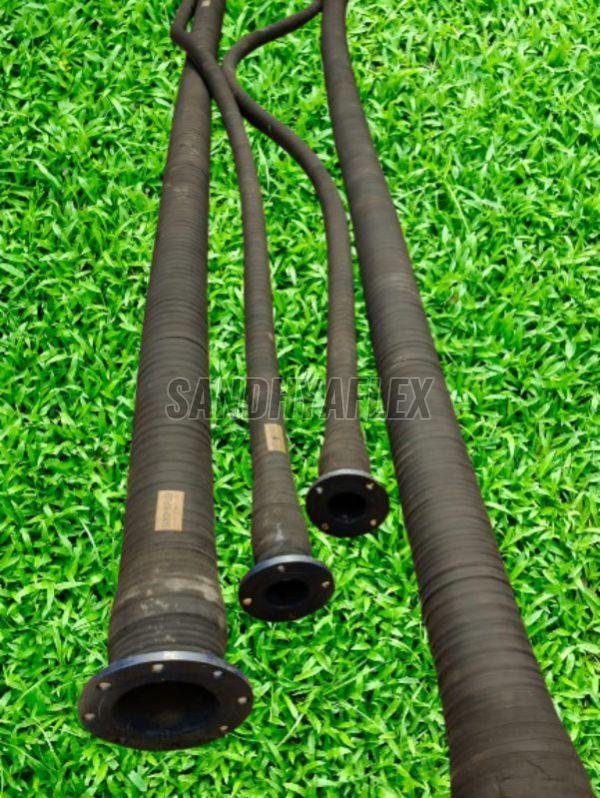
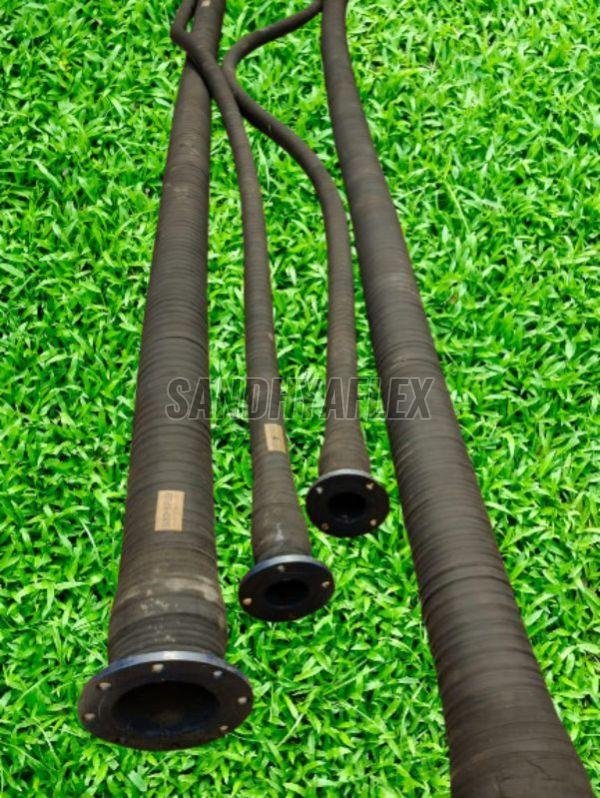
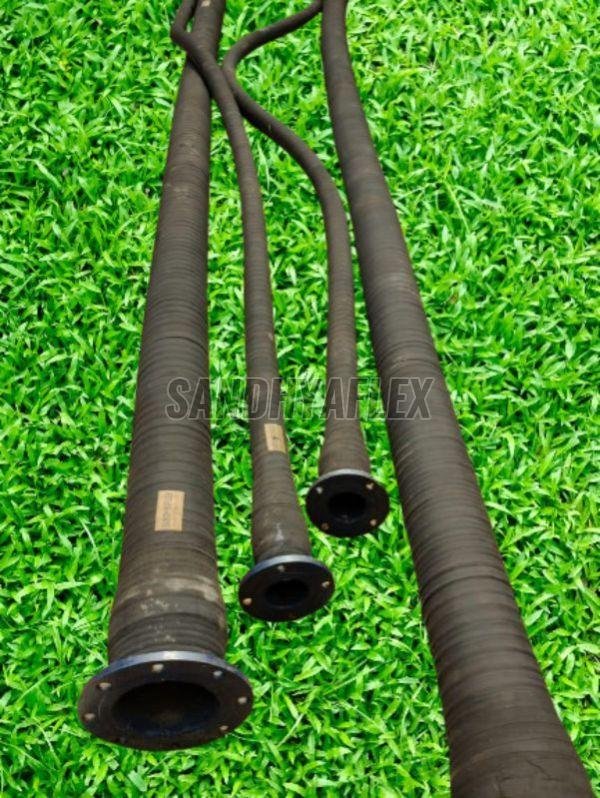
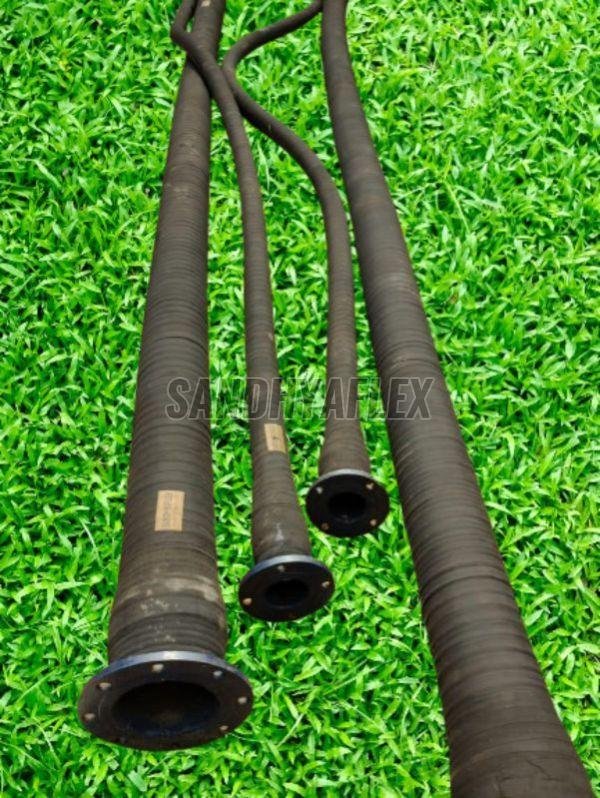
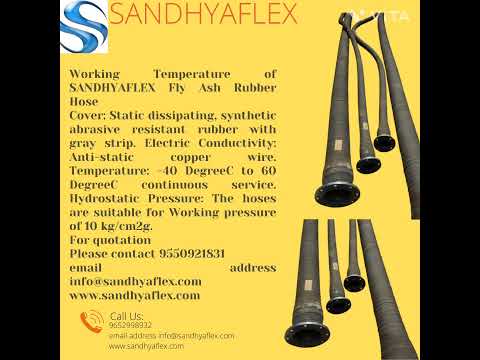
Sandhya enterprises manufacturer and supplier of rubber suction hose with allmunium split flange fitting.
- Size:1" id to 20" id.
- Length:1mtr to 15mtr.
| Business Type | Manufacturer |
| Shape | Round |
| Application | Industrial Use |
| Product Code | FARH |
| Port | mumbai |
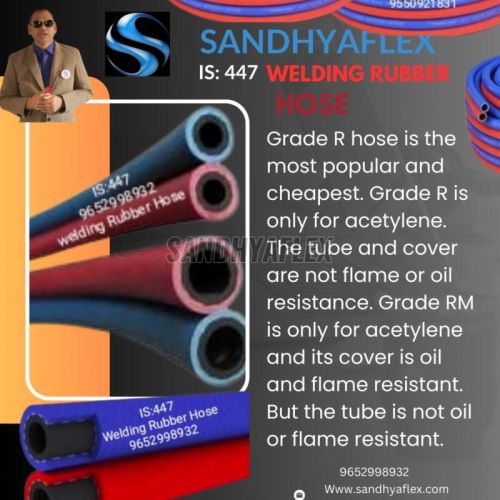
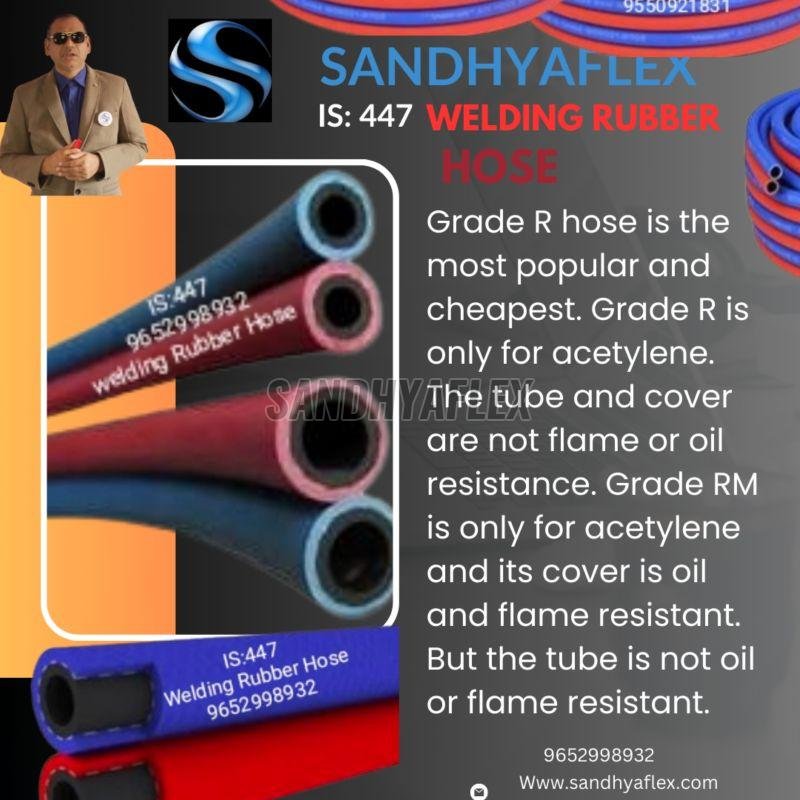
A **Fly Ash Rubber Hose** is a specially designed industrial hose used for the **transportation of fly ash**, which is a fine powder byproduct of burning pulverized coal in power plants. These hoses are typically used in industries such as **cement plants, power stations, steel mills**, and other applications where bulk material handling is needed.
### Key Features:
1. **Abrasion Resistance**: The hose is designed to withstand the abrasive nature of fly ash. Fly ash particles can be highly erosive, so the hose is made from durable, abrasion-resistant rubber material.
2. **Flexible**: Despite its heavy-duty construction, the hose remains flexible enough for ease of handling and installation in complex industrial environments.
3. **Reinforced Construction**: The hose is reinforced with textile or wire braids to ensure it can handle high-pressure applications without bursting or collapsing, especially in pneumatic conveying systems.
4. **Heat Resistance**: Fly ash can sometimes be hot, so the hose is built to handle higher temperatures without degrading.
5. **Anti-Static Properties**: Since fly ash particles can generate static electricity during transportation, the hose may have anti-static properties to prevent the buildup of static charges and reduce the risk of explosions.
### Applications:
1. **Fly Ash Conveying**:
- **Pneumatic Conveying Systems**: Used to transport dry fly ash from storage silos to trucks or railcars or directly into mixing or processing equipment.
- **Ash Handling Systems**: Essential in power plants and cement industries for moving fly ash to disposal areas or recycling units.
2. **Bulk Material Handling**:
- It is also used for handling other fine, abrasive materials like **cement, sand, lime, coal dust, and minerals**.
3. **Cement and Concrete Plants**:
- **Fly ash hoses** are used to move fly ash as a material for making concrete. Fly ash is a common additive in concrete, improving its durability and workability.
4. **Industrial Vacuum Systems**:
- Often used in vacuum systems where fly ash and other bulk materials need to be cleaned up or transferred.
### Benefits:
- **Durability**: The rubber material and reinforced construction provide excellent wear resistance, extending the hose's life even when used with abrasive materials.
- **Safe Handling**: Anti-static properties ensure safer operation in environments where static electricity can be a risk.
- **Temperature Resistance**: The hose can handle hot fly ash without losing its structural integrity.
- **Flexibility**: Can be easily routed and installed in tight spaces, making it versatile for various setups in industrial facilities.
### Construction:
- **Inner Tube**: Made of abrasion-resistant rubber material designed to handle fine, abrasive particles like fly ash.
- **Reinforcement Layer**: May consist of multiple layers of high-tensile synthetic fabric, sometimes reinforced with wire helix for extra strength and flexibility.
- **Outer Cover**: Designed to resist wear, environmental factors (UV rays, ozone), and chemicals that might be present in the working environment.
### Hose Variants:
- **High-Temperature Fly Ash Hose**: Built to withstand higher temperatures, typically used in industries where fly ash is still warm.
- **Heavy-Duty Fly Ash Hose**: For higher abrasion environments, these hoses are made with thicker inner layers and reinforced construction to handle more demanding applications.
In summary, a **Fly Ash Rubber Hose** is designed to transport fly ash and other abrasive materials efficiently and safely. It is highly durable, abrasion-resistant, and suitable for industries that require bulk material handling, particularly in power plants, cement manufacturing, and other construction-related fields.
| Business Type | Manufacturer, Exporter, Supplier |
| Material | Rubber |
| Finishing | Polished |
| Shape | Round |
| Business Type | Manufacturer, Exporter, Supplier |
| Material | Rubber |
| Finishing | Polished |
| Packaging Type | Roll |
| Business Type | Manufacturer, Exporter, Supplier, Retailer |
| Brand Name | SANDHYAFLEX |
| Material | Rubber Hose |
| Certification | ISO 9001 2015 |
| Reinforcement | TYRE CORED |
| Size | 12mm To 76mm |
| Thickness | wall thickness-5.5mm |
| Length | 15Mtr (max) |
| Standard | IS Specification |
| Certificate | ISO 9001 2015 |
| MOQ | RUBBER , FABRIC REINFORCEMENT |
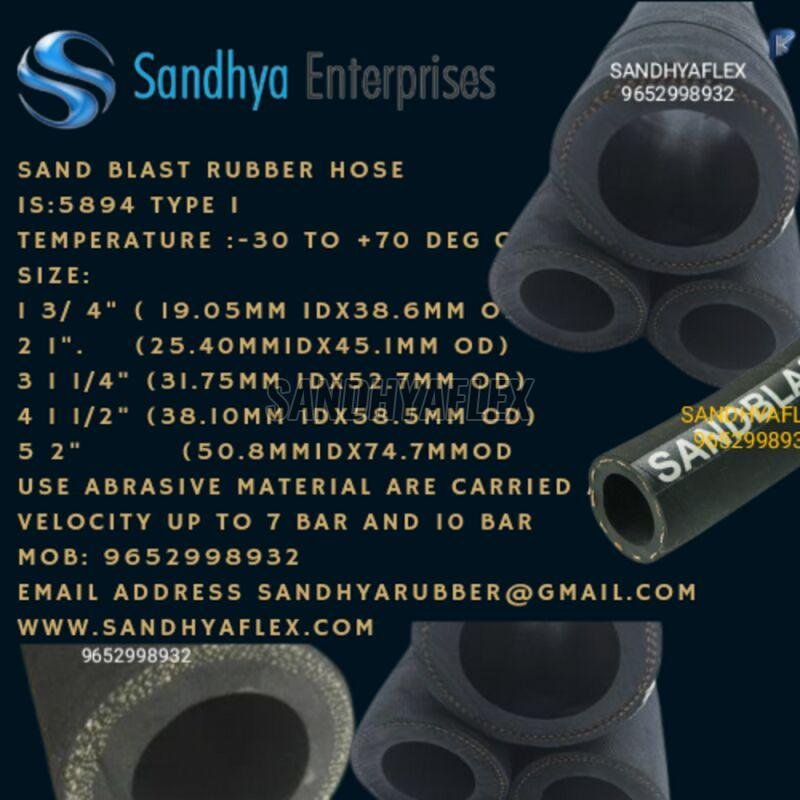
| Name | Sand Blast Hose |
| Temperature | -10t0 100Dec C |
| SAND BLAST HOSE | Rs.360 To 900/Mtr |
| Product Code | SESBRH |
| Port | kakinada |
| Payment Terms | T/T |
| Delivery Time | 7 to 15days |
| Packaging Details | Packing with HDPE Cover |
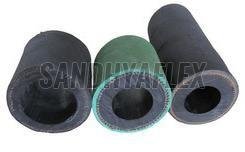
Sandhya Enterprises manufacturer and Supplier of Black Color Rubber Cemical Hose
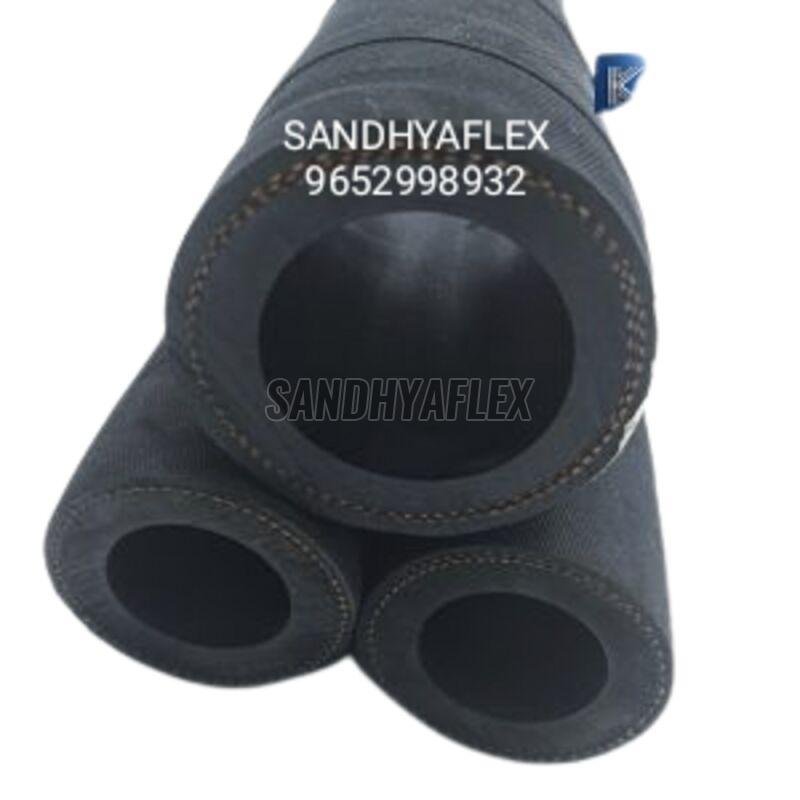
A sandblasting rubber hose, also known as a sandblasting hose or abrasive blasting hose, is a specialized hose designed for the conveyance of abrasive materials during sandblasting or abrasive blasting operations. It is used in industries such as construction, manufacturing, surface preparation, and shipbuilding for removing paint, rust, and other surface contaminants from various substrates.
The key characteristics of a sandblasting rubber hose include:
1. Abrasion resistance: The hose is constructed with a thick and durable inner lining made of abrasion-resistant rubber or synthetic materials. This lining protects the hose from the abrasive action of the blasting media, ensuring long-lasting performance.
2. Reinforcement: The inner lining is reinforced with high-strength textile or steel wire braids to provide structural integrity and prevent the hose from bursting under pressure.
3. Flexibility: Sandblasting rubber hoses are designed to be flexible, allowing for easy maneuverability and reaching tight or confined spaces during blasting operations.
4. Pressure resistance: The hose is engineered to withstand high pressures generated during sandblasting. It is usually rated for specific working pressures to ensure safe and efficient operation.
5. Static conductivity: Some sandblasting hoses are designed to have static conductivity to dissipate static electricity, which can be generated during the blasting process and pose a safety hazard.
6. Size and fittings: Sandblasting rubber hoses are available in various diameters and lengths to suit different blasting equipment and applications. They can be fitted with standard couplings or connections for easy attachment to blasting nozzles, blast pots, or other equipment.
When using a sandblasting rubber hose, it is crucial to follow safety guidelines, including wearing appropriate personal protective equipment (PPE) such as gloves, goggles, and respiratory protection. Regular inspection and maintenance of the hose are necessary to identify signs of wear, damage, or deterioration, and to ensure its proper functioning.
Consulting with reputable suppliers or manufacturers of sandblasting rubber hoses is recommended to ensure the selection of the appropriate hose for specific sandblasting requirements and to comply with industry standards and regulations.
| Business Type | Manufacturer, Exporter, Supplier |
| Shape | Round |
| Packaging Type | Bag |
| Business Type | Manufacturer, Exporter, Supplier, Retailer |
| Brand Name | SNDHYAFLEX |
| Shape | Round |
| Condition | New |
| Application | Firefighting rubber hoses play a crucial role in the arsenal of tools used by firefighters to combat |
| Size | 100mm |
| Fire Fighting Rubber Suction Hose | 10000 to 15000/Nos |
| Product Code | FFRSH |
| Port | kakinada |
| Payment Terms | T/T |
| Delivery Time | 7 to 15days |
| Packaging Details | Packing with HDPE Cover |
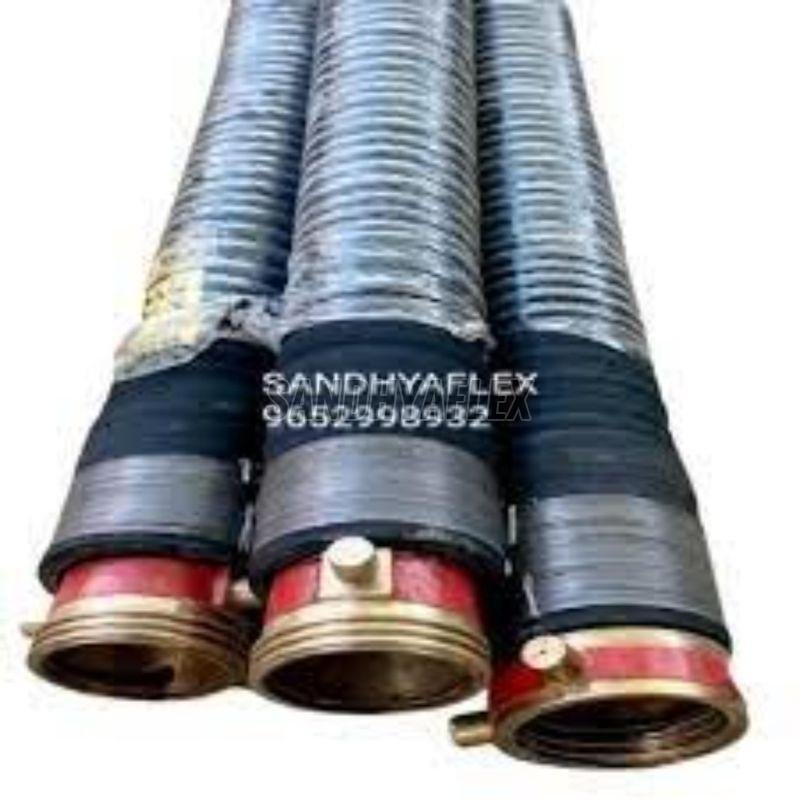
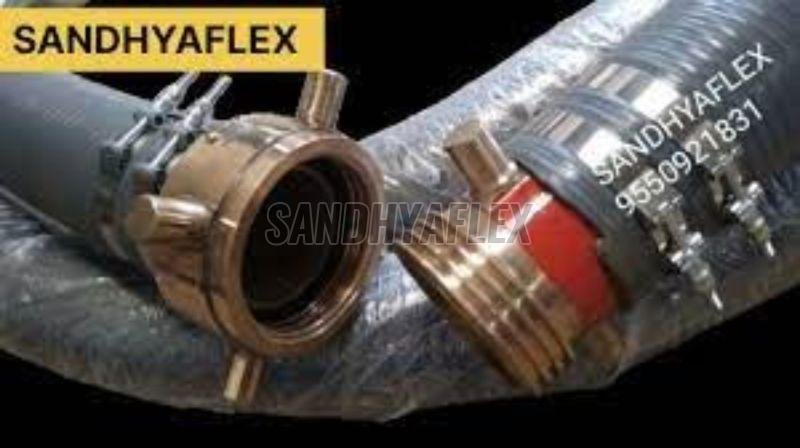
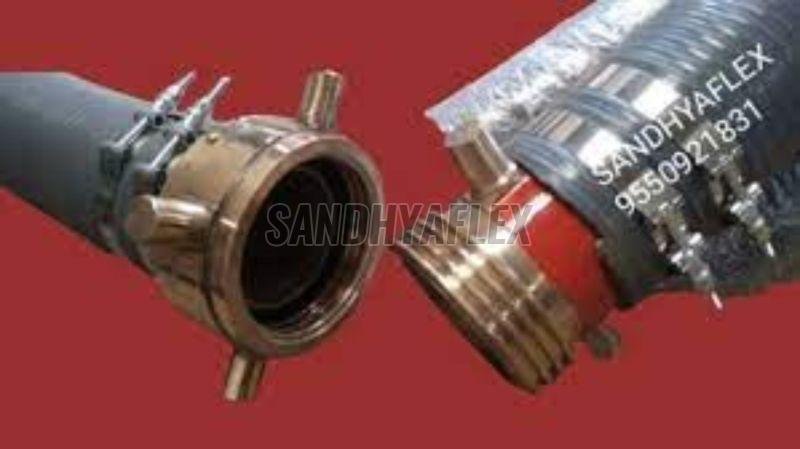
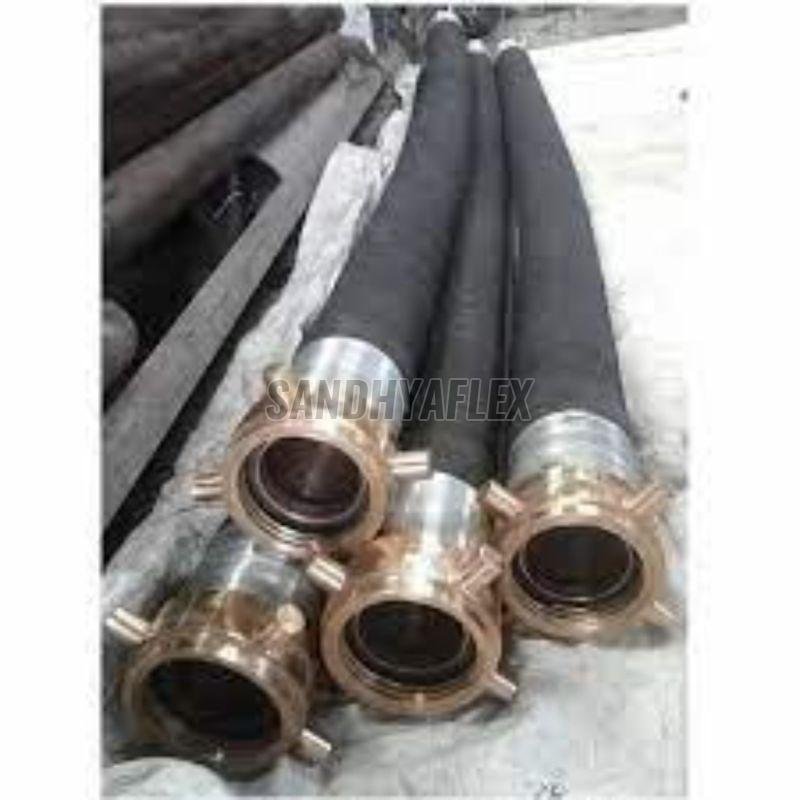
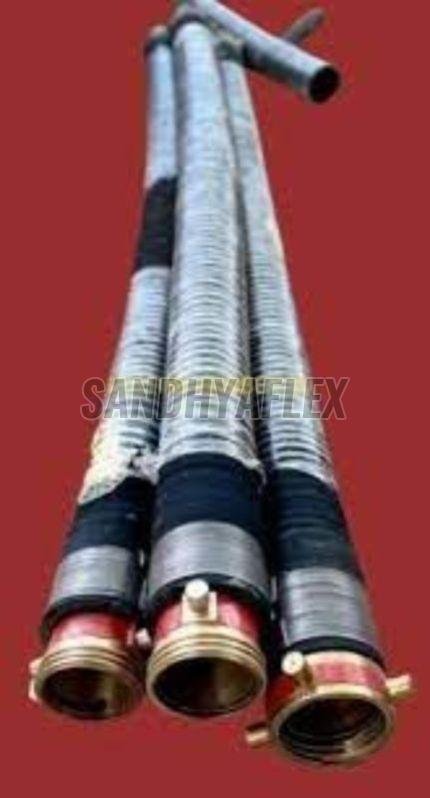
Sandhya Enterprises Manufacturer and Supplier of Fire Fighting Rubber Suction Hose with Male and Femele Fitting as per IS:902 Specification. Regular Size:100mm ID x 2.5Mtr (LG) Bothe Side Fitting Male and Femele. Firefighting rubber hoses play a crucial role in the arsenal of tools used by firefighters to combat blazes effectively. These hoses are specially designed to withstand the intense conditions encountered during firefighting operations. Here are some key uses and features of firefighting rubber hoses:
1. **Water Delivery**: The primary function of firefighting rubber hoses is to deliver water from a pressurized water source, such as a fire hydrant or a fire engine, to the fire location. They act as conduits through which water flows, allowing firefighters to direct streams of water onto the flames.
2. **Flexibility**: Firefighting rubber hoses are flexible, allowing firefighters to maneuver them around obstacles, through buildings, and into hard-to-reach areas where fires may be burning. This flexibility is essential for efficient firefighting operations.
3. **Durability**: These hoses are constructed from durable rubber materials that can withstand high pressure and resist damage from heat, abrasion, and chemicals. They are designed to withstand the rigors of firefighting environments, ensuring they remain operational during critical moments.
4. **Temperature Resistance**: Firefighting rubber hoses are engineered to withstand high temperatures, making them suitable for use in environments where fires generate intense heat. This resistance to heat helps prevent the hoses from melting or becoming compromised, ensuring they remain effective during firefighting operations.
5. **Couplings and Connections**: Firefighting hoses are equipped with couplings or connections that allow them to be easily connected to water sources, fire nozzles, and other firefighting equipment. These couplings are designed for quick attachment and detachment, enabling rapid deployment of the hoses during emergencies.
6. **Standardization**: Firefighting rubber hoses typically adhere to established industry standards and regulations, ensuring compatibility with firefighting equipment used by various fire departments and agencies. Standardization facilitates interoperability and simplifies logistics during mutual aid responses and large-scale incidents.
7. **Versatility**: In addition to delivering water, firefighting rubber hoses can be used for other purposes, such as supplying foam or specialized firefighting agents to extinguish different types of fires. This versatility enhances their utility in diverse firefighting scenarios.
8. **Maintenance**: Regular inspection, testing, and maintenance are essential to ensure the reliability and performance of firefighting rubber hoses. Fire departments and agencies follow maintenance protocols to detect and address any issues promptly, ensuring the hoses remain in optimal condition for firefighting operations.
Overall, firefighting rubber hoses are indispensable tools that enable firefighters to deliver water and other firefighting agents effectively, helping to extinguish fires and protect lives and property during emergencies.