

| Business Type | Manufacturer, Exporter, Supplier |
| Brand Name | SNDHYAFLEX |
| Material | Rubber |
| Shape | Round |
| Hardness | 70 Shore |
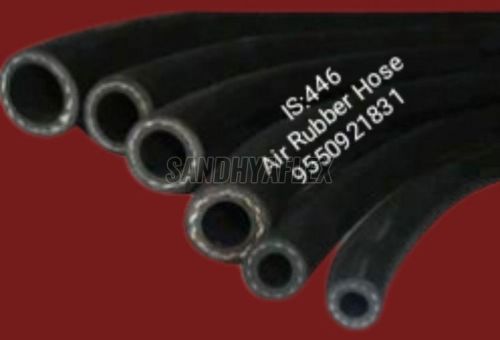
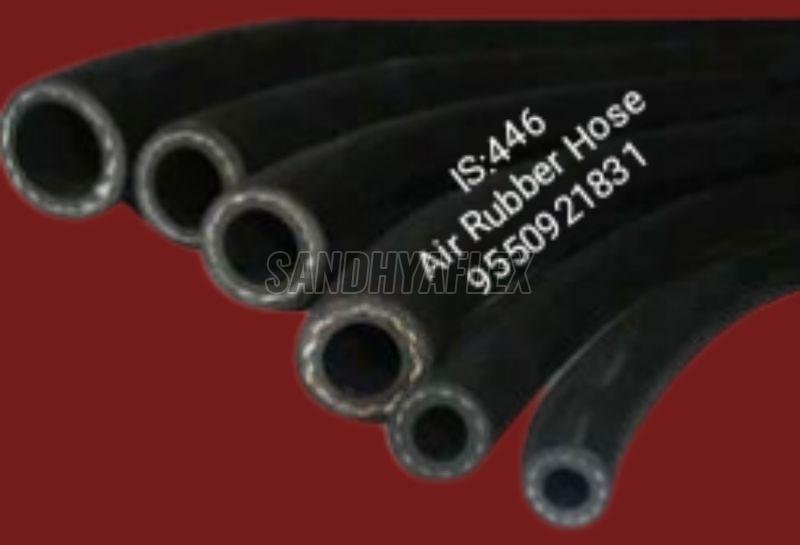
| Fluid Type | Air |
| Tensile Strength | 13MPa |
| Total Carbohydrate | 1 Year |
| Country of Origin | India |
| Inner Diameter | 20mm |
| Reinforcement | Wire Reinforcement |
| Corrosion Resistance | Yes |
| No. Of Layers | 3 Layer |
| Weight in Kg | 40Kg |
| Is It Flexible | Yes |
| Hose Lining | Yes |
| Port | mumbai |
| Payment Terms | T/T |
| Packaging Details | The packing details for hydraulic rubber hoses can vary based on the manufacturer, the type and size of the hose, and specific customer requirements. However, here are some common elements you might find in the packing details: 1. **Packaging Material:** Information about the type of packaging material used, such as cardboard boxes, plastic wrapping, or other protective materials. 2. **Quantity per Package:** The number of hydraulic rubber hoses included in each package. This quantity may vary based on the size, length, and specifications of the hoses. 3. **Dimensions of the Package:** The dimensions of the package containing the hydraulic rubber hoses, including length, width, and height. This is crucial for transportation and storage considerations. 4. **Weight of the Package:** The weight of the package, including the weight of the hydraulic rubber hoses and any additional packaging materials. This information is important for shipping and handling purposes. 5. **Package Markings:** Any markings on the package, such as labels, symbols, or handling instructions. These markings help in identifying the contents and provide guidance on proper handling. 6. **Coiled or Straight Form:** Depending on the type and length of the hydraulic rubber hoses, they may be packaged in coils or straight lengths. Information on how the hoses are packed—whether in coils, straight lengths, or otherwise—will be specified. 7. **Product Information:** Details about the hydraulic rubber hoses themselves, including specifications, sizes, pressure ratings, and any specific features. This information may be included in the packaging or as part of accompanying documentation. 8. **Color Coding:** If the hydraulic rubber hoses come in different colors, the packaging may indicate the color or provide a visual representation. 9. **Storage Recommendations:** Guidance on how to store the hydraulic rubber hoses once they are received, including information about temperature, humidity, and environmental conditions. 10. **Handling Instructions:** Information about how to handle the package during transportation, unloading, and storage. This can include instructions on lifting techniques and weight-bearing capacity. 11. **Compliance Certifications:** Documentation related to compliance with relevant industry standards or specifications may be included in the packaging. It's important to carefully review the packing details provided by the manufacturer or supplier to ensure that the hydraulic rubber hoses are handled and stored appropriately. Following any specific instructions and guidelines provided can contribute to the effective use of the hoses and help maintain their quality during transportation and storage. If there are specific requirements or questions, reaching out to the manufacturer or supplier directly is recommended. |
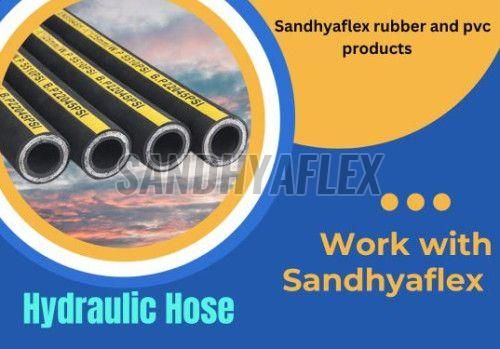
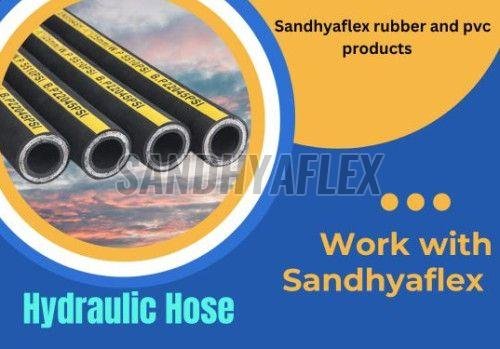
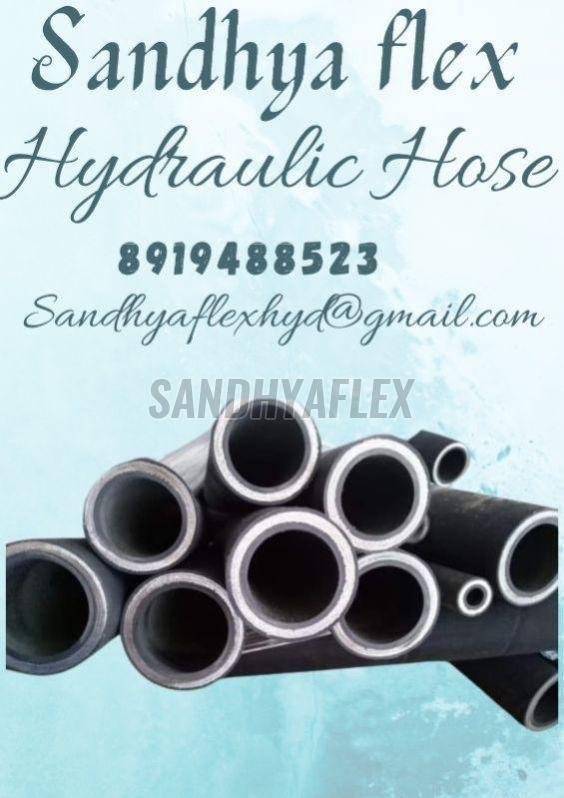
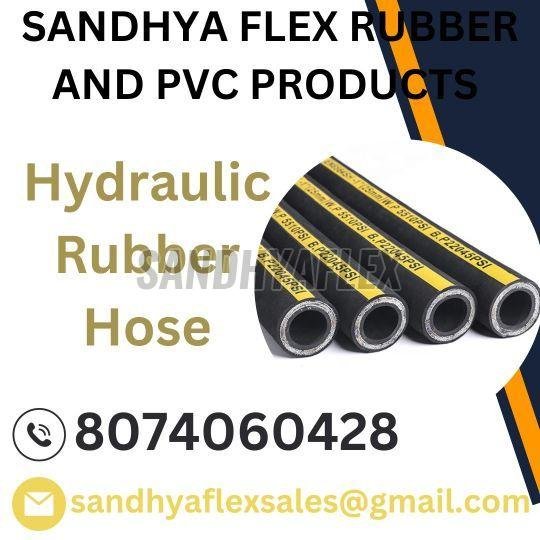
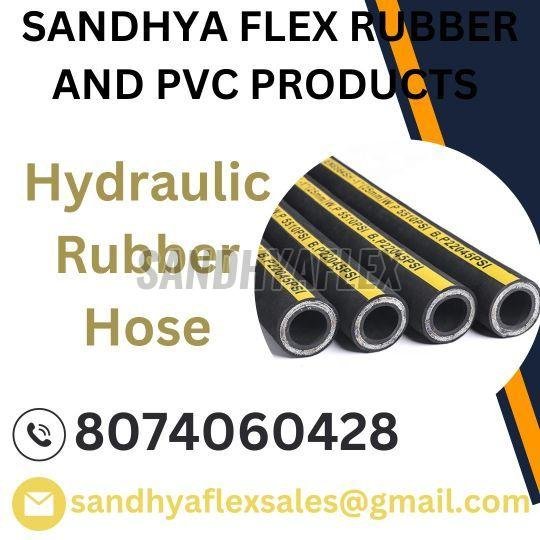
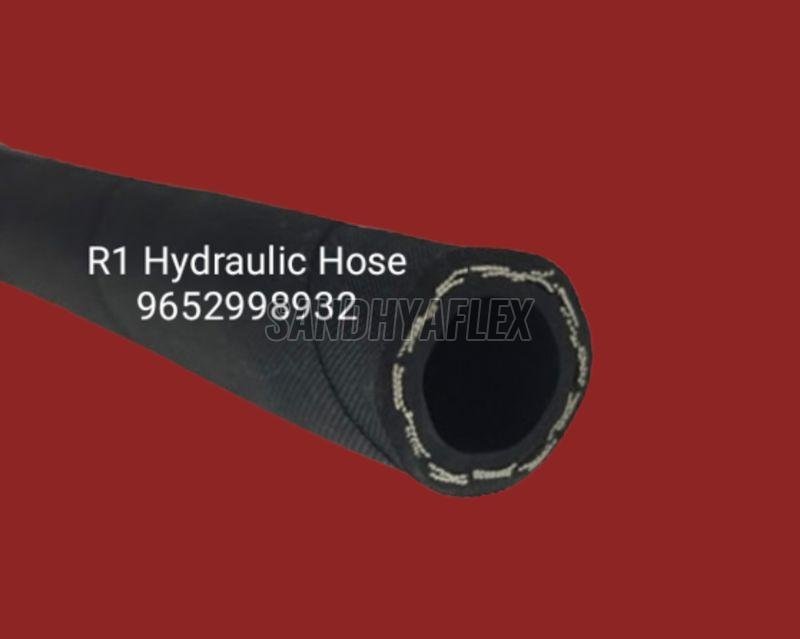
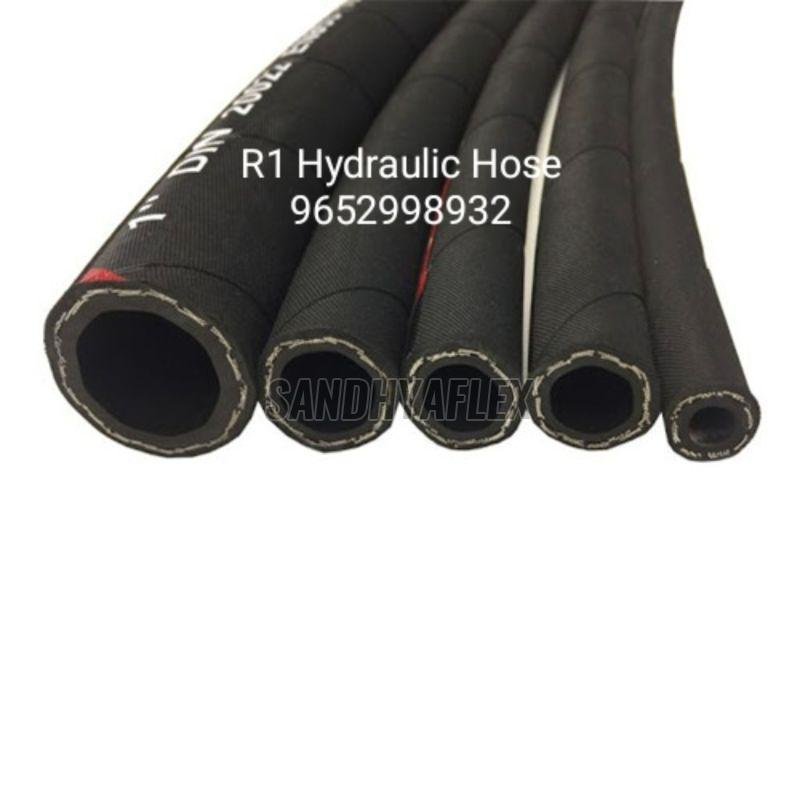
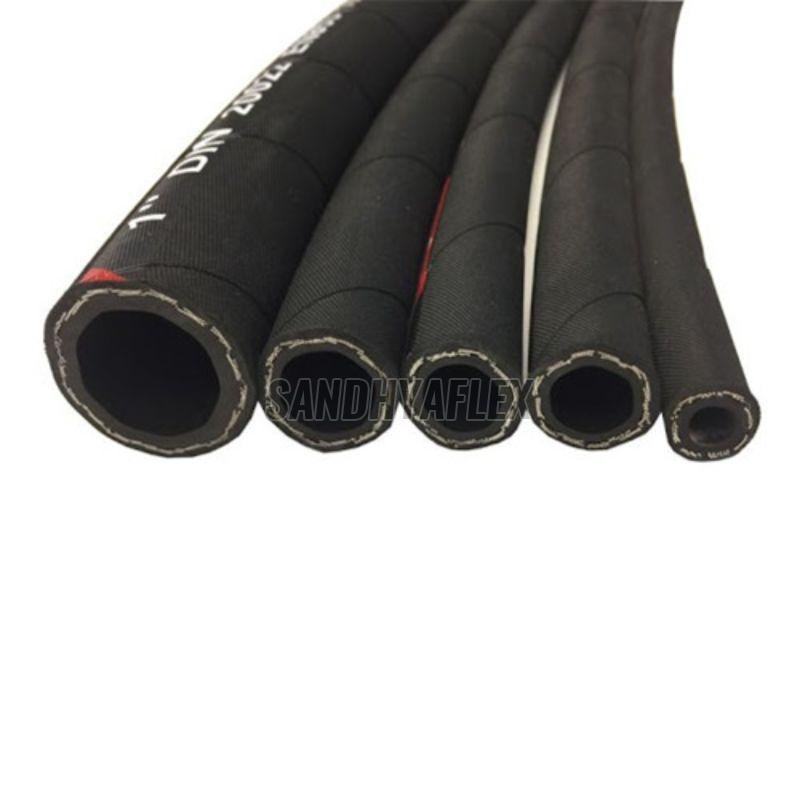
Hydraulic rubber hoses are high-pressure hoses designed for hydraulic systems, which transmit force through hydraulic fluid. These hoses are a critical component in various machinery and equipment used in construction, agriculture, automotive, manufacturing, and other industries. They are designed to withstand high pressure, extreme temperatures, and exposure to hydraulic fluids. Here are key features and considerations related to hydraulic rubber hoses:
**Key Features:**
1. **Material:** Hydraulic rubber hoses are typically made of synthetic rubber or a combination of synthetic rubber and other materials. The inner tube is resistant to hydraulic fluids, and the outer cover provides protection against environmental factors.
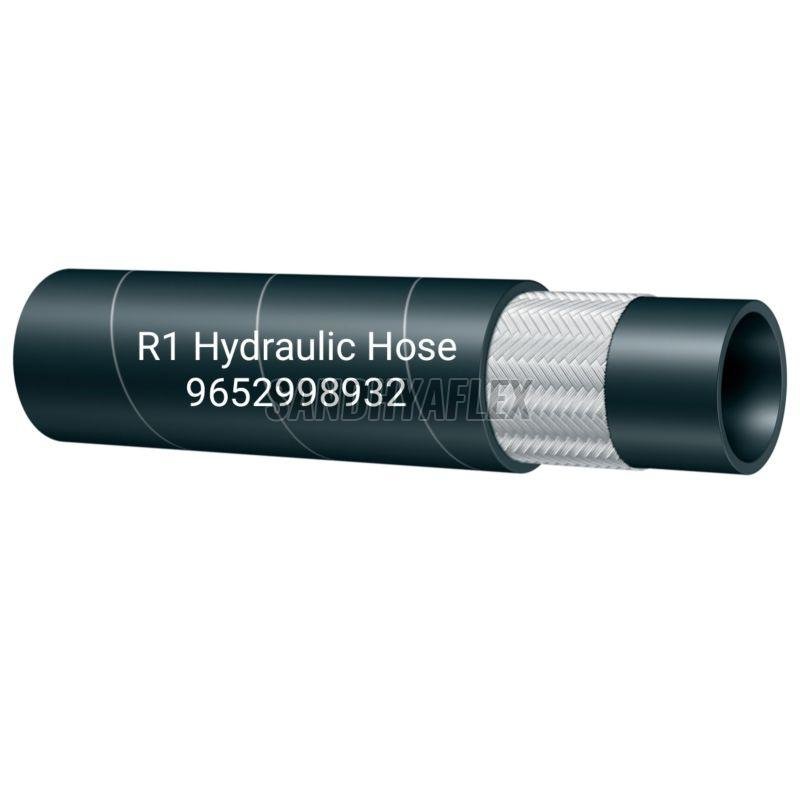
2. **Reinforcement:** They are reinforced with layers of high-tensile steel wire or textile to handle the high-pressure demands of hydraulic systems. The reinforcement provides strength and flexibility.
3. **Flexibility:** Hydraulic hoses need to be flexible to accommodate the movement of hydraulic components. This flexibility prevents kinking and allows the hose to bend without compromising its structural integrity.
4. **Pressure Ratings:** Hydraulic hoses are available in various pressure ratings to match the requirements of different hydraulic systems. Pressure ratings are often marked on the hose, indicating the maximum working pressure.
5. **Temperature Resistance:** Hydraulic hoses are designed to withstand a range of temperatures, including both high and low extremes. This ensures the hose remains functional in diverse operating conditions.
6. **Abrasion Resistance:** The outer cover of hydraulic hoses is designed to resist abrasion, protecting the hose from wear and tear during use in demanding environments.
7. **Compatibility:** Hydraulic hoses must be compatible with the hydraulic fluid used in the system. Different types of hydraulic fluids may require hoses with specific materials and resistance properties.
8. **Couplings and Fittings:** Hydraulic hoses are typically equipped with couplings or fittings at the ends for connection to hydraulic components. The type of fitting used depends on the application.
**Common Types of Hydraulic Hoses:**
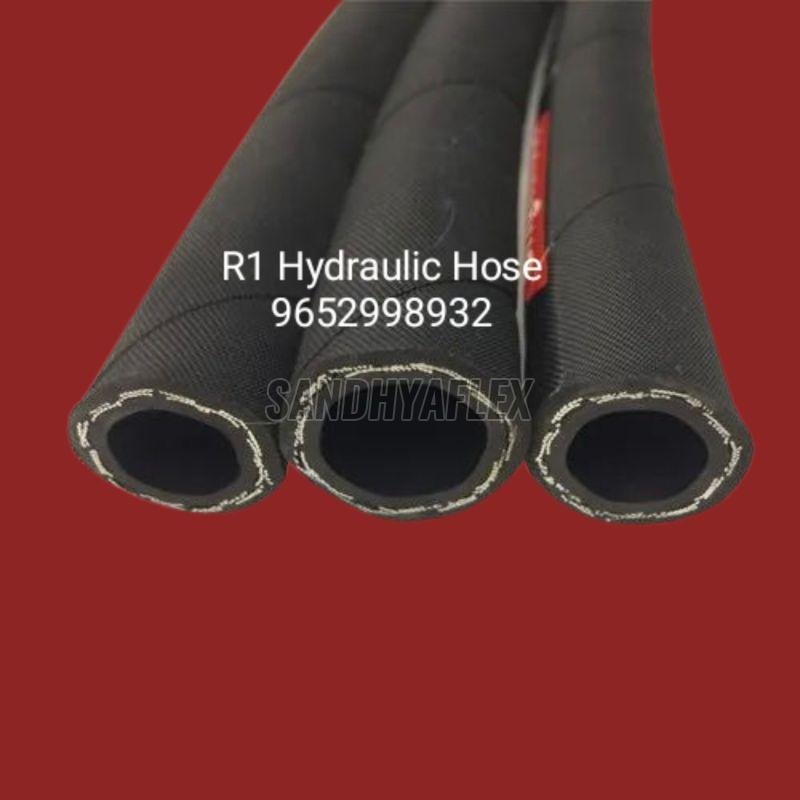
1. **SAE 100R1AT:** Single wire braid reinforced hydraulic hose.
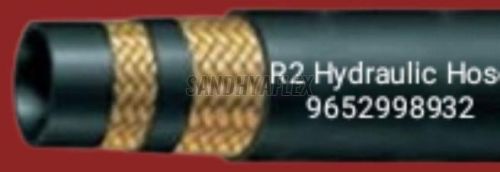
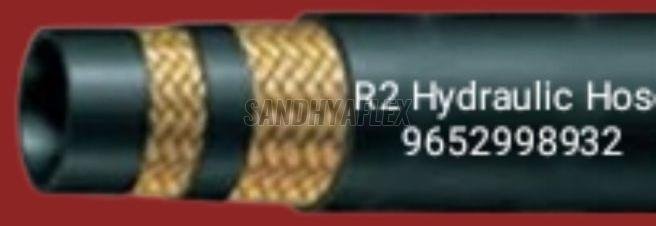
2. **SAE 100R2AT:** Double wire braid reinforced hydraulic hose.
3. **SAE 100R5:** High-temperature, textile-covered hydraulic hose with one or more textile braid reinforcements.
4. **SAE 100R12:** Four-spiral hydraulic hose for high-pressure, high-impulse applications.
5. **SAE 100R16:** Compact, high-pressure, two-braid reinforced hydraulic hose.
6. **SAE 100R17:** Compact, high-pressure, one- or two-braid reinforced hydraulic hose.
**Applications:**
1. **Construction Equipment:** Hydraulic hoses are widely used in excavators, loaders, bulldozers, and other construction machinery.
2. **Agricultural Machinery:** Tractors, combines, and other agricultural equipment utilize hydraulic hoses for various functions.
3. **Automotive Systems:** Hydraulic hoses are found in brake systems, power steering systems, and other automotive applications.
4. **Industrial Machinery:** Hydraulic hoses are used in manufacturing equipment, presses, and various industrial machinery.
5. **Mining Equipment:** Hydraulic hoses are employed in mining machinery for tasks like drilling and material handling.
6. **Aircraft Systems:** Some aircraft systems, particularly in landing gear and brake systems, use hydraulic hoses.
Proper installation, maintenance, and periodic inspection are essential for the safe and effective use of hydraulic rubber hoses. Follow manufacturer recommendations and industry standards to ensure the hoses perform reliably in hydraulic systems.
| Business Type | Manufacturer, Exporter, Supplier |
| Material | Rubber Or Synthetic Rubber Compounds |
| Usage | High-pressure Hydraulic Systems |
| Reinforcement | Steel Wire, Textile, Or Synthetic Fibers |
| Fittings And Connectors | Match Hose Size And Type |
| Standards | Conforms To Industry Standards Like SAE Or ISO |
| Payment Terms | T/T |
Hydraulic rubber hoses are high-pressure hoses used in hydraulic systems to transmit fluid power. These hoses are essential components in hydraulic machinery, equipment, and systems across various industries, including construction, agriculture, manufacturing, and transportation. Here are some key features and considerations related to hydraulic rubber hoses:
1. **Materials:** Hydraulic hoses are typically made of rubber or synthetic rubber compounds. These materials provide flexibility, durability, and resistance to abrasion and oil. The choice of rubber material may vary depending on the application and the specific hydraulic fluid used.
2. **Reinforcement:** To withstand high-pressure conditions, hydraulic hoses are reinforced with layers of high-strength materials, such as steel wire, textile, or synthetic fibers. The reinforcement provides structural integrity and prevents hose burst or failure under pressure.
3. **Diameter and Length:** Hydraulic hoses come in various diameters and lengths to accommodate different hydraulic systems and applications. The choice of size depends on factors like flow rate and system pressure.
4. **Pressure Rating:** Hydraulic hoses are designed to handle specific pressure ranges, often categorized by their "working pressure" and "burst pressure." The working pressure is the maximum continuous pressure the hose can safely handle, while the burst pressure is the pressure at which the hose may fail.
5. **Temperature Range:** Hydraulic rubber hoses should be selected based on the temperature range of the hydraulic fluid and the environment in which they will operate. Some hoses are designed to withstand extreme temperatures.
6. **Compatibility:** It's crucial to ensure that the hydraulic hose material is compatible with the hydraulic fluid being used. Different hydraulic fluids, such as mineral oil, synthetic oil, or water-based fluids, may require specific hose materials.
7. **Fittings and Connectors:** Hydraulic hoses have fittings or connectors at each end that allow them to connect to hydraulic components like pumps, cylinders, and valves. These fittings should match the hose size and type and provide a secure and leak-free connection.
8. **Flexibility:** Hydraulic hoses need to be flexible to allow for movement and positioning within hydraulic systems. They should not kink or twist during operation.
9. **Abrasion Resistance:** In applications where hoses may come into contact with abrasive materials, hydraulic hoses may be designed with additional protective layers for abrasion resistance.
10. **Standards:** Hydraulic hoses often conform to specific industry standards and certifications, such as SAE (Society of Automotive Engineers) standards or ISO (International Organization for Standardization) standards, to ensure consistency and quality.
Proper selection, installation, and maintenance of hydraulic rubber hoses are critical for the safe and efficient operation of hydraulic systems. Hoses should be inspected regularly for wear, damage, or leaks and replaced as needed to prevent hydraulic system failures and maintain equipment reliability.
| Business Type | Manufacturer, Exporter, Supplier |
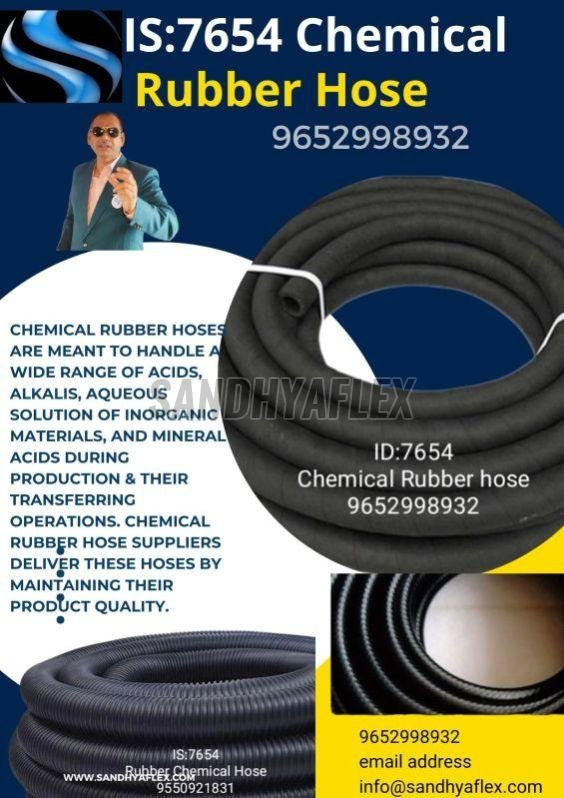
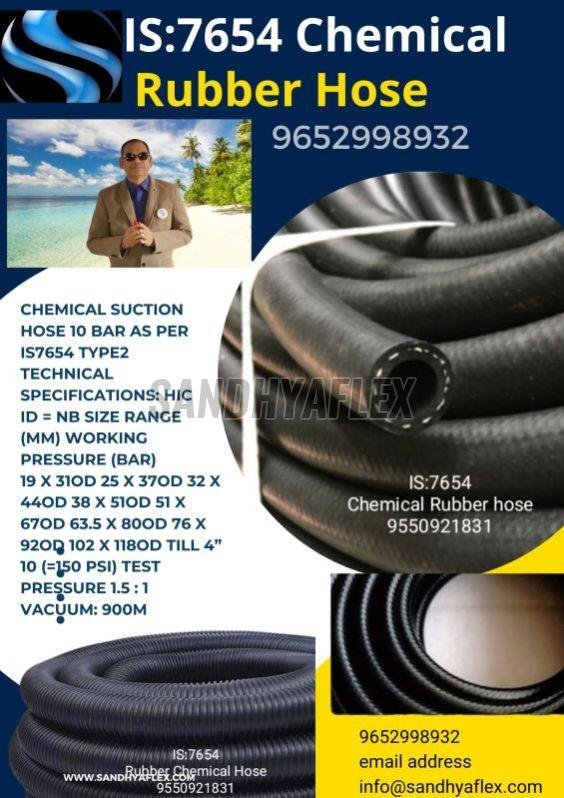
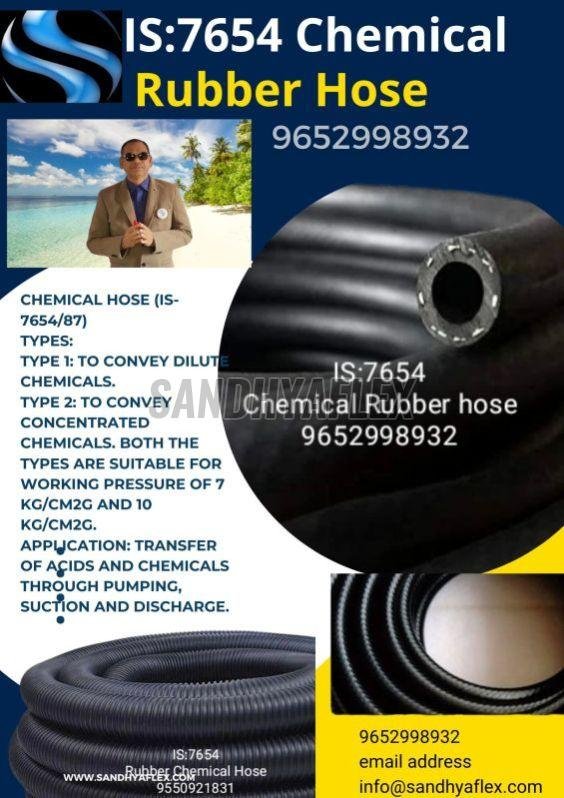
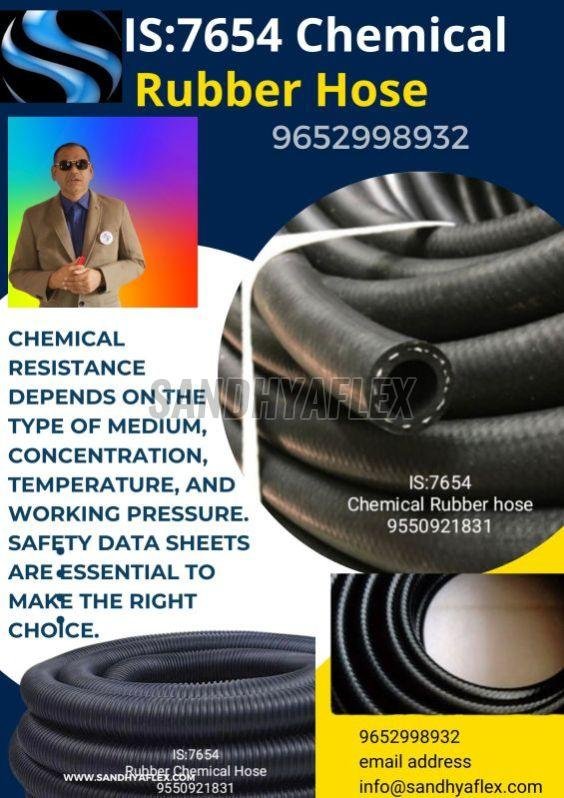
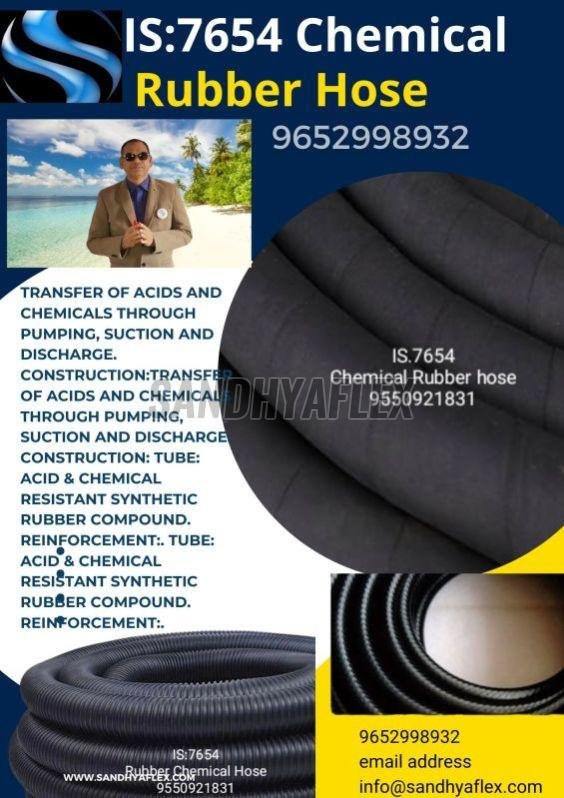
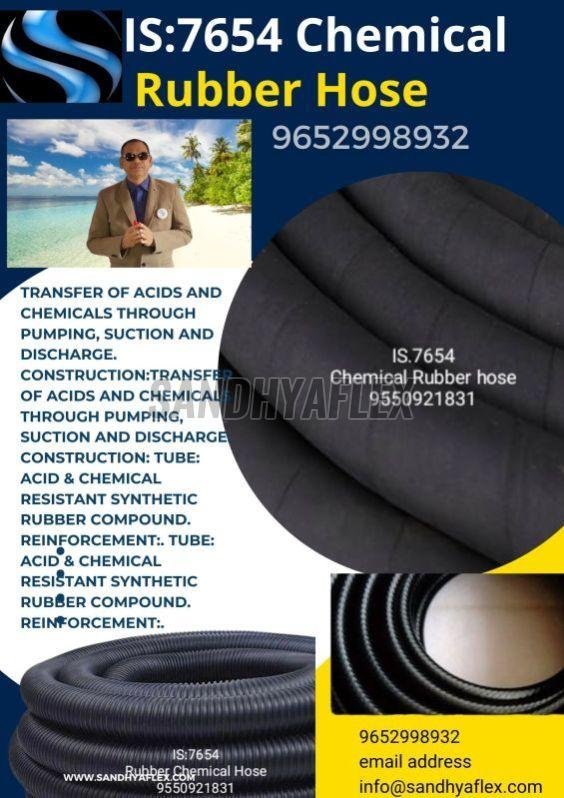
| Standard | IS 7654 |
| Specification | Rubber Hose For Chemicals |
| Country | India |
| Usage | Industrial And Chemical Applications,Conveying Various Chemicals |
| Material | Rubber |
| Number Of Flower | Flexible Hose |
IS 7654 is an Indian Standard specification for "Rubber Hose for Chemicals." This standard is published by the Bureau of Indian Standards (BIS), which is responsible for the development and maintenance of national standards in India.
The IS 7654 standard provides guidelines and requirements for rubber hoses that are specifically designed for conveying various chemicals. These hoses are typically used in industrial and chemical applications where the safe and reliable transfer of chemicals is essential. The standard covers aspects such as the construction, materials, dimensions, performance requirements, and testing procedures for chemical rubber hoses.
If you need detailed information about the specific requirements and specifications outlined in IS 7654, I recommend contacting the Bureau of Indian Standards (BIS) or referring to the official documentation provided by BIS for this standard. Standards like IS 7654 are important to ensure the safety and quality of products used in various industries.
| Business Type | Manufacturer, Exporter, Supplier |
| Brand Name | SNDHYAFLEX |
| Business Type | Manufacturer, Exporter, Supplier |
| Brand Name | SNDHYAFLEX |
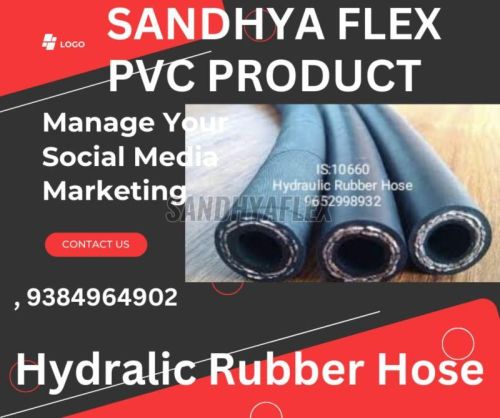
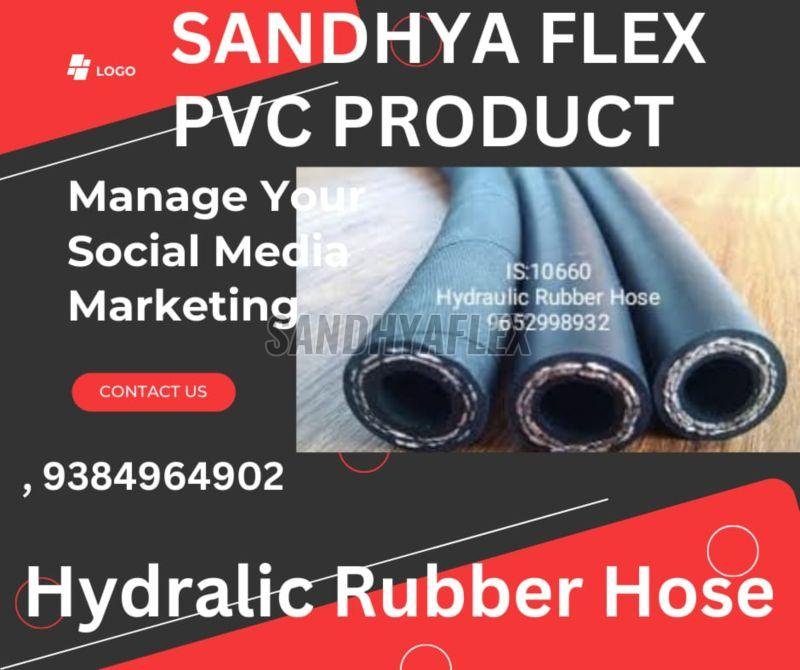
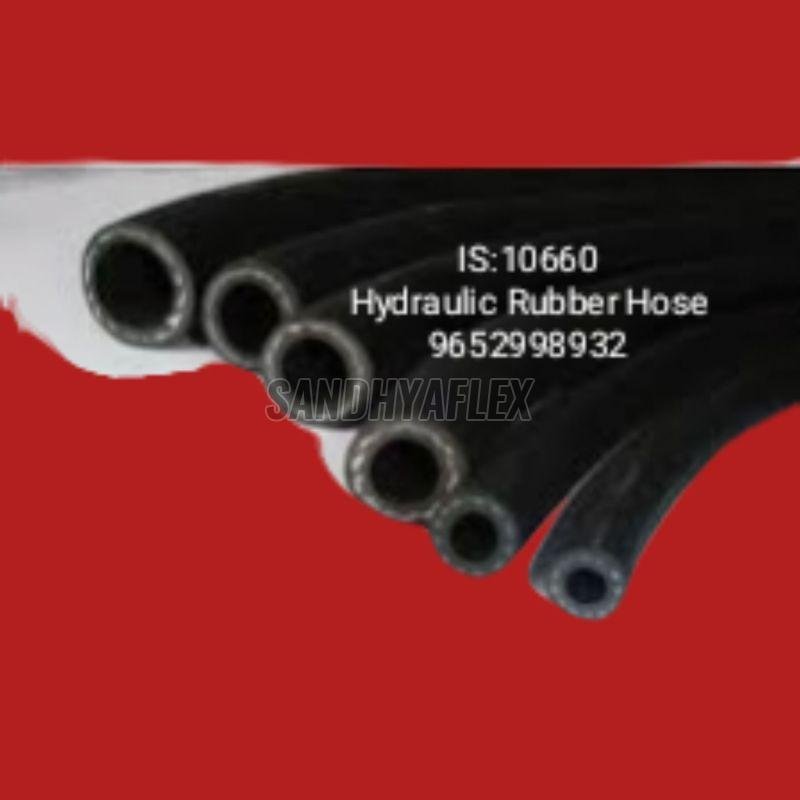
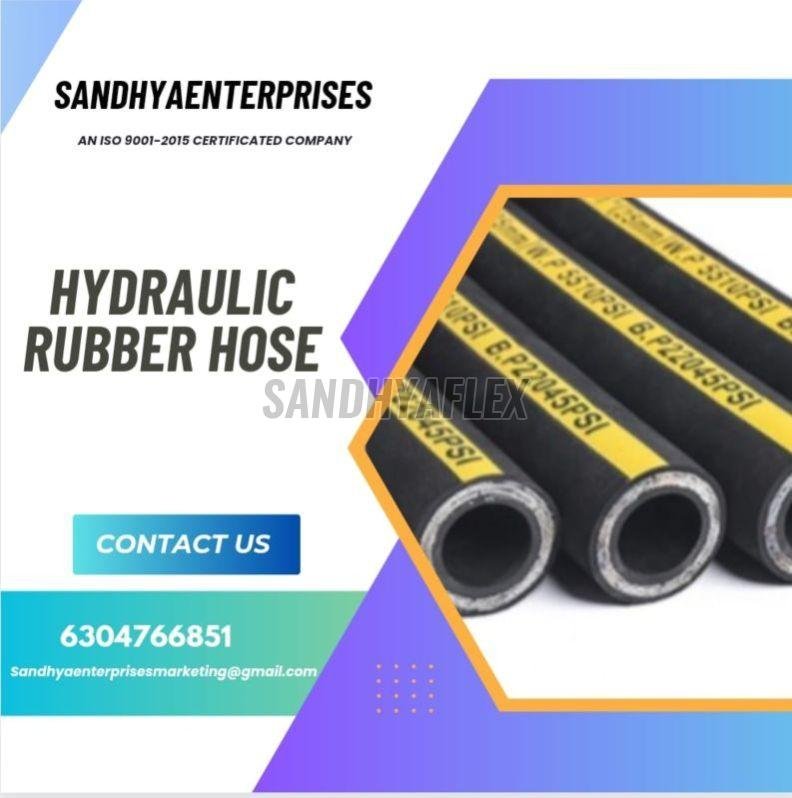
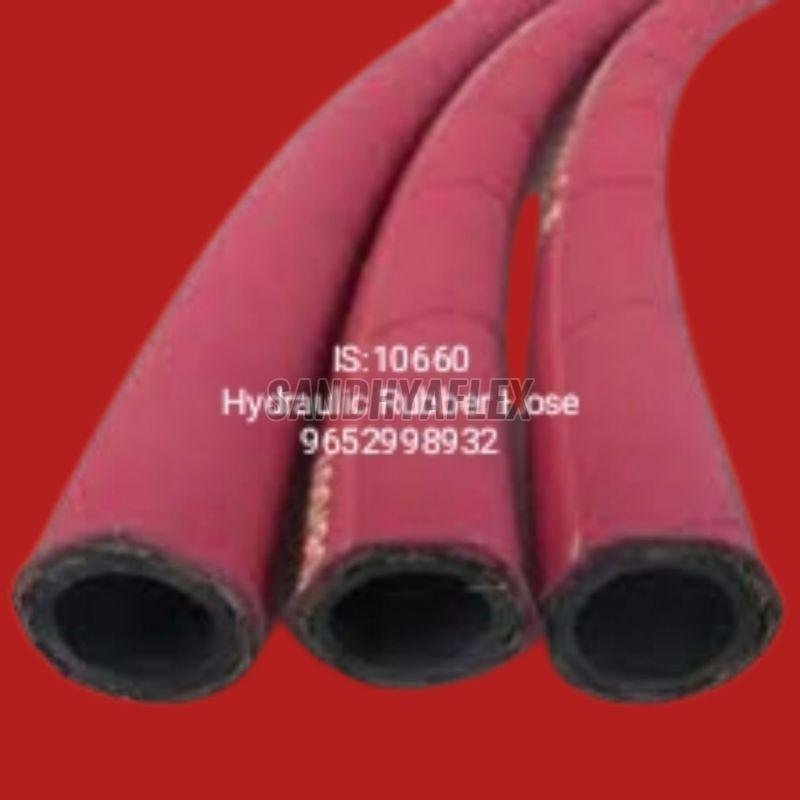
IS 10660 is an Indian Standard (IS) that specifies requirements for textile braided rubber hoses. This standard is relevant to hoses used in various industrial and automotive applications, especially for conveying liquids or gases under pressure.
The key aspects covered by IS 10660 for textile braided rubber hoses may include:
1. Construction: The standard outlines the construction requirements for these hoses, specifying the number of textile braids, the type of rubber material, and the overall design.
2. Dimensions: IS 10660 may specify the dimensions of the hoses, such as inner diameter, outer diameter, and length.
3. Performance: The standard may detail the performance requirements for these hoses, including their ability to withstand pressure, temperature, and various environmental conditions.
4. Testing: IS 10660 likely includes testing procedures and criteria to ensure that the hoses meet the specified requirements. Common tests may include pressure testing, burst testing, and leakage tests.
5. Marking and Packaging: The standard may also provide guidelines for marking the hoses to indicate compliance with the standard and proper packaging for transportation and storage.
It's important to note that standards like IS 10660 are intended to ensure the quality, safety, and performance of products. When using or purchasing textile braided rubber hoses in India, it is advisable to refer to the latest version of the standard to ensure compliance with industry regulations and best practices. Additionally, manufacturers and suppliers of these hoses typically provide product information and compliance documentation.
| Business Type | Manufacturer, Exporter, Supplier |
| Usage | Industrial Use |
| Pressure | Medium |
| Shape | Square |
| Finishing | Polished |
| Material | Rubber |
| Brand Name | SNDHYAFLEX |
| Product Code | SF |
| Port | MUMBAI |
| Payment Terms | T/T |
| Delivery Time | 7 to 15 days |
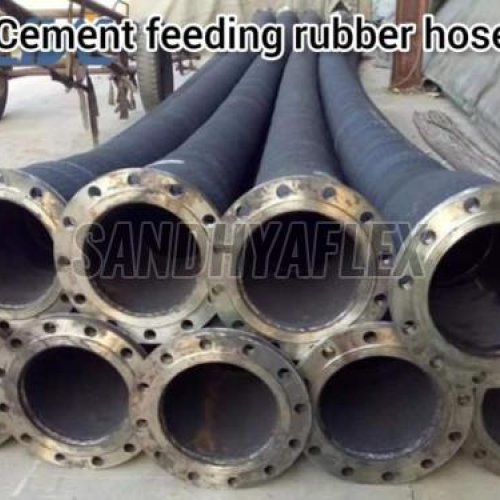
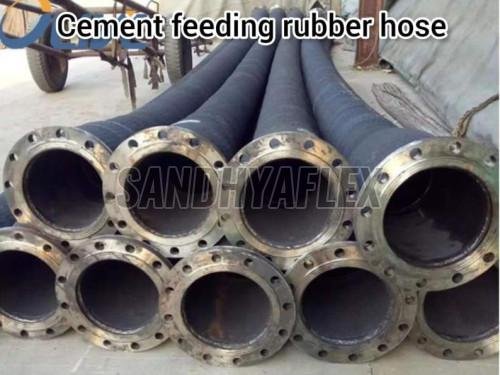
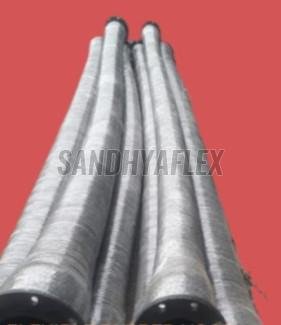
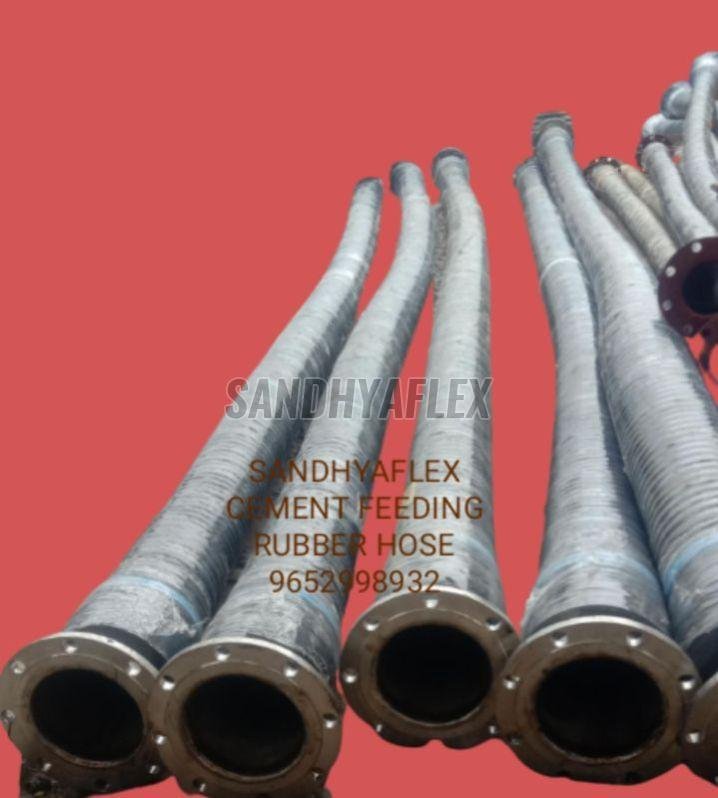
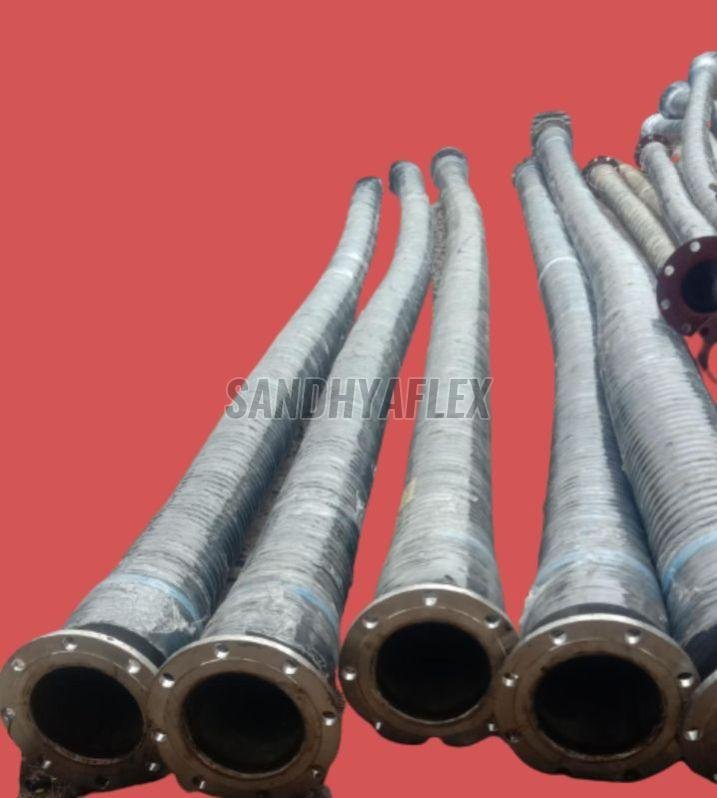
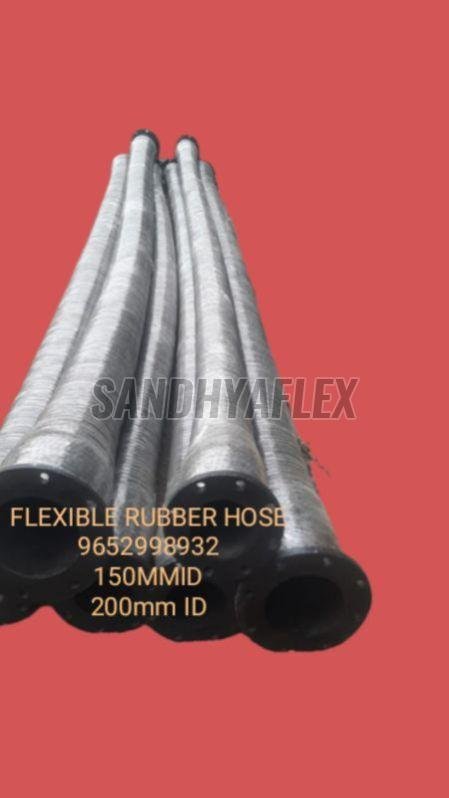
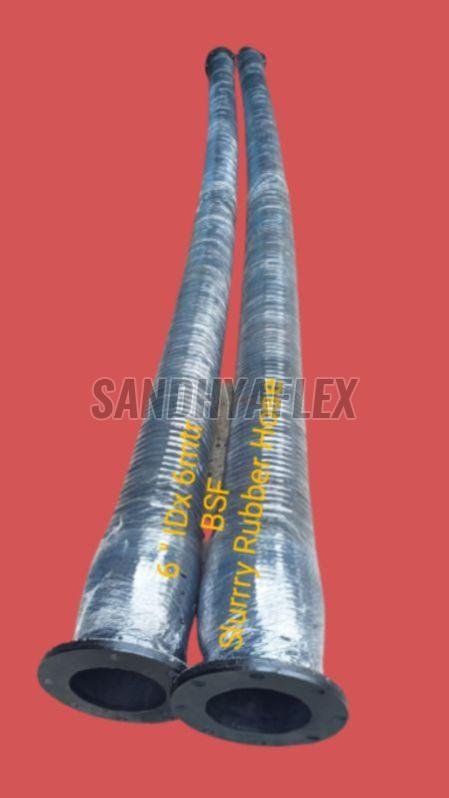
Mining rubber hoses are specialized hoses designed for use in mining operations, particularly in the extraction, processing, and transportation of minerals and materials. These hoses are built to withstand the harsh conditions and demanding applications encountered in the mining industry, including exposure to abrasive materials, high-pressure fluid transfer, and extreme temperatures. They play a critical role in various mining processes, ensuring the efficient and safe transfer of materials, including ore, slurry, and chemicals. Here are some key features and uses of mining rubber hoses: **Key Features:** 1. **Material:** Mining rubber hoses are typically made from high-quality synthetic rubber compounds or natural rubber. These materials provide flexibility, durability, and resistance to abrasion, corrosion, and harsh chemicals. 2. **Reinforcement:** To handle the high pressures and structural stresses involved in mining operations, these hoses are reinforced with multiple layers of high-strength materials, such as textile fabric, steel wire, or synthetic fibers. 3. **Inner Lining:** The inner lining of the hose is designed to be smooth to facilitate the efficient flow of materials while minimizing friction and abrasion. 4. **Outer Cover:** The outer cover of mining hoses is robust and designed to protect the hose from external factors, including abrasion, weathering, and environmental conditions. 5. **Size and Diameter:** Mining hoses come in various sizes and diameters to accommodate different flow rates, pressure requirements, and mining applications. 6. **Couplings:** They are equipped with couplings or connectors at both ends, often made of durable materials like aluminum or steel. These couplings allow for secure connections to mining equipment and piping systems. **Types of Mining Rubber Hoses:** Different types of mining rubber hoses are available to meet specific mining industry needs. Some common types include: 1. **Slurry Hoses:** Slurry hoses are designed for transporting abrasive materials, such as ore, sand, and slurry. They are often used in mineral processing plants and for tailings disposal. 2. **Dredge Hoses:** Dredge hoses are used in mining and dredging operations to transport materials from underwater locations to the surface. 3. **Chemical Hoses:** These hoses are resistant to a wide range of chemicals and are used for transferring chemicals and acids within mining facilities. 4. **Water Suction and Discharge Hoses:** Water hoses are employed for various water-related tasks in mining, such as dewatering pits and transporting water to processing facilities. 5. **Air and Gas Hoses:** Air and gas hoses are used for pneumatic tools, ventilation, and other air and gas applications in mining operations. **Applications:** Mining rubber hoses are used in various mining applications, including: 1. **Material Transport:** They transport mined materials, including ores, minerals, coal, and aggregates, from the extraction point to processing facilities or transport vehicles. 2. **Dewatering:** Hoses are used for dewatering operations in underground mines and open-pit mines to remove excess water and maintain safe working conditions. 3. **Slurry Handling:** Slurry hoses transport abrasive and corrosive slurries from mining processes to disposal or treatment sites. 4. **Tailings Management:** Hoses are employed for the safe and efficient disposal of tailings, including the transportation of tailings from processing facilities to tailings ponds. 5. **Chemical Handling:** In chemical processing and refining, mining hoses handle the transfer of various chemicals used in the extraction and refining processes. Proper selection, installation, and maintenance of mining rubber hoses are essential to ensure their longevity and safe operation in the mining industry. They should be chosen based on factors such as material compatibility, pressure rating, temperature range, and applicat
| Business Type | Manufacturer, Exporter, Supplier |
| Brand Name | SNDHYAFLEX |
| Material | Rubber |
| Shape | Square |
| Payment Terms | T/T |
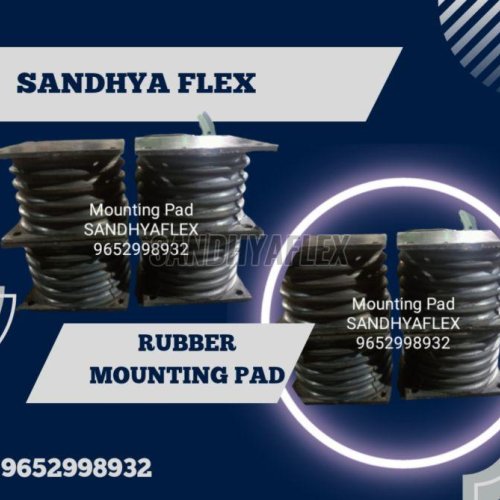
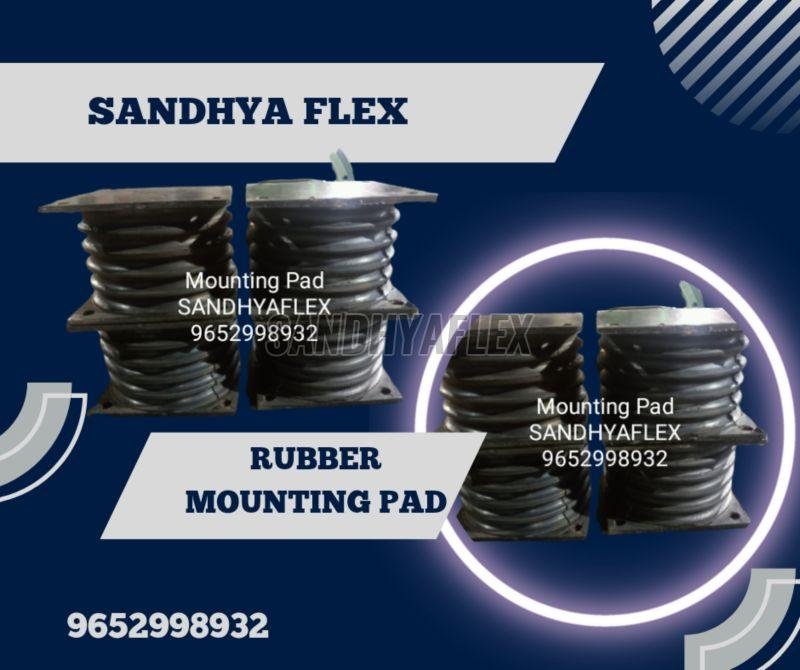
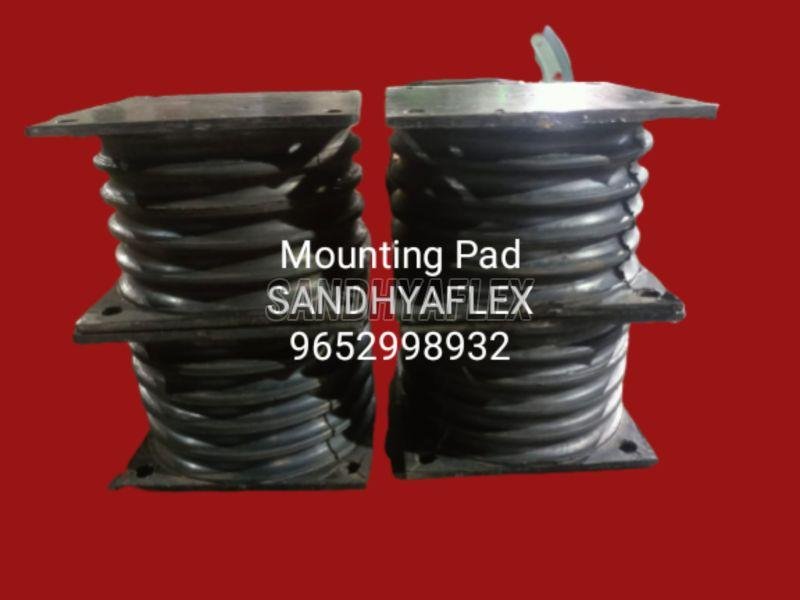
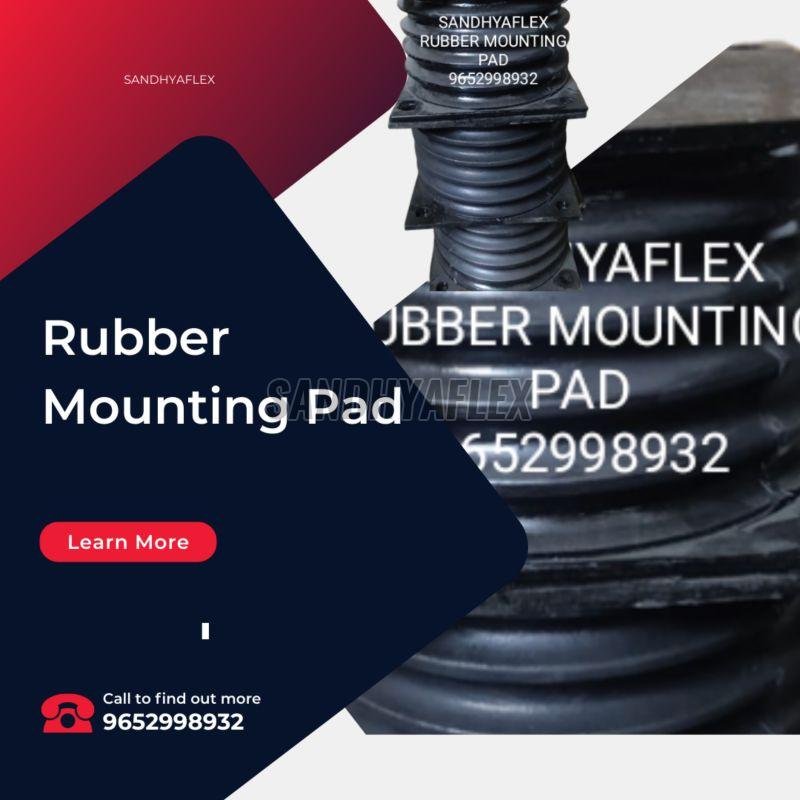
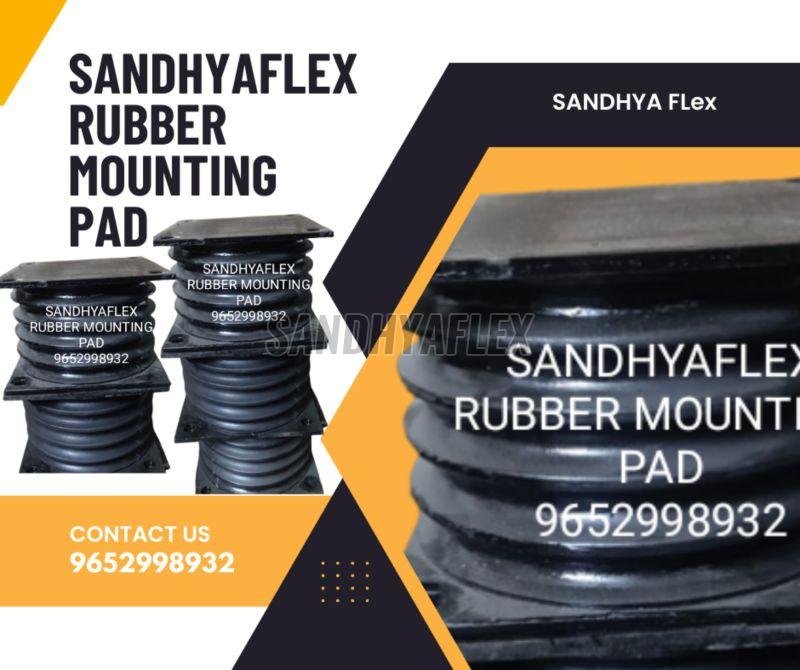
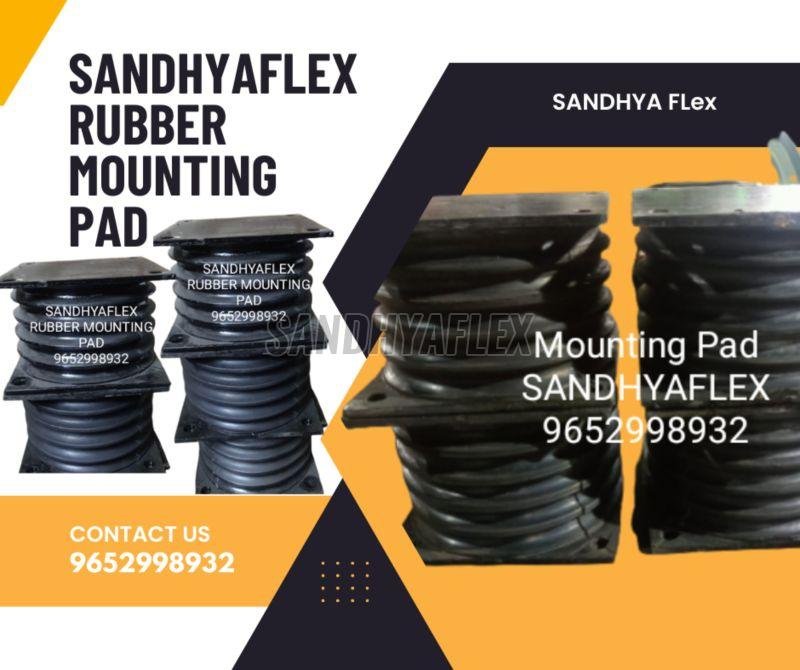
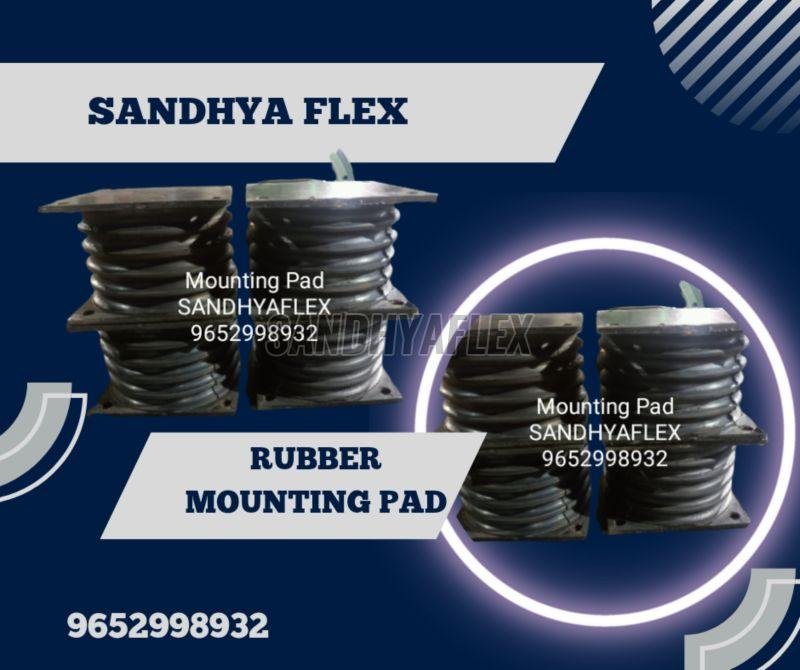
A mounting rubber pad is a type of rubber component used to isolate or dampen vibrations, shocks, and noise in various mechanical and industrial applications. These rubber pads are designed to be placed between two surfaces, such as machinery or equipment and their mounting bases, to provide cushioning and reduce the transmission of vibrations and noise. Here are some key features and applications of mounting rubber pads:
**Key Features:**
1. **Rubber Material:** Mounting rubber pads are typically made from high-quality rubber compounds, including natural rubber or synthetic rubber materials like neoprene, EPDM, or silicone. The choice of rubber material depends on the specific application and the environmental conditions.
2. **Design:** These pads may come in various shapes and designs, such as square, rectangular, or cylindrical. The design often includes multiple layers or patterns to enhance their vibration isolation properties.
3. **Vibration Isolation:** The primary purpose of mounting rubber pads is to isolate or reduce vibrations generated by machinery or equipment. By absorbing and dissipating vibrations, these pads help prevent structural damage, noise, and equipment wear.
4. **Noise Reduction:** In addition to vibration isolation, mounting rubber pads can also reduce the transmission of noise, making them suitable for applications where noise control is essential.
5. **Load-Bearing Capacity:** Mounting rubber pads are available in various load-bearing capacities to support different equipment weights and sizes. The selection of the appropriate pad should consider the specific load requirements.
**Applications:**
Mounting rubber pads find applications in a wide range of industries and settings, including:
1. **Industrial Machinery:** They are used under heavy machinery, generators, compressors, pumps, and other industrial equipment to minimize vibrations and noise in manufacturing facilities.
2. **HVAC Systems:** Mounting rubber pads can be used in heating, ventilation, and air conditioning (HVAC) systems to reduce vibrations and noise from air handlers, chillers, and rooftop units.
3. **Construction:** In the construction industry, these pads are often used under equipment like concrete mixers, jackhammers, and vibratory compactors to limit vibrations transmitted to nearby structures.
4. **Electrical and Electronic Equipment:** Mounting rubber pads are used to dampen vibrations in sensitive electronic equipment, such as servers, telecommunications equipment, and laboratory instruments.
5. **Marine and Automotive:** They are employed in marine engines, automotive engines, and suspension systems to reduce vibrations and improve ride comfort.
6. **Residential Applications:** In homes, rubber mounting pads can be used under washing machines, dishwashers, and other household appliances to reduce noise and vibrations.
Properly selected and installed mounting rubber pads are essential for maintaining equipment performance, reducing maintenance costs, and ensuring the comfort and safety of operators and nearby personnel. The choice of pad material, size, and load capacity should be based on the specific requirements of the application.
| Business Type | Manufacturer, Exporter, Supplier, Retailer |
| Brand Name | SNDHYAFLEX |
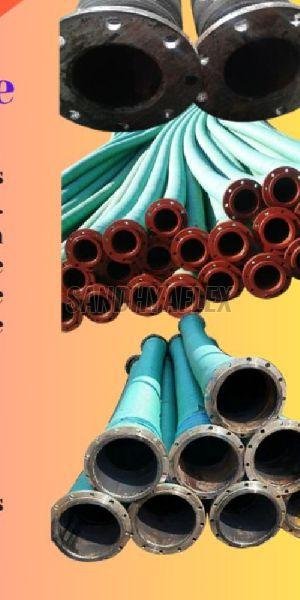
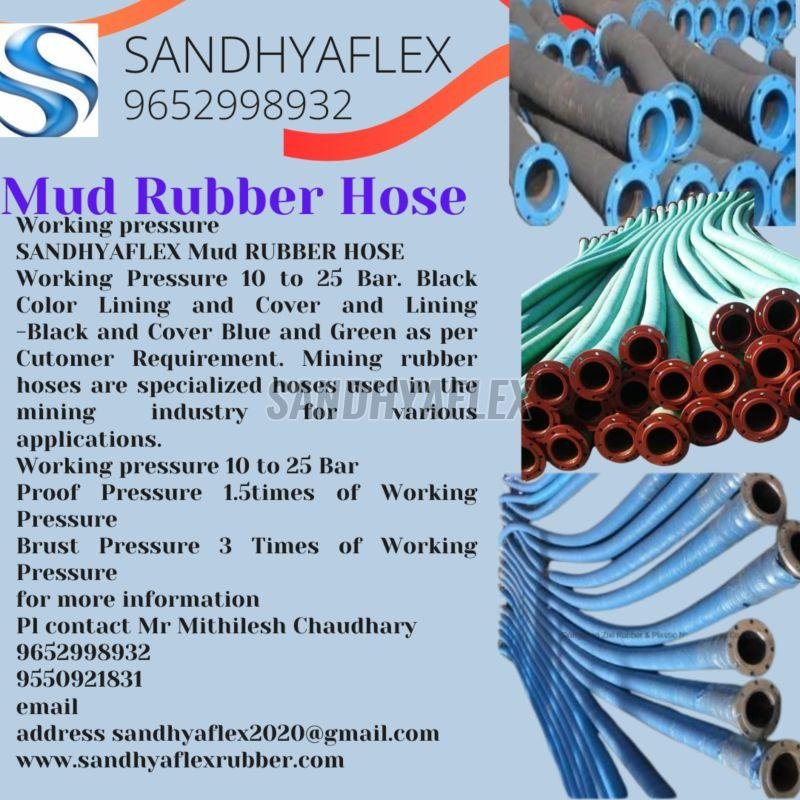
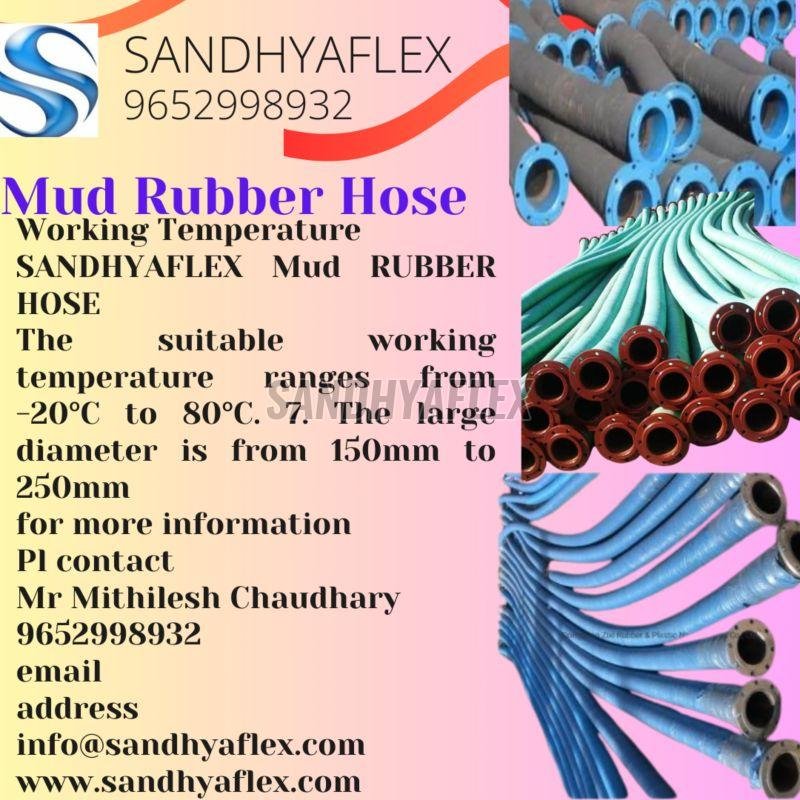
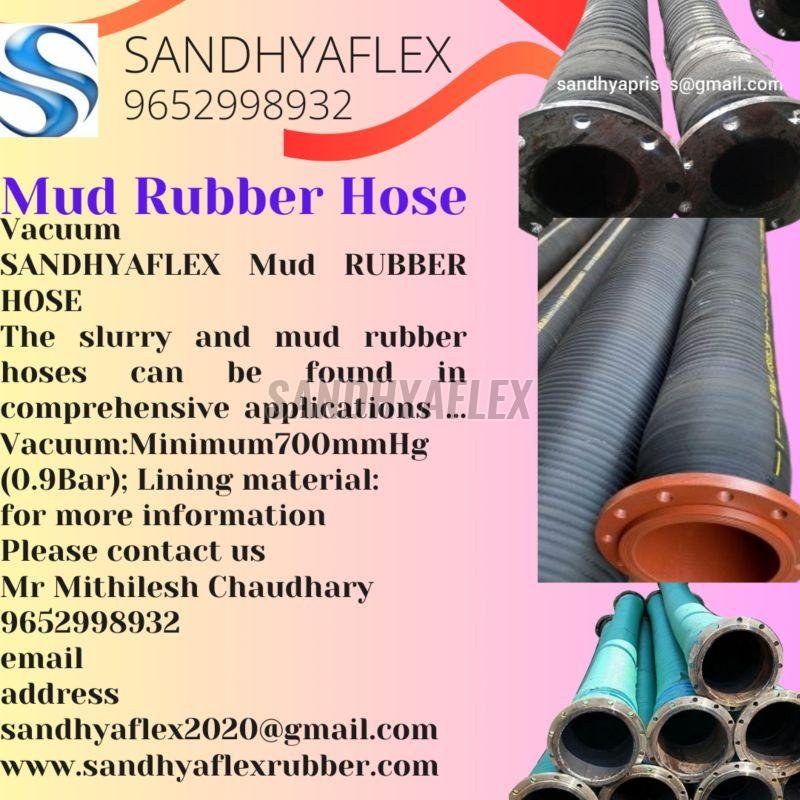
mud rubber hoses are designed for specific applications where the transportation of abrasive materials, such as mud or slurry, is necessary. These hoses are utilized in various industries to handle challenging conditions and ensure efficient material transfer. Here are some common uses and applications of mud rubber hoses:
1. **construction industry:**
- **concrete placement:** mud rubber hoses are employed in construction projects for the placement of concrete. They facilitate the pumping of concrete from the mixer to the desired location, withstanding the abrasive nature of the concrete mix.
2. **mining operations:**
- **slurry transport:** in mining, mud rubber hoses are used for the transportation of slurry—a mixture of water and fine particles like minerals or ores. These hoses can handle the abrasive nature of the transported materials in mining and mineral processing.
3. **dredging operations:**
- **dredge discharge:** mud rubber hoses are crucial in dredging activities where sediment, mud, or sand is dredged and transported. These hoses can handle the abrasive materials encountered during dredging.
4. **agricultural sector:**
- **irrigation systems:** mud rubber hoses may be used in agriculture for the transport of water containing sediment or fertilizers. Their durability and ability to handle abrasion make them suitable for irrigation applications.
5. **waste management:**
- **sludge and waste transport:** in waste management processes, mud rubber hoses can be utilized for the transfer of sludge or other waste materials. Their abrasion resistance is essential in handling various waste substances.
6. **oil and gas industry:**
- **drilling mud transfer:** mud rubber hoses play a role in the oil and gas industry for the transfer of drilling mud during drilling operations. These hoses can handle abrasive drilling mud and ensure efficient material transfer.
7. **industrial applications:**
- **abrasive material handling:** mud rubber hoses can be used in various industrial settings where the transportation of abrasive materials is required. This can include handling abrasive chemicals, minerals, or other substances.
8. **dewatering operations:**
- **water pumping:** mud rubber hoses may be employed in dewatering operations where water needs to be pumped out from construction sites, mining areas, or other locations. Their durability is important in these applications.
9. **shipyard and marine applications:**
- **debris removal:** in shipyard operations and marine environments, mud rubber hoses can be used for debris removal or other material transfer tasks.
10. **tunneling and excavation:**
- **muck disposal:** during tunneling or excavation projects, mud rubber hoses can be used for the disposal of muck or excavated materials. They are suitable for handling the abrasive nature of such materials.
when using mud rubber hoses, it's crucial to choose the right hose for the specific application and ensure that it meets the required specifications for pressure, temperature, and chemical compatibility. Regular inspection and maintenance of these hoses are also essential to ensure their optimal performance and longevity in demanding conditions.
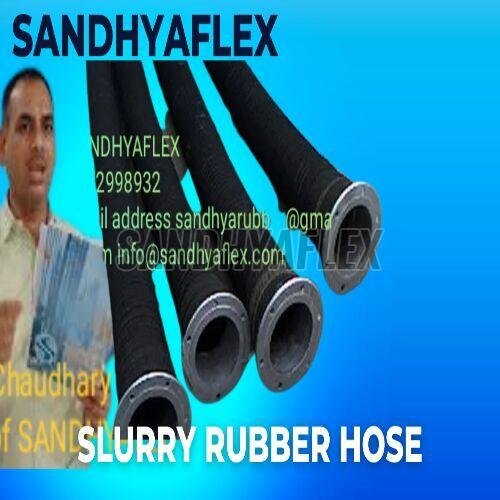
| Business Type | Manufacturer, Exporter, Supplier, Retailer |
| Country of Origin | India |
| Brand Name | SANDHYAFLEX |
| Material | Rubber Hose |
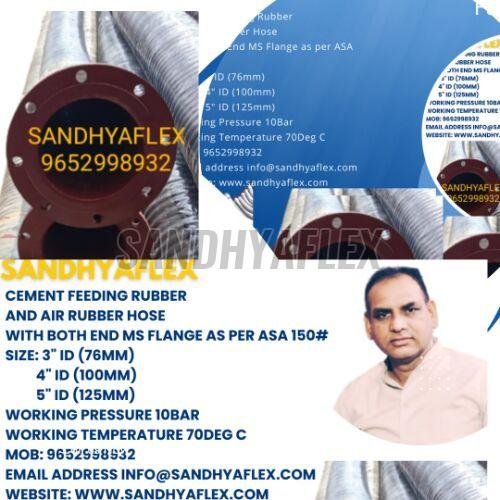
| Reinforcement | Fabric Reinforcement And Helical Wire |
| Working Pressure | 10 To 25Kg/cm2 |
| Length | 15Mtr Max |
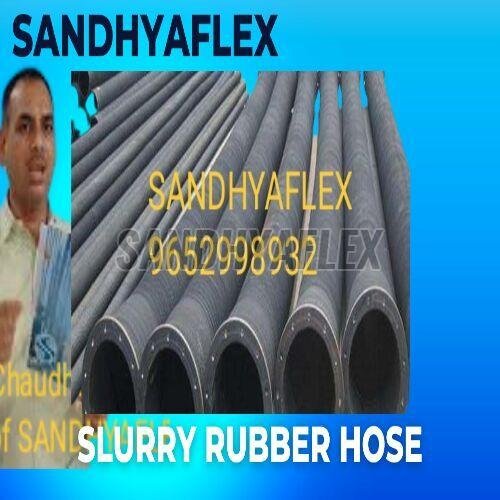
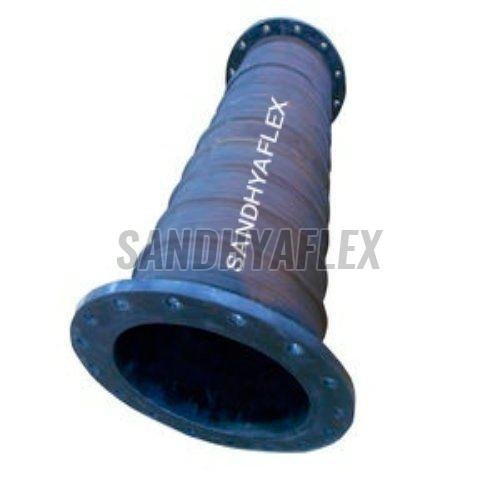
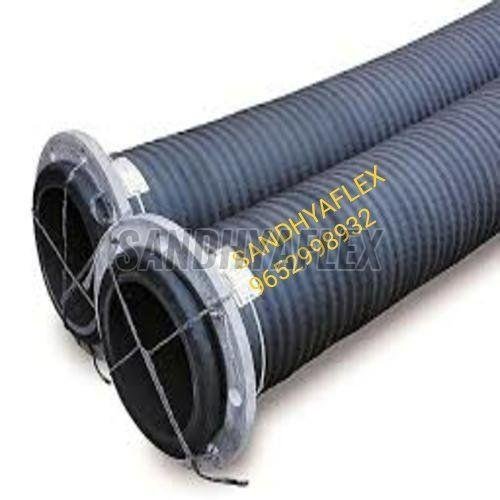
| Name | SLURRY AND MUD HOSE |
| SLURRY AND MUD HOSE | 50000 |
| Product Code | S&MRSH |
| Payment Terms | T/T |
| Delivery Time | 7 to 15 days |
| Packaging Details | Packing in Straith up to 5Mtr above 5Mtr packing in Coil . |
Sandhya Enterprises Manufacturer and Supplier of Rubber Suction Hose and and Grovel Hose MEETS IS : 5137 W.P. 10kgf/cm2 MIN. B.P. 40 kgf/cm2 50.0 63.0 75.0 100.0 150.0 200.0 Tube : Highly abrasion resistant soft natural rubber compound. Reinforcement : Woven/Braided or spirally wound textile of high strength synthetic fibres. Electrical bonding : low resistant electrical bonding wire in-corporated between the reinforcement plies to pro vide electrical continuity along the whole length of the hose. Cover : Cloth marked finish cover, resistant to weather and abrasion. Used for cement Grouting at irrigations projects, buildings sites, bridges etc. Service Temp. Range : -400 F to + 1580 F
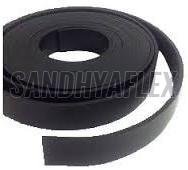
| Business Type | Manufacturer, Supplier, Retailer |
| Size | 5mm to 50mm |
We are sprawling over a large area with exceptional warehouse, which is well-equipped with cutting-edge technology and up-to-date management systems. With automated warehouse systems, we efficiently serve the bulk requirements. We have successfully emerged as a distinguished supplier of Natural Rubber Strips that is highly demanded amidst the customers.
Features :
- Strong design
- Simple installation
- High quality
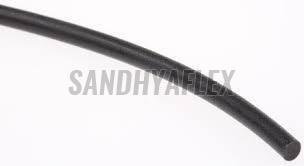
| Business Type | Manufacturer, Supplier, Retailer |
| Size | 6mm Dia to 100mm Dia |
| Material | Nitrile |
| Cross Section Type | Circular |
| Hardness (Shore A) | 70 |
| Maximum Temperature (°C) | 80 |
| Minimum Temperature (°C) | -20 |
| Elongation at break (%) | 300 |
| Tensile Strength (MPa) | 12 |
| Compression Set (%) | 25 |
To deliver the products in a safe manner at customer's end, we have exceptional warehouse management system. We have a voluminous warehouse, installed with all required facilities essential for safe storage of the orders. We have successfully emerged as a distinguished supplier of Nitrile Rubber Cord that is highly demanded amidst the customers.
Features :
- Strong design
- Simple installation
- High quality
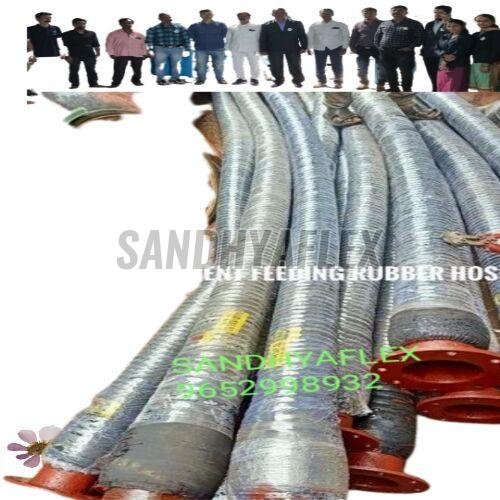
| Business Type | Manufacturer, Exporter, Supplier, Retailer, Trader, Distributor, Importer |
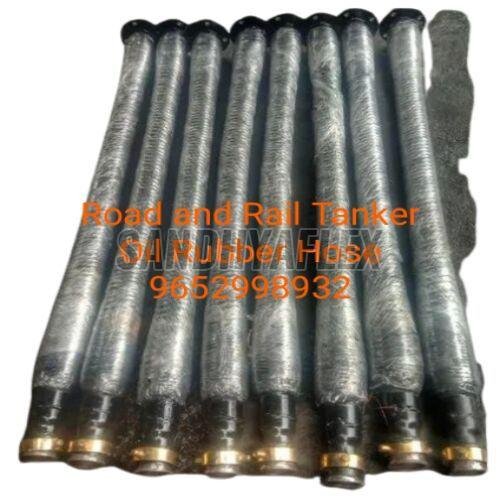
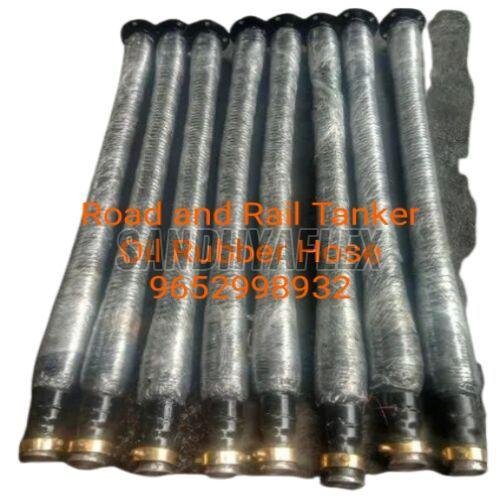
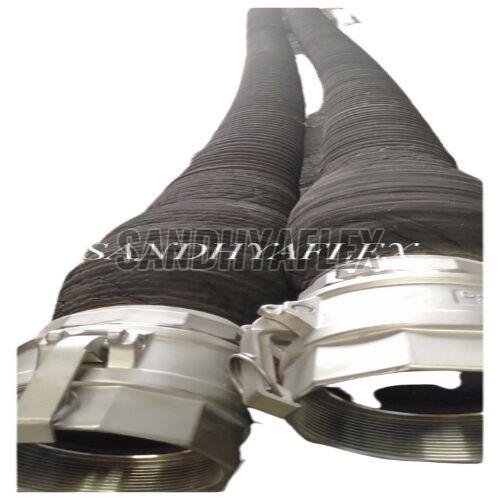
| Working Pressure | 10 Bar |
| Hardness | 60 To 65 Shore A |
| Bend Radius | 750mm |
| Outer Diameter | 3" |
| Usage | Industrial Use,Discharge Oil and Fuel |
| Thickness (mm) | 10mm |
| Corrosion Resistance | Yes |
| Shape | Round |
| Material | Nitrile Rubber |
| Brand Name | Sandhya Flex |
| Number Of Flower | Vacuum Hose Pipe |
| Country of Origin | India |
| Nominal Size | 100mm ID to 300mm ID |
| Unit Length | 1-15 m |
| Layers | 4 To 8 layers |
| Temperature | 100 Deg C |
| Product Code | OIL RUBBER HOSE |
| Delivery Time | 7 to 15 days |
| Packaging Details | Packing in Coil |
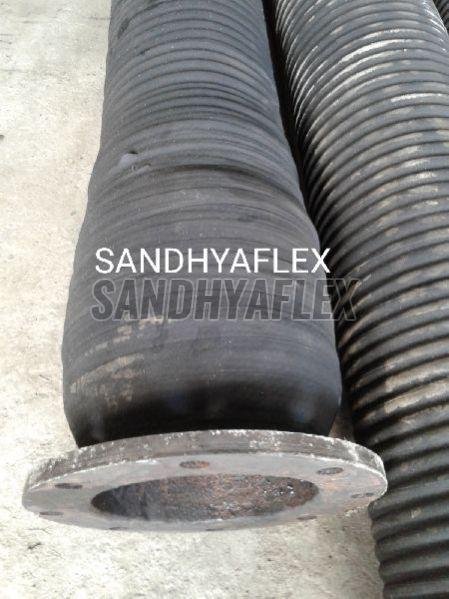
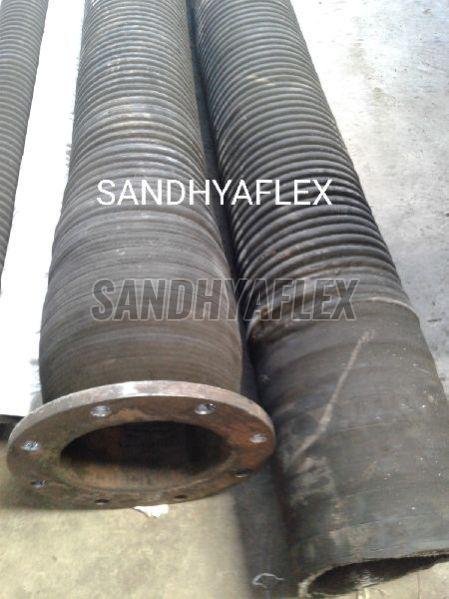
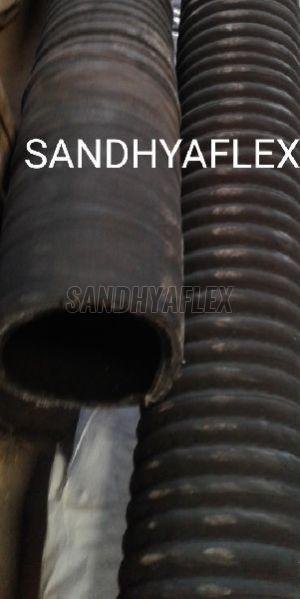
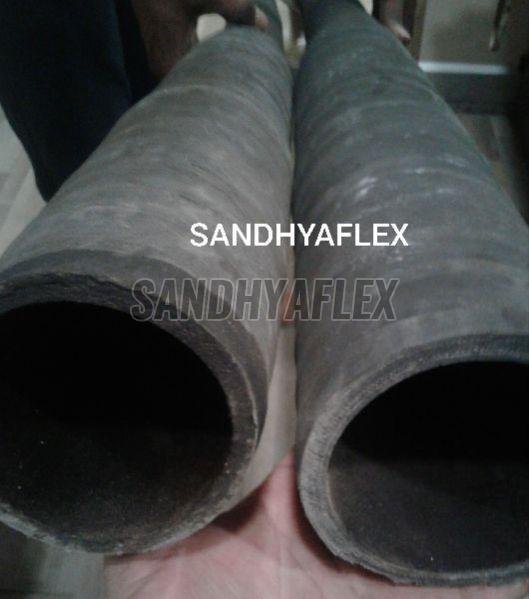
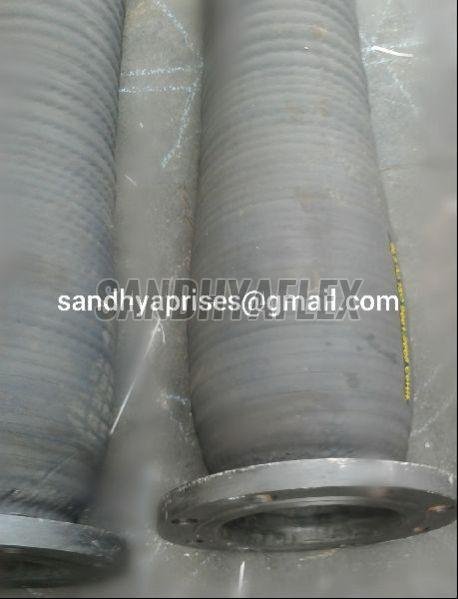
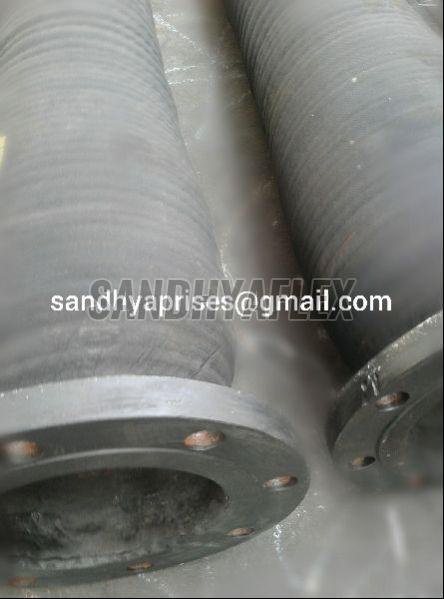
Construction :
Lining : Smooth lining of suitable rubber.
Compounds : highly resistant to petroleum products.
Reinforcement : Plies of woven textile coated with rubber on both sides with a suitable rubber compound and helical GI wire embedded between the fabric plies.
Cover : Smooth or corrugated high grade rubber compound for excellent resistant to weather, abrasion and petroleum products.
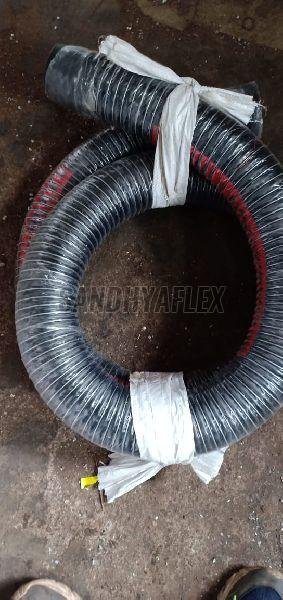
| Business Type | Manufacturer, Exporter, Supplier, Retailer |
| Shape | Round |
| Brand Name | SANDHYAFLEX |
| Material | Oil Rubber Hose |
| Temperature | -10t0 100Dec C |
| Oil Rubber Hose | 900 to 1800/Mtr |
| Product Code | ORCH |
| Port | kakinada |
| Payment Terms | T/T |
| Delivery Time | 7 to 15days |
| Packaging Details | Packing with HDPE Cover |
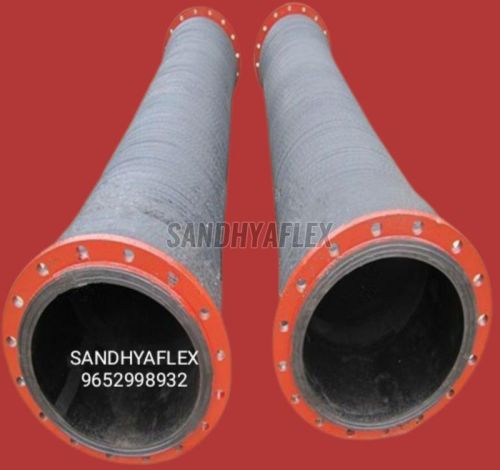
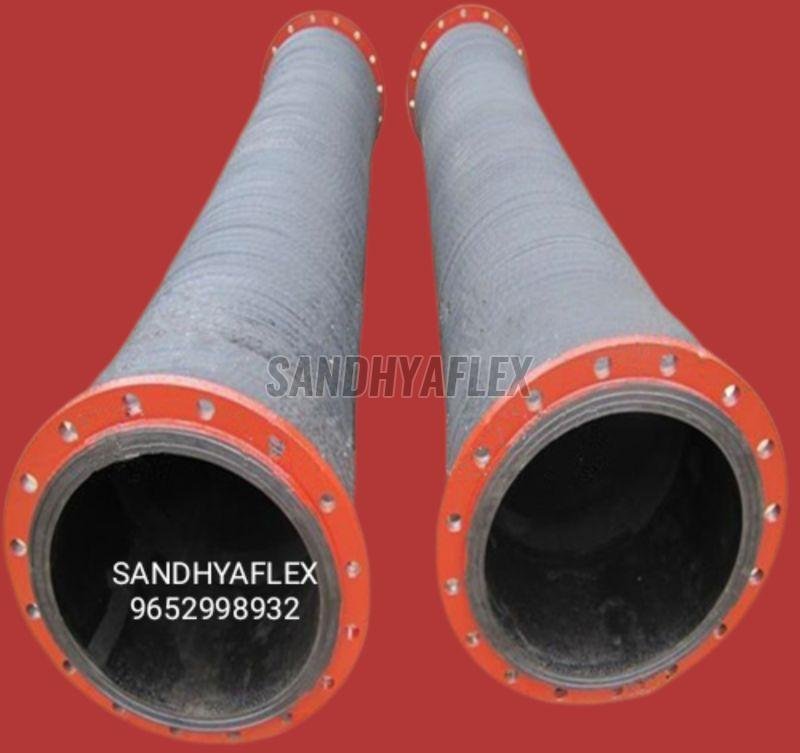
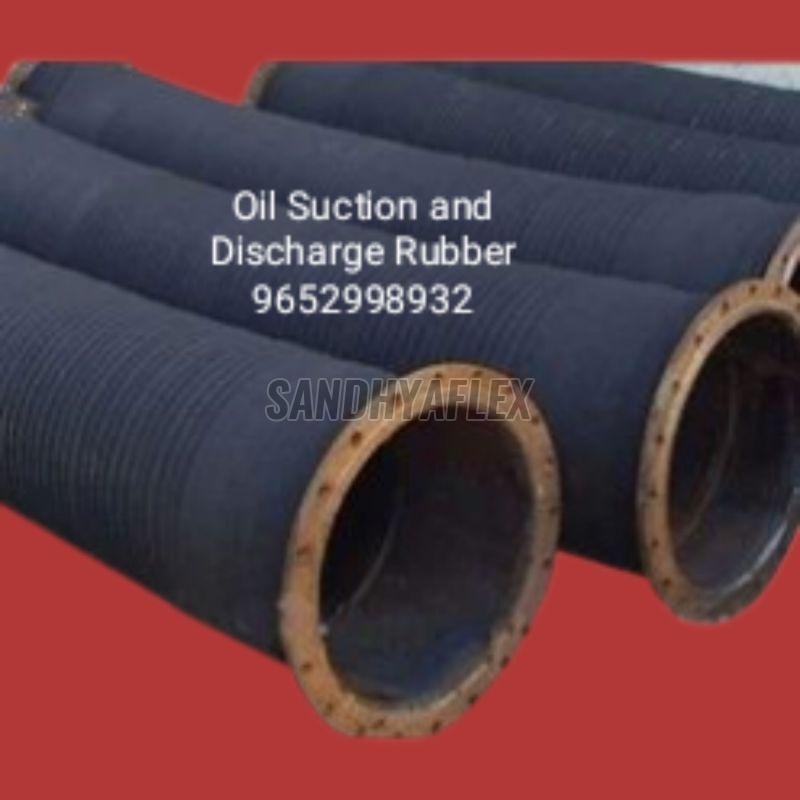
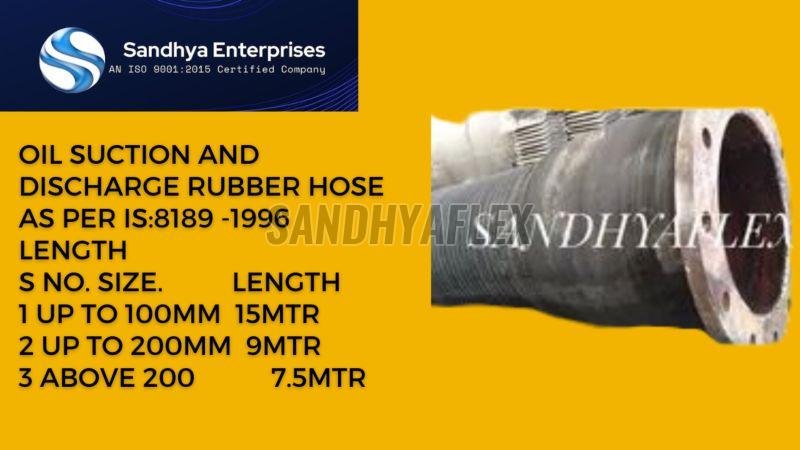
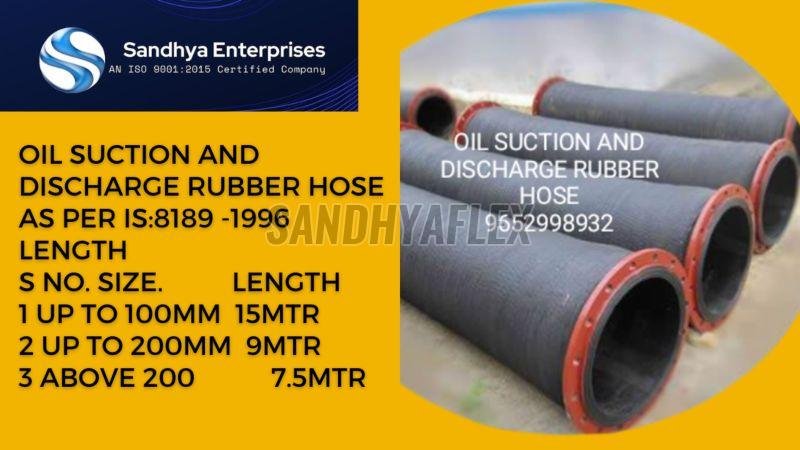
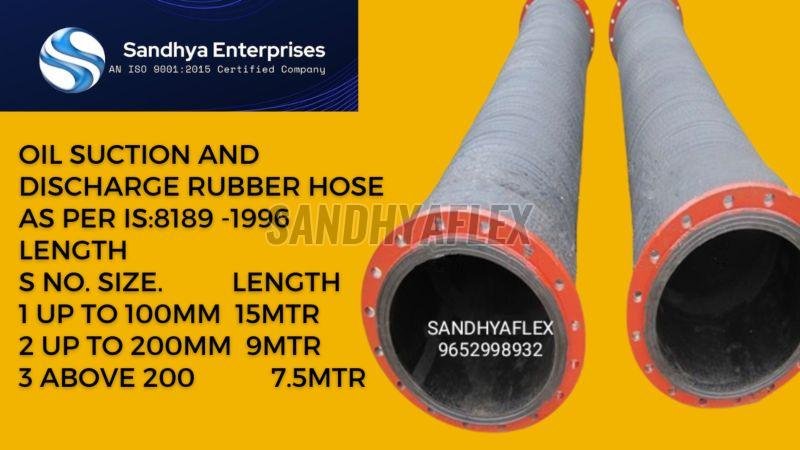
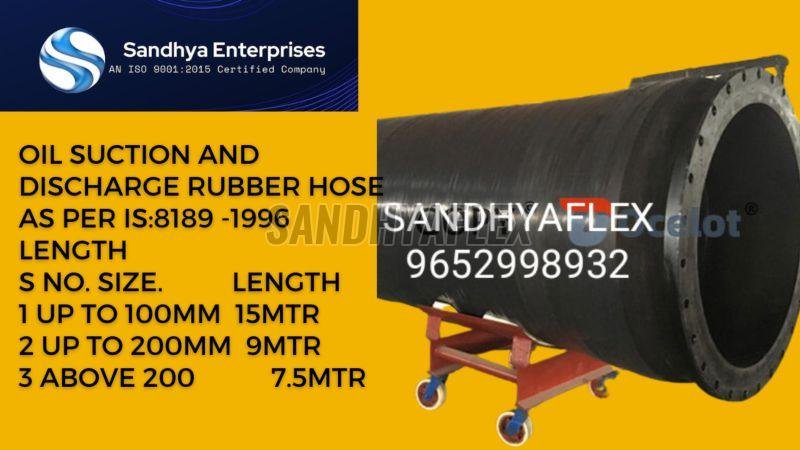
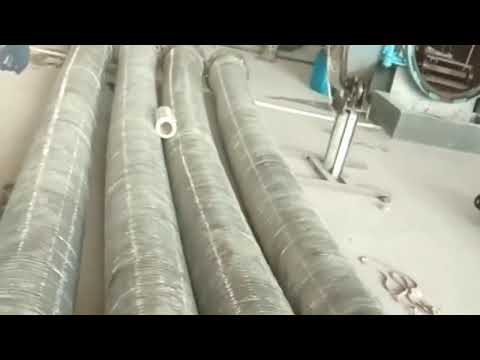
Enterprises AN ISO: 9001;2015 Certified Company is manufacture and Supplier of Road and Rail Ranker Oil Suction and Discharge Rubber Hose as per IS:10733 Specification:
Construction:
The tube of fuel dispensing hoses contains uniform seamless lining of top quality rubber that is completely resistant to petroleum products.
Reinforcement : Plies of woven textile which contains rubber on both the sides. It is supported by the helical GS wire included in fabric plies.

| Business Type | Manufacturer, Exporter, Supplier |
| Brand Name | SNDHYAFLEX |
| Material | Rubber |
| Payment Terms | T/T |
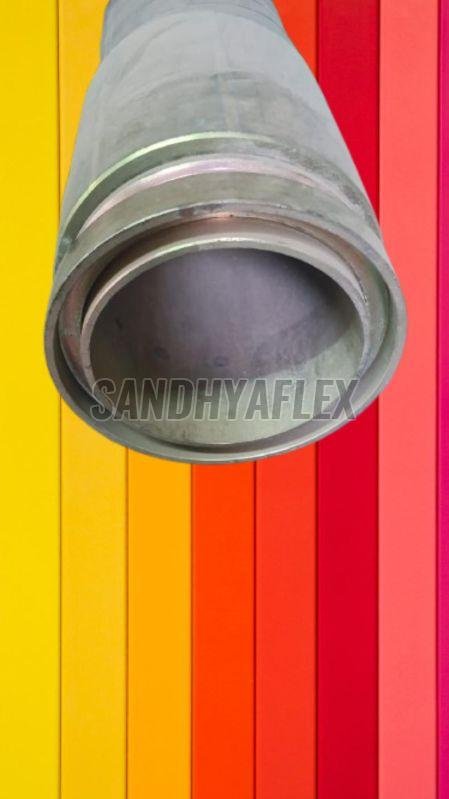
An oil suction and discharge rubber hose is a specialized type of rubber hose designed for the safe and efficient transfer of various petroleum-based products, including oils, fuels, and petroleum derivatives. These hoses are commonly used in industrial applications, such as oil refineries, chemical plants, and transportation, to move liquids from one location to another. Here are some key features and considerations related to oil suction and discharge rubber hoses:
**Key Features:**
1. **Material:** Oil suction and discharge hoses are typically made from high-quality synthetic rubber compounds that are resistant to petroleum-based products. These materials offer flexibility, durability, and resistance to abrasion, chemicals, and weathering.
2. **Reinforcement:** To withstand the suction and pressure forces involved in transferring oils and fuels, these hoses are reinforced with multiple layers of high-strength materials, such as textile fabric, steel wire, or synthetic fibers. The reinforcement provides structural integrity and prevents hose collapse or bursting.
3. **Design:** These hoses are designed to handle both suction (drawing in liquids) and discharge (pumping out liquids) operations. They may have a corrugated or smooth inner lining, depending on the application.
4. **Diameter and Length:** Oil suction and discharge hoses come in various diameters and lengths to accommodate different flow rates and reach required locations. The selection depends on the specific application and the volume of liquid to be transferred.
5. **Pressure Rating:** These hoses are rated for specific working pressures, which determine their safe operating limits. The pressure rating depends on the hose's size and construction.
6. **Temperature Range:** Oil suction and discharge hoses should be selected based on the temperature range of the liquids being transferred and the environmental conditions of the application.
7. **Fittings and Connectors:** They typically have fittings or couplings at each end to connect to pumps, tanks, or other equipment. Properly chosen and installed fittings are essential for a secure and leak-free connection.
**Applications:**
Oil suction and discharge rubber hoses are used in a wide range of industrial applications, including:
1. **Oil and Fuel Transfer:** They are commonly used to transfer crude oil, gasoline, diesel fuel, and other petroleum-based products between storage tanks, tankers, and processing facilities.
2. **Chemical and Petrochemical Industries:** These hoses are used in chemical plants and refineries to handle various chemicals and petrochemicals.
3. **Maritime and Offshore Operations:** They are employed in marine vessels for transferring fuel and oil between ship and shore, as well as for offshore drilling operations.
4. **Tank Trucks and Railcars:** Oil suction and discharge hoses are used to load and unload tank trucks and railcars carrying liquid petroleum products.
5. **Construction and Mining:** They find applications in construction equipment and mining operations for handling diesel fuel and hydraulic oils.
Proper handling, maintenance, and inspection of oil suction and discharge rubber hoses are essential to ensure their integrity and safe operation. Hoses should be inspected regularly for signs of wear, damage, or deterioration and replaced as needed to prevent leaks and maintain safety. Compliance with industry standards and regulations is also crucial when selecting and using these hoses in industrial applications.
| Business Type | Manufacturer, Exporter, Supplier, Retailer, Importer |
| Brand Name | SANDHYA FLEX |
| Material | Rubber |
| Finishing | Polished |
| Shape | Round |
| Pressure | Medium |
| Usage | Industrial Use |
| Certification | ISO 9001:2008 |
| Size (Inches) | 4 Inch, 3-12INCHES |
| LENGH | 15METRE |
| Product Code | sandhyaflex |
| Port | VISHAKAPATNAM |
| Payment Terms | D/A, D/P |
| Delivery Time | 2-3 |
| Packaging Details | Could you clarify what kind of packaging details you're looking for? For example: - **Product type:** Electronics, food, clothing, etc.? - **Purpose:** For shipping, retail display, or storage? - **Information needed:** Box dimensions, materials used, labeling requirements, etc.? Here’s a general template you can use for **Packaging Details**: --- **Packaging Details** - **Product Name:** - **Packaging Type:** (e.g., Box, Blister Pack, Pouch, Bottle) - **Dimensions:** (L x W x H in cm or inches) - **Weight:** (Net and Gross Weight) - **Material Used:** (e.g., Corrugated cardboard, Plastic, Glass) - **Units per Carton:** - **Carton Dimensions:** - **Carton Weight:** - **Labeling:** (e.g., Product label, barcode, handling instructions) - **Special Instructions:** (e.g., Keep away from sunlight, Fragile) - **Compliance:** (e.g., FDA approved, RoHS compliant, recyclable packaging) --- Let me know if you want a more specific example or help filling this out. |
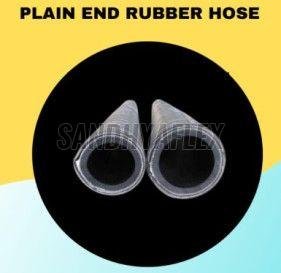
A plain end rubber hose pipe is a flexible tube made of rubber that has smooth, unreinforced ends without any fittings, couplings, or threading. These hoses are commonly used for:
- Water and fluid transfer (e.g., in irrigation, gardening, or industrial applications)
- Air and gas conveyance (e.g., pneumatic tools or compressors)
- Chemical transport (depending on the hose material and chemical compatibility)
- Automotive and fuel applications (e.g., fuel lines, coolant hoses)
Key Features:
✔ Flexible and durable – Can handle bending and movement.
✔ Available in various diameters and lengths – Suitable for different uses.
✔ Customizable connections – Can be fitted with clamps, couplings, or connectors as needed.
✔ Different material options – Natural rubber, EPDM, NBR (Nitrile), silicone, etc., depending on application requirementSure! A plain end rubber hose is a hose without any fittings or couplings attached at the ends. These types of hoses are versatile and commonly used in industrial, agricultural, and automotive applications. Here are the main advantages:
✅ Advantages of Plain End Rubber Hose
Customizable Connections
You can add any type of fitting (metal, plastic, quick-connect, etc.) as needed for your specific application.
Cost-Effective
Generally more affordable than pre-fitted hoses since you're not paying for built-in connectors.
Flexible for Multiple Uses
One plain hose can be adapted for water, air, fuel, or chemical applications by attaching suitable ends.
Easier to Cut to Length
Can be trimmed to custom sizes on-site, making it ideal for field work or emergency repairs.
Simple Storage and Transport
No bulky fittings make coiling, storing, or shipping easier and more compact.
No Compatibility Issues
Avoids issues with pre-attached fittings that may not match your existing equipment.
Good Sealing with Clamps
Provides a smooth surface for hose clamps or barbed fittings, ensuring tight sealing when installed properly.
Durable & Versatile
Rubber hoses are naturally abrasion-resistant, weatherproof, and flexible — suitable for harsh working conditions.
Let me know if you're looking for a recommendation for a specific use, like fuel delivery, irrigation, or compressed air!.
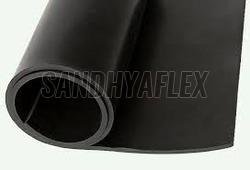
| Business Type | Manufacturer, Supplier, Retailer |
| Size | 1Mtr width and 15Mtr Long (max) |
| Product Code | RS-03 |
We have a well-maintained and spacious storage space and thus, we are flexible enough of meeting the urgent needs. Furthermore, we by no means go out of stock and thus we maintain year round accessibility of all the products. We have successfully emerged as a distinguished supplier of Plain Rubber Sheets that is highly demanded amidst the customers.
Application :
- Lining bearing pads
- Electrical insulation
- Seals
Features :
- High quality
- Light weight
- Has lowest coefficient of friction


| Business Type | Manufacturer, Exporter, Supplier |
| Brand Name | SNDHYAFLEX |
| Certification | ISO 9001:2008 Certified |
| Port | mumbai |
| Payment Terms | T/T |
| Delivery Time | 7 to 15 days |
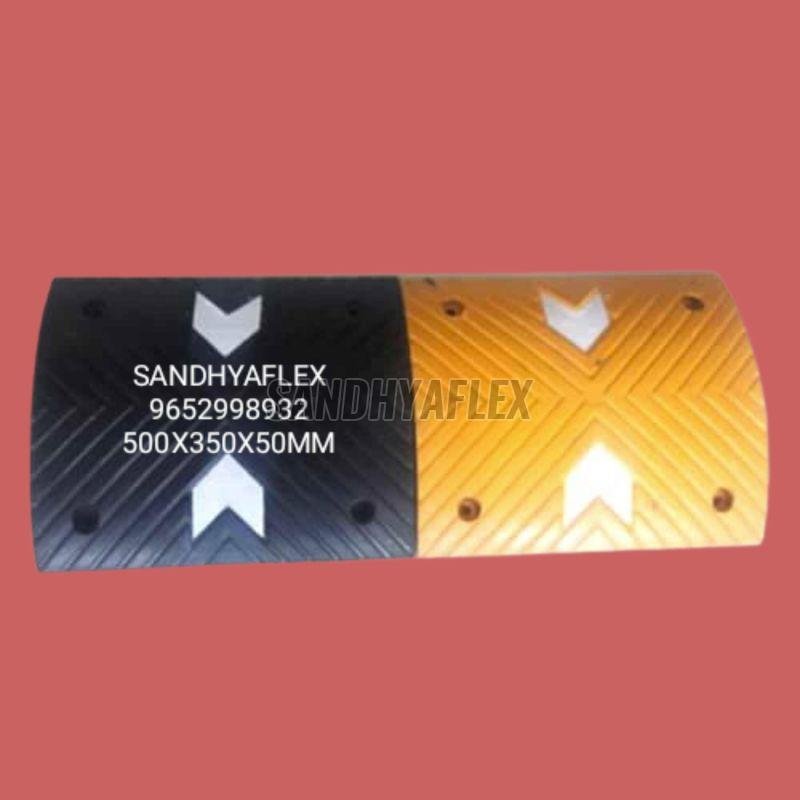
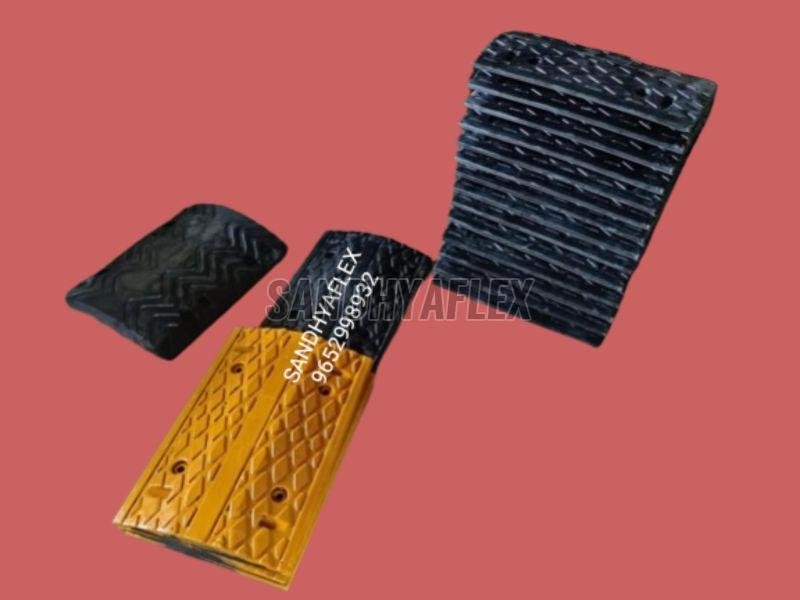
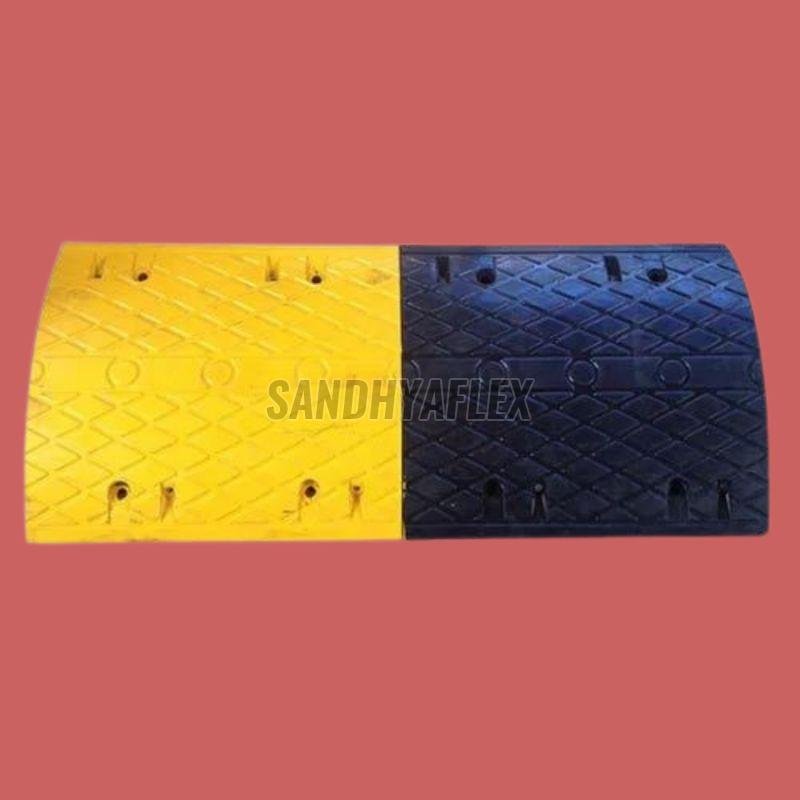
| Packaging Details | Plastic speed breakers, also known as plastic speed bumps or humps, are traffic calming devices designed to slow down vehicles in specific areas such as residential zones, school zones, or parking lots. They are made from durable plastic materials and are often used as an alternative to traditional speed bumps made from materials like asphalt or rubber. Here are some key features and considerations related to plastic speed breakers: **Key Features:** 1. **Material:** Plastic speed breakers are typically made from high-density polyethylene (HDPE) or other durable plastic materials. This makes them resistant to weather conditions and UV radiation. 2. **Modular Design:** Many plastic speed breakers have a modular design, allowing them to be linked together to form a continuous barrier across a road or parking area. 3. **Reflective Elements:** To enhance visibility during low-light conditions, plastic speed breakers often incorporate reflective strips or markings. These reflective elements improve the visibility of the speed breaker, especially at night. 4. **Lightweight:** Plastic speed breakers are lightweight compared to traditional speed bumps made from concrete or asphalt. This can make them easier to install and handle. 5. **Easy Installation:** The modular design and lightweight nature of plastic speed breakers contribute to ease of installation. They are often installed using bolts or screws. 6. **Durable and Long-lasting:** Plastic speed breakers are designed to withstand the weight and impact of vehicles over time. The durable plastic material ensures a long lifespan, even in harsh weather conditions. 7. **Traffic Calming:** The primary purpose of plastic speed breakers is to calm traffic by slowing down vehicles. This contributes to improved safety in areas where reduced speeds are essential. 8. **Variety of Sizes:** Plastic speed breakers are available in various sizes to accommodate different speed reduction requirements and road conditions. **Common Applications:** 1. **Residential Areas:** Plastic speed breakers are often used in residential neighborhoods to control vehicle speeds and enhance pedestrian safety. 2. **School Zones:** They are employed near schools and educational institutions to create safer environments for students and pedestrians. 3. **Parking Lots:** Plastic speed breakers are installed in parking lots to encourage drivers to reduce speeds and enhance overall safety. 4. **Industrial Areas:** In industrial zones or areas with warehouses, plastic speed breakers may be used to regulate vehicle speeds and improve safety. 5. **Commercial Zones:** They can be installed in commercial areas with pedestrian traffic to create a safer environment for shoppers and pedestrians. 6. **Temporary Events:** Plastic speed breakers are sometimes used for temporary traffic control during events, construction projects, or road maintenance. When installing plastic speed breakers, it's important to adhere to local regulations and guidelines. Proper signage and road markings should also be implemented to inform drivers about the presence of speed breakers and ensure safe navigation. |
Plastic speed breakers, also known as plastic speed bumps or humps, are traffic calming devices designed to slow down vehicles in specific areas such as residential zones, school zones, or parking lots. They are made from durable plastic materials and are often used as an alternative to traditional speed bumps made from materials like asphalt or rubber. Here are some key features and considerations related to plastic speed breakers:
**Key Features:**
1. **Material:** Plastic speed breakers are typically made from high-density polyethylene (HDPE) or other durable plastic materials. This makes them resistant to weather conditions and UV radiation.
2. **Modular Design:** Many plastic speed breakers have a modular design, allowing them to be linked together to form a continuous barrier across a road or parking area.
3. **Reflective Elements:** To enhance visibility during low-light conditions, plastic speed breakers often incorporate reflective strips or markings. These reflective elements improve the visibility of the speed breaker, especially at night.
4. **Lightweight:** Plastic speed breakers are lightweight compared to traditional speed bumps made from concrete or asphalt. This can make them easier to install and handle.
5. **Easy Installation:** The modular design and lightweight nature of plastic speed breakers contribute to ease of installation. They are often installed using bolts or screws.
6. **Durable and Long-lasting:** Plastic speed breakers are designed to withstand the weight and impact of vehicles over time. The durable plastic material ensures a long lifespan, even in harsh weather conditions.
7. **Traffic Calming:** The primary purpose of plastic speed breakers is to calm traffic by slowing down vehicles. This contributes to improved safety in areas where reduced speeds are essential.
8. **Variety of Sizes:** Plastic speed breakers are available in various sizes to accommodate different speed reduction requirements and road conditions.
**Common Applications:**
1. **Residential Areas:** Plastic speed breakers are often used in residential neighborhoods to control vehicle speeds and enhance pedestrian safety.
2. **School Zones:** They are employed near schools and educational institutions to create safer environments for students and pedestrians.
3. **Parking Lots:** Plastic speed breakers are installed in parking lots to encourage drivers to reduce speeds and enhance overall safety.
4. **Industrial Areas:** In industrial zones or areas with warehouses, plastic speed breakers may be used to regulate vehicle speeds and improve safety.
5. **Commercial Zones:** They can be installed in commercial areas with pedestrian traffic to create a safer environment for shoppers and pedestrians.
6. **Temporary Events:** Plastic speed breakers are sometimes used for temporary traffic control during events, construction projects, or road maintenance.
When installing plastic speed breakers, it's important to adhere to local regulations and guidelines. Proper signage and road markings should also be implemented to inform drivers about the presence of speed breakers and ensure safe navigation.
| Business Type | Manufacturer, Exporter, Supplier, Retailer |
| Brand Name | SANDHYA FLEX |
| Material | Rubber |
| Country of Origin | India |
| length | 1- 15 metre |
| Shape | Round |
| Certification | ISO 9001:2008 |
| Finishing | Polished |
| Pressure | Medium |
| Application | Industrial Use |
| Size | 10 Inch, 3-10 Inches,Hey! Could you clarify what you mean by "size"? Are you asking about clothing size, image size, file size, or something else? |
| Product Code | 1000 |
| Port | sandhyaflex |
| Payment Terms | D/A, D/P |
| Delivery Time | depends |
| Packaging Details | Could you clarify what kind of packaging details you're looking for? For example: - **Product type:** Electronics, food, clothing, etc.? - **Purpose:** For shipping, retail display, or storage? - **Information needed:** Box dimensions, materials used, labeling requirements, etc.? Here’s a general template you can use for **Packaging Details**: --- **Packaging Details** - **Product Name:** - **Packaging Type:** (e.g., Box, Blister Pack, Pouch, Bottle) - **Dimensions:** (L x W x H in cm or inches) - **Weight:** (Net and Gross Weight) - **Material Used:** (e.g., Corrugated cardboard, Plastic, Glass) - **Units per Carton:** - **Carton Dimensions:** - **Carton Weight:** - **Labeling:** (e.g., Product label, barcode, handling instructions) - **Special Instructions:** (e.g., Keep away from sunlight, Fragile) - **Compliance:** (e.g., FDA approved, RoHS compliant, recyclable packaging) --- Let me know if you want a more specific example or help filling this out. |
A soft-end rubber hose typically refers to a flexible rubber hose with a softer or reinforced end, often used in various applications such as:
- Automotive – For coolant, fuel, or vacuum lines with softer ends for easy sealing.
- Industrial – In pneumatic or hydraulic systems where flexibility is needed.
- Medical – As part of suction or fluid transfer systems.
- Home & Garden – In watering or plumbing applicationsGreat! A soft-end rubber hose (often used in fuel dispensing, industrial fluid transfer, firefighting, etc.) is designed with a flexible, soft-finish end instead of a rigid or metallic connector. This design brings several advantages: ✅ Advantages of Soft-End Rubber Hose
-
Improved Flexibility
-
Easier to maneuver, bend, and route — ideal for tight spaces or dynamic use.
-
-
Enhanced Safety
-
Soft ends reduce the risk of injury, scratches, or impact damage during handling or connection.
-
-
Reduced Wear on Equipment
-
Gentle on connection points (like nozzles, tanks, or pipes), helping prolong the lifespan of fittings.
-
-
Leak-Resistant Seal
-
Flexible ends often conform better to mating surfaces, ensuring a tighter, more secure seal.
-
-
Shock Absorption
-
Absorbs vibration and movement better than rigid ends — important in mobile or industrial environments.
-
-
Corrosion-Resistant
-
Unlike metal ends, rubber is not subject to rust or corrosion, especially in wet or chemical environments.
-
-
Lightweight & Easy to Handle
-
Soft-end hoses are typically lighter and more user-friendly for frequent or handheld operations.
-
-
Cost-Effective
-
Less likely to get damaged or cause damage, reducing maintenance and replacement costs.
-
-
Flexible and Easy to Handle
-
The soft end allows smoother movement and bending, making it easier to connect or disconnect.
-
-
Safer for Surfaces and Users
-
No sharp or hard metal edges, reducing the risk of scratching surfaces or injuring users.
-
-
Better Sealing
-
The soft rubber end conforms well to fittings, helping create a tight and reliable seal that reduces leaks.
-
-
Shock and Vibration Absorption
-
Ideal for dynamic environments — absorbs movement and reduces strain on joints and connectors.
-
-
Corrosion-Resistant
-
Rubber doesn’t rust or corrode like metal, making it more durable in wet or chemical-prone environments.
-
-
Lightweight
-
Easier to carry and maneuver, especially in handheld or portable applications.
-
-
Cost-Effective
-
Lower risk of damage to connected equipment, reducing maintenance or replacement costs.
-
-
Versatile Applications
-
Suitable for air, water, fuel, and mild chemical handling in automotive, industrial, and commercial settings.
-
-

| Business Type | Manufacturer, Exporter, Supplier |
| Finishing | Polished |
| Brand Name | Mexico |
| Number Of Flower | Rubber Seals |
| Country of Origin | India |
| Material | Rubber |
| Usage | Oil Industry |
| Size (Inches) | 4Inch, 33 |
| Port | MUMBAI |
| Payment Terms | L/C |
| Delivery Time | 7 to 15 days |
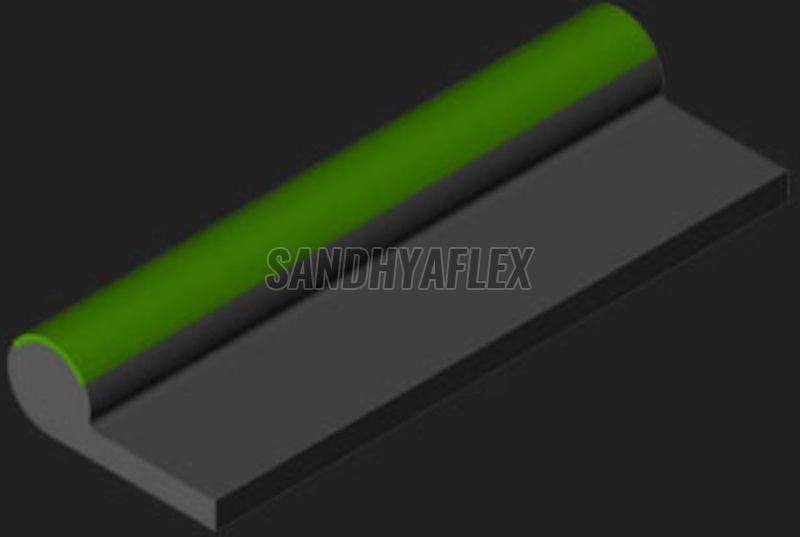
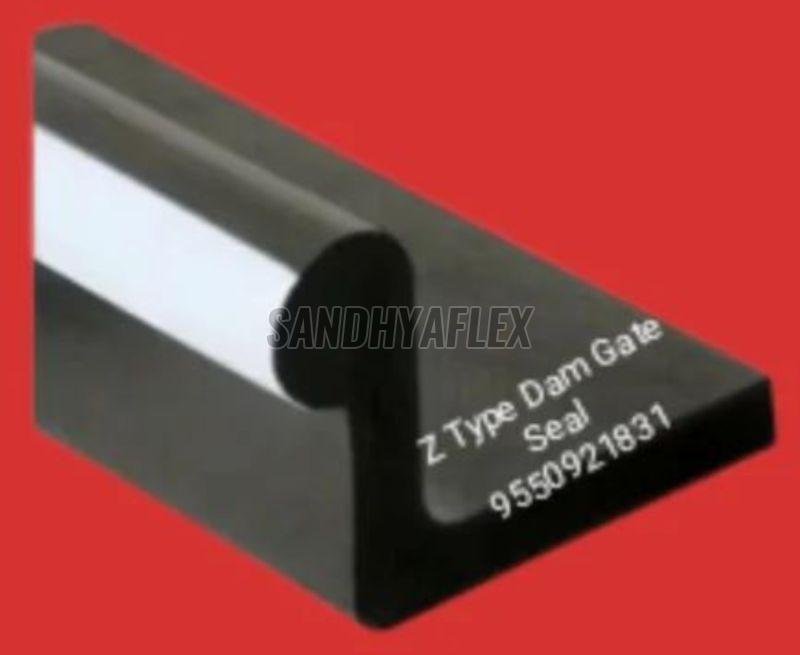
Dam gate seals are designed to either retain water, prevent water penetration, or limit contaminated run off in civil engineering a Dam Gate Seals Application: Quality of Rubber Concept dam gate seals are very well accepted by various Gate Designers, Fabricators as well as Contractors, and been installed by Government and Private agencies, In concrete dams, tunnels / spillways, head regulator of intake structure, by-pass channels and draft tube of power house, the flow of water is controlled with the help of hydraulic gates. To prevent flow of water past a closed gate, seals are provided either on the gate or on the metal frame in the gate slot,
\\n- \\n
- Here at The Rubber Company we manufacture a wide variety of rubber gate seals to suit any application and environment. We produce our gate and dam seals from high quality rubber compounds in order to preserve the service life of the seal. The entire gate seal range features a high tensile strength as standard. Our gate seals also feature excellent abrasion and tear resistant properties. These properties are crucial as it enables the seal to withstand frequent use, while also maintaining sealing properties, If required we can coat many of our rubber gate seals with a high quality PTFE coating. A key advantage of PTFE coating is that it significantly reduces surface friction without the need for lubricant. On average the coefficient of friction can be reduced by over 70%, regardless of the base rubber compound, \\n
- Flat bottom seals on high head gates should project no more than the deflection required to seal e.g. 3-5mm. If required we can coat many of our rubber gate seals with a high quality PTFE coating. \\n
| Business Type | Manufacturer, Exporter, Supplier |
| Steam Thickness | 20mm |
| Application | Industrial |
| Size (Inches) | 50mm |
| Country of Origin | India |
| Number Of Flower | Dam Gate Seals |
| Diameter | 50mm |
| Temperature Range | -10 to 70deg c |
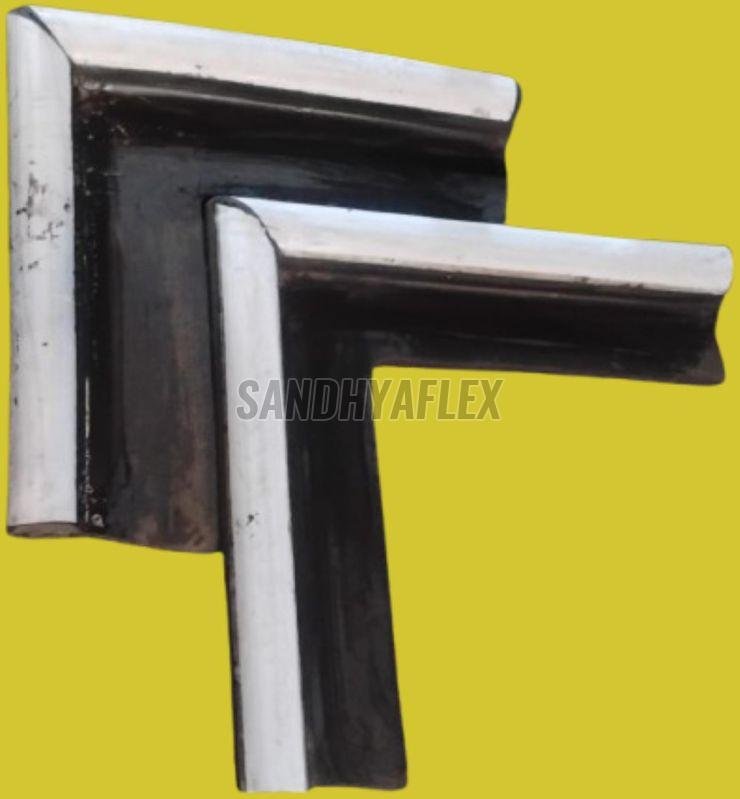
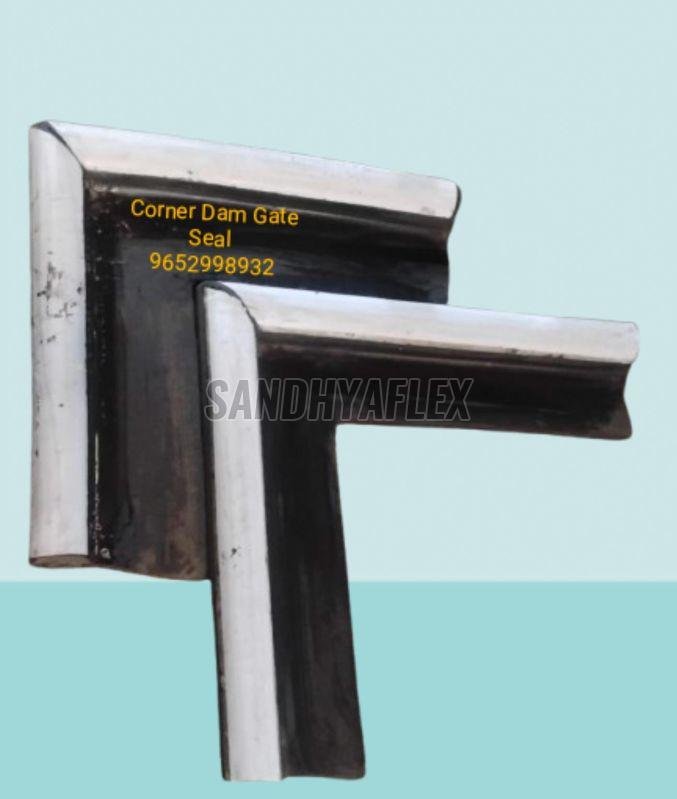
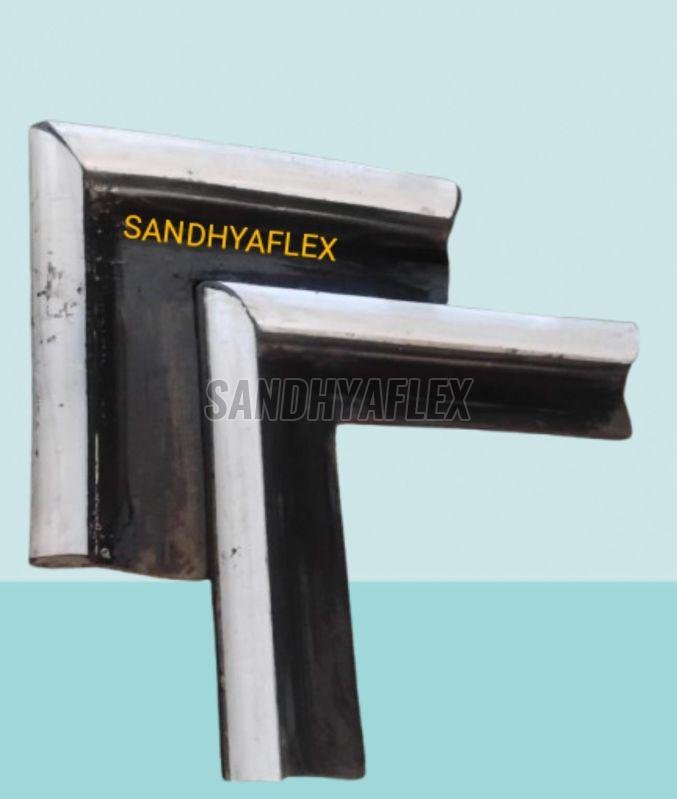
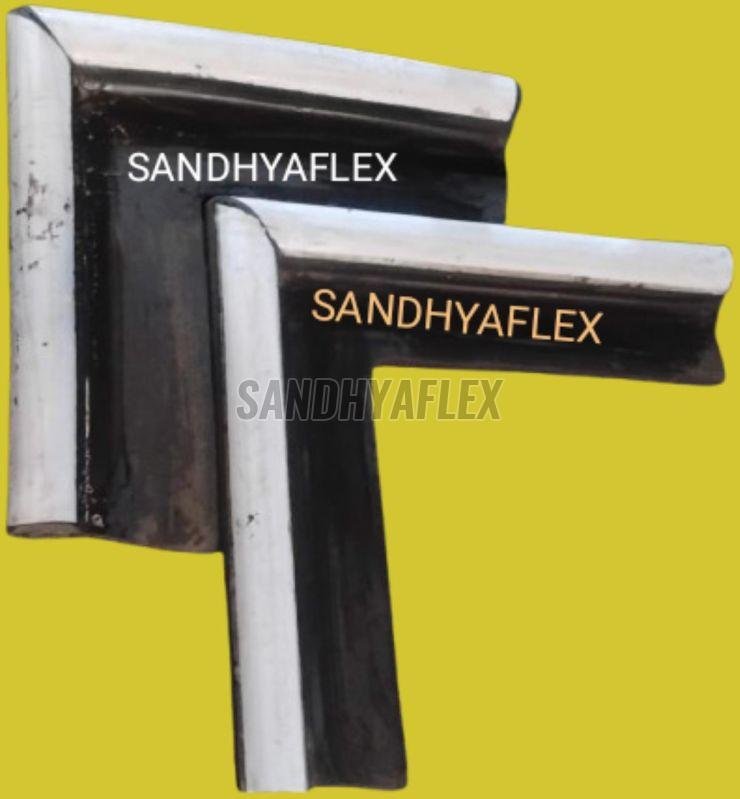
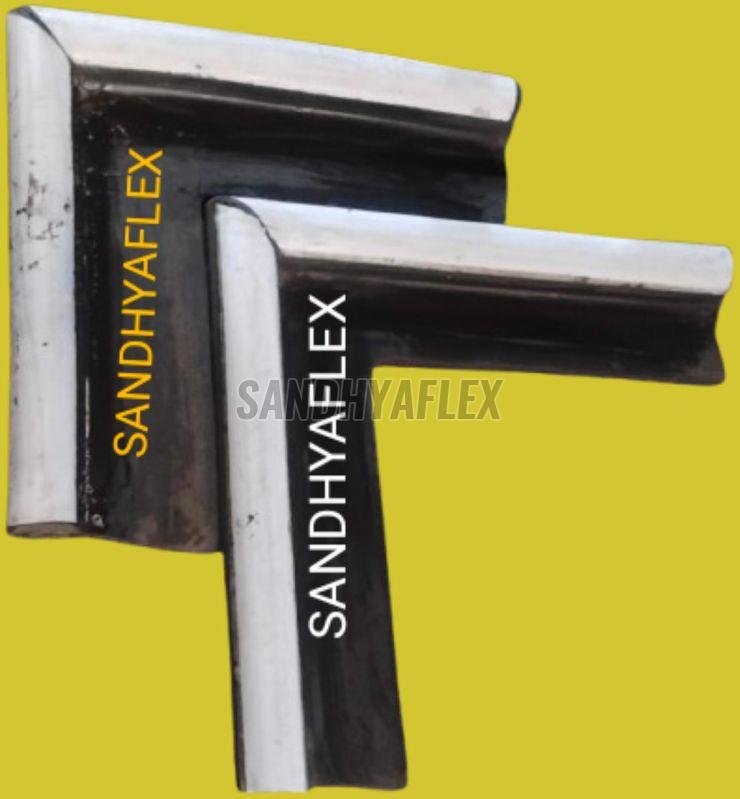
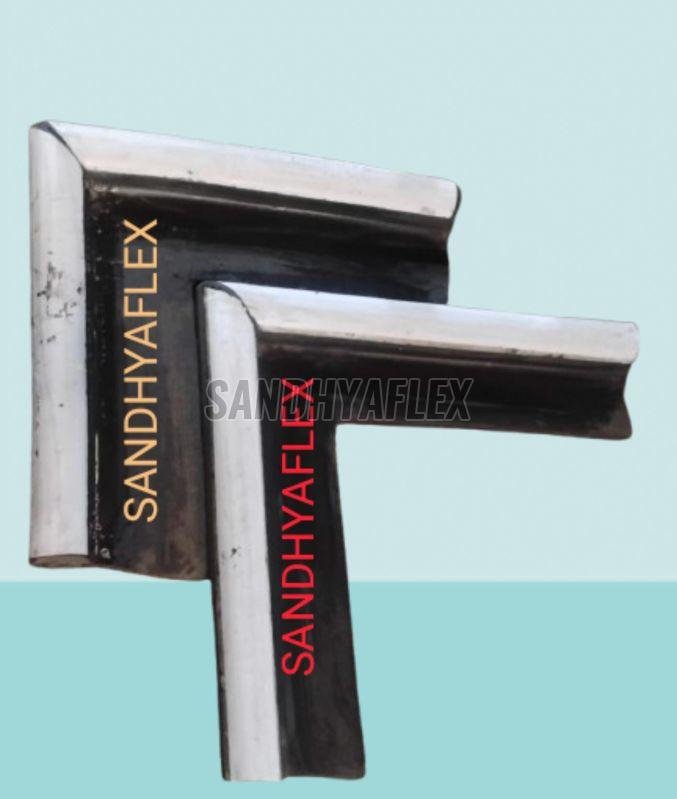
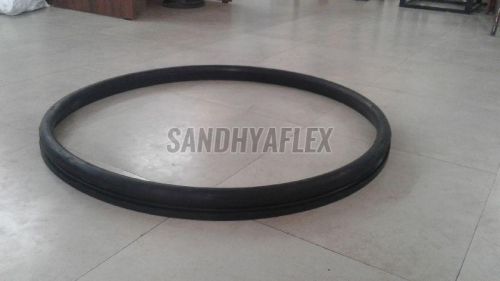
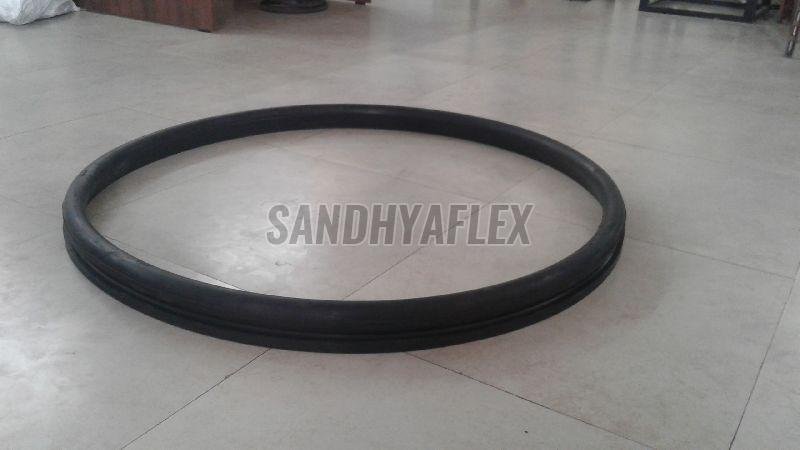
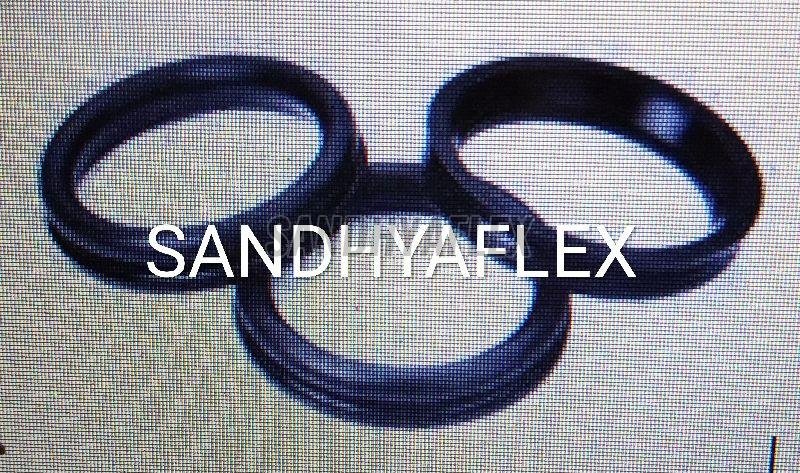
The Sandhyaflex Corner Dam Gasket Seal is a specialized sealing product, likely designed for use in dam construction or water-retaining structures such as basements, swimming pools, or water treatment plants. It is specifically engineered to form a reliable seal at corners, where two walls or surfaces meet, preventing water leakage or seepage at these critical junctions.
\\nSome key features of a Corner Dam Gasket Seal might include:
\\n- \\n
- \\n
Waterproofing: Its primary function is to create a tight, watertight seal at the corners of joints in concrete structures or barriers exposed to water or moisture.
\\n \\n - \\n
Durable Material: Likely made from high-quality materials like rubber or PVC (Polyvinyl Chloride), the gasket is designed to withstand the pressures exerted by water and resist degradation over time, especially in harsh environmental conditions.
\\n \\n - \\n
Flexibility: The design of the corner gasket may allow for flexibility, ensuring a secure and effective seal even if the concrete structure undergoes slight movements or shifting.
\\n \\n - \\n
Resistant to Chemical Exposure: Often, these seals are resistant to chemicals, making them suitable for use in diverse applications, including water treatment plants or industrial reservoirs.
\\n \\n
These gasket seals are essential for ensuring the integrity of water-retaining structures, particularly in areas with a high risk of water pressure or movement.
\\n\\n
If you\\\'re looking to know more about how these seals are installed or specific applications, feel free to ask!

| Business Type | Manufacturer, Exporter, Supplier, Retailer |
| Brand Name | NRI/NP |
| PUSH ON CI PIPE EPDM GASKET | 50000 |
| Product Code | CIPG |
| Port | kakinada |
| Payment Terms | T/T |
| Delivery Time | 7 to 15days |
| Packaging Details | Packing with HDPE Bag as per size and qty |
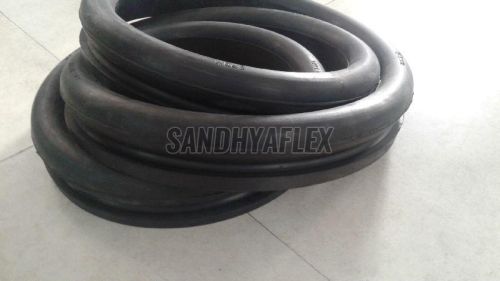
Sandhya Enterprises manufacturer and Suppliar of PUSH ON DI PIPE EPDM GASKET.
size:80mm
100mm
150mm
200mm
250mm
300mm
350mm
400mm
450mm
500mm
600mm
700mm
750mm
800mm
900mm
1000mm
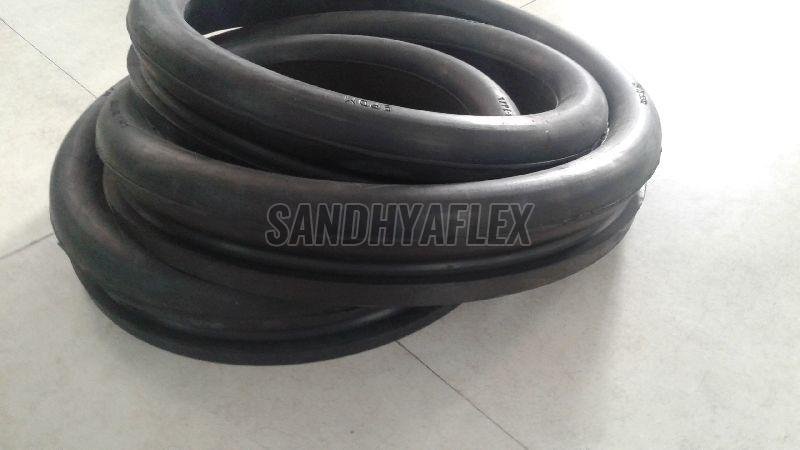

| Business Type | Manufacturer, Exporter, Supplier, Retailer |
| Brand Name | NRI/NP |
| Product Code | DIPG |
| Port | kakinada |
| Payment Terms | T/T |
| Delivery Time | 7 to 15days |
| Packaging Details | Packing in HDPE bag |
Sandhya Enterprises manufacturer and Suppliar of PUSH ON DI PIPE EPDM GASKET.
size:80mm
100mm
150mm
200mm
250mm
300mm
350mm
400mm
450mm
500mm
600mm
700mm
750mm
800mm
900mm
1000mm