| Business Type | Manufacturer, Exporter, Supplier, Retailer |
| Brand Name | SANDHYAFELX |
| Material | Rubber |
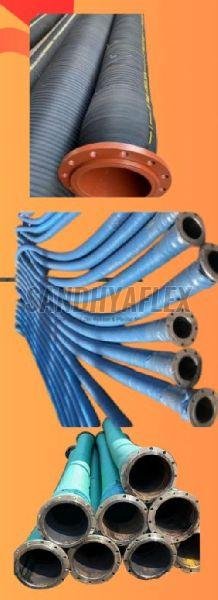
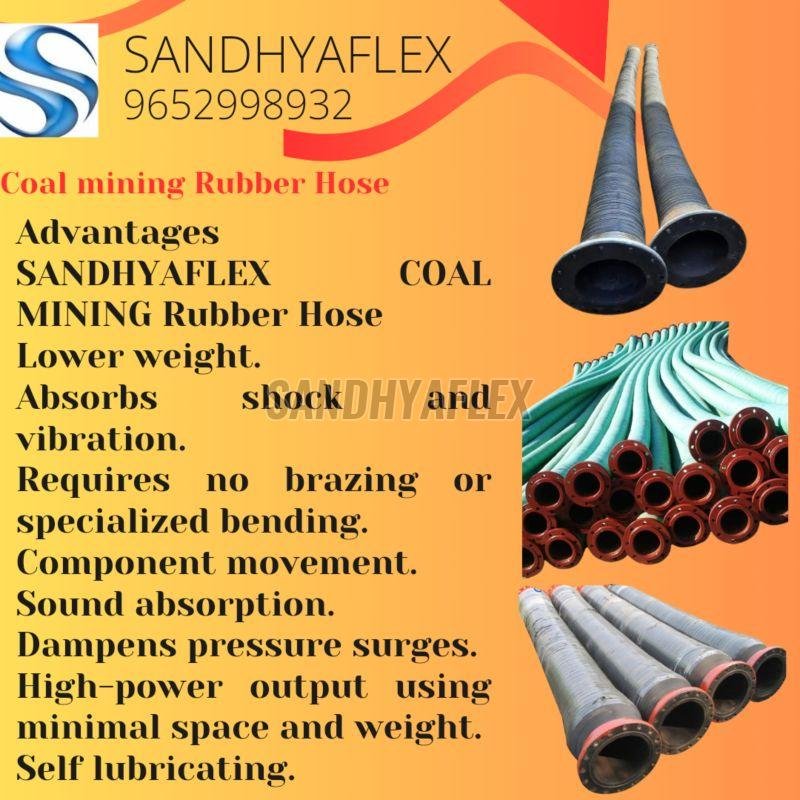
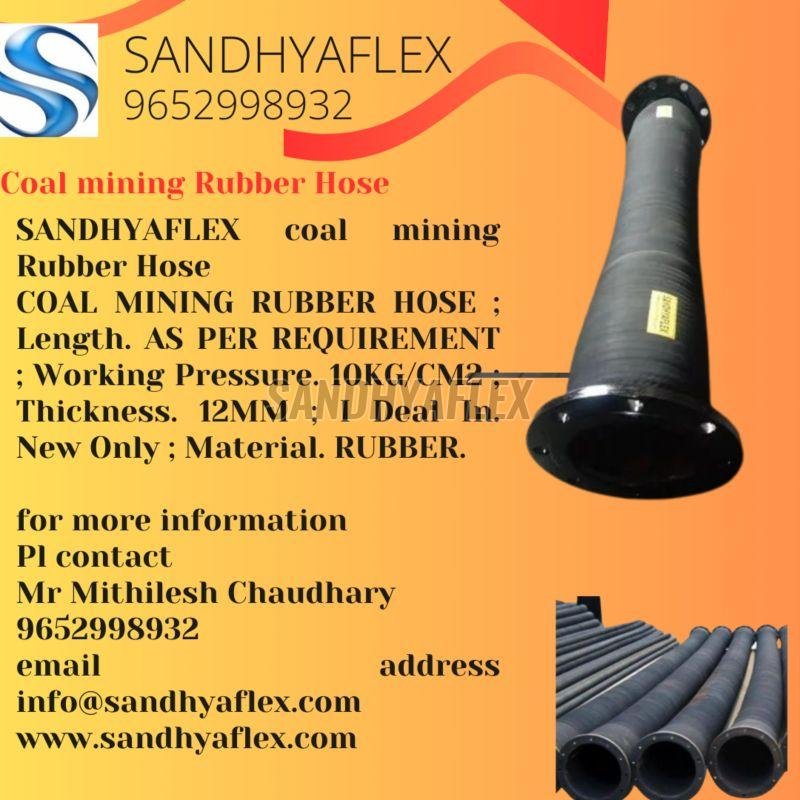
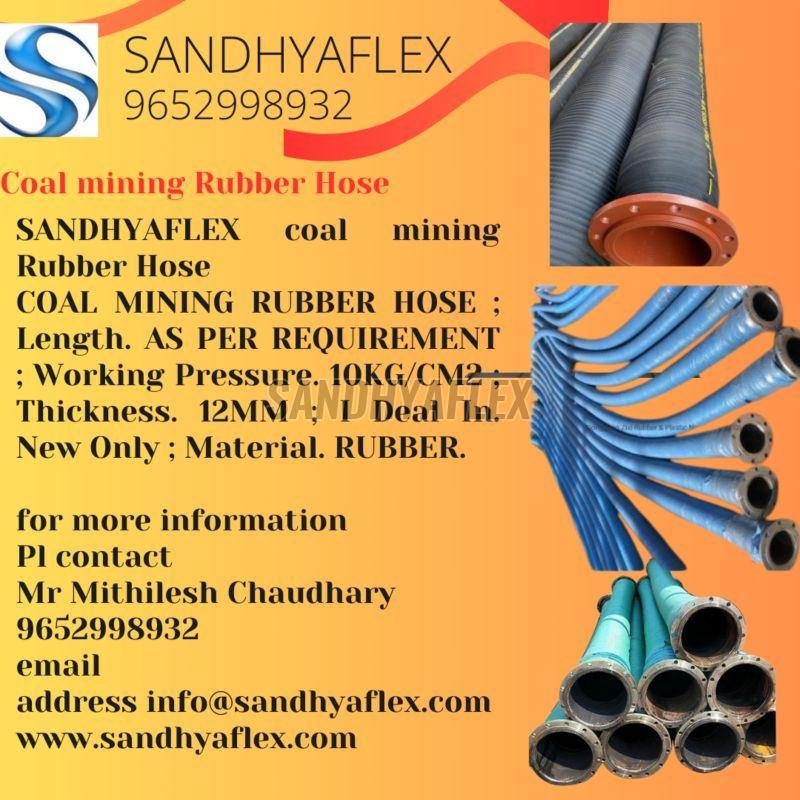
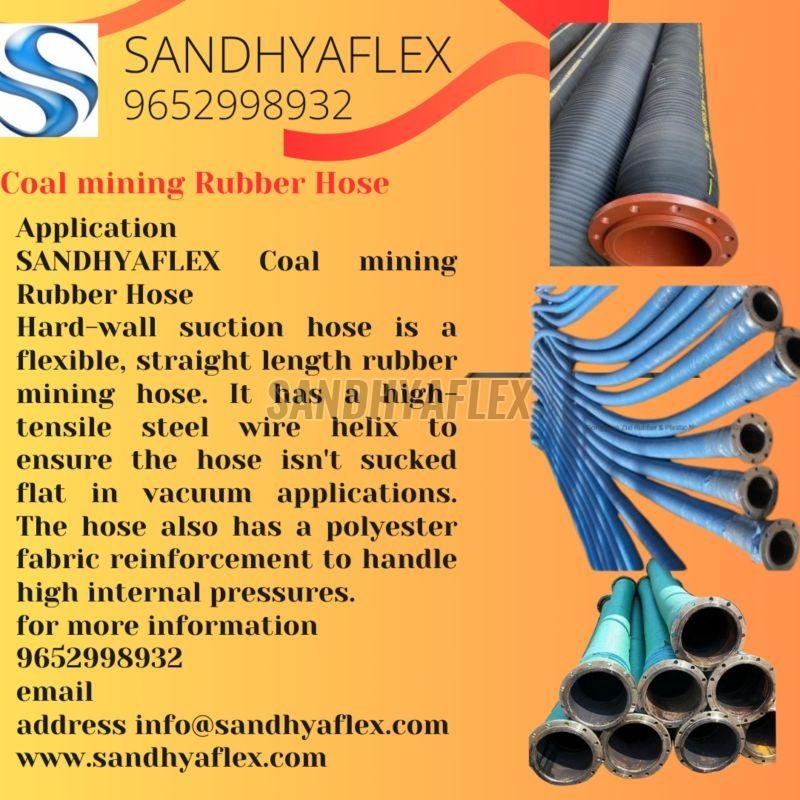
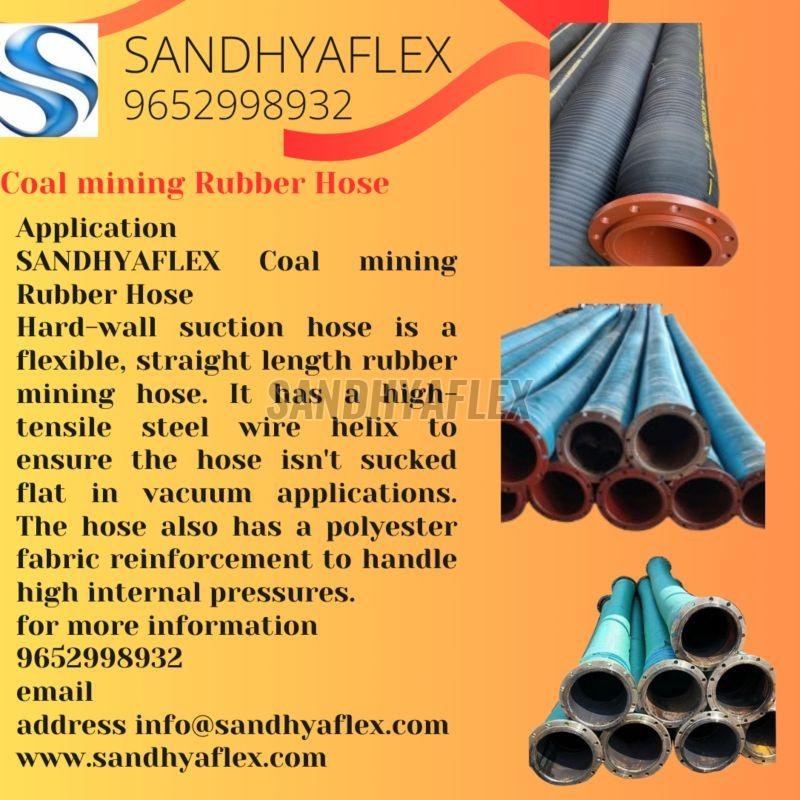
Coal mining rubber hoses are specialized hoses designed for use in the coal mining industry, particularly in applications where there is a need for the transportation of abrasive materials such as coal, ore, and other mining materials. These hoses are crucial for maintaining a reliable and efficient mining operation.
Key features of coal mining rubber hoses include:
1. **Abrasion Resistance:** Coal mining environments can be highly abrasive due to the presence of coal, rocks, and other minerals. Rubber hoses used in these applications are designed to withstand abrasion and resist wear and tear.
2. **Flexible and Durable:** The hoses need to be flexible to accommodate movement and bending in the mining process. At the same time, they must be durable enough to withstand the harsh conditions of underground mining.
3. **Chemical Resistance:** Coal mining rubber hoses should be resistant to chemicals commonly found in mining environments. This ensures that the hoses remain effective and safe for use even when exposed to various substances.
4. **Temperature Resistance:** These hoses often need to withstand a wide range of temperatures, especially in underground mining where conditions can vary. Resistance to both high and low temperatures is important.
5. **Static Conductivity:** In certain mining environments, there is a risk of static electricity buildup. To prevent hazards associated with static discharge, some coal mining hoses are designed to be electrically conductive.
6. **Pressure Ratings:** The hoses must have appropriate pressure ratings to handle the hydraulic or pneumatic systems used in mining equipment.
7. **Long Lengths:** In mining applications, hoses are often required to cover long distances. Therefore, coal mining rubber hoses are typically available in long lengths to facilitate efficient material transport.
8. **Fittings and Connections:** The hoses are designed to be compatible with standard fittings and connections used in the mining industry.
It's important to choose the right type of coal mining rubber hose based on the specific requirements of the mining operation. Manufacturers and suppliers specializing in industrial hoses for mining applications can provide guidance on selecting the most suitable hose for a particular use case. Additionally, compliance with safety and industry standards is crucial when selecting and using mining hoses to ensure the protection of workers and equipment.


| Business Type | Manufacturer, Exporter, Supplier, Retailer |
| Brand Name | SNDHYAFLEX |
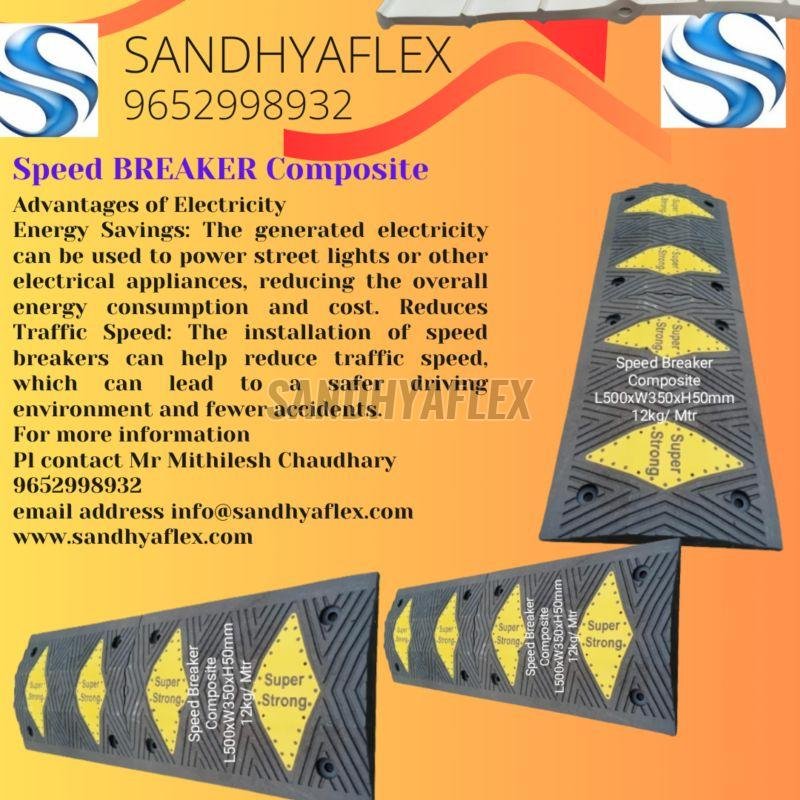
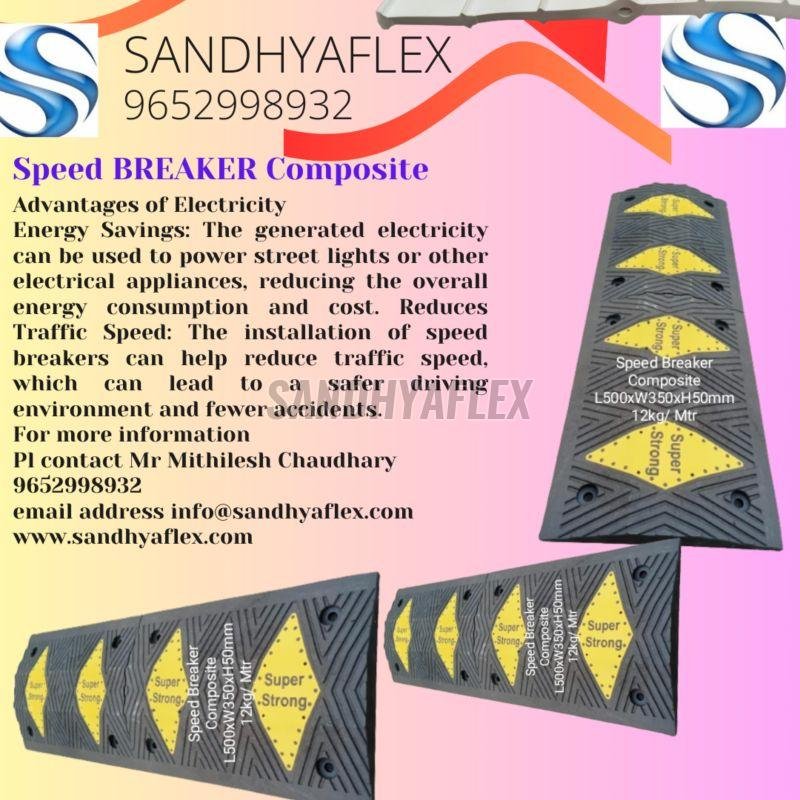
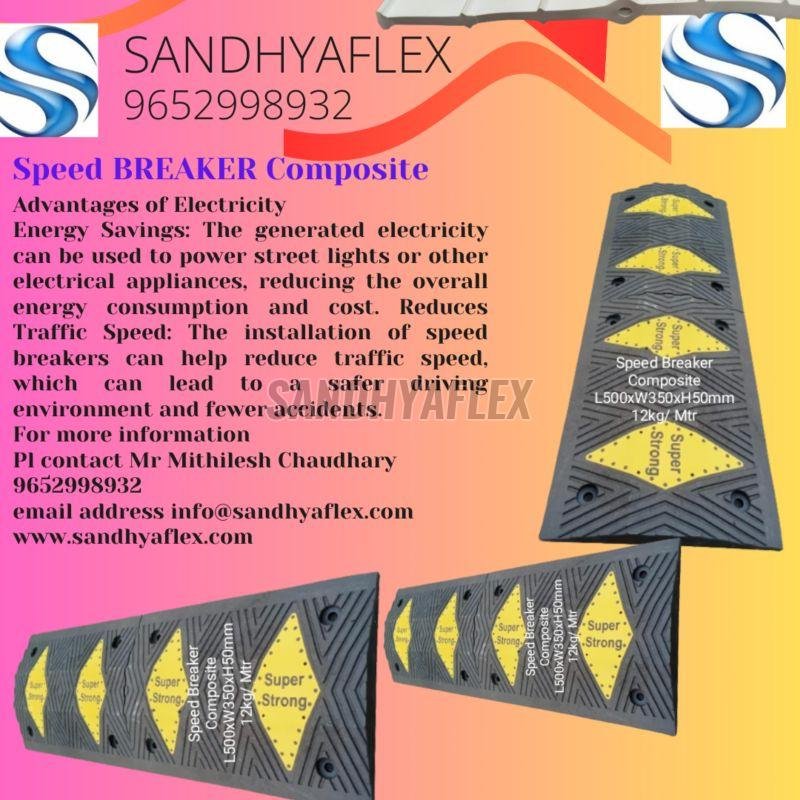
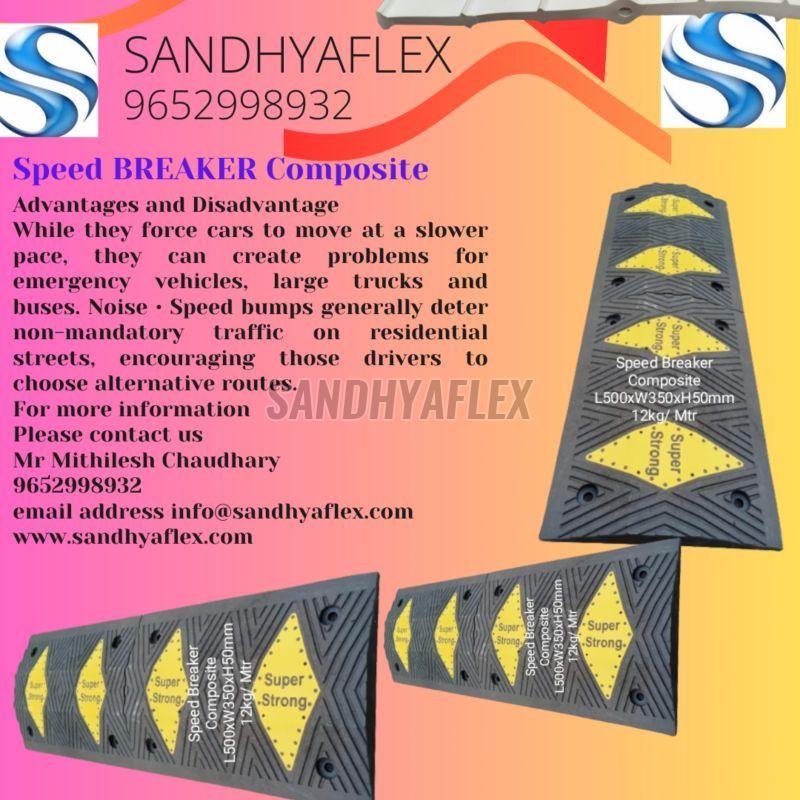
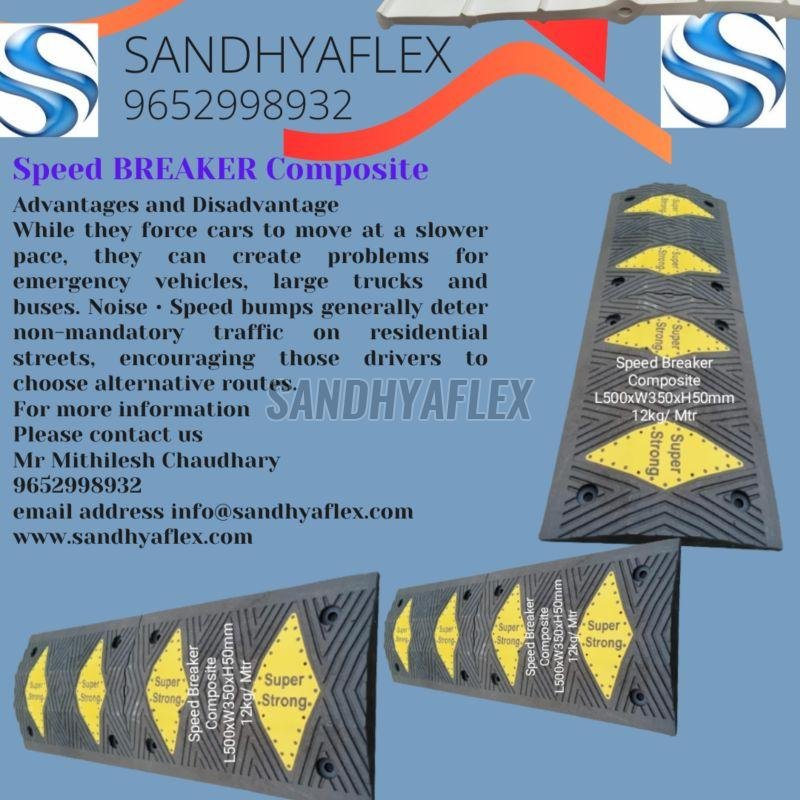
Composite speed breakers, also known as speed humps or speed bumps, are traffic calming devices used on roads to slow down vehicular traffic. They are typically constructed using a combination of materials such as concrete, rubber, plastic, or metal. Here are some common uses and applications of composite speed breakers:
1. **Traffic Calming**: Composite speed breakers are primarily used to control vehicle speeds in areas where excessive speeding poses a safety hazard. They are often installed in residential areas, school zones, parking lots, and other areas with high pedestrian activity.
2. **Reducing Accidents**: By forcing vehicles to slow down, composite speed breakers help reduce the risk of accidents, particularly in areas with limited visibility or high pedestrian traffic.
3. **Noise Reduction**: Unlike traditional speed breakers made solely of concrete or asphalt, composite speed breakers can help reduce noise pollution caused by vehicles passing over them. Rubber-based speed breakers, for example, absorb some of the sound generated by vehicles.
4. **Temporary Installations**: Composite speed breakers are often used for temporary traffic control measures, such as during road construction or special events. Their modular design allows for easy installation and removal as needed.
5. **Customization**: Composite speed breakers can be manufactured in various shapes, sizes, and colors to suit different traffic management needs and aesthetic preferences. This flexibility allows traffic engineers to tailor speed control measures to specific road conditions and requirements.
6. **Durability**: Depending on the materials used, composite speed breakers can offer increased durability and resistance to wear and tear compared to traditional speed breakers. Rubber and plastic-based speed breakers, for instance, are less prone to cracking and crumbling over time.
7. **Cost-effectiveness**: While initial installation costs may be higher than traditional speed breakers, composite speed breakers can provide long-term cost savings due to their durability and reduced maintenance requirements.
8. **Environmental Benefits**: Some composite speed breakers are made from recycled materials, contributing to environmental sustainability by reducing the demand for new raw materials and diverting waste from landfills.
9. **Enhanced Visibility**: Composite speed breakers can be equipped with reflective markings or embedded lights to improve visibility, especially during nighttime or adverse weather conditions, further enhancing their effectiveness in slowing down traffic.
10. **Traffic Management in Industrial Areas**: Composite speed breakers are also used in industrial areas and warehouses to regulate the speed of vehicles, ensuring safety for both workers and equipment.
Overall, composite speed breakers play a crucial role in traffic management and safety by effectively controlling vehicle speeds and improving road safety in various environments.
| Business Type | Manufacturer, Exporter, Supplier |
| Material | Rubber |
| Shape | Sheet |
| Thickness | 1mm To 25mm |
| Application | Gaskets |
| Hardness | 40-80 Shore |
| Tearing | 10Mpa |
| Packaging Type | Roll |
| Size | 1-2 m and 1-20 m |
| Brand Name | Sandhyaflex |
| Port | 40082190 |
| Delivery Time | 7 to 15 days |
| Packaging Details | Packing with HDPE Cover |
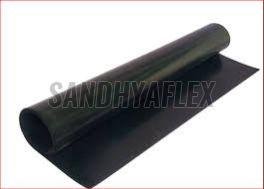
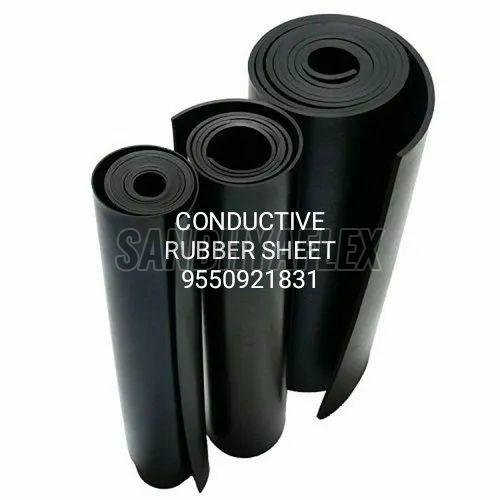
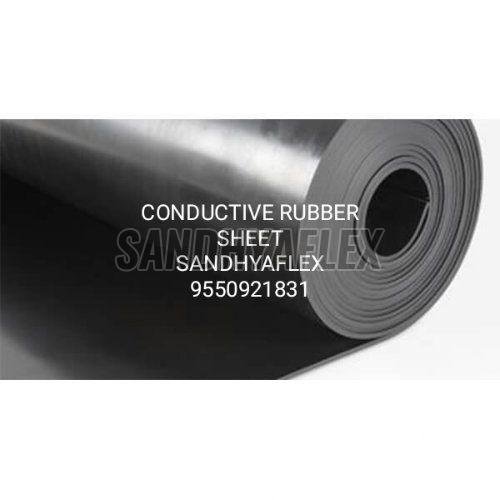
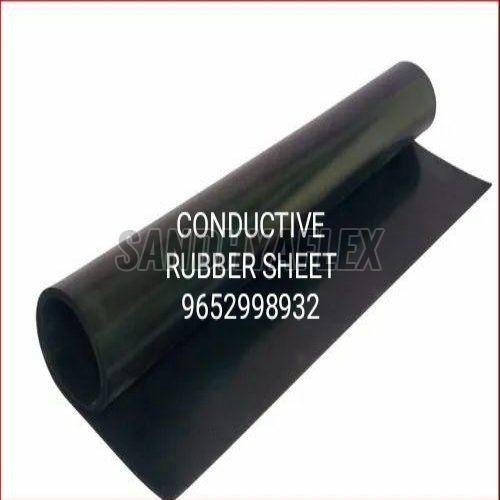
Electrically conductive rubbers are typically used for EMI applications. But they are also useful for EMP protection, wave-guide applications and against static electricity. The rubber can be filled with silver, nickel, silvered glass, silvered aluminium, or graphite (only for ESD). Commercial EMI applications often choose Nickel-graphite conductive rubber (Part number 5760) or Graphite conductive rubber (Part number 5755) from a costs point of view, while military and aerospace applications often call for Silver copper silicone conductive rubber (Part number 5750) to meet Mil-G-83528C specifications. In military or aerospace, fluorosilicone versions may also be used due to their chemical and fuel resistance.
As the material shields high frequencies, electrically conductive rubber shows a shielding effect of 60 dB at 30MHz ~ 10GHz. Due to its excellent conductivity, grounding, and EMI shielding effect, it is well suited for military communications equipment. The rubber can be manufactured in various shapes such as sheets, moulded parts, die-cut, strips, o-rings, etc.

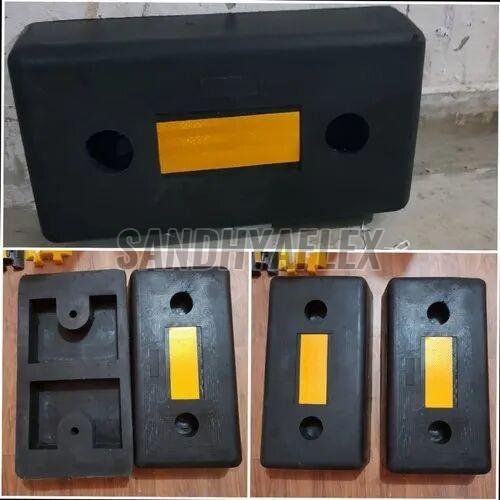
| Business Type | Manufacturer, Exporter, Supplier, Retailer |
| Brand Name | SNDHYAFLEX |
| Condition | New |
| Certification | ISO 9001:2008 |
| Port | mumbai |
| Packaging Details | Packing as per Dimension |
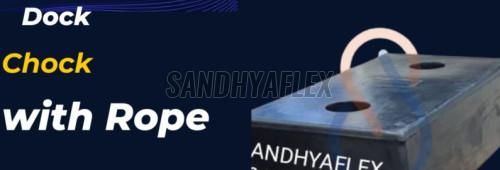
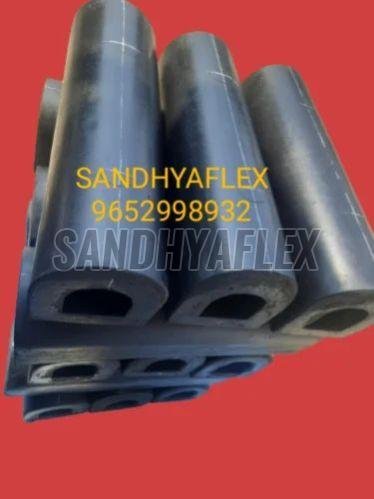
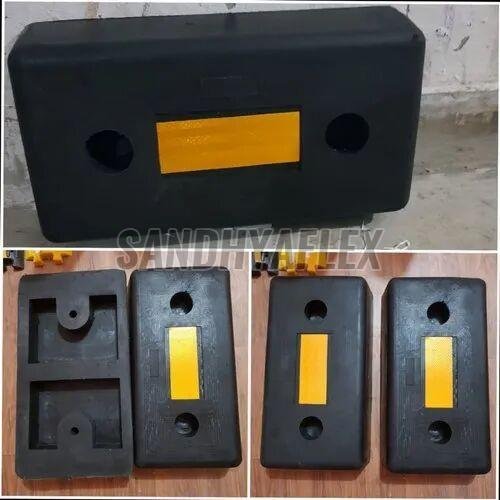
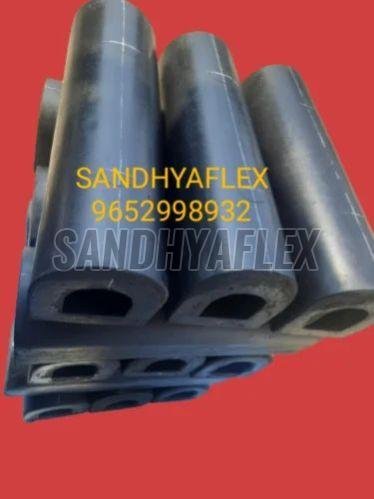
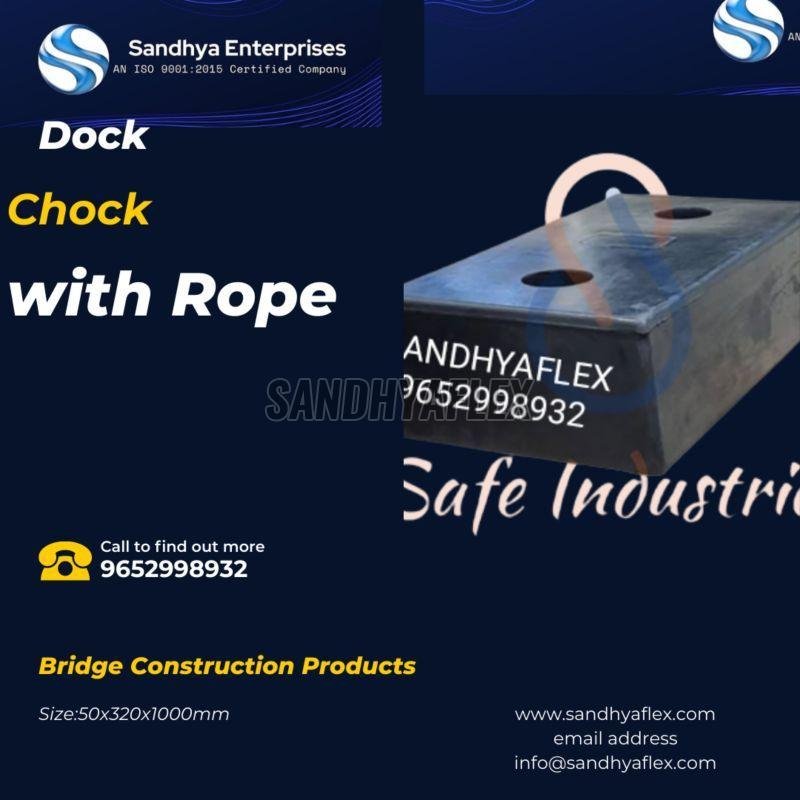
D-type rubber dock bumpers are commonly used in loading docks, warehouses, and other areas where there is a need to protect structures and vehicles from impacts during loading and unloading operations. These rubber bumpers serve various purposes and have specific applications in industrial and commercial settings. Here are the main uses and applications of D-type rubber dock bumpers:
1. **Vehicle and Loading Dock Protection:**
- D-type rubber dock bumpers are installed on the edges of loading docks to absorb the impact force generated when trucks, trailers, or other vehicles back into the loading area. This helps protect both the loading dock structure and the vehicles from damage.
2. **Preventing Building Damage:**
- These bumpers act as a cushion between the moving vehicles and the building structure. By absorbing impact energy, D-type rubber dock bumpers help prevent damage to the walls, corners, and edges of the facility.
3. **Reducing Wear and Tear:**
- Regular contact between trucks and loading docks can lead to wear and tear on both the vehicles and the loading dock surfaces. D-type rubber dock bumpers mitigate this by absorbing shocks, reducing the overall wear on equipment and structures.
4. **Improving Safety:**
- The installation of rubber dock bumpers contributes to safety in the workplace. By providing a buffer between vehicles and structures, they help minimize the risk of accidents, injuries, and damage to property.
5. **Dock Leveler Protection:**
- D-type rubber dock bumpers are often positioned strategically to protect dock levelers, which are mechanical devices that bridge the gap between the dock and the truck bed. The bumpers absorb impact forces and prevent damage to the dock leveler equipment.
6. **Variety of Sizes and Styles:**
- These rubber bumpers come in various sizes and styles to accommodate different types of vehicles, loading dock configurations, and specific application requirements. The D-shape design is suitable for absorbing impacts from various angles.
7. **Weather Resistance:**
- The rubber material used in D-type dock bumpers is often weather-resistant, making them suitable for outdoor installations. They can withstand exposure to sunlight, rain, and other environmental factors without significant degradation.
8. **Easy Installation:**
- D-type rubber dock bumpers are typically easy to install. They are often bolted or welded to the surface of the loading dock or other structures, providing a quick and effective solution for impact protection.
9. **Long-Term Cost Savings:**
- By preventing damage to buildings, vehicles, and equipment, D-type rubber dock bumpers contribute to long-term cost savings. They help extend the lifespan of structures and reduce the need for frequent repairs.
In summary, D-type rubber dock bumpers play a critical role in maintaining the integrity of loading docks, protecting structures and vehicles, improving safety, and reducing maintenance costs associated with impacts and collisions in industrial and commercial settings.
| Business Type | Manufacturer, Exporter, Supplier, Retailer |
| Country of Origin | India |
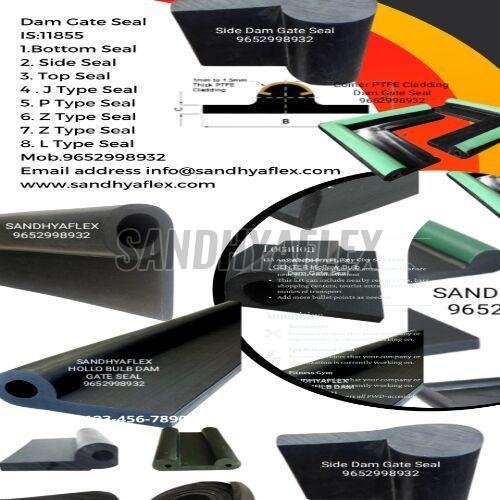
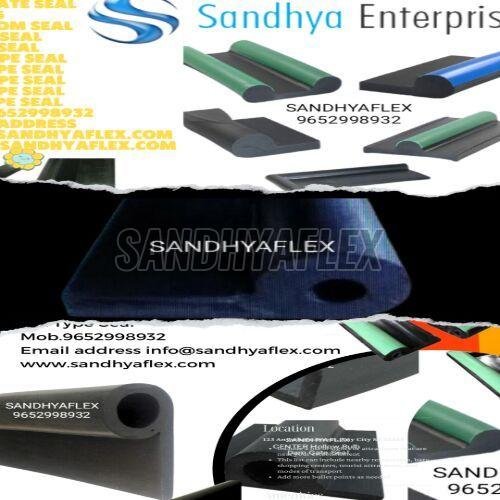
| Number Of Flower | Dam Gate Seals |
| Brand Name | SANDHYAFLEX |
| Shape | P Type And Z Type |
| Material | HBDGS |
| Application | Sealing For Dam Gate Seal |
| Certificate | ISO:9001: 2015 |
| Hollow Bulb Rubber Seal | 800 to 1900/Mtr |
| Product Code | HBDGS |
| Port | kakinad |
| Payment Terms | T/T |
| Delivery Time | 7 to 15days |
| Packaging Details | Packing with HDPE Cover |
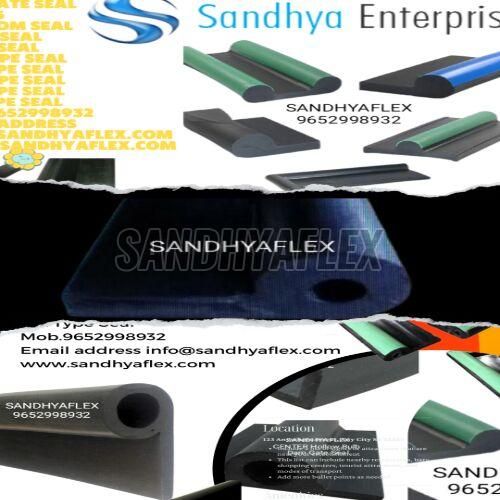
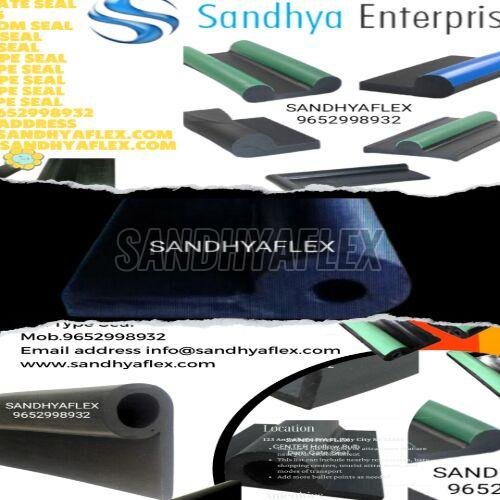
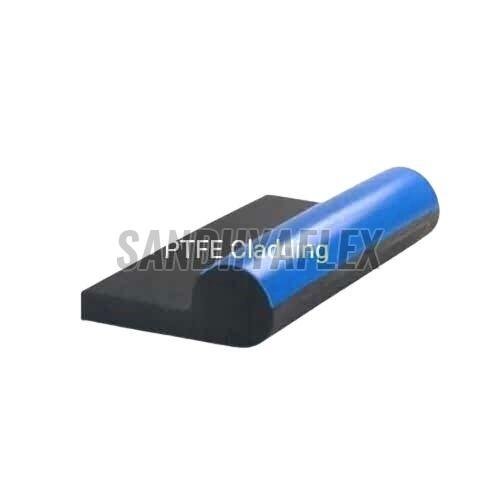
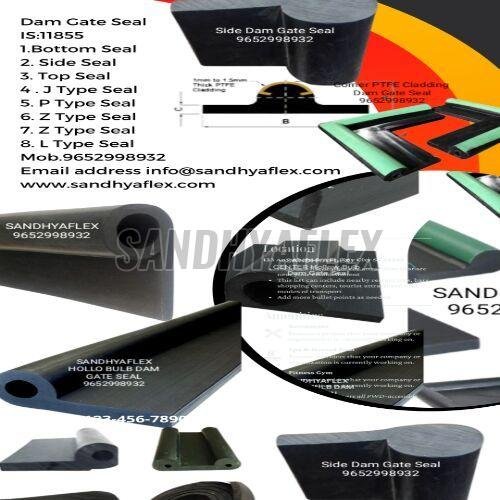
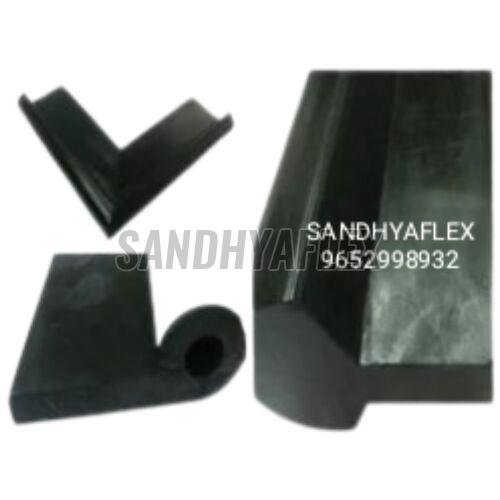
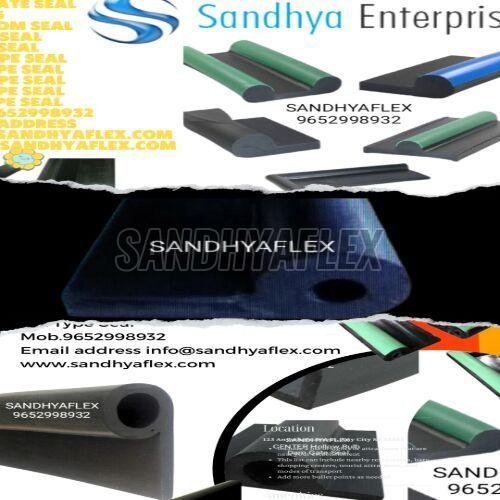
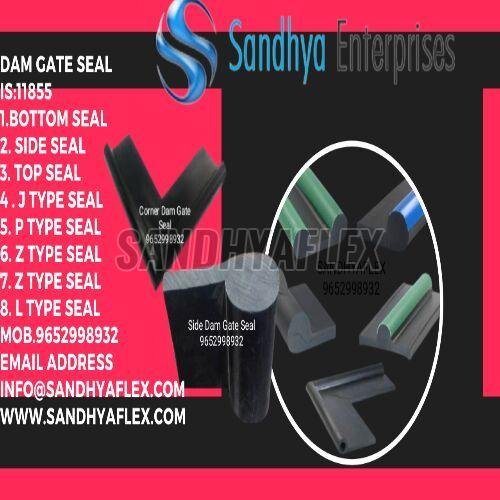
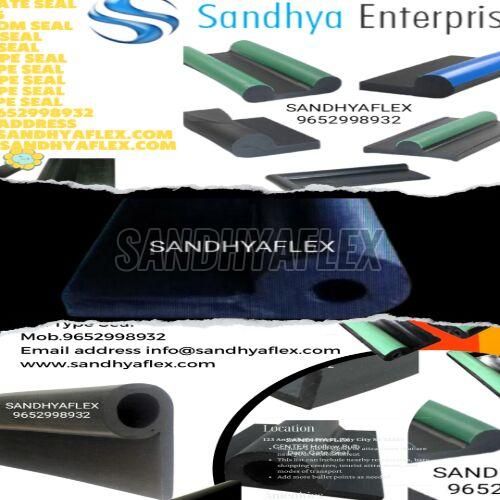
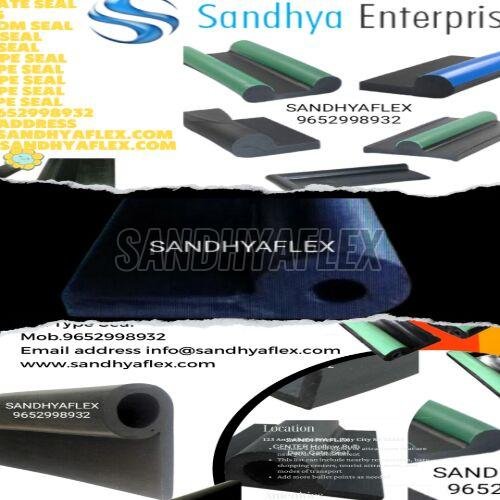
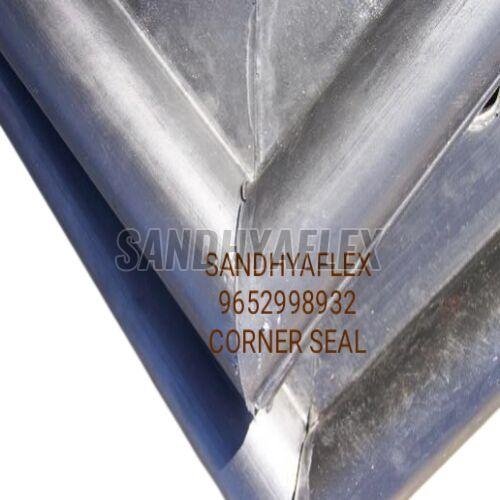
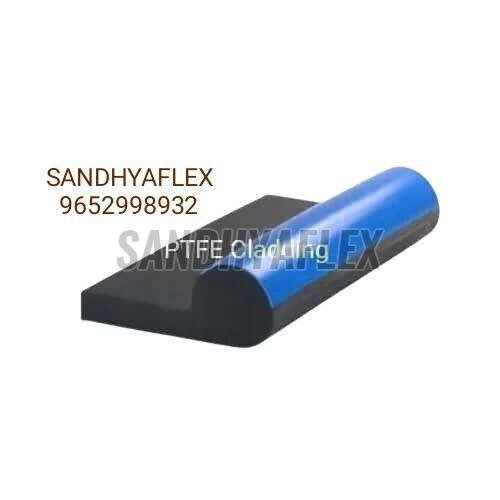
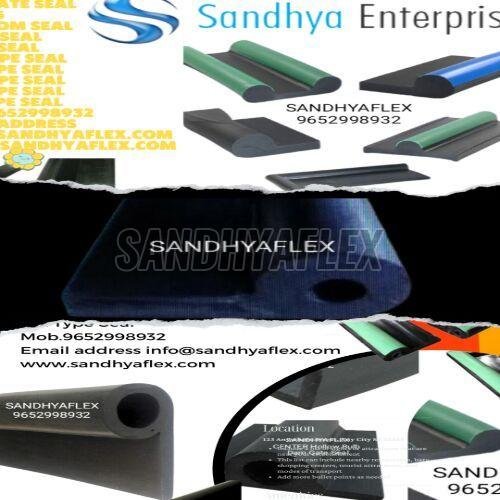
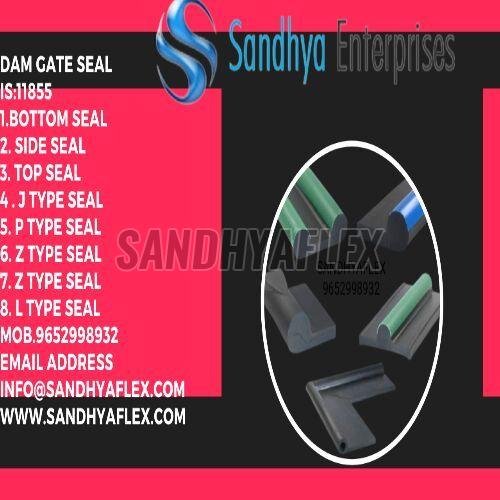
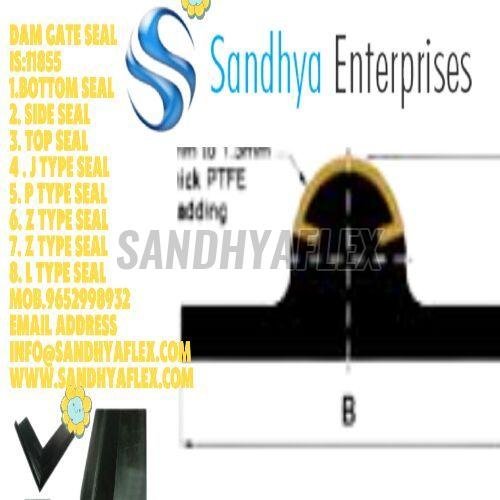
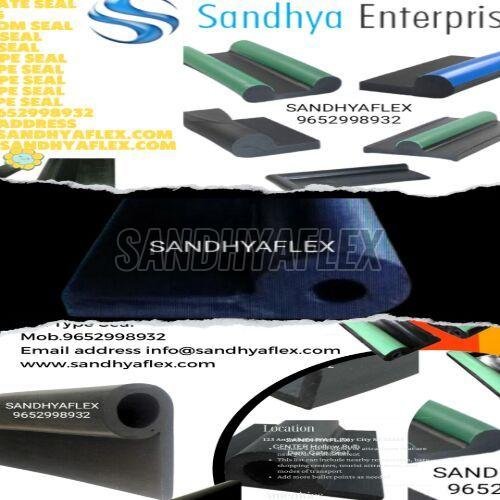
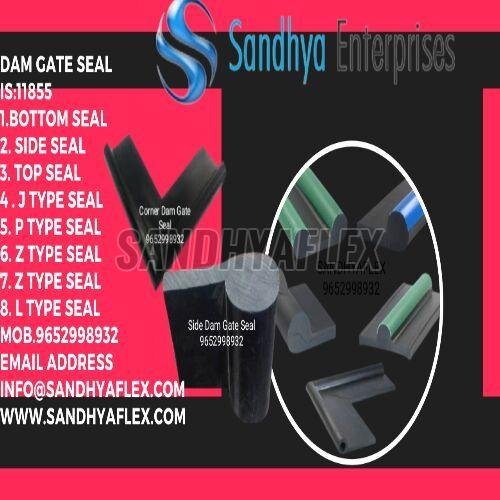
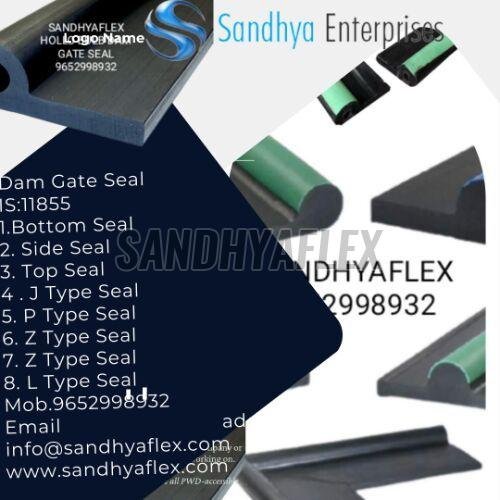
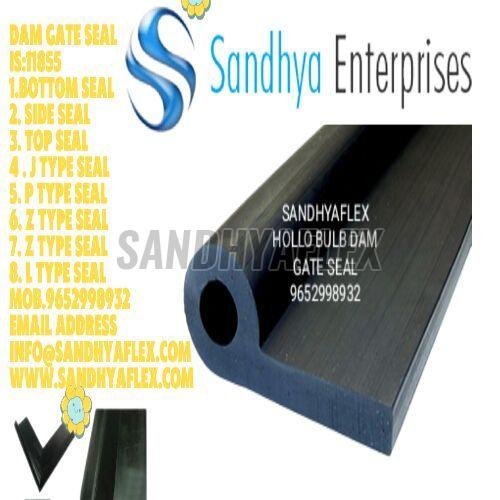
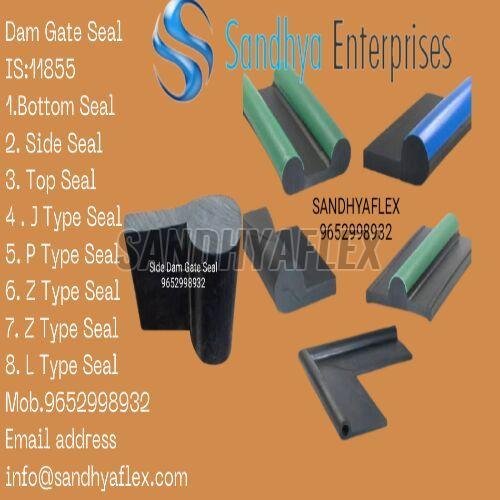
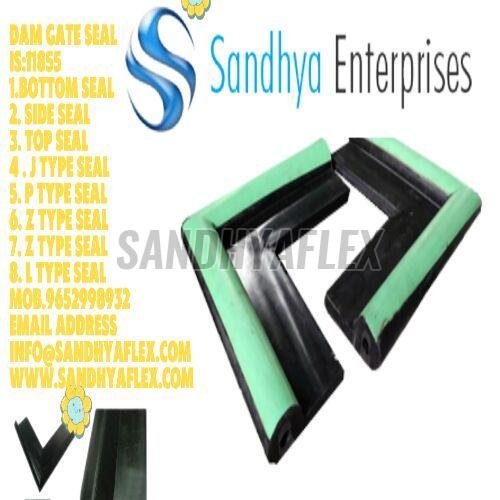
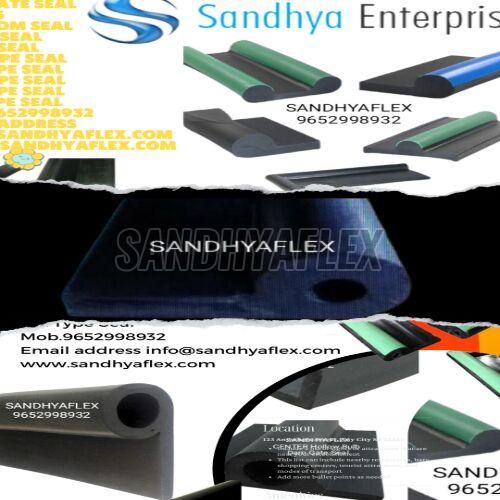
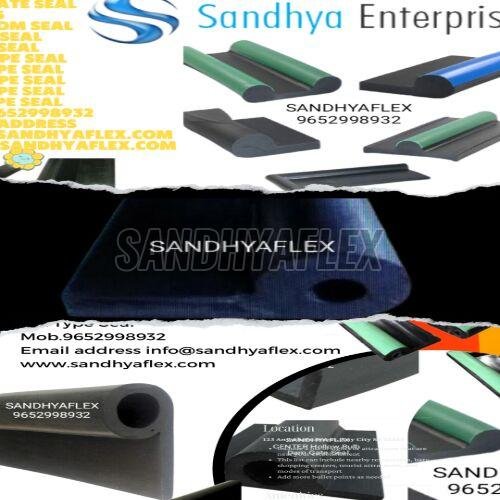
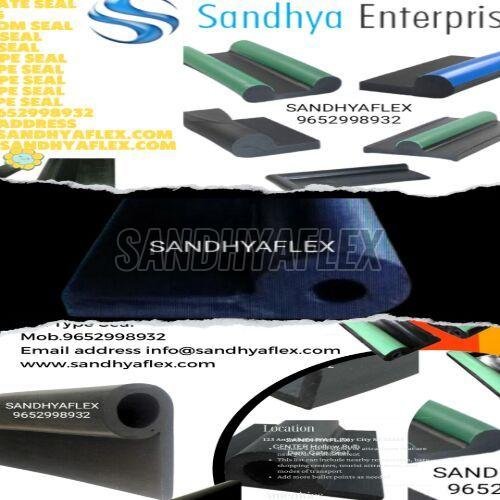
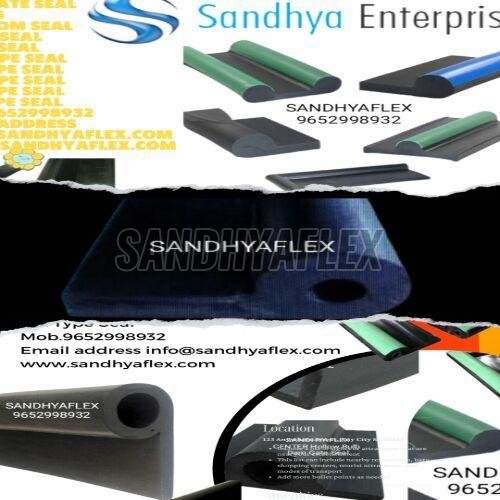
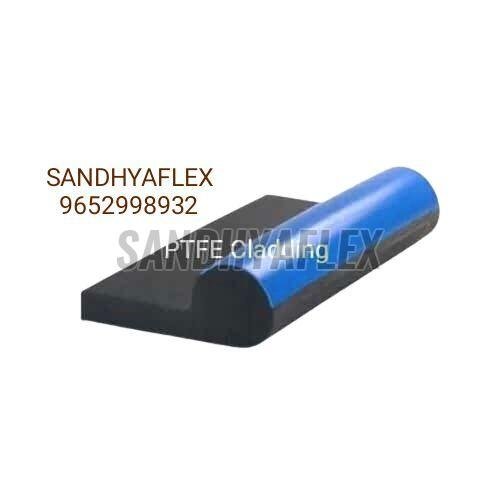
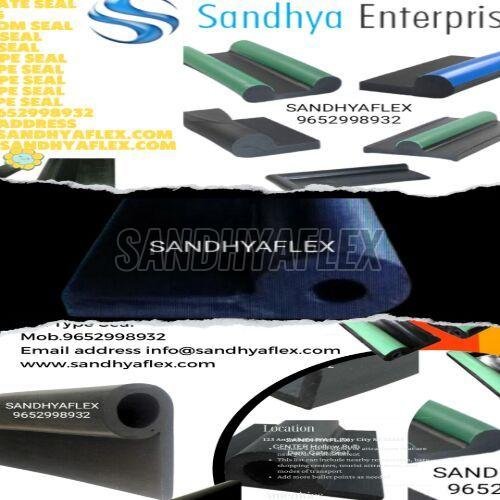
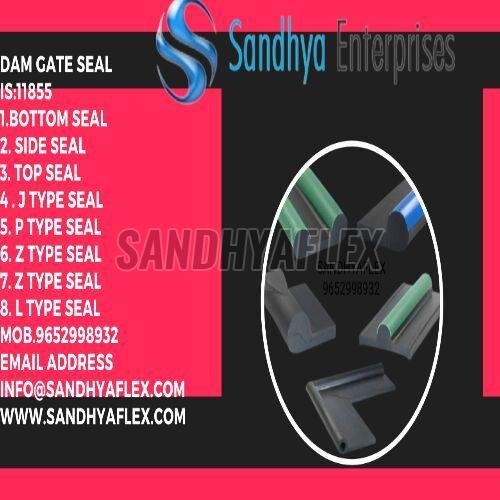
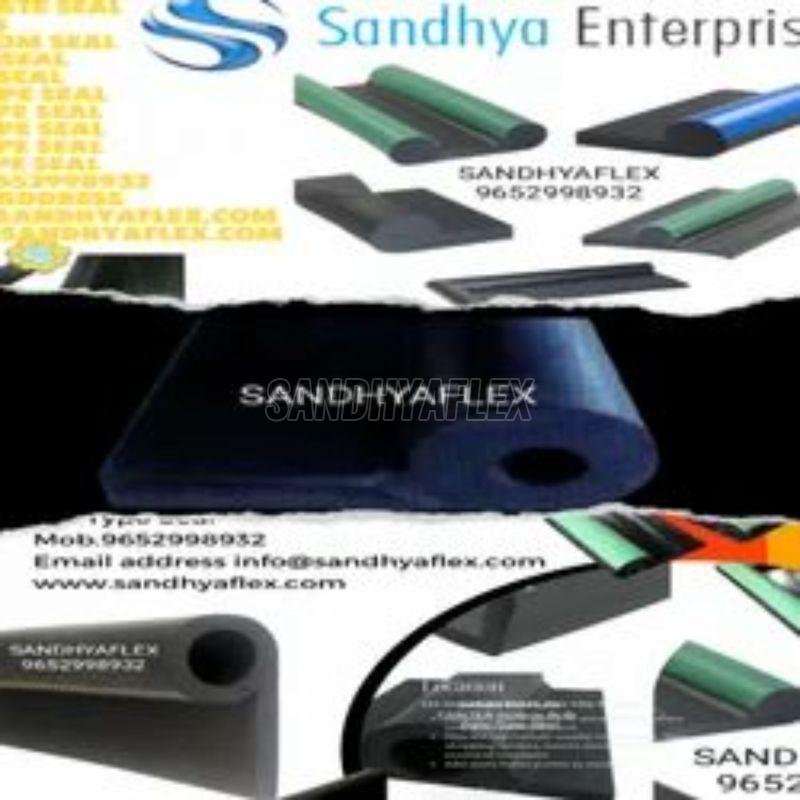
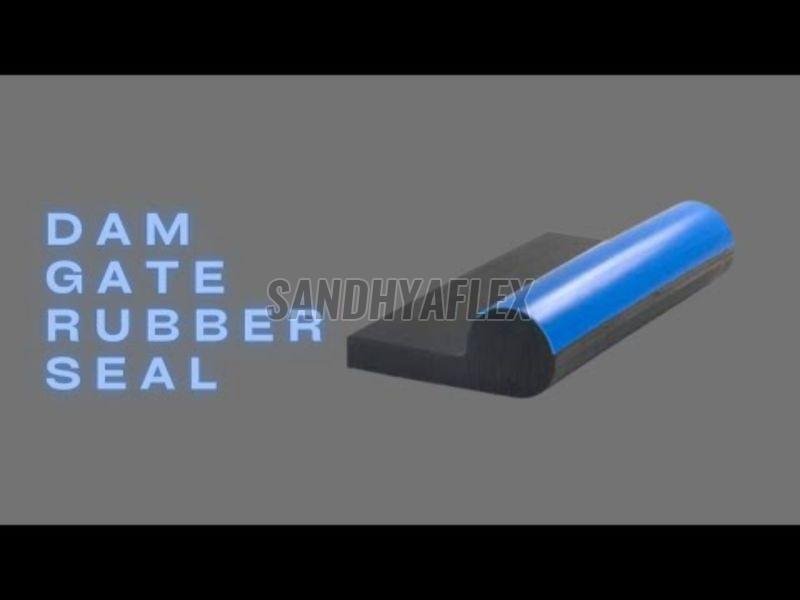
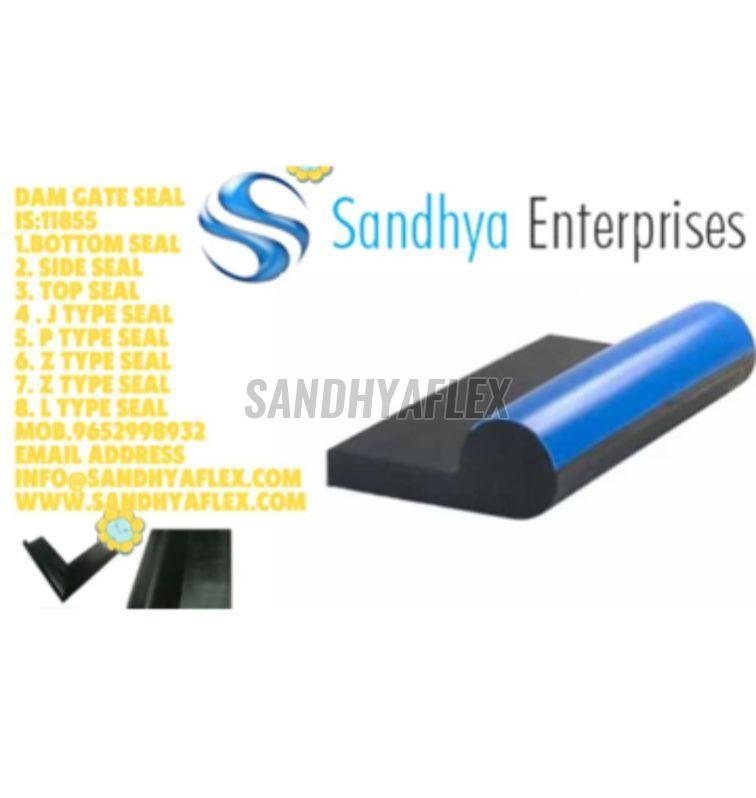
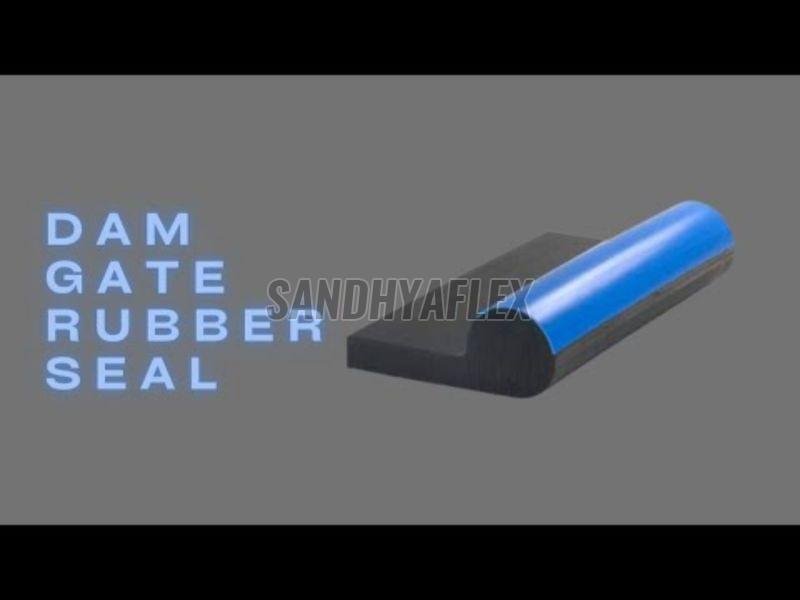
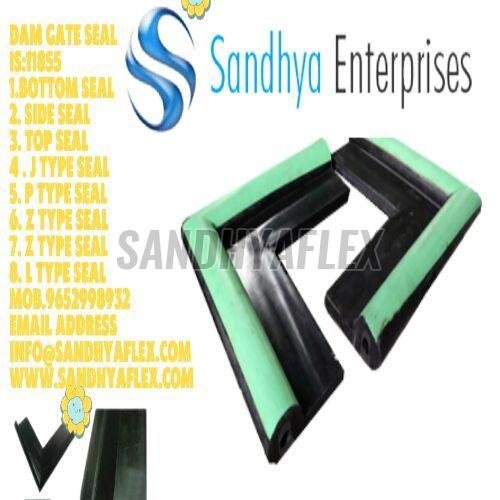
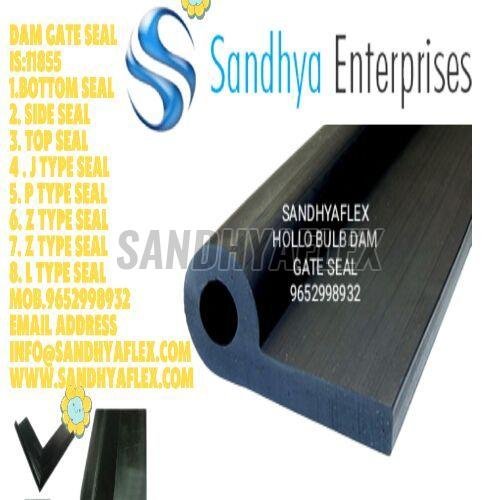
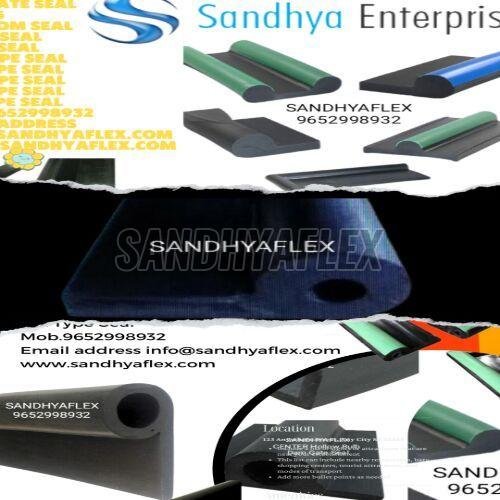
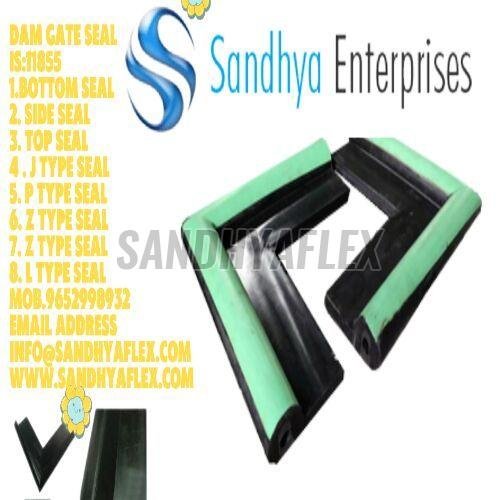
Sandhya Enterprises manufacturer and Supplier of Dam Construction Dam Gate Rubber seal. 1. Bottom Rubber Dam Gate Seal. 2. Double Bulb Dam Gate Seal 3. Single Bulb Dam Gate Seal. 4. PTFE Caladded Dam Gate Seal. 5. Brass Caladded Dam Gate Seal. 6. Z Type Dam Gate Seal. 7. P Type Dam Gate Seal.
| Business Type | Manufacturer, Exporter, Supplier, Retailer |
| Country of Origin | India |
| Number Of Flower | Dam Gate Seals |
| Brand Name | SANDHYAFLEX |
| Certification | ISO 9001:2008 Certified |
| Total Carbohydrate | 1 Year |
| Shape | P Type, Z Type |
| Material | Rubber |
| Application | Sealing For Dam Gate |
| Certificate | ISO:9001:2015 |
| Rubber Dam Gate Seal | 750 to 2500 |
| Product Code | RDGS |
| Port | kakinada |
| Payment Terms | T/T |
| Delivery Time | 10 to 25 days |
| Packaging Details | Packing in Coil and Stregth Form |
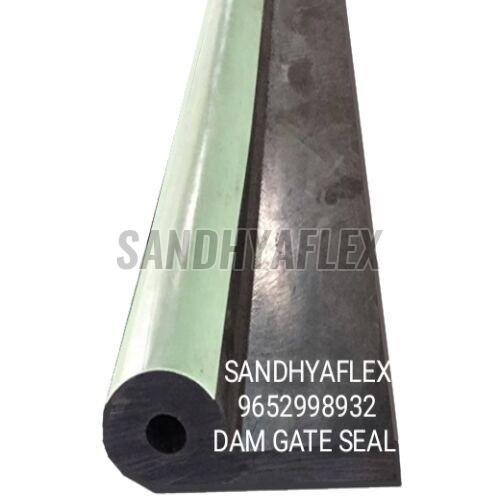
Sandhya Enterprises Manufacturer and Supplier of Hollow Rubber Dam Gate Seal. 1. Hollow Rubber Dam Gate Seal. 2. Bottom Rubber Dam Fate Seal 3. Single Bulb Dam Gate Seal. 4. Double Bulb Dam Gate Seal. 5. Center Bulb Dam Gate Seal
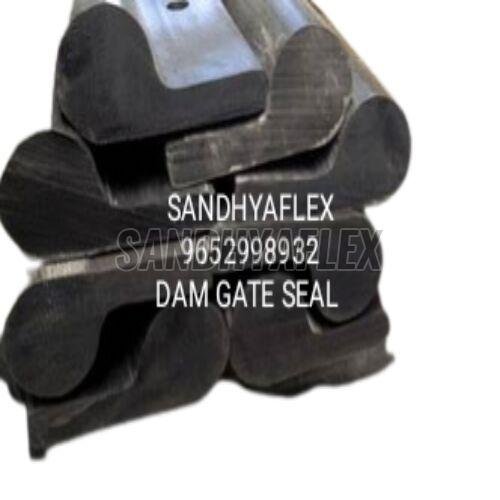
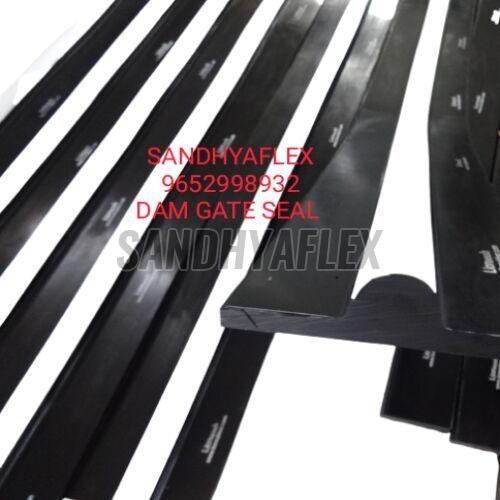
hese Dam Gate Rubber Seals are manufactured under the stern vigilance of sincere professionals with the aid of modern molding techniques. The provided seals are widely demanded to be installed with dam gates for prevention of leakage of fast flowing water. The offered Dam Gate Rubber Seals are known for their sturdiness, easy installation, dimensional accuracy, high strength and perfect finish
Flat Type Rubber Seals. These seals are manufactured at our highly advanced premises with the use of premium quality rubber and contemporary techniques. Finding important utility in automobile, construction as well as electrical applications, the offered seals ensure air-tight seal. Made available in different sizes and finishes, the provided Flat Type Rubber Sealsare known fro their cost-effectiveness.
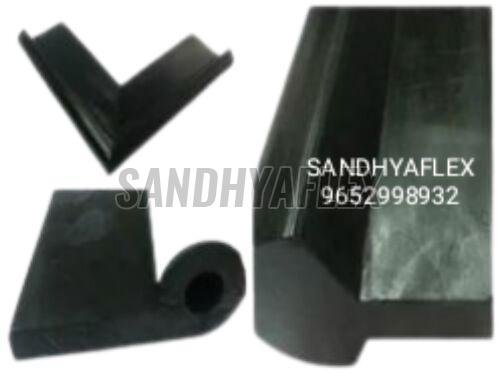
’P’/’J’ Type Rubber Seals are used for installation in marine hatch covers. The offered seals are stringently tested on varied quality parameters to ensure their flawlessness prior to final dispatch. Also, these finely finished and abrasion resistant ’P’/’J’ Type Rubber Seals are manufactured by a team of deft members with the aid of contemporary techniques
| Business Type | Manufacturer, Exporter, Supplier, Retailer |
| Country of Origin | India |
| Number Of Flower | Flat |
| Brand Name | SANDHYAFLEX |
| Shape | Flat |
| Material | Rubber |
| Application | Dam Gate Seal |
| Certificate | ISO 9001 2015 |
| Bottom Rubber Seal | 250 to 1800 |
| Product Code | BRS |
| Port | kakinada |
| Payment Terms | T/T |
| Delivery Time | 10 to 25 days |
| Packaging Details | Packing in Roll Form |
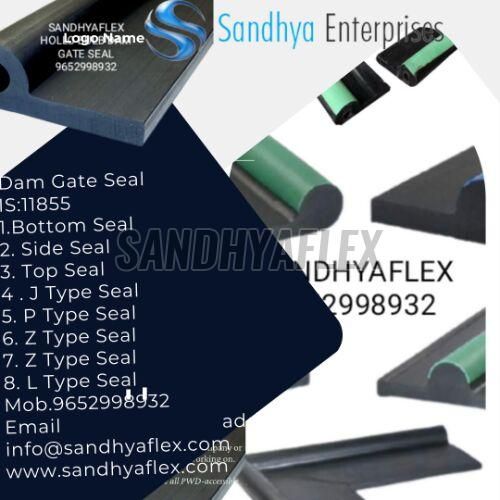
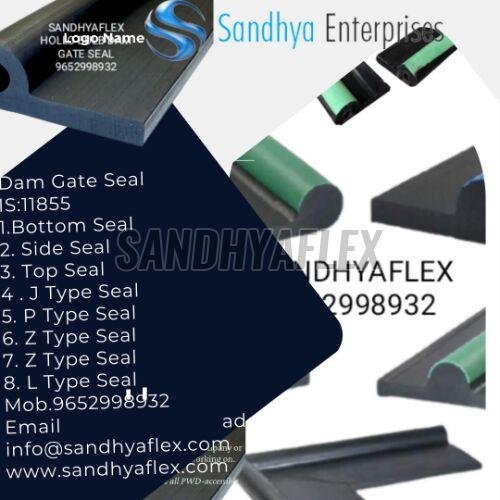
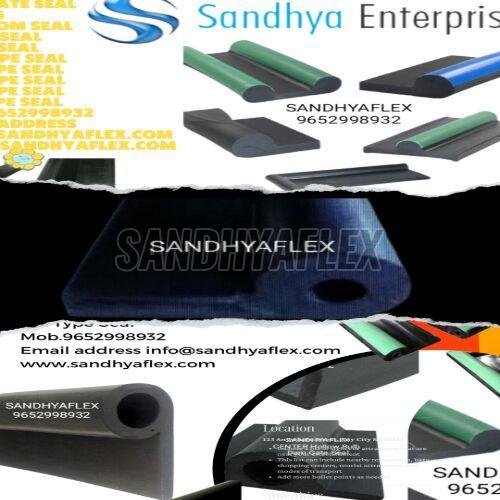
Sandhya Enterprises Manufacturer and Supplier Of Dam Construciton Bottom Dam Gate Seal.
- Bottom Dam Gate Seal.
- Center Bulb Dam Gate Seal.
- Double Bulb Dam Gate Seal.
- Single Bulb Dam Gate Seal.
- PTFE Caladded Dam Gate Seal.
- Brass Caladedd Dam Gate Seal
hese Dam Gate Rubber Seals are manufactured under the stern vigilance of sincere professionals with the aid of modern molding techniques. The provided seals are widely demanded to be installed with dam gates for prevention of leakage of fast flowing water. The offered Dam Gate Rubber Seals are known for their sturdiness, easy installation, dimensional accuracy, high strength and perfect finish
Flat Type Rubber Seals. These seals are manufactured at our highly advanced premises with the use of premium quality rubber and contemporary techniques. Finding important utility in automobile, construction as well as electrical applications, the offered seals ensure air-tight seal. Made available in different sizes and finishes, the provided Flat Type Rubber Sealsare known fro their cost-effectiveness.
’P’/’J’ Type Rubber Seals are used for installation in marine hatch covers. The offered seals are stringently tested on varied quality parameters to ensure their flawlessness prior to final dispatch. Also, these finely finished and abrasion resistant ’P’/’J’ Type Rubber Seals are manufactured by a team of deft members with the aid of contemporary techniques
| Business Type | Manufacturer, Exporter, Supplier, Retailer |
| Country of Origin | India |
| Brand Name | SANDHYAFLEX |
| Shape | P Type, Z Type |
| Material | Rubber |
| Application | Sealing Of Dam Gate Seal |
| Certificate | ISO:9001: 2015 |
| Duble Stump Dam Gate Seal | 800 to 1800/Mtr |
| Product Code | SE DRGS |
| Port | kakinada |
| Payment Terms | T/T |
| Delivery Time | 10 to 15 days |
| Packaging Details | Packing with HDPE Cover in coil System |
Sandhya Enterprises Manufacturer and Supplier of Dam Construciton Center Bulb Dam Gate Seal.
- Z Type Dam Gate Seal.
- P Type Rubber Dam gate Seal.
- Bottom Rubber gate Seal.
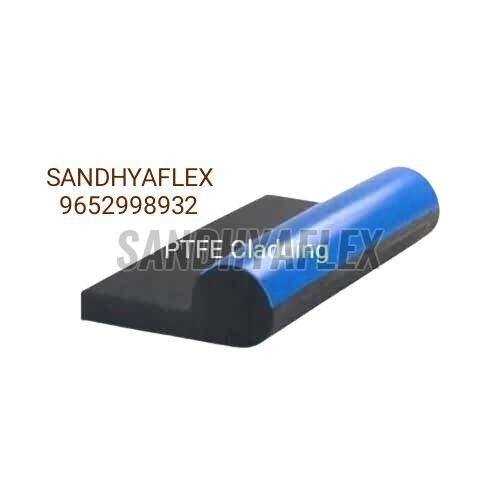
- PTFE Caladded Rubber dam Gate Seal.
- Brass Caladded Rubber Dam Gate Seal.
| Business Type | Manufacturer, Exporter, Supplier, Retailer |
| Brand Name | SANDHYAFLEX |
| Material | Rubber |
| Shape | P Type and Z Type |
| Application | Sealing for DI Pipe Gasket |
| Certificate | ISO:9001: 2015 |
| Rubber Dam Gate Seal | 900 to 1800/Mtr |
| Product Code | RDGS |
| Port | kakinada |
| Payment Terms | T/T |
| Delivery Time | 7 to 15days |
| Packaging Details | Packing with HDPE Cover |
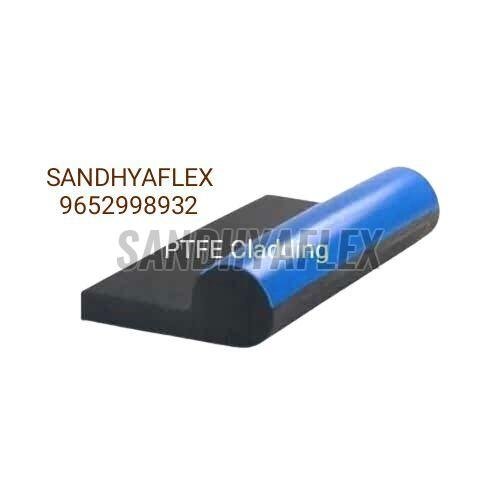
Sandhya Enterprises Manufacturer and Supplier of Dam Construciton PTFE Caladded Dam Gate Seal.
- Bottom Dam Gate Seal
- Z Type Dam Gate Seal.
- P Type Dam Gate Seal
- Single Bulb Dam Gate Seal
- Double Bulb Dam Gate Seal.
- Cender Bulb Dam Gate Seal.
| Business Type | Manufacturer, Exporter, Supplier, Retailer |
| Dam Construction Dam Gate Rubber Seal | 900 to 1800/Mtr |
| Product Code | DGS |
| Port | kakinada |
| Payment Terms | T/T |
| Delivery Time | 7 to 15days |
| Packaging Details | Packing with HDPE Cover The packing details of a fly ash rubber hose can vary depending on the manufacturer, supplier, and specific product. However, here are some general packing details that you may commonly find: 1. Quantity: The packaging should indicate the number of fly ash rubber hoses included in a single pack. It can range from one hose to multiple hoses, depending on the packaging configuration and the supplier's specifications. 2. Size and Length: The packaging may specify the size and length of the fly ash rubber hose. This information helps determine if the hose is suitable for the intended application. The size typically corresponds to the inner diameter of the hose, while the length indicates the overall hose length. 3. Material: The packaging may mention the specific rubber material used for the hose construction. Fly ash rubber hoses are typically made from natural rubber or synthetic rubber compounds that offer excellent abrasion resistance, flexibility, and resistance to the high-temperature environment associated with fly ash handling. 4. Reinforcement: Fly ash rubber hoses often feature reinforcement layers for added strength and durability. The packaging may indicate the type and number of reinforcement layers, such as textile, wire, or fabric. The reinforcement layers help the hose withstand the high-pressure conditions and abrasive nature of fly ash transportation. 5. Pressure Rating: The packaging may indicate the pressure rating of the fly ash rubber hose, providing information about the maximum pressure it can withstand during operation. This information ensures that the hose is suitable for the specific fly ash handling system. 6. Temperature Range: The packaging may specify the temperature range within which the fly ash rubber hose can effectively perform. This information ensures that the hose can handle the high temperatures encountered during fly ash transportation. 7. Color: Fly ash rubber hoses are commonly available in black or other dark colors, which help conceal any soiling or staining that may occur during use. 8. Packaging Material: The packaging itself may be mentioned, indicating the type of material used, such as cardboard boxes or plastic wrapping. The packaging should provide sufficient protection to prevent damage during transportation and storage. 9. Additional Components: Depending on the specific product, the packaging may include additional components such as hose fittings, clamps, or other accessories required for installation or connection to the fly ash handling system. It's important to note that the specific details and packaging may vary between manufacturers and suppliers. Therefore, it is always recommended to refer to the packaging or contact the manufacturer or supplier directly for accurate and up-to-date information regarding the packing details of a particular fly ash rubber hose. |
Sandhya enterprises manufacturer and supplier of dam gate rubber seal as per customer requirement.bottom rubber seal, side bulb seal, double stem rubber seal,holloe bulb rubber seal..A fly ash rubber hose is a specialized hose designed for the transportation of fly ash, a fine powder consisting of coal ash particles that are generated from the combustion of coal in power plants. These hoses are specifically engineered to withstand the abrasive nature and high-temperature environment associated with fly ash handling. While the specific packing details may vary depending on the manufacturer and supplier, here are some general considerations:
1. Quantity: The packaging should indicate the number of fly ash rubber hoses included in a single pack. It can range from one hose to multiple hoses, depending on the packaging configuration and supplier's specifications.
2. Size and Length: The packaging may specify the size and length of the fly ash rubber hose. The size typically corresponds to the inner diameter, while the length indicates the overall hose length.
3. Material: The packaging may mention the specific rubber material used for the hose construction. Common materials include natural rubber or synthetic rubber compounds that offer abrasion resistance, flexibility, and resistance to the high-temperature environment associated with fly ash handling.
4. Reinforcement: Fly ash rubber hoses often feature reinforcement layers for added strength and durability. The packaging may indicate the type and number of reinforcement layers, such as textile, wire, or fabric.
5. Pressure Rating: The packaging may indicate the pressure rating of the fly ash rubber hose, providing information about the maximum pressure it can withstand during operation.
6. Temperature Range: The packaging may specify the temperature range within which the fly ash rubber hose can effectively perform. This information ensures that the hose can handle the high temperatures encountered during fly ash transportation.
7. Color: Fly ash rubber hoses are commonly available in black or other dark colors, which help conceal any soiling or staining that may occur during use.
8. Packaging Material: The packaging itself may be mentioned, indicating the type of material used, such as cardboard boxes or plastic wrapping. The packaging should provide sufficient protection to prevent damage during transportation and storage.
9. Additional Components: Depending on the specific product, the packaging may include additional components such as hose fittings, clamps, or other accessories required for installation or connection to the fly ash handling system.
It's important to note that the specific details and packaging may vary between manufacturers and suppliers. Therefore, it is always recommended to refer to the packaging or contact the manufacturer or supplier directly for accurate and up-to-date information regarding the packing details of a particular fly ash rubber hose.
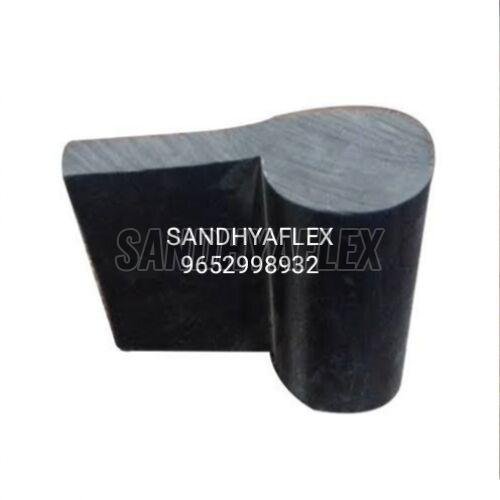
| Business Type | Manufacturer, Exporter, Supplier, Retailer |
| Country of Origin | India |
| Number Of Flower | Double Bulb Dam Gate Seal |
| Brand Name | SANDHYAFLEX |
| Shape | P Type And Z Type |
| Material | Rubber |
| Application | Sealing For Dam Gate Seal |
| Certificate | ISO:9001: 2005 |
| Double Bulb Dam Gate Seal | 900 to 2000/Mtr |
| Product Code | DBDRGS |
| Port | kakinada |
| Payment Terms | T/T |
| Delivery Time | 7 to 15days |
| Packaging Details | Packing with HDPE Cover |
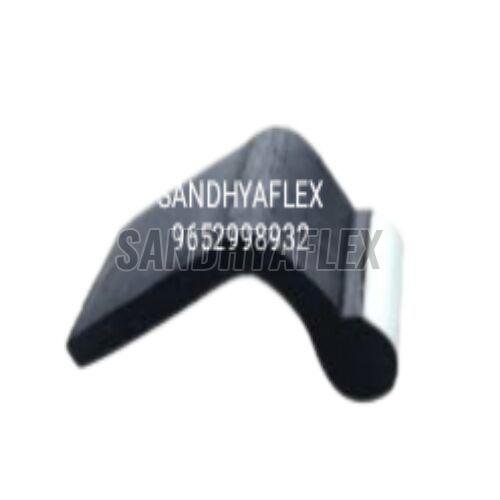
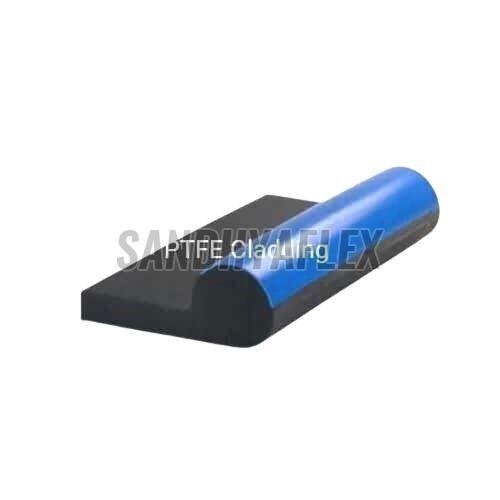
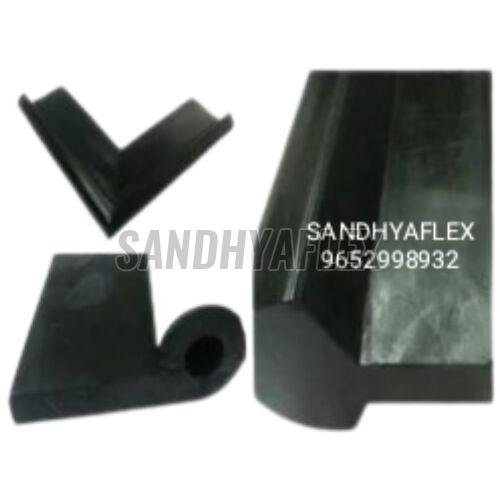
Sandhya Enterprises Manufacturer and Supplier of Dam Construction Double Bulb Rubber Seal.
- Bottom Rubber Dam Gate Seal
- Z Type Rubber Dam Gate Seal
- P Type Rubber Dam Gate Seal
- Z type Rubber Sam Gate Seal.
- Double Bulb Dam Gate Seal
- Bulb Dam Gate Seal
- Hollow Bulb Dam Gate Seal
- PTFE Caladded Dam Gate Seal.
- Brass Cladded Dam Gate Seal
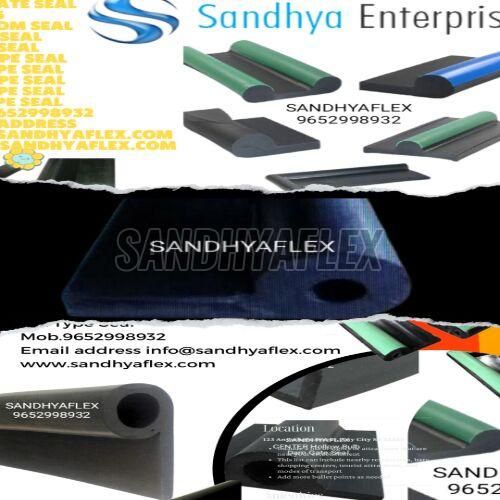

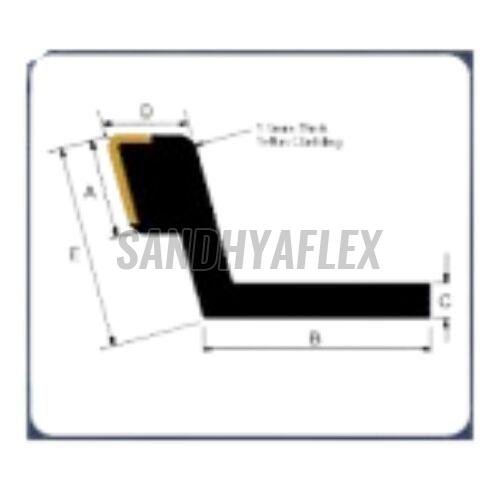
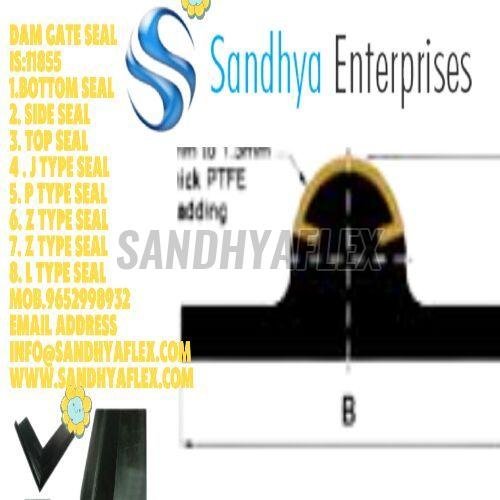
| Business Type | Manufacturer, Exporter, Supplier, Retailer |
| Country of Origin | India |
| Number Of Flower | Dam Gate Seals |
| Brand Name | SANDHYAFLEX |
| Shape | P Type < Z Type |
| Material | Rubber |
| Application | Sealing For Dam Gate Seal |
| Certificate | ISO:9001:2015 |
| Z Type Dam Gate Seal | 1200 to 1800/Mtr |
| Product Code | ZTDGS |
| Port | kakinada |
| Payment Terms | T/T |
| Delivery Time | 7 to 15days |
| Packaging Details | Packing with HDPE Cover |
Sandhya Enterprises Manufacturer and Supplier of Dam Construction Z type Ruber Seal.
- Bulb Type Rubber dam Gate Seal
- Hollow Bulb Rubber Dam Gate Seal.
- Bottom Rubber Seal.
- Center Bulb Rubber Seal
- Double bulb Rubber Seal
| Business Type | Manufacturer, Exporter, Supplier |
| Business Type | Manufacturer, Exporter, Supplier, Retailer |
| Application | Sealing For DI Pipe |
| Number Of Flower | Dam Gate Seals |
| Brand Name | SANDHYAFLEX |
| Certification | ISO 9001:2008 Certified |
| Total Carbohydrate | 1 Year |
| Shape | ROUND |
| Material | EPDM |
| Working Pressure | 10Bar |
| Country of Origin | India |
| Certificate | ISO:9001:2015 |
| Dam Construction Dam Gate Rubber Seal | 25000 |
| Product Code | SE DRGS |
| Port | kakinada |
| Payment Terms | T/T |
| Delivery Time | 7days |
| Packaging Details | Packin in Coil System and Straith. with HDPE Cover The packing details of a dam gate seal can vary depending on the manufacturer, supplier, and specific product. However, here are some general packing details that you may commonly find: Quantity: The packaging should indicate the number of dam gate seals included in a single pack. It can range from one seal to multiple seals, depending on the packaging configuration and the supplier's specifications. Size and Dimensions: The packaging may specify the size and dimensions of the dam gate seal, including the length, width, and thickness. This information helps determine if the seal is suitable for the intended dam gate and application. Material: The packaging may mention the specific material used for the dam gate seal, such as rubber, neoprene, EPDM (ethylene propylene diene monomer), or other elastomeric compounds. This information confirms that the product is made from the intended material. Pressure Rating: The packaging may indicate the pressure rating of the dam gate seal, providing information about the maximum water pressure it can withstand without leakage. This information ensures that the seal is suitable for the specific dam and water pressure conditions. Temperature Range: The packaging may specify the temperature range within which the dam gate seal can effectively perform. This information is essential as dams may experience extreme temperature variations, and the seal should remain functional within those ranges. Color: The packaging may indicate the color of the dam gate seal. Common colors include black or other dark shades. Packaging Material: The packaging itself may be mentioned, indicating the type of material used, such as cardboard boxes or plastic wrapping. The packaging should provide sufficient protection to prevent damage during transportation and storage. Additional Components: Depending on the specific product, the packaging may include additional components such as adhesive or sealant, installation instructions, or other necessary hardware for proper installation and sealing. It's important to note that the specific details and packaging may vary between manufacturers and suppliers. Therefore, it is always recommended to refer to the packaging or contact the manufacturer or supplier directly for accurate and up-to-date information regarding the packing details of a particular dam gate seal. Regenerate response |
Sandhya Enterprises Manufacturer and Supplier of Dam Rubber Gate Seal. 25mm Dia to 55mm Dia Stem Width-75mm to 200mm Stem Thickness 10mm to 25mm Lenght up to 50Mtr 1. Solid Bulb Seal 2. Hollow Bulb Seal 3. TEFLON Cladded Bulb Seal 4. Flate Bottom Seal. A dam gate seal is a component used to provide a watertight seal between the gate and the dam structure in a water control or hydroelectric power generation system. The gate seal helps prevent water leakage and ensures the efficient operation of the dam. A dam gate seal, also known as a dam gate gasket or dam gate sealing system, is a component used to provide a watertight seal between the gate and the dam structure in a dam or reservoir. It helps to prevent water leakage and maintain water levels and control in the reservoir. The packing details of a dam gate seal may vary depending on the specific product and manufacturer. However, here are some common packing details you may find: 1. Quantity: The packaging should indicate the number of dam gate seals included in a pack. It can range from one seal to multiple seals, depending on the packaging configuration and supplier's specifications. 2. Material: The packaging may mention the specific material used for the dam gate seal. Common materials include rubber, neoprene, EPDM (ethylene propylene diene monomer), or other elastomeric compounds. The material selection depends on factors such as water resistance, durability, and flexibility. 3. Size and Dimensions: The packaging may specify the size and dimensions of the dam gate seal. This information is crucial to ensure a proper fit between the gate and the dam structure. The dimensions may include the length, width, and thickness of the seal. 4. Pressure Rating: The packaging may indicate the pressure rating or the maximum water pressure the dam gate seal can withstand without leakage. This information ensures that the seal is suitable for the specific dam and water pressure conditions. 5. Temperature Range: The packaging may specify the temperature range within which the dam gate seal can effectively perform. This information is essential as dams may experience extreme temperature variations, and the seal should remain functional within those ranges. 6. Color: The packaging may indicate the color of the dam gate seal. Common colors include black or other dark shades. 7. Packaging Material: The packaging itself may be mentioned, indicating the type of material used, such as cardboard boxes or plastic wrapping. The packaging should provide sufficient protection to prevent damage during transportation and storage. 8. Additional Components: Depending on the specific product, the packaging may include additional components such as installation instructions, adhesive or sealant, or other necessary hardware for proper installation and sealing. It's important to note that the specific details and packaging may vary between manufacturers and suppliers. Therefore, it is always recommended to refer to the packaging or contact the manufacturer or supplier directly for accurate and up-to-date information regarding the packing details of a particular dam gate seal. The key features and characteristics of a dam gate seal include: 1. Material: Dam gate seals are typically made of durable and resilient materials that can withstand the hydraulic forces, pressure differentials, and exposure to water. Common materials used include rubber compounds, such as natural rubber or synthetic elastomers like neoprene or EPDM (ethylene propylene diene monomer). 2. Design: The design of the gate seal depends on the specific requirements of the dam structure and the type of gate system used. The seal is typically custom-made or fabricated to fit the specific dimensions and shape of the gate and the sealing surfaces. 3. Watertightness: The primary function of a dam gate seal is to provide a watertight barrier between the gate and the dam structure. The seal is designed to minimize or el
| Business Type | Manufacturer, Exporter, Supplier |
| Brand Name | SNDHYAFLEX |
| Port | mumbai |
| Payment Terms | D/A |
| Delivery Time | 15 days |
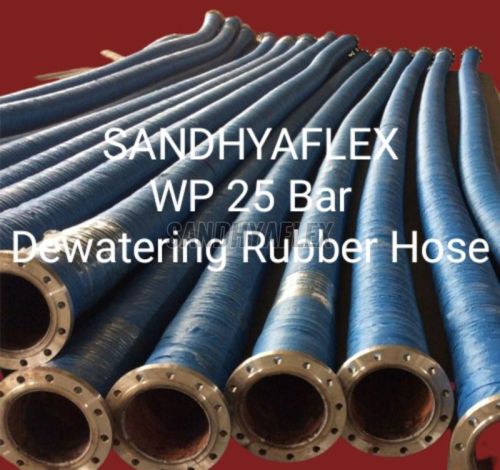
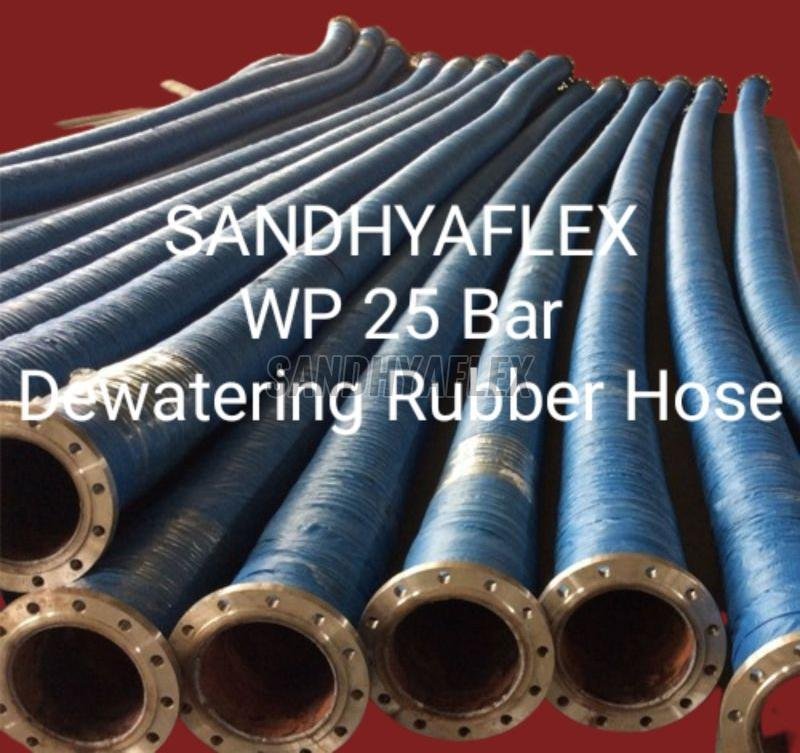
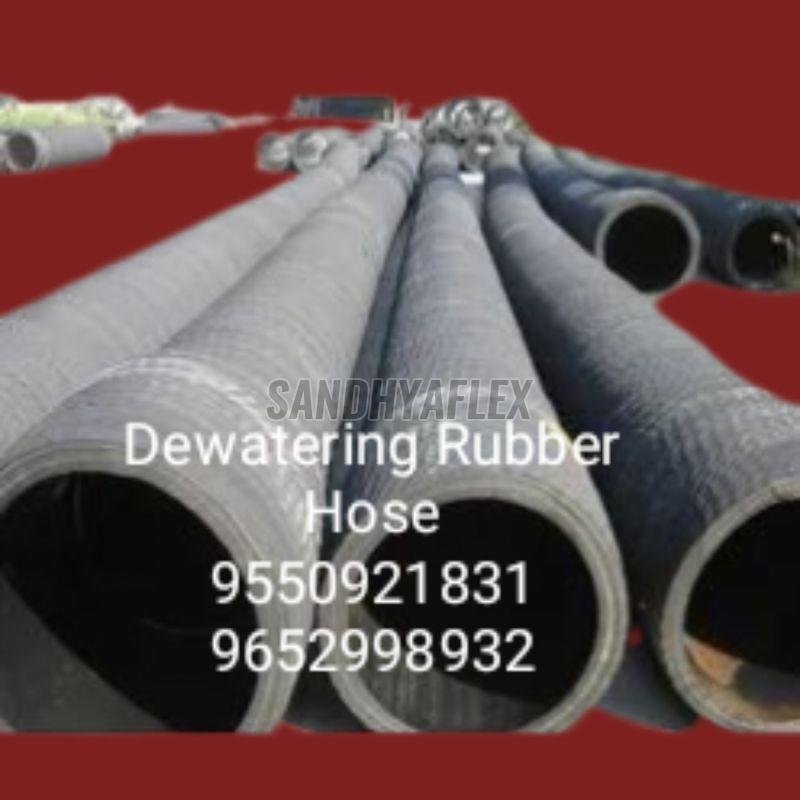
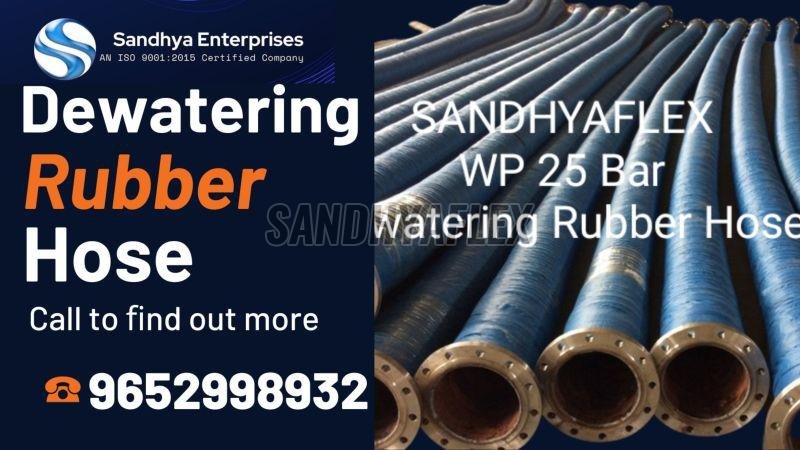
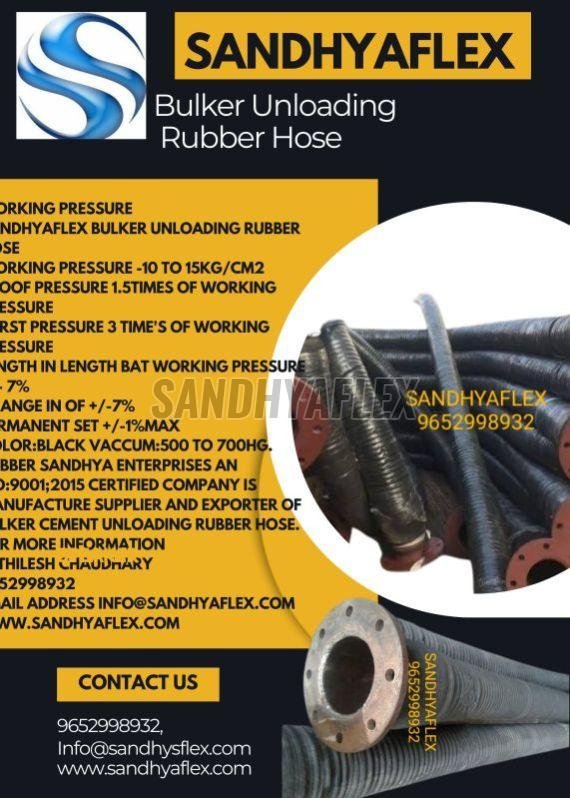
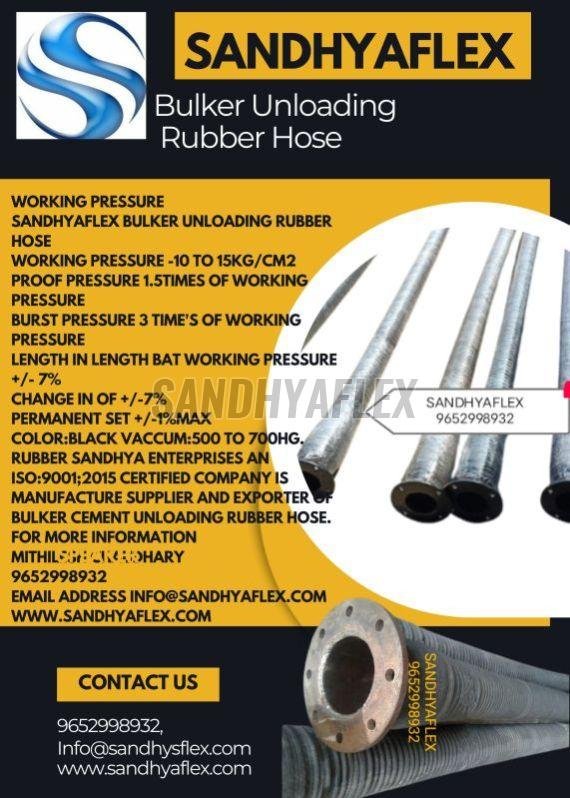
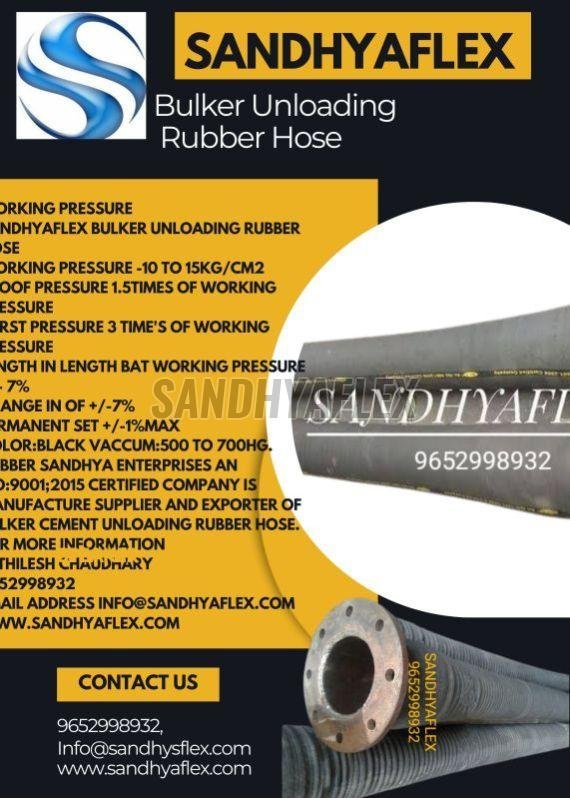
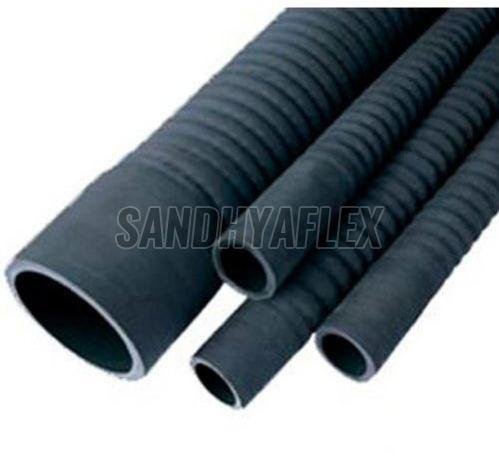
A dewatering rubber hose is a specialized type of rubber hose designed for the removal of water or other liquids from a specific area or location. These hoses are commonly used in various industrial, construction, and agricultural applications where water needs to be pumped or drained, and a flexible and durable hose is required. Here are some key features and considerations related to dewatering rubber hoses:
\r\n\r\n
1. Material: Dewatering rubber hoses are typically made from high-quality rubber compounds that offer flexibility, durability, and resistance to abrasion and weathering. The choice of rubber material may depend on the specific application and the type of liquid being pumped.
\r\n\r\n
2. Construction: These hoses are typically reinforced with layers of fabric or synthetic materials to provide strength and prevent collapse under suction or pressure.
\r\n\r\n
3. Diameter and Length: Dewatering hoses come in various diameters and lengths to accommodate different flow rates and reach required locations. The selection depends on the specific dewatering needs of the application.
\r\n\r\n
4. Couplings and Fittings: They are often equipped with couplings or fittings at the ends to connect to pumps, discharge outlets, or other equipment. These fittings should be compatible with the equipment being used.
\r\n\r\n
5. Flexibility: Dewatering rubber hoses need to be flexible to allow easy positioning and maneuverability during use. This flexibility also helps prevent kinking or twisting.
\r\n\r\n
6. Pressure Rating: The hoses should have an appropriate pressure rating to handle the expected pressure generated by the pump or other equipment.
\r\n\r\n
7. Temperature Resistance: Depending on the application, dewatering hoses may need to resist high or low temperatures. Specialized hoses may be available for extreme temperature conditions.
\r\n\r\n
8. Chemical Compatibility: If the pumped liquid contains chemicals or contaminants, it\\\'s essential to ensure that the hose material is compatible with the fluid to prevent degradation or chemical reactions.
\r\n\r\n
9. UV Resistance: Some dewatering hoses may be exposed to sunlight, so UV resistance can be important for outdoor applications.
\r\n\r\n
Dewatering rubber hoses are commonly used in various industries, including construction (for site drainage and excavation), mining (for water removal from mining sites), agriculture (for irrigation and drainage), and emergency response (for flood control and disaster recovery). Selecting the right dewatering hose for a specific application is crucial to ensure efficient and reliable water removal. It\\\'s also important to regularly inspect and maintain these hoses to prevent leaks or other issues that may disrupt the dewatering process.


| Business Type | Manufacturer, Exporter, Supplier, Retailer |
| Number Of Flower | Discharge Chute, Round |
| Material | RUBBER SLLEVES |
| Application | Sealing |
| Country of Origin | India |
| Brand Name | SANDHYAFLEX |
| Certification | ISO 9001 2015 Certisfied Company |
| RUBBER SLEEVES | 15000 |
| Product Code | RS |
| Port | kakinada |
| Payment Terms | T/T |
| Delivery Time | 7 days to 15 Days |
| Packaging Details | Sandhya Enterprises Manufacturer and Supplier of Rubber Sleeve size:25mm ID to 500mmID The packing details of a discharge rubber chute can vary depending on the manufacturer, supplier, and specific product. However, here are some general packing details that you may commonly find: 1. Quantity: The packaging should indicate the number of discharge rubber chutes included in a single pack. It can range from one chute to multiple chutes, depending on the packaging configuration and the supplier's specifications. 2. Size and Dimensions: The packaging may specify the size and dimensions of the discharge rubber chute, including the length, width, and height. This information helps determine if the chute is suitable for the intended application and equipment. 3. Material: The packaging may mention the specific rubber material used for the chute, such as natural rubber or synthetic rubber. This information confirms that the product is made from the intended material. 4. Reinforcement: In some cases, the packaging may indicate if the discharge rubber chute has any reinforcement, such as fabric or metal inserts, to enhance its strength and durability. 5. Color: Discharge rubber chutes are commonly available in black or other dark colors. The packaging may specify the color of the chute. 6. Packaging Material: The packaging itself may be mentioned, indicating the type of packaging material used, such as cardboard boxes or plastic wrapping. The packaging should provide sufficient protection to prevent damage during transportation and storage. 7. Additional Information: The packaging may include additional information, such as installation guidelines, technical specifications, or safety instructions related to the discharge rubber chute. It's important to note that the specific details may vary depending on the manufacturer, the product variation, and the specific requirements of the industry or application. Therefore, it is always recommended to refer to the packaging or contact the manufacturer or supplier directly for accurate and up-to-date information regarding the packing details of a particular discharge rubber chute. |
Sandhya Enterprises Manufacturer and Supplier of Rubber Sleeves size: 25mm ID to 500mmID Lenght-15Mtr max POLYMERS MR SBR EPDM NBR NEOPRENE A discharge rubber chute, also known as a rubber discharge spout or rubber discharge chute, is a flexible component used to guide and direct the flow of materials from a conveyor or discharge point to a designated area. It is commonly used in industries such as mining, agriculture, construction, and bulk material handling. The key features and characteristics of a discharge rubber chute include: 1. Material: Discharge rubber chutes are typically made of durable and flexible rubber or rubber-like materials. The rubber construction allows for flexibility and impact resistance, enabling the chute to withstand the force of material flow without damage. 2. Design: The chute is designed to facilitate the controlled and directed discharge of materials from a conveyor or discharge point. It is often shaped or tapered to guide the material flow in a desired direction, such as onto a stockpile, into a truck or container, or along a specific path. 3. Abrasion resistance: The rubber material used in the chute is selected for its ability to resist abrasion and wear. This is especially important when handling abrasive materials or materials with high impact forces. 4. Ease of installation: Discharge rubber chutes are typically designed for easy installation and attachment to the discharge point or conveyor. They may have mounting brackets or flanges that allow for secure and stable installation. 5. Customization: Discharge rubber chutes can be customized to fit specific application requirements. They can be tailored in terms of length, width, shape, and discharge angle to accommodate different material flow rates and discharge locations. 6. Maintenance: Regular inspection and maintenance of the discharge rubber chute are necessary to ensure its proper functioning. This includes checking for any signs of wear, damage, or blockages that could affect material flow. The use of a discharge rubber chute helps to prevent material spillage, minimize dust generation, and improve the efficiency of material handling processes. It also protects the underlying surfaces and structures from excessive wear or damage caused by uncontrolled material discharge. When selecting a discharge rubber chute, it is important to consider factors such as the type and characteristics of the materials being handled, the desired discharge trajectory, and the operational environment. Consulting with manufacturers or suppliers who specialize in rubber chute systems can help ensure the selection of an appropriate chute for the specific application. A drainage spout, also known as a downspout or gutter spout, is a component of a gutter system that helps to direct and control the flow of rainwater from the roof to the ground or a designated drainage area. It is typically attached to the bottom end of a gutter and extends downward to ensure proper water drainage. The packing details of a drainage spout may vary depending on the specific product and manufacturer. However, here are some common packing details you may find: 1. Quantity: The packaging should indicate the number of drainage spouts included in a pack. It can range from one spout to multiple spouts, depending on the packaging configuration and supplier's specifications. 2. Material: The packaging may mention the material used for the drainage spout. Common materials include aluminum, vinyl, stainless steel, or plastic. The material selection depends on factors such as durability, weather resistance, and aesthetics. 3. Size and Length: The packaging may specify the size and length of the drainage spout. The size typically corresponds to the diameter or width of the spout, while the length indicates its overall extension from the gutter to the ground. 4. Color: The packaging may indicate the color of the drainage spout. Common colors include white, brown,
| Business Type | Manufacturer, Exporter, Supplier, Retailer, Trader |
| Country of Origin | India |
| Brand Name | SANDHYAFLEX |
| Material | Rubber |
| Shape | Round |
| Corrosion Resistance | Yes |
| Fluid Type | Water |
| No. Of Layers | 4 Layer |
| Total Carbohydrate | 1 Year |
| Is It Flexible | Yes |
| Hose Lining | Yes |
| Thickness (mm) | 10mm |
| Usage | Industrial Use |
| Weight in Kg | 10Kg |
| Size (Inches) | 4 Inch |
| Working Pressure | 10 Bar |
| Size/Diameter | 2 |
| Usage/Application | Common applications include: - Transfer of petroleum products - High-pressure suction and discharge |
| Length | 15 Mtr Max |
| Single Hose Length | 1 to 15 Mtr |
| Features | Excellent Oil and Weather Resistance |
| Nominal Size | 2 |
| Working Temperature | 10 to 25 kg/cm2 |
| Packaging Details | Packing in Coil and Streght |
| Product Code | DRSH |
Application:
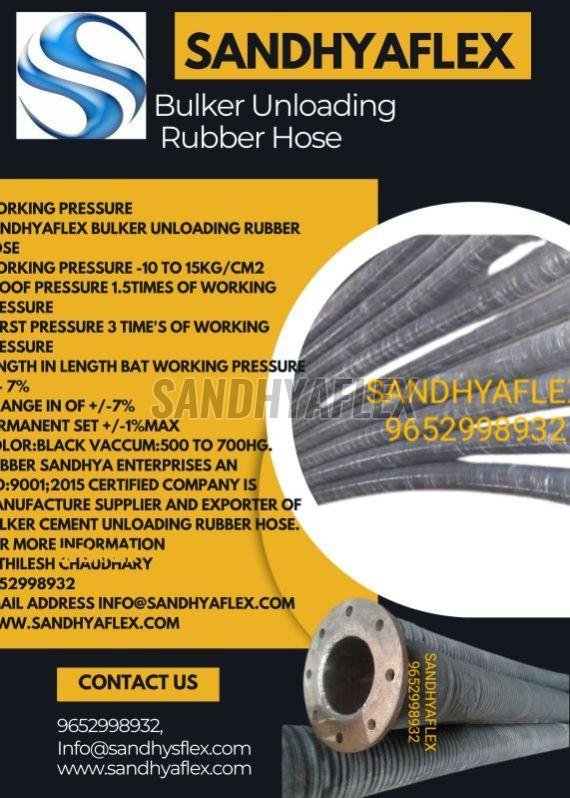
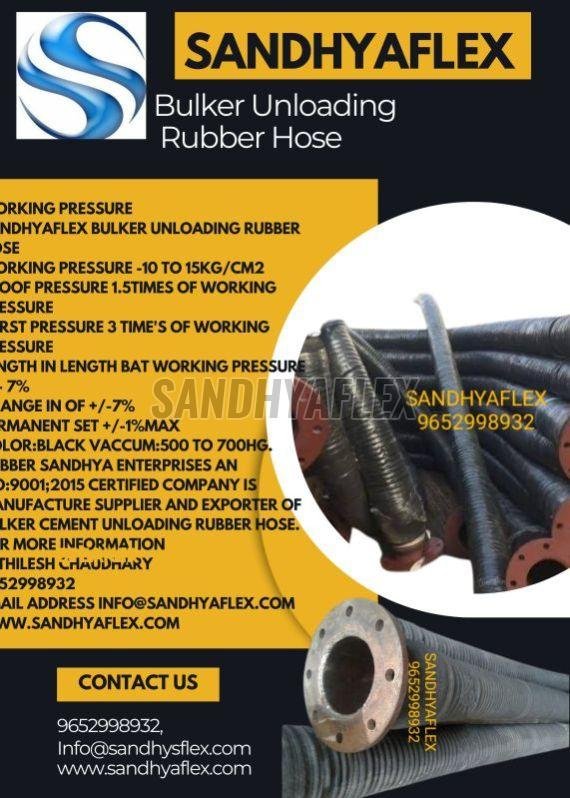
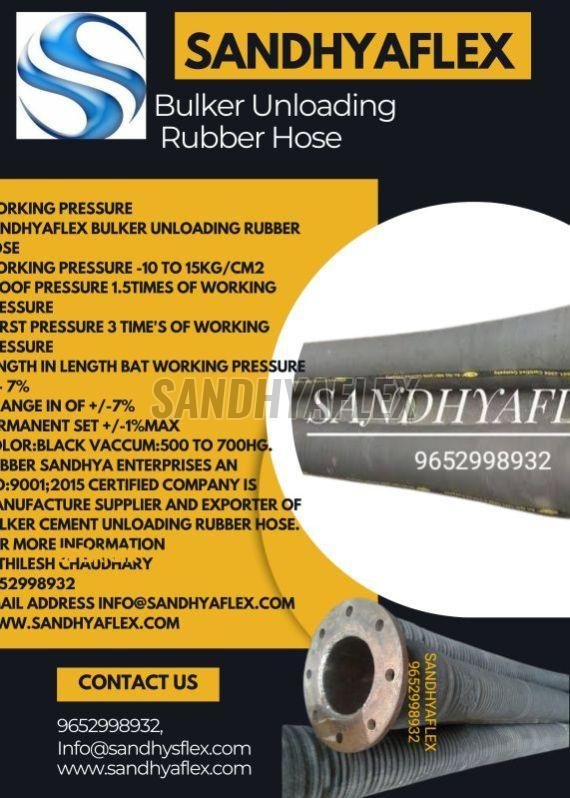
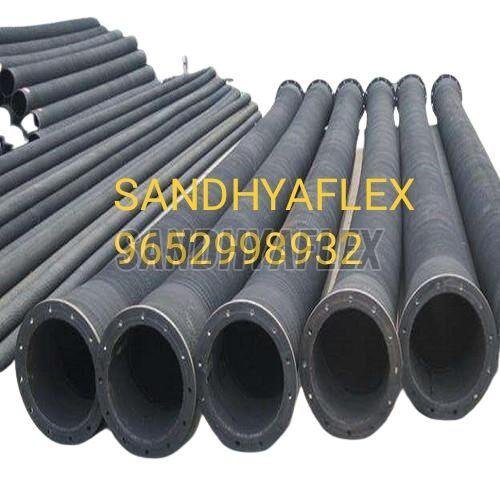
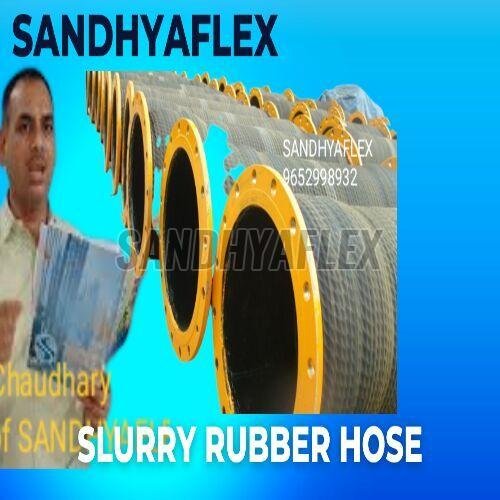
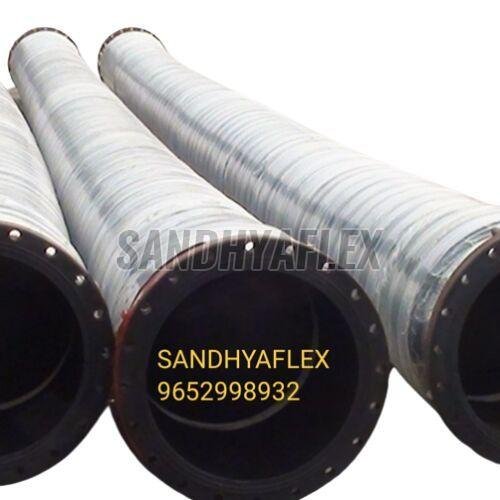
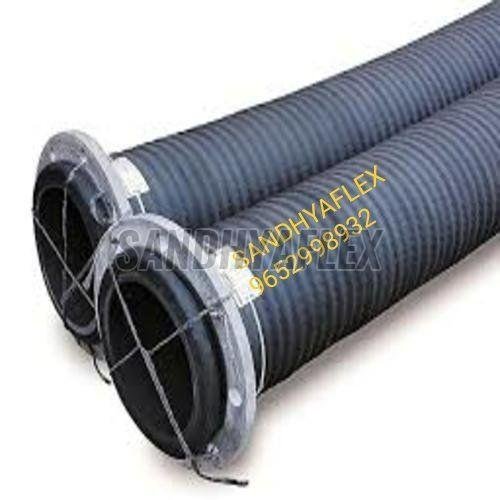
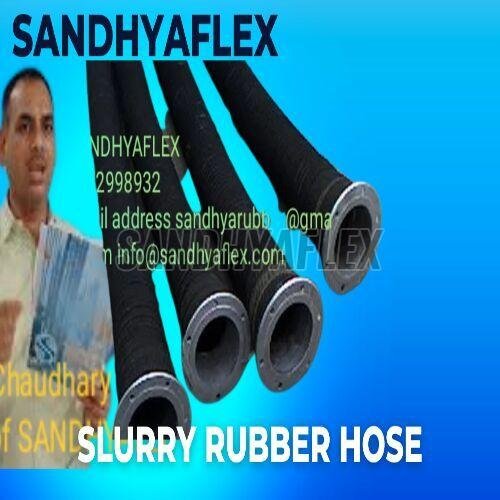
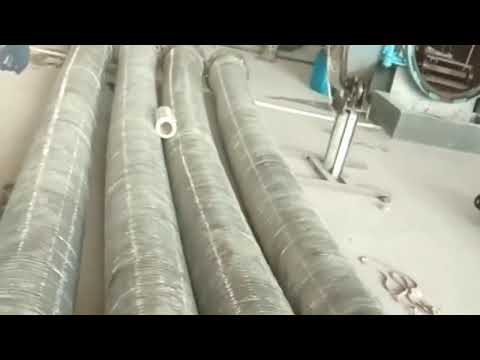
A trusted and leading manufacturer of slurry and mud rubber hose, Sandhya Flex provides highly abrasion resistant and soft natural rubber compound offerings. It has a low resistant electrical binding wire that is embedded between the reinforcement plies to enable electrical continuity along the length of the slurry and mud rubber hose. It has an excellent resistance to weather and abrasion. It finds it applications for grouting at irrigation projects, bridges and building sites among others. The range is rigorously tested to ensure the highest quality and performance. Our slurry and mud rubber hose has a robust construction and performance.
Sandhya Enterprises AN ISO:9001;2015 Certified Company is manufacture and Supplier of Slurry and Mud Rubber Hose As per IS: IS: 13071-1991 Specification:
Size: 6” ID to 10” ID
End Fitting: MS Flange as per ASA 150 # ANSI 16.5 Drilled and DIN Specification.
Working Pressure ‐ 10 to 25kg/cm2
Color: Black
Vaccum: 500 to 700hg
| Business Type | Manufacturer, Exporter, Supplier |
| Brand Name | SNDHYAFLEX |
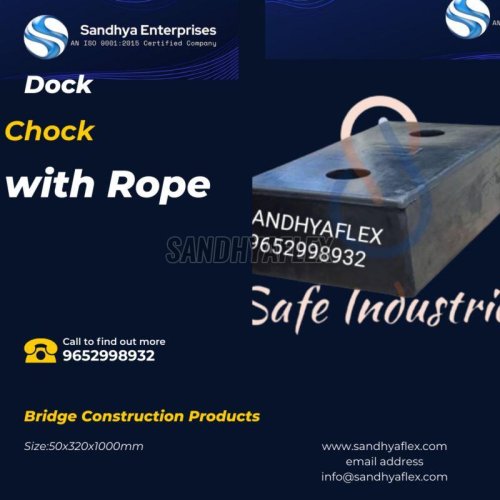
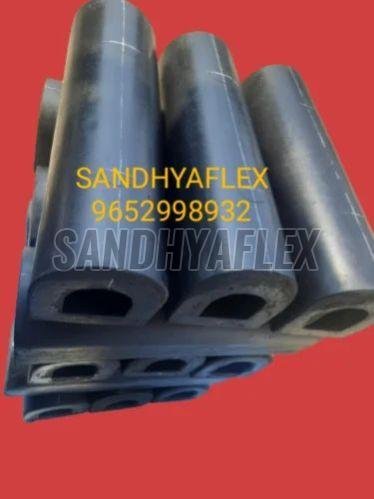
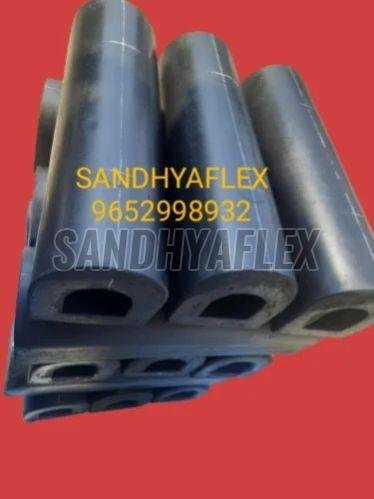
A dock rubber bumper, also known as a dock bumper or dock fender, is a protective device used in marine applications to prevent damage to boats and vessels during docking or mooring. It is typically made of durable and resilient materials, such as rubber or plastic, and is mounted on the edges of docks, piers, or other waterfront structures.
The primary purpose of a dock rubber bumper is to act as a cushion or buffer between the dock and the boat, absorbing impact and reducing the risk of scratches, dents, or more severe damage to the boat's hull or the dock itself. These bumpers provide a protective barrier that helps to prevent accidents and collisions, especially during adverse weather conditions or when inexperienced boaters are docking.
Dock rubber bumpers come in various shapes and sizes, depending on the specific application and the size of the boats or vessels they need to protect. They can be designed as cylindrical bumpers, flat strips, or other configurations to accommodate different docking scenarios.
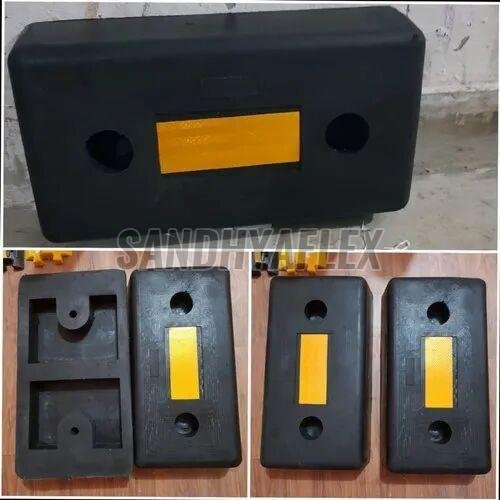
Additionally, some dock rubber bumpers have built-in reflective elements or bright colors to enhance visibility, making them more effective during low-light conditions or in busy harbors with heavy marine traffic.
Overall, dock rubber bumpers are an essential safety feature for waterfront facilities and play a crucial role in preserving the integrity of both boats and docks during docking and mooring operations.

| Business Type | Manufacturer, Exporter, Supplier, Retailer |
| Brand Name | SANDHYA |
| Material | Natural Rubber And Synthetic Rubber |
| Number Of Flower | Double Bulb Dam Gate Seal |
| Diameter | 25 to 50mm |
| Length | 15Mtr Max |
| Country of Origin | Stores dry and cool |
| Certificate | Issu the Test Cerificate |
| Product Code | SE_DGS |
| Delivery Time | 10 to 15days |
| Packaging Details | Packing in Coil System in Wooden Bos |
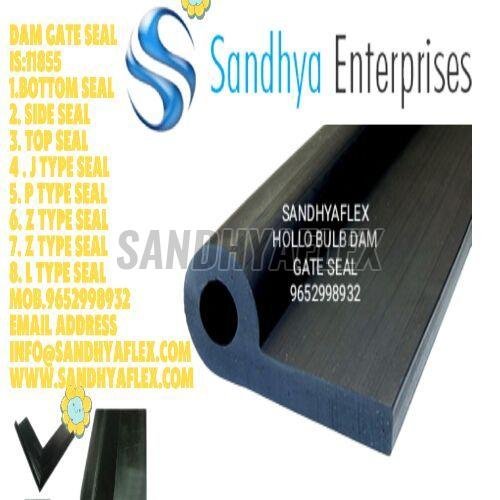
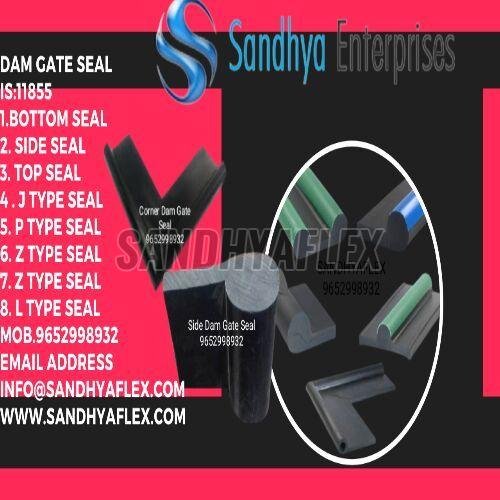
A dam gate seal is a component used to provide a watertight seal between the gate and the dam structure in a water control or hydroelectric power generation system. The gate seal helps prevent water leakage and ensures the efficient operation of the dam.
The key features and characteristics of a dam gate seal include:
1. Material: Dam gate seals are typically made of durable and resilient materials that can withstand the hydraulic forces, pressure differentials, and exposure to water. Common materials used include rubber compounds, such as natural rubber or synthetic elastomers like neoprene or EPDM (ethylene propylene diene monomer).
2. Design: The design of the gate seal depends on the specific requirements of the dam structure and the type of gate system used. The seal is typically custom-made or fabricated to fit the specific dimensions and shape of the gate and the sealing surfaces.
3. Watertightness: The primary function of a dam gate seal is to provide a watertight barrier between the gate and the dam structure. The seal is designed to minimize or eliminate water leakage around the gate, ensuring effective water control and preventing loss of water or potential structural damage.
4. Compression and resilience: Dam gate seals are designed to compress and create a tight seal when the gate is closed against the dam structure. The seal must have sufficient resilience to accommodate movement of the gate and changes in water pressure without compromising the seal integrity.
5. Durability and resistance: Dam gate seals are exposed to various environmental conditions, including water, sunlight, and temperature variations. They are designed to be resistant to UV degradation, water absorption, ozone, and other factors that can degrade the material over time.
6. Maintenance: Regular inspection and maintenance of the dam gate seal are necessary to ensure its proper functioning. This includes checking for signs of wear, damage, or deterioration and replacing the seal if necessary to maintain its effectiveness.
The selection and design of a dam gate seal depend on factors such as the water pressure, gate size, gate type (e.g., sliding gate, radial gate, or crest gate), and specific project requirements. Engineering consultants or manufacturers specializing in dam gate systems can provide guidance and expertise in selecting the appropriate seal for a particular dam application.

| Business Type | Manufacturer, Supplier, Retailer |
| Brand Name | SANDHYA |
| Width | 90 to 200 |
| Properties | 66Hardness |
| Item Type | Double Bulb Dam Gate Seal |
| Country of Origin | Stores dry and cool |
| Product Code | SE_DGS |
| Delivery Time | 15 to 20days |
| Packaging Details | Packing in Coil System |
| Business Type | Manufacturer, Exporter, Supplier, Retailer |
| Brand Name | NRI/NP |
| Material | EPDM Rubber |
| Application | Sealing for GRP Pipe |
| Product Code | GRPRG |
| Payment Terms | T/T |
| Delivery Time | 7 to 15days |
| Packaging Details | Packing in HDPE Cover |
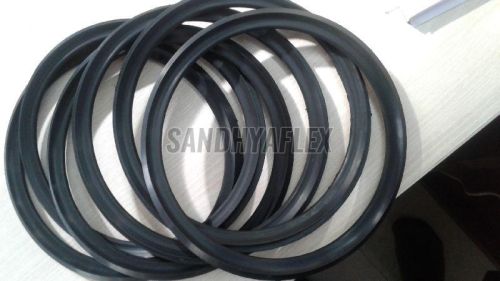
Sandhya Enterprises manufacturer and Supplier Double Wall Corrugated Pipe gasket.
size:100mm to 1000mm
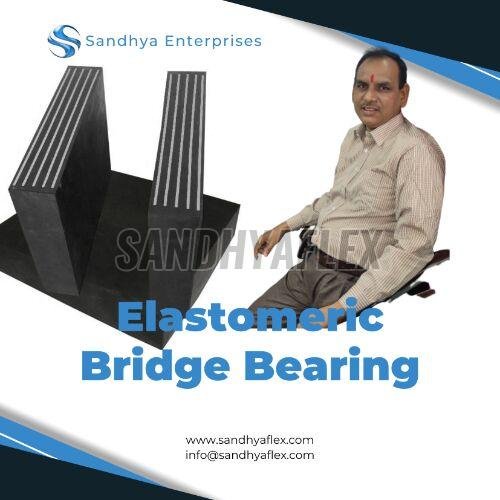
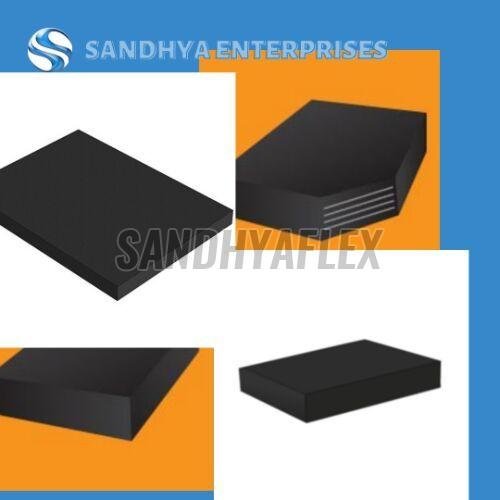
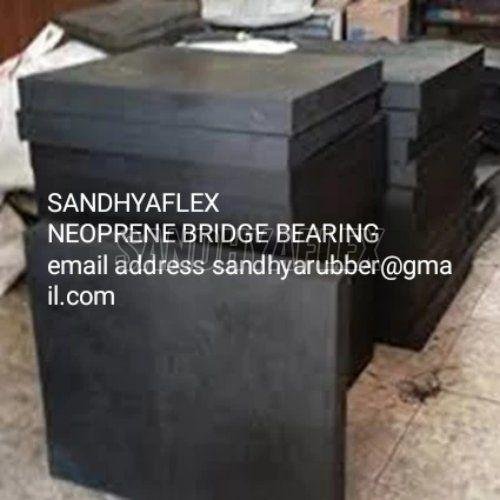
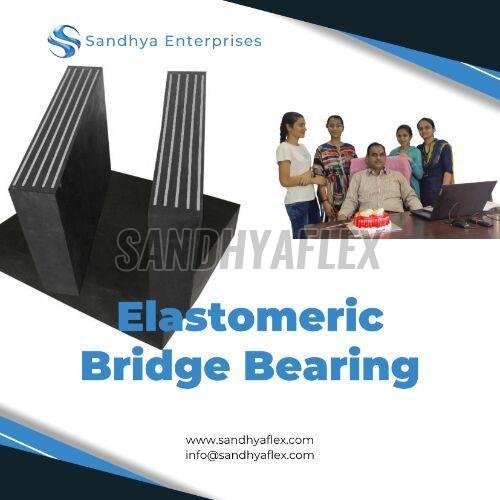
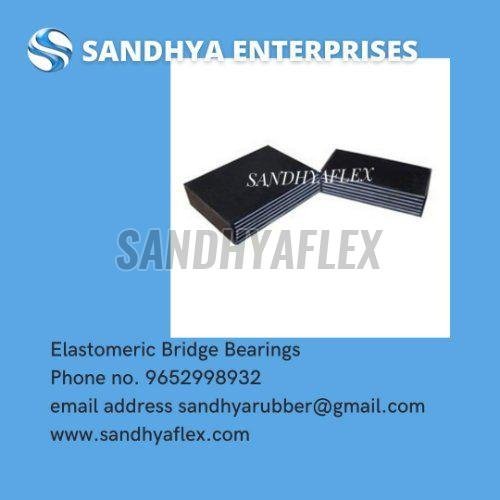
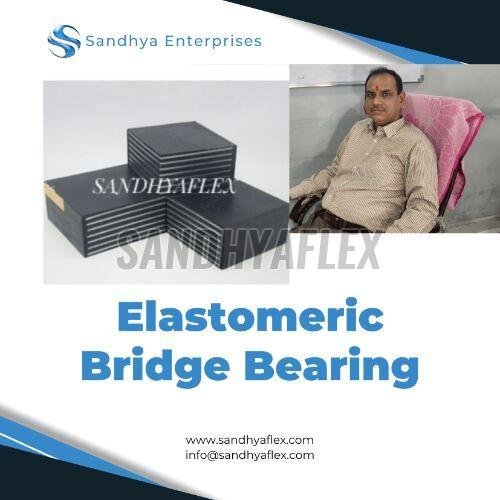
| Business Type | Manufacturer, Supplier, Retailer |
| Country of Origin | India |
| Size | 160mm To 1000mm Width And 200 To 1500mm Length |
| Number Of Flower | Elastomeric Bearing Pad |
| Material | Neoprene Rubber, Rubber And MS Plate |
| Shape | Square |
| Thickness | 22 Ot 144mm |
| Brand Name | SANDHYAFLEX |
| Elastomeric Bridge Bearing | 0.34 to 0.50/ccm |
| Product Code | EBB |
| Port | kakinada |
| Payment Terms | T/T |
| Delivery Time | 7 to 15days |
| Packaging Details | Packing with HDPE Cover |
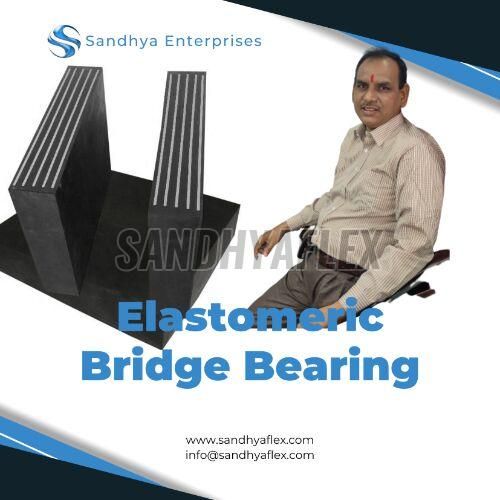
The clients can rest assured for their payment, as our payment procedures are safe, easy to use and make hassle free transactions. It is due to our guarantee of providing damage-free products to the clients; we are highly in demand amongst the buyers. Our packaging experts keep a stringent check on the entire packing procedure ensuring the same.
Applications :
- Bridges
- Railway tracks etc
- Road Bridge
- Railway Bridge
- NH Highway
- Merto Railaway Bridge
Features :
- Unmatched quality
- Superb strength
- Simple installation
Additional Information :
- Item Code - SE-BB
- Pay Mode Terms - T/T (Bank Transfer)
- Production Capacity - 5000000 lack ccm/days
- Delivery Time - 10Day max.
- Packaging Details - Packing with HDPE cover