| Business Type | Manufacturer, Exporter, Supplier |
| Condition | New |
| Material | PVC |
| Brand Name | SNDHYAFLEX |
| Automatic Grade | Automatic |
| Application | Road Indication |
| Size | The term **"size"** can mean different things depending on the context. Can you tell me what you're,Cool — so you're working with **brand, color, size** data. This is super common for anything from fashion to electronics to packaging. Here's how it ty |
| Product Code | sandhyaflex |
| Port | A **port of dispatch** refers to the location (typically a seaport or airport) from which goods are |
| Payment Terms | D/A, D/P, T/T |
| Delivery Time | 7to 15days |
| Packaging Details | packaging as per dimension |
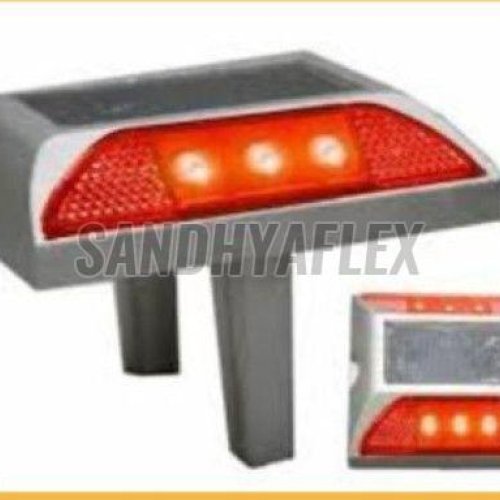
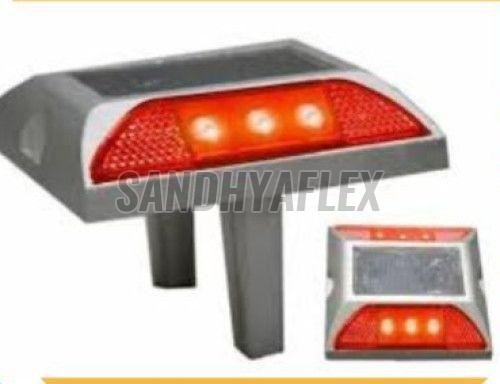
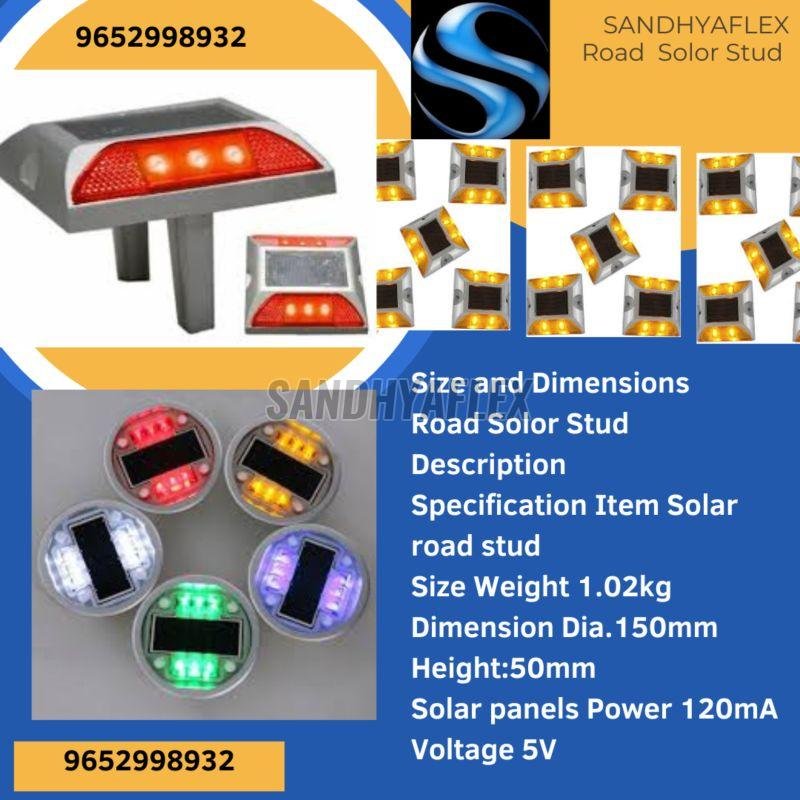
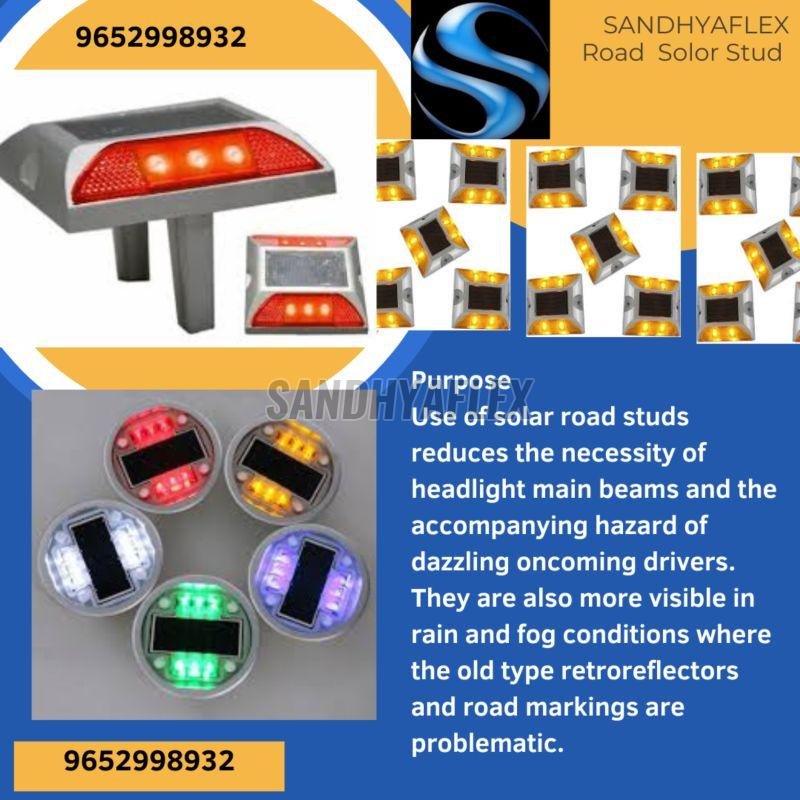
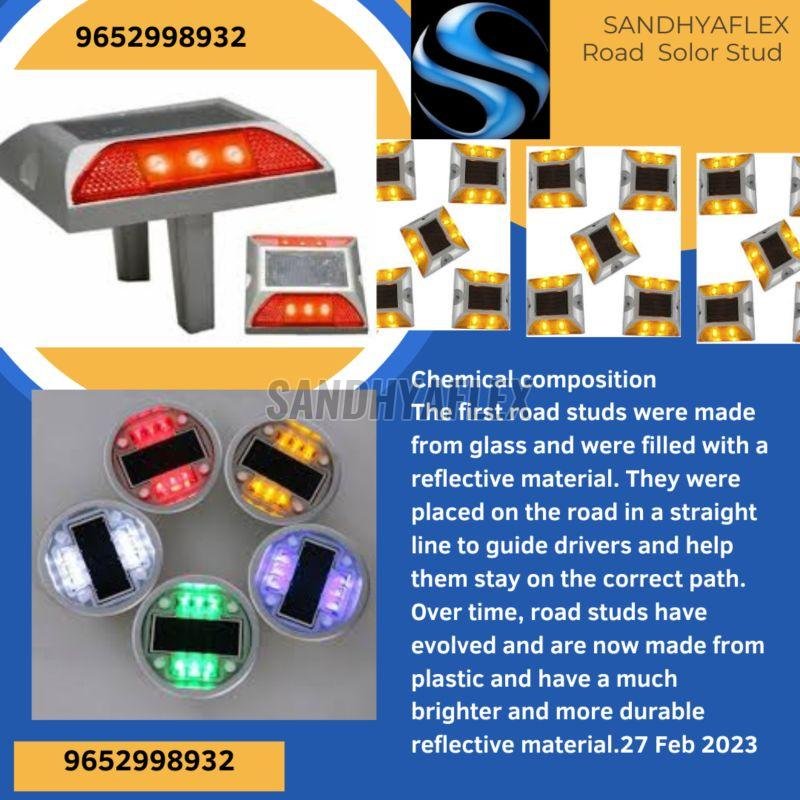
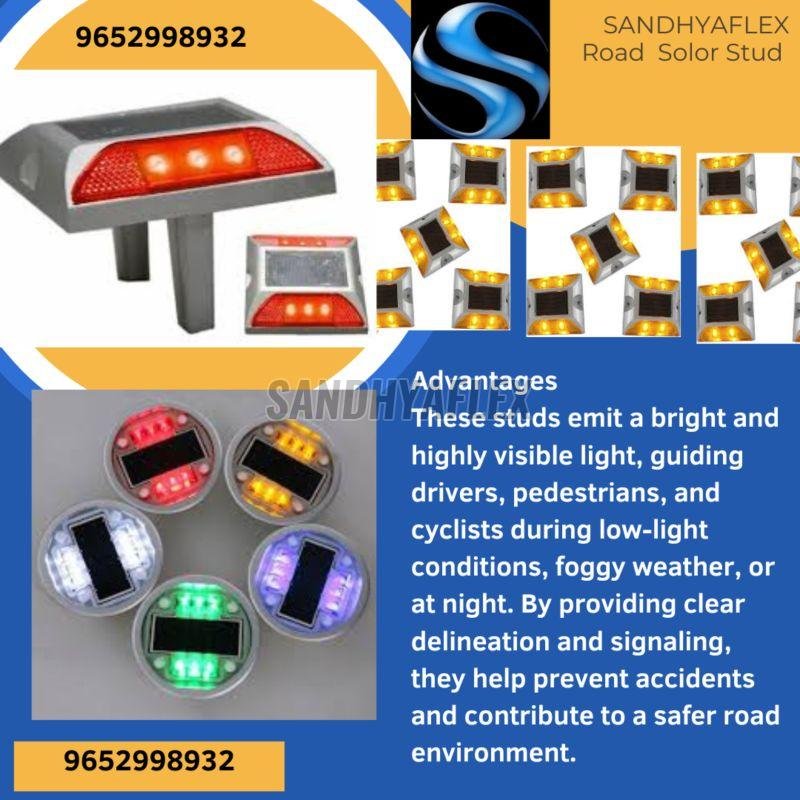
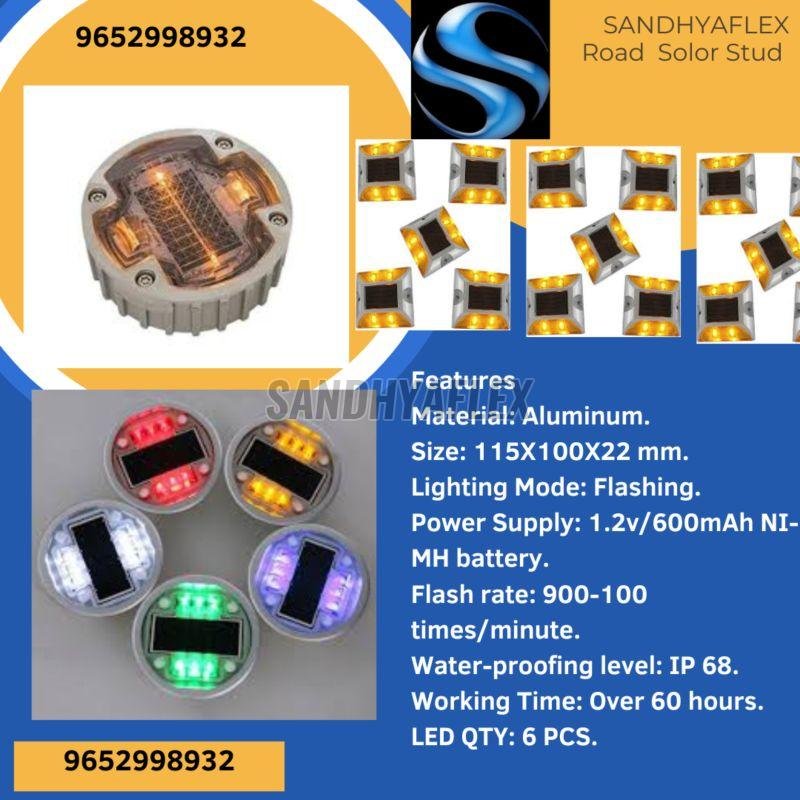
A cat eye reflector, also known as a cat\\\'s eye or a road stud, is a type of road safety device designed to improve nighttime visibility and guide drivers on roads. These reflectors are typically used on roadways, highways, and streets to enhance road safety, especially during low-light conditions or in areas with reduced visibility.
\r\n\r\n
Cat eye reflectors are generally small, durable devices that are embedded into the road surface or mounted on top of it. They have a domed or button-like shape and come in various colors, with white and yellow being the most common. The key features of cat eye reflectors include:
\r\n\r\n
1. Retroreflection: Cat eye reflectors are made using materials that have retroreflective properties. This means that when a light source, such as a vehicle\\\'s headlights, strikes the reflector, it reflects the light back in the direction of the source. This property ensures that the reflectors are visible to drivers from a distance, helping them navigate the road.
\r\n\r\n
2. Raised profile: These reflectors are raised above the road surface, which makes them visible and tactile. When a vehicle\\\'s tires pass over them, the raised profile provides a tactile and auditory warning to drivers, indicating the presence of a road marking or hazard.
\r\n\r\n
3. Durability: Cat eye reflectors are designed to withstand the wear and tear of traffic and weather conditions. They are typically made from materials like plastic, ceramic, or glass that can withstand the weight of vehicles and harsh environmental factors.
\r\n\r\n
4. Different colors: The color of cat eye reflectors may vary, with white and yellow being the most common. White reflectors are typically used to separate lanes on the road, while yellow reflectors are often used to indicate the centerline. Some regions may use other colors or combinations to convey specific road information.
\r\n\r\n
These reflectors serve various purposes, such as marking lanes, delineating edges of roadways, guiding traffic through curves, and indicating pedestrian crosswalks. They are an important part of a comprehensive road safety strategy, particularly in areas with minimal street lighting.
\r\n\r\n
Cat eye reflectors have been in use for many decades and continue to be an essential tool for improving road safety, especially during nighttime and adverse weather conditions.
| Business Type | Manufacturer, Exporter, Supplier |
| Material | Rubber,PVC |
| Brand Name | sandhyaflex |
| Condition | New.Used |
| Model Number | varies |
| Feature | Blow-Out-Proof |
| Width | 1-3ft |
| Number Of Flower | Rubber Speed Hump |
| Product Code | SF-RSB |
| Port | depends |
| Payment Terms | D/P |
| Delivery Time | negotiable |
| Packaging Details | Sure! Here's a general format for **packaging details**, which can be used for product listings, shipping docs, or spec sheets: --- ### 📦 **Packaging Details** **1. Product Name:** Your Product Name Here **2. Packaging Type:** (Box / Bottle / Pouch / Blister Pack / Shrink Wrap / Custom Packaging, etc.) **3. Material Used:** Corrugated cardboard / Plastic / Glass / Aluminum foil / Paperboard, etc. **4. Dimensions:** L × W × H (e.g., 20 cm × 15 cm × 10 cm) **5. Weight:** - **Net Weight:** (weight of product only, e.g., 500g) - **Gross Weight:** (including packaging, e.g., 550g) **6. Units per Package:** (e.g., 1 item per box, 6 bottles per pack, 12 sachets per carton) **7. Labeling:** Includes product name, brand, barcode, expiry date, batch number, instructions, etc. **8. Protection Features:** - Tamper-evident seal - Bubble wrap / Foam padding - Vacuum-sealed / Airtight packaging **9. Compliance & Certifications:** (e.g., CE, FDA, FSSAI, ISO 9001) --- If you tell me what the product is (electronics, food, cosmetics, etc.), I can give you more specific packaging details suited to that item. |
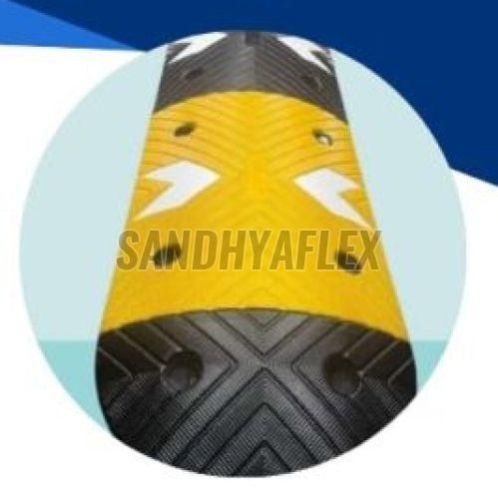
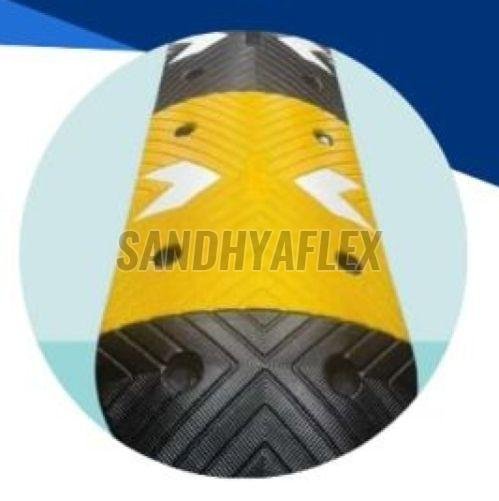
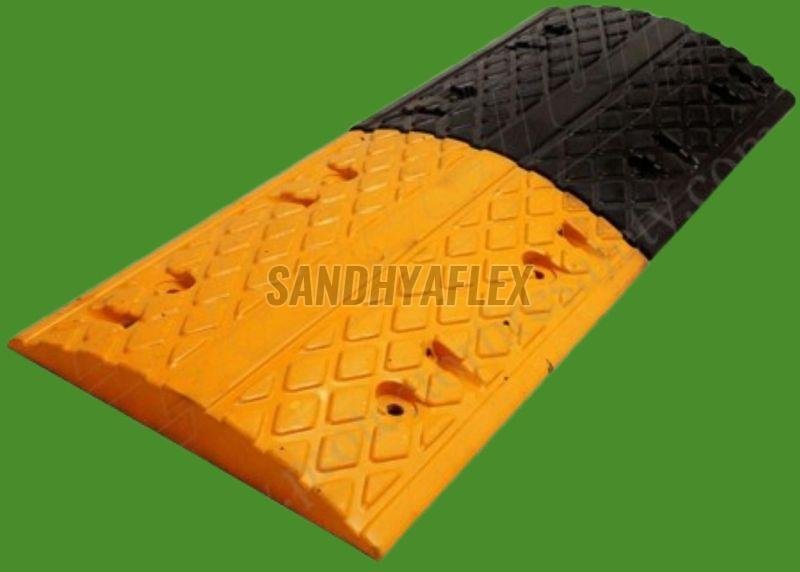
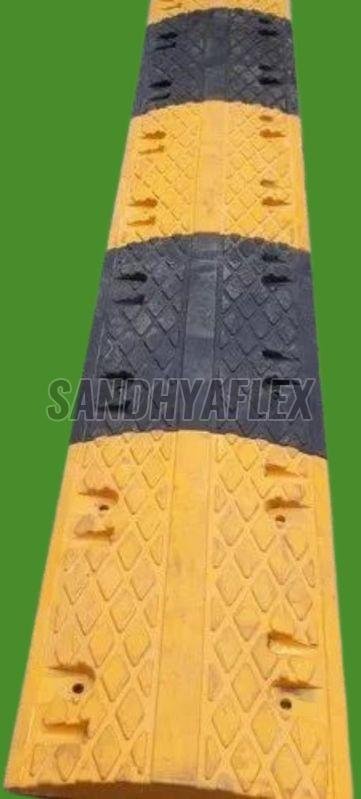
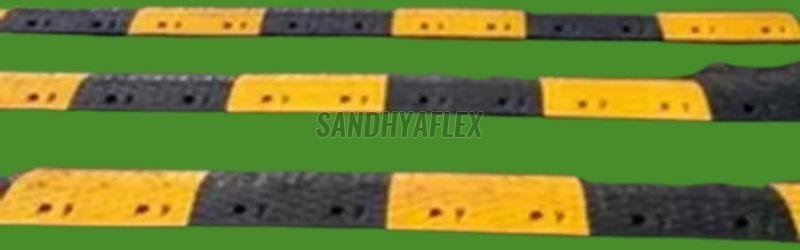
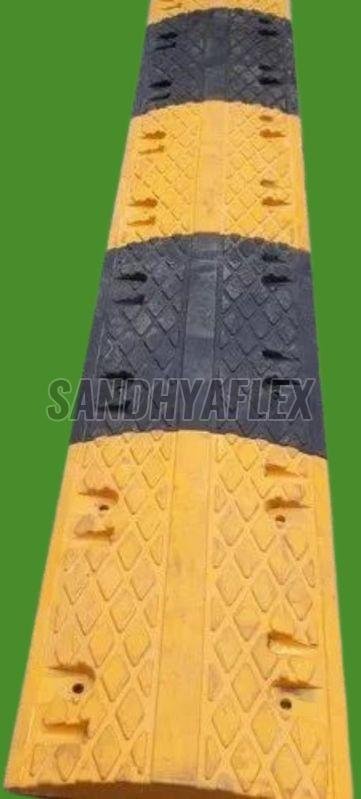
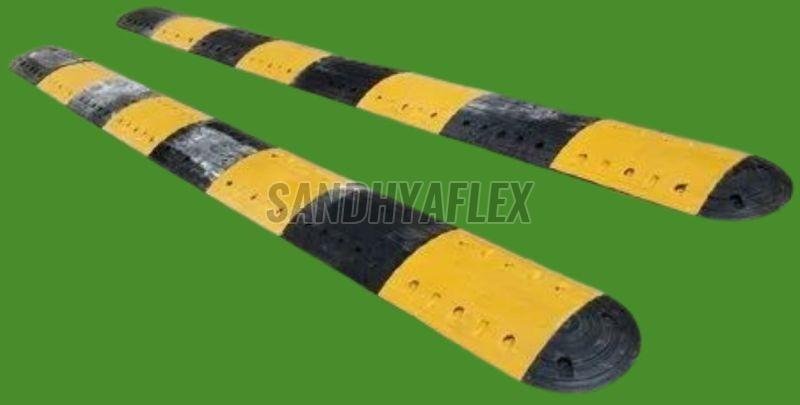
The Sandhyaflex Rubber Speed Breaker is a durable and reliable road safety product designed to reduce vehicle speed in areas like parking lots, residential areas, and industrial zones. Here's a detailed overview:
✅ Features:
- Material: Made from high-quality rubber for excellent durability and weather resistance.
- Design: Modular interlocking design for easy installation and removal.
- Visibility: Usually equipped with reflective yellow panels for better visibility, especially at night.
- Load Bearing Capacity: Can withstand heavy loads, making it suitable for both light and heavy vehicles.
- Anti-Skid Surface: Provides extra grip, preventing skidding and ensuring safety.
🛠 Applications:
- Parking lots and residential areas
- Industrial premises and warehouses
- Toll plazas and highways
- School zones and hospitals
📏 Specifications (May Vary Based on Model)
- Height: Usually ranges from 50 mm to 75 mm
- Width: Standard width of 350 mm to 500 mm
- Length: Typically 250 mm to 500 mm per module
- Weight Capacity: Can handle loads from 10 to 40 tons
- Color: Black and yellow combination for high visibility
🔎 Advantages:
- Easy to install and maintain
- Weather-resistant and long-lasting
- Eco-friendly and recyclable material
- Highly effective in reducing vehicle speed
If you'd like more specific details or recommendations for your application, let me know!
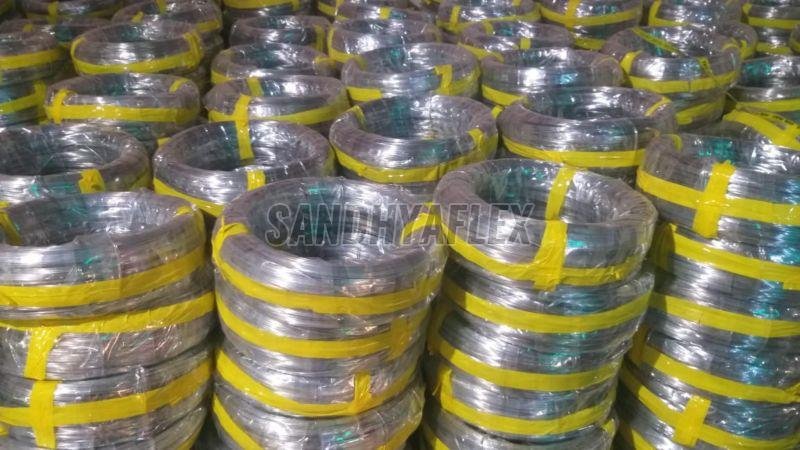
| Business Type | Manufacturer, Exporter, Retailer |
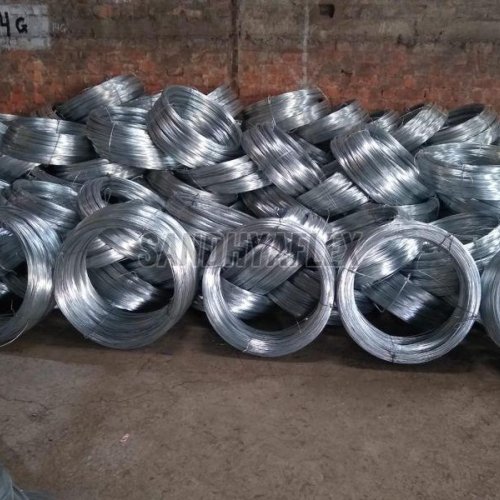
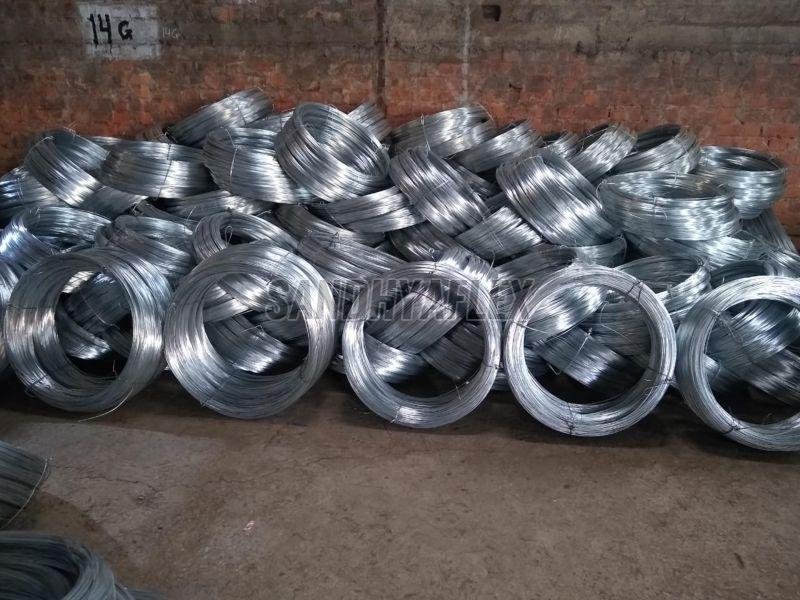
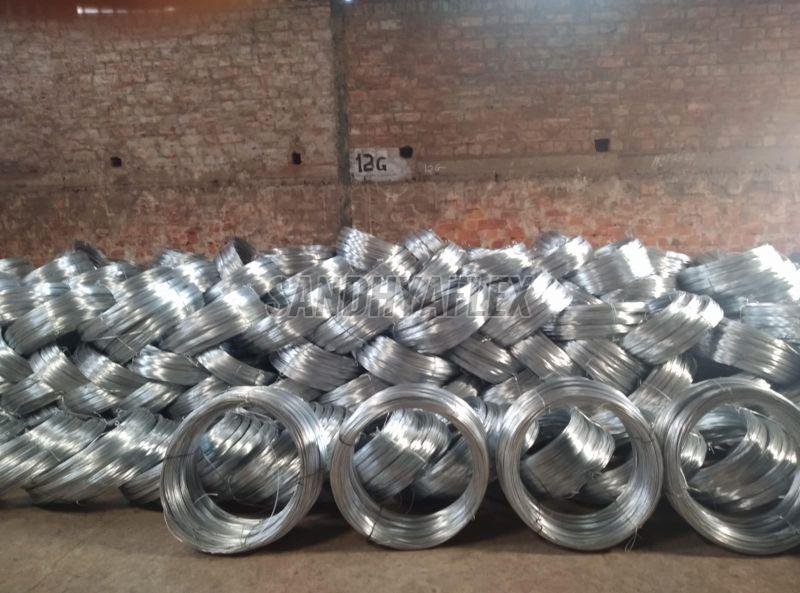
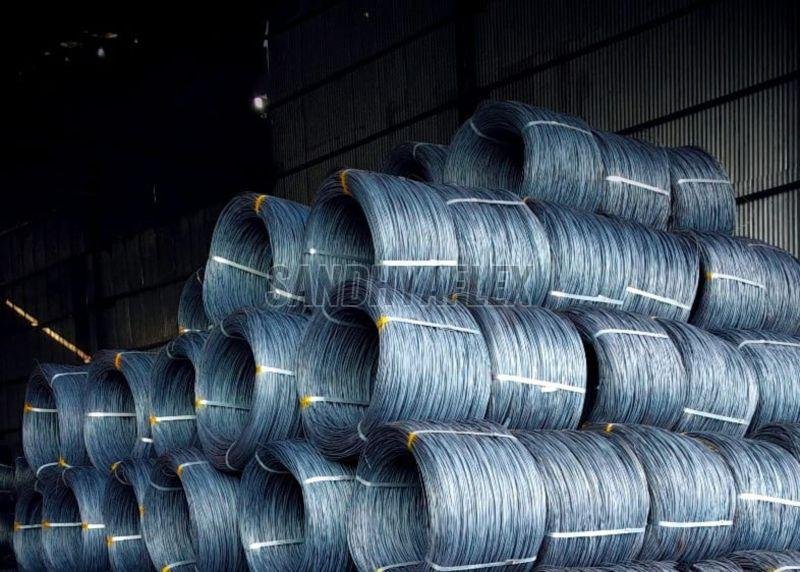
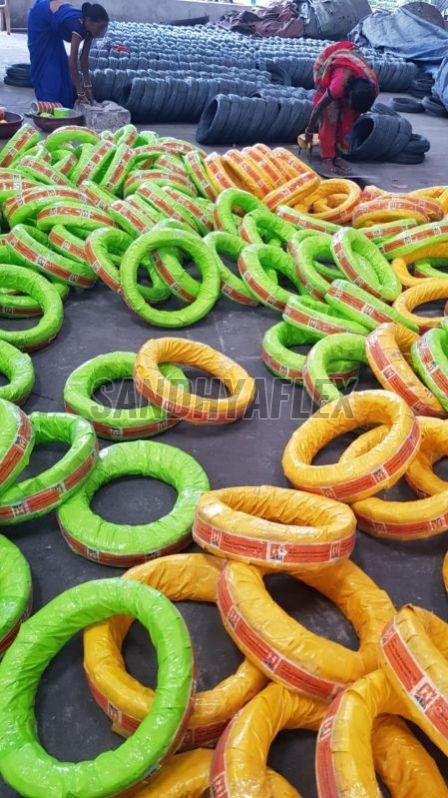
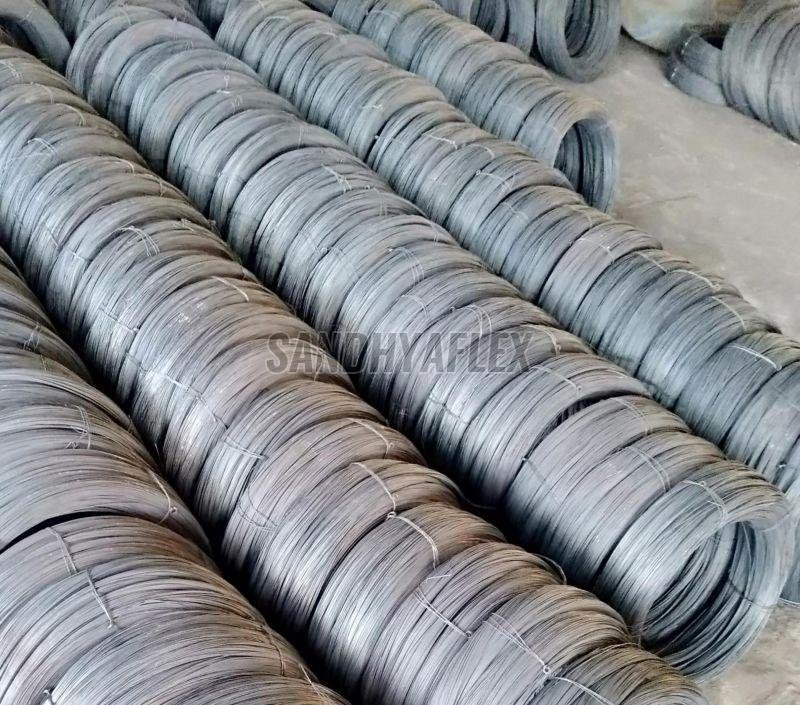
Binding wire, often referred to as bale wire or soft wire, is a versatile type of wire commonly used in various applications across different industries. Here are some common uses and applications of binding wire:
1. **Construction Industry:**
- **Use:** Binding wire is extensively used in the construction industry for securing and fastening various construction materials, such as reinforcing bars (rebar).
- **Application:** It is employed to tie together intersecting bars of rebar to create a rigid and reinforced structure in concrete construction projects.
2. **Packaging and Bundling:**
- **Use:** Binding wire is used in packaging and bundling applications.
- **Application:** It helps secure and bundle items together, such as cardboard boxes, pipes, or other materials, for ease of handling, transportation, and storage.
3. **Fencing and Wire Mesh Installation:**
- **Use:** Binding wire is commonly used in the installation of fencing and wire mesh.
- **Application:** It is used to secure the individual components of the fence or wire mesh, providing stability and ensuring that the structure remains intact.
4. **Agriculture:**
- **Use:** Binding wire finds applications in agriculture.
- **Application:** It is used to secure and tie together plants, vines, or branches, providing support in gardening and agricultural activities.
5. **Art and Craft Projects:**
- **Use:** Binding wire is used in art and craft projects.
- **Application:** Artists and crafters use binding wire to create wire sculptures, jewelry, or to bind together different artistic elements.
6. **Bookbinding:**
- **Use:** Binding wire is utilized in the bookbinding process.
- **Application:** It is used to secure the pages and cover of a book, providing a durable and secure binding.
7. **Temporary Repairs:**
- **Use:** In emergency situations, binding wire can be used for temporary repairs.
- **Application:** It can be employed to secure broken parts of machinery, equipment, or structures until proper repairs can be made.
8. **Home and Garden Use:**
- **Use:** Binding wire has applications in various household and garden tasks.
- **Application:** It can be used to tie together plants, organize cables, or for DIY projects around the home and garden.
9. **Automotive Repairs:**
- **Use:** In automotive repairs, binding wire can be a temporary solution.
- **Application:** It can be used to secure loose components or hold parts together until proper repairs are undertaken.
10. **Recycling Industry:**
- **Use:** Binding wire is used in recycling facilities.
- **Application:** It helps bundle together recyclable materials such as paper, cardboard, or metal, facilitating handling and transportation.
Binding wire comes in various gauges and lengths, providing flexibility for different applications. The wire is often malleable, making it easy to twist and secure items together. Its strength and versatility make it an essential tool in various industries and everyday tasks.


| Business Type | Manufacturer, Exporter, Supplier, Retailer |
| Type | Monolithic |
| Feature | Durable |
| Color | Metalic, Blue,Blue |
| Shape | Round |
| Finishing | Polished |
| Brand Name | SNDHYAFLEX,SANDHYAFLEX |
| Material | Metal, Aluminium,Steel |
| Application | Construction |
| Country of Origin | India |
| Packaging Type | Metalic |
| Product Code | SSEJ |
| Port | mumbai |
| Payment Terms | T/T |
| Delivery Time | 3 to 15 days |
| Packaging Details | Open |
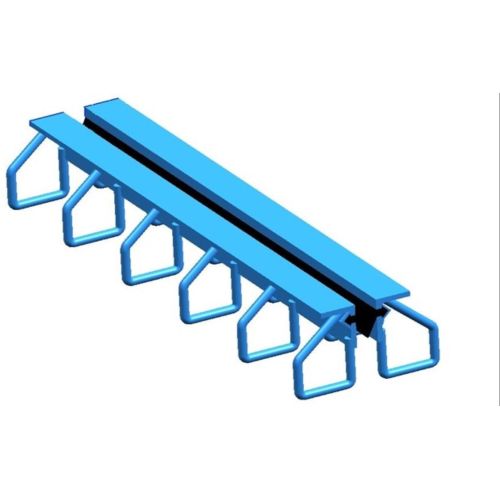
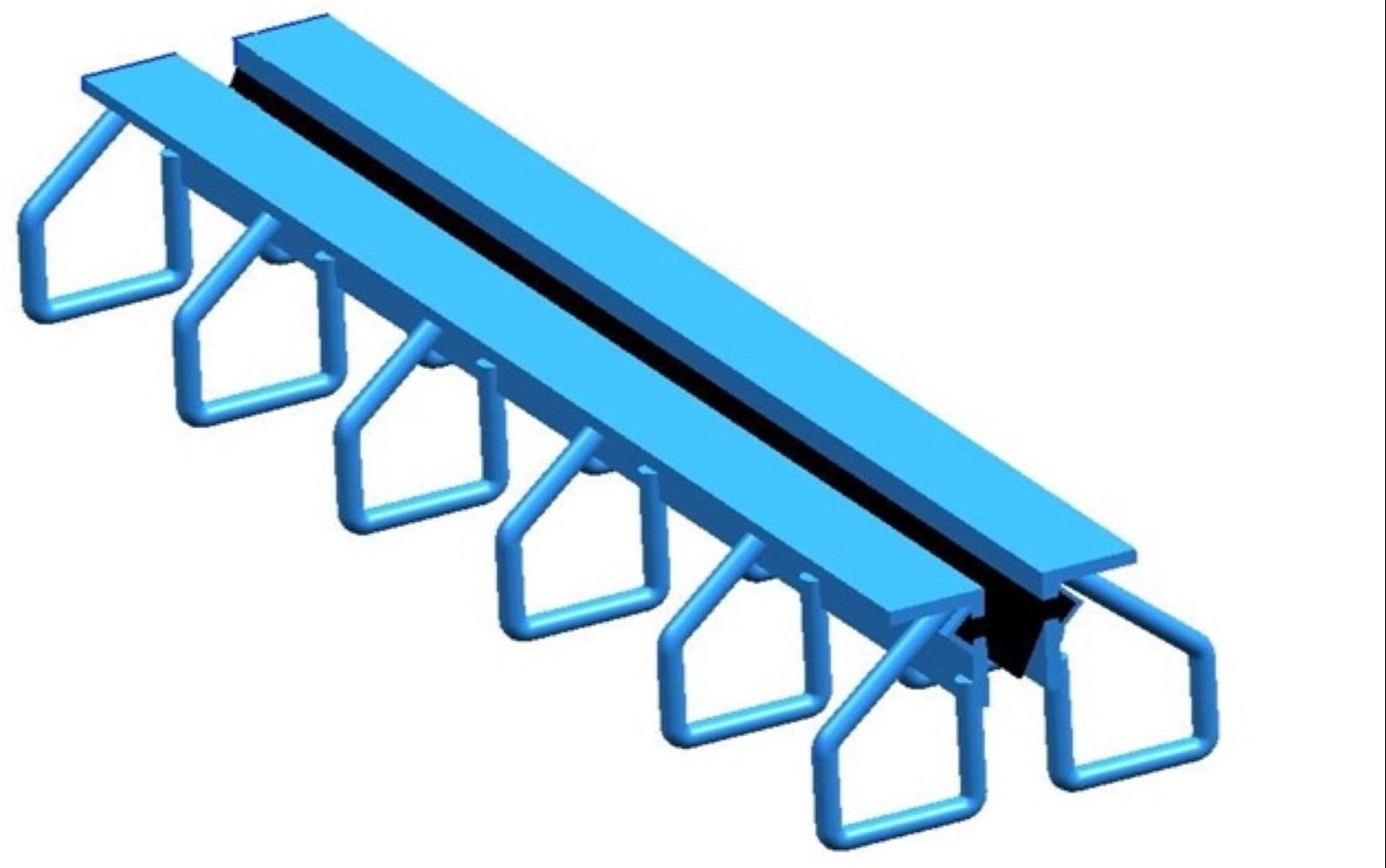
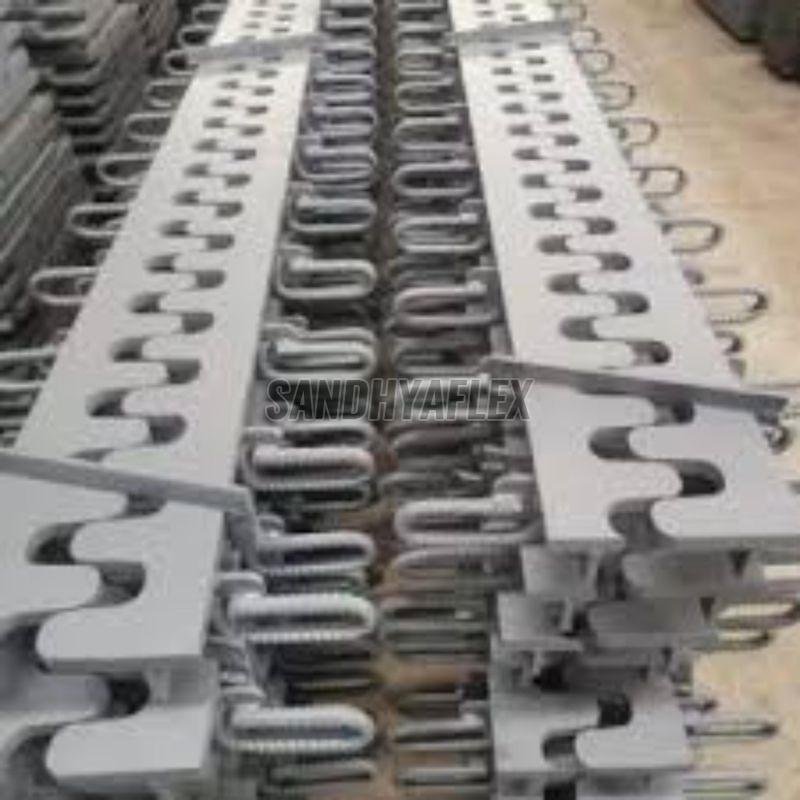
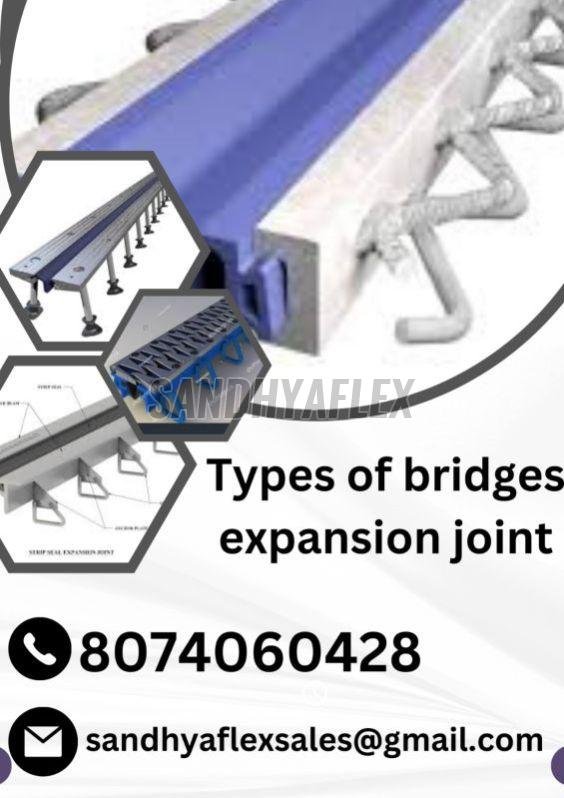
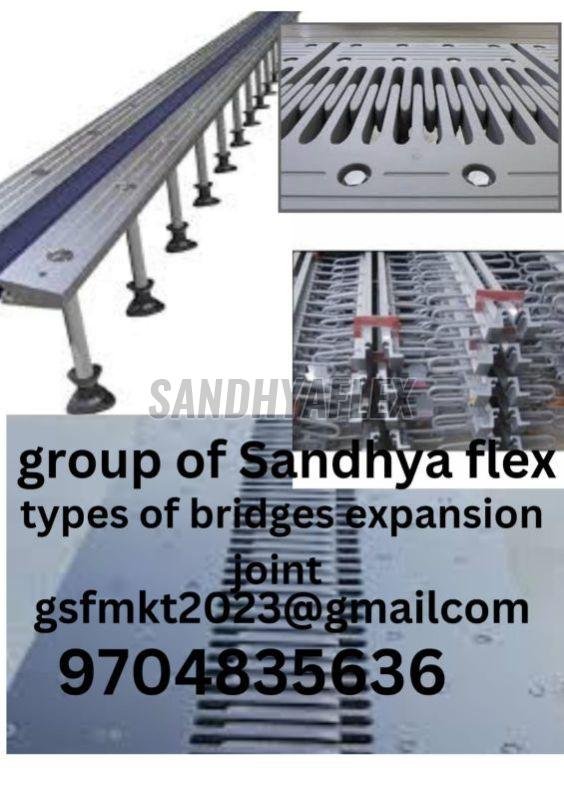
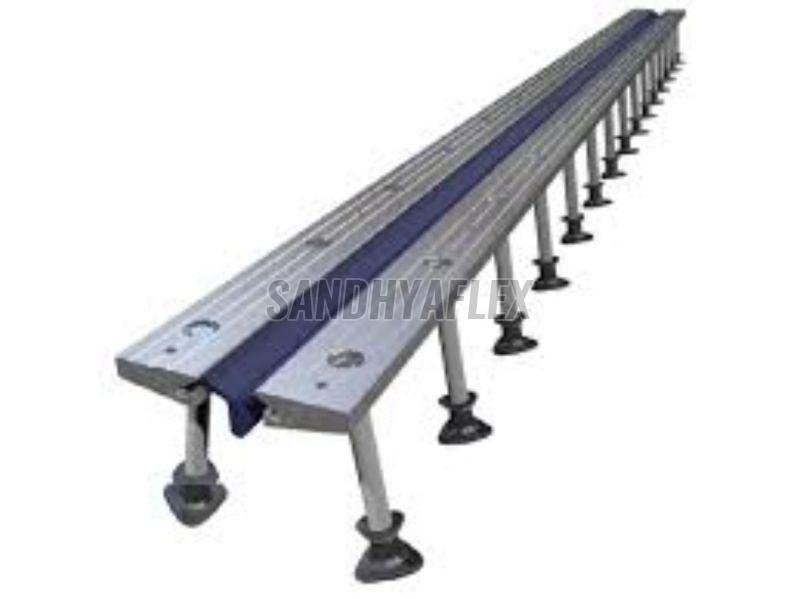
A bridge strip seal expansion joint is a type of expansion joint used in bridges and other structures to accommodate movement caused by temperature variations, seismic activity, and other factors. Expansion joints are crucial in preventing damage to structures by allowing controlled movement and absorbing the stresses generated.
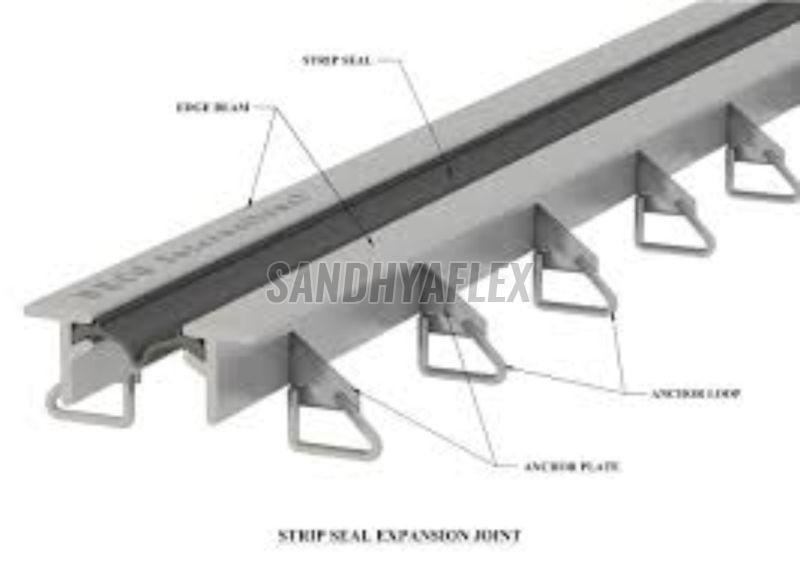
The strip seal expansion joint typically consists of steel edge profiles and a rubber or neoprene sealing element. Here's a breakdown of its key components:
1. **Steel Edge Profiles:** These are usually two parallel steel edge profiles that run along the length of the joint on either side. These profiles provide support and guide for the movement of the joint.
2. **Sealing Element:** The sealing element is a flexible material, often made of rubber or neoprene. It is placed between the steel edge profiles and ensures a watertight seal while allowing for movement. This material should be durable, weather-resistant, and capable of accommodating various types of movement.
3. **Anchor Systems:** The expansion joint is anchored to the bridge structure to prevent unintentional movement or displacement. Anchors are usually positioned at intervals along the length of the joint.
4. **Cover Plates:** In some designs, cover plates may be used to protect the sealing element from debris, water, and other environmental factors. These plates can also provide a smoother surface for vehicles to traverse.
The strip seal expansion joint allows for both translational and rotational movement, providing flexibility for the structure during expansion and contraction. This movement helps to reduce stress on the bridge components and prevents potential damage that could occur if the expansion and contraction were restricted.
Regular inspection and maintenance of strip seal expansion joints are essential to ensure their effectiveness over time. Factors such as exposure to weather, traffic load, and other environmental conditions can impact the performance of the joint, so periodic checks are necessary to identify and address any issues.
| Business Type | Manufacturer, Exporter, Supplier, Retailer |
| Finishing | Coated |
| Application | Industrial Use |
| Feature | Durable, Fine Finishing, High Strength |
| Country of Origin | India |
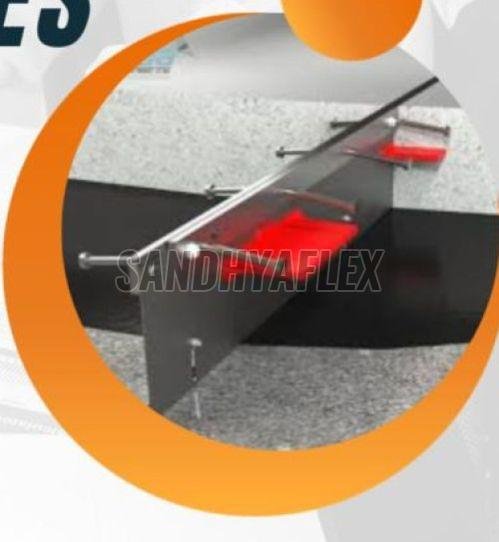
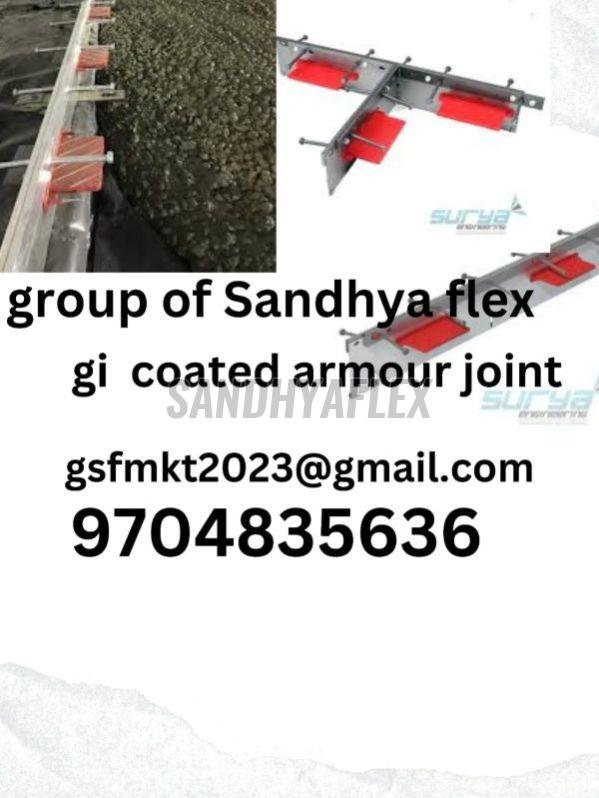
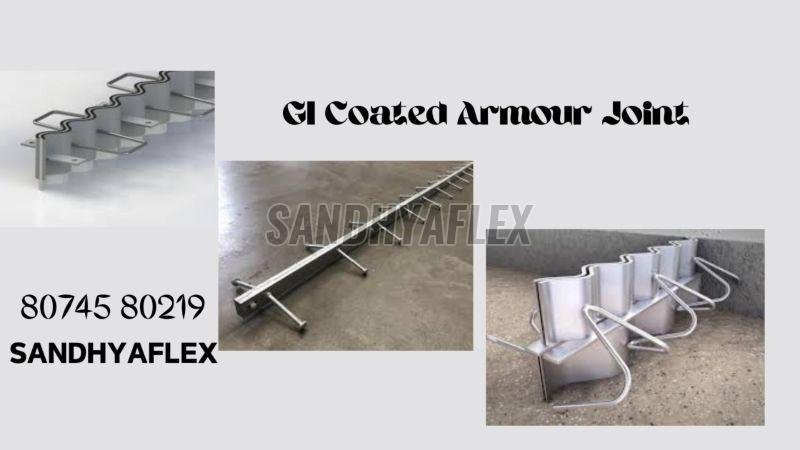
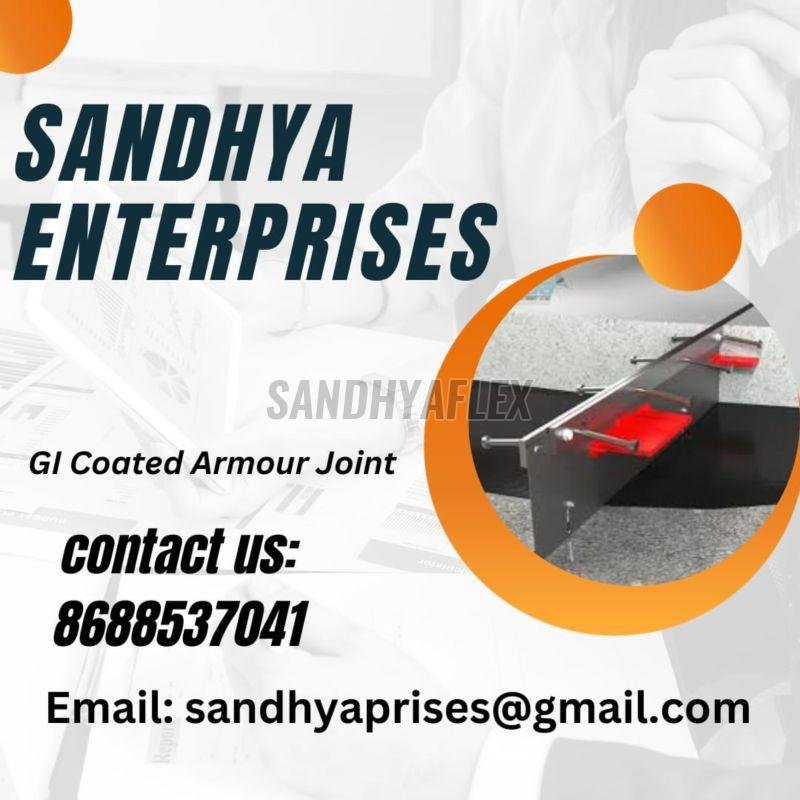
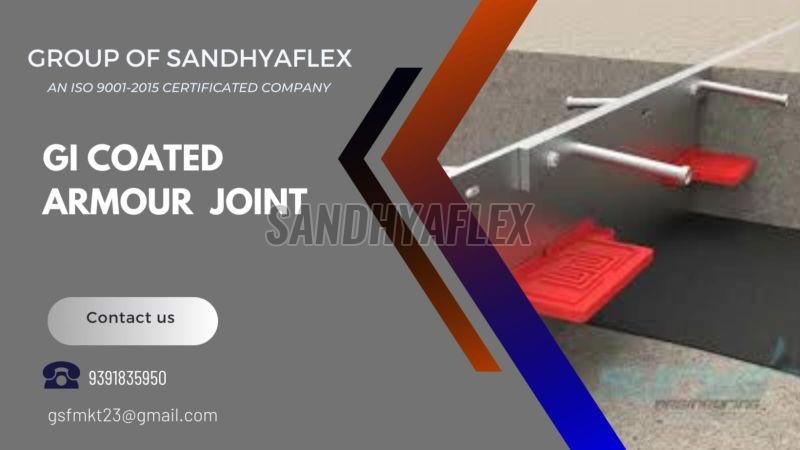
| Number Of Flower | Armor Joint |
| Material | Galvanized Iron (GI) |
| Strength And Durability | Associated With Strength And Durability For Robust Connections Or Protection. |
| Ease Of Installation | Aims For Ease Of Installation, Reducing Complexity And Time Required. |
| Payment Terms | T/T |
As of my last knowledge update in January 2022, I don\\\'t have specific information about a product or technology known as \\\"GI coated Armour Joint.\\\" However, I can provide some general features that might be associated with a product combining galvanized iron (GI) coating and an armor joint:
\r\n\r\n
1. **Corrosion Resistance:** GI coating provides protection against corrosion, which is crucial for applications in various environments, especially those with exposure to moisture or harsh weather conditions.
\r\n\r\n
2. **Strength and Durability:** Armor joints are often associated with strength and durability, providing robust connections or protection in applications such as structural components or military equipment.
\r\n\r\n
3. **Versatility:** Depending on the specific design and application, GI coated armor joints might offer versatility, making them suitable for a range of industries and purposes.
\r\n\r\n
4. **Ease of Installation:** Many joint systems aim for ease of installation, reducing the complexity and time required for assembly. This can be a significant factor in construction or manufacturing applications.
\r\n\r\n
5. **Customization:** Some armor joint systems allow for customization to meet specific requirements, whether in terms of size, shape, or other characteristics.
\r\n\r\n
6. **Compatibility:** GI coated armor joints may be designed to work seamlessly with other components or materials commonly used in the relevant industry or application.
\r\n\r\n
7. **Cost-Effectiveness:** Depending on the manufacturing processes and materials used, these joints may be cost-effective compared to alternative solutions while still meeting performance requirements.
\r\n\r\n
8. **Application-Specific Features:** The features can vary widely based on the intended application. For example, joints used in military applications might have specific features related to ballistic resistance or shock absorption.
\r\n\r\n
It\\\'s important to note that these features are speculative, and the actual features would depend on the specific product or technology you are referring to. If \\\"GI coated Armour Joint\\\" is a term associated with a particular product or industry, I recommend checking with manufacturers, suppliers, or industry publications for the most accurate and up-to-date information.
| Business Type | Manufacturer, Exporter, Supplier, Retailer |
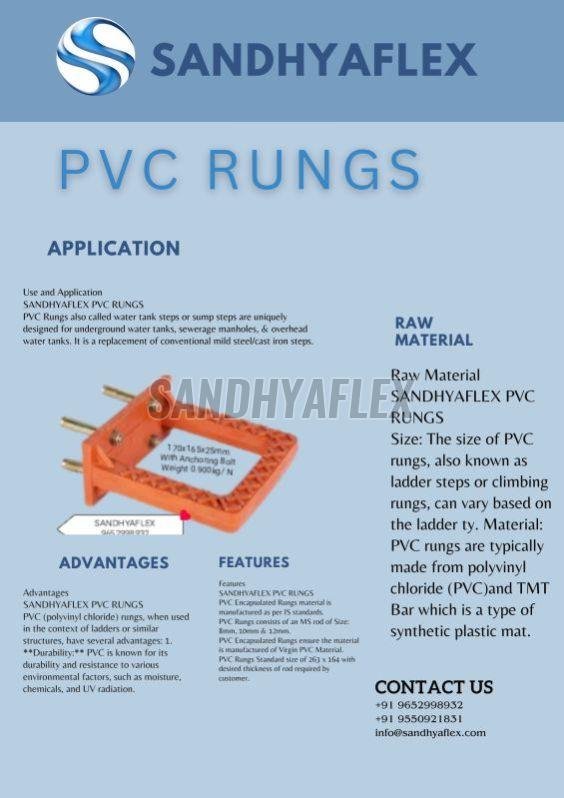
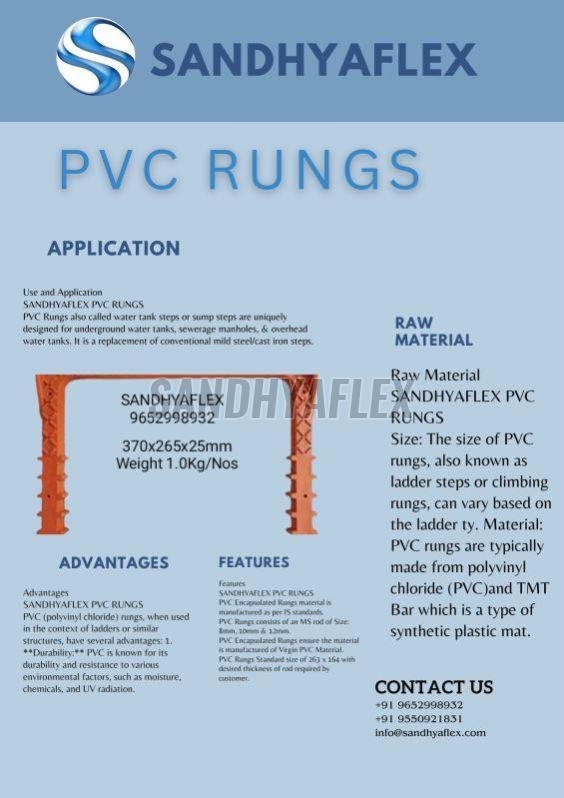
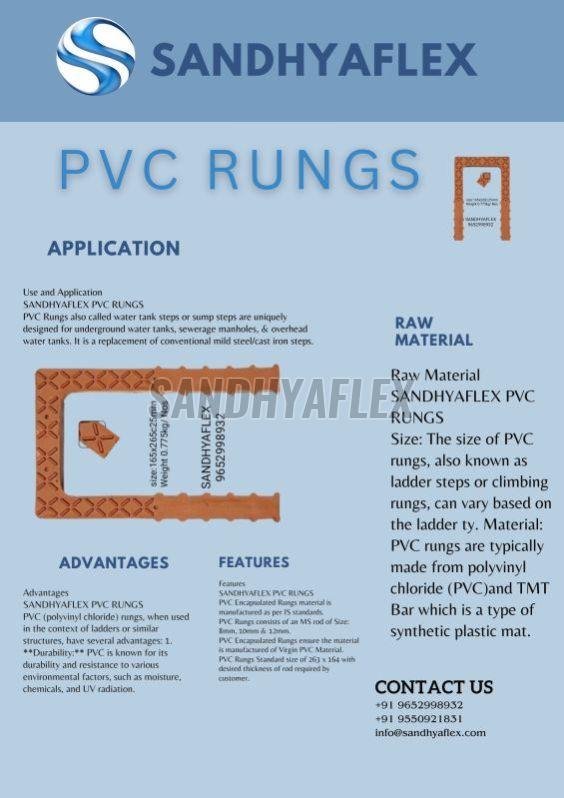
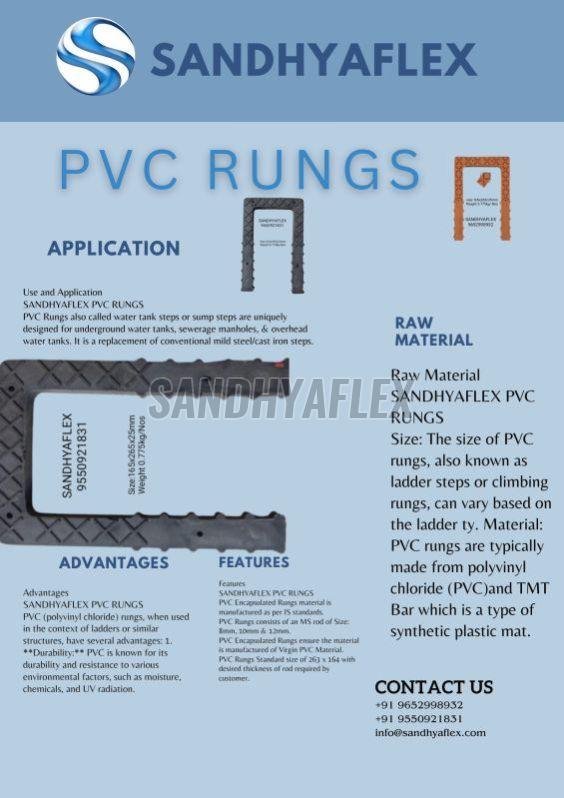
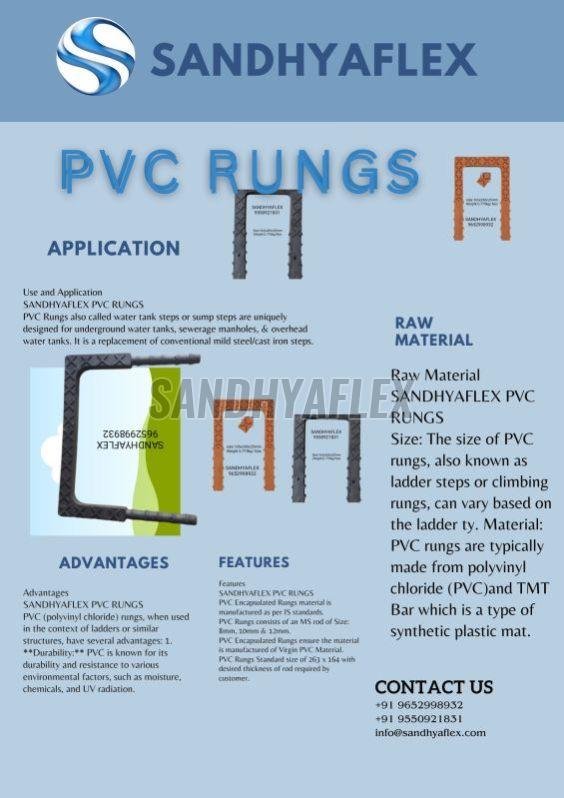
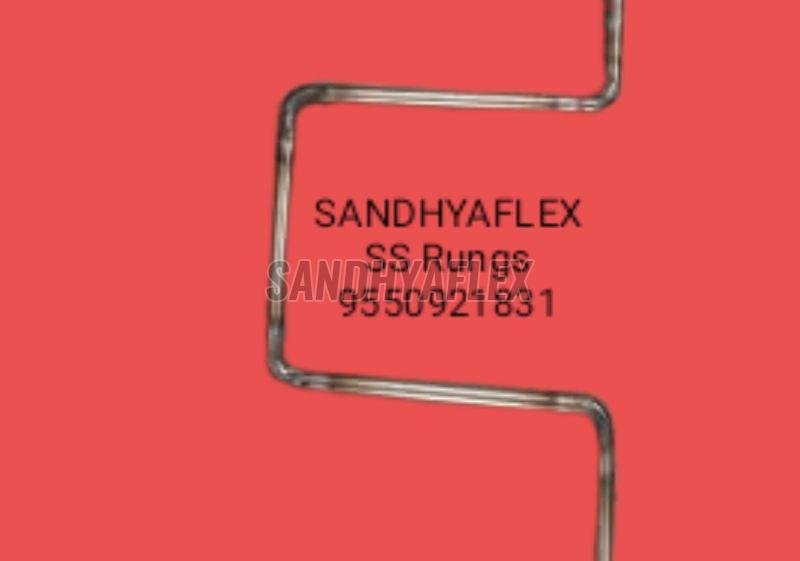
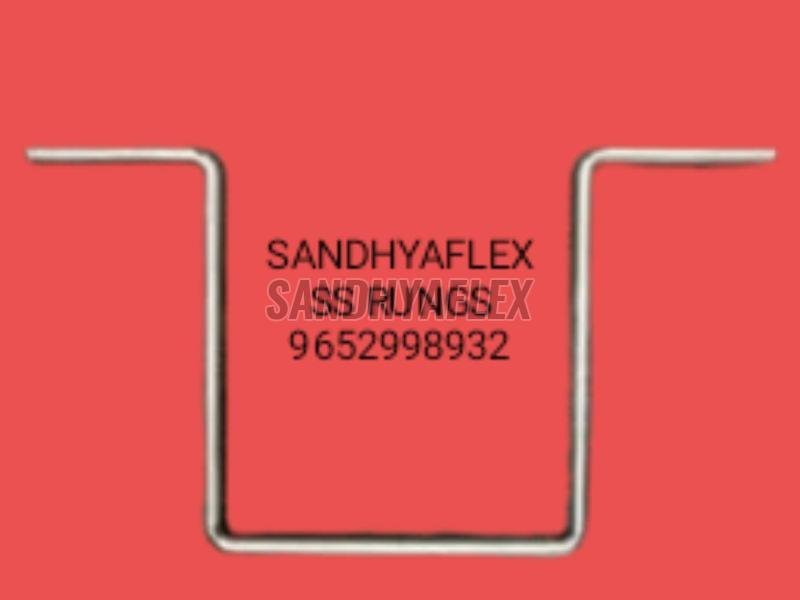
PVC rungs can be used in various applications, primarily in the construction and manufacturing industries. Here are some common uses and applications of PVC rungs:
1. **Ladders:**
- PVC rungs are often used in the construction of ladders, especially in environments where corrosion resistance and durability are important factors. PVC is resistant to moisture and chemicals, making it suitable for outdoor and industrial applications.
2. **Scaffolding:**
- Scaffolding structures often incorporate PVC rungs for enhanced safety and stability. The non-conductive nature of PVC makes it a suitable material for use in electrical work environments.
3. **Access Systems:**
- PVC rungs can be integrated into access systems for various structures, such as water tanks, communication towers, and utility poles. The material's resistance to weather conditions and chemicals makes it a practical choice for outdoor installations.
4. **Marine Applications:**
- Due to its resistance to saltwater and harsh marine environments, PVC rungs can be used in the construction of ladders and access points on boats, docks, and other marine structures.
5. **Chemical Processing Plants:**
- PVC is resistant to many chemicals, making it suitable for use in chemical processing plants. Rungs made from PVC can be part of access ladders and platforms in these environments.
6. **Fire Escape Ladders:**
- PVC rungs can be used in the construction of fire escape ladders. The non-conductive nature of PVC is advantageous in situations where there is a risk of electrical hazards.
7. **Residential and Commercial Buildings:**
- PVC rungs can also find applications in residential and commercial settings. They may be used in interior or exterior ladders, especially in locations where exposure to the elements or chemical substances is a concern.
When using PVC rungs, it's important to ensure that they comply with relevant safety standards and regulations. Additionally, their installation should be done in accordance with guidelines to ensure structural integrity and user safety.
| Business Type | Manufacturer, Exporter, Supplier, Retailer |
| Brand | SANDHYAFLEX |
| Port | mumbai |
| Packaging Details | Packing as per qty |
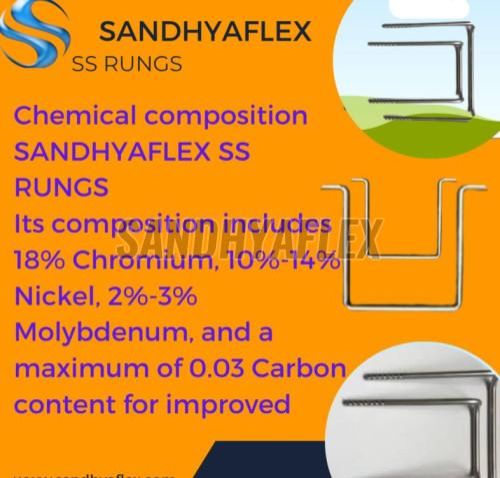
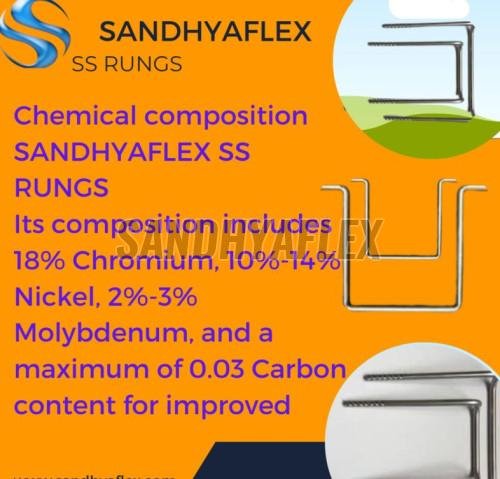
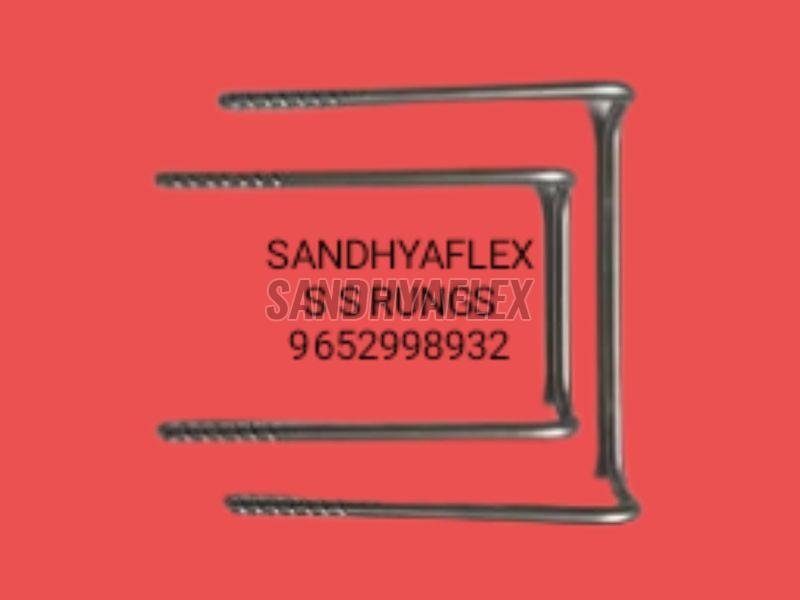
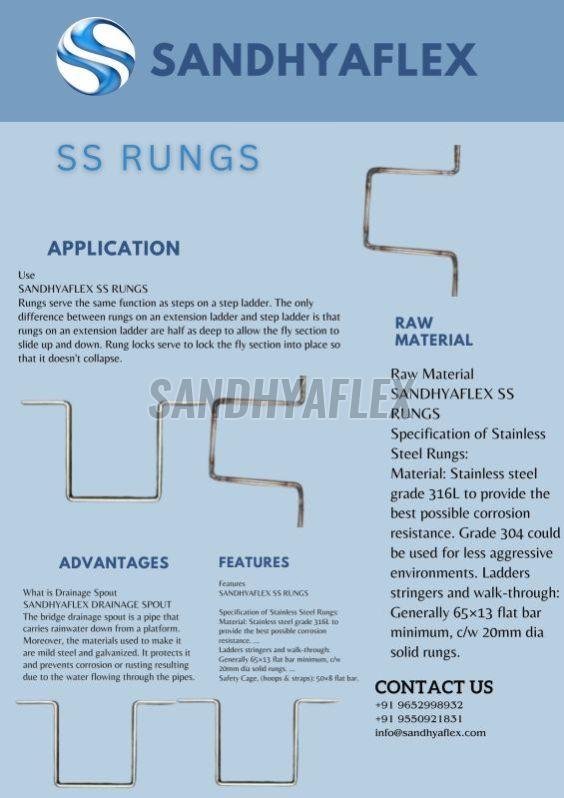
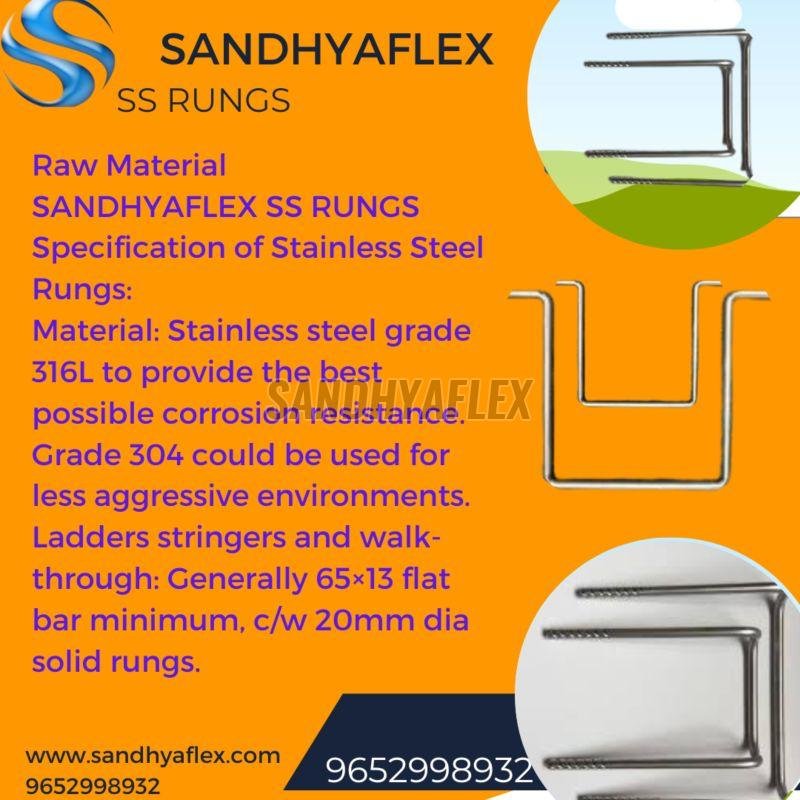
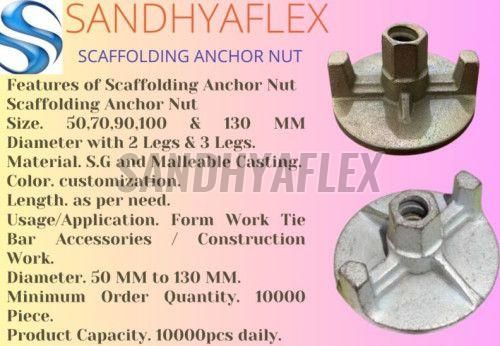
Specification of Stainless Steel Rungs:Ladders stringers and walk-through: Generally 65×13 flat bar minimum, c/w 20mm dia solid rungs. Stringers can be manufactured from larger flat bar or angle sections, if fixing ctrs are limited. Safety Cage, (hoops & straps): 50×8 flat bar. USE and Application Product applications/uses include Rungs for rooftop access ladders, truck or emergency vehicle steps, covers over existing solid Ladder Rungs, and more. FEATURES Specification of Stainless Steel Rungs: Material: Stainless steel grade 316L to provide the best possible corrosion resistance. ... Ladders stringers and walk-through: Generally 65×13 flat bar minimum, c/w 20mm dia solid rungs. ... Safety Cage, (hoops & straps): 50×8 flat bar RAW MATERIAL Specification of Stainless Steel Rungs:Material: Stainless steel grade 316L to provide the best possible corrosion resistance. Grade 304 could be used for less aggressive environments CHEMICAL COMPOSTION Stainless 310/310s Steel Rings Chemical Composition Grade C Ni SS 310 0.015 max 19.00 – 21.00 SS 310S 0.08 max 19.00 – 21.00 Material: Stainless steel grade 316L to provide the best possible corrosion resistance. Grade 304 could be used for less aggressive environments.SS (Stainless Steel) step rungs are specialized components used in various applications where safe and durable access is required. Here are some common uses and applications: 1. **Industrial Platforms and Walkways**: Stainless steel step rungs are frequently used in industrial settings to provide safe access to elevated platforms, walkways, and machinery. They are attached to support structures such as ladders, staircases, and access ramps, offering secure footing for workers and maintenance personnel. 2. **Marine and Offshore Structures**: Stainless steel step rungs are utilized in marine and offshore environments on vessels, oil rigs, and offshore platforms. They provide safe access to different levels of the structure, including decks, gangways, and equipment compartments, even in harsh marine conditions. 3. **Building Maintenance**: Stainless steel step rungs are installed on building exteriors to facilitate maintenance tasks such as window cleaning, façade inspection, and painting. They are commonly attached to building exteriors using anchor bolts or welded brackets, providing safe and secure access for maintenance personnel. 4. **Fire Escapes and Emergency Exits**: Stainless steel step rungs are incorporated into fire escapes and emergency exit systems in buildings to provide a means of safe egress during emergencies. They are installed on exterior walls or staircases, allowing occupants to quickly descend from upper floors to ground level in the event of a fire or other emergencies. 5. **Telecommunication Towers**: Stainless steel step rungs are used on telecommunication towers and radio masts to provide safe access for technicians and maintenance crews. They are attached to the tower's lattice structure, enabling personnel to ascend and descend the tower safely while performing maintenance, inspection, or repair tasks. 6. **Power Transmission Towers**: Stainless steel step rungs are employed on power transmission towers and utility poles to provide safe access for linemen and maintenance personnel. They are attached to the tower's structure using brackets or welded connections, allowing workers to climb the tower safely to perform maintenance and repair work on power lines and equipment. 7. **Sports and Recreation Facilities**: Stainless steel step rungs are used in sports and recreation facilities such as rock climbing walls, ropes courses, and obstacle courses. They provide hand and footholds for participants, enhancing safety and stability during climbing and traversing activities. 8. **Agricultural Equipment**: Stainless steel step rungs are incorporated into agricultural equipment such as grain bins, silos, and storage tanks to provide access for inspection, ma
| Business Type | Manufacturer, Exporter, Supplier |
| Size | 0-15mm, Cool — So You're Working With **brand,Color,Size** Data. This Is Super Common For Anything From Fashion To Electronics To Packaging. Here's How It Typically Looks,Depending On Your Use Case. ### |
| Usage | Automobile Fittings |
| Surface Finishing | Power Coated |
| Material | Copper |
| Brand Name | Canco |
| Head Shape | Round Head |
| Product Code | C1019663125-16 |
| Port | mumbai |
| Payment Terms | D/A |
| Delivery Time | 7to 15days |
| Packaging Details | Could you clarify what you mean by "packaging details"? Are you referring to: - Product packaging (e.g., dimensions, materials, labeling)? - Packaging design? - Shipping and logistics packaging? - Regulatory or compliance info? - Something specific (like for a product or industry)? Let me know a bit more so I can help you better! |
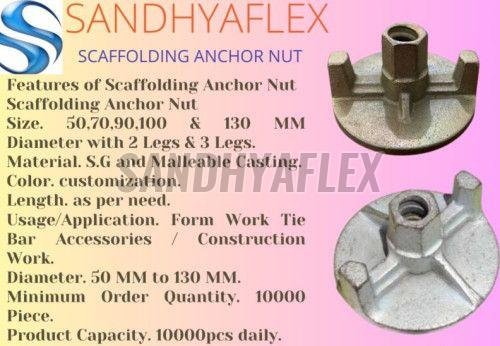
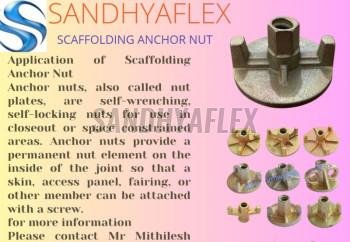
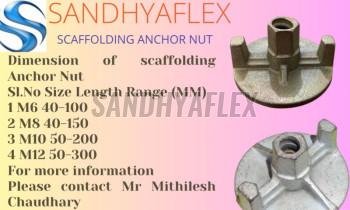
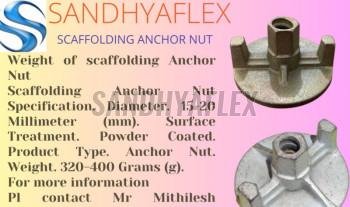
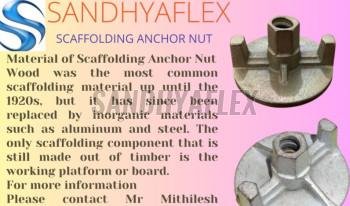
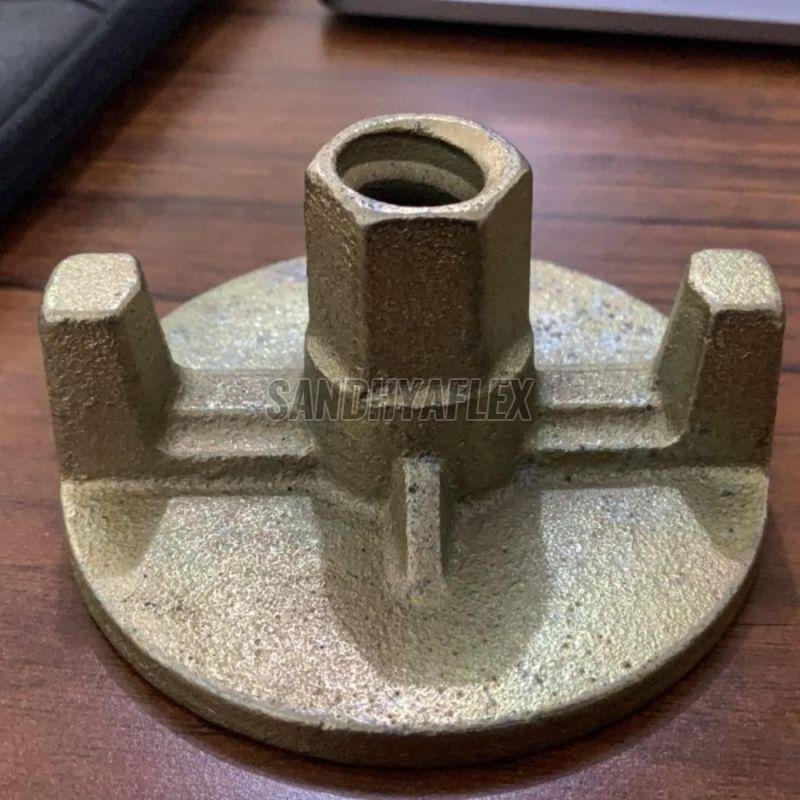
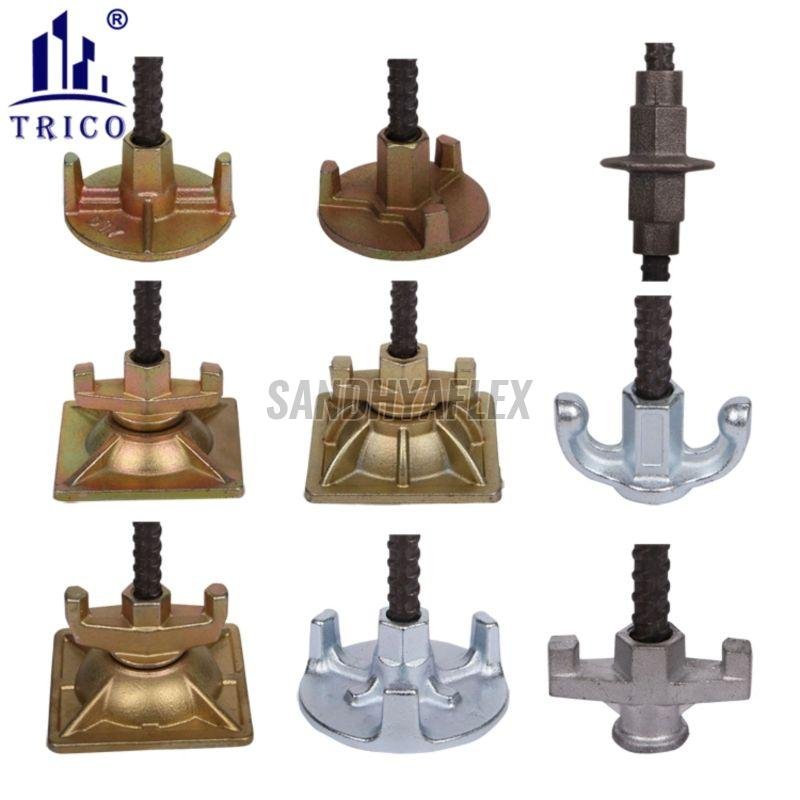
Scaffolding anchor nuts are critical components used in construction scaffolding systems. These nuts serve several important functions in ensuring the stability, safety, and flexibility of scaffolding structures. Here are some common uses and applications of scaffolding anchor nuts:
1. **Securing Scaffolding Frames**: Anchor nuts are used to secure scaffolding frames to the ground or to other structural components. They provide a stable anchor point for the scaffolding structure, preventing it from shifting or collapsing.
2. **Adjusting Scaffolding Heights**: Scaffolding anchor nuts are often used in conjunction with adjustable base plates or screw jacks. By turning the nut, workers can easily adjust the height of the scaffolding to suit the requirements of the construction project.
3. **Connecting Scaffold Tubes**: Anchor nuts are used to connect scaffold tubes or pipes together, forming the vertical and horizontal members of the scaffolding structure. These nuts provide a secure connection point that can withstand the weight of workers and construction materials.
4. **Supporting Scaffold Boards**: Scaffold boards or planks are laid across horizontal scaffold tubes to create a working platform for construction workers. Anchor nuts are used to secure these boards in place, ensuring they remain stable and level during use.
5. **Providing Stability**: Scaffolding anchor nuts play a crucial role in providing stability to the entire scaffolding structure. By anchoring the scaffolding to the ground or to adjacent structures, anchor nuts help prevent swaying or tipping, especially in windy conditions or on uneven terrain.
6. **Facilitating Easy Assembly and Disassembly**: Anchor nuts are designed for easy installation and removal, allowing for quick assembly and disassembly of scaffolding structures. This is particularly important in construction projects where time is of the essence.
7. **Compatibility with Various Scaffolding Systems**: Anchor nuts are versatile components that can be used with various types of scaffolding systems, including tube and clamp scaffolding, ring lock scaffolding, and cup lock scaffolding. This makes them a popular choice among construction professionals.
Overall, scaffolding anchor nuts are essential components that contribute to the safety, stability, and functionality of scaffolding structures in construction projects. Their versatility and ease of use make them indispensable tools for construction workers and scaffolding contractors.
| Business Type | Manufacturer, Exporter, Supplier |
| Material | Mild Steel |
| Country of Origin | India |
| Number Of Flower | Scaffolding Tie Rod |
| Application | Industrial |
| Finishing | Polished |
| Brand Name | SNDHYAFLEX |
| Condition | New |
| Shape | Rectangular |
| Product Code | C1019663125-16 |
| Port | mumbai |
| Payment Terms | D/P |
| Delivery Time | 2 to 7 days |
| Packaging Details | packaging as per dimension |
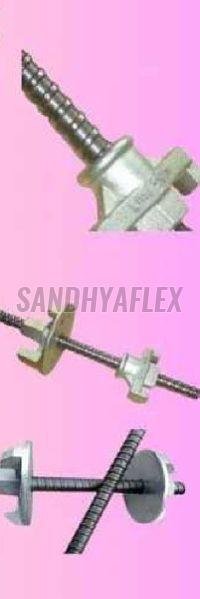
Scaffolding tie rods are critical components used in construction scaffolding systems for various applications. Here are some of their main uses and applications:
1. **Structural Stability**: Scaffolding tie rods are primarily used to provide structural stability to scaffolding structures. They help distribute loads evenly across the scaffolding system, minimizing the risk of collapse or failure, especially in tall or complex scaffolds.
2. **Tying Scaffolding Frames Together**: Tie rods are used to connect and tie scaffolding frames together horizontally and vertically. This connection reinforces the entire scaffold structure, ensuring it remains stable and secure during construction activities.
3. **Bracing and Diagonal Support**: Tie rods are often utilized as diagonal bracing elements within the scaffolding system. They help distribute lateral loads, such as wind forces or uneven weight distribution, and prevent the scaffold from swaying or tipping over.
4. **Supporting Platforms and Decks**: Tie rods are used to support scaffold platforms or decks, providing additional stability and load-bearing capacity. They help distribute the weight of workers, equipment, and construction materials evenly across the scaffold, reducing the risk of platform failure.
5. **Adjusting Scaffold Heights**: In some scaffolding systems, tie rods can be used to adjust the height of scaffold platforms or decks. By adjusting the length of the tie rods, workers can raise or lower the scaffold to the desired height, accommodating changes in elevation or terrain.
6. **Anchoring to Structures**: Tie rods are often used to anchor scaffolding to existing structures, such as buildings or walls. This anchoring helps secure the scaffold in place, preventing movement or displacement during construction activities.
7. **Temporary Support during Construction**: In addition to their use in scaffolding, tie rods can also be employed as temporary supports during various construction tasks. They can provide additional reinforcement to formwork, temporary bracing, or other temporary structures on the construction site.
8. **Compatibility with Various Scaffolding Systems**: Tie rods are compatible with different types of scaffolding systems, including tube and clamp scaffolding, ring lock scaffolding, cup lock scaffolding, and others. This versatility allows for their widespread use in various construction projects.
Overall, scaffolding tie rods play a crucial role in ensuring the stability, safety, and functionality of scaffolding structures in construction projects. Their versatility, load-bearing capacity, and ability to provide structural reinforcement make them essential components for construction workers and scaffolding contractors alike.
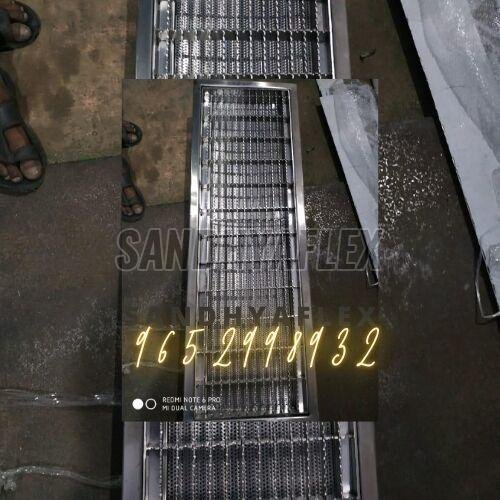
| Business Type | Manufacturer, Exporter, Supplier |
| Brand Name | SNDHYAFLEX |
| Material | Metal |
| Finishing | Deep Gulvnized and Painted |
| Shape | as per customer Dimension |
| Color | Silver, Black |
| Condition | New |
| Application | Industrial |
| Size | dimension as per customer Drawing and DImension |
| Product Code | SSGTC |
| Port | mumbai |
| Payment Terms | T/T |
| Delivery Time | 3 to 4week |
| Packaging Details | open |
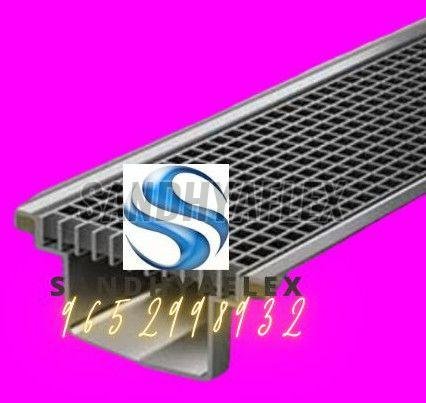
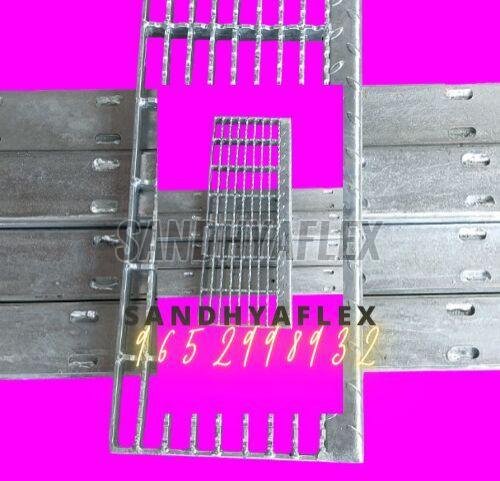
I couldn’t locate any clear, public technical documentation specifically titled “Sandhyaflex SS Grating through Channel” from Sandhya Enterprises. It might be a custom product or variant of their SS (stainless steel) grating combined with a channel/trough.
I can, however, pull together what a typical “SS grating through channel” product would require, what specs to ask for, and how Sandhyaflex or similar manufacturers might supply it. If you like, I can try to find a vendor who supplies exactly that, with drawings / price.
What “SS Grating Through Channel” likely means
SS = Stainless Steel (grade like SS304 / SS316 etc.), used for corrosion resistance, hygiene, aesthetics.
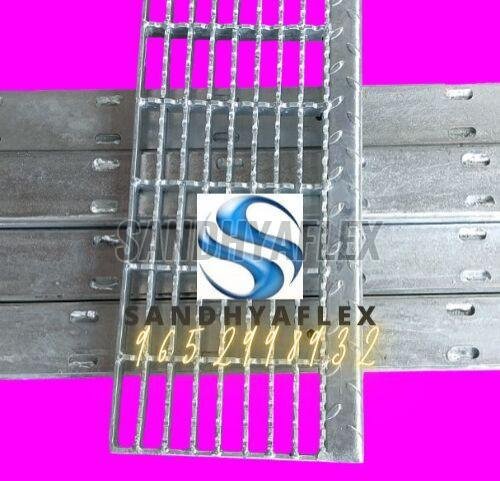
Grating = the top cover or grate which allows water / fluids to pass through into the channel.
Channel (or trough) = the body beneath the grating, usually cast-in or inserted into floor/slab, which channels the water to an outlet.
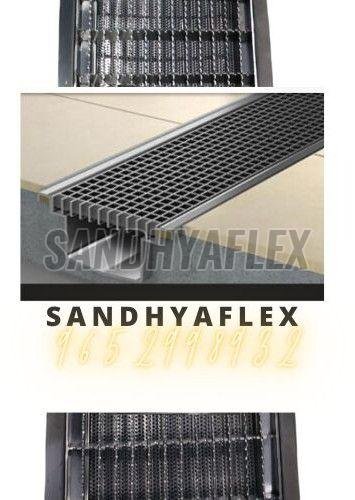
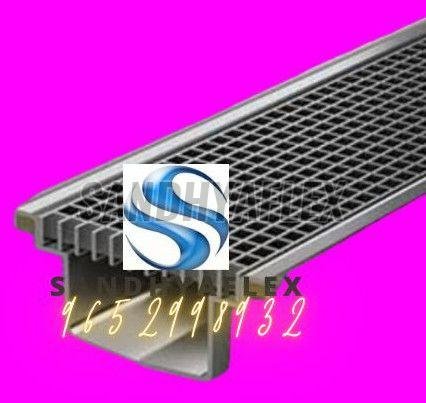
So “SS Grating through Channel” likely refers to a drainage channel system where the channel is fitted with a stainless steel grating cover.
What specs to define / ask when ordering
To get the correct product, you should define:
Channel Dimensions
Width (clear opening)
Depth of channel (internal)
Overall height (floor finish + channel + grating)
Grating Spec
Material grade (SS304, SS316 etc.)
Bar size / slot pattern / mesh / perforations (i.e. how large are openings)
Thickness of grating bars
Whether grating is hinged / removable / bolted
Load class (pedestrian / vehicular / heavy traffic)
Determines strength of channel body & grating
Channel body material and finish
If SS, same material as grating, or mild steel body with SS grating cover?
Finish: polished, matt, brushed, etc.
Outlet position & size
Where the water exits the channel (end / side / bottom)
Diameter of outlet
Slope / gradient
To ensure proper drainage
Fixing / anchoring
How does the channel sit / fix to floor slab or structure
Sealing between channel wall and slab
Maintenance access
Removable grating
Clean-outs
Standards / certifications
Relevant IS / ASTM / EN standards for stainless steel, drainage channels etc.
What Sandhyaflex products close to this kind of product do
Based on what I found, Sandhya / Sandhyaflex offers:
Drainage spouts (Mild steel / galvanized) with MS bodies. (
| Business Type | Manufacturer, Exporter, Supplier |
| Brand Name | SNDHYAFLEX |
| Material | Carbon Steel |
| Finishing | Polished |
| Condition | Used |
| Application | Automobiles |
| Certification | ISI Certified |
| Grade | AISI |
| Size | Hey! Could you tell me a bit more about what you're looking for with "brand"? Are you thinking about: - Creating a brand name? - Developing a brand identity (logo, colors, voice)? - Building a person |
| Product Code | sandhyaflex |
| Port | A **port of dispatch** refers to the location (usually a seaport or airport) where goods are officia |
| Payment Terms | T/T, Western Union |
| Delivery Time | depends |
| Packaging Details | Sure! Could you clarify what kind of **packaging details** you're looking for? For example: - Product packaging (e.g., for shipping, retail, food, cosmetics)? - Specific packaging materials (e.g., plastic, cardboard, eco-friendly)? - Design elements (e.g., labels, logos, colors)? - Industry or product type? - Regulatory or labeling requirements? Let me know what you're working on, and I can tailor the info to fit! |
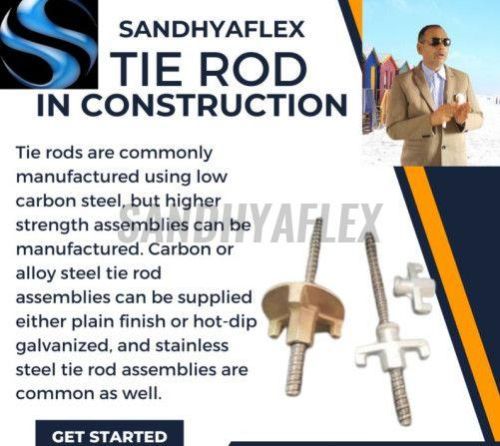
A tie rod, also known as a tie-rod end or track rod, is a crucial component of a vehicle\\\'s steering system. It plays a significant role in maintaining proper steering control and alignment. Tie rods are found in both traditional (non-rack-and-pinion) and rack-and-pinion steering systems, although the design and placement may vary.
\r\n\r\n
Here are the main functions and components of a tie rod:
\r\n\r\n
1. **Steering Linkage:** Tie rods are part of the steering linkage that connects the steering gear (or steering rack in rack-and-pinion systems) to the steering knuckles of the front wheels.
\r\n\r\n
2. **Steering Control:** When you turn the steering wheel, it causes the tie rods to pivot and transfer that motion to the front wheels. This is how you control the direction of your vehicle.
\r\n\r\n
3. **Alignment:** Tie rods also play a crucial role in maintaining proper wheel alignment. They help ensure that the wheels are aligned parallel to each other and perpendicular to the road surface. Proper alignment is essential for safe and predictable handling and to prevent uneven tire wear.
\r\n\r\n
There are two main types of tie rods:
\r\n\r\n
1. **Inner Tie Rod:** This part connects to the steering gear or rack and is typically threaded into it. The inner tie rod is hidden beneath a boot to protect it from dirt and debris.
\r\n\r\n
2. **Outer Tie Rod:** The outer tie rod connects to the inner tie rod on one end and the steering knuckle on the other end. It\\\'s the part of the tie rod that is more exposed and easier to access.
\r\n\r\n
Tie rods are adjustable to some extent to allow for precise alignment of the wheels. When tie rods wear out or become damaged, it can result in steering problems, including poor handling, uneven tire wear, and alignment issues. Regular maintenance and inspections are important to ensure that tie rods are in good condition and that your vehicle\\\'s steering system functions correctly.
\r\n\r\n
If you suspect an issue with your tie rods, it\\\'s essential to have them inspected and replaced if necessary to maintain safe and effective steering control. Improperly functioning tie rods can compromise the safety and performance of your vehicle.
| Business Type | Manufacturer, Exporter, Supplier |
| Brand Name | SNDHYAFLEX |
| Payment Terms | T/T |
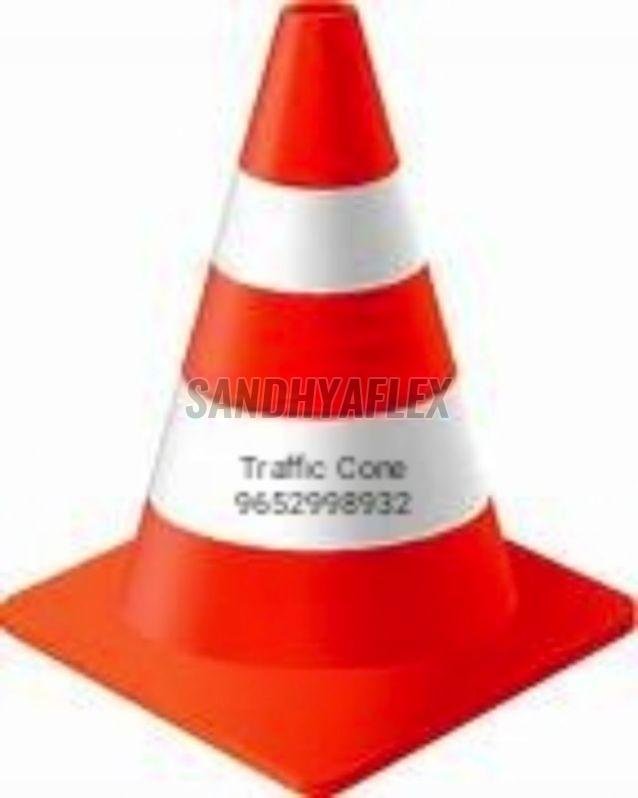
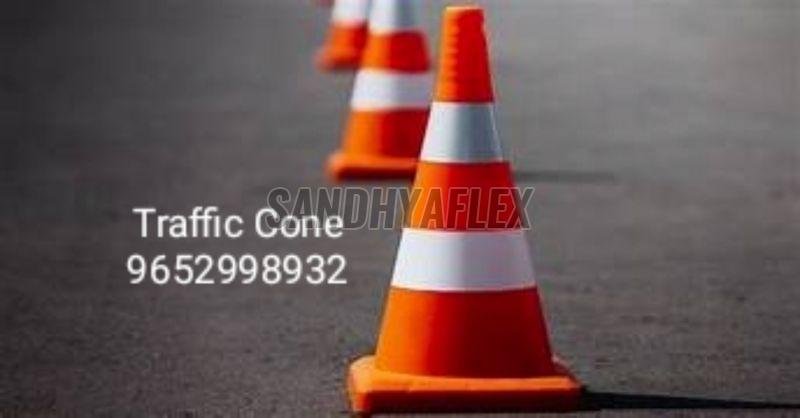
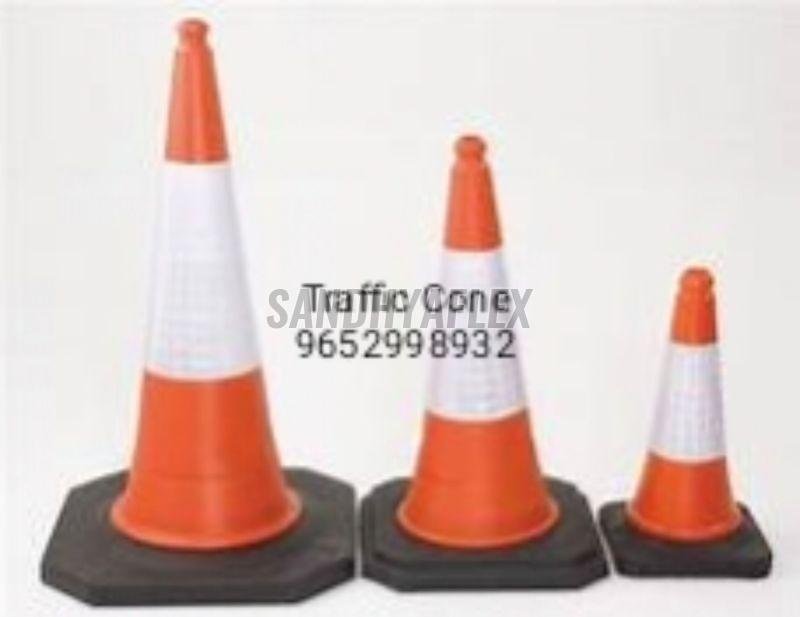
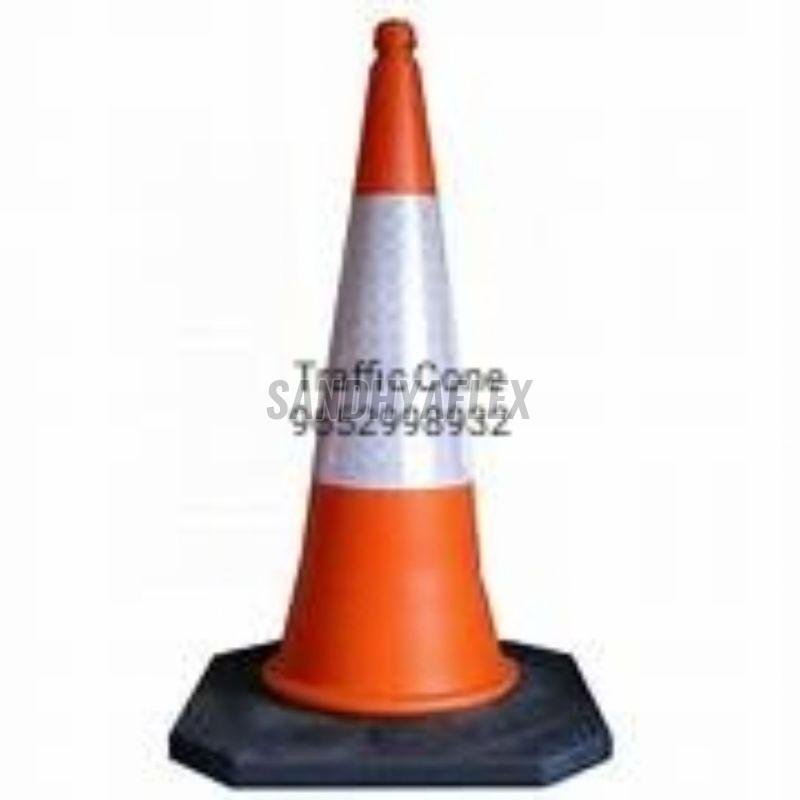
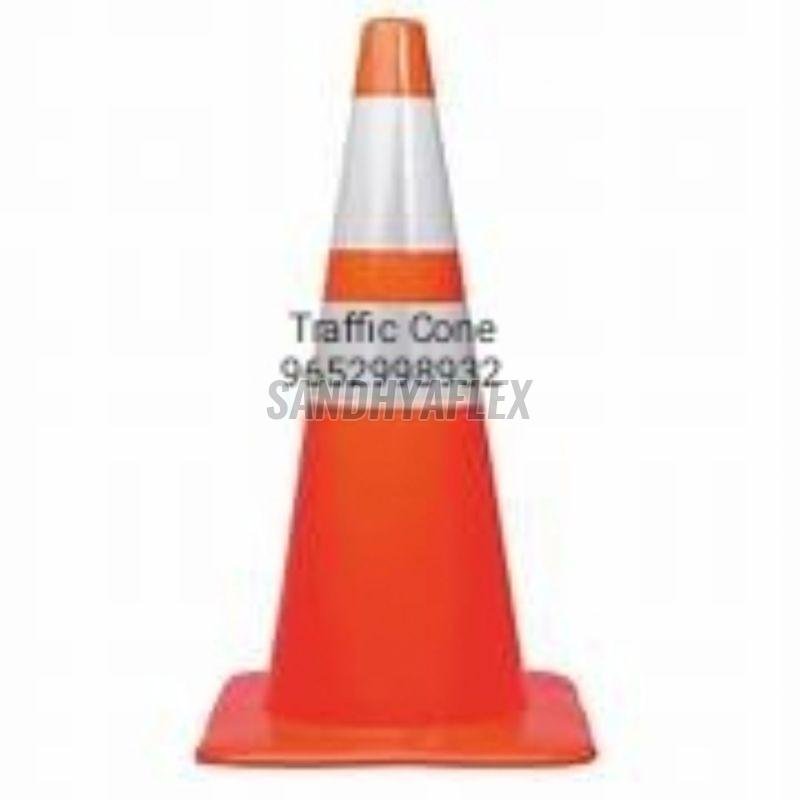
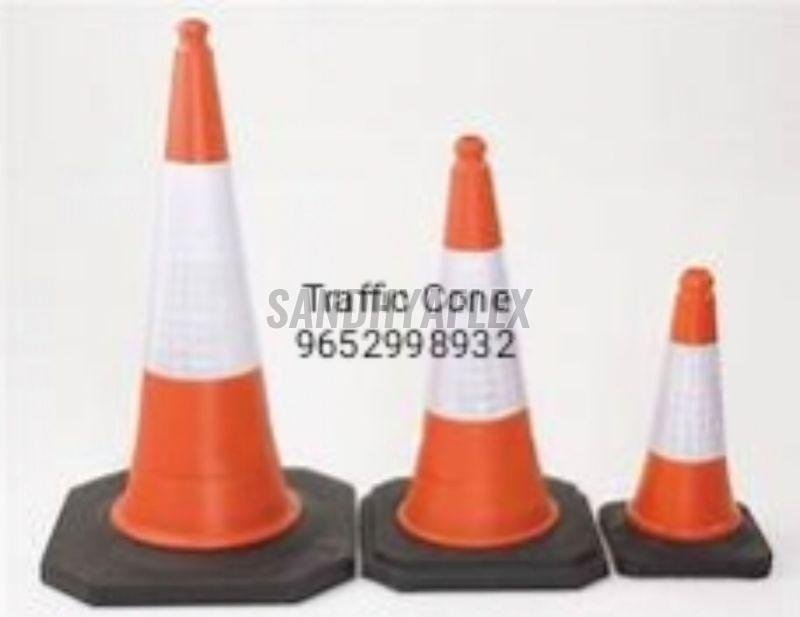
A traffic safety cone, also known as a traffic cone, safety cone, or road cone, is a brightly colored, conical-shaped safety device typically made of rubber, plastic, or a combination of materials. These cones are commonly used in various traffic control, construction, and safety applications to alert and direct road users, pedestrians, and workers. Here are some key features and uses of traffic safety cones:
1. **Bright Color:** Traffic cones are usually bright orange, but they can also come in other high-visibility colors such as lime green or fluorescent red. The vivid color enhances visibility, especially in low-light conditions.
2. **Reflective Bands:** Many traffic cones have reflective bands or stripes that make them even more visible at night when illuminated by headlights or other light sources.
3. **Conical Shape:** The conical shape of these cones makes them easily stackable for storage and transportation. It also helps prevent them from being blown over by wind or displaced by vehicles.
4. **Multiple Sizes:** Traffic cones come in various sizes, with the most common ones being 18 inches (45 cm) and 28 inches (70 cm) in height. Smaller sizes are often used for pedestrian control, while larger ones are used on roadways.
5. **Versatile Applications:**
- **Traffic Control:** They are commonly used to mark off lanes or sections of roads, indicate lane closures, and guide traffic around construction zones or accidents.
- **Construction Sites:** Traffic cones are used to create a safe work zone and direct vehicles and pedestrians away from hazardous areas.
- **Parking Lots:** They can be used to designate parking spaces, block off restricted areas, or indicate where vehicles should stop.
- **Event Management:** Cones are used to control pedestrian and vehicle traffic during events, fairs, and parades.
- **Safety Hazards:** Cones can be placed around hazards like potholes, damaged sidewalks, or fallen trees to alert people to potential dangers.
6. **Durable and Weather-Resistant:** Traffic cones are designed to withstand various weather conditions, including rain, snow, and UV exposure. They are typically made from materials that resist fading and damage.
7. **Portable and Easy to Handle:** Their lightweight construction makes traffic cones easy to transport and set up as needed.
8. **Compliance with Standards:** Traffic safety cones are often manufactured to comply with industry standards and regulations, ensuring their effectiveness in traffic and safety applications.
When using traffic safety cones, it's important to follow best practices for placement and spacing to effectively manage traffic and safety hazards. Additionally, cones should be periodically inspected for damage and replaced when necessary to ensure their continued effectiveness in enhancing safety on the road and in various other settings.